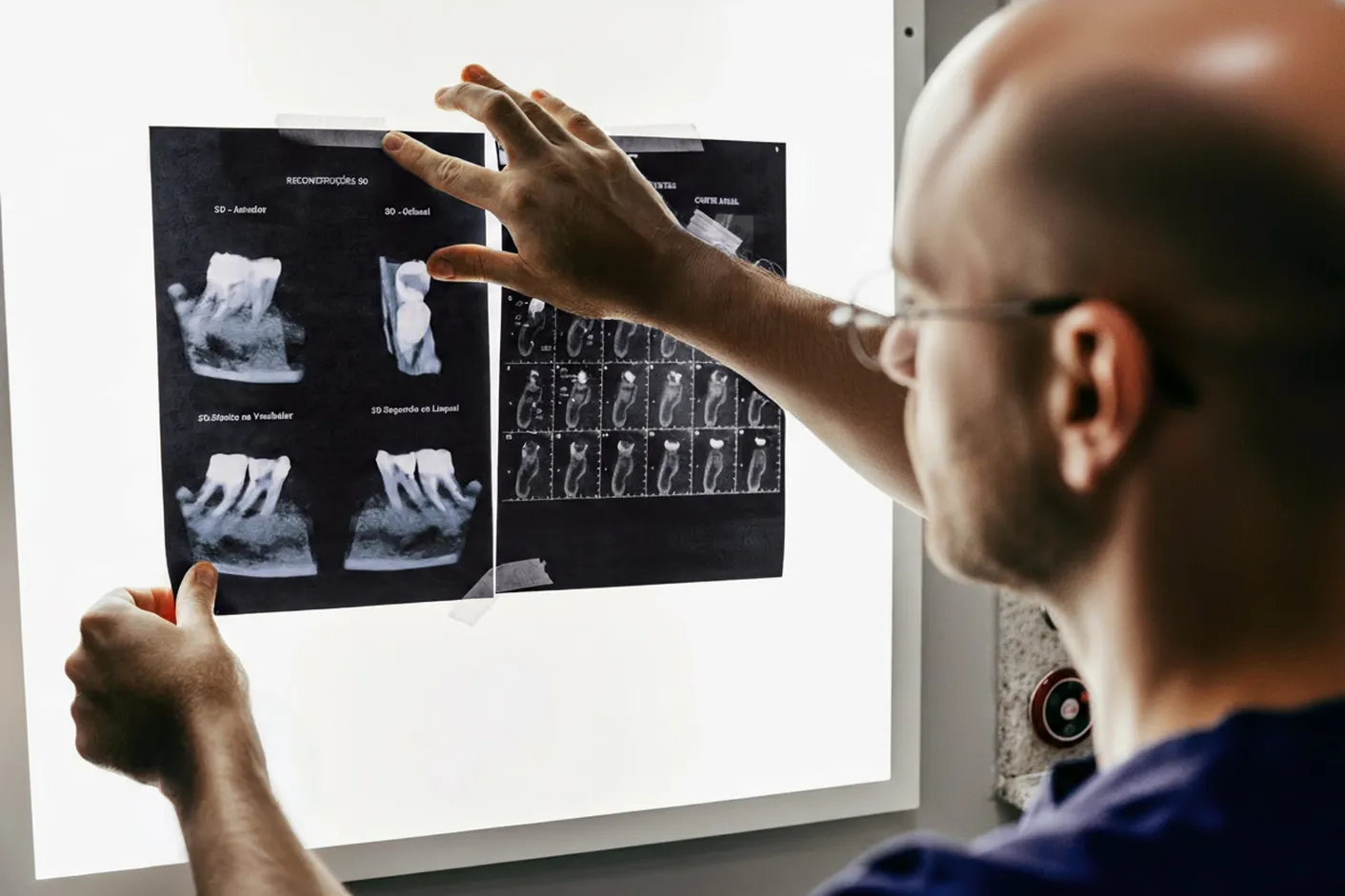
Rejection of bone substitute material: symptoms and treatment
Bone augmentation plays a crucial role in preparing for dental implants. Bone substitute material is often used in people with insufficient bone. This ensures the necessary stability for the implant. However, as with any medical treatment, ...
Über 350 Google-Bewertungen
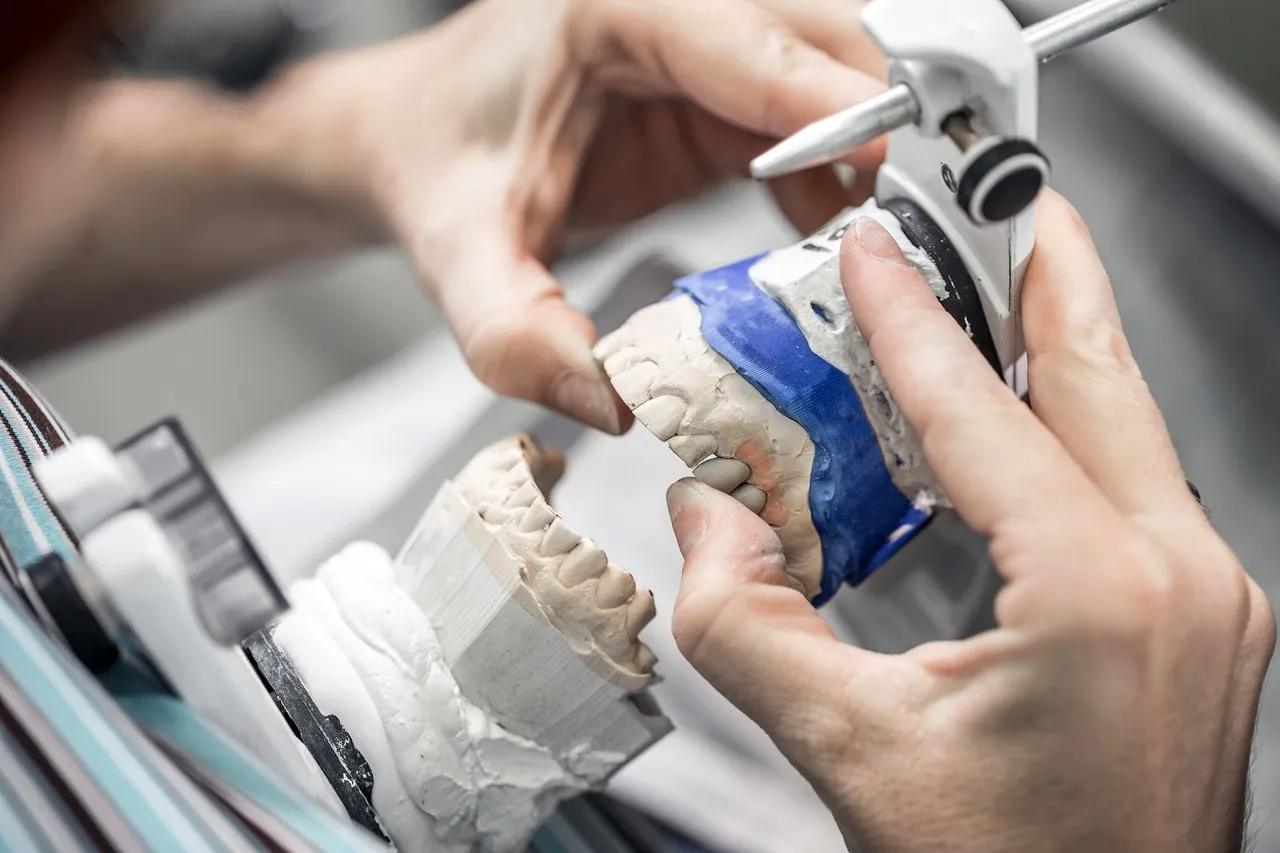
What is bone substitute material and why is it used?
Bone substitute material is used in dentistry when there is not enough natural bone to place a dental implant. Bone augmentation can be carried out using the patient’s own bone, which is taken from the patient, or using synthetic or animal-derived materials. These materials are intended to promote healing and stabilise the area so that a dental implant can be successfully placed later. There are various types of bone substitute material. These include synthetic bone substitutes that imitate natural bone and build up bone substance in the body. There are also biocompatible materials that support the healing process and promote the growth of new bone tissue.

What does rejection of bone substitute material mean?
Rejection of bone substitute material is a rare but possible complication after bone augmentation. It occurs when the body does not accept the material used and triggers an inflammatory response. This response can impair healing and result in the bone graft not being successfully integrated. It is a defence reaction in which the body regards the material as a foreign body. It is not so much a rejection in the sense associated with organ transplants.

Side effects of bone substitute material
The symptoms of bone substitute material rejection can vary. They depend on the type of material used and how far the healing process has progressed. The most common complications include: • Pain and discomfort in the affected area: Pain may occur after the surgical procedure. In most cases, however, this subsides over time. If the pain persists or becomes more severe, this may indicate rejection of the material. • Redness and swelling: Inflammation at the affected site is another common symptom. This may be accompanied by redness of the gums and visible swelling in the area. • Pus formation: An infection can also occur if the body rejects the bone substitute material. In such cases, pus may form, indicating an inflammatory response by the body. • Fever: Another sign of a possible infection is fever. This can occur if rejection of the bone substitute material leads to a bacterial infection. • Implant instability: If the bone substitute material is not accepted by the body, the dental implant can also become unstable. The implant may become loose or fail to integrate properly, which can lead to failure of the entire treatment. • Wound does not heal properly: If the bone substitute material is rejected by the body, the wound may not close. Delayed healing may also result. If you experience one or more of these symptoms, contact us immediately. We will help you avoid possible complications.
Causes of bone substitute material rejection
Several factors can promote rejection of bone substitute material. These include: • Intolerance to the material: In rare cases, the body may respond to the bone substitute material used with inflammation. This can happen because of an allergy or a rejection reaction to certain ingredients in the material. • Infections: An infection during or after the procedure can impair healing and cause rejection of the bone substitute material. Bacteria can enter the wound and disrupt the healing process. • Errors during implantation: If the bone substitute material is not placed correctly, this can impair integration of the material. This in turn can result in problems. • General health factors: Certain health conditions, such as diabetes or a weakened immune system, can make bone healing more difficult. This can lead to rejection.

Treatments for rejection of bone substitute material
If signs of bone substitute material rejection occur, it is important to act quickly. In most cases, the rejected material must be removed to prevent further inflammation or infection. After removal, another bone augmentation procedure may be required to prepare the area for the dental implant. In some cases, treatment with antibiotics may be necessary to treat an infection. It is also important to identify the underlying cause of the rejection. If the material used is not tolerated, switching to a different bone substitute may be necessary. In the case of an infection, the bacteria must be treated with suitable antibiotics before treatment can continue.
Frequently asked questions (FAQs) about bone substitute material rejection
The most common symptoms include pain, swelling, redness, pus formation, implant instability and fever. Do not hesitate to contact us if these symptoms occur. Acting quickly is important to minimise potential risks.
Symptoms can occur within the first few weeks after the procedure, particularly if the body does not accept the material.
Yes, bone substitute material is usually accepted by the body. Complications such as rejection are rare but possible. It is important to listen to your body after the procedure and follow the doctor’s instructions.
The material usually has to be removed. Additional measures are often necessary to stabilise the area and promote healing.
Yes, an infection can impair the healing of the bone substitute material and cause rejection.
The implant may have to be removed and the treatment replanned.
The rejected material is usually removed and the area is prepared for further treatment. Antibiotics are sometimes required.
Whether the costs are covered depends on the insurance and the cause of the rejection. It is advisable to clarify this with the insurer in advance.
Thorough aftercare, good oral hygiene and regular dental check-ups can minimise the risk of rejection.
In many cases, it is possible to make another attempt after the rejection has been treated. We will provide you with detailed advice on this and support you throughout the entire process.
Book your appointment now
We would be happy to advise you in person at our practice.