Brushing your teeth with baking powder: risks and alternatives
Using baking powder to brush your teeth may initially seem simple and inexpensive. However, this method is problematic for dental health. The abrasive effect can harm tooth enamel and exposed tooth necks. Gentle toothpastes, fluoride-containing care products and advice from a dentist are better options.
Über 350 Google-Bewertungen
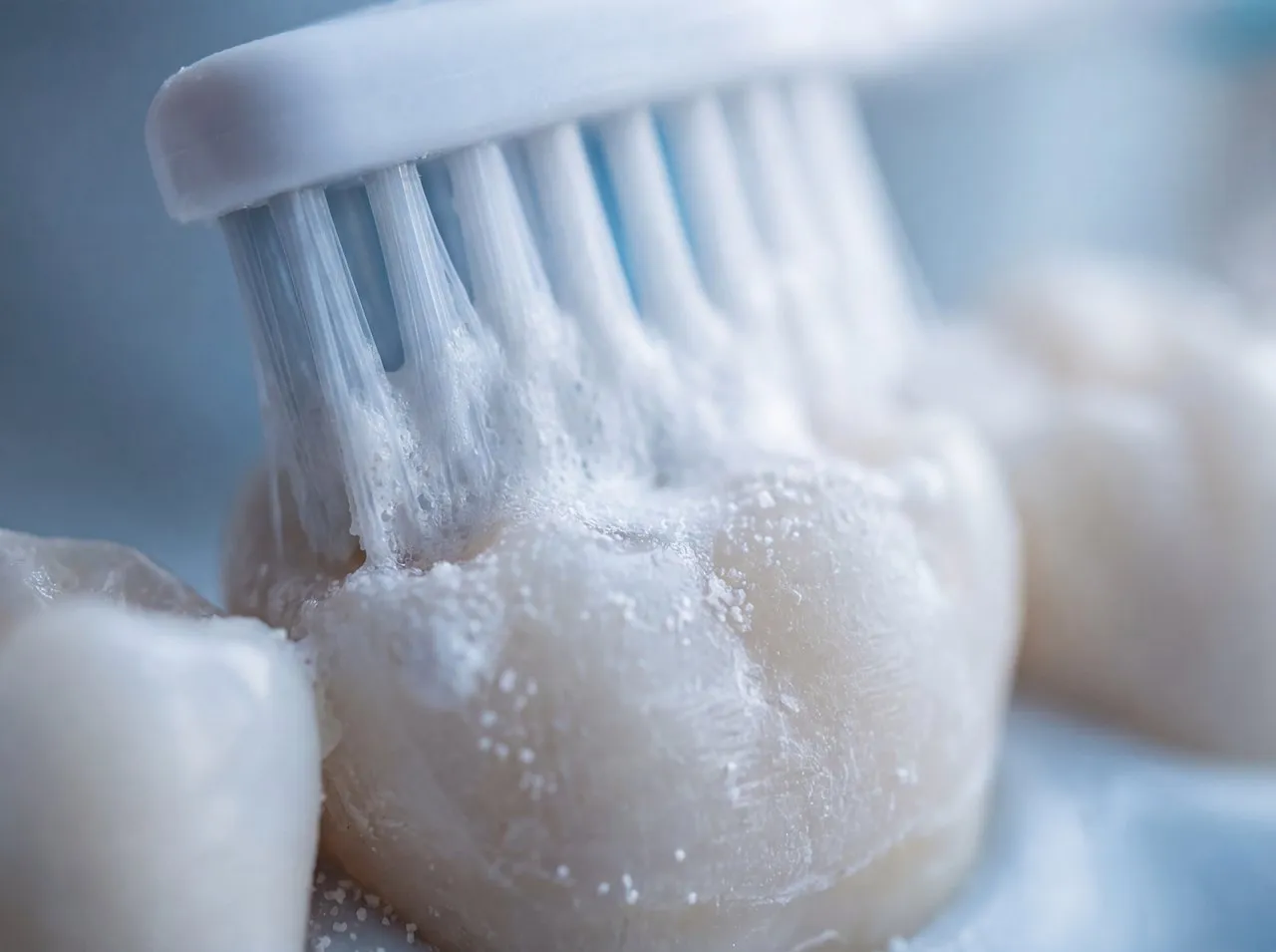
Why many people use home remedies on their teeth
Home remedies for oral care have been popular for many years. These include the familiar baking powder from the kitchen. Many people hope for brighter teeth and a smoother feel. The thinking behind this is easy to understand. The powder appears to remove deposits mechanically. It is also found in almost every household. Online, this method is often presented in oversimplified terms. Important information about risks and long-term effects is missing. This point is particularly crucial in dentistry.

What exactly is this kitchen powder?
This home remedy is not a conventional dental care product. It usually consists of sodium bicarbonate and other additives. These often include acidulants and anti-caking agents. This mixture is useful for baked goods. It was not developed for daily tooth cleaning. This is an important difference. Toothpaste is formulated specifically for the mouth. Kitchen powder does not meet these requirements. It is therefore not advisable to use it as a direct substitute.

Brushing your teeth with baking powder: what effect is expected?
Many users associate this home remedy with a whitening effect. In fact, its rough texture can remove some superficial discolouration. This includes deposits caused by coffee, tea or nicotine. However, this effect is purely mechanical. It does not change the natural tooth colour. Deeper discolouration remains. Teeth may therefore feel smoother in the short term. However, this does not mean that the method is gentle. This is precisely the dental problem.

Why this home remedy can be harmful to tooth enamel
The tooth surface is resilient, but it cannot withstand unlimited stress. Coarse or unsuitable abrasive particles can cause abrasion. This kitchen product can therefore damage the hard tooth substance. Regular use is particularly concerning. Repeated abrasion can gradually thin tooth enamel. Once lost, this substance does not grow back. Over time, teeth often become more sensitive. Cold, heat or sweet foods can then become uncomfortable. Exposed tooth surfaces are also at greater risk.

Risks to the gums and oral mucosa
Not only the teeth can be affected. The gums also react sensitively to unsuitable friction. Rubbing too coarsely can irritate the soft tissue. The composition of the powder is another factor. Additional substances are not intended for daily oral care. This can unnecessarily irritate the oral mucosa. Anyone who already has inflammation in their mouth should be particularly careful. Irritated tissue needs gentle care. Home remedies with an abrasive effect are then not a good choice.
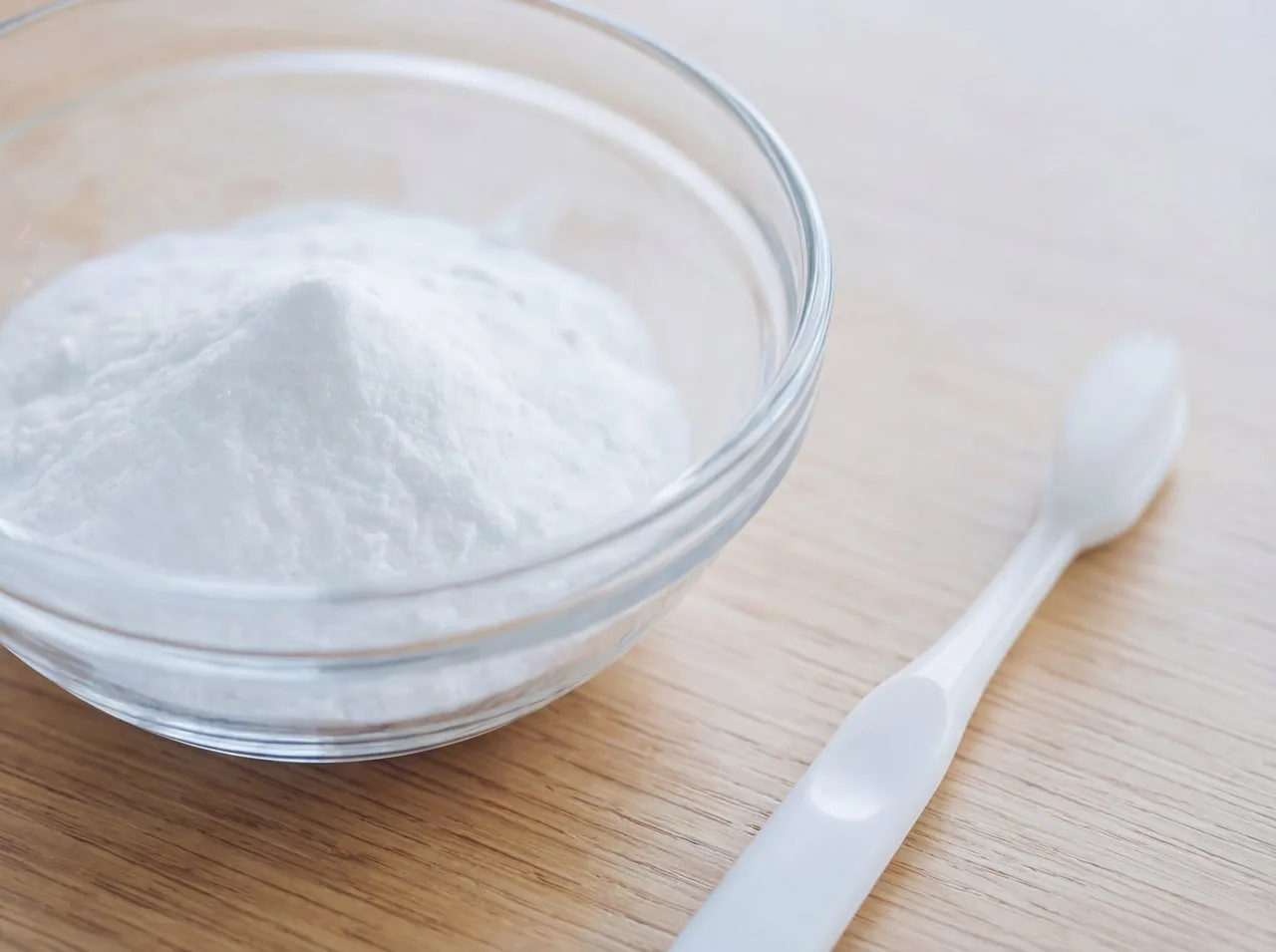
Does the powder really make teeth whiter?
Many people ask whether this home remedy can whiten their teeth. The honest answer is: only to a very limited extent. At most, it removes superficial deposits. This does not whiten the tooth itself. Achieving visible teeth whitening requires other procedures. These should be professionally assessed. Excessive rubbing can also have the opposite effect. If the surface becomes rougher, new discolouration can adhere more easily. The result is then often less favourable in the long term.

Why this kitchen product cannot replace toothpaste
Good toothpaste can do much more than clean. It usually contains fluoride to protect tooth enamel. Its abrasiveness is also controlled. This home remedy does not provide this protection. It does not specifically strengthen the tooth surface. It also lacks a balanced combination of cleaning and gentleness. Daily oral hygiene therefore requires suitable products. These include fluoride toothpaste, a soft brush and the correct technique. This combination is much more sensible.
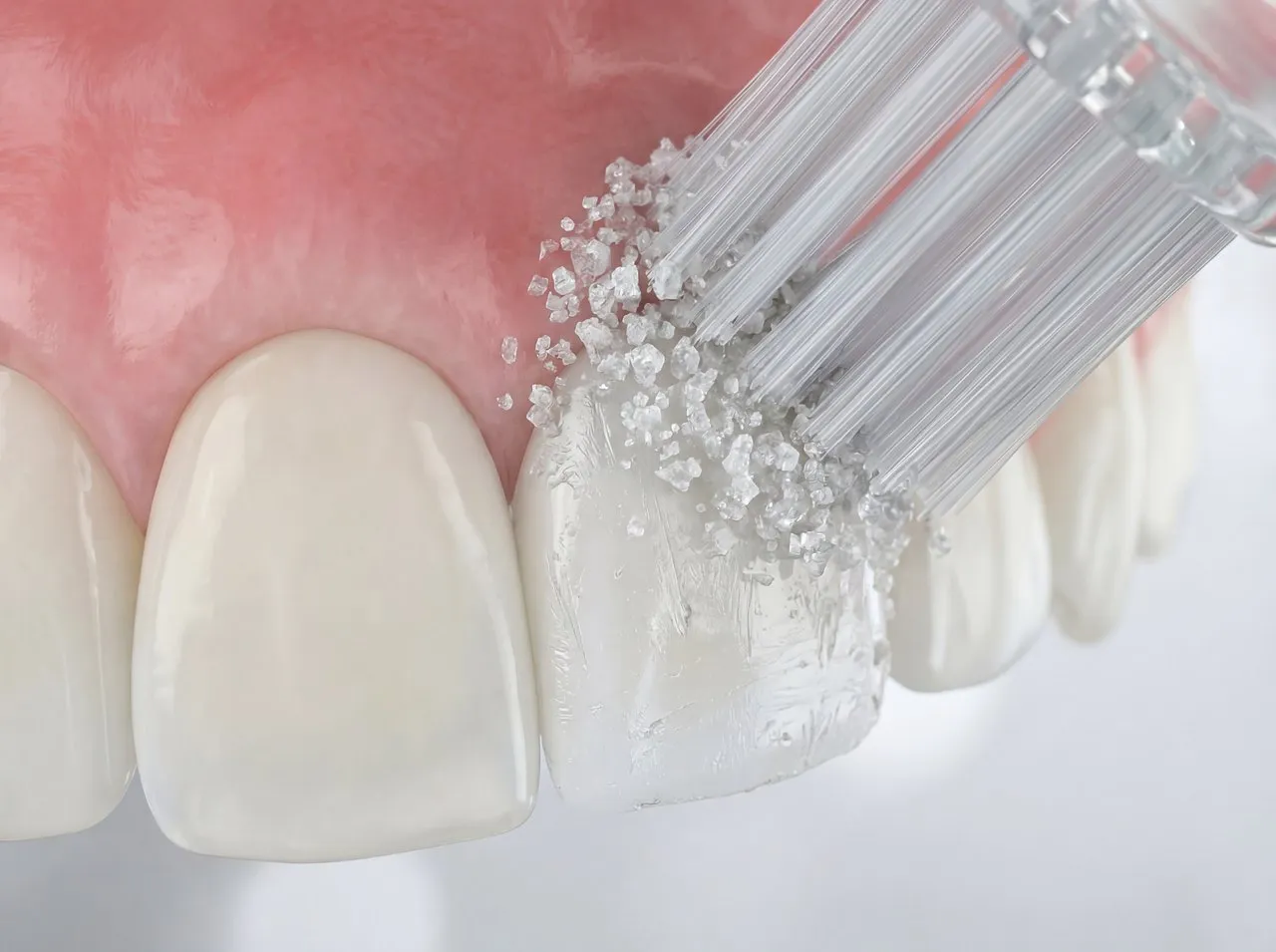
When this method is particularly problematic
Some situations further increase the risk. These include sensitive teeth, defects at the tooth neck and enamel that has already been damaged. Caution is also important after acidic foods. After fruit juices or soft drinks, the tooth surface is temporarily more vulnerable. No abrasive product should be used during this phase. This also applies to aggressive brushing movements. People with periodontitis or gum irritation should also avoid it. The same applies to erosion or damage caused by teeth grinding. An individual recommendation is particularly important here.
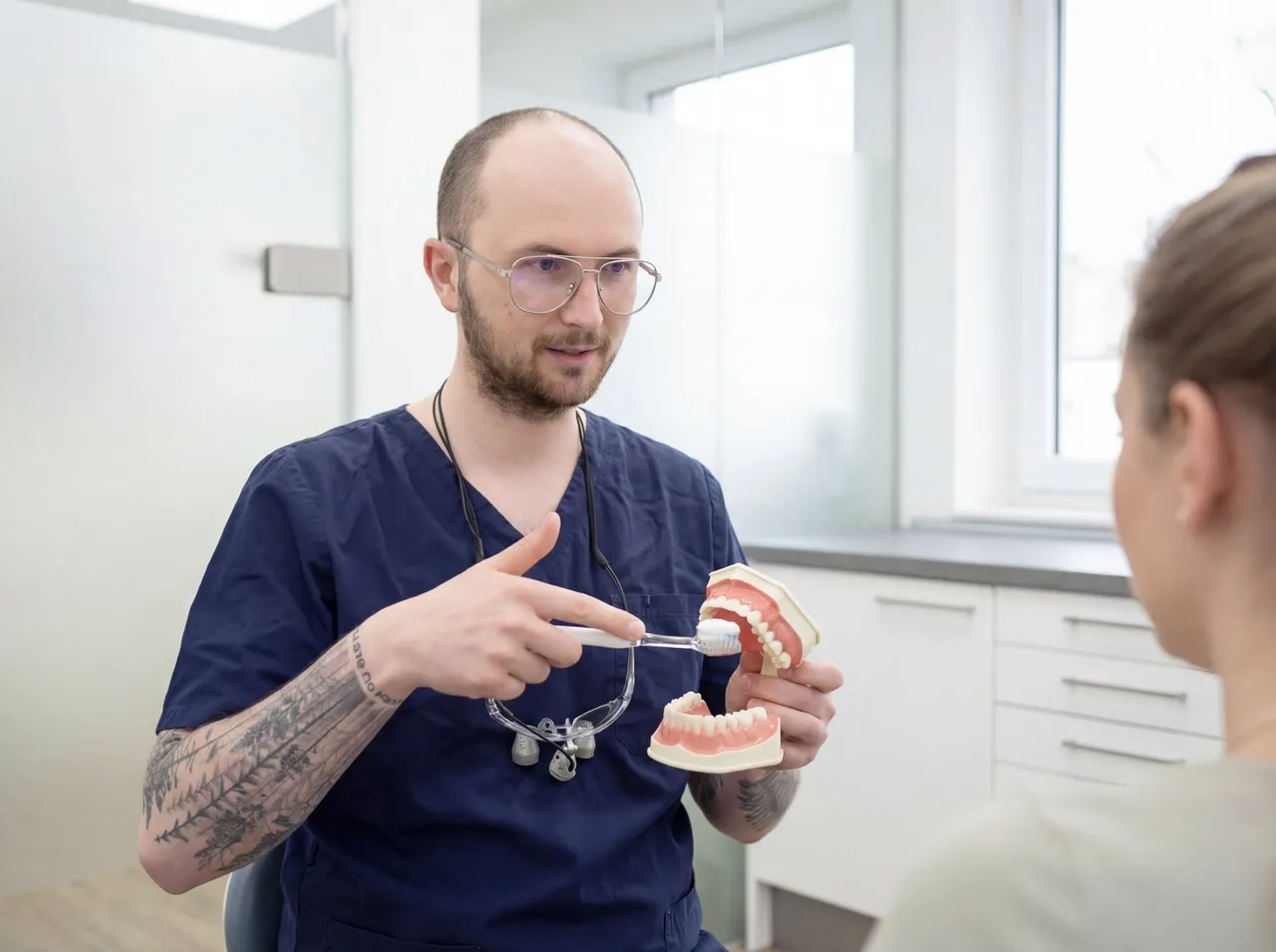
Which alternatives are better?
Scientifically tested products are suitable for daily care. Fluoride toothpaste remains the most important standard. It cleans and protects at the same time. Special toothpastes with adjusted abrasiveness can help with discolouration. Professional dental cleaning can also be useful. This removes deposits selectively and in a controlled manner. Anyone who wants teeth whitening should seek advice from a dentist. This allows the most suitable method to be assessed. Dental health is also kept in mind.
What does dentistry recommend?
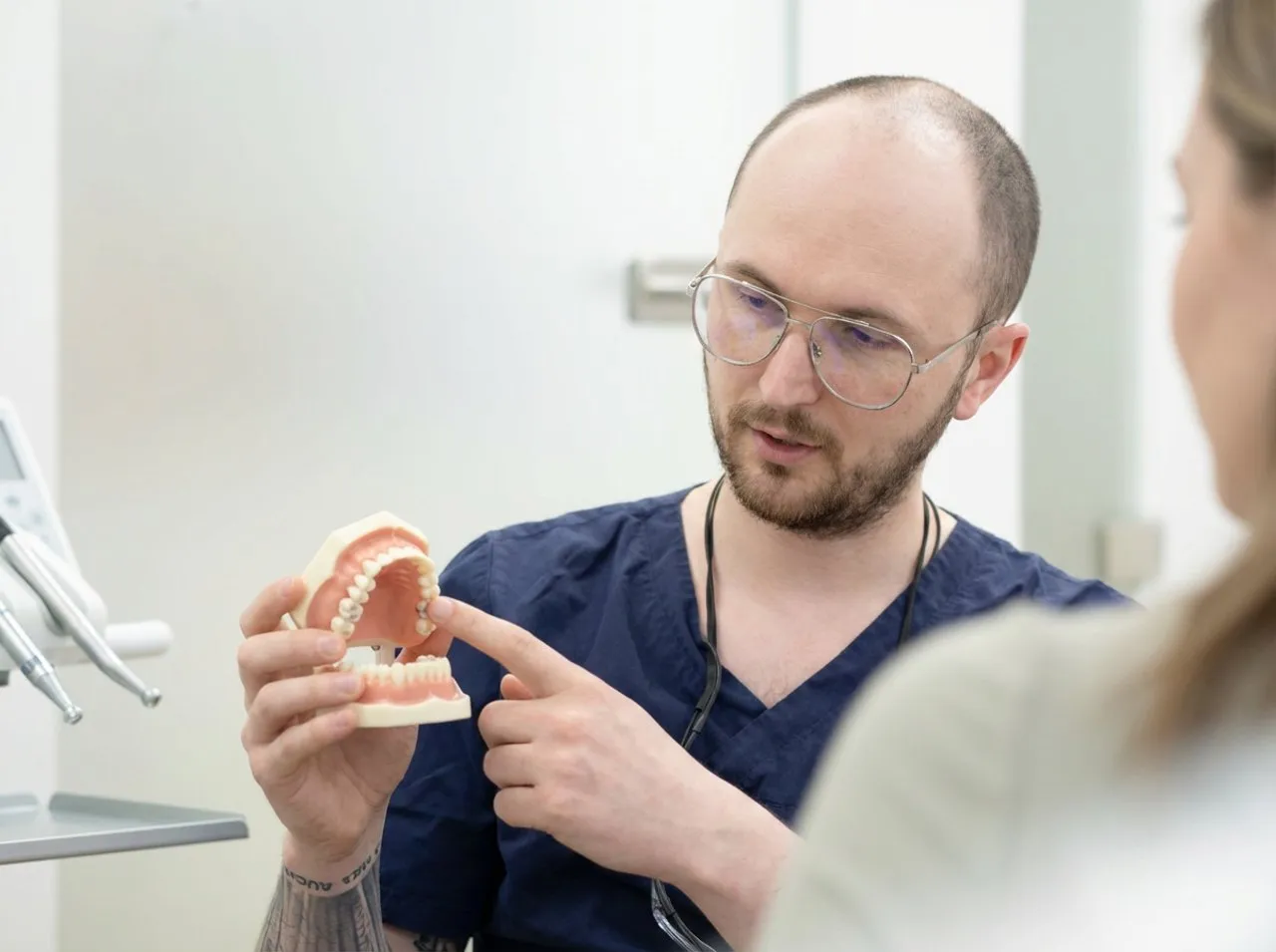
From a dental perspective, this remedy is not a good long-term solution. The potential benefit is small. The risk of abrasion and irritation, on the other hand, is real. Structured oral hygiene is crucial for healthy, well-cared-for teeth. Brushing twice a day, cleaning between the teeth and regular check-ups are more important. This can achieve a great deal in the long term. Anyone who is unsure should not rely on internet tips. An examination at the practice provides clarity. This allows discolouration, sensitivity and deposits to be properly assessed.