Chlorhexidine mouthwash: effects and use
Chlorhexidine is a highly effective antibacterial agent. It has been used in dentistry for many years. A mouthwash containing chlorhexidine specifically reduces harmful germs in the mouth. It is one of the so-called medicated mouthwashes. These products are not...
Über 350 Google-Bewertungen
How does chlorhexidine work in the mouth?
Chlorhexidine attaches to teeth, mucous membranes and bacteria. This damages the bacterial membrane and inhibits bacterial multiplication. As a result, the number of germs in the mouth falls significantly within a short time. Another advantage is the so-called depot effect. The active ingredient remains attached to surfaces for several hours. This means the mouthwash works for longer than an ordinary cosmetic mouthwash.
Uses in dentistry
Mouthwashes containing chlorhexidine are used primarily after procedures. These include dental surgery, implant placement or periodontal treatment. They support healing because germs in the pockets are reduced. They can also be beneficial for acute gum inflammation. The solution soothes the inflamed tissue and reduces the bacterial load. Pain and swelling can therefore subside more quickly. Mouthwashes containing chlorhexidine are sometimes also used before a treatment. This reduces the number of germs in the saliva. It protects both patients and the treatment team.

Correct use and duration
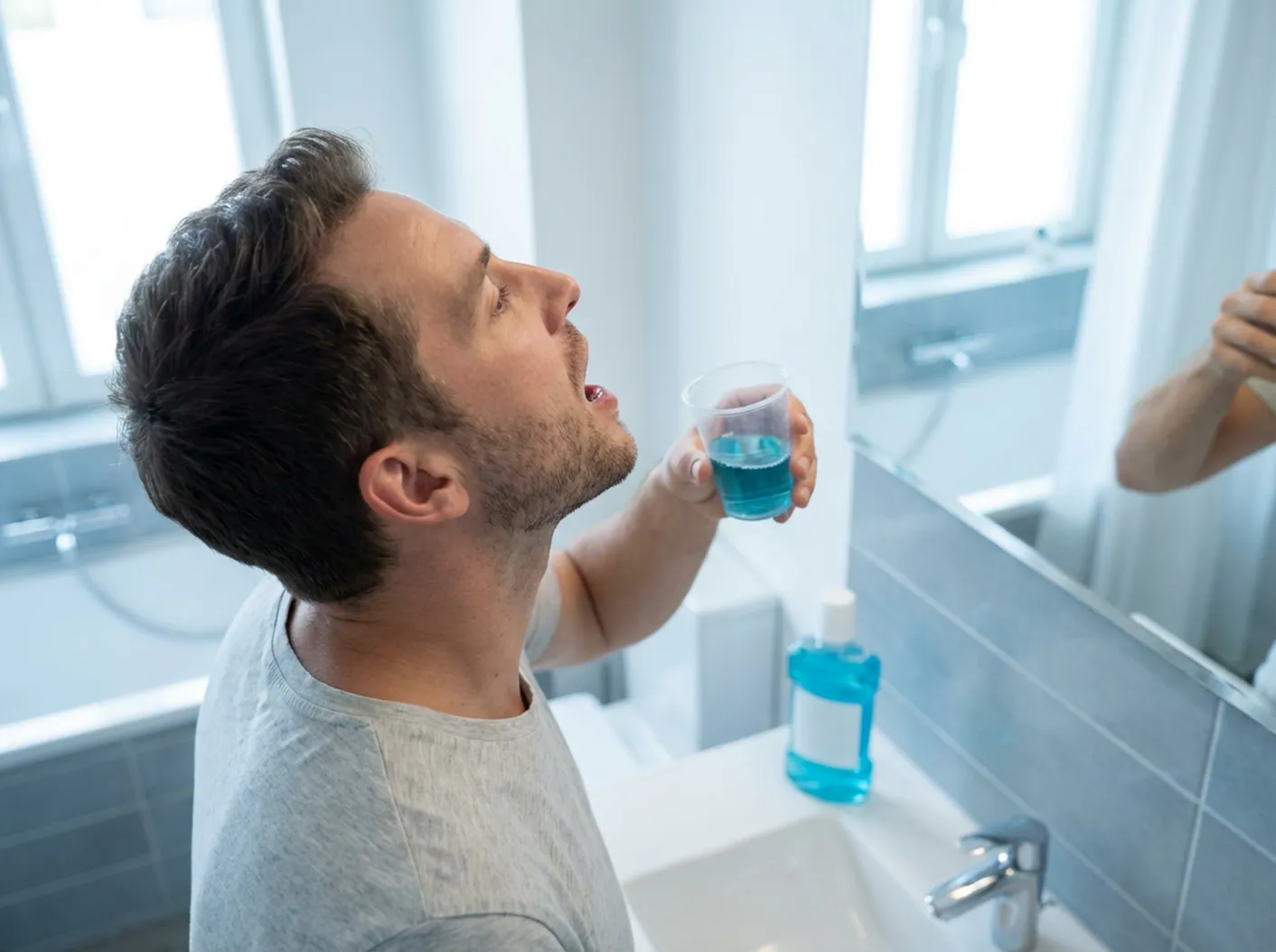
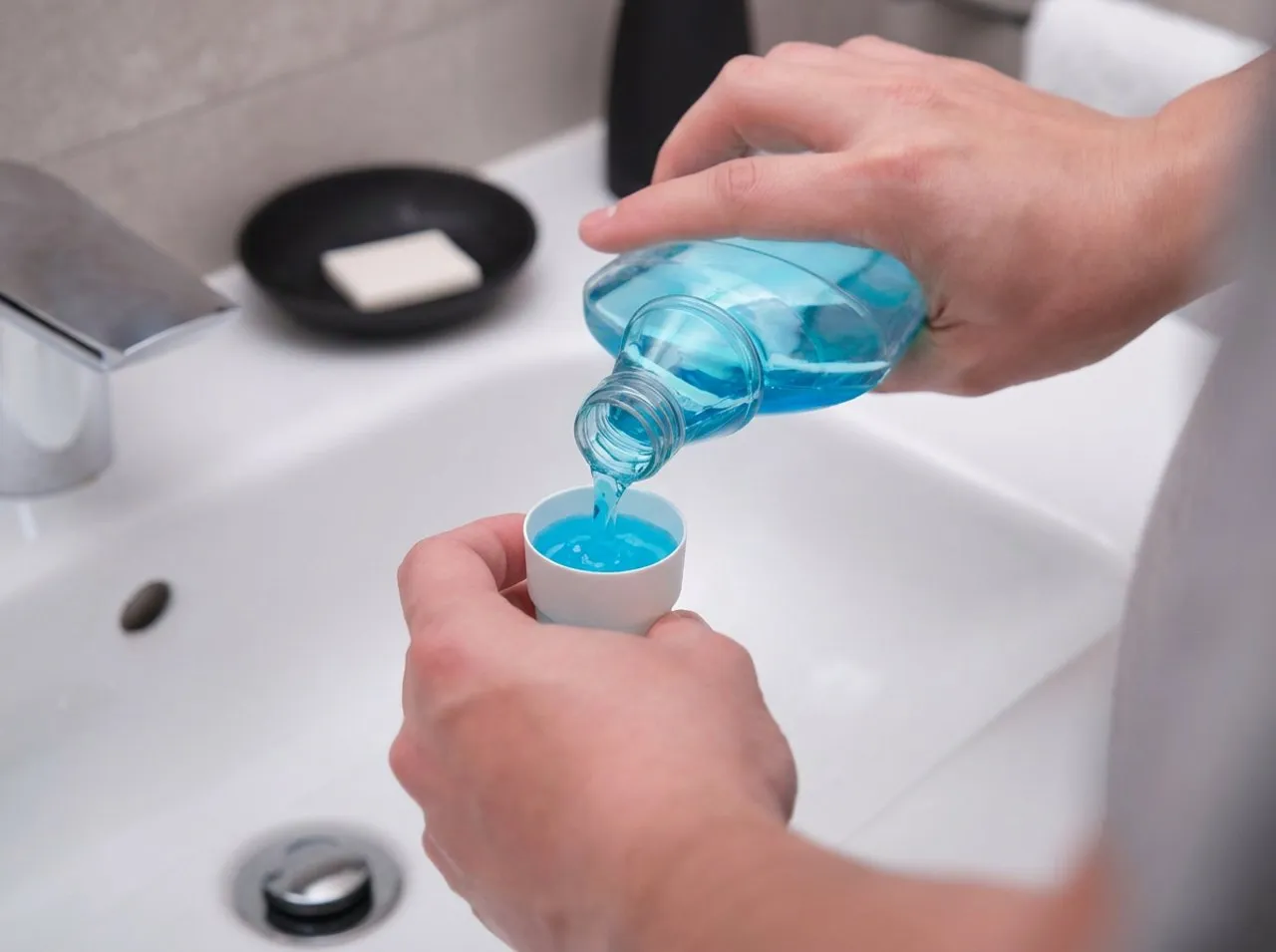
A mouthwash containing chlorhexidine should always be used as directed. It is usually used twice a day. A measured amount of the solution is swished around for about 30 seconds. The solution should generally be used undiluted. Only then is the concentration of the active ingredient reliably maintained. Diluting it can significantly weaken its effect. The liquid should then be spat out. Do not eat or drink anything for a while after use. Only then can the active ingredient adhere properly. It is important to limit the duration of use. Chlorhexidine is usually only used for one to two weeks. Longer use should only take place in consultation with your dentist.
Advantages and disadvantages at a glance
The greatest advantage is its strong antibacterial effect. This reduces the risk of infection, particularly after surgical procedures. The solution can also be very helpful for severe gum inflammation. Another advantage is that it is easy to use at home. Patients can conveniently support their own aftercare. This makes it an ideal complement to dental treatment. However, there are also disadvantages. Discolouration can occur with prolonged or incorrect use. Changes in taste or mild mucosal irritation are also possible.
Possible side effects and risks
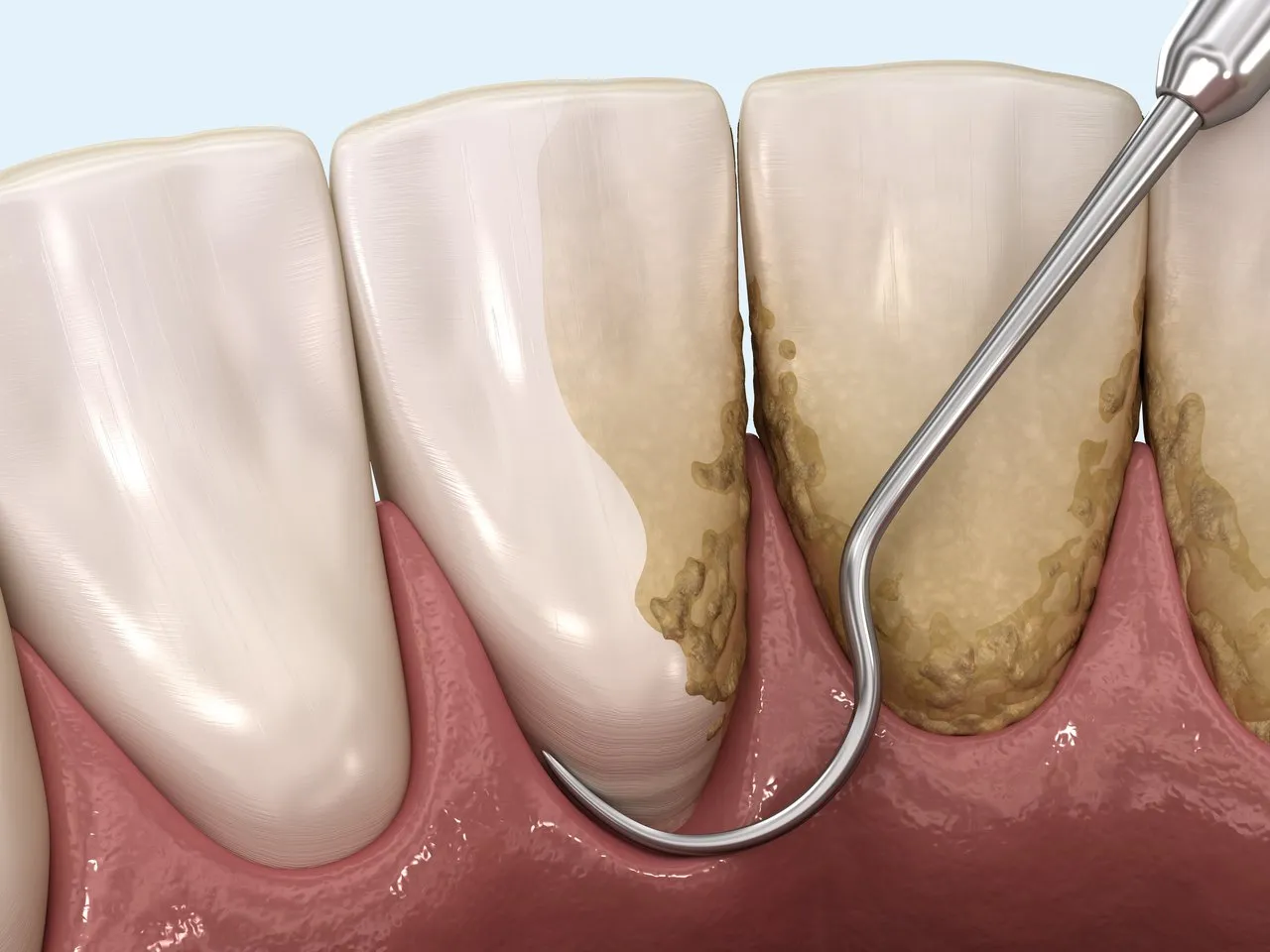
Typical side effects are brownish discolouration of teeth or dental prostheses. This is caused by deposits of the active ingredient in combination with pigments. It can usually be removed again during a professional dental cleaning. Some patients report a temporarily altered sense of taste. In rare cases, allergies or more severe irritation may occur. Use should be stopped immediately if unusual symptoms occur. It is important not to use chlorhexidine permanently as an everyday product. Otherwise, the natural balance of the oral flora may suffer. Mild, alcohol-free mouthwashes are more suitable for daily care.
Who is a chlorhexidine mouthwash suitable for?
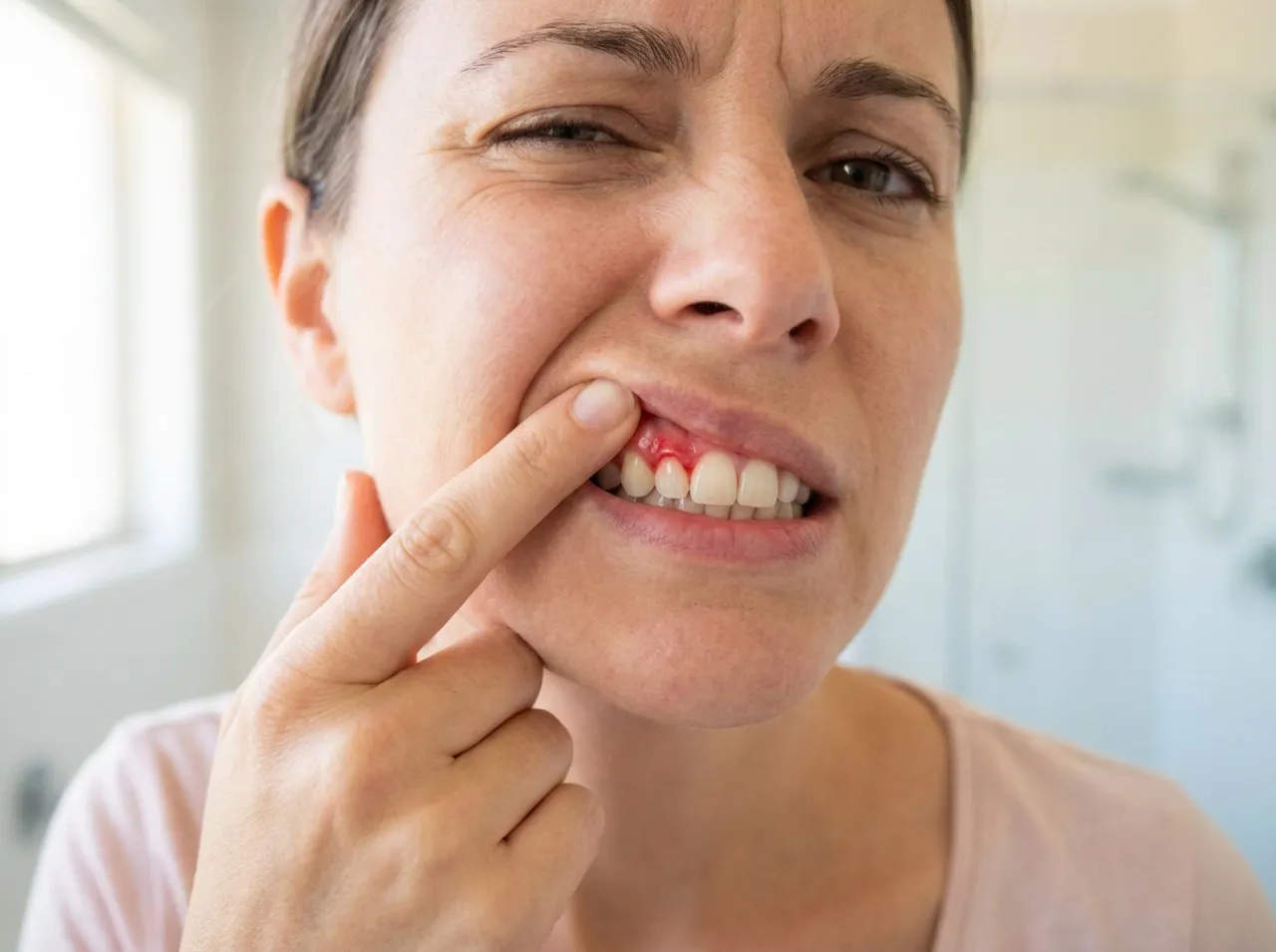
This mouthwash is particularly suitable for patients with inflammation. It is also frequently used after professional periodontal therapy. It can also provide temporary support when oral hygiene is impaired. It is not suitable for people with a known allergy to chlorhexidine. Children should also only use it after consulting a dentist. Anyone who is pregnant or breastfeeding should inform their doctor before use.
Alternative products for everyday use
For long-term care, we recommend a gentle mouthwash. This usually contains essential oils or mild antibacterial agents. It supports daily cleaning without permanently affecting the flora. However, mechanical cleaning always remains the foundation. Thorough tooth brushing and interdental care are essential. Mouthwash can only complement, never replace, the brush.

Chlorhexidine mouthwash at Wunschlachen
At our Wunschlachen practice, we use chlorhexidine very selectively. We only recommend the solution where there is a clear benefit. We tailor the concentration and duration to your individual situation. You will receive detailed advice before each use. We explain step by step how to use the mouthwash correctly. This provides optimal support for the treatment outcome. On request, we also explore alternative oral hygiene approaches. These include toothpastes, interdental brushes and gentle mouthwashes. Together, we develop a personal preventive care plan for your healthy smile.
FAQ – Frequently asked questions about chlorhexidine mouthwash
It is a medicated mouthwash with a highly effective antibacterial agent. It is used for a limited period to reduce germs in the mouth.
Primarily for gum inflammation and after surgery. The solution reduces the number of bacteria and supports healing.
It is usually used twice a day. Your dentist will determine the exact frequency.
Usually only for a few weeks. Longer use requires an individual recommendation from your dentist.
Discolouration, taste disturbances or mucosal irritation are possible. Allergic reactions can occur in rare cases.
Yes, it can usually be removed professionally. Regular preventive care at the practice also helps.
Long-term use is not recommended. Milder mouthwashes are better suited to everyday use.
Yes, thorough dental care remains very important. However, you should leave some time between brushing and rinsing.
It is frequently used around implants. Your dentist will decide whether it is appropriate in your case.
Yes, we provide comprehensive advice on all mouthwashes. Together, we will choose the right product for your situation.
Book your appointment now
We would be happy to advise you in person at our practice.