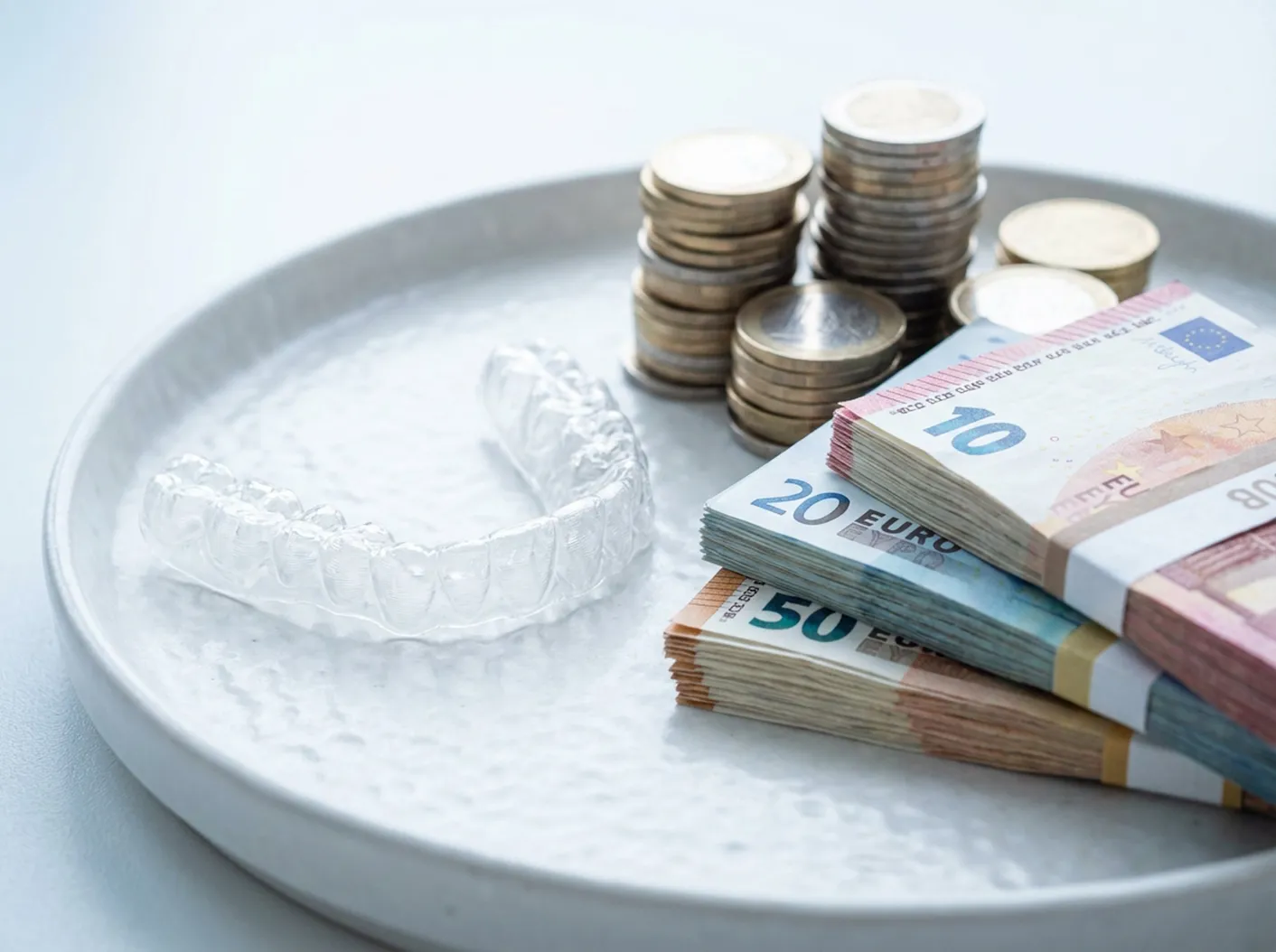
Clear braces: price, costs and reimbursement
Clear correction is discreet and predictable. But how much does this type of treatment cost?
Über 350 Google-Bewertungen
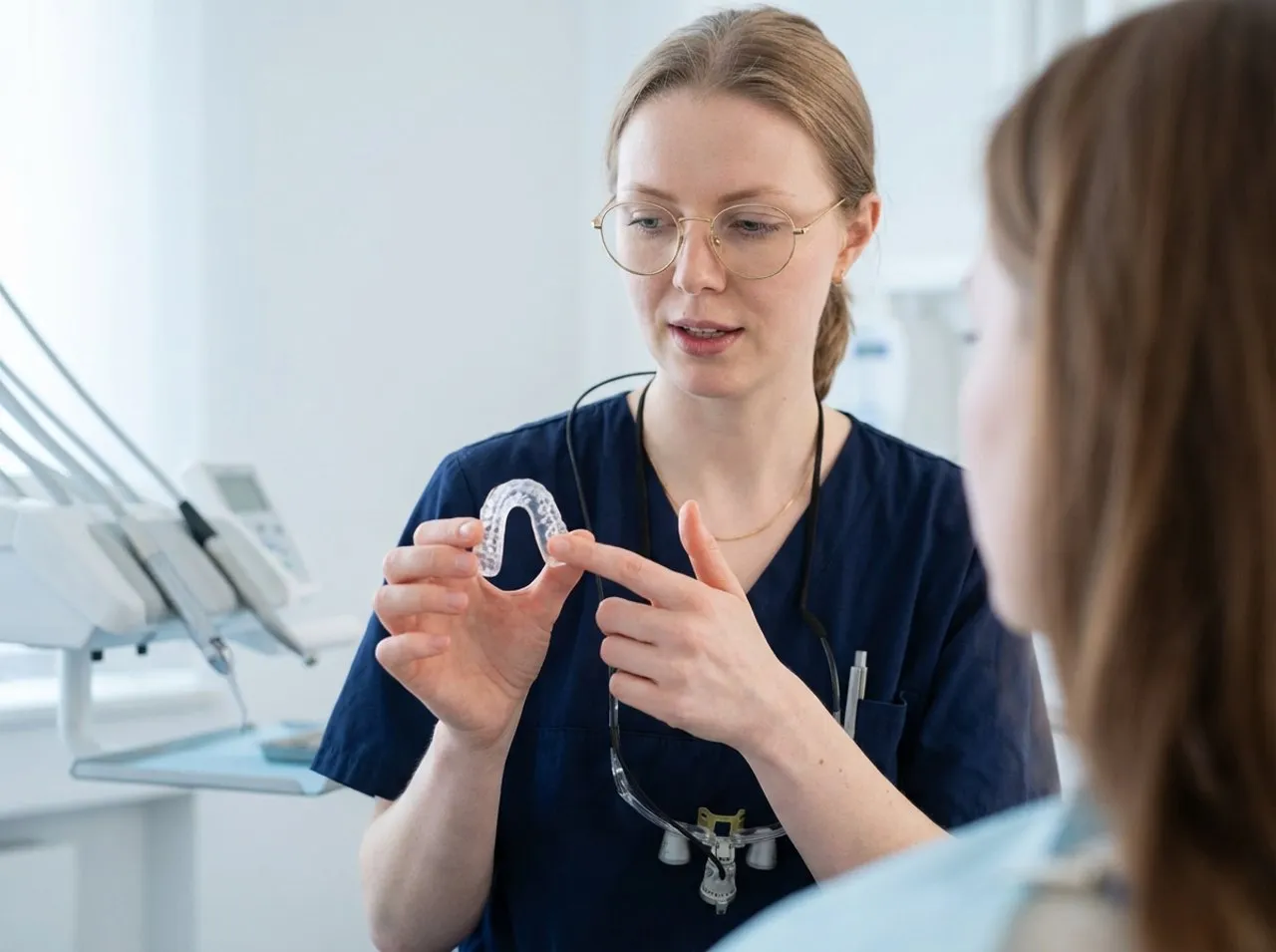
What does “clear” mean in orthodontics?
The term clear braces is used in different ways. It usually refers to clear aligners or tooth-coloured brackets. Clear braces can be removable or fixed. Adults often choose the clear option.
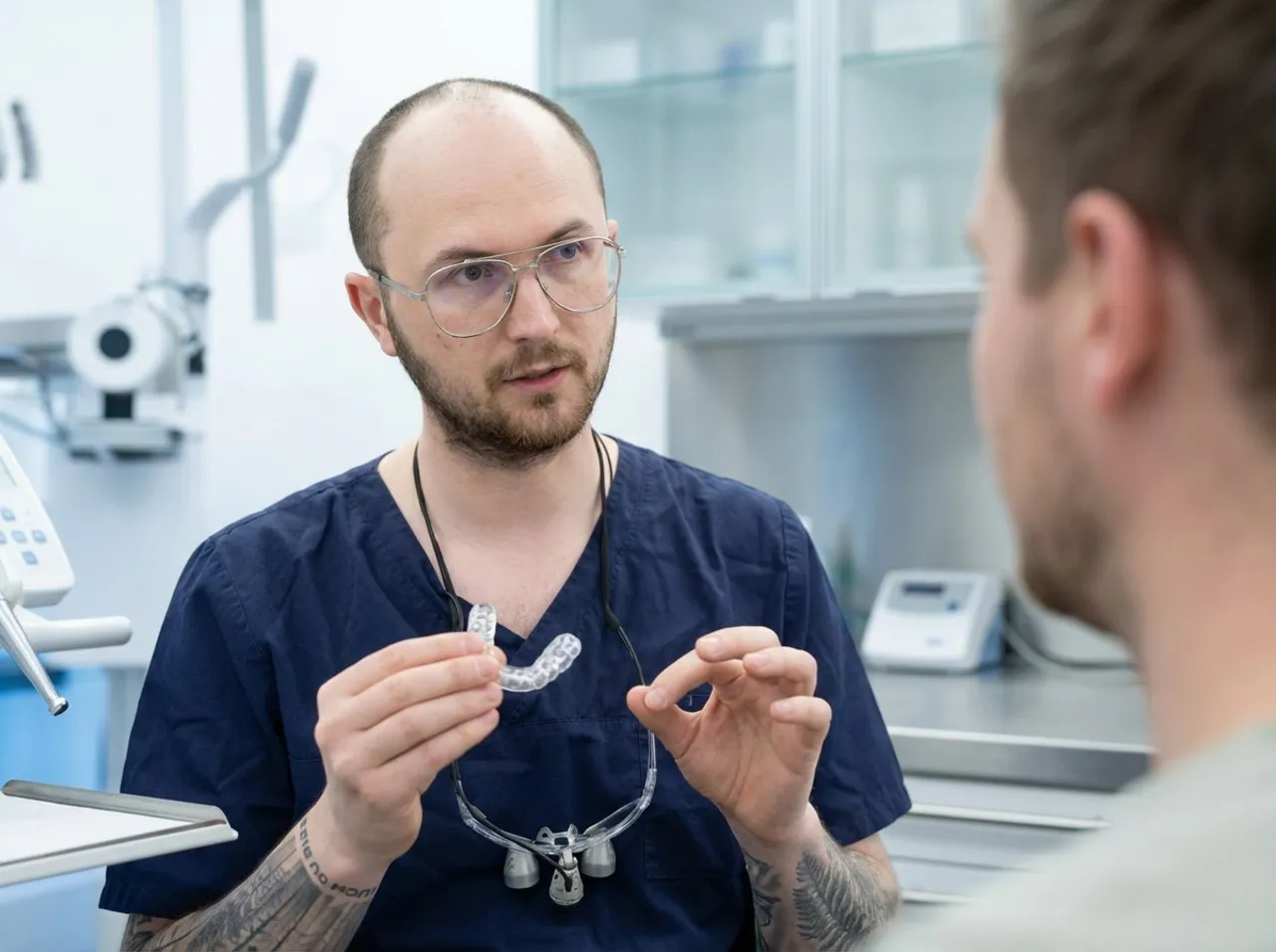
Types of treatment with a discreet appearance
The technical term is aligner therapy. It usually involves a plastic aligner that applies a defined force. An alternative is a fixed appliance fitted to the inside of the teeth.
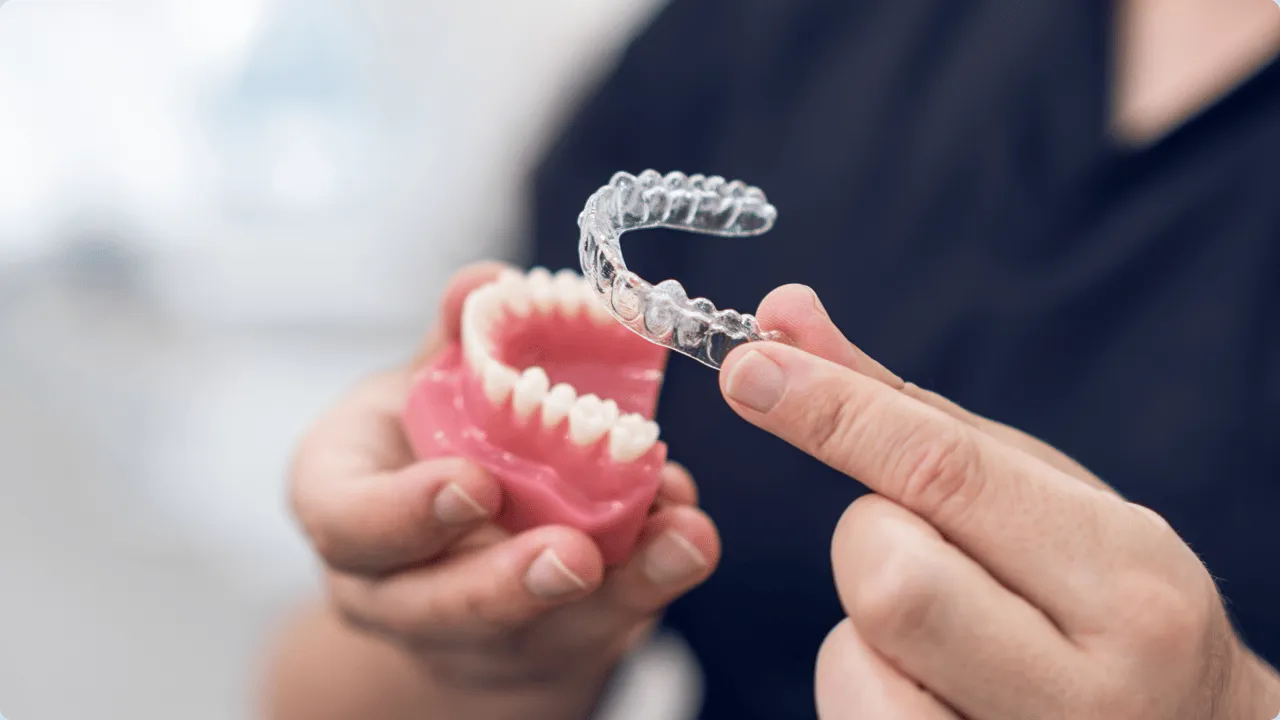
Price factors: why costs vary so much
The price of these braces depends on the clinical findings. The key factors are the malocclusion, duration and number of aligners. Diagnostics, planning and check-up appointments are additional factors. An intraoral scan improves precision and fit. Retention also affects the total cost. Without stabilisation, the risk of relapse increases. Additional steps may be necessary. These include attachments, IPR and occasionally elastics. We provide you with detailed information and draw up a treatment and cost plan.
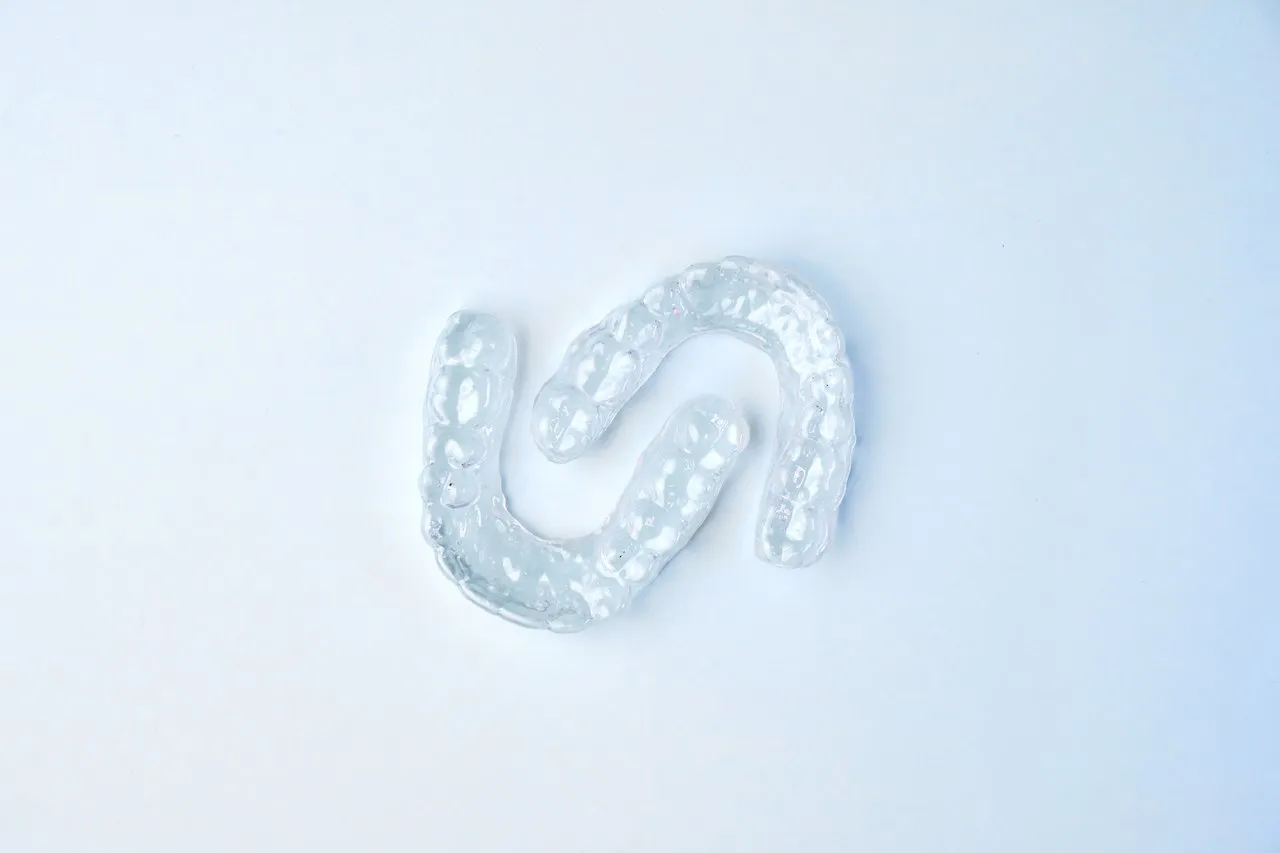
The treatment process in clear steps
First, a clinical examination is carried out. This includes photographs, a scan and a bite analysis. Digital planning then follows. This shows the expected tooth movement and treatment duration. The aligners are then manufactured. Check-ups take place at regular intervals. The final stage is stabilisation. This is usually achieved with retainers or removable appliances.
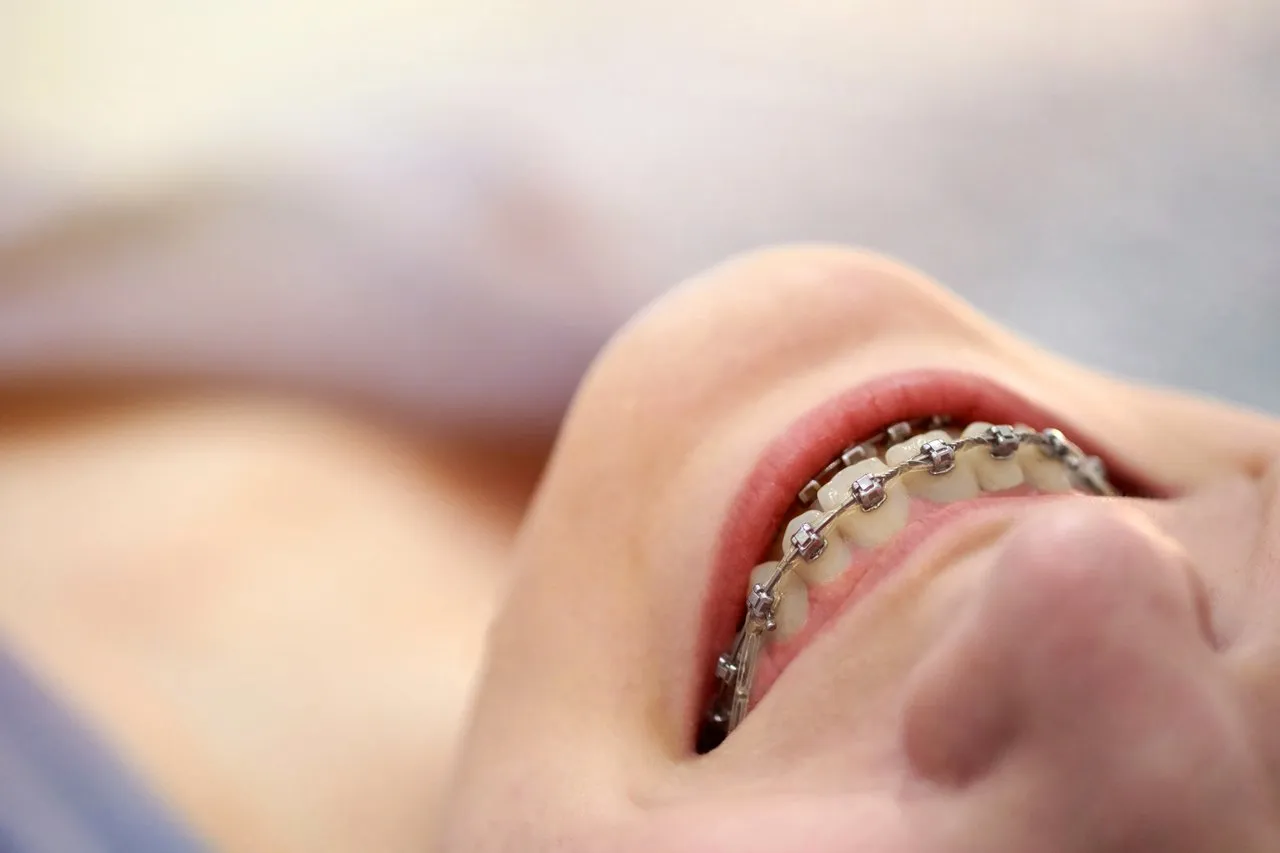
When are aligners not enough?
Severe bite discrepancies often require fixed appliances. This applies to a pronounced deep bite or significant crossbite. Large rotations are also challenging. Brackets or lingual appliances may work more precisely in these cases. For adults, weighing up the options is important. Function then takes priority over purely aesthetic considerations.
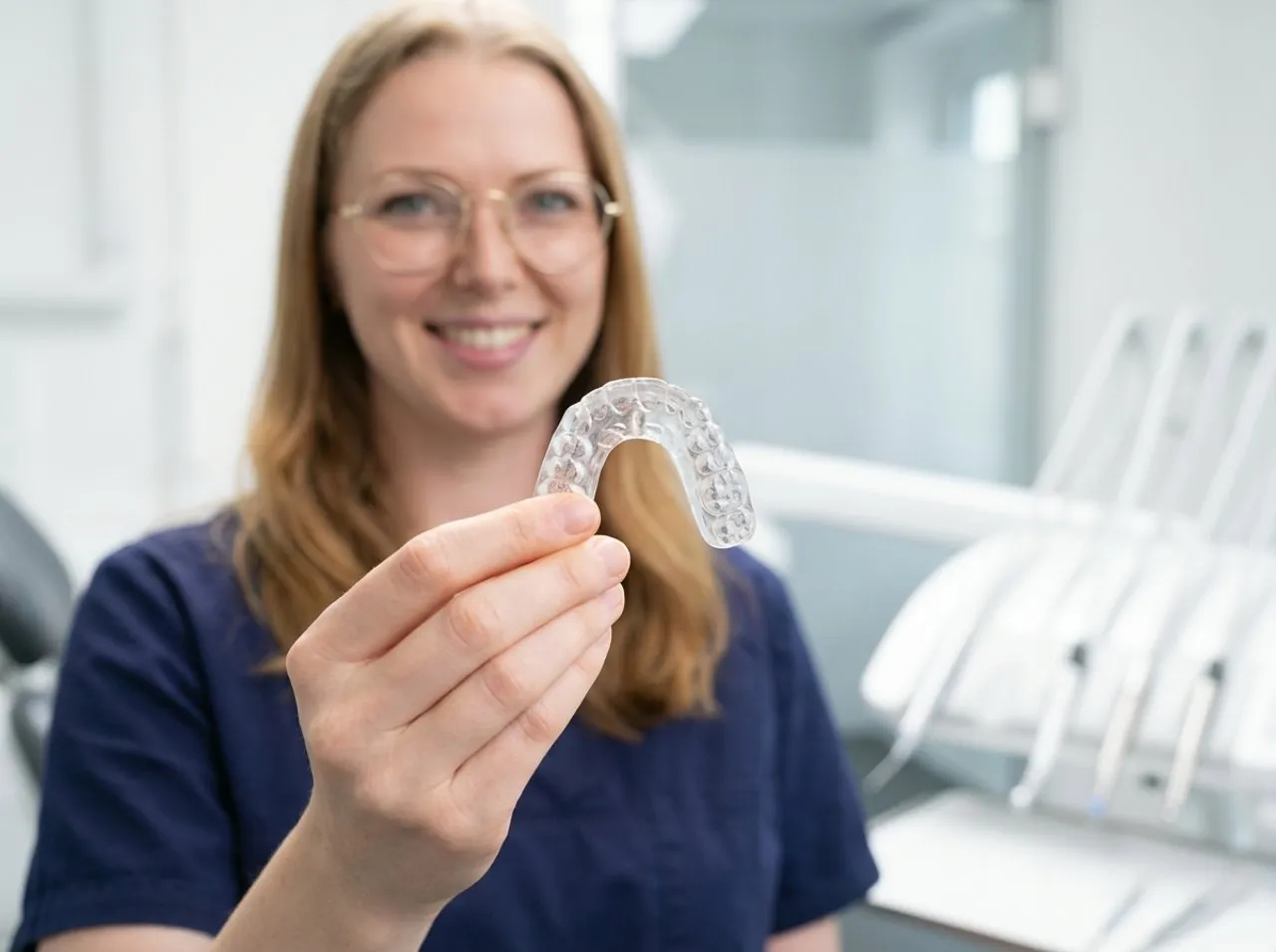
Wear time, duration and influence on the final price
Aligners only work if they are worn for long enough. The usual recommendation is 20 to 22 hours per day. Treatment often lasts from a few months to two years. These timescales are given in overviews. Insufficient wear time prolongs treatment. This increases the number of aligners and therefore the price.
Why online prices rarely reflect the actual cost
Online packages often quote fixed prices. They do not always fully include diagnostics and retention. Look for clear limits on what is included. Refinements, retainers and follow-up appointments are important considerations.
Guide prices: how much does treatment with clear braces cost?
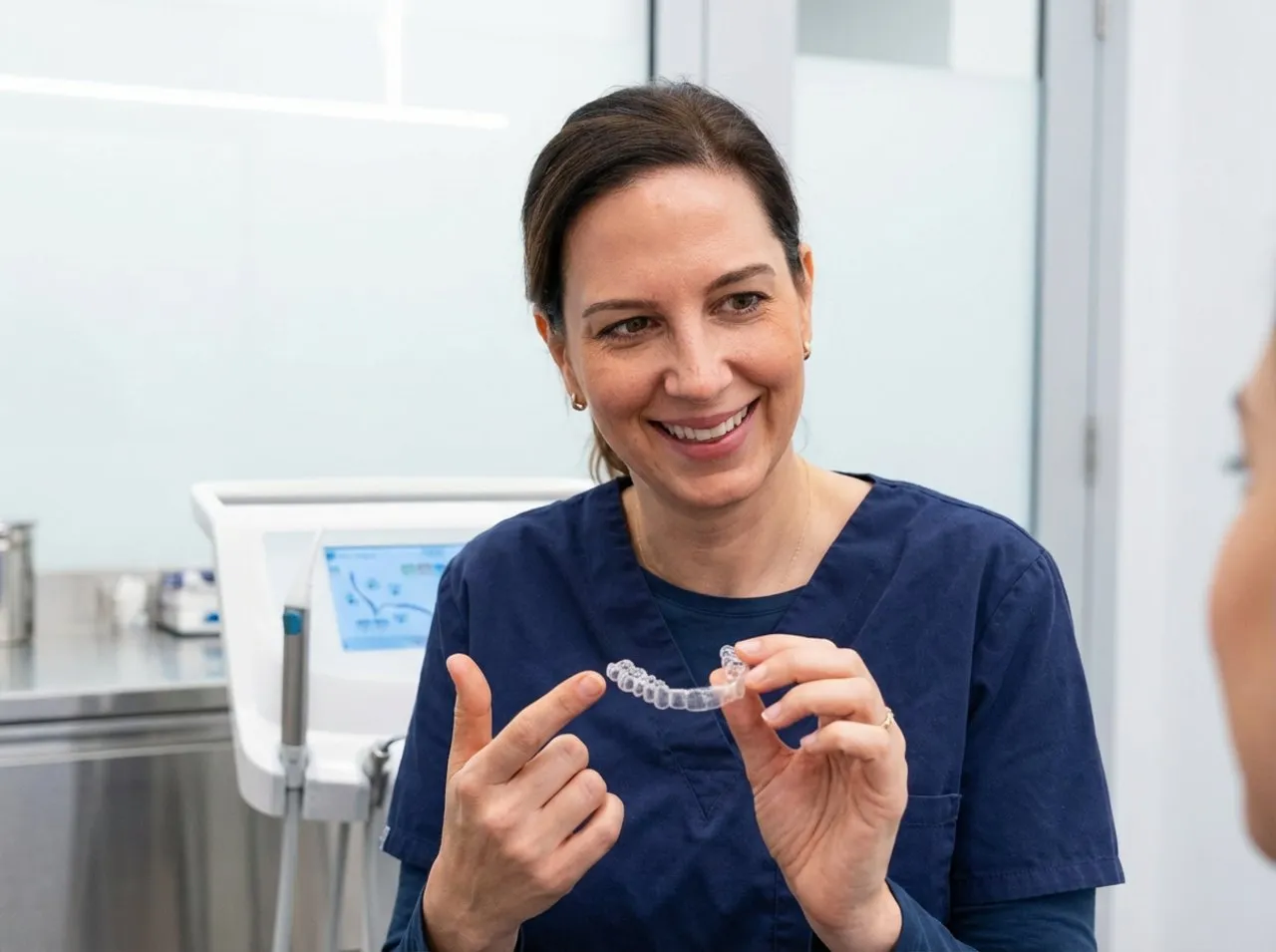
At Wunschlachen, aligner treatment starts at €3,000. The price range depends on complexity and treatment time. Guide prices are also described in insurance overviews. Lingual braces are usually more expensive. You should budget at least €8,000. Ceramic brackets often incur additional costs. These depend on the materials, laboratory and amount of treatment involved.
Typical additional costs that are often overlooked
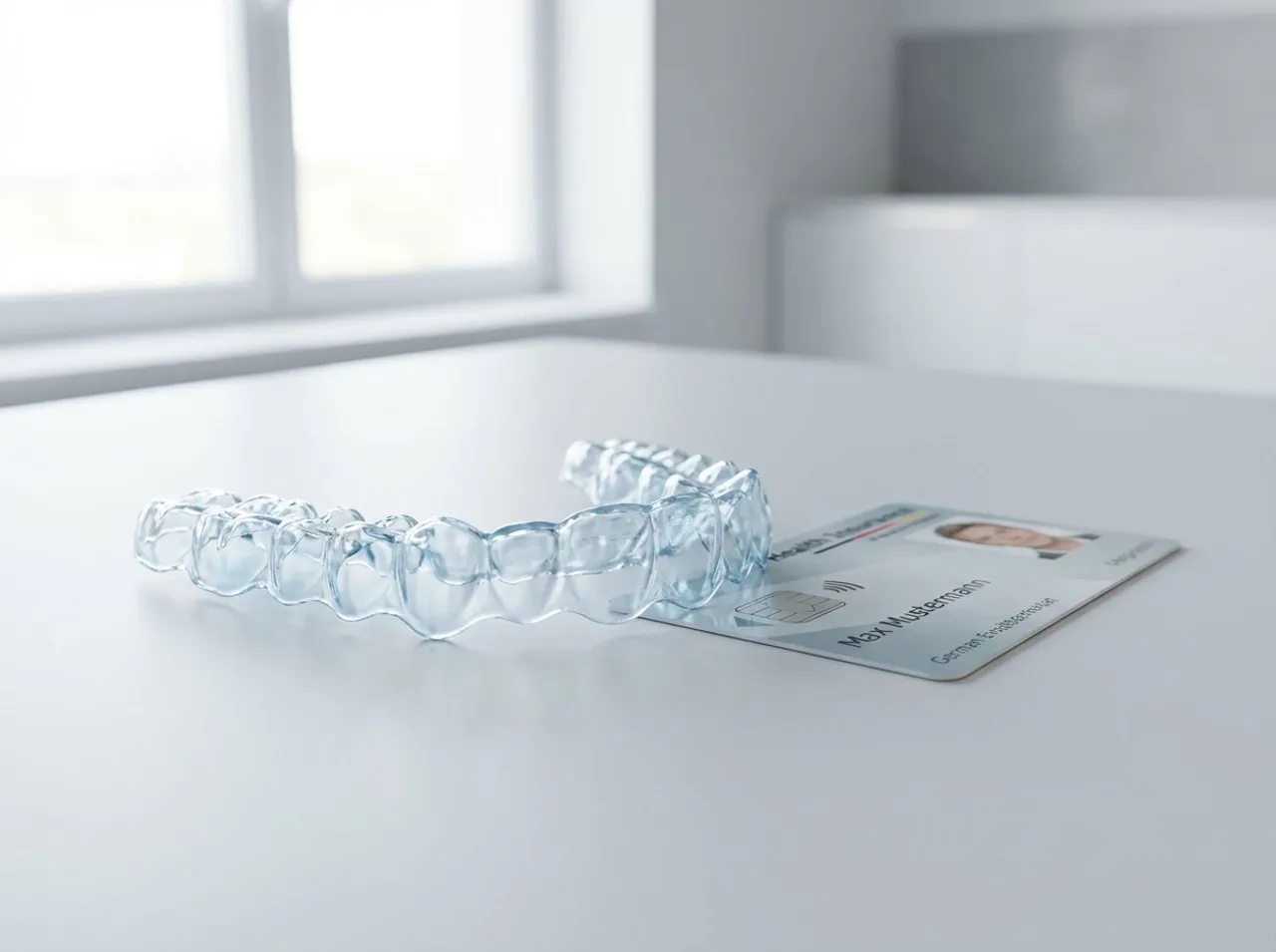
The retainer is part of long-term stability. Costs often start at around €350. Check-ups require more work in complex cases. Repairs or replacements following loss can also incur costs. It is important to ask what is included in the quote. This includes follow-up appointments, retention and any refinements.

Cost coverage by health insurance providers
Statutory health insurance often covers treatment for children classified as KIG 3 to 5. Costs are rarely covered for adults. Aligners are generally not covered by statutory health insurance (GKV). Some insurance providers state this explicitly. Private insurance plans may reimburse part of the cost. The decisive factors are the terms and conditions, diagnosis and medical justification.
Cost questions about front teeth and minor corrections
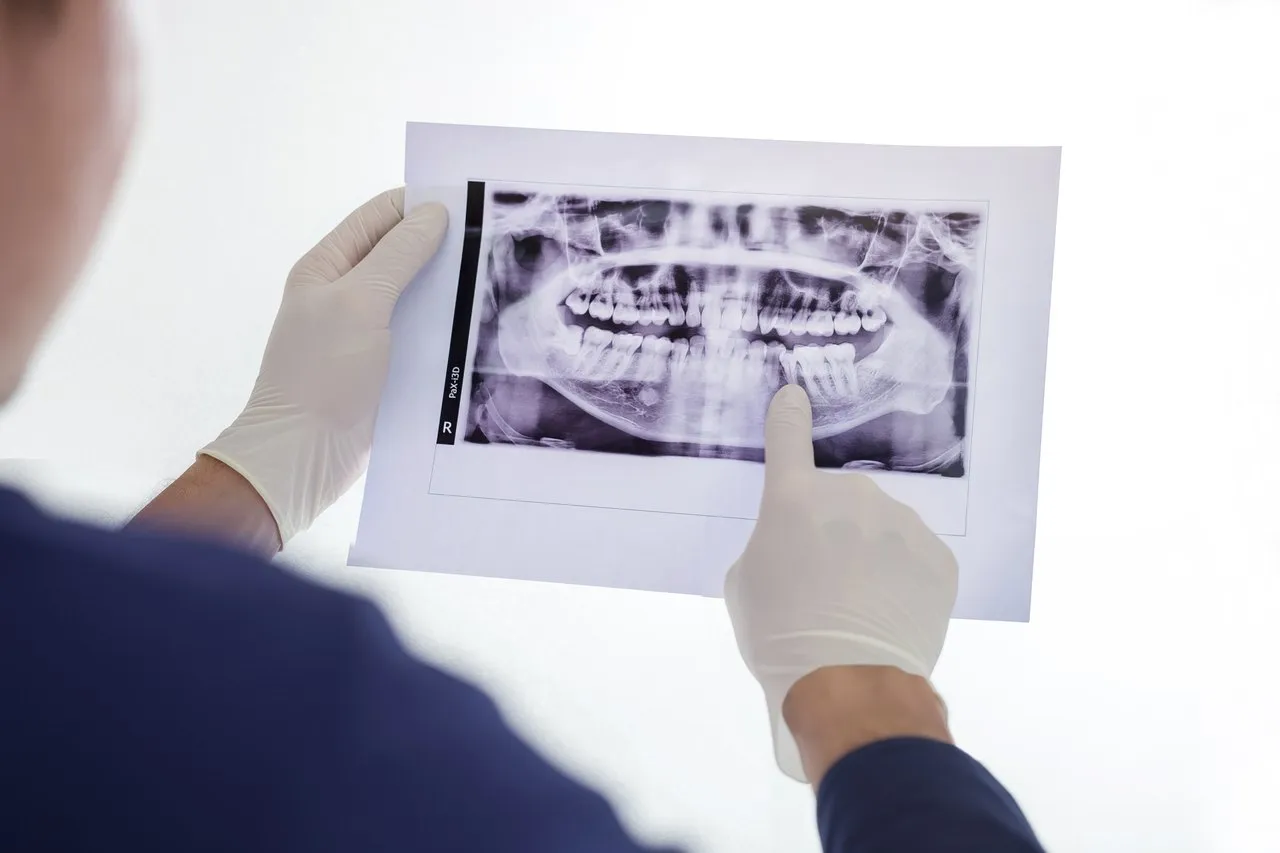
Many patients want to compare costs. Mild crowding is often well suited to this. Costs are often lower for minor corrections. Complex bite positions require significantly more work. Only an individual treatment and cost plan provides meaningful information.
Transparency through a treatment and cost plan
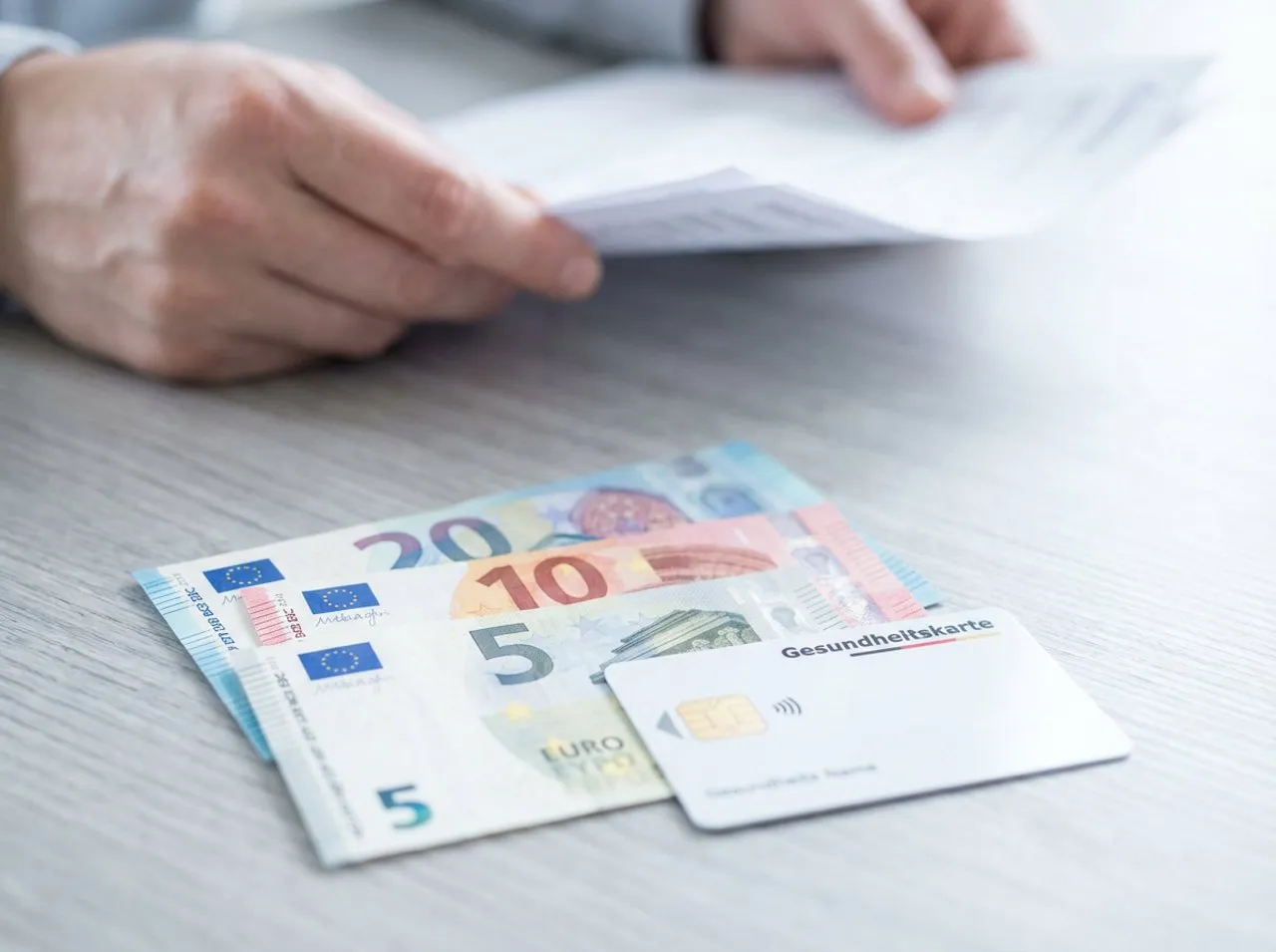
Before treatment begins, you receive a structured cost plan. It includes diagnostics, treatment phases and the retention phase. This allows the scope of services to be assessed objectively. It also enables quotes to be compared reliably. We also explain your individual out-of-pocket contribution. This ensures you can plan with confidence.

Quality, safety and aftercare
Precise attachment planning improves tooth movement. Regular check-ups ensure occlusion. Oral hygiene is usually easier to manage with aligners. This makes it easier to avoid gum inflammation. Once treatment is complete, the new position is stabilised. This protects your investment in treatment and maintains the result.
Consultation at Wunschlachen in Berlin
At our practice, we explain the indications and alternatives. You receive a recommendation with clear pricing. If you wish, we can discuss flexible payment options. This makes treatment easier to plan financially.
FAQ: clear braces and price
It covers diagnostics, planning, aligners, check-ups and retention.
Usually, yes; technically, it is aligner therapy.
The number of aligners and the complexity determine the amount of work involved.
Rarely for adults; more often for children, depending on their KIG classification.
It usually refers to a lingual appliance on the inside of the teeth.
Lingual appliances are often more expensive because they are fixed and custom-made.
Often, yes, if only minor movements are required.
Plastic aligners are robust but need to be worn consistently.
Compare diagnostics, retention, check-ups and refinements.
For functional problems or a high risk of relapse following malocclusion.
Book your appointment now
We would be happy to advise you in person at our practice.