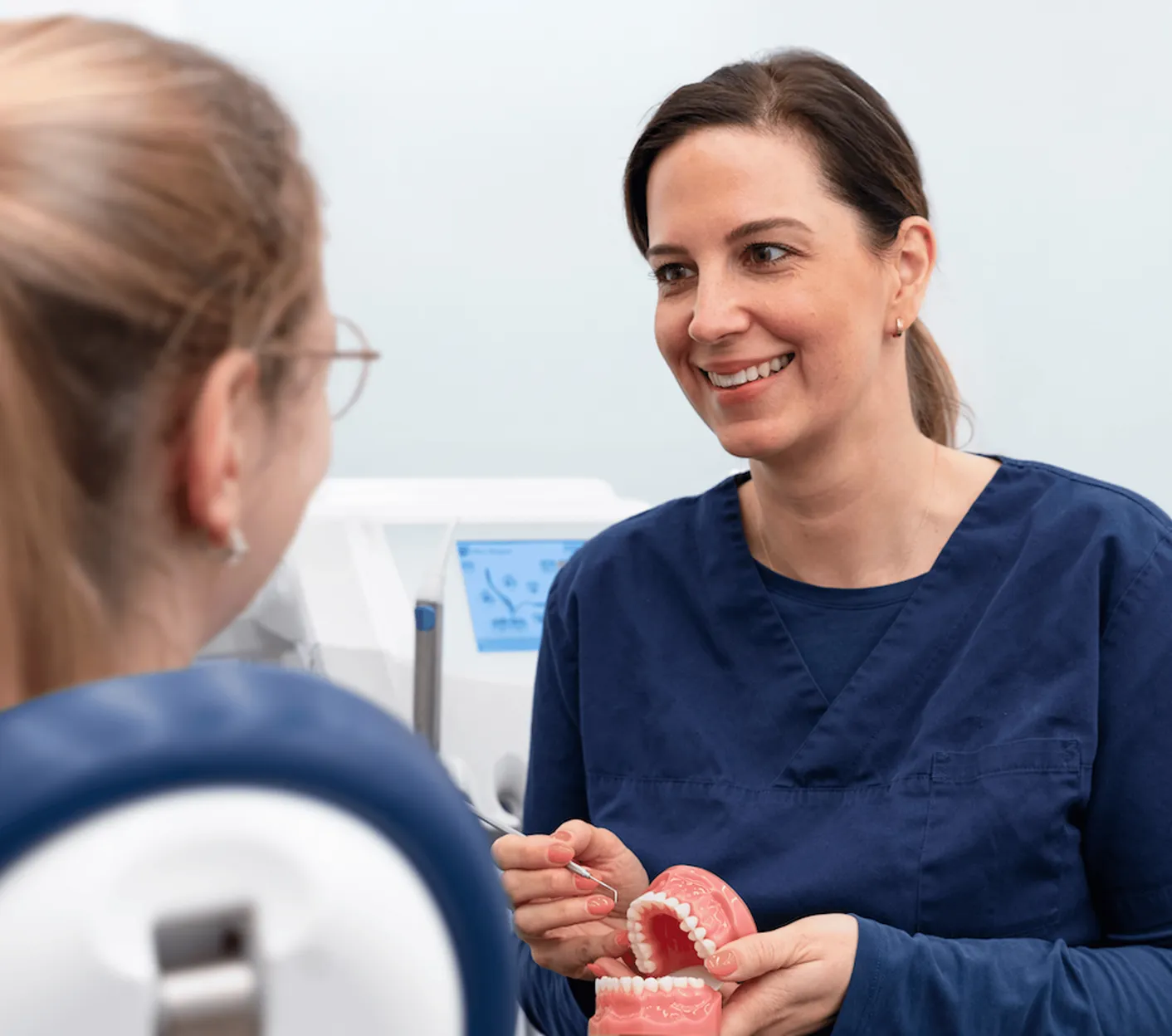
Clear fixed braces with ceramic brackets
Many patients want a discreet correction. At the same time, they want the stability of a fixed appliance. Clear fixed braces offer a tried-and-tested option here.
Über 350 Google-Bewertungen
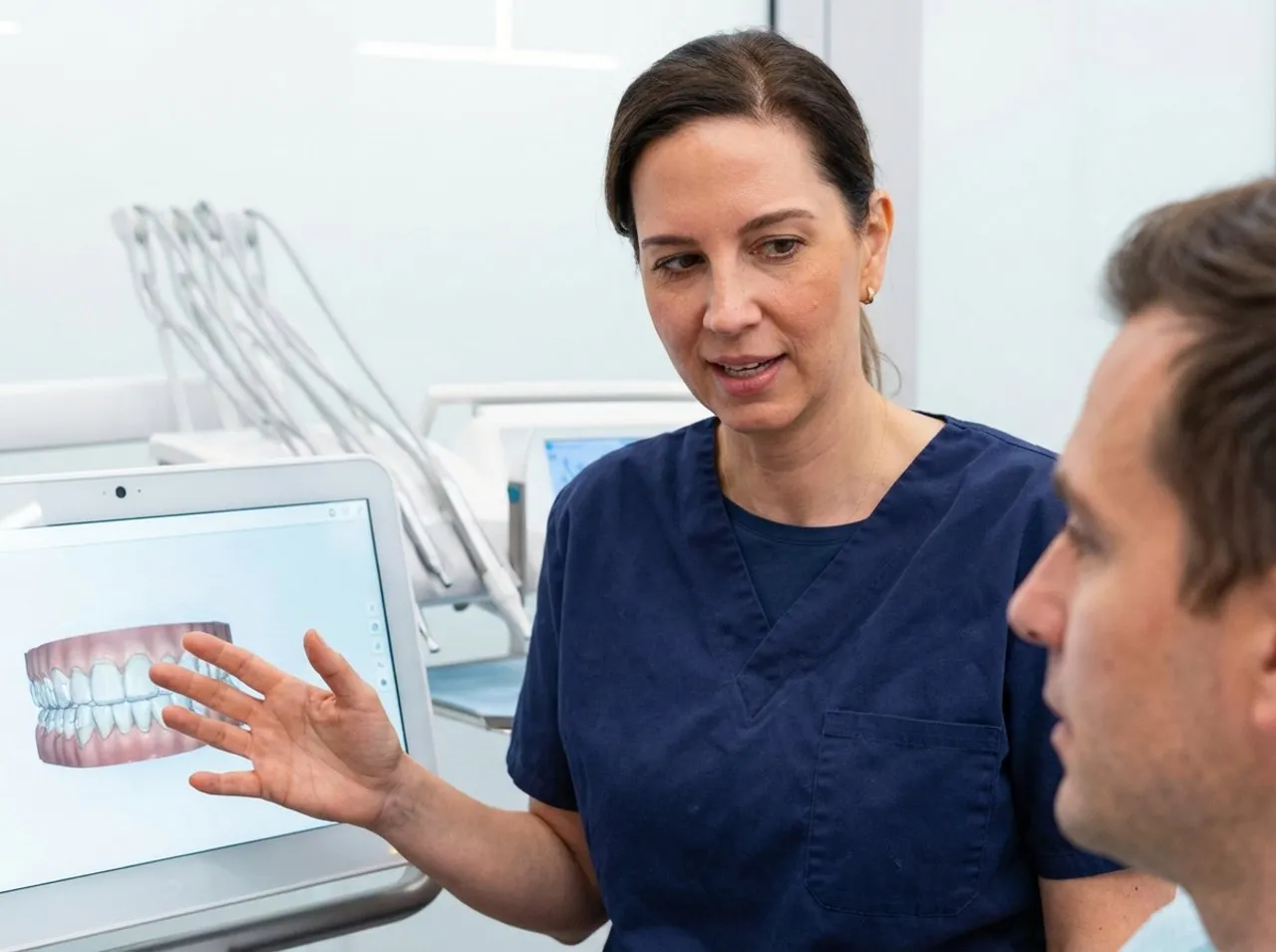
What ‘clear’ means for a fixed appliance
This treatment uses tooth-coloured brackets. They are usually made of ceramic or sapphire. The wire remains visible, but is often less noticeable.
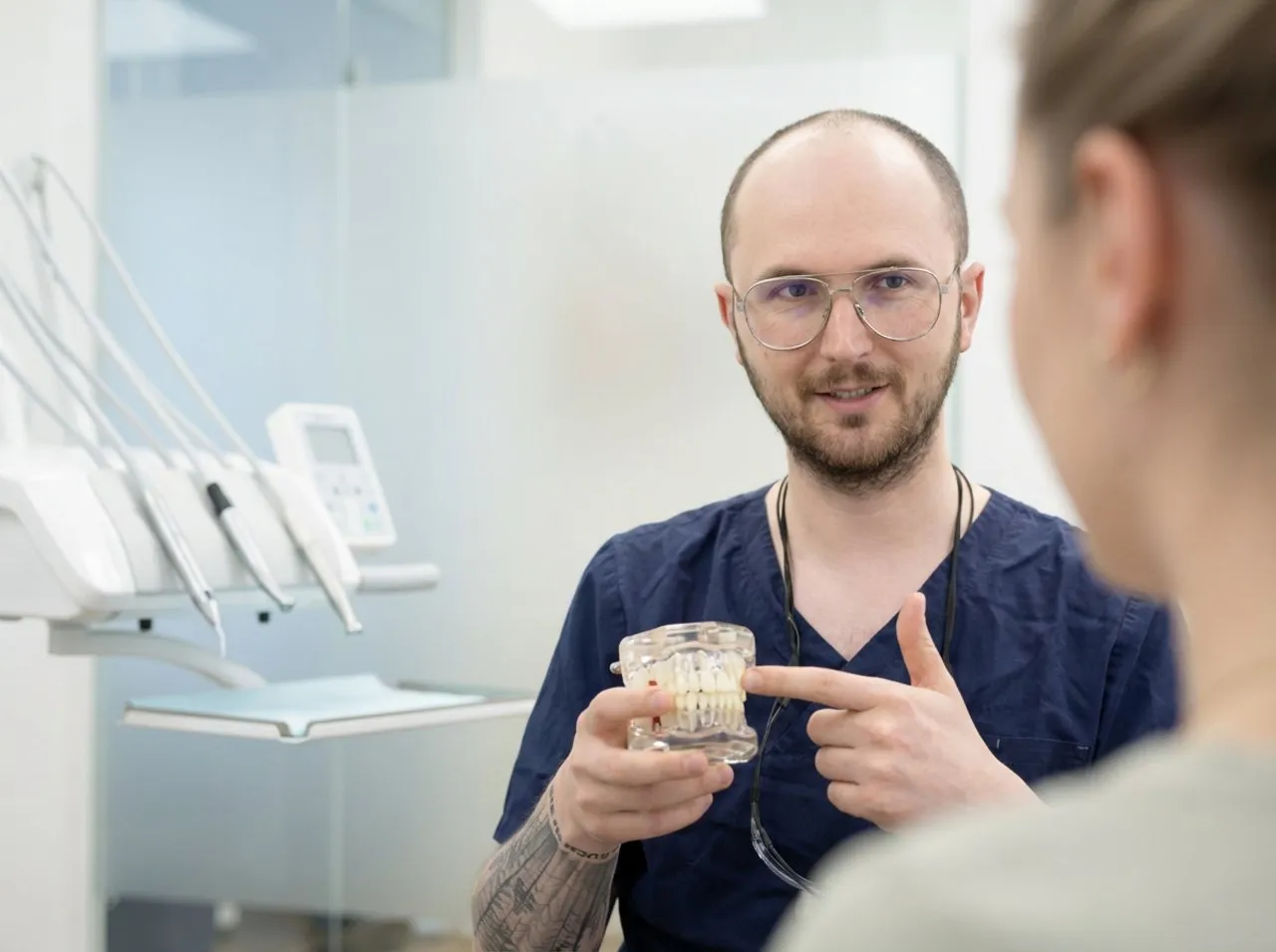
Suitable misalignments and indications
This method is suitable for many tooth and jaw misalignments. These include crowding, crowding in the front teeth and rotations. A crossbite may also be treatable, depending on the findings.

Advantages over metal brackets
Ceramic brackets are significantly less noticeable in everyday life. Many surfaces are smooth and well tolerated. The appliance can be controlled precisely and is very durable.

Limitations and possible disadvantages
Ceramic is harder than metal and may initially cause more friction. Brackets are slightly larger and require careful hygiene. In very complex cases, metal brackets are sometimes more efficient.
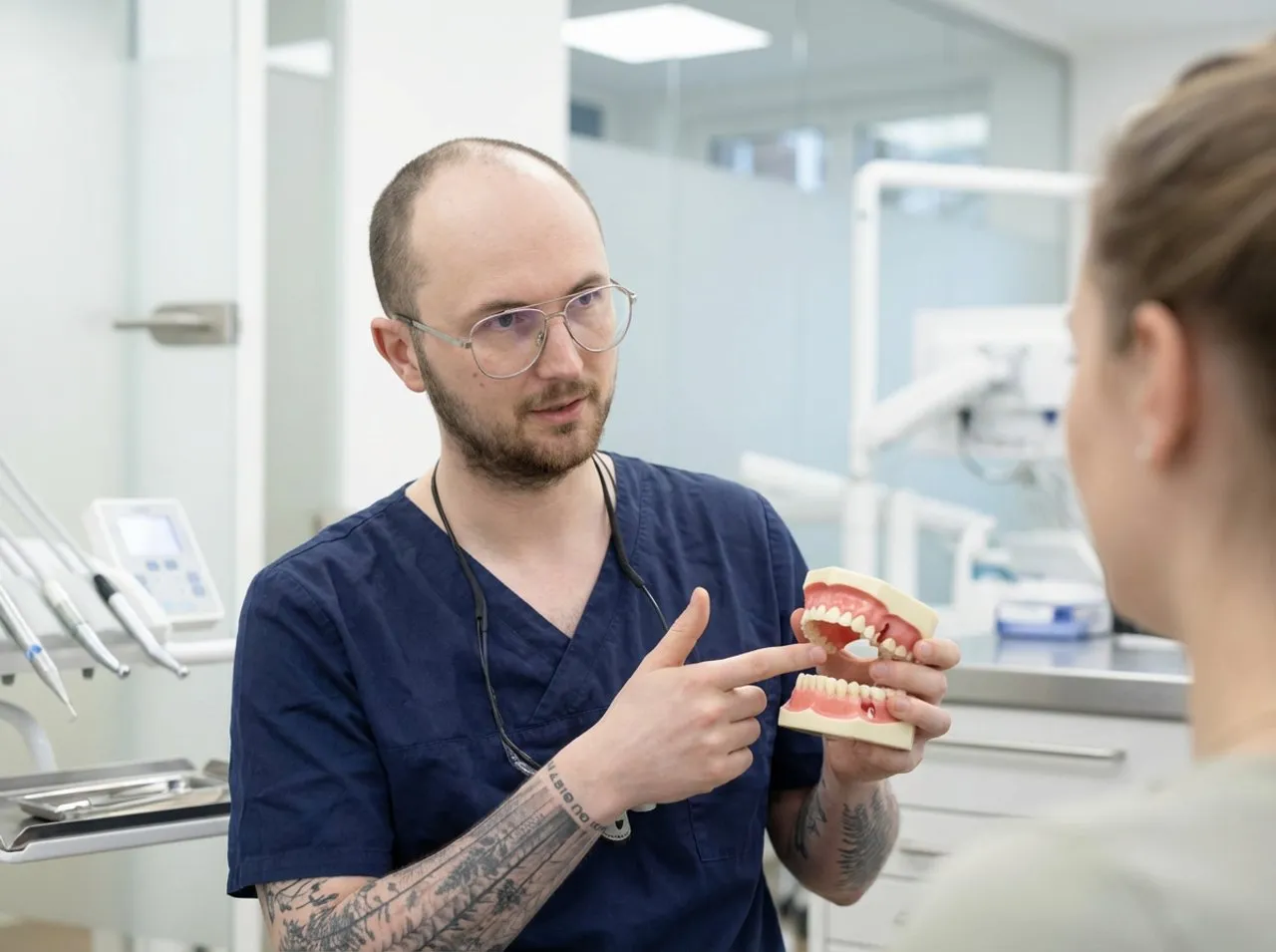
How treatment works at the practice
Treatment begins with a clinical examination and diagnostics. These include photographs, X-rays and digital models. An individual treatment plan with an estimated timeframe follows. The next step is to bond the brackets securely in place. The archwire is inserted and activated. Check-up appointments usually take place every four to eight weeks.
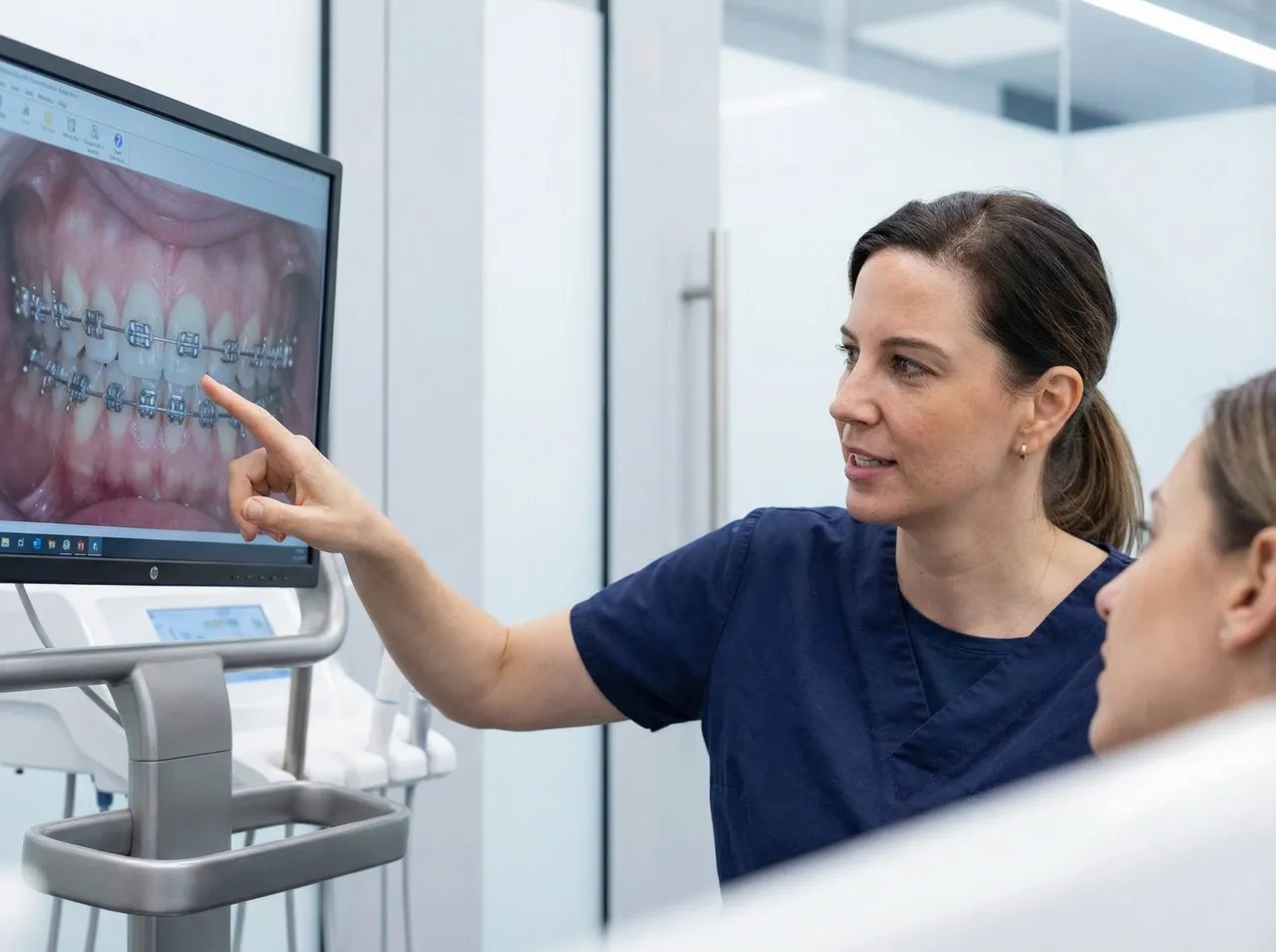
What you may feel during the first few days
A feeling of pressure on the teeth is common at first. This is a sign of the planned tooth movement. The sensitivity usually subsides after a few days. Irritation of the mucous membranes is possible, particularly on the lips and cheeks. Wax and targeted polishing reduce friction. If you experience severe discomfort, the practice should examine you promptly.
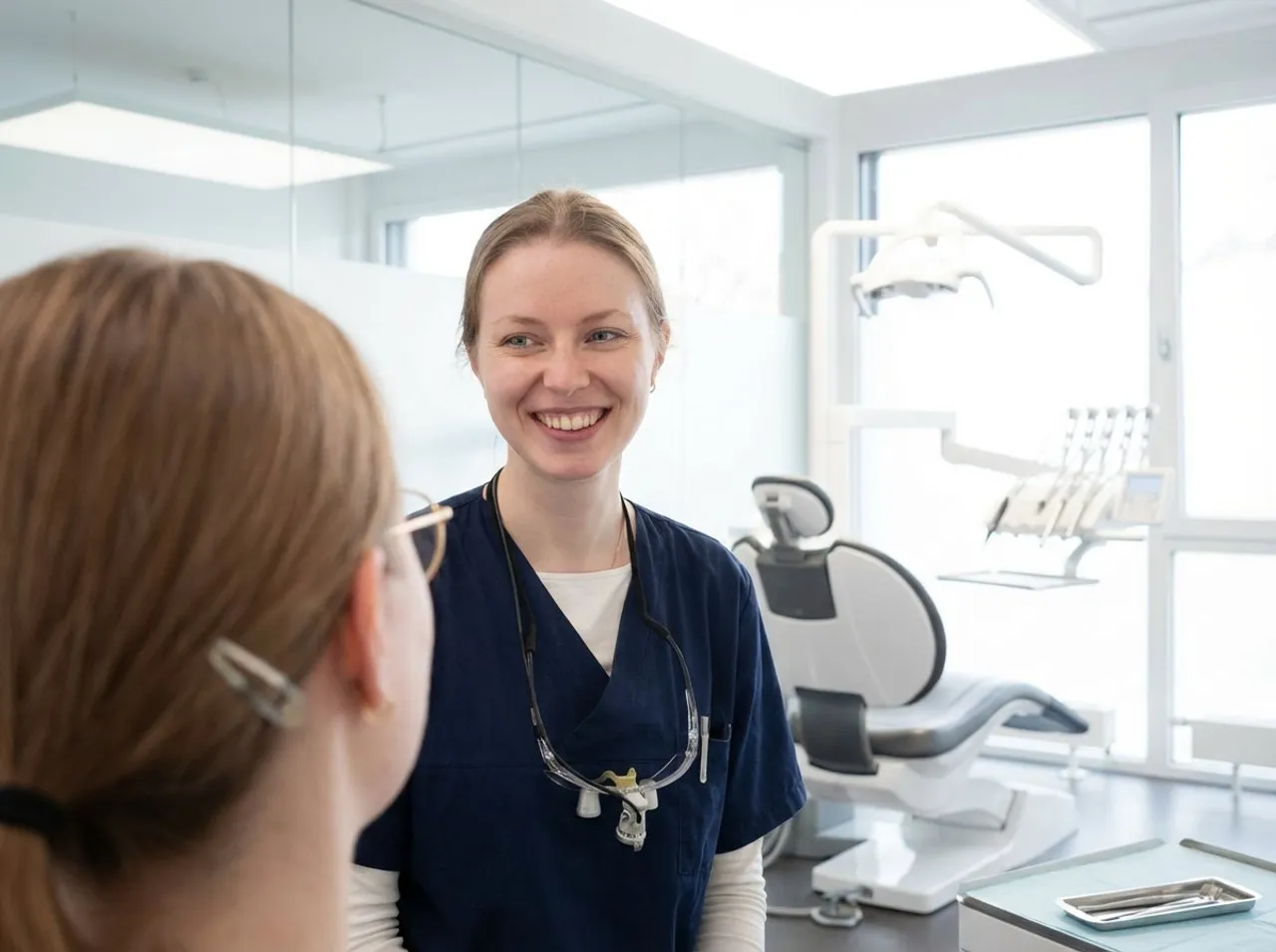
Preparation and diagnostics in detail
For adults, we check the gums and periodontal stability. Any inflammation should be treated before treatment starts. This reduces the risk of gum problems with brackets. If necessary, we create a 3D plan using a digital scan. A cephalometric X-ray analysis may also be useful. This allows jaw position and tooth axes to be assessed precisely.

Care and diet during treatment
Oral hygiene is crucial to the success of treatment. Interdental brushes and fluoride toothpaste are recommended. Professional dental cleaning may also be beneficial. Very hard foods can loosen brackets or bend wires. Caramel and chewing gum increase the risk of adhesive residue. Soft pieces of food and mindful chewing are better.

Avoiding discolouration
Ceramic itself rarely becomes discoloured. Discolouration is more likely to occur on the adhesive or in plaque. Regular cleaning prevents visible edges. Smoking also increases the risk of plaque build-up. Coffee and tea can encourage deposits. A quick rinse after consuming them already helps.
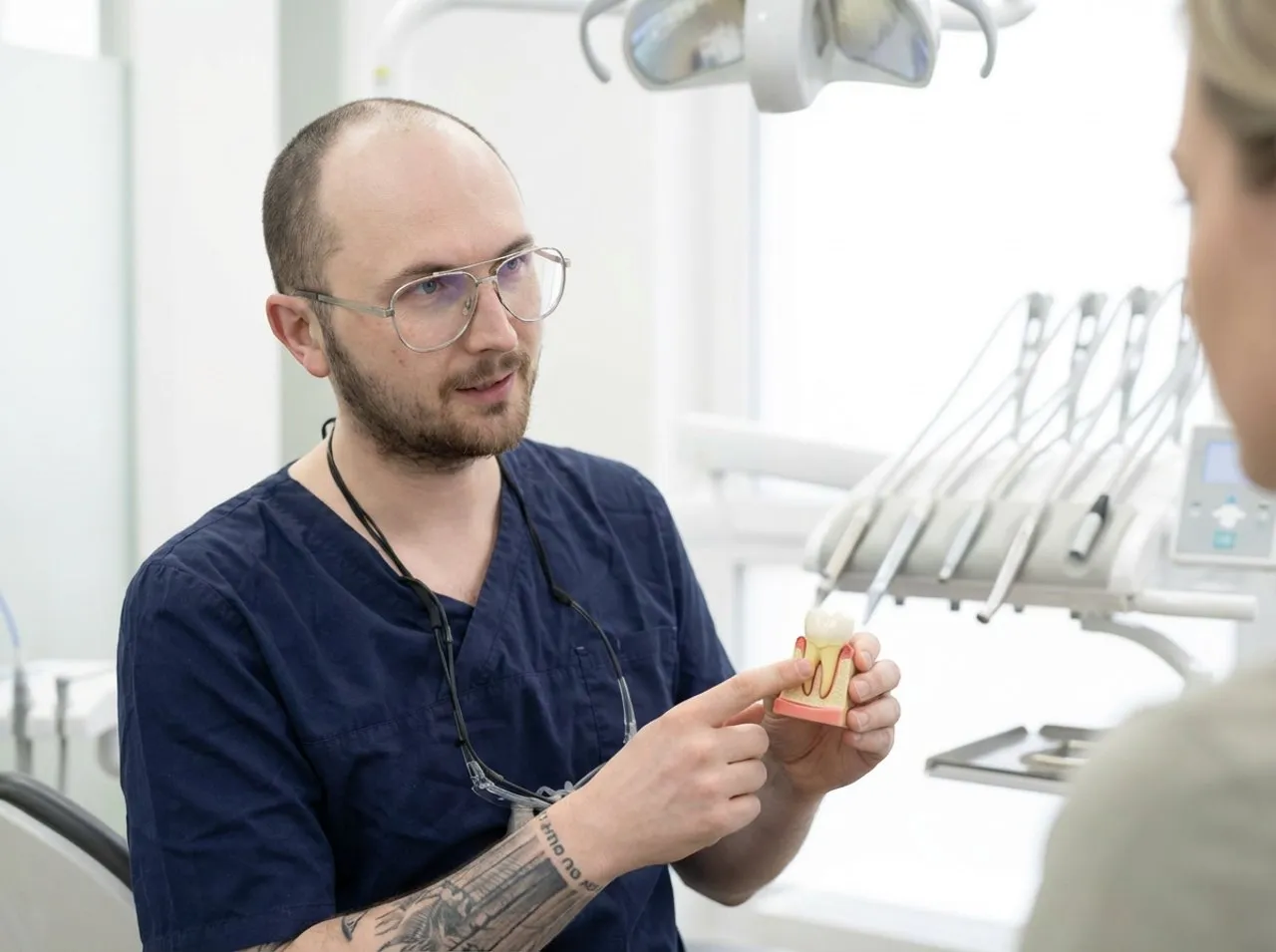
Treatment duration and stability of the result
The duration depends on the findings, age and cooperation. It is often between twelve and twenty-four months. This is followed by a retention phase to stabilise the result. Retention can be provided with a fixed retainer. Alternatively, a clear aligner is possible. The choice depends on the risk and tooth position.

Costs and reimbursement
The total costs depend on the extent of treatment and the material. Ceramic brackets are usually more expensive than metal versions. A treatment and cost plan provides clarity at an early stage. For children, statutory health insurance may cover the costs in certain circumstances. For adults, these are often self-funded treatments. Private insurance plans may reimburse costs depending on the policy.
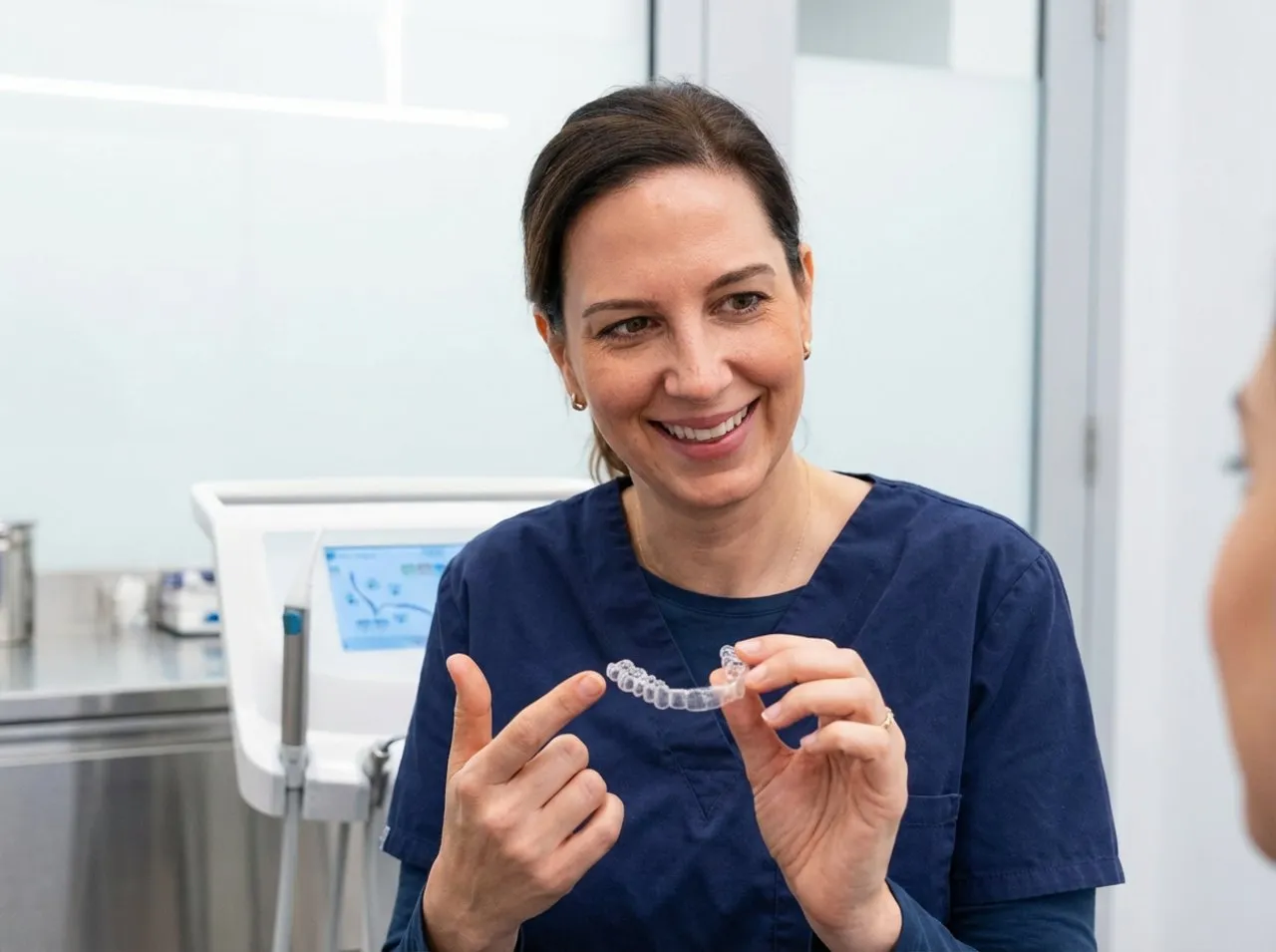
Comparison with aligners
Aligners are removable and very discreet. However, they must be worn consistently for many hours. For pronounced rotations, a fixed appliance is often more predictable. Ceramic brackets remain in the mouth permanently. They work continuously, even without being inserted every day. This can be an advantage when compliance is lower. At Wunschlachen in Berlin, planning is interdisciplinary. We explain alternatives and document every step transparently. You receive clear recommendations on care and aftercare.
Conclusion
Transparent multi-bracket appliances combine aesthetics and precision. They are suitable for many corrections in the visible area. Good hygiene and regular check-ups remain essential.
FAQ: Frequently asked questions about clear fixed braces
They are often significantly more discreet than metal brackets. The wire remains visible, but is less noticeable. The appliance is still visible at close range.
Ceramic or sapphire is usually used. Both materials are tooth-coloured or transparent. They are stable and well established in orthodontics.
Ceramic is very hard, but less flexible. A bracket is more likely to chip if subjected to a strong impact. Careful chewing significantly reduces this risk.
The brackets rarely become discoloured. However, plaque along the edge of the adhesive can quickly look yellowish. Consistent cleaning is the most reliable way to prevent this.
The feeling of pressure occurs with both systems. Friction may initially be greater with ceramic. Wax and adjustments usually help quickly.
Check-ups usually take place every four to eight weeks. The wires are changed or adjusted during these appointments. This keeps tooth movement controlled and safe.
A sports mouthguard is advisable. It protects the lips, teeth and brackets from injury. The practice can advise on suitable options.
Many conditions can be treated effectively. Very complex jaw positions sometimes require other approaches. Diagnostics determine the best method.
Retention is always necessary. Its duration depends on the initial findings and the tissue. It is often recommended for at least one year.
Lingual braces are placed on the inside of the teeth. They are barely visible from the outside. Not every bite is suitable for them.
Book your appointment now
We would be happy to advise you in person at our practice.