
CMD in the jaw: causes, symptoms, treatment
Craniomandibular dysfunction, or CMD for short, is a functional disorder of the masticatory system. It affects the jaw joint, teeth, masticatory muscles and often the neck muscles too. The result is pain, tension and restricted jaw movement. Many symptoms initially appear non-specific. They are often first attributed to the back, eyes or ears. A specialist dentist can provide targeted clarity here. At the Wunschlachen dental practice in Berlin, we view the jaw and body as a single unit. Our aim is a relaxed masticatory system. This reduces pain and improves quality of life.
Über 350 Google-Bewertungen
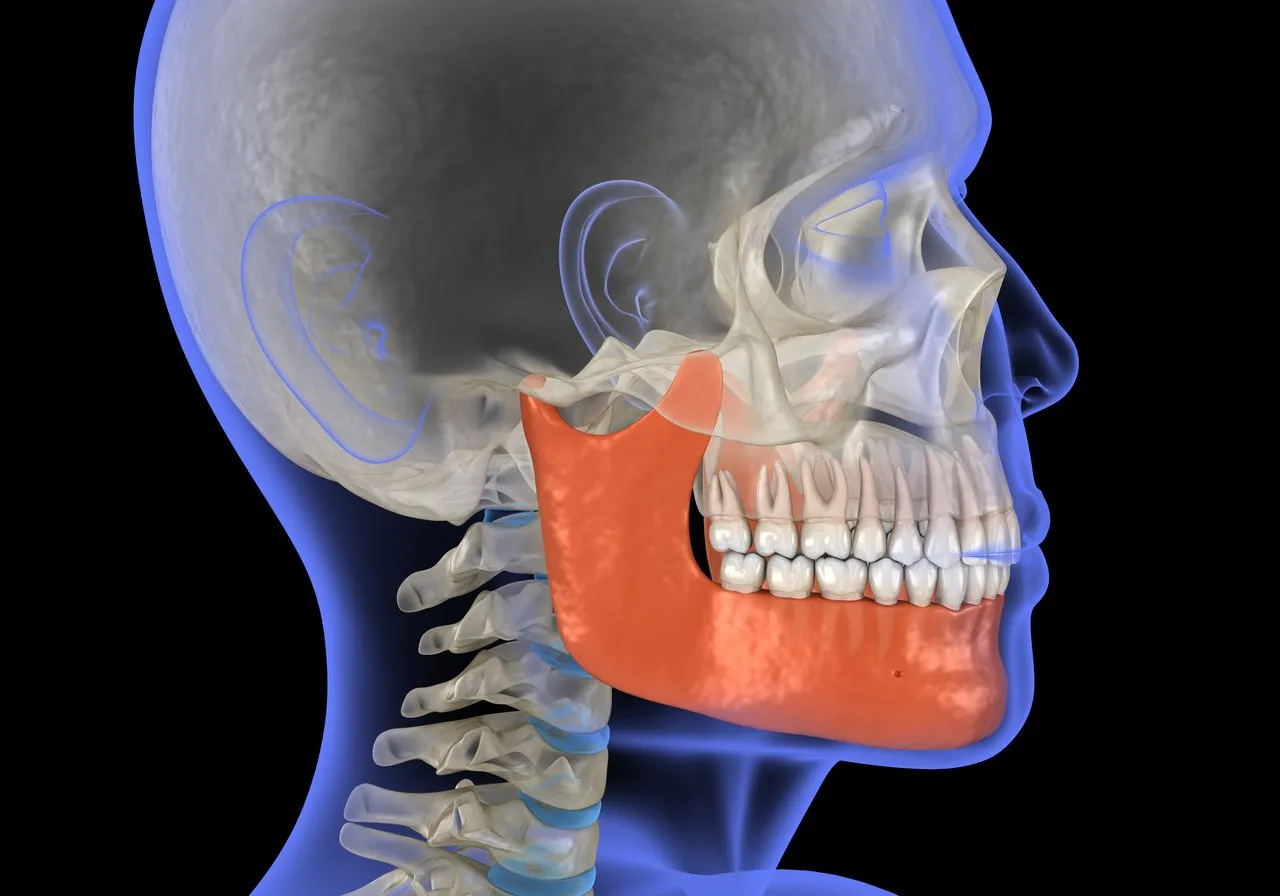
What exactly is CMD?
CMD refers to a malfunction between the skull and lower jaw. The jaw joint no longer works in harmony with the muscles and teeth. Even minor disturbances can cause severe symptoms. Several factors often act as triggers at the same time. These include bite problems, muscle tension and unfavourable habits. Psychological stress can also aggravate the disorder. If left untreated, CMD can become chronic. Persistent pain and fatigue then dominate everyday life. Early diagnosis is therefore important.

Typical CMD symptoms in the jaw and throughout the body
CMD is not limited locally to the jaw joint. The range of symptoms is very broad. Common symptoms include:
• Jaw pain when chewing or speaking
• Clicking, grinding or locking of the jaw joint
• Restricted mouth opening or a “catching” jaw
• Sensitive or worn teeth caused by teeth grinding
Many patients experience symptoms outside the mouth. These include headaches, facial pain and earache. Tinnitus, dizziness, neck pain and shoulder pain are also typical. Some patients even report back pain. This can be related to a disturbed bite. A functional analysis of the masticatory system is worthwhile here.
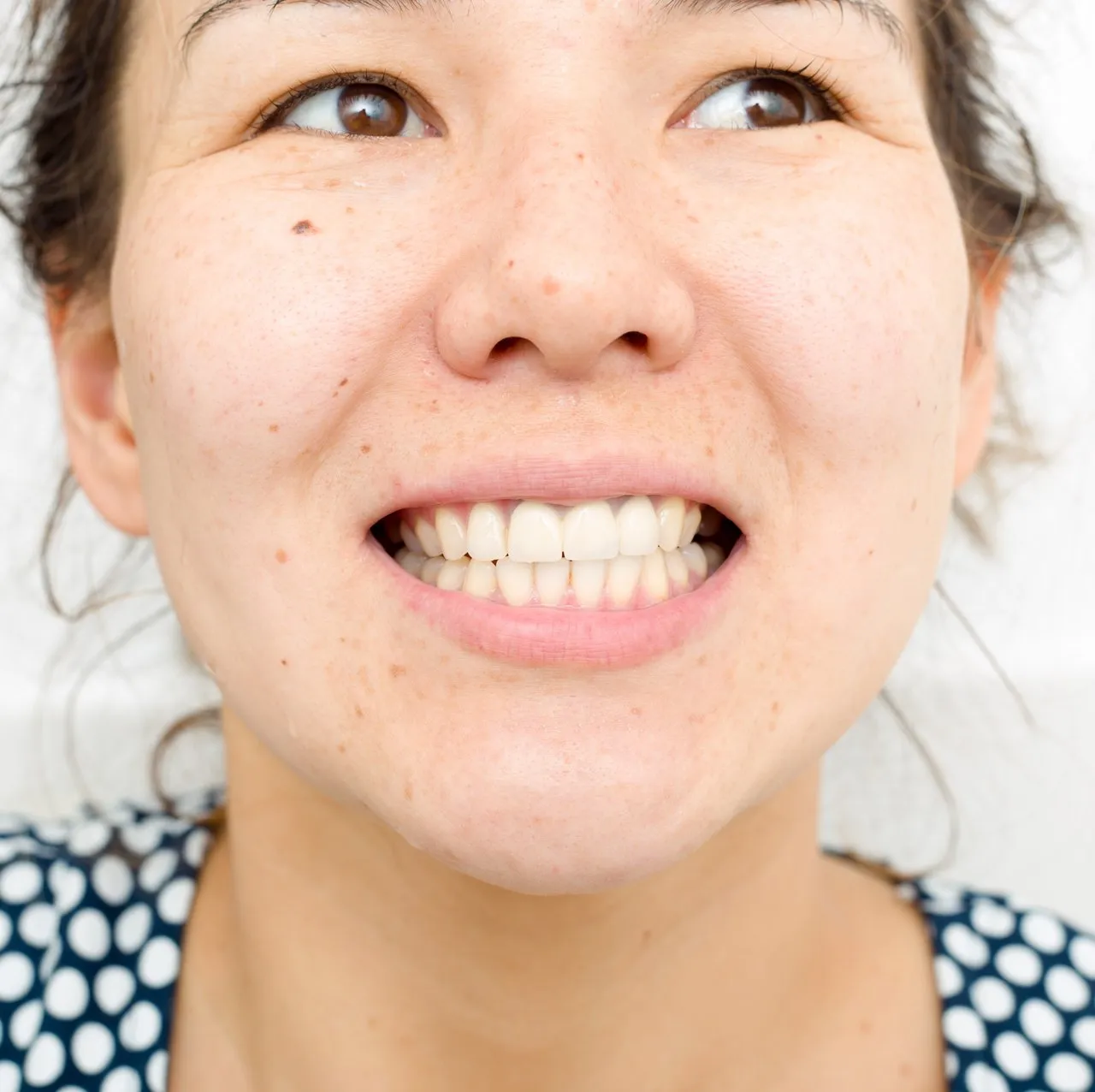
Common causes of CMD
The causes of CMD are usually multifactorial. A single trigger is rarely solely responsible. Important causes include:
• Misaligned teeth and jaws
• Missing teeth or poorly fitting crowns and fillings
• Bruxism, meaning teeth grinding or clenching, especially at night
• Previous accidents involving the jaw
Stress is another important factor. People often tense their jaw without realising it. This shortens the muscles and overloads the joint.
Posture and the workplace can also play a role, for example holding the head forwards at a screen for prolonged periods. The jaw and neck form a functional unit here.
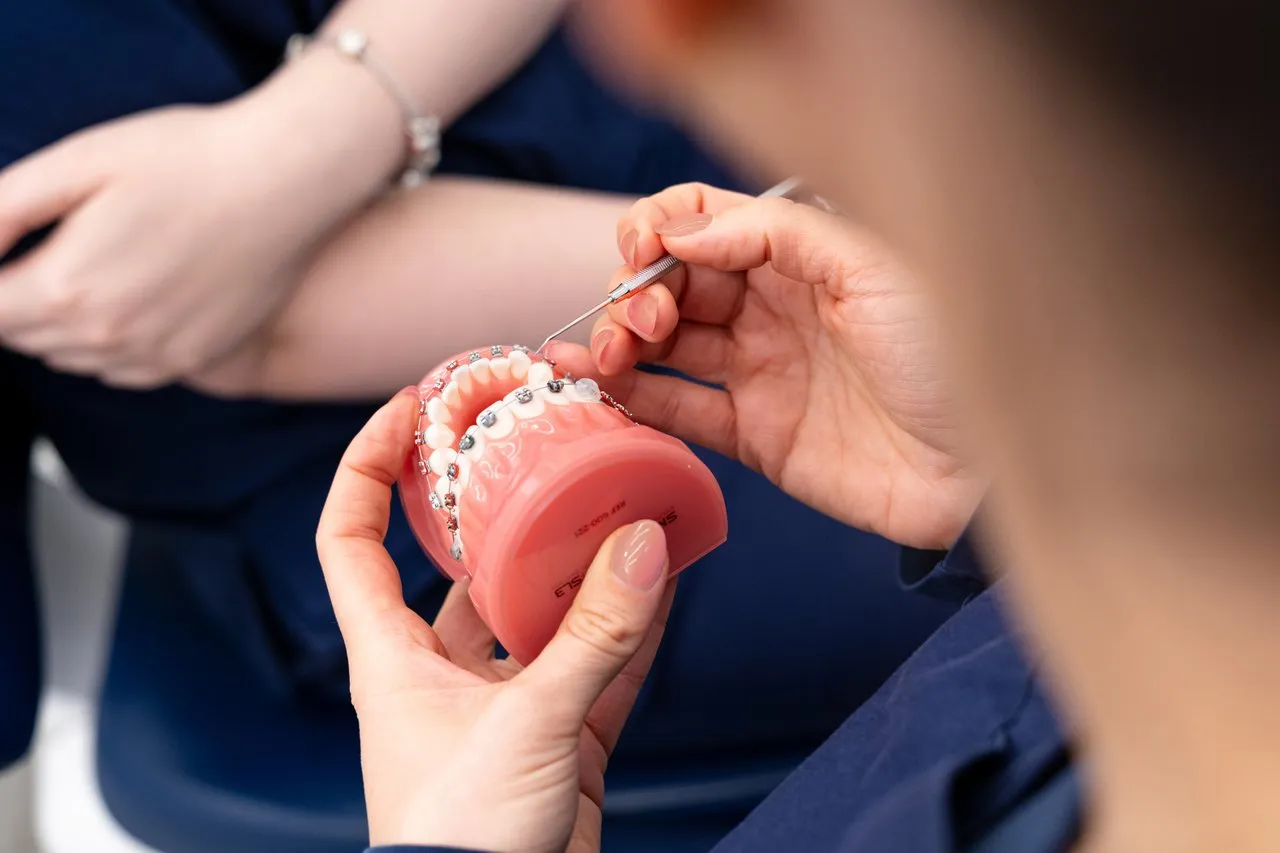
CMD diagnosis: functional analysis at Wunschlachen
We always begin with a detailed consultation. We record your symptoms, previous illnesses and treatments to date. This is followed by a thorough examination of the masticatory system. We examine the jaw joint, masticatory muscles and tooth contacts. This includes a clinical functional analysis with special tests. If required, X-rays or digital 3D procedures supplement the diagnostics. It is important to distinguish CMD from other causes. These include osteoarthritis, inflammation or neurological diseases. If findings are unclear, we work on an interdisciplinary basis with other specialists.
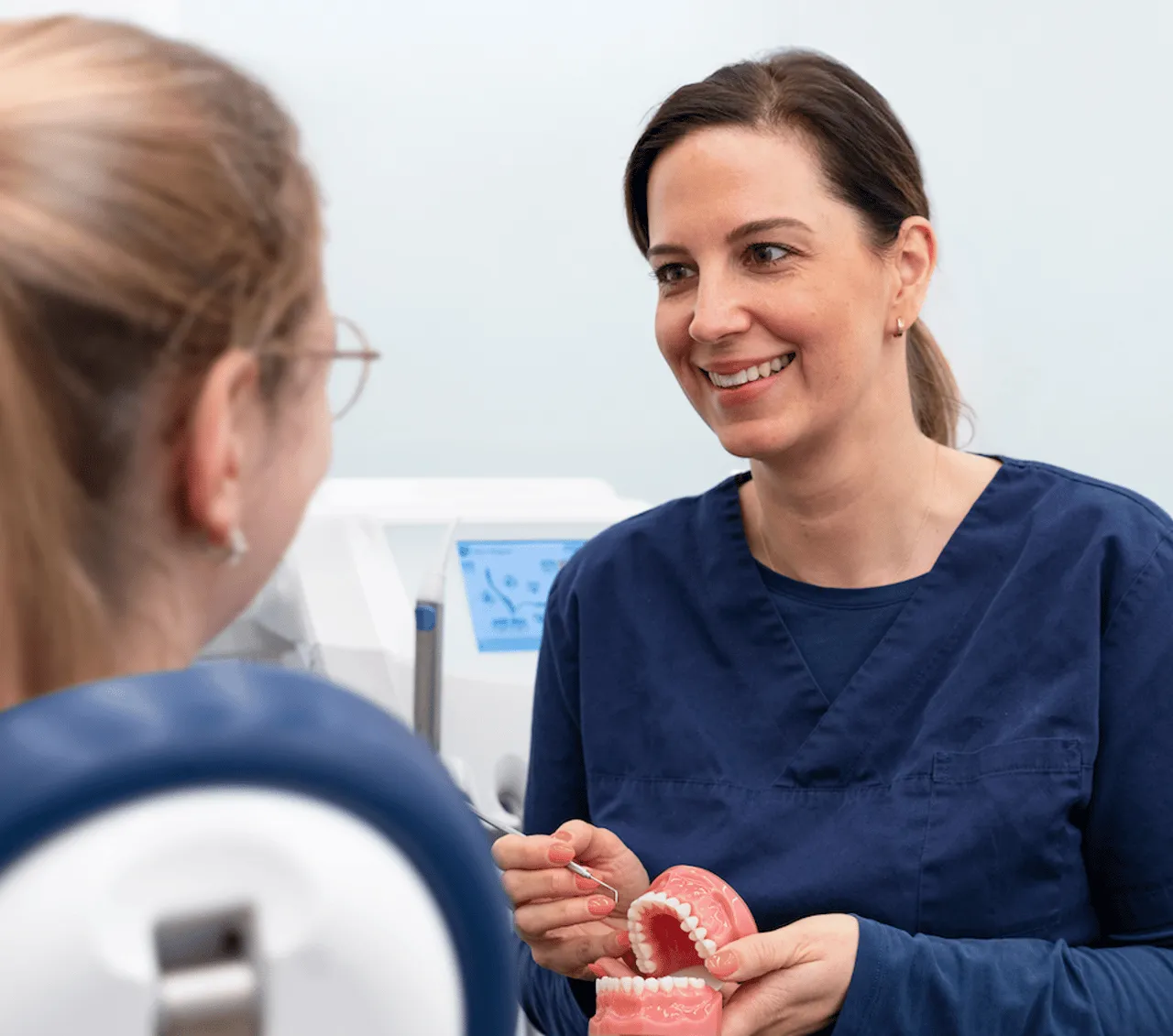
CMD treatment in Berlin: personalised and step by step
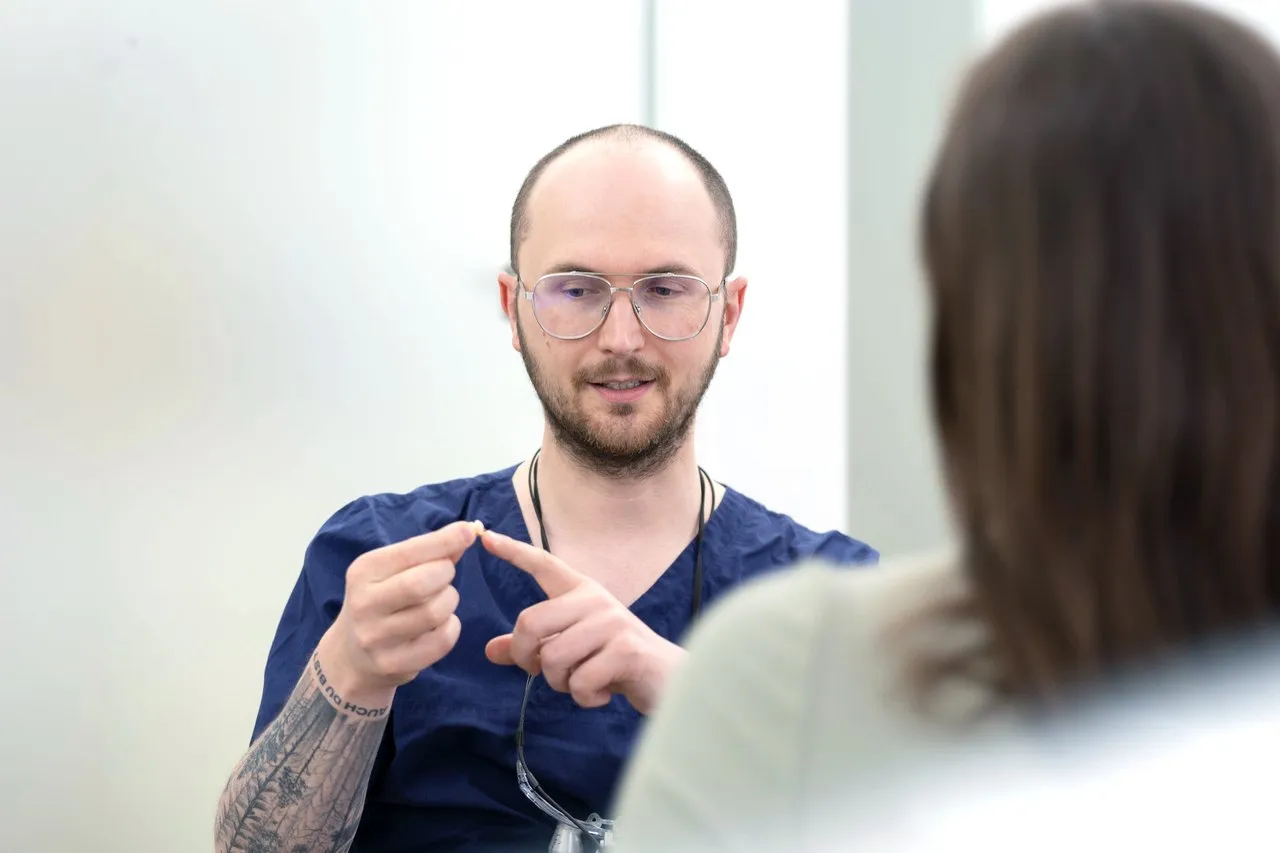
Treatment always depends on the cause and severity. The aim is a relaxed, functioning masticatory system. We often combine several components. Treatment usually begins with splint therapy. A custom-made occlusal splint relieves strain on the joints and teeth. This allows the muscles and bite to settle. Medication is also frequently used. Painkillers or muscle relaxants taken for a short time reduce acute symptoms. However, they do not replace treatment of the underlying cause.
Splint therapy, orthodontics and physiotherapy
A night guard or CMD splint protects against further tooth damage. It distributes the forces more evenly across the dental arch. This often also improves the jaw joint.
Orthodontic treatment can be advisable for pronounced misalignments. It corrects the bite and the alignment of the teeth. The jaw joint regains a stable position.
Physiotherapy is another central component. Targeted exercises release tension in the head and neck area. Manual techniques improve joint mobility.
Complementary procedures: stress management and acupuncture
CMD is often associated with stress. We therefore frequently recommend relaxation and breathing techniques. Changing your sleeping position and workplace can also help.
We also use acupuncture at our practice. It can significantly relieve pain in the jaw and neck area. Many patients find the treatment calming and balancing.
Active participation by patients is important. Jaw exercises, heat treatments and conscious relaxation support successful treatment. This helps the improvements achieved to remain stable in the long term.

Costs of CMD treatment and reimbursement
Statutory health insurance funds cover certain diagnostic services. Where there is a justified indication, this includes functional analysis of the masticatory system. Parts of splint therapy may also be subsidised. Individual additional services are sometimes billed privately. Supplementary dental insurance can help here. We are happy to draw up a transparent cost plan in advance. For extensive treatment, we offer fair instalment payment options. This keeps high-quality therapies financially manageable. Simply speak directly to our team in Berlin.
When should you come to Wunschlachen with jaw pain?
Recurring jaw pain or headaches are a warning sign. This applies particularly to clicking, restricted mouth opening or teeth grinding. A CMD check should then be carried out. Unexplained neck, shoulder or ear problems also deserve attention, especially if tooth wear is already visible. Early treatment often prevents chronic pain. At our Berlin locations, we take time to address your concerns. We explain every step clearly and develop a suitable treatment plan together with you.
FAQs about CMD at the Wunschlachen dental practice
CMD is a functional disorder of the masticatory system. It affects the jaw joint, muscles and teeth at the same time.
Typical symptoms include jaw pain, clicking jaw and teeth grinding. Headaches, neck pain or earache often occur as well.
Yes, tense muscles can cause pain to radiate into the neck and back. We therefore consider posture and the jaw together.
We carry out a detailed functional analysis of the jaw joint, muscles and bite. If required, X-rays supplement the examination.
A combination of an occlusal splint, physiotherapy and stress reduction is usually advisable. Orthodontics is added where misalignments are present.
Many patients notice initial improvements within a few weeks. Complete stabilisation can take several months.
Yes, it significantly relieves strain on the teeth and jaw joint. This usually reduces pain and wear.
The statutory health insurance fund covers certain diagnostic procedures and standard treatments. Additional services may be covered through supplementary insurance or an own contribution.
Yes, we also support patients with complex cases and work on an interdisciplinary basis. If necessary, we involve other specialist disciplines.
Yes, particularly in orthodontics, we examine the bite and jaw development. Early treatment often prevents later symptoms.