CMD and health insurance: what is covered
Many people with jaw problems have CMD. The name means ‘a disorder affecting the jaw and muscles’. The question soon arises: what will health insurance cover? At the Wunschlachen dental practice in Berlin, we guide you through this. We assess your situation step by step. Then...
Über 350 Google-Bewertungen
What exactly is CMD?
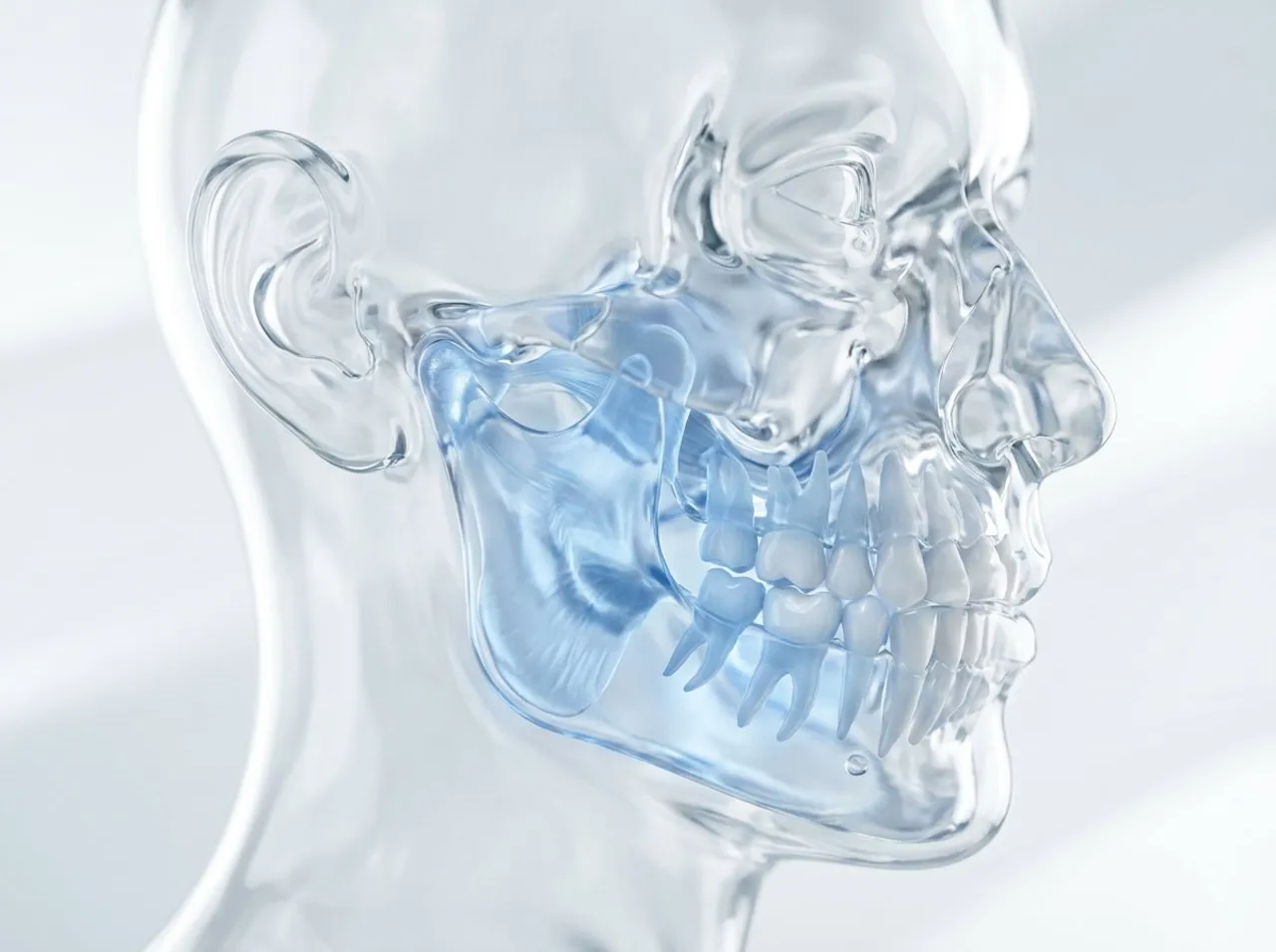
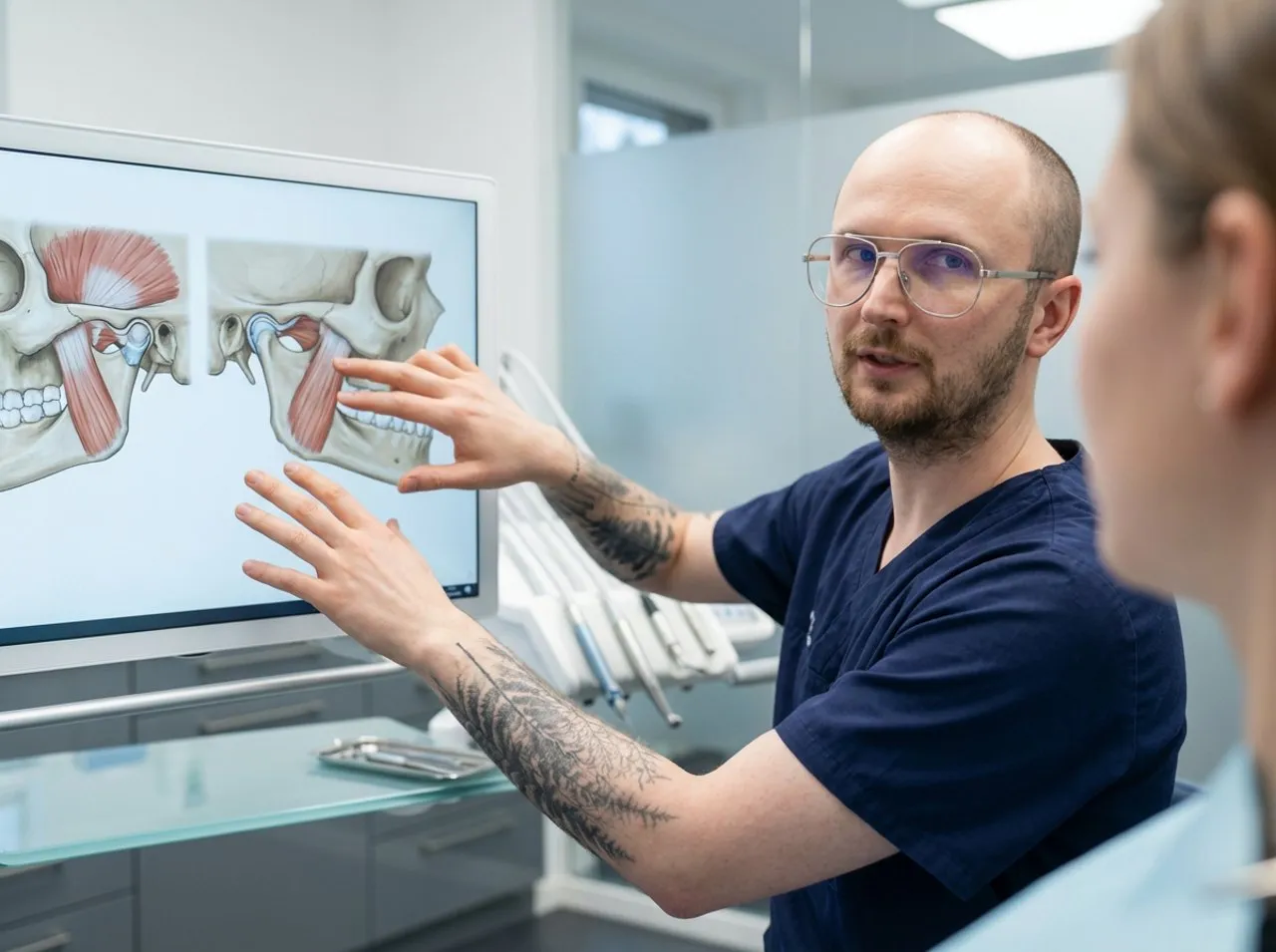
CMD means that the jaw joints, muscles and teeth do not work well together. This can cause pain in many places. Typical symptoms include headaches and pain in the neck and face. Jaw clicking or restricted mouth opening are also possible. Some people affected report ear noises such as tinnitus. The symptoms are often very distressing in everyday life. A thorough examination is needed for a reliable diagnosis. This includes palpating the muscles and checking jaw movement. This enables us to determine whether a genuine functional disorder is present.

Does statutory health insurance cover CMD?
Statutory health insurance providers pay for treatments that are medically necessary. This also applies to many CMD measures. However, there are limits and clear rules. Routine dental examinations are generally covered. These include the consultation, an examination of the mouth and simple tests. These basic services are part of routine care. You often have to pay for complex additional examinations yourself. These include special measurements or complicated analyses. We discuss possible costs openly with you in advance.
Which examinations are covered by health insurance?
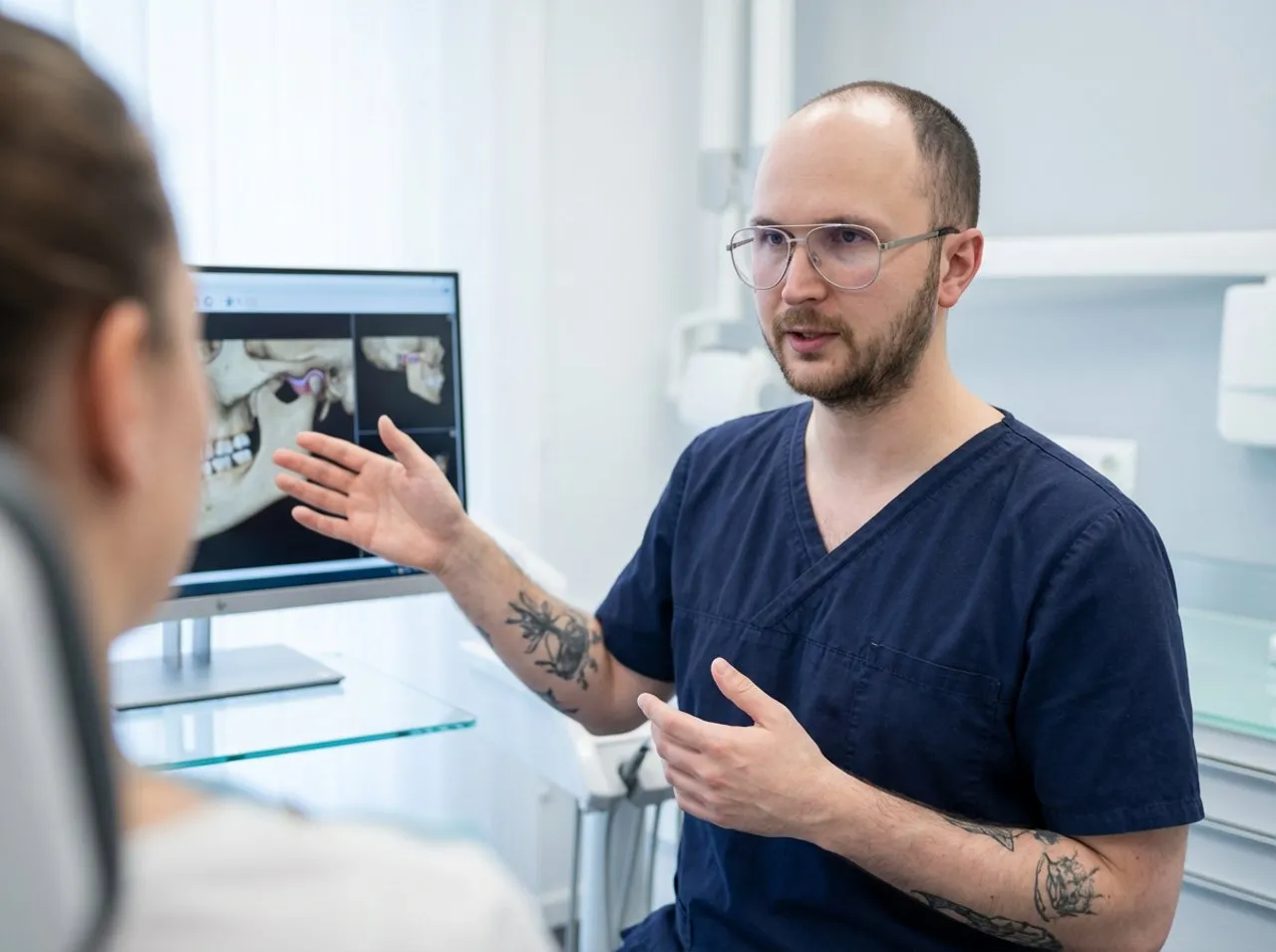
The basic examination includes simple functional tests. We test how wide your mouth opens and what your bite looks like. We also check whether your jaw clicks or locks when it moves. X-rays are covered when medically necessary. They help us to assess joints, teeth and bones more effectively. This allows other causes to be reliably ruled out. Special functional analyses are often classed as private services. Examples include digital joint measurements or highly precise bite registrations. We tell you in advance what is covered and what is not. This helps you keep track of all costs. You know which part will be paid for and what you will have to pay yourself. Together, we avoid surprises when the bill arrives.
Cover for the CMD splint
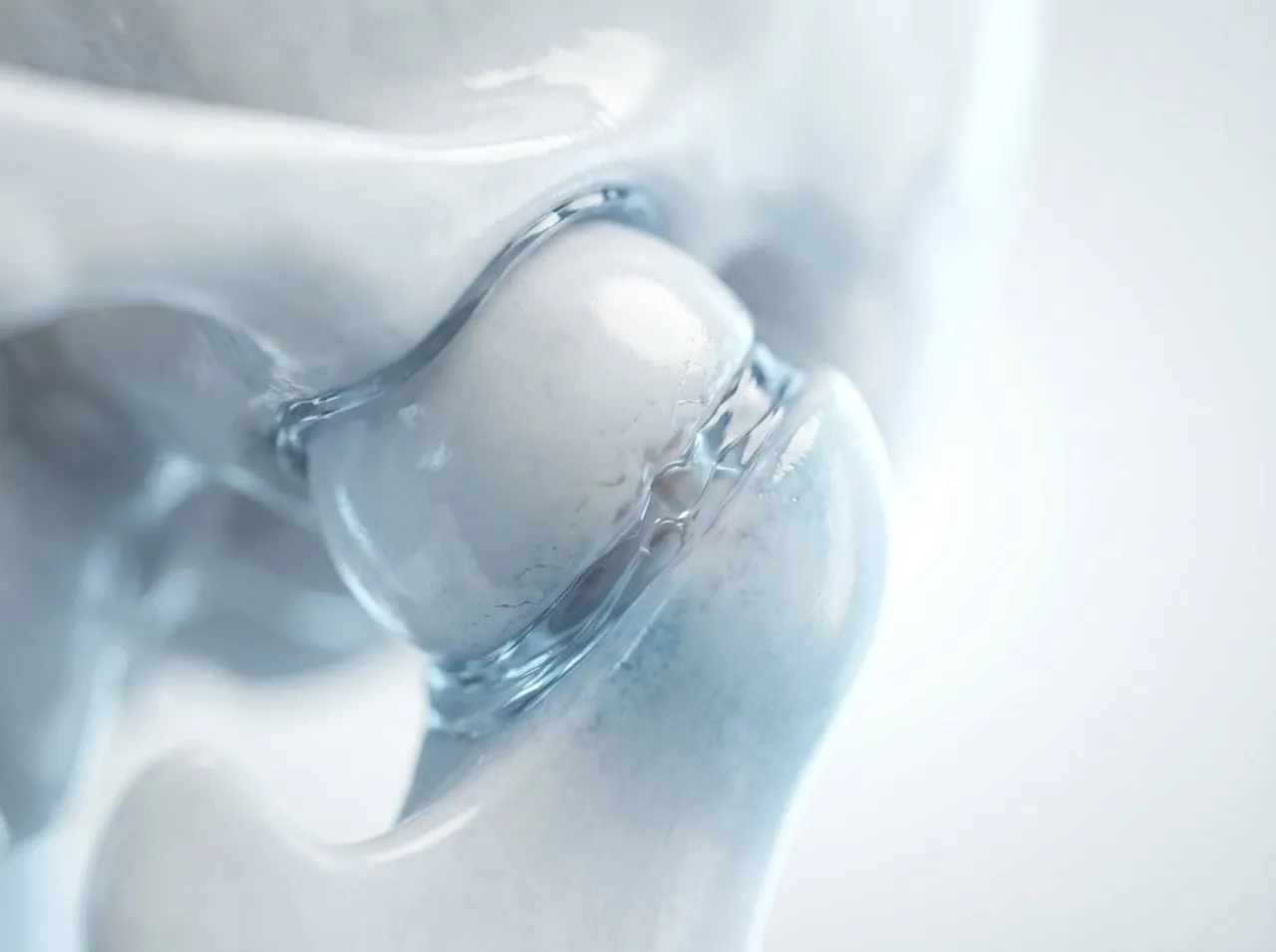
Many patients are given a bite splint. It relieves strain on the jaw and protects the teeth. This often significantly reduces the pain. A simple plastic splint may be covered by statutory health insurance. A clear diagnosis and a prescription from the dentist are essential. The splint is then used for treatment rather than cosmetic purposes. Special versions made with particular materials are often classed as extras. These usually have to be paid for yourself. We explain which version is medically appropriate. Precise documentation is important for the application. This includes findings, notes and the treatment plan. These form the basis for the health insurance provider's decision.

Does health insurance cover physiotherapy for CMD?
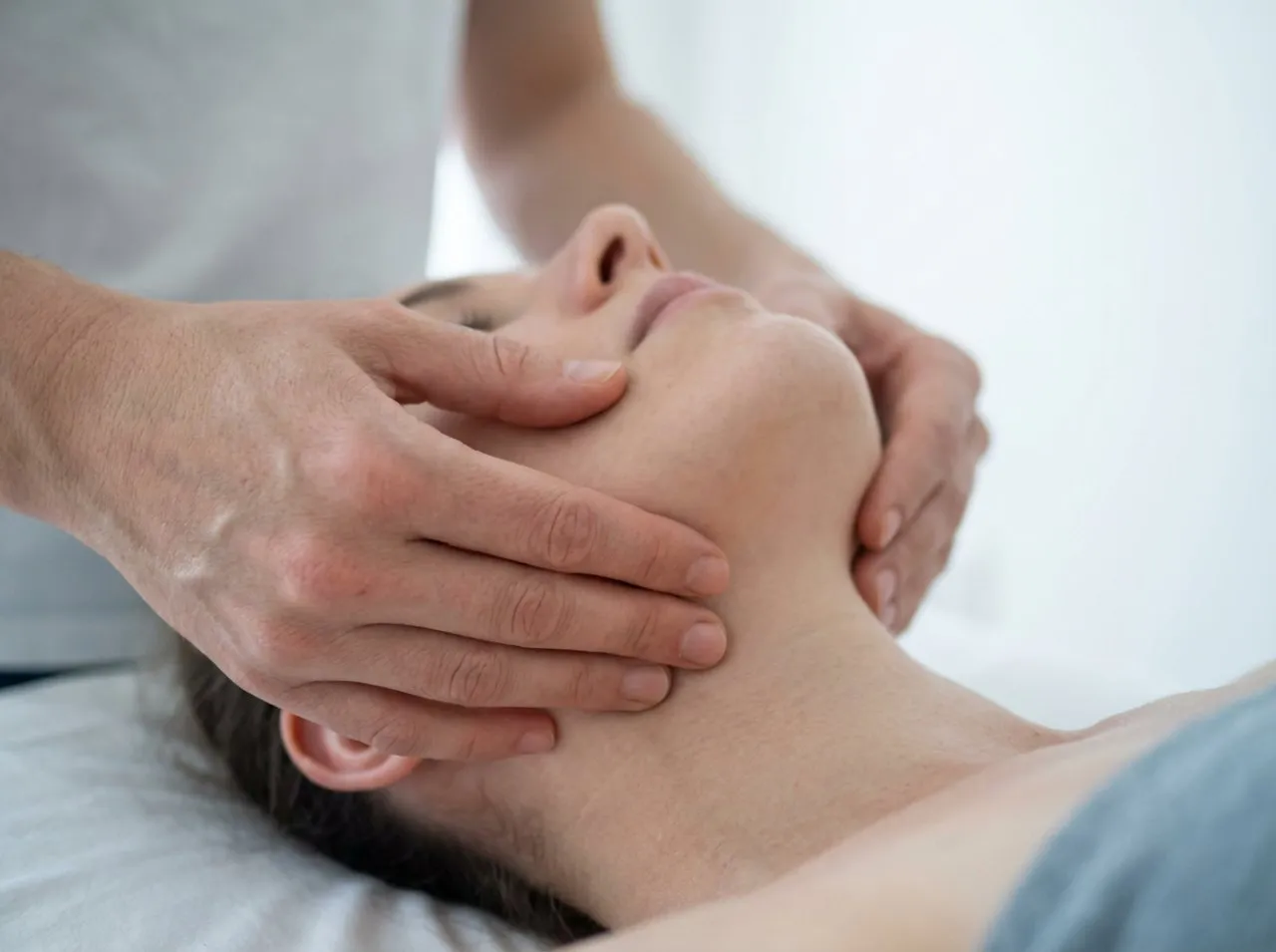
The splint alone is not always enough. The muscles in the neck and jaw are often very tense. Physiotherapy can then be very helpful. Doctors can prescribe physiotherapy for the jaw. These prescriptions are covered by health insurance in many cases. However, you must pay the statutory co-payment yourself. Additional services are not always covered. These include manual therapy, osteopathy and relaxation courses. Some of these are only included in certain policies. We discuss with you which therapies are appropriate. You will find out what your health insurance covers and which services you must pay for yourself. This allows you to decide at your leisure which steps you would like to take.
Private health insurance and supplementary insurance
Privately insured patients often have more benefits included in their contracts. Many policies also cover more extensive examinations. Special splint concepts may also be covered. The exact cover always depends on the contract. It is therefore worth checking your insurance documents. On request, we can help you assess them. Supplementary dental insurance can reduce costs further. Depending on the policy, portions of the CMD treatment are covered. This can ease the financial burden considerably in complex cases. We prepare detailed treatment and cost plans for this purpose. You can use these to request written confirmation of cover. This means you know at an early stage what costs you will face.

Personal contribution, instalments and certainty in planning
Despite this support, there is often still a personal contribution to pay for CMD. It depends on the diagnosis, the therapy and your insurance. Good planning is therefore important. Before more extensive treatments, we provide you with a cost plan. It shows the health insurance contribution and your share. You can then compare your options and decide at your leisure. Instalment payments are available on request. This allows you to spread the costs more effectively. Necessary measures do not have to be postponed.
CMD treatment at Wunschlachen in Berlin
At Wunschlachen, we look at more than just a single tooth. We consider your jaw, muscles, teeth and daily life. This includes stress, sleep and any existing dental prostheses. On this basis, we create a personalised treatment plan. Possible components include a splint, physiotherapy and relaxation exercises. The aim is a relaxed jaw and less pain. At the same time, we always discuss the costs. You will find out what is covered by health insurance and where additional costs arise. We explain everything in clear, straightforward language.
How we help you deal with your health insurance provider
Good documentation increases the likelihood of costs being covered. This includes findings, photographs and a clear therapy plan. We prepare this information carefully for you. We help you complete the forms. We also clarify any queries from your health insurance provider with you if needed. This means you are not left to deal with your concerns alone. If services are not paid for in full, we look for options. For example, treatment in several stages. Or we assess less expensive material options. This enables us to find a solution together. It should be medically appropriate and financially feasible. We always keep your health in mind.
FAQ – Frequently asked questions about CMD and health insurance
A clear diagnosis and a prescription from the dentist are required.
Straightforward examinations are usually covered. Special measurement techniques often have to be paid for privately.
Prescribed physiotherapy is frequently covered by statutory health insurance. However, the statutory co-payment still applies.
Osteopathy is only included in a few policies. It is often entirely self-funded.
This depends on the findings, the treatment and your insurance. We draw up a plan in advance showing your expected contribution.
The splint is included in many private policies. The exact rules can be found in your contract documents.
A diagnosis by the dentist is usually sufficient. In difficult cases, an additional referral may help.
Normally, one splint is funded first. A replacement is only covered if medically necessary.
Necessary personal contributions may receive special tax treatment. It is best to ask your tax adviser about this.
We prepare all the necessary documentation and cost plans. Together, we clarify any queries from your health insurance provider and look for solutions.