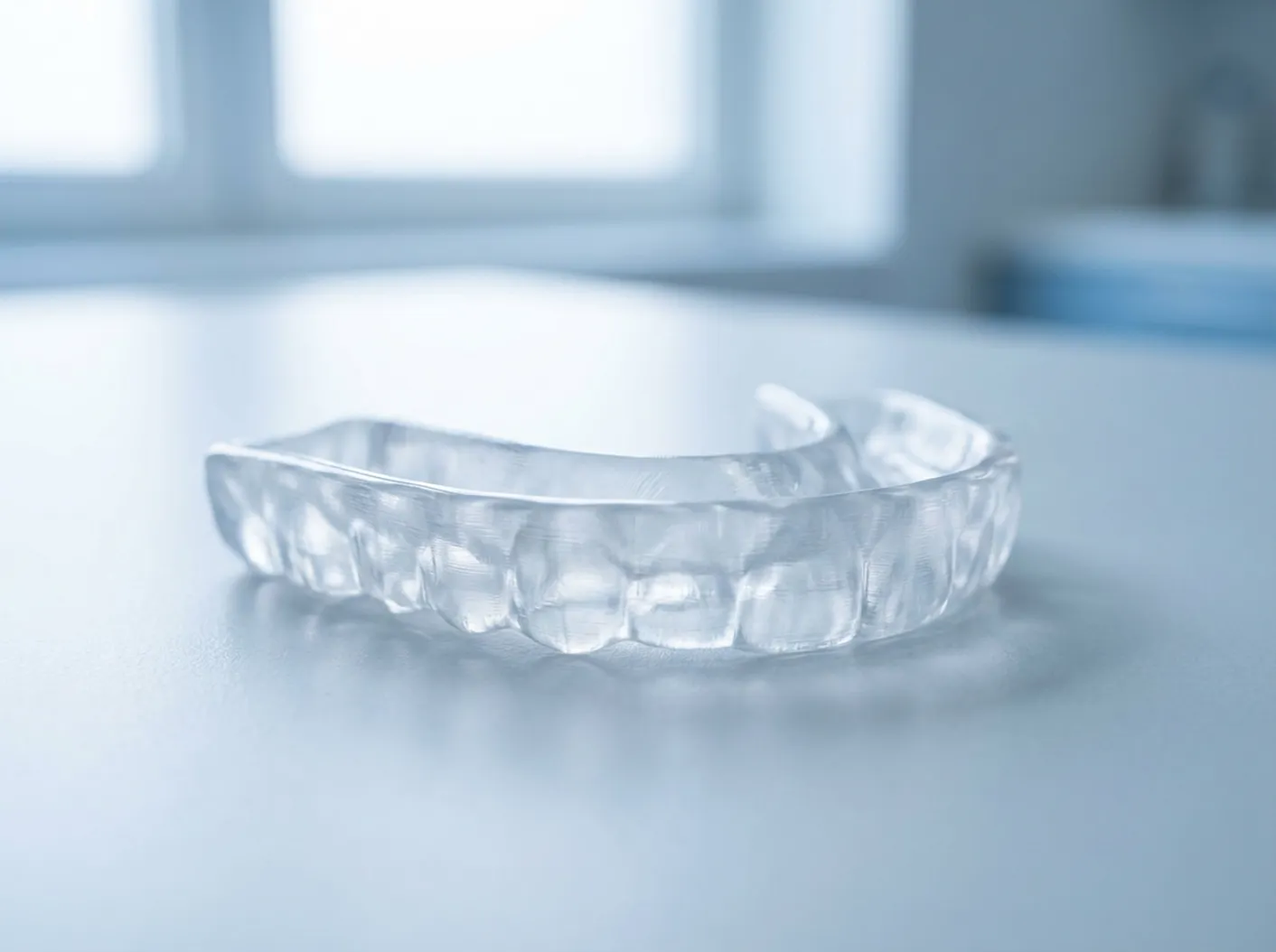
CMD splint: upper or lower jaw? Options & tips
A CMD splint relieves an overstrained jaw joint. It reduces strain on the muscles, teeth and head. However, many patients wonder whether the splint should sit on the upper or lower jaw. This guide provides a concise overview of CMD splints. You will learn how the...
Über 350 Google-Bewertungen
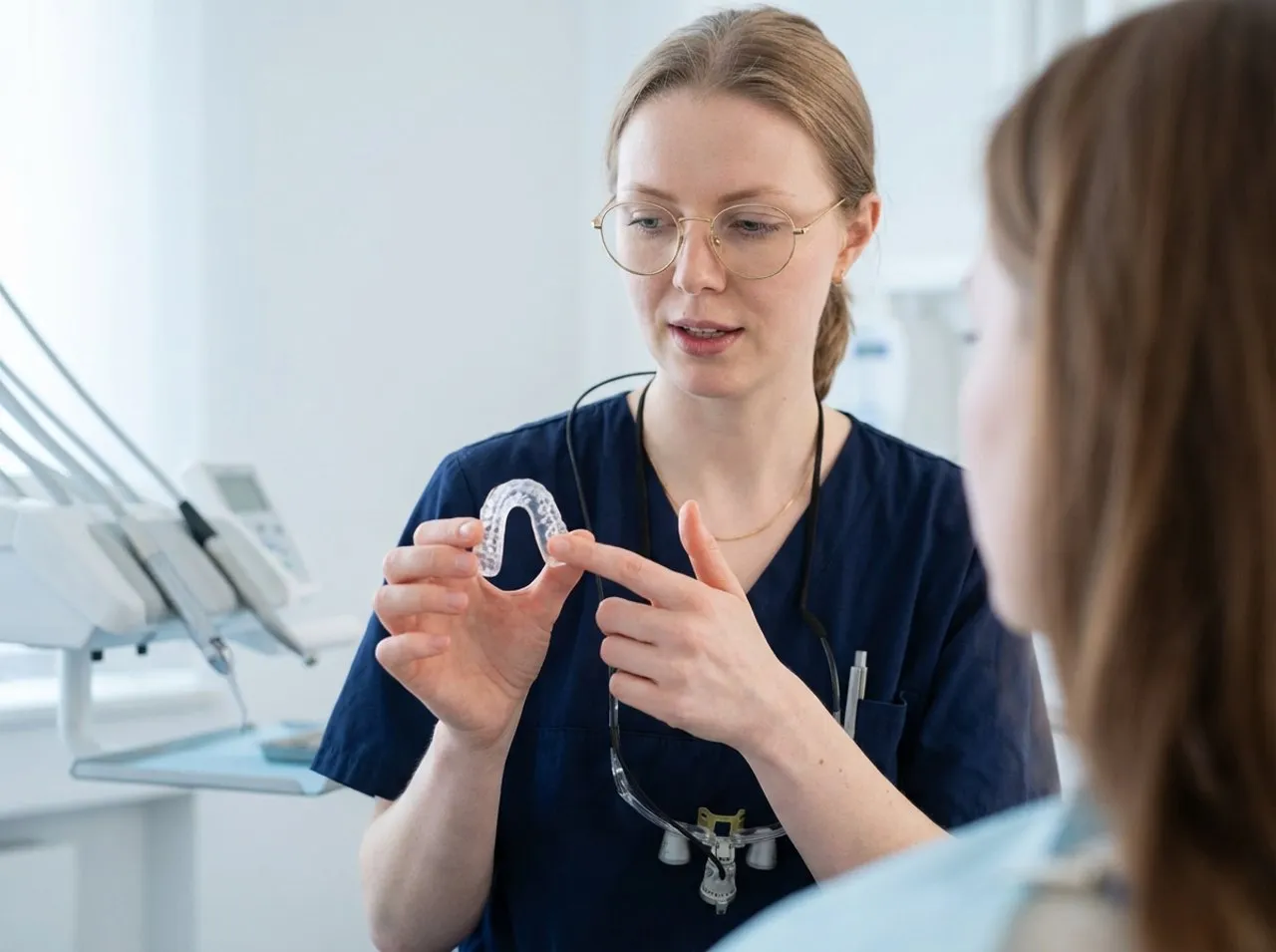
What is a CMD splint?
CMD stands for craniomandibular dysfunction. This refers to functional disorders of the jaw joint and chewing muscles. A therapeutic bite splint is intended to correct such abnormal loading. The transparent plastic appliance is usually worn at night. In some cases, daytime use is also advisable. The aim is always to relieve strain on the entire chewing system.
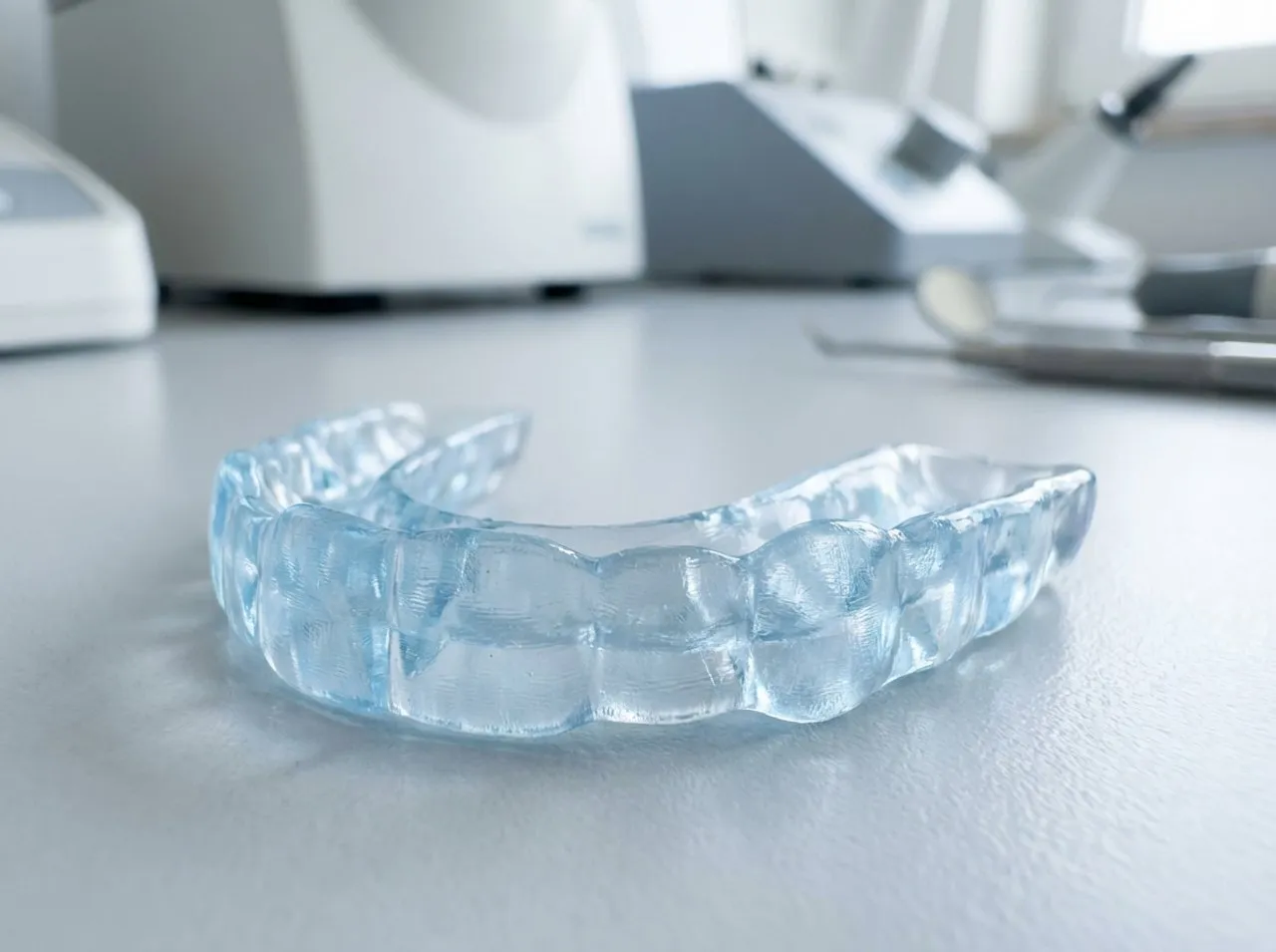
Typical symptoms of CMD
A functional disorder does not only affect the teeth. The muscles and surrounding structures are often affected too. Typical signs include: • pain in the jaw joint or face • morning tension in the neck or shoulder area • worn biting surfaces or sensitive tooth necks In these cases, a precisely adjusted bite appliance can help. It stabilises the bite and protects the joints. This allows the CMD splint to provide targeted relief for the jaw joint.
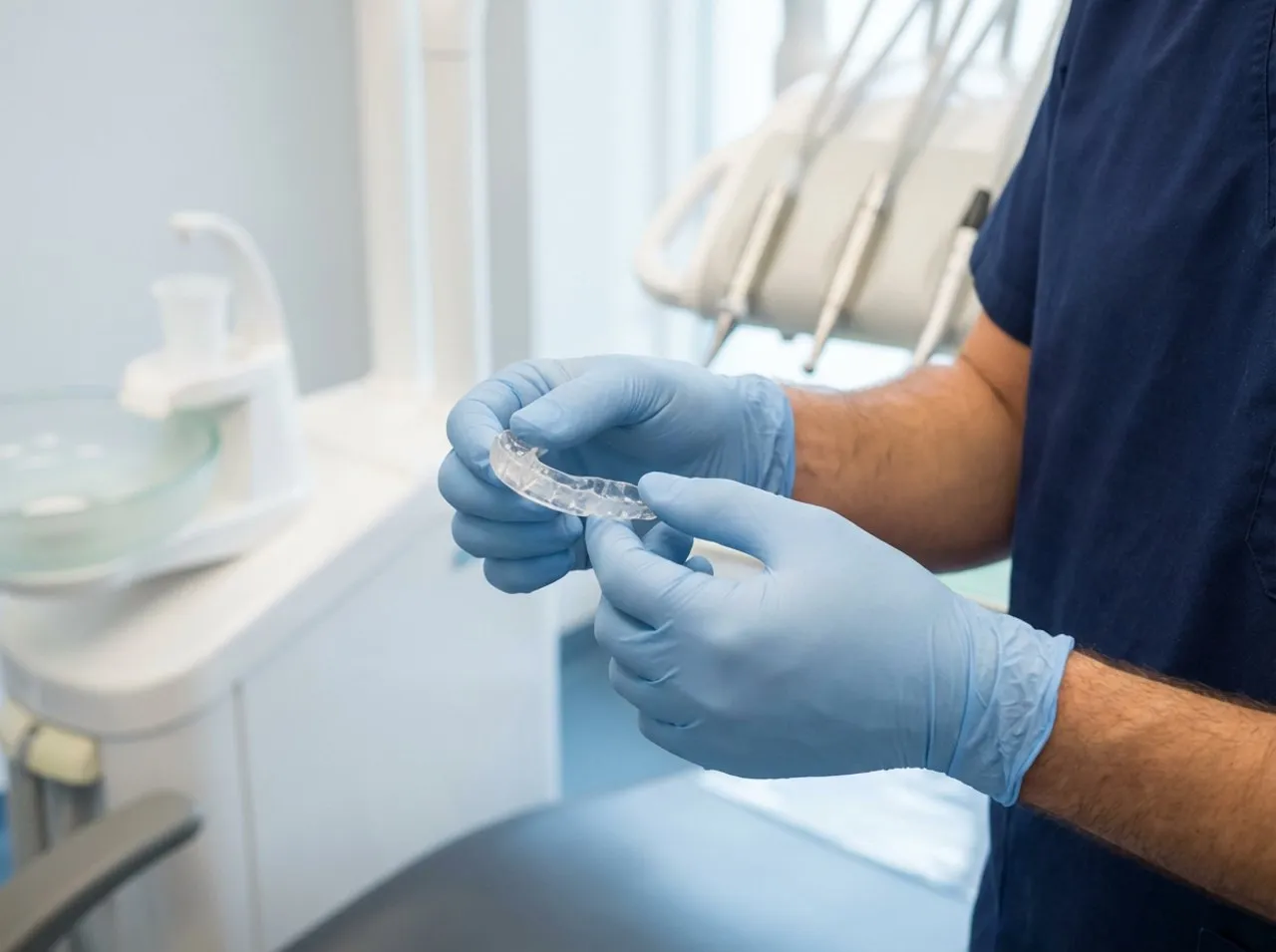
The difference between a CMD splint and a night guard
Many patients are already familiar with the term night guard. This protective appliance is primarily used for night-time teeth grinding. It protects the hard tooth substance from further abrasion. A CMD bite splint has a broader aim. It actively influences the position of the lower jaw. This guides the jaw joint into a therapeutically favourable position. The difference between a CMD splint and a night guard therefore lies in the planning. CMD treatment involves functional correction, not just protection. With CMD, a simple night guard may not have enough influence.
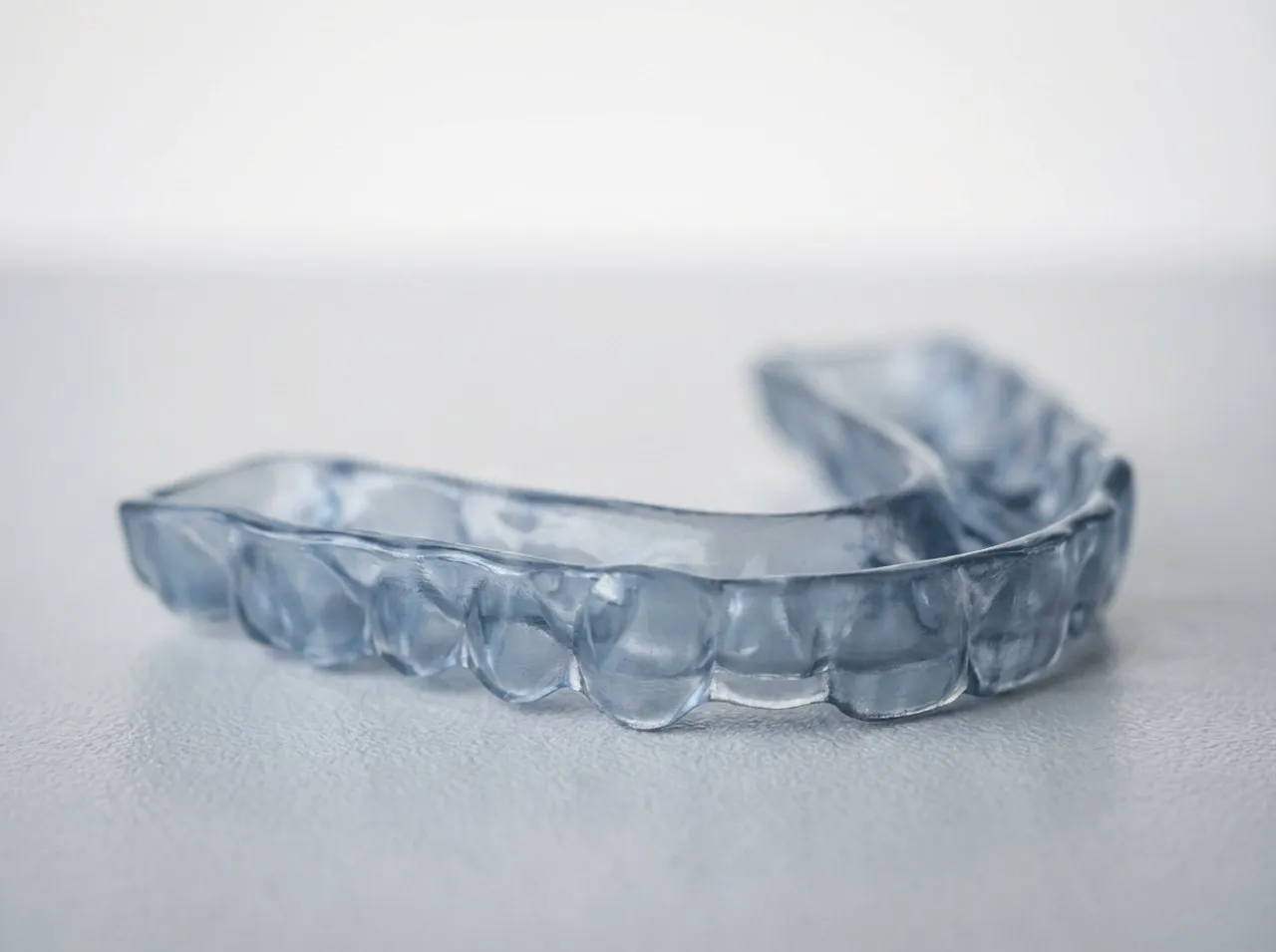
CMD splint on the upper or lower jaw: the key differences
In principle, bite splints can be fitted on either the upper or lower jaw. Both versions can be effective. The individual situation is decisive. An upper-jaw splint is often chosen when the way the teeth fit together is stable. Many patients find it comfortable to wear. It also allows good guidance of the lower jaw. A lower-jaw splint is often suitable when the upper teeth have extensive fillings. Some people find it more comfortable for speaking and breathing. This position can be particularly advantageous for sensitive front teeth. The question of whether to wear a bite splint on the upper or lower jaw therefore arises in almost every CMD treatment. However, there is no blanket answer. Each individual case is what matters.
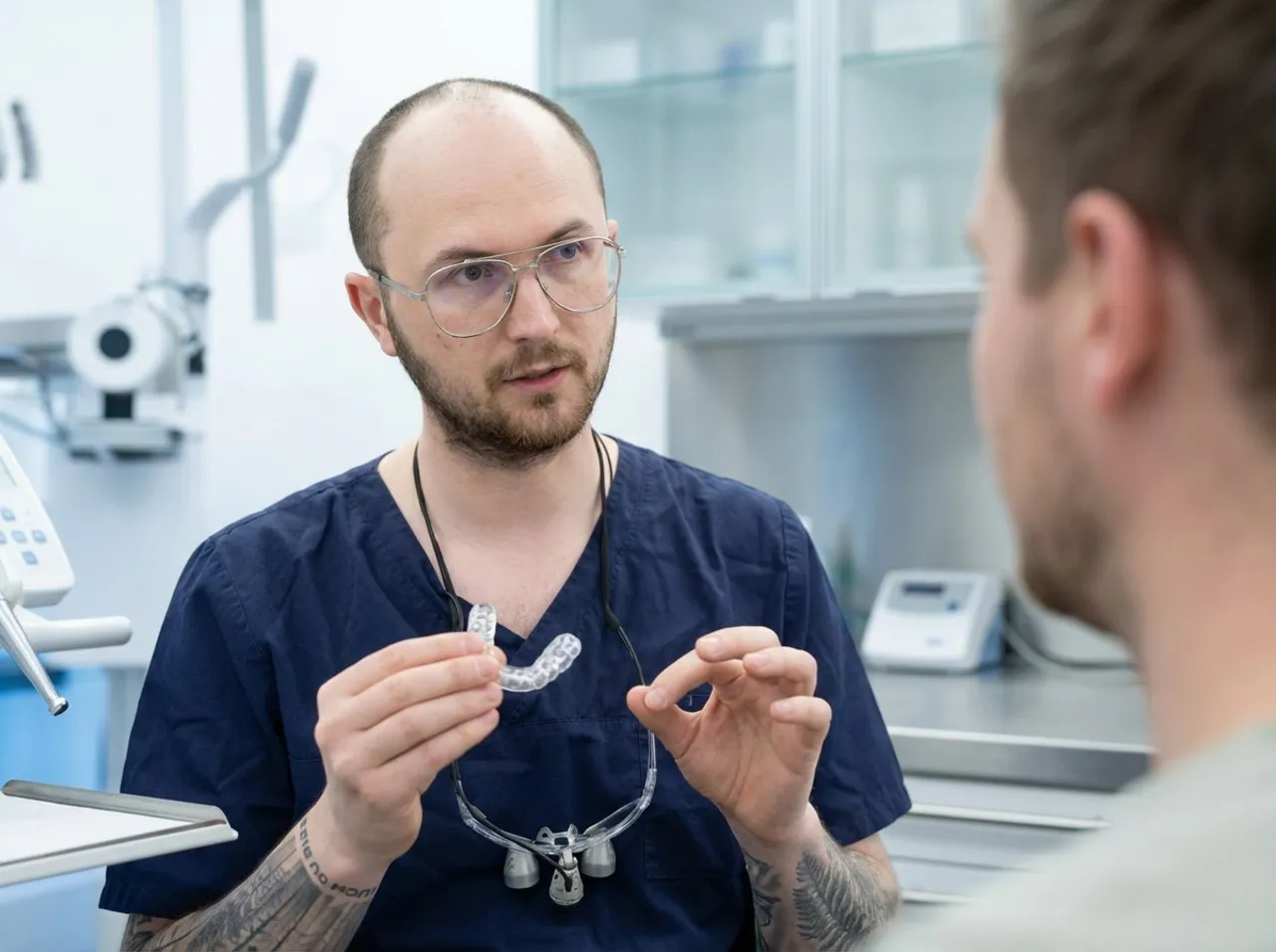
How does the dentist decide between the upper and lower jaw?
Whether the CMD splint is fitted on the upper or lower jaw is always decided on a case-by-case basis. Your dentist or specialist will analyse several factors to make this decision. These include: • the condition of the teeth and fillings • the position and stability of the bite • the mobility of the jaw joint • any gaps between teeth or dental prostheses Based on this analysis, the practitioner plans the appropriate bite splint. The aim is to achieve the most relaxed position possible for the jaw joint and muscles. The jaw joint should have sufficient space and guidance.
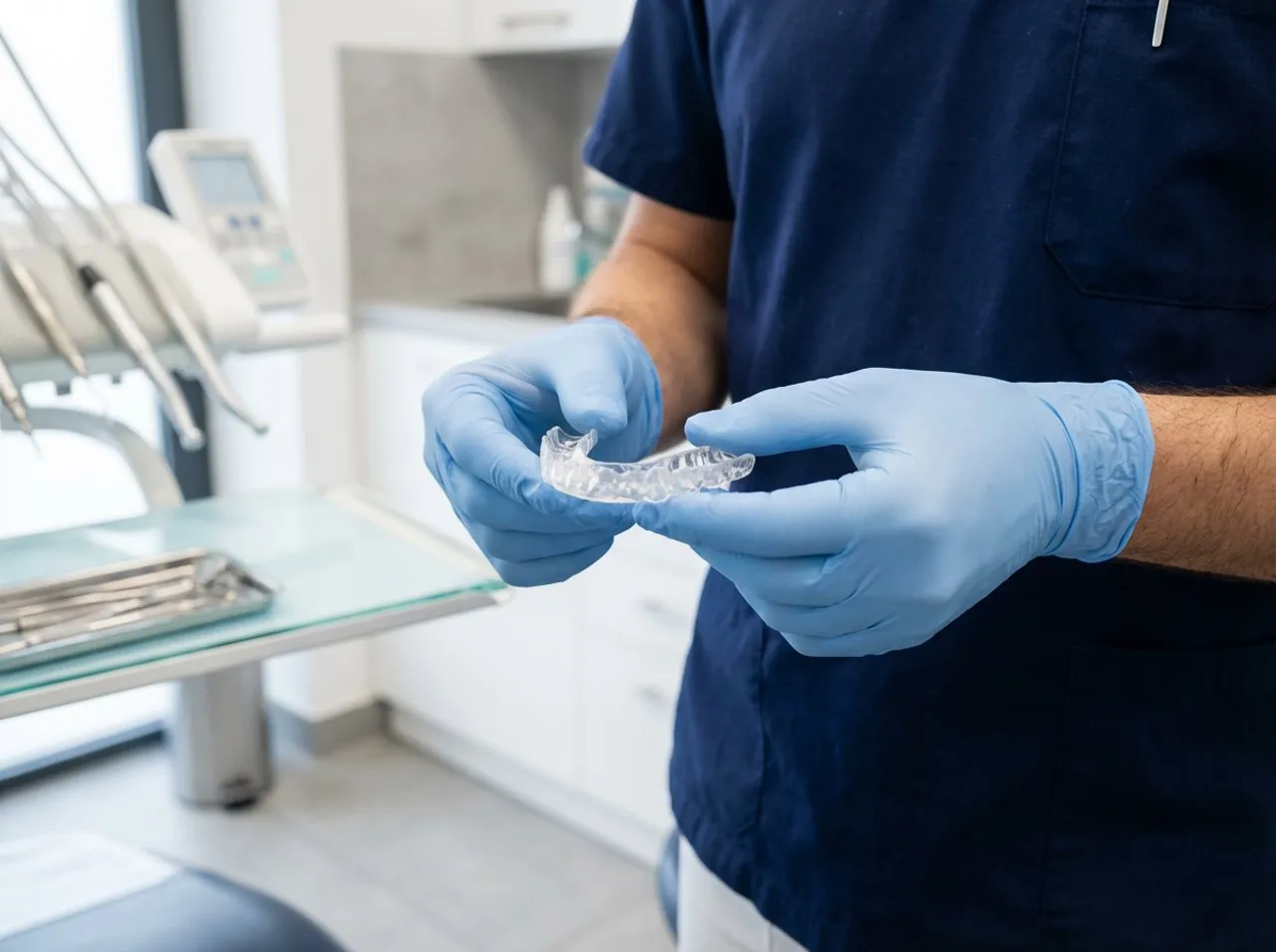
CMD bite splint: wearing times and treatment process
At the start of treatment, the situation in your mouth is assessed in detail. The dentist then takes impressions or digital scans. These are used in the laboratory to produce a precisely fitting CMD bite splint. Once the splint has been fitted, a phase of fine adjustment follows. The dentist regularly checks the contact points of the teeth. In this way, the appliance is optimised step by step. The bite splint is usually worn at night. For severe symptoms, extended daytime use may be advisable. This is determined individually.

CMD splint: when can I expect an improvement?
Many patients notice the first changes after just a few nights. Their muscles feel more relaxed in the morning. Headaches or facial pain often decrease. However, a lasting improvement takes time. It usually takes several weeks to months. During this phase, the splint and bite are checked repeatedly.

What types of CMD splints are available?
Various designs are available in modern functional diagnostics. Simple relaxation splints are frequently used. They distribute the forces and protect the teeth. More complex systems guide the lower jaw specifically into a new position. These are known as repositioning or Michigan-type bite appliances. The version chosen depends on the diagnosis.
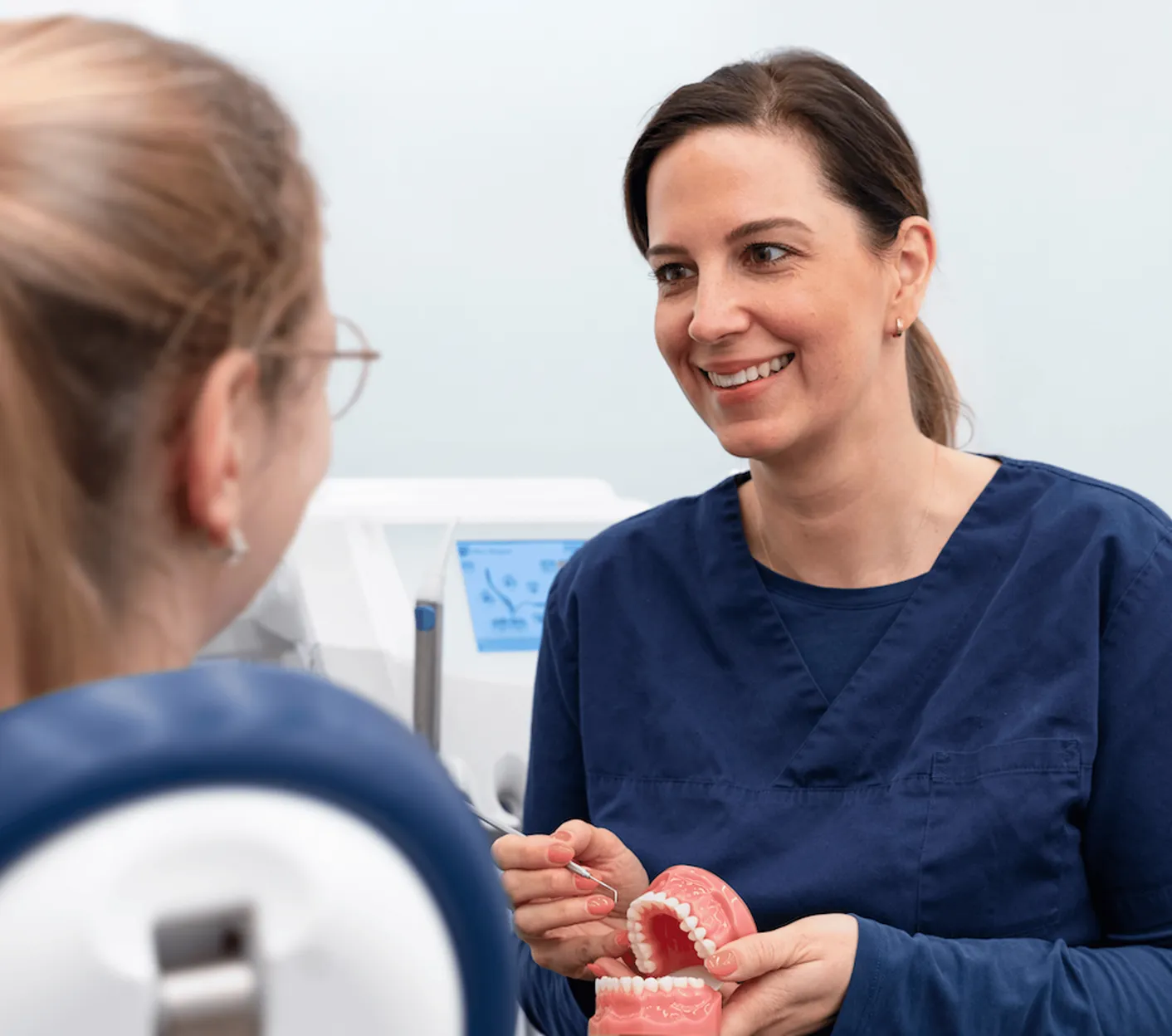
Wearing a CMD splint during the day: advisable or not?
In principle, wearing the splint at night is sufficient for many patients. In severe cases, additional daytime use may be necessary. This applies particularly when the muscles are severely overstrained. With all-day use, regular check-ups are very important. The bite position must not change in an uncontrolled manner. All steps must therefore be carefully monitored.
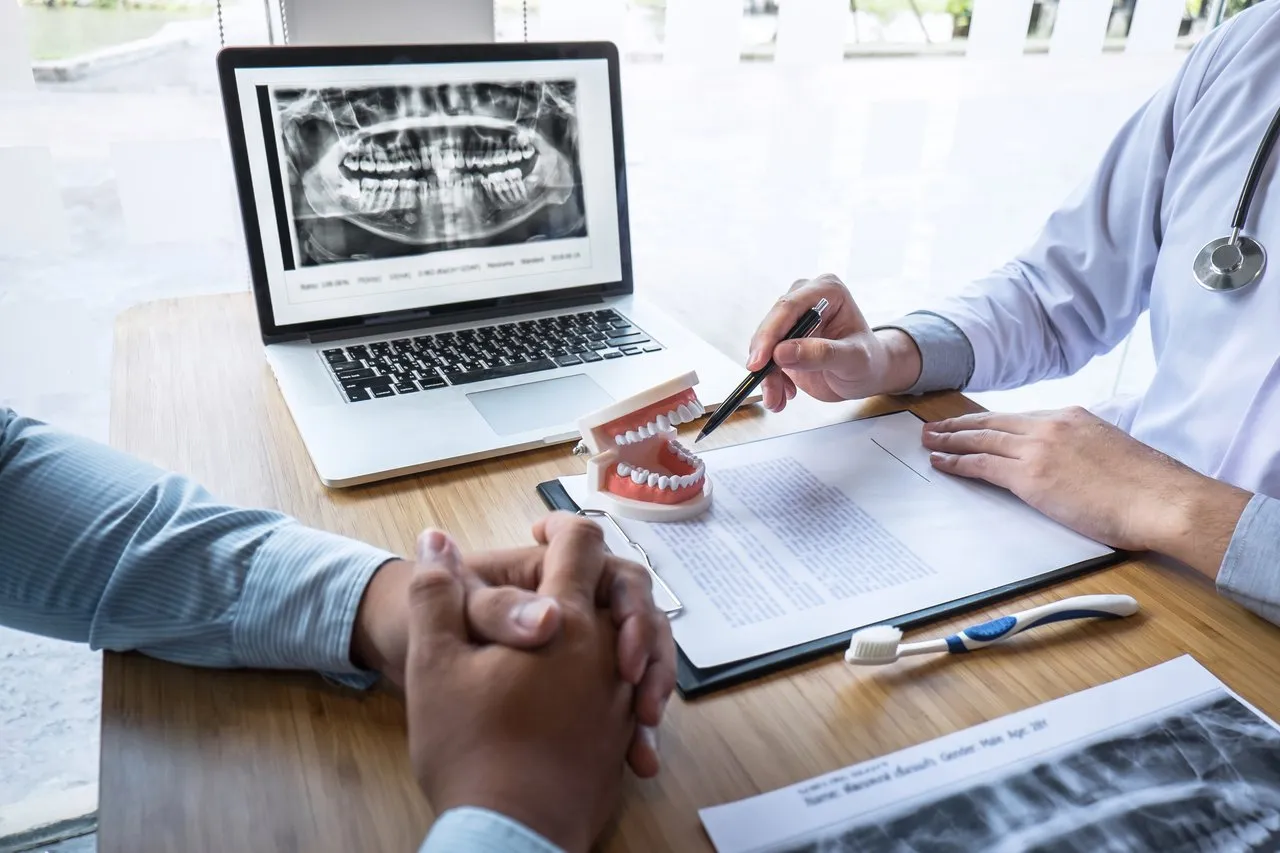
Conclusion: CMD splint on the upper or lower jaw — always decide individually
There is no general answer as to whether a CMD splint is better on the upper or lower jaw. Both versions can successfully relieve symptoms. Precise planning by an experienced practitioner is decisive. A thorough functional diagnosis before treatment begins is essential. The right splint concept for you can then be selected. This allows your jaw joint to benefit from the treatment in the long term.
FAQs about bruxism splints
A bruxism splint is a custom-made bite guard. It protects the teeth and jaw joint from the effects of teeth grinding.
Typical signs include jaw pain in the morning, tense muscles or worn tooth surfaces. If you have such symptoms, you should arrange an assessment at our practice.
Yes, most patients get used to it within a few nights. The appliance feels unfamiliar at first, but then it feels natural.
Treatment is generally intended to be long term. The protective appliance should be used for as long as the bruxism persists.
Mild pressure or sore muscles are possible at first. You should discuss more severe pain with us promptly.
The grinding guard mainly addresses the effects of teeth grinding. We also treat causes such as stress with supportive measures.
With a little practice, it is usually quite possible to speak normally. As you mainly wear the bite guard at night, it hardly causes any disruption.
German statutory health insurance funds usually contribute towards the cost of a medically necessary dental splint. We will clarify the exact level of cover for you in advance.
With good care, a bite appliance can last for several years.
Book an appointment at our dental practice in Berlin. After an examination and consultation, we will plan your personalised bruxism treatment.
Book your appointment now
We would be happy to advise you in person at our practice.