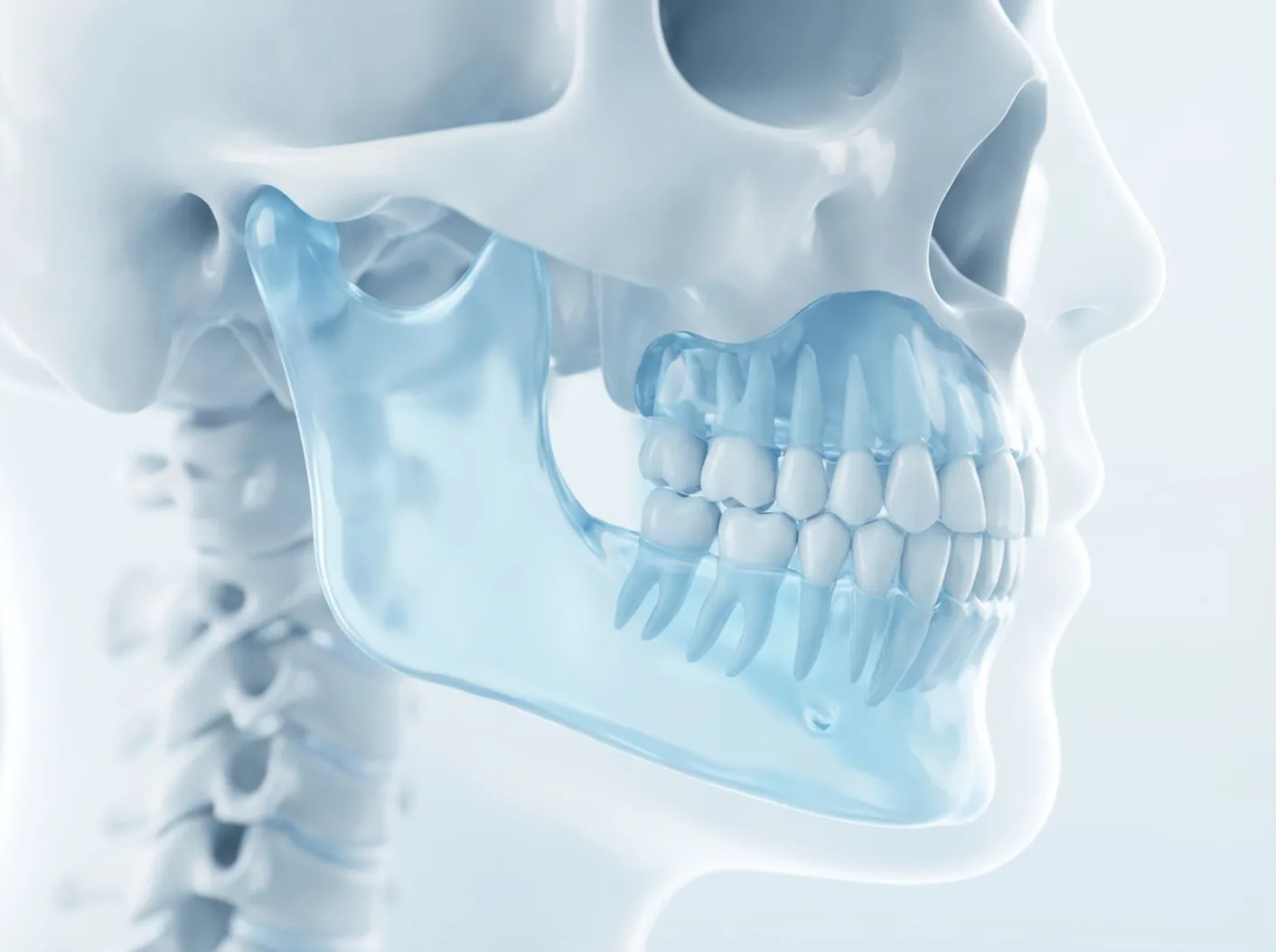
Recognising CMD symptoms and taking action
Many people suffer from jaw problems. Often, the underlying cause is craniomandibular dysfunction, or CMD for short. The symptoms are varied and can sometimes even be confusing. At the Wunschlachen dental practice in Berlin, we take a holistic approach to assessing your jaw. We examine your teeth,...
Über 350 Google-Bewertungen
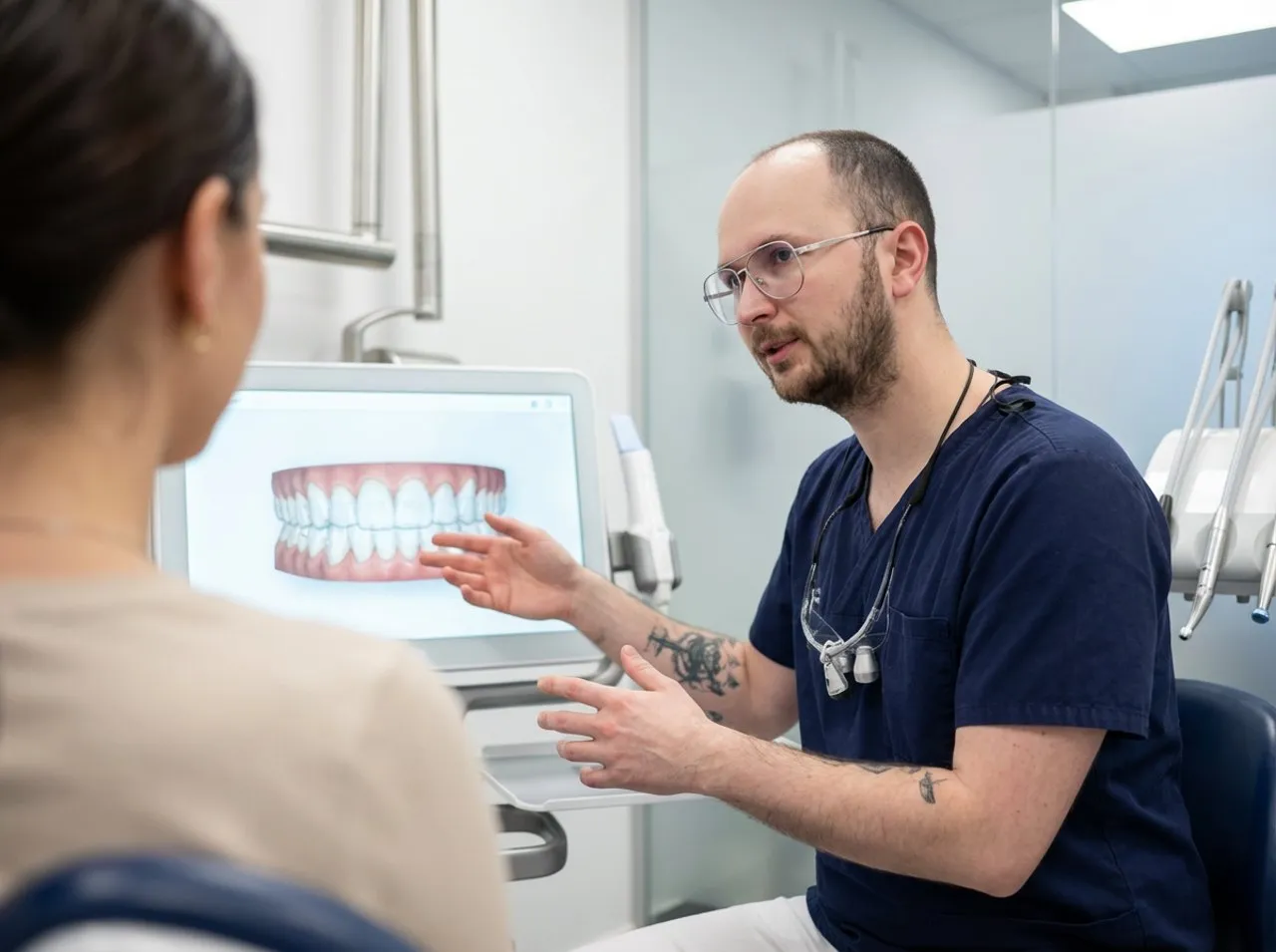
What exactly does CMD mean?
CMD describes a functional disorder affecting the jaw joints, chewing muscles and teeth. Their interaction is disrupted. Even minor miscontact can cause severe discomfort. The jaw joints then no longer work harmoniously. Muscles become tense and joints are overloaded. This can cause pain throughout the head.

Typical CMD symptoms in the jaw area
Pain directly in the jaw joint is very common. Many patients report pressure, pulling or burning in front of the ear. One-sided jaw pain is also typical. Noises in the jaw joint are characteristic. These include clicking, rubbing or grinding when opening and closing the mouth. Some people feel a slight jumping sensation in the joint. Mouth opening is often restricted. The mouth can no longer be opened wide. Sometimes the lower jaw deviates noticeably to one side when opening. Many of those affected also notice teeth grinding or severe clenching. This usually happens at night. However, it can also occur during the day in stressful situations.

CMD symptoms in the head and neck
CMD does not only affect the teeth and jaw. Headaches are common. These are usually located in the temples or behind the eyes. Neck tension is also typical. The muscles extend from the jaw into the neck and shoulders. This can lead to persistent tension. Some patients report facial pain. The cheeks feel hard and tired. Even light chewing can then become uncomfortable.

Other possible symptoms of CMD
CMD symptoms can also affect the ears. Earache without any identifiable findings is common. Some people hear noises in their ears or even develop tinnitus. Dizziness is also a possible sign. The body can barely distinguish between the jaw and balance. This can cause unsteadiness when walking. Some patients complain of pressure in the face. Visual disturbances or fatigue sometimes occur as well. The symptoms then appear very non-specific. Many CMD patients are permanently exhausted. The body is constantly tense due to pain. Sleep disorders can make the situation even worse.
Why do CMD symptoms occur?
In most cases, the bite is misaligned. The teeth do not fit together ideally. Even minor disturbances can affect muscle chains. Tooth loss, old fillings or poorly fitting crowns also alter the bite. The muscles try to compensate. This results in permanent overload. Stress also plays an important role. Many people process tension through teeth grinding. Over time, this becomes a pattern.

CMD symptoms or something else?
Not every instance of jaw pain automatically means CMD. Tooth decay or root inflammation can also cause pain. A thorough examination is therefore important. Headaches can have many causes. These include eye problems or high blood pressure. Nevertheless, unexplained symptoms should always be assessed by a dentist too. When ear noises occur, many people first think of ear, nose and throat conditions. If no findings are identified there, CMD could be the underlying cause. Functional diagnostics provide clarity here.
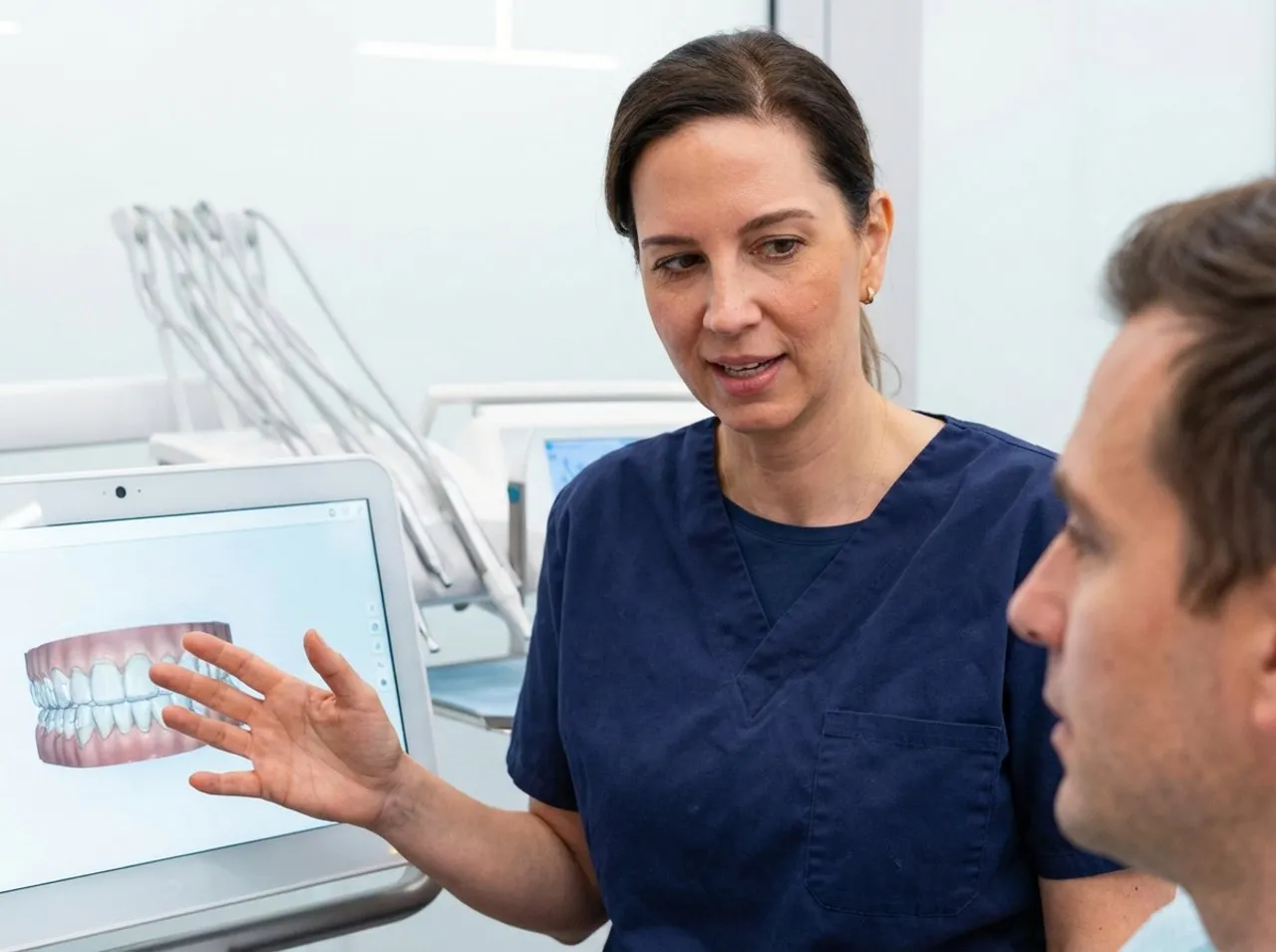
When should you see a dentist about CMD symptoms?
If jaw problems persist for more than a few days, you should take action. This is especially true for recurring pain. Frequent teeth grinding is also a warning sign. Patients who wake up with a tired jaw in the morning should pay attention. Signs include tense muscles or sensitive teeth. Pressure marks on the teeth are also noticeable. A dentist is particularly important when symptoms occur in combination. This means headaches, neck pain and jaw noises together. CMD should always be ruled out in such cases.
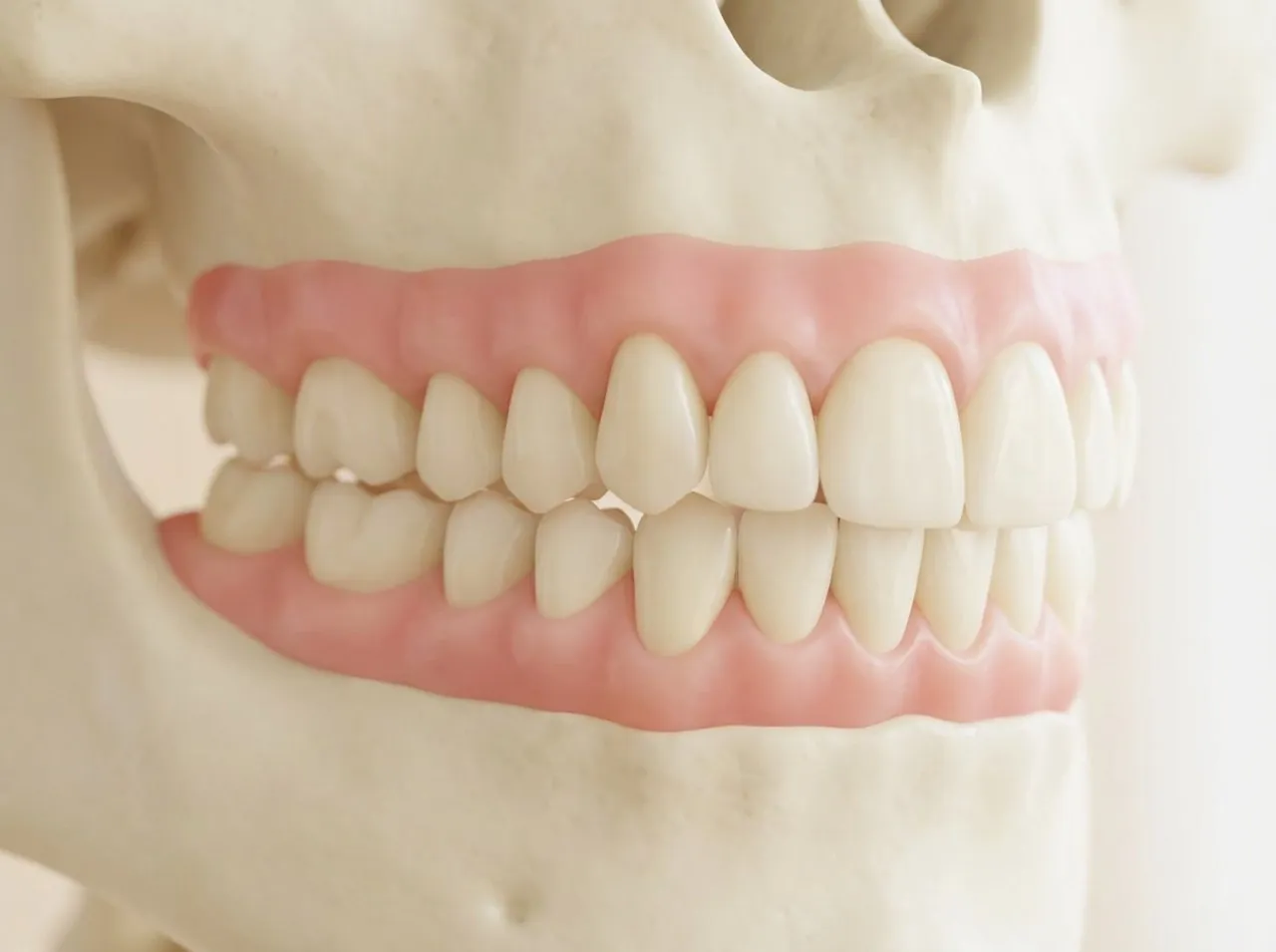
CMD diagnosis at Wunschlachen in Berlin
At the Wunschlachen practice, we begin with a detailed consultation. You describe your symptoms precisely. We ask about their duration, triggers and any previous treatments. We then examine your teeth, muscles and jaw joints. We check your bite and mobility. Additional functional analyses are sometimes useful. Depending on the situation, we use imaging techniques. These include X-rays or digital scans. This allows us to see structures in detail.

CMD treatment: how to relieve symptoms
An individually fitted bite splint is often useful. It relieves strain on the jaw joints and muscles. At the same time, it protects the tooth substance from abrasion. We often recommend physiotherapy alongside this. Special exercises relax tense muscles. Manual therapy can release blocked structures. Relaxation techniques are also important. Suitable options include breathing exercises, stress management or behavioural therapy support. This takes pressure off the system. In some cases, fillings or crowns need to be adjusted. The aim is a stable, harmonious bite. Only then can the muscles relax permanently.

Preventing CMD and remaining stable in the long term
Pay attention to conscious jaw posture in everyday life. The teeth should usually remain slightly apart. Lips closed, tongue resting loosely against the palate. Avoid hard chewing gum and extreme chewing. You should also stop biting your nails or chewing pens. Such habits put unnecessary strain on the jaw. Regular check-ups at the Wunschlachen practice provide additional help. We identify changes in your bite early. This allows CMD symptoms to be stopped in good time.
FAQ – frequently asked questions about CMD symptoms
Typical symptoms include jaw joint pain, clicking, restricted mouth opening and teeth grinding. Headaches and neck tension are often added to these.
Yes, tense chewing muscles often radiate into the head and temples. This causes recurring tension headaches.
Yes, this is possible. CMD symptoms can be transmitted to the ear via tense muscles and nerves.
If jaw noises, muscle tension or headaches also occur, CMD is likely. Functional diagnostics provide certainty.
Yes, this can happen. Impaired jaw function sometimes affects the balance system and causes feelings of dizziness.
A dentist experienced in functional diagnostics is the right person to consult. In Berlin, the Wunschlachen practice can support you.
Through a consultation, clinical examination and functional analyses. If necessary, we add imaging techniques such as X-rays or scans.
In most cases, yes. Bite splints, physiotherapy and bite adjustments are often sufficient.
This varies from person to person. Many patients notice initial improvements after just a few weeks.
With consistent treatment and good cooperation, the chances are very good. Follow-up checks and low-stress habits are important.
Book your appointment now
We would be happy to advise you in person at our practice.