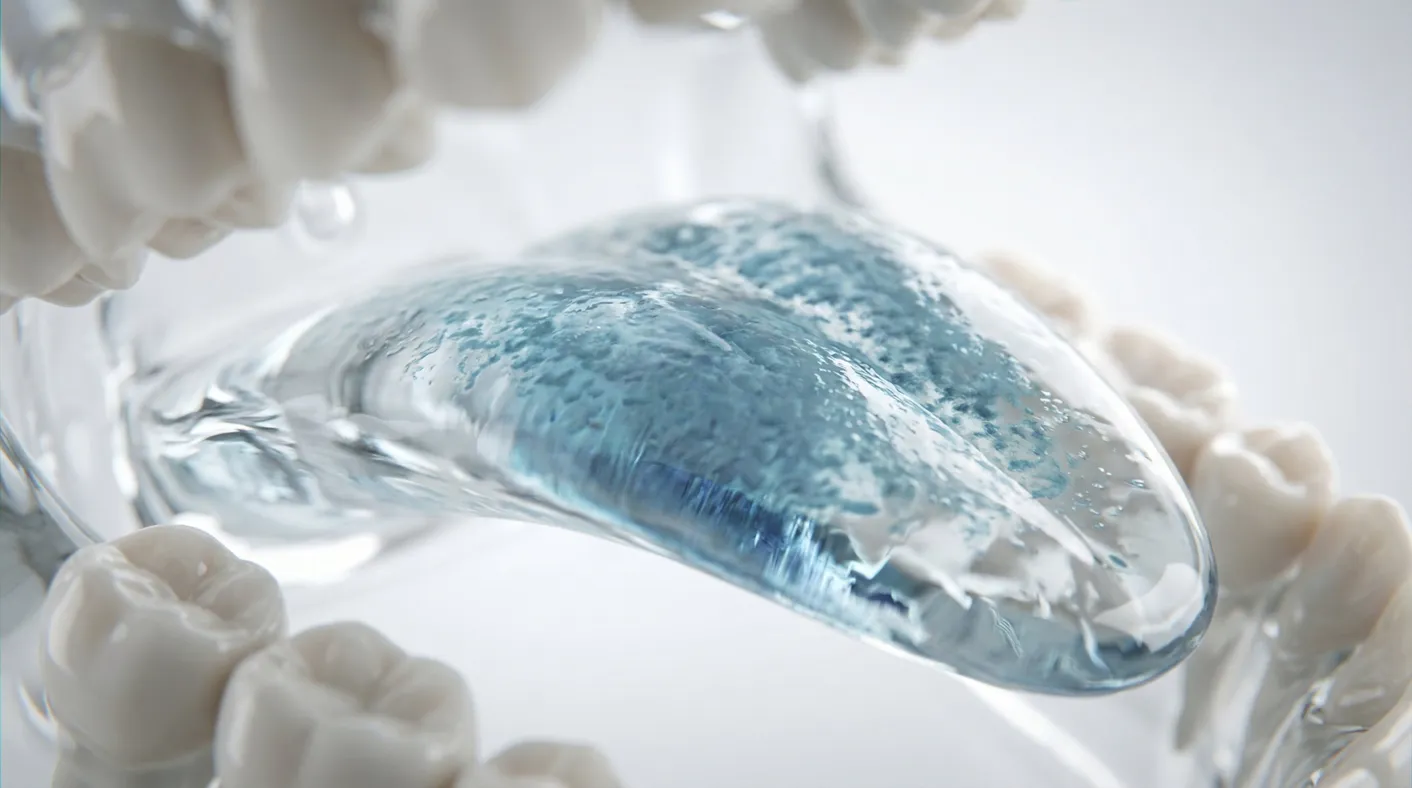
Coated tongue: causes, symptoms and treatment
A coating on the back of the tongue often appears harmless. However, it can indicate a more serious problem. Wunschlachen in Berlin can help investigate the cause.
Über 350 Google-Bewertungen

What does a coating on the tongue mean?
Bacteria, cells and food debris accumulate on the back of the tongue. This creates a visible coating. It is often more pronounced in the morning. Many people notice a rough surface. Their breath may smell unpleasant. Their sense of taste may also be reduced.
White coatings: common triggers
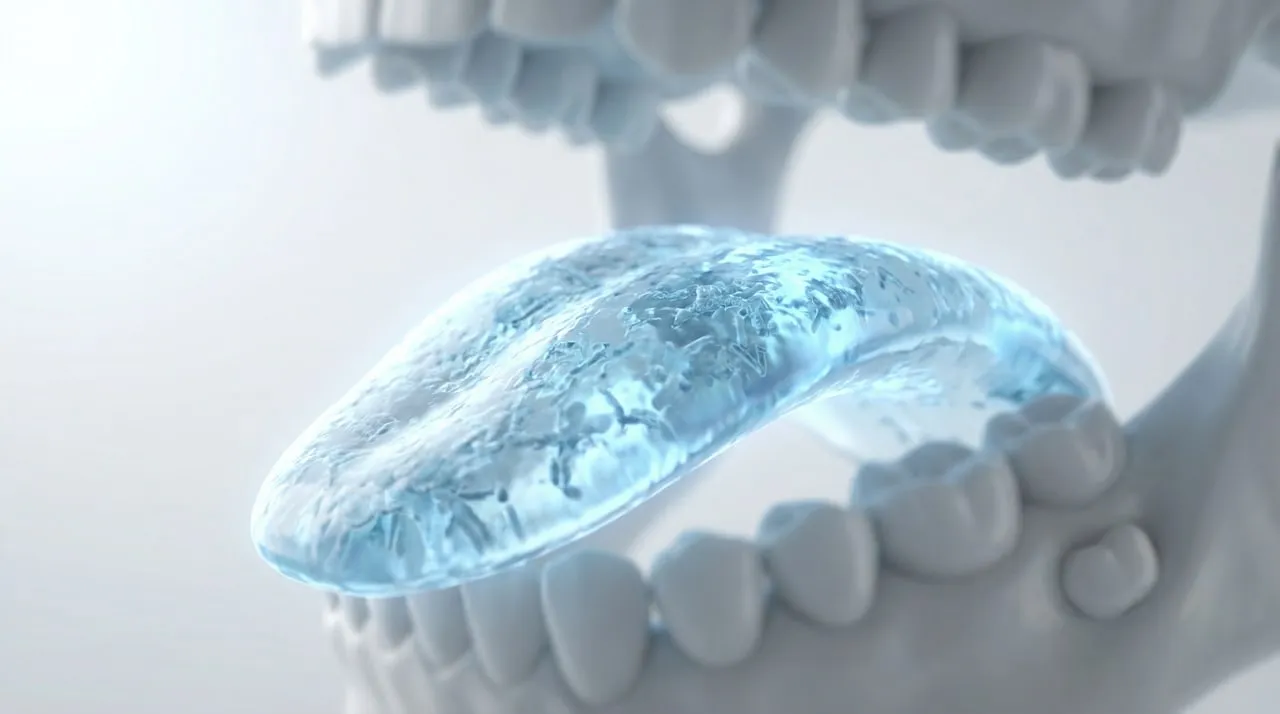
When the tongue has a white coating, there is often a lack of saliva. This happens with mouth breathing or not drinking enough. Stress can also dry out the oral mucosa. A white-coated tongue is particularly common after infections. A scratchy throat or cough may also occur. Some medicines also reduce saliva flow.

How to interpret a thick white coating
A tongue with a thick white coating remains visible despite care. It can sometimes feel like a firm layer. We then check for sources of irritation in the mouth. A persistently white-coated tongue needs attention. This applies if there is burning or pain. Cracks or bleeding are also warning signs.

Yellow coating: why the colour changes
When the tongue appears to have a yellow coating, pigments play a role. Coffee, tea and nicotine quickly stain coatings. Dry mouth can also intensify yellow tones. During colds, mucus sticks to the back of the tongue. This means the yellow-coated tongue remains visible for longer. Reflux can also encourage similar changes.

White or yellow: understanding mixed coatings
Sometimes a coated tongue is visibly white around the edges. The coating towards the back appears more yellowish. This combination is common. A yellow-coated tongue can also appear patchy. A yellow and white coated tongue often has several causes. The duration and symptoms are what matter.

Typical symptoms: burning, pain and bad breath
A coating may only be a visual concern. However, it can also burn. The mucosa is then usually irritated. Bad breath is often caused by bacterial waste products. The surface of the tongue provides plenty of space for these. Regular cleaning reduces this build-up.

Causes of a coated tongue: from dryness to fungal infection
The causes of a coated tongue are often everyday issues. These include poor oral hygiene and too little fluid. Sugary snacks also encourage bacterial growth. Fungi can also cause coatings. Inflammation of the gums also plays a role. Poorly fitting dentures can also irritate the oral mucosa.

Connection with teeth and gums
Coatings rarely occur in isolation. Plaque on the teeth affects the oral flora. This also applies to the back of the tongue. Periodontitis can make bad breath worse. Deep pockets act as a reservoir for germs. We therefore always examine the entire mouth.

What to do about a coated tongue: immediate help at home
Gentle cleaning helps with a coated tongue. Use a tongue scraper or a soft brush. Do not apply much pressure. Drink water throughout the day. Reduce nicotine and frequent sugary snacks. Rinsing with lukewarm water can be added. Choose a mild toothpaste without aggressive additives. Mouthwashes containing alcohol often have a drying effect. Gentle, neutral products are better.

Common mistakes when removing coating
Many people clean too vigorously and injure the surface in the process. This leads to burning. Care then quickly becomes unpleasant. It is better to clean briefly and regularly. Two or three strokes are often enough. A small scraper helps if you have a gag reflex.

When is it worth seeing a dentist?
Come and see us if the coating lasts longer than two weeks. This also applies if you have severe bad breath. Pain or difficulty swallowing are further reasons. Fever or lumps in the neck are warning signs. You should then be examined promptly. This is particularly important for children.

Diagnosis at Wunschlachen in Berlin
We examine the oral mucosa, the back of the tongue and the gums. We then check the teeth, fillings and dentures. This enables us to find local irritants. If a fungal infection is suspected, a swab is advisable. In cases of dry mouth we investigate the triggers. If necessary, we recommend an additional medical assessment.

Treatment at the practice
Treatment depends on the findings. We treat inflammation specifically. This noticeably reduces the bacterial load. Antifungal medicines are important for fungal infections. They usually work quickly. At the same time, we improve your home care routine. Many people benefit from a professional dental clean. We remove hard and soft deposits during this treatment. This also improves breath.

Prevention: how to keep your mouth fresh
Brush twice a day with fluoride. Clean between your teeth consistently. Add tongue cleaning once a day. Drink enough and allow breaks between meals. A balanced diet protects the mucosa. Regular check-ups safeguard your oral health.
FAQ – frequently asked questions about tongue coatings
It is usually a coating of bacteria and cell debris on the tongue.
Dry mouth or mouth breathing is often the cause.
Yes, it significantly reduces germs on the back of the tongue.
Mucus and a dry mouth encourage coatings during infections.
When it persists or is accompanied by burning and pain.
Pigments, bacteria and thick mucus discolour the coating.
The mouth dries out at night, making the coating appear more pronounced.
Several factors work together, such as diet and dryness.
Clean gently and avoid mouthwashes containing alcohol.
If they last longer than two weeks or if you have symptoms.
Book your appointment now
We would be happy to advise you in person at our practice.