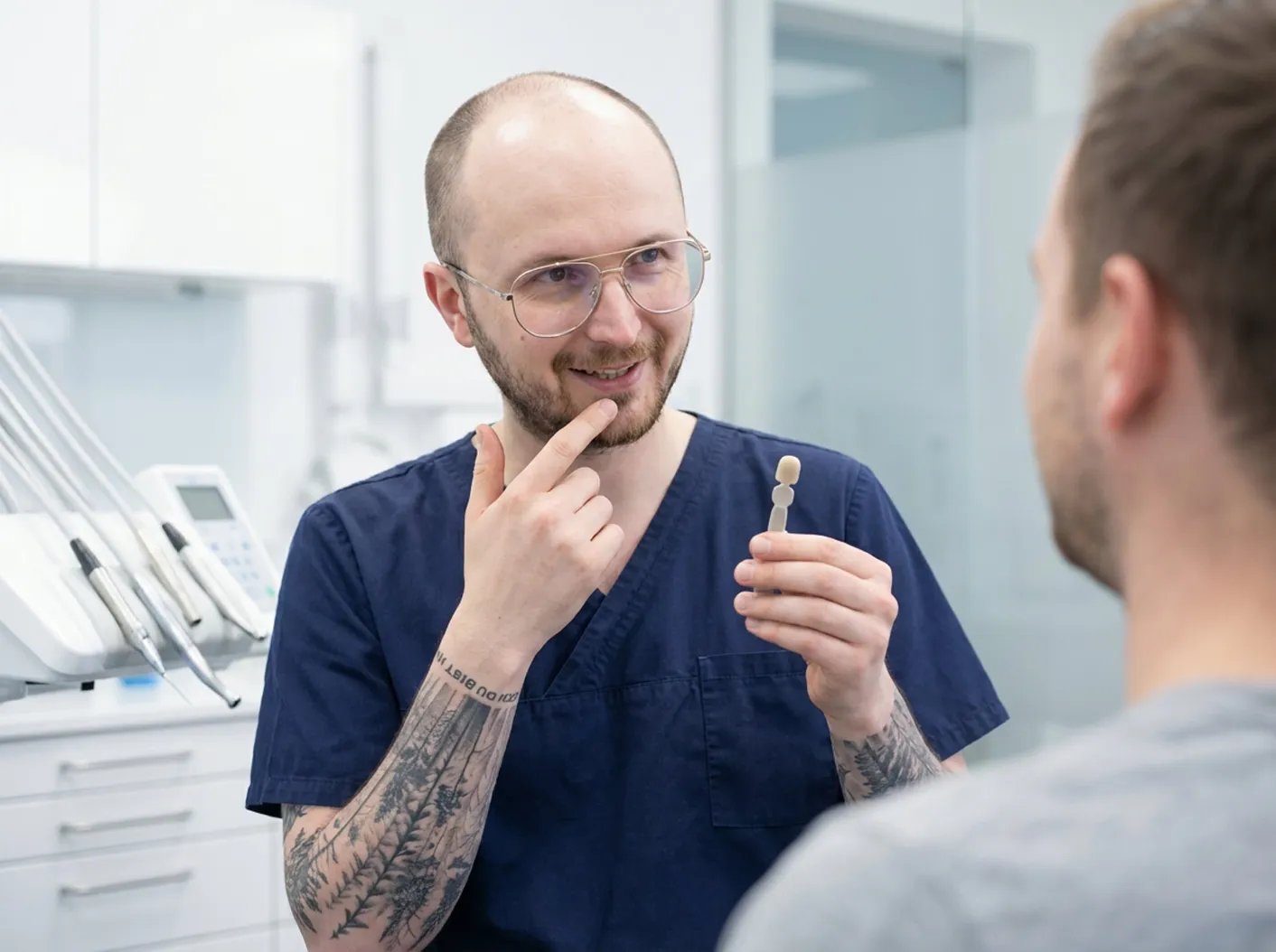
Crooked teeth: causes, consequences and treatment
Crooked teeth are very common. They affect children and adults. They often lead to a self-conscious smile.
Über 350 Google-Bewertungen
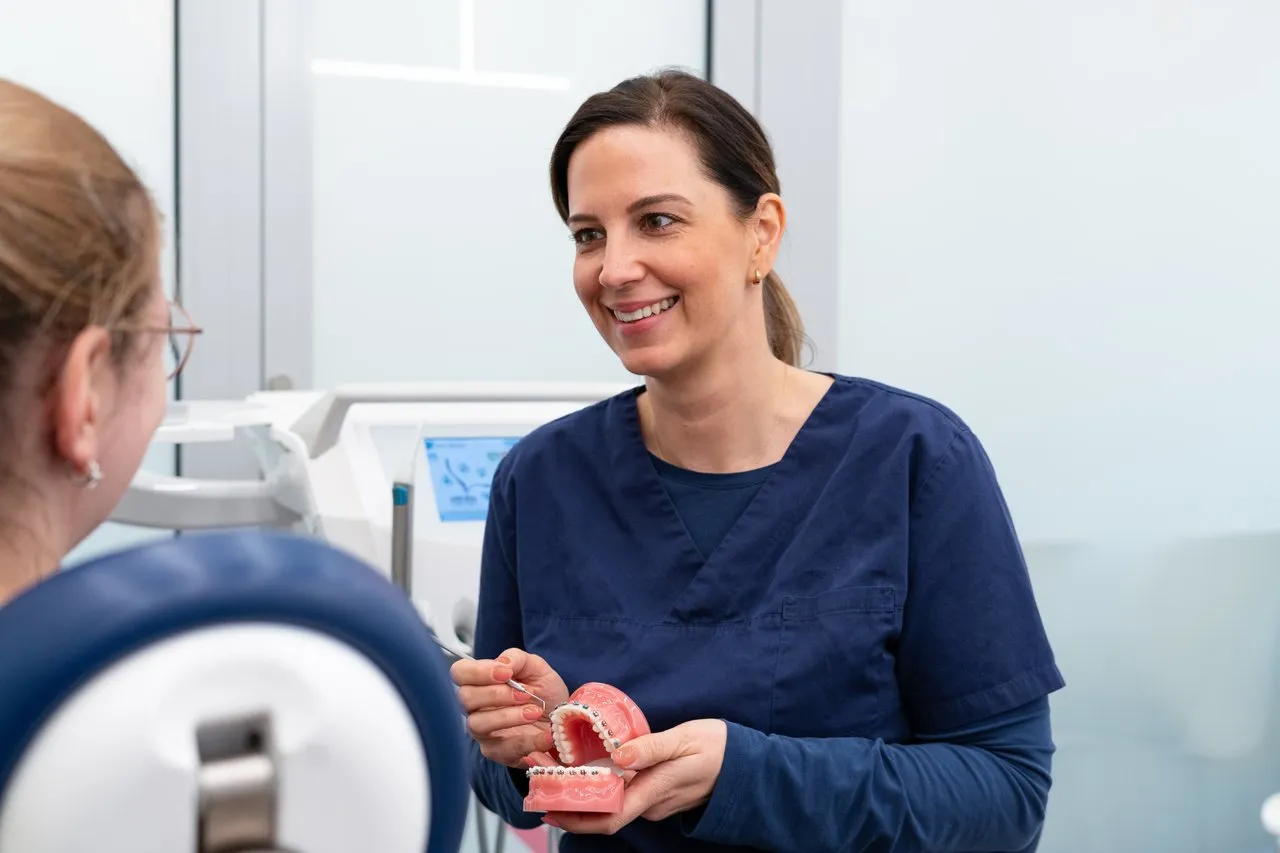
Why are teeth crooked?
Crooked teeth usually mean that there is not enough space in the jaw. Heredity often plays a role. Prolonged dummy use can also shift the front teeth. Early loss of baby teeth can create gaps. Neighbouring teeth then tilt into the gap. This disrupts the eruption of the permanent teeth. A malocclusion can also move teeth. These include overbites, crossbites and crowding. Teeth grinding can make the situation worse.
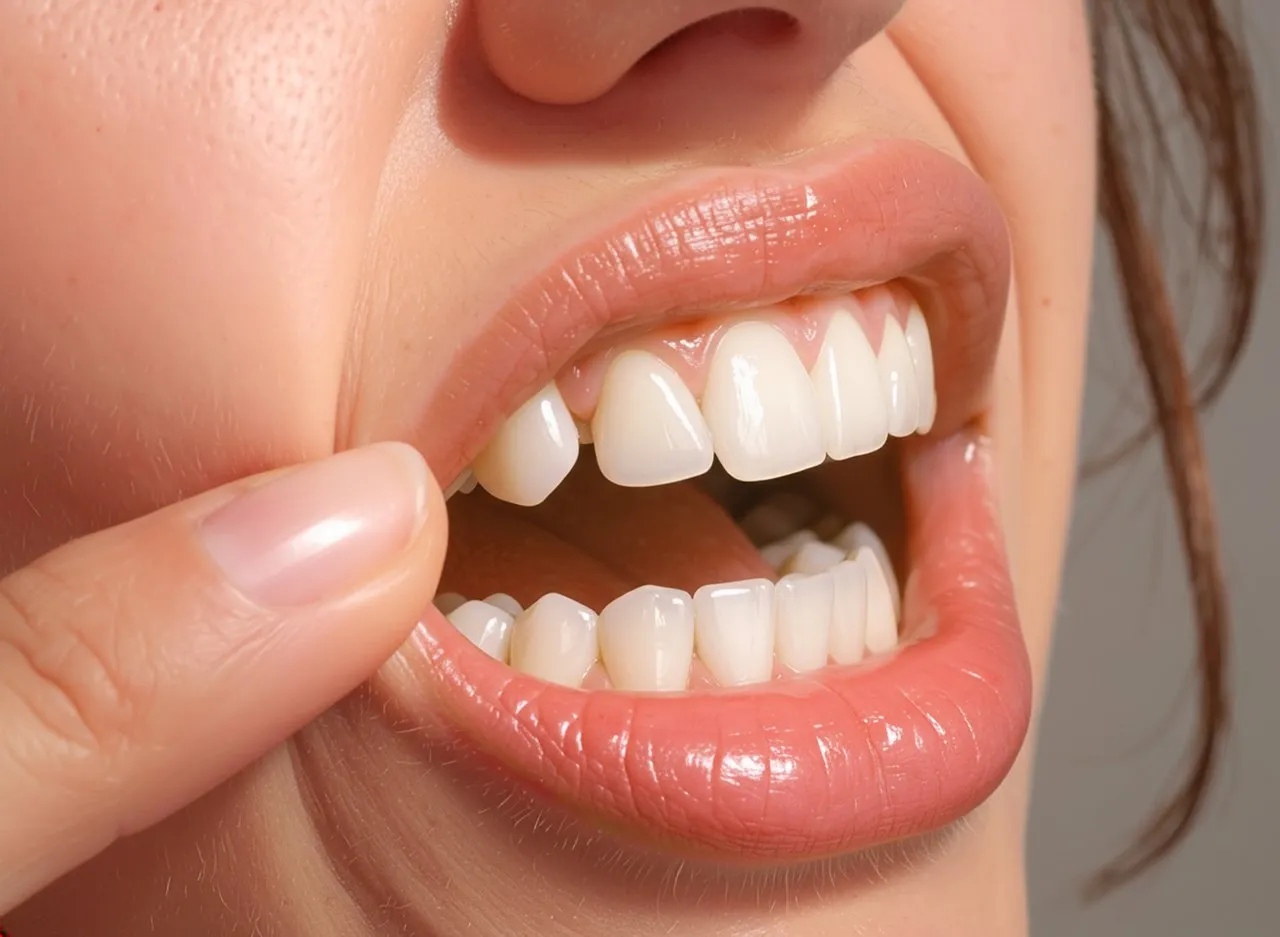
What are the consequences of crooked teeth?
Crowding makes cleaning more difficult. Plaque builds up more easily. This increases the risk of tooth decay and gingivitis. A misaligned bite places greater strain on individual teeth. As a result, edges wear down more quickly. Some patients develop temporomandibular joint problems. Aesthetics also play a role. Many people smile less often in photos. This can noticeably reduce quality of life.
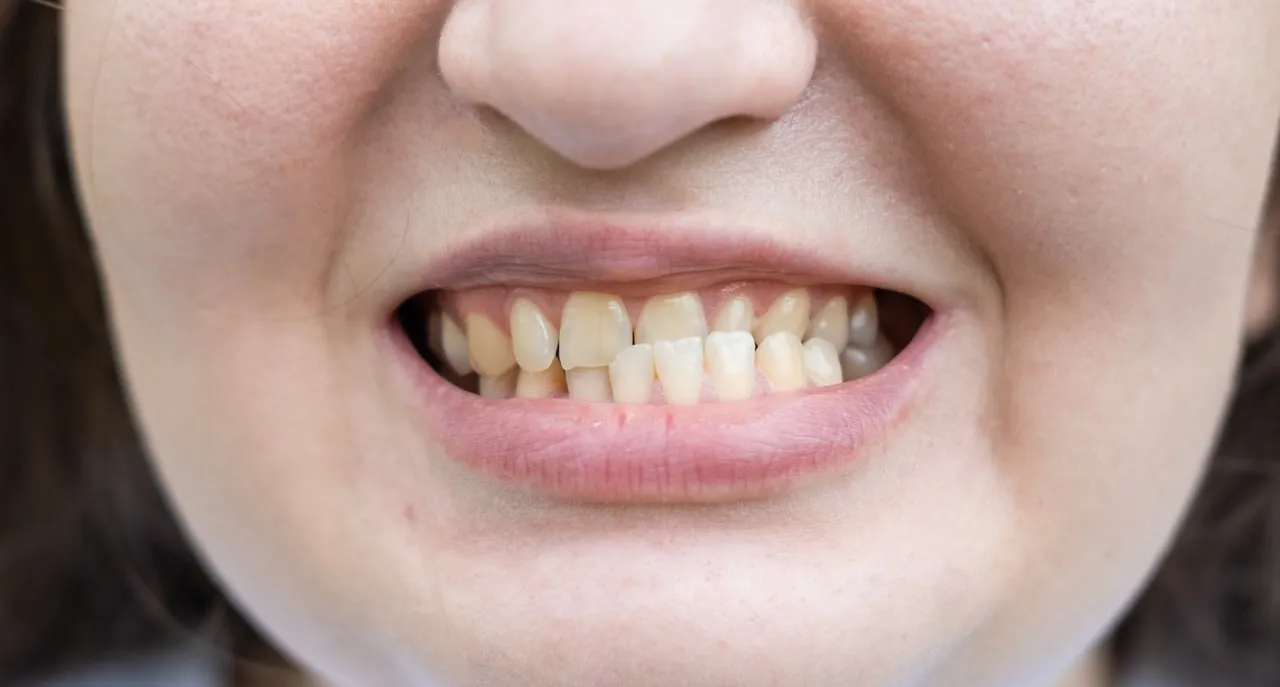
Diagnosis: how we assess your situation
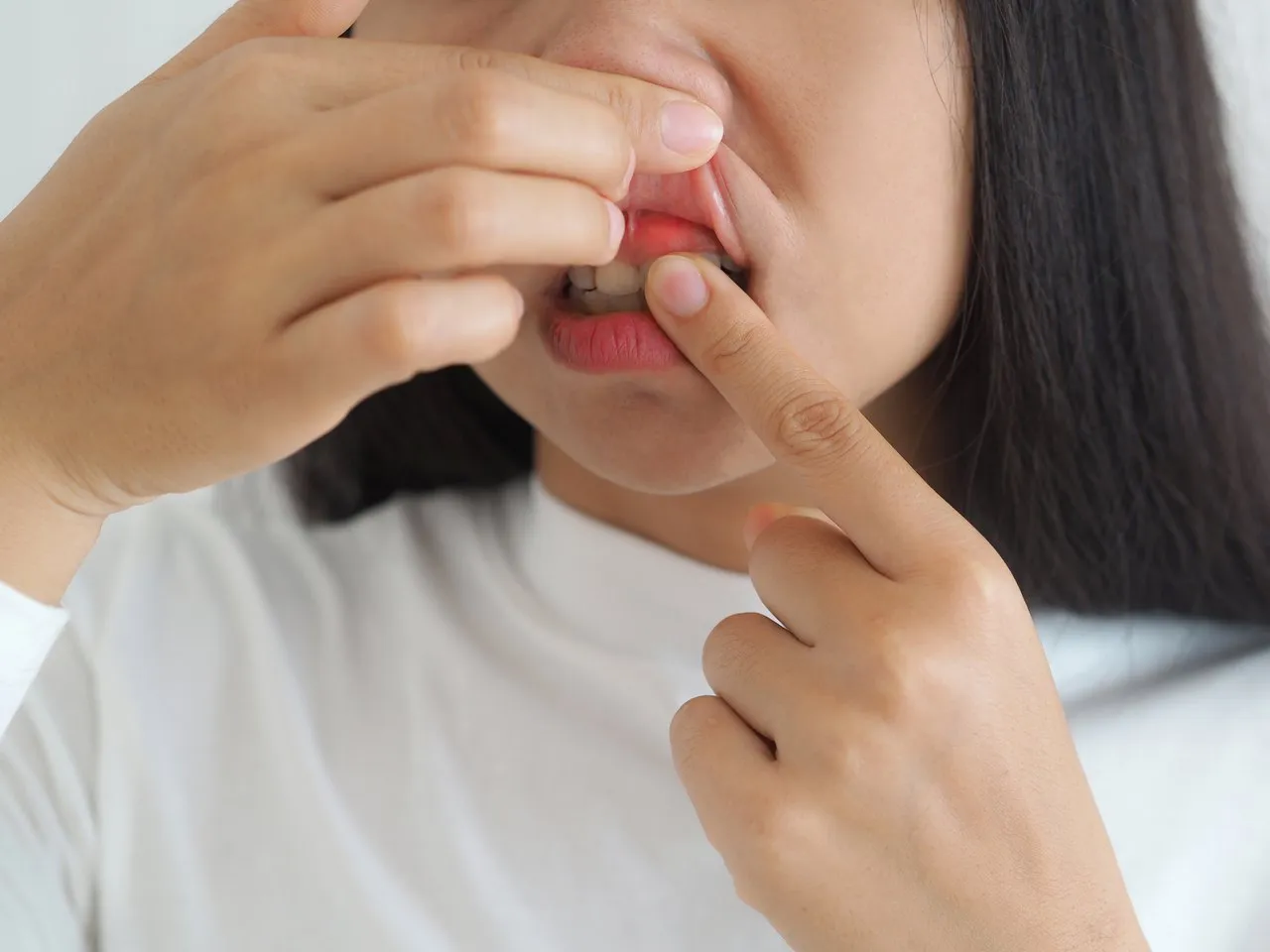
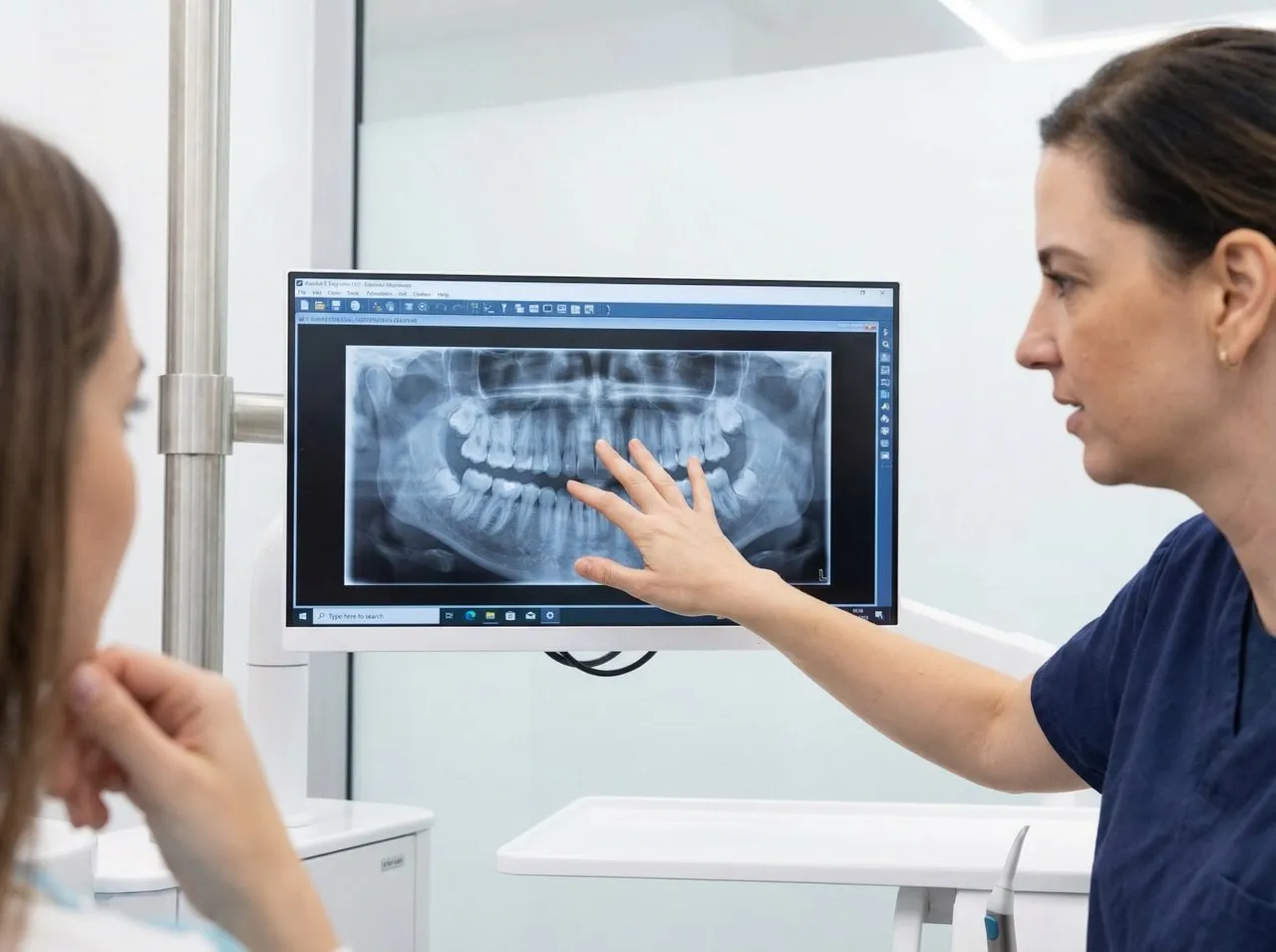
We begin with a detailed consultation. We discuss your wishes and symptoms. This is followed by a clinical examination. We check the position of your teeth, your bite and your gums. We take digital scans if necessary. X-rays help us assess the roots and bone. We use all this data to create a treatment plan. It sets out the goals, duration and steps. You receive clear options.
Treatment options in modern dentistry
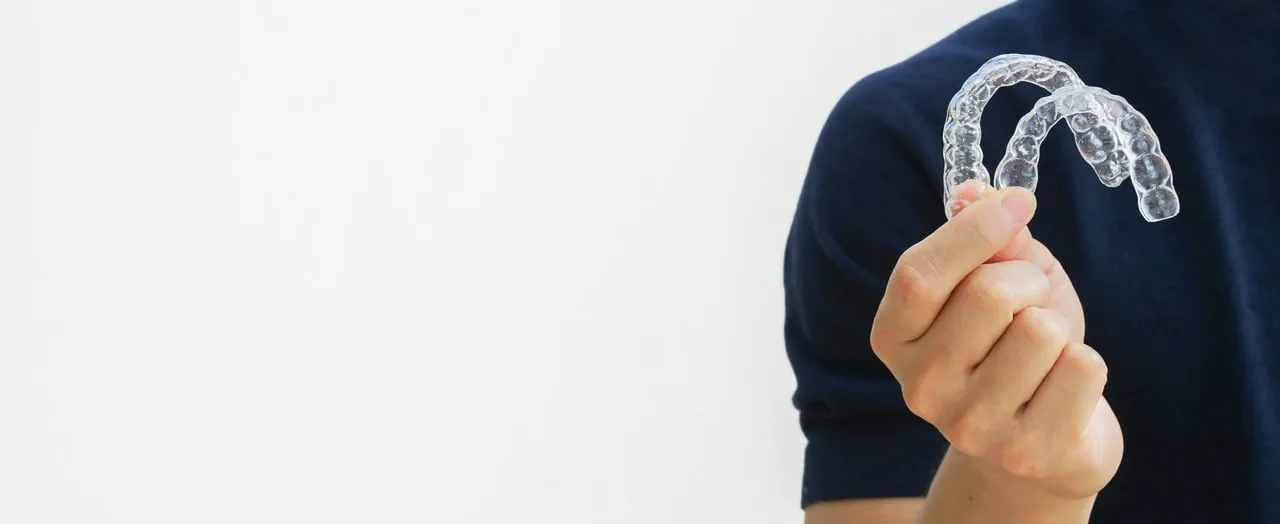
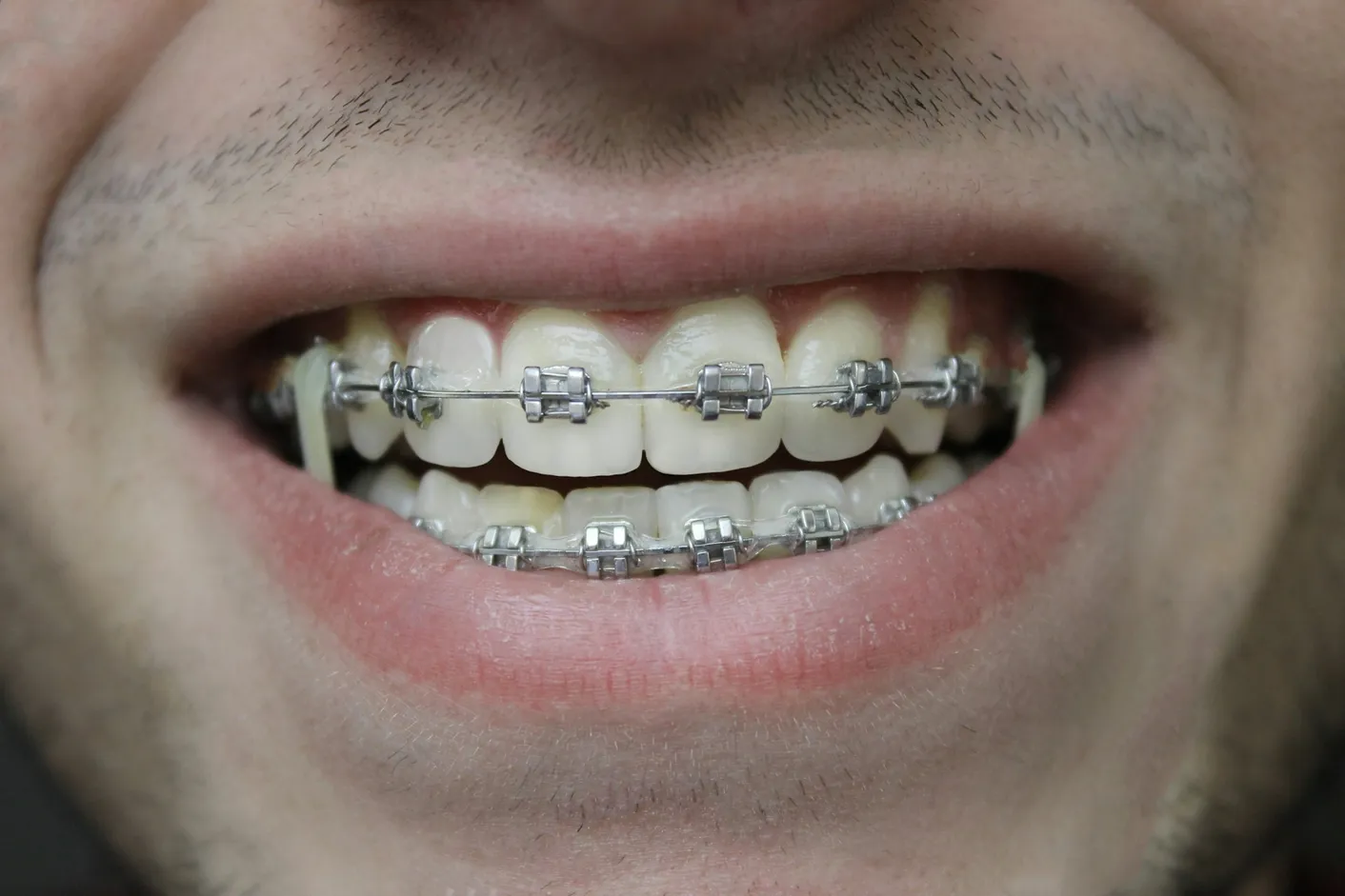
Traditional fixed braces work very reliably. They are also suitable for complex misalignments. Brackets move teeth into the desired position in a controlled manner. Aligners are transparent trays. They are worn in a series. Each tray corrects the position a little further. In many cases, we combine methods. Small attachments are sometimes useful. We also use elastics if necessary.

Crooked teeth in adults: what is possible today?
Correction is still very possible in adulthood. The bone responds later in life too. Careful planning is essential. Many adults want discreet solutions. Aligners are particularly suitable for this. They can be removed for eating. For severe rotations, a fixed appliance may be better. Hybrid therapy is also possible. We choose the method based on the clinical findings.
Straightening teeth at home: why DIY is risky
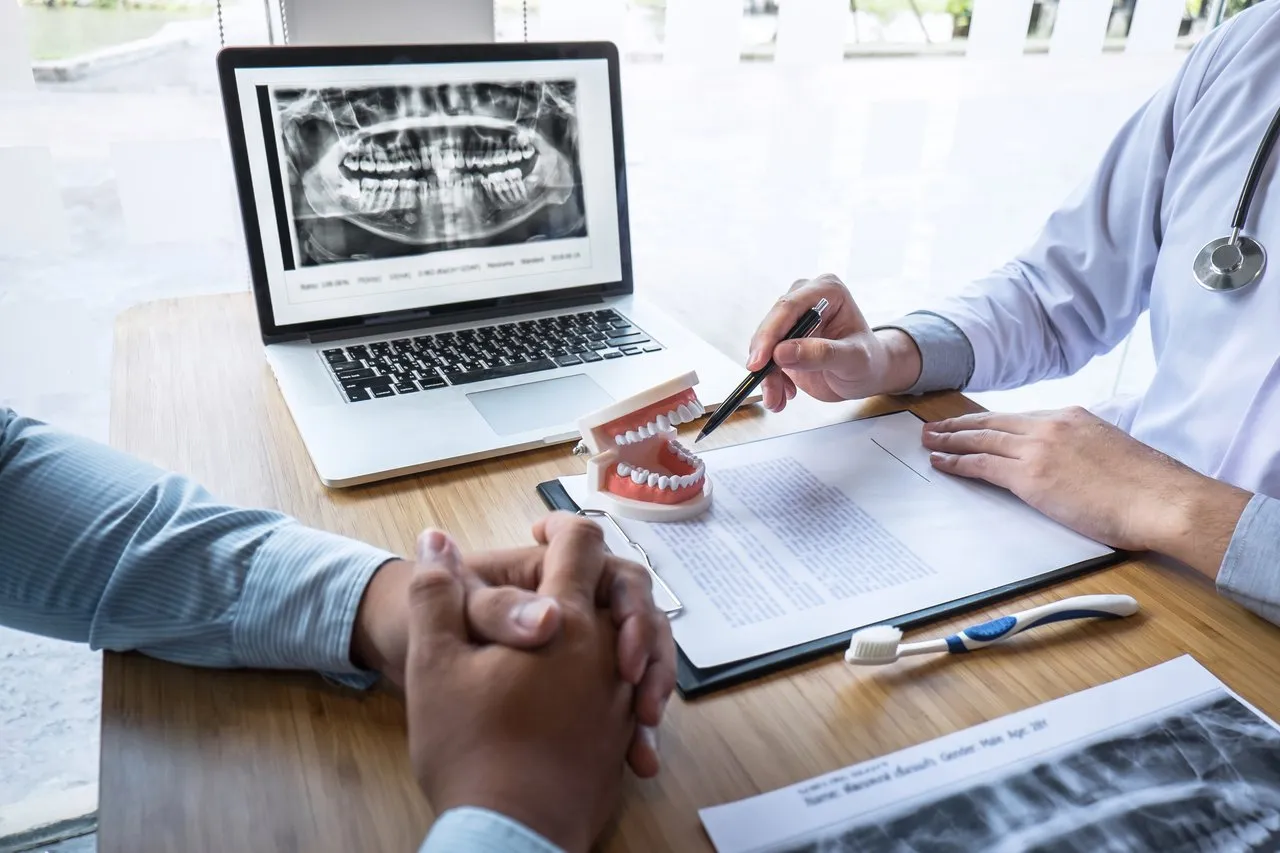
Many people search online for ‘straighten crooked teeth yourself’. Rubber bands or wires are often recommended. This can damage teeth and gums. Uncontrolled forces can damage roots. Teeth can also become loose. In addition, the bite can deteriorate. Only controlled treatment is safe. It is based on diagnosis and progress checks. This protects the tissue.
How long does correction take?
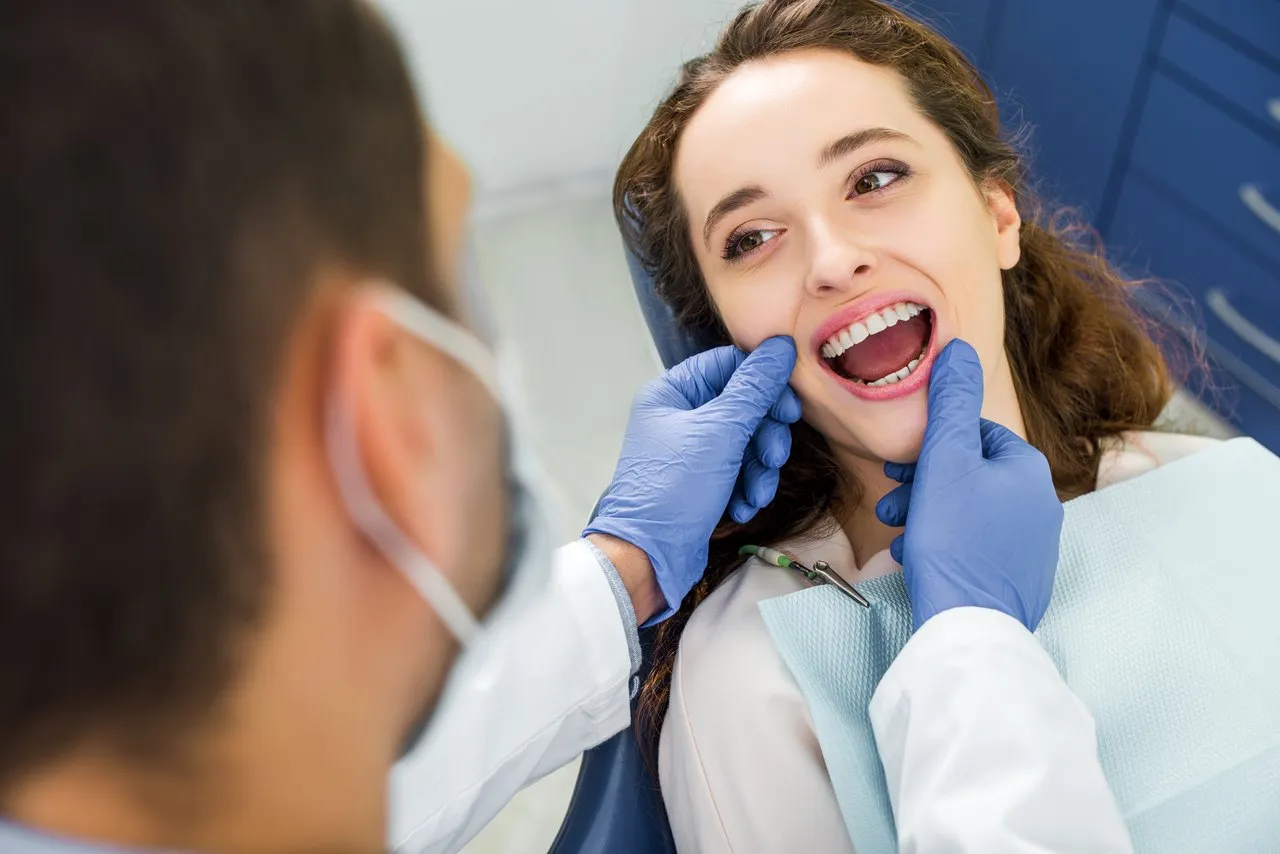
The duration depends on the goal. Minor corrections are often quicker. Complex cases require more time. Aligner treatments often take several months. Fixed braces may be needed for longer. Regular check-ups keep treatment on track. The active phase is followed by stabilisation. A retainer or night guard is used for this. This prevents relapse.

Costs, health insurance and financing
The costs depend on the complexity and the system used. Laboratory work and diagnostics also play a role. We draw up a transparent cost plan for this. Statutory health insurance often covers a large proportion of the costs for children. This applies to certain degrees of severity. Reimbursement is less common for adults. Private insurance plans pay according to the policy. Supplementary dental insurance can also help.
Aesthetic alternatives for minor misalignments
Some people mainly want to improve their appearance. Bonding or veneers may then be an option. This involves adjusting the shape of the tooth. These solutions do not move the tooth. They only conceal small gaps or edges. They are not a treatment for a misaligned bite. We examine the tooth substance and gums beforehand. Function is also important. Only then do we decide together.
Oral hygiene with crowding and rotations
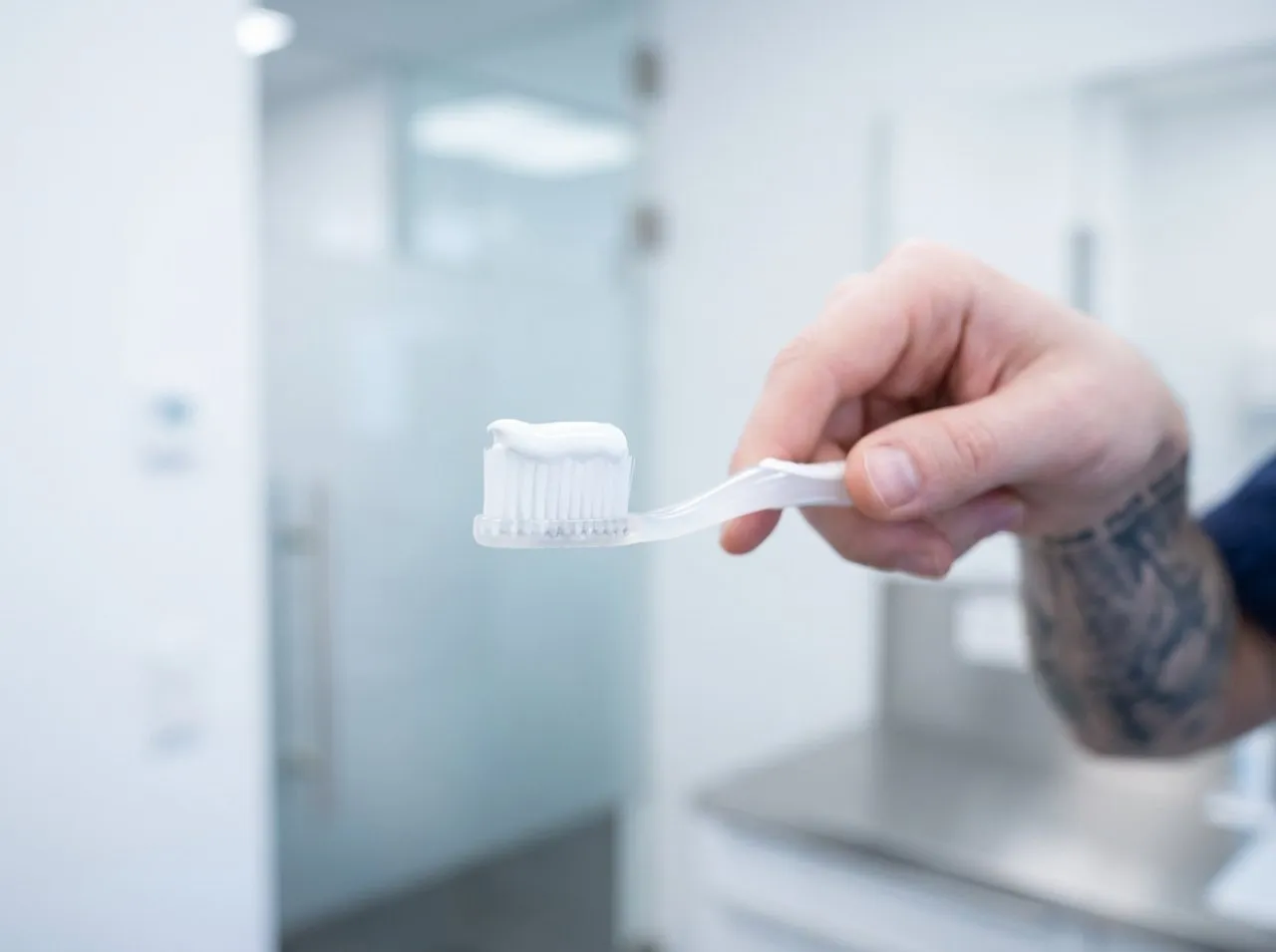
Thorough cleaning between the teeth helps with crowding. Interdental brushes reach niches more effectively. An electric toothbrush can provide additional support. Regular preventive care is advisable. This involves removing hard deposits. We show you suitable brushing techniques.
Why treatment is often worthwhile
Straight teeth are easier to clean. This reduces the risk of inflammation. Breath often stays fresher too. A stable bite protects teeth from excessive strain. This can prevent chipping. Many people also report less tension. Aesthetics are also part of health. A relaxed smile boosts self-confidence. This has an effect in everyday life and at work.
Wunschlachen in Berlin: your next step
We advise you honestly and clearly. You will see realistic goals. Together, we choose the best approach. Our practice works digitally and precisely. Scans often replace impressions. This makes planning comfortable. Book an appointment with Wunschlachen. We will check which solution suits you. Then we will begin in a structured and safe manner.
FAQs about crooked teeth
There is usually a lack of space, or the bite guides the teeth unfavourably. A diagnosis identifies the exact cause.
Yes, misalignments can also be treated effectively later in life. Healthy teeth and a stable periodontium are essential.
Often yes, in mild to moderate cases. Fixed braces are sometimes better for complex movements.
A feeling of pressure is normal at first. It usually subsides after a few days.
Usually for many hours every day. They are only removed for eating and brushing.
This is followed by a retention phase. Retainers or trays stabilise the result over the long term.
DIY methods have uncontrolled effects. This can cause lasting damage to roots, gums and the bite.
Often for children, less often for adults. We assess the situation and draw up a plan.
Yes, an uneven bite can place strain on the joint. Correction can reduce this strain.
As soon as you notice a change or it bothers you. Early planning often saves time and effort.