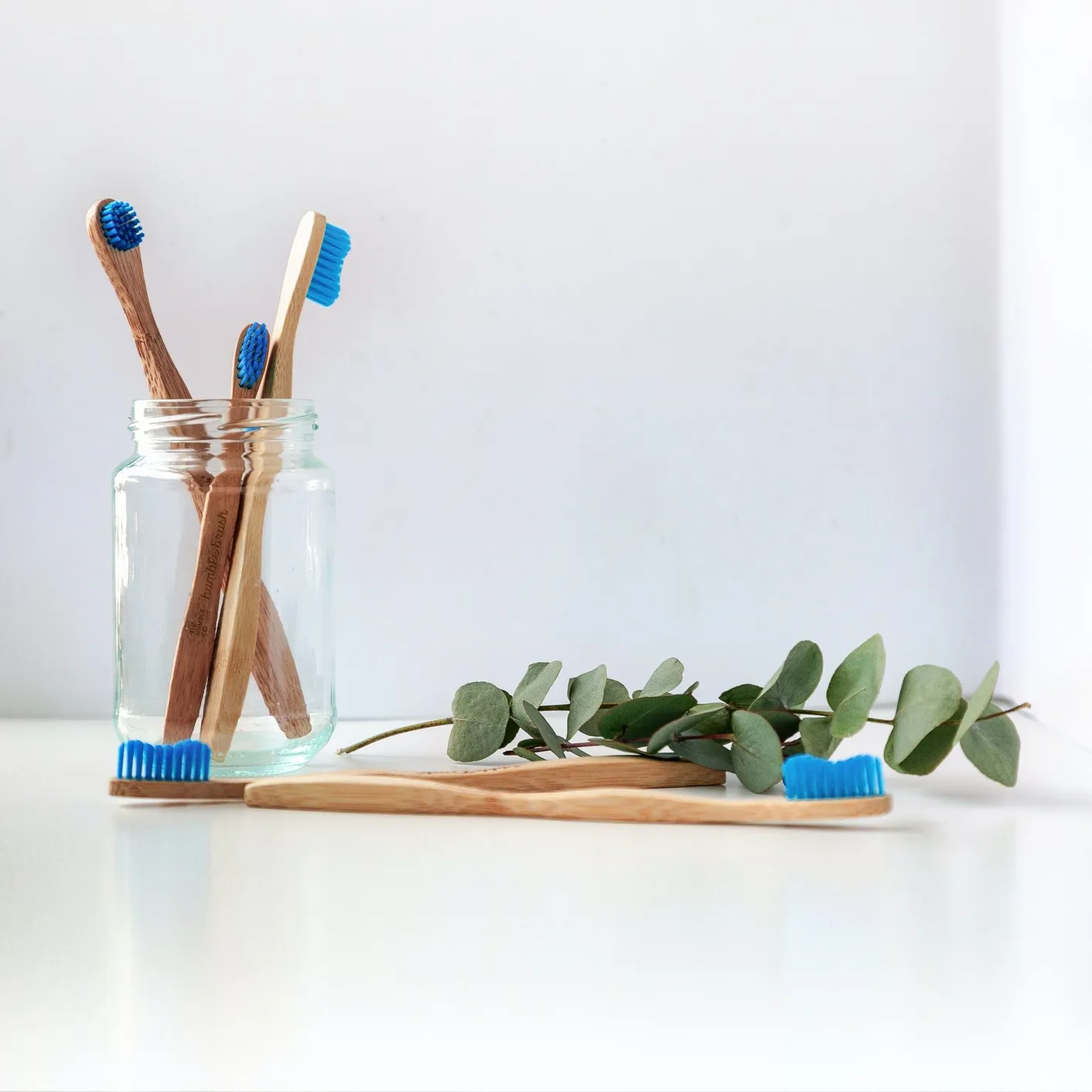
Proper oral hygiene: tips for healthy teeth
Consistent oral care protects your teeth and gums. It reduces the risk of tooth decay and inflammation. It often saves on treatment costs later on. In our practice, we frequently see avoidable problems. Deposits remain in hard-to-reach areas. This is where plaque first forms and later turns into tartar.
Über 350 Google-Bewertungen
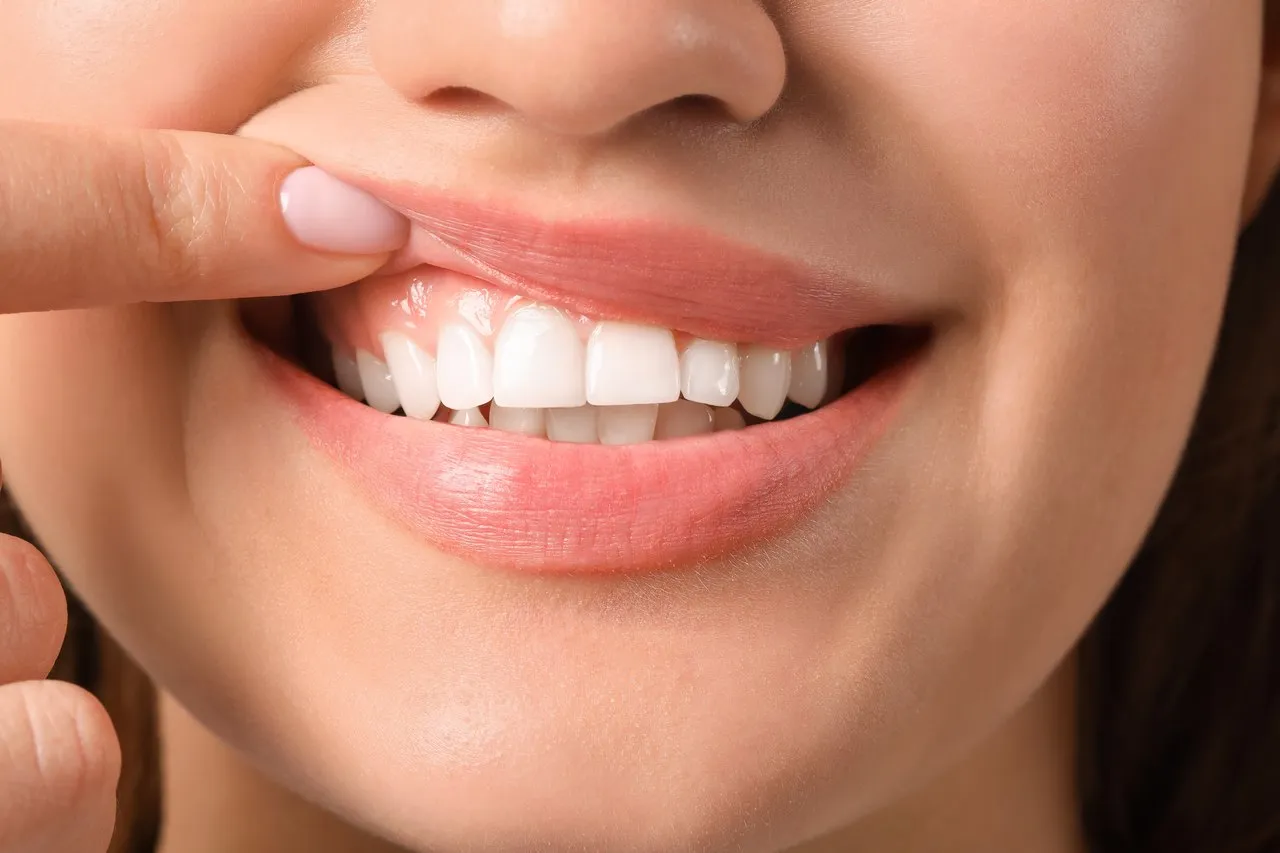
Why good oral hygiene makes such a difference
Bacteria always live in the mouth. The balance in the biofilm is what matters. A good routine keeps this balance stable. As plaque thickens, the pH level falls. Demineralisation of the tooth enamel then begins. This is how tooth decay develops. Inflamed gums bleed more easily. This is a warning sign. If left untreated, it can develop into periodontitis.
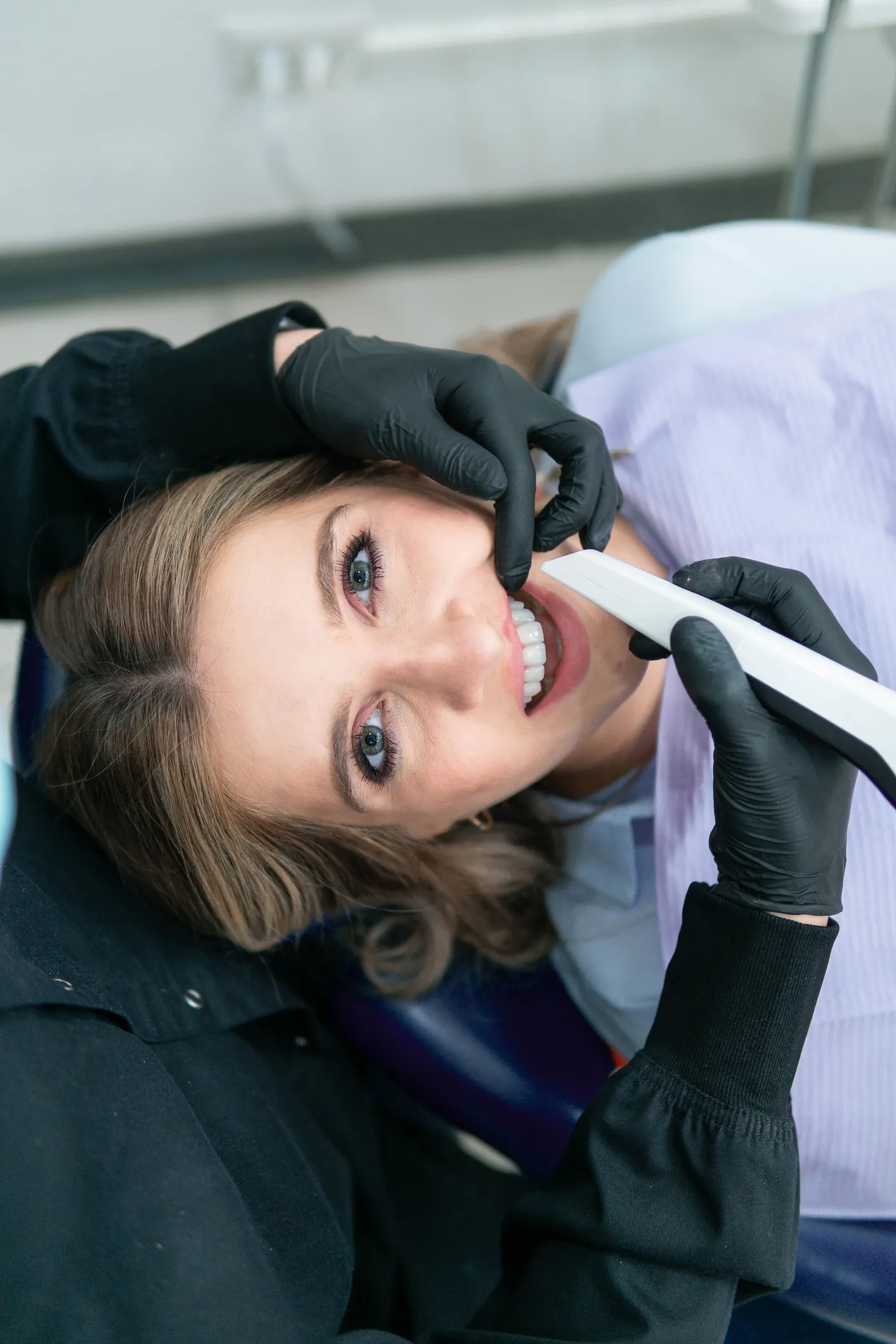
The basics: a systematic approach to brushing your teeth
Brush twice a day, in the morning and evening. The evening is particularly important. Less saliva flows at night. Use a gentle technique. Move the brush in small motions. Brush along the gum line. Electric toothbrushes help many people. They keep the pressure consistent. Nevertheless, make sure you clean the edges thoroughly.
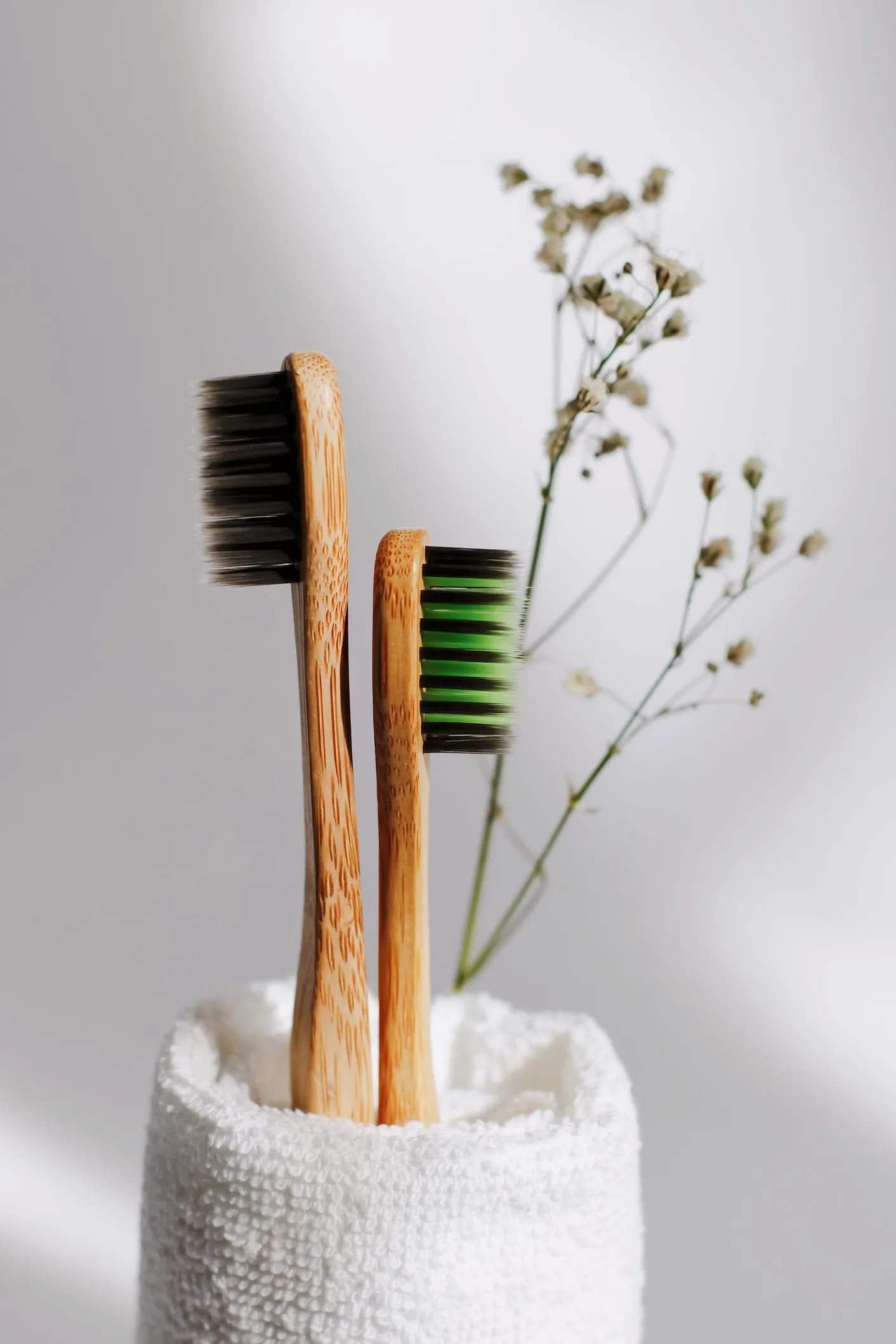
Toothpaste, fluoride and the right toothbrush
Fluoride hardens the enamel and inhibits caries. It is a key protective factor. Use toothpaste containing fluoride. Desensitising toothpastes help with sensitive teeth. They seal tiny dentinal tubules. This reduces pain caused by cold. Choose a toothbrush with soft bristles. Hard bristles irritate the gums. They promote abrasion at the neck of the tooth.

Cleaning between your teeth properly
Most deposits are found between the teeth. No toothbrush can reach these areas. This is why additional care is needed. Dental floss is suitable for tight contacts. Interdental brushes are suitable for larger gaps. We will show you the right size. Clean between your teeth once a day. Ideally before going to bed. This keeps the surfaces clean overnight.

Tongue, bad breath and soft tissue
Deposits also build up on the tongue. These can make bad breath worse. A tongue scraper can be useful. Pay attention to the mucous membrane. Minor irritation is often caused by pressure or dryness. Talk to us if problems persist. Drink enough water. Saliva is a natural protective film. It neutralises acids and washes away debris.
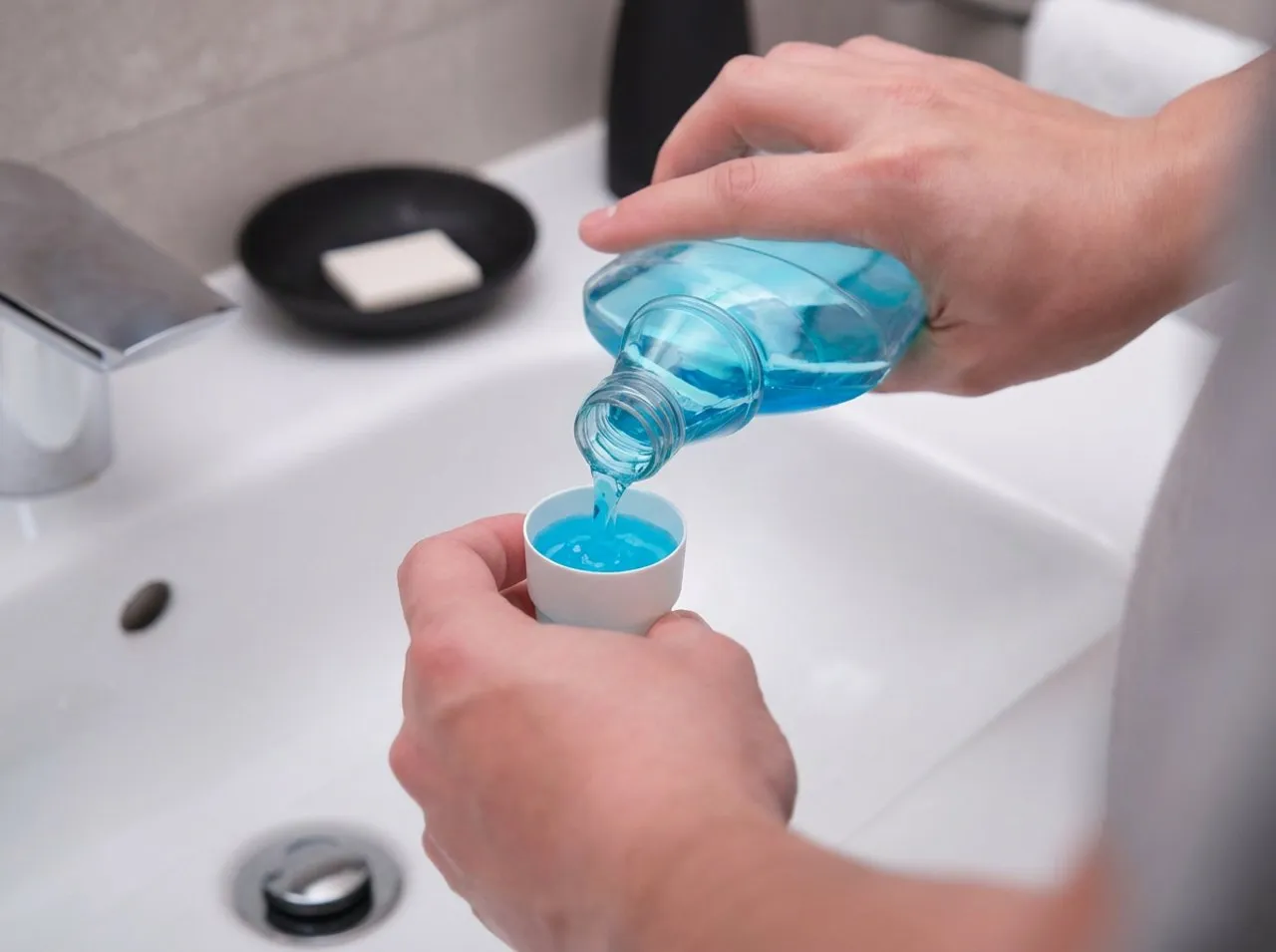
Mouthwashes: useful when used selectively
Mouthwash does not replace brushing. It is only a supplement. This is especially true of ‘mouth hygiene’ from adverts. Antibacterial mouthwashes are helpful in the short term. They are often used after procedures. Long-term use can have side effects. A fluoride mouthwash can help if you are at risk of caries. It additionally strengthens the enamel. The choice should match the clinical findings.

Diet and everyday habits
It is not just the amount of sugar that matters. Frequency is what counts. Every snack starts an acid phase. Choose tooth-friendly breaks between snacks. Drink water instead of soft drinks. Chew sugar-free gum after eating. Smoking impairs blood circulation. Inflammation remains unnoticed for longer. This increases the risk of periodontitis.

Professional prophylaxis and check-ups
Hard deposits remain even with perfect care. A professional dental cleaning removes them safely. It also smooths the surfaces. Check-ups detect tooth decay early. Small defects can be treated gently. This protects the tooth structure. A small correction to your technique is often enough to improve your oral hygiene. We check your brushing pattern and the aids you use.
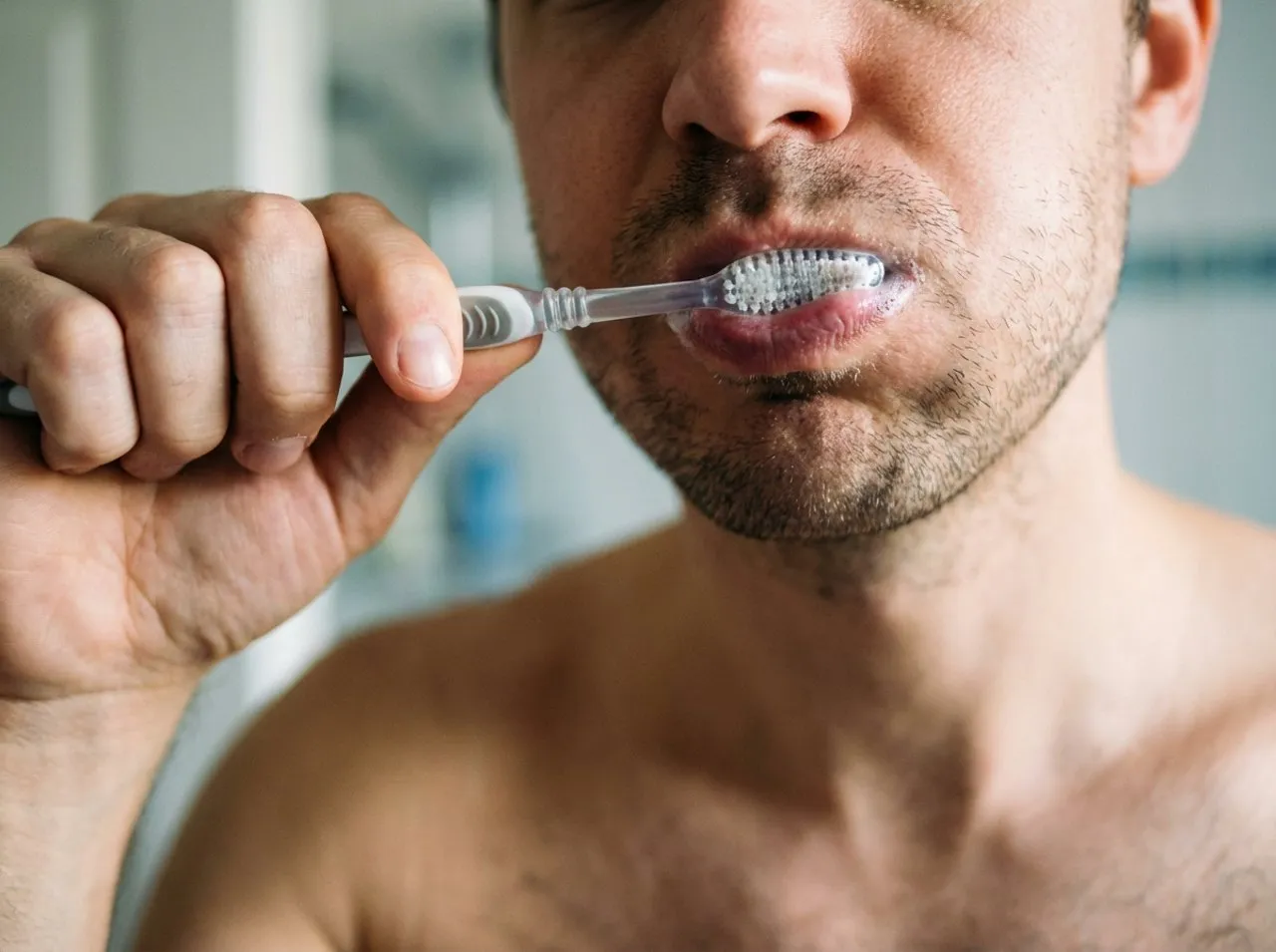
Common mistakes in daily dental care
Too much pressure is a classic mistake. This leads to gum recession. The teeth then look longer. Brushing immediately after consuming acids is not advisable. Wait about 30 minutes. Otherwise, you will rub away softened enamel. Many people use dental care aids irregularly. Consistency beats perfection. A fixed time helps make it a habit.

Oral hygiene tips from the Wunschlachen practice
Start small, but be consistent. Two minutes is realistic. Use a timer. Combine brushing with cleaning between your teeth. This creates a clean contact surface. It significantly reduces the risk of tooth decay. If you are unsure, come in for a consultation. We will turn this into clear dental care tips that fit your everyday life.

Healthy teeth on the inside start with a routine
The goal is not just a beautiful smile. It is about function and freedom from inflammation. This is why it is important to care for the inner part of your teeth too. Look for reliable sources. Terms such as ‘proper dental care’ can help you get started. Putting them into practice is what matters.
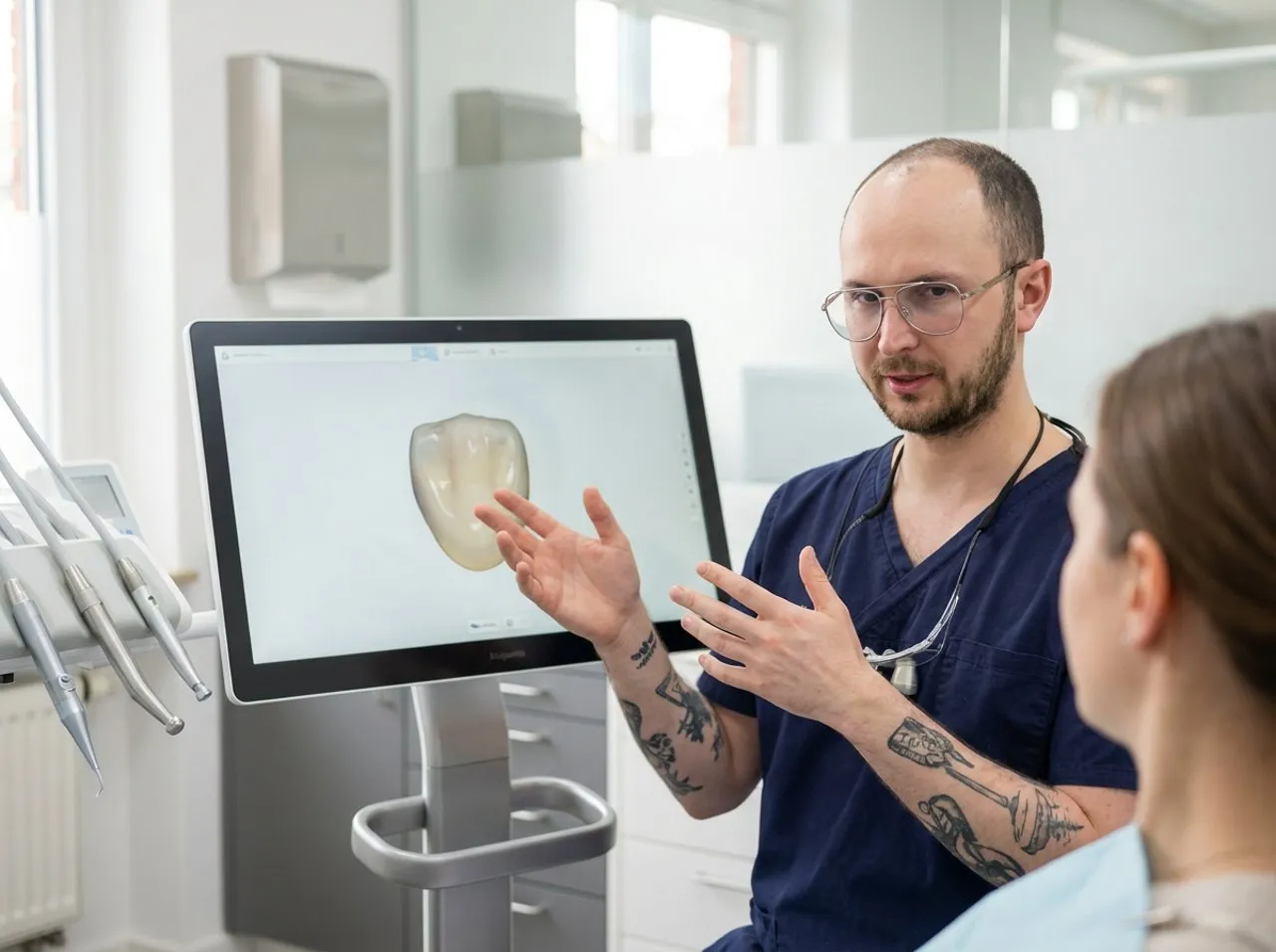
When should you see a dentist?
Bleeding, swelling or pain need to be investigated. Persistent bad breath is also a sign. Do not wait too long. If your gums recede, it is important to have them checked. The same applies to sensitivity at the neck of a tooth. Early treatment is usually simpler. We can help you improve your oral health. This works best with a plan. Book an appointment at Wunschlachen.
FAQs about proper oral hygiene
Twice a day is the standard. The evening is the most important time. Saliva provides less protection at night.
Allow at least two minutes. Many people need a little longer. Thorough cleaning along the edges is important.
Both can work well. Electric toothbrushes are often easier to use. The correct technique is what matters.
Dental floss is suitable for tight contacts. Interdental brushes clean larger gaps more effectively. The size should be right for the individual.
That depends on the clinical findings. Fluoride mouthwashes can be beneficial. Antibacterial mouthwashes should usually only be used for a short time.
Clean your tongue and between your teeth consistently. Drink enough water. If the bad breath persists, a cause should be investigated.
Gingivitis is often the cause. Plaque irritates the tissue. Regular cleaning usually reduces the bleeding.
Yes, too much pressure can cause damage. The necks of the teeth become sensitive. Use soft bristles and gentle pressure.
Frequent sugar promotes tooth decay. Acids attack the enamel. Long breaks between snacks are tooth-friendly.
Two appointments a year are usually advisable. If you are at risk of periodontitis, you may need to come more often. We determine this individually.