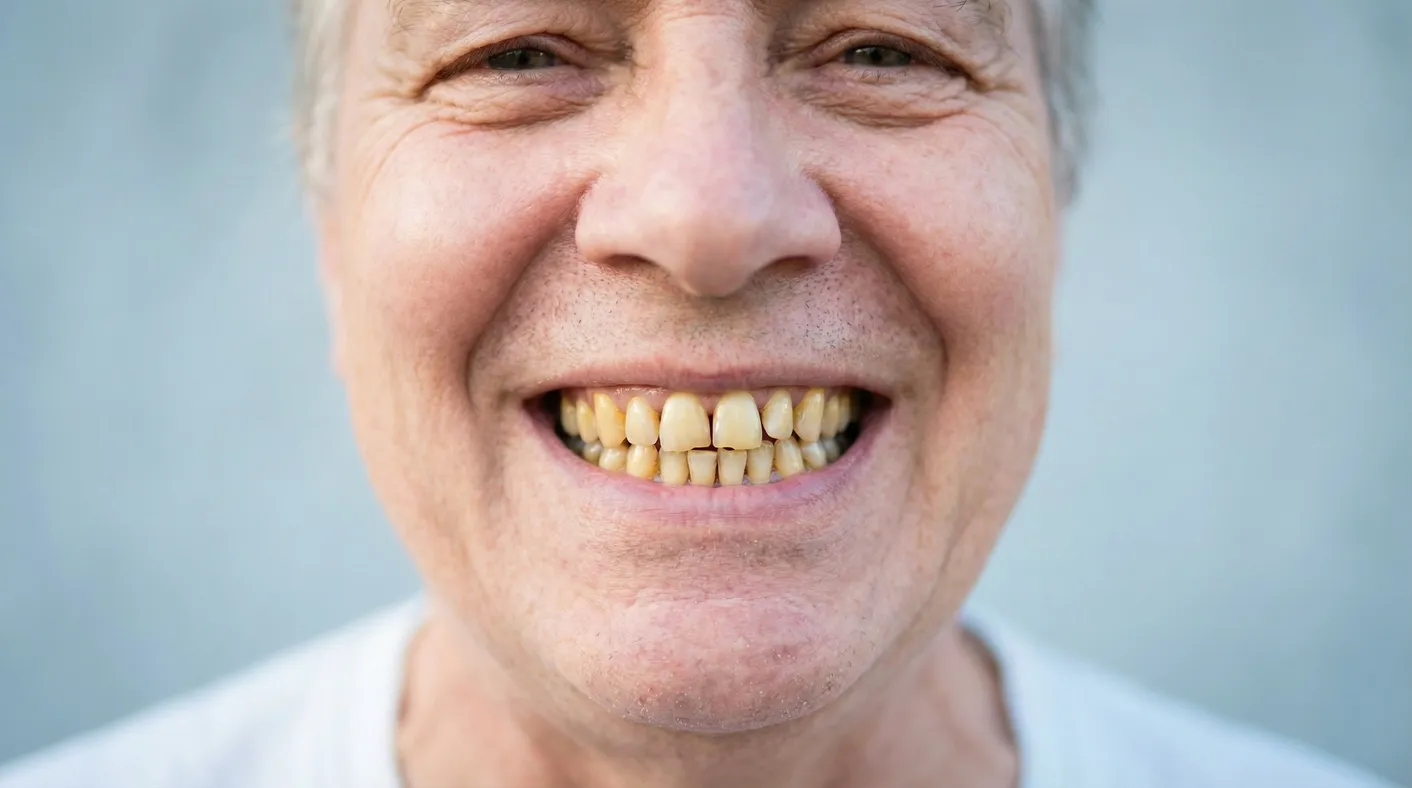
Crowning all teeth: procedure, costs and risks
• Full-coverage crowning replaces the visible tooth surface with crowns and stabilises weakened teeth. • It is usually worthwhile when substantial tooth structure has been lost, there is severe wear, or complex bite reconstruction is required. • Diagnostics, temporary restorations and bite checks determine comfort, function and...
Über 350 Google-Bewertungen
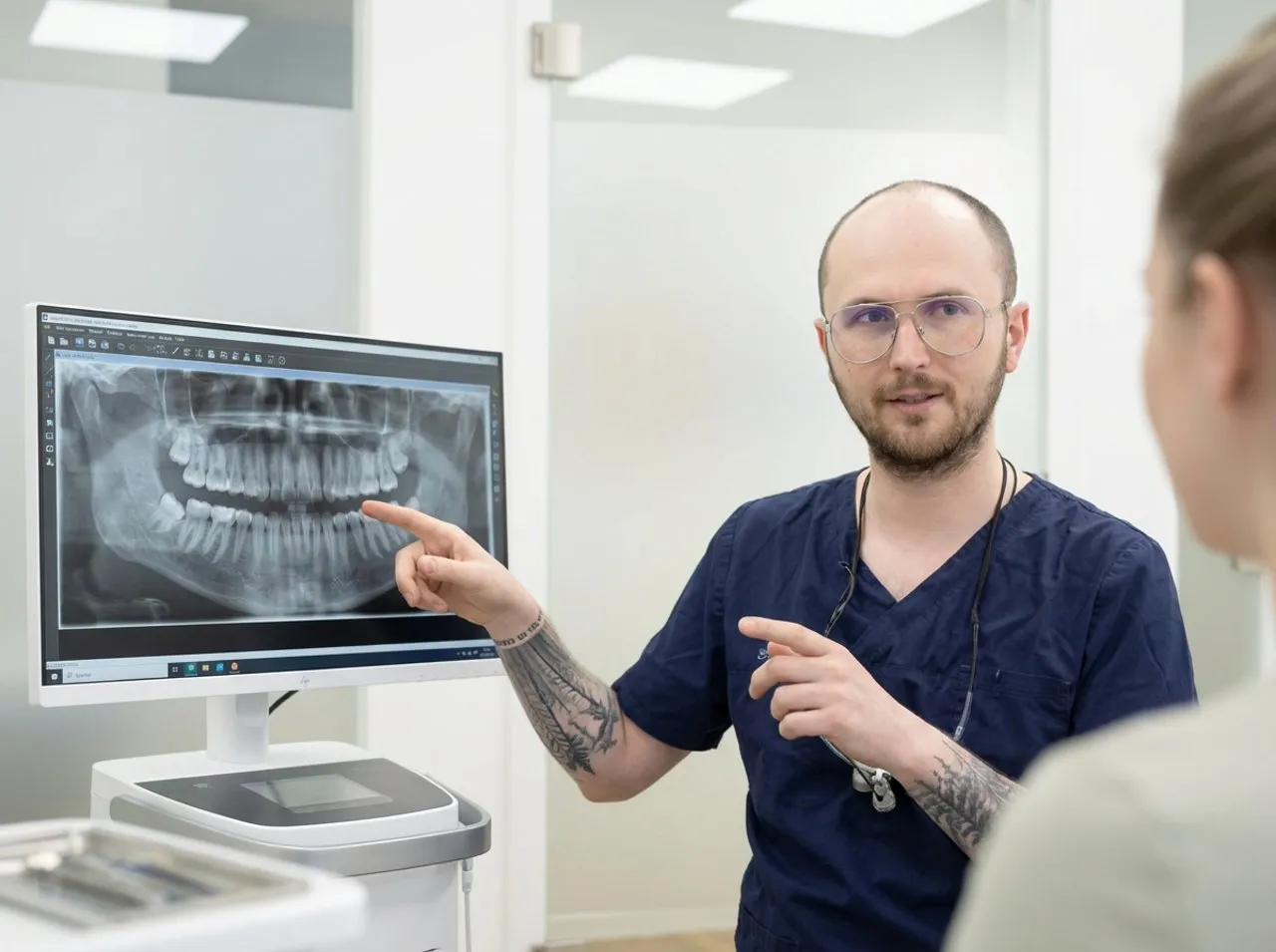
What does “crowning all teeth” mean?
In this case, every tooth receives a permanent crown. The aim is a durable dental restoration with clear bite guidance. This is often called full-mouth rehabilitation with crowns.

When is full-coverage crowning advisable?
It is particularly advisable for severe tooth wear caused by bruxism. Erosion caused by acids can also shorten teeth considerably. Large fillings, cracks or frequent repairs are further reasons. After many root canal treatments, a tooth often needs more protection. Sometimes the height of the bite needs to be restored.
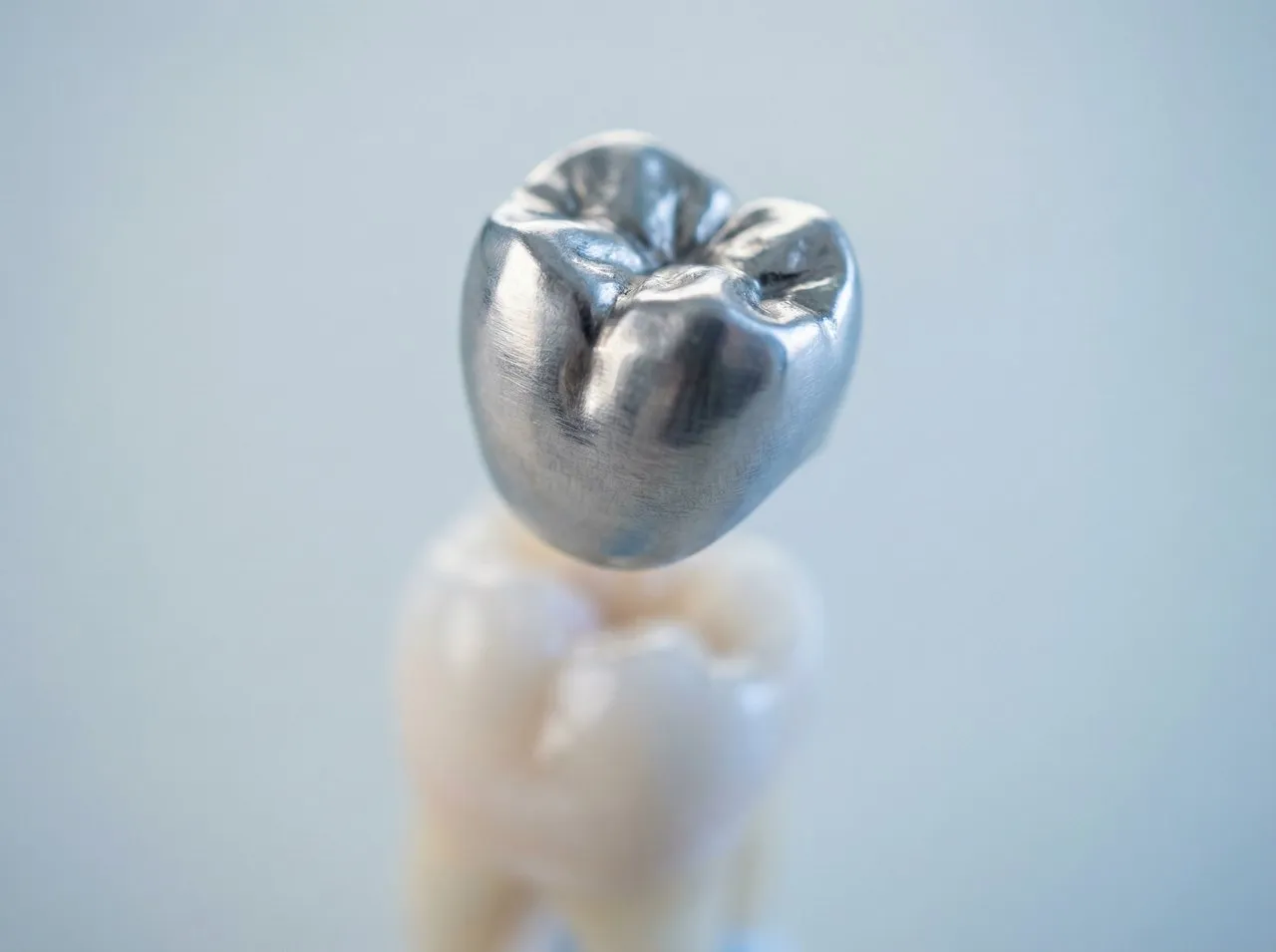
When is a crown not the best solution?
Not every tooth needs a full-coverage crown. Often, partial crowns, onlays or adhesive composite build-ups are sufficient. In the front teeth, veneers can be a more conservative alternative. An important question is: is the dental crown really necessary? We establish this using clinical findings, X-rays and digital analysis. Our guiding principle remains maximum preservation of natural tooth structure.
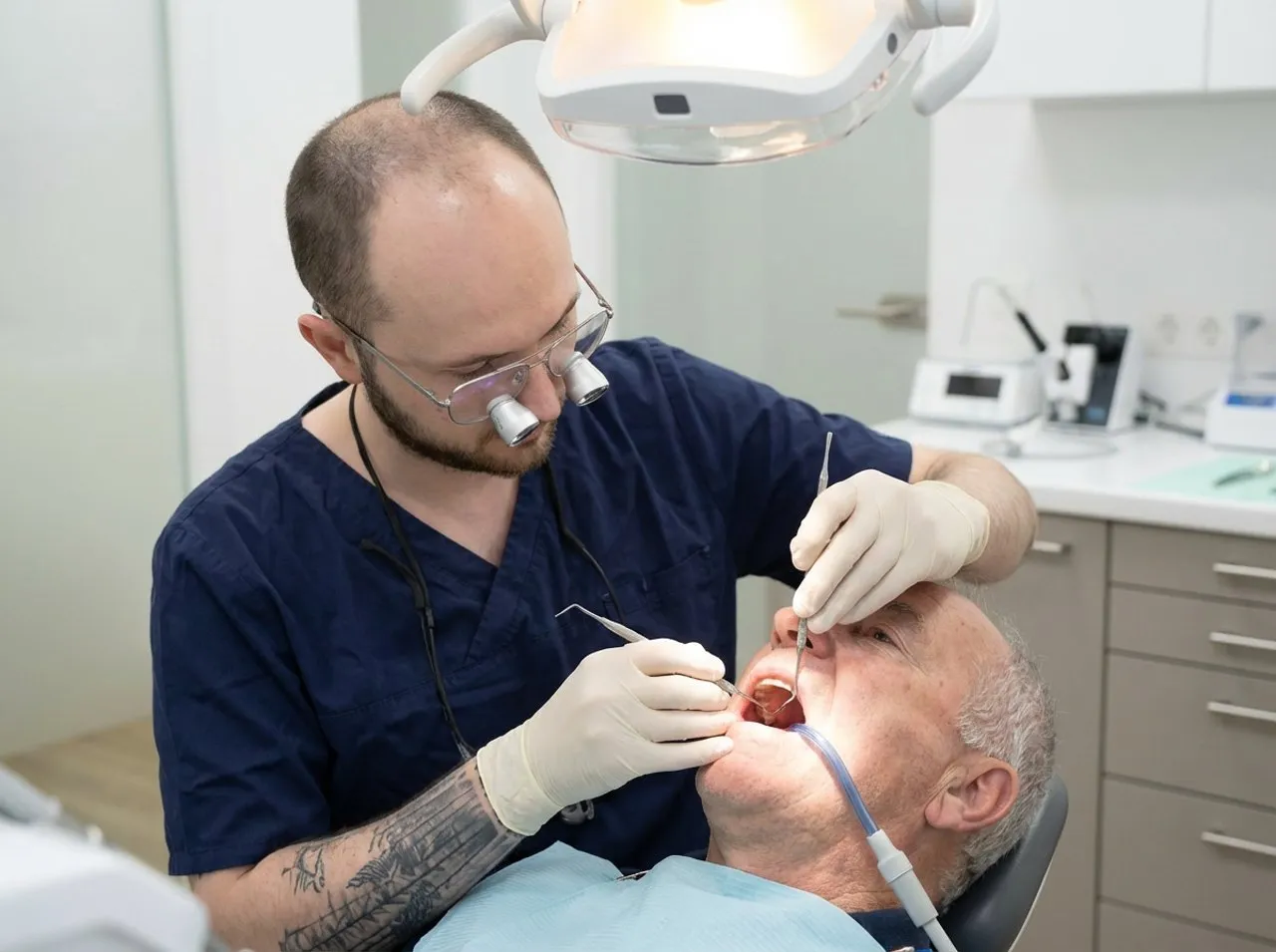
Pre-treatments that are often necessary
Before starting, we treat tooth decay, leaking fillings and inflammation. Gum disease must be stable before dental restorations are provided. Otherwise, the risk of gum problems increases. For grinding, we often recommend splint therapy first. This allows the muscles and temporomandibular joint to relax. It improves planning for the subsequent occlusion.
Diagnostics and planning at Wunschlachen
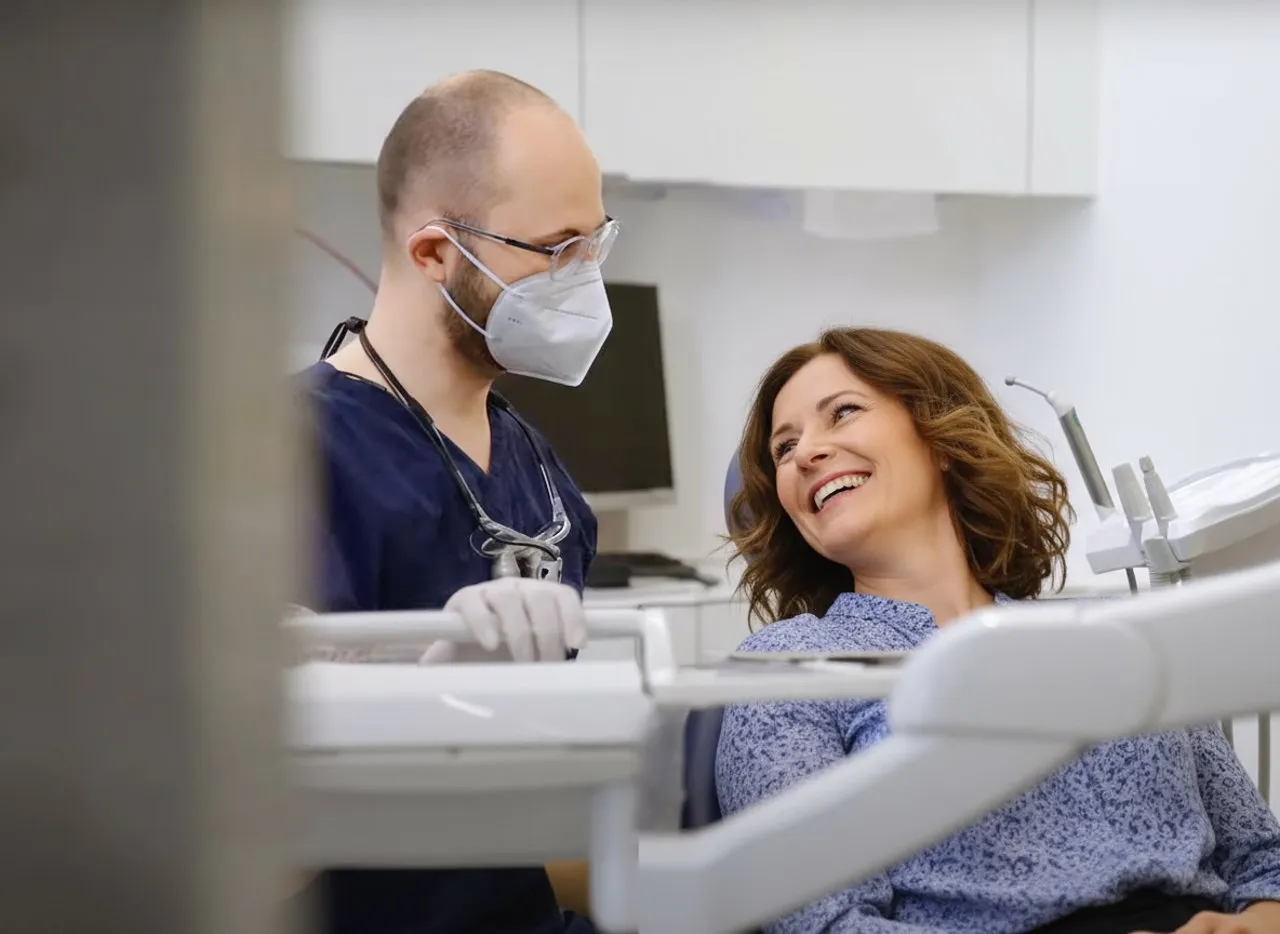
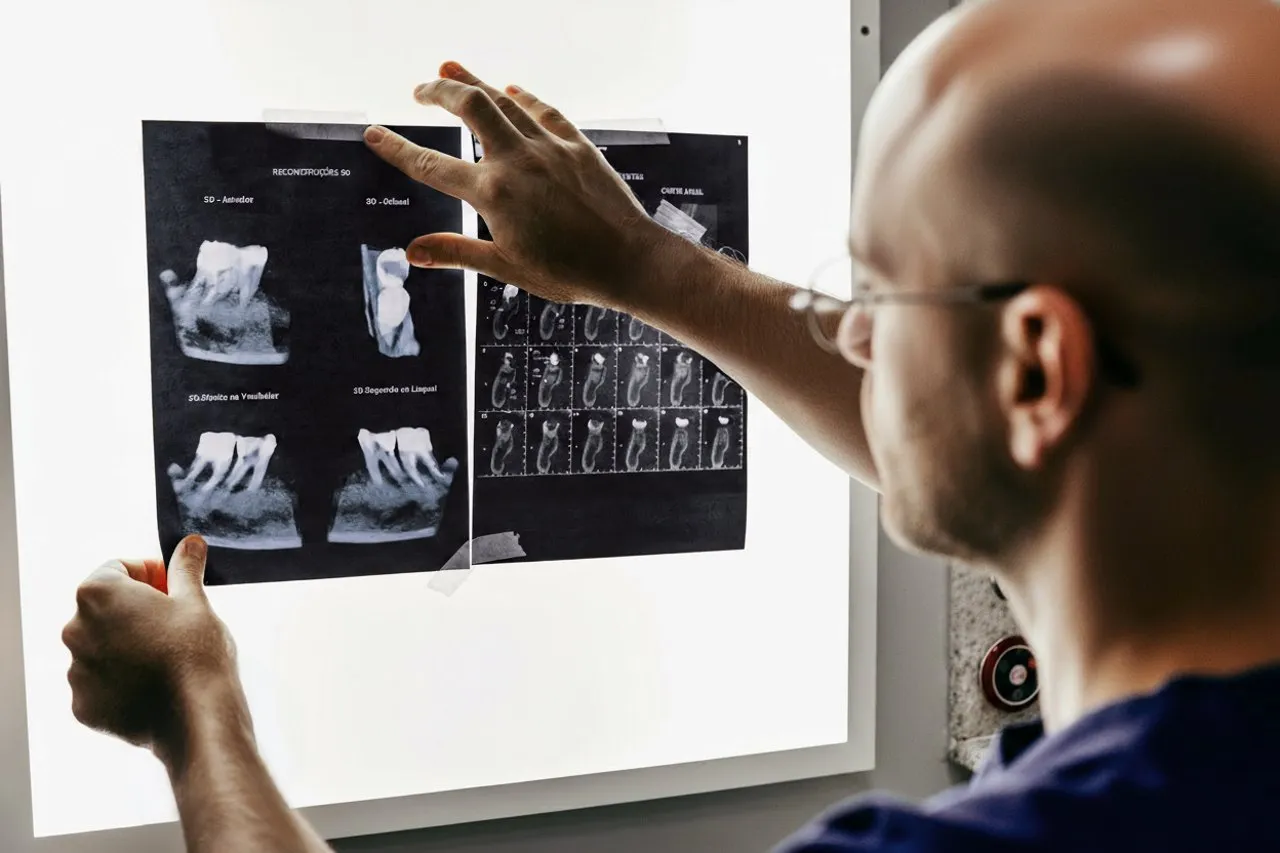
We examine the teeth, gums, temporomandibular joints and chewing muscles. We measure the bite position and look for uneven loading. Digital scans and photographs ensure precise documentation. We often create a wax-up or a digital mock-up. This allows you to see the shape, length and appearance in advance. The result is therefore clear and predictable.
Bite, temporomandibular joint and function
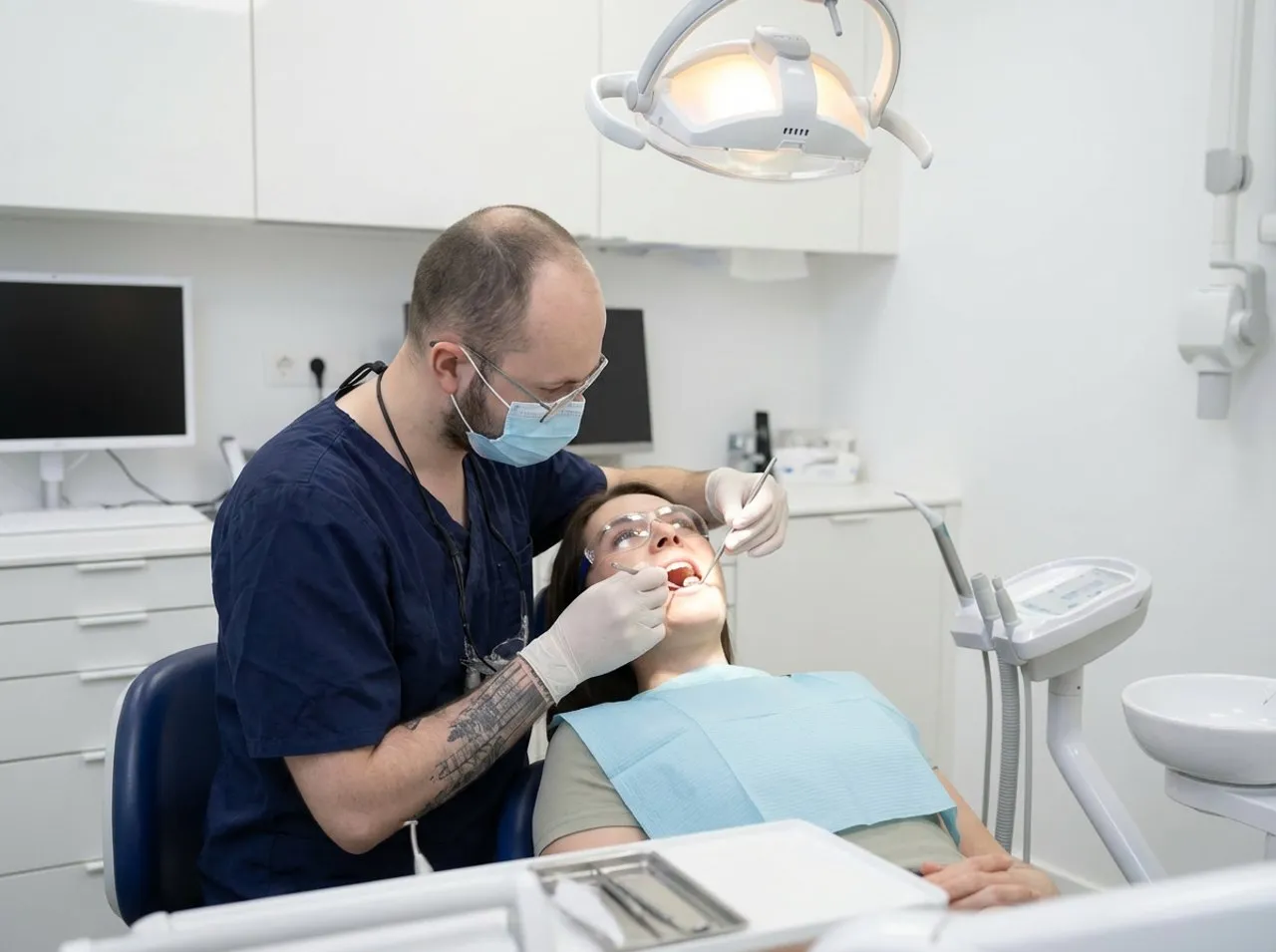
With full-coverage crowning, the bite is the central issue. Even small errors can cause pressure points and tension. We therefore use functional analysis and precise bite registrations. If necessary, we test an increase in bite height with a long-term temporary restoration. This shows whether the temporomandibular joint and muscles accept the new height. Only then is the final restoration fitted.
The procedure step by step
First, we stabilise the gums and address oral hygiene. Preparation, scanning and bite registration then take place. You then usually receive a long-term temporary restoration. With the temporary restoration, we test speech, bite and chewing force in everyday life. Minor adjustments are normal and desirable during this phase. Only then do we fit the final crowns. Finally, we check the contacts at rest and during movement. We also check the margins and how easy they are to clean.
Which materials can be used?
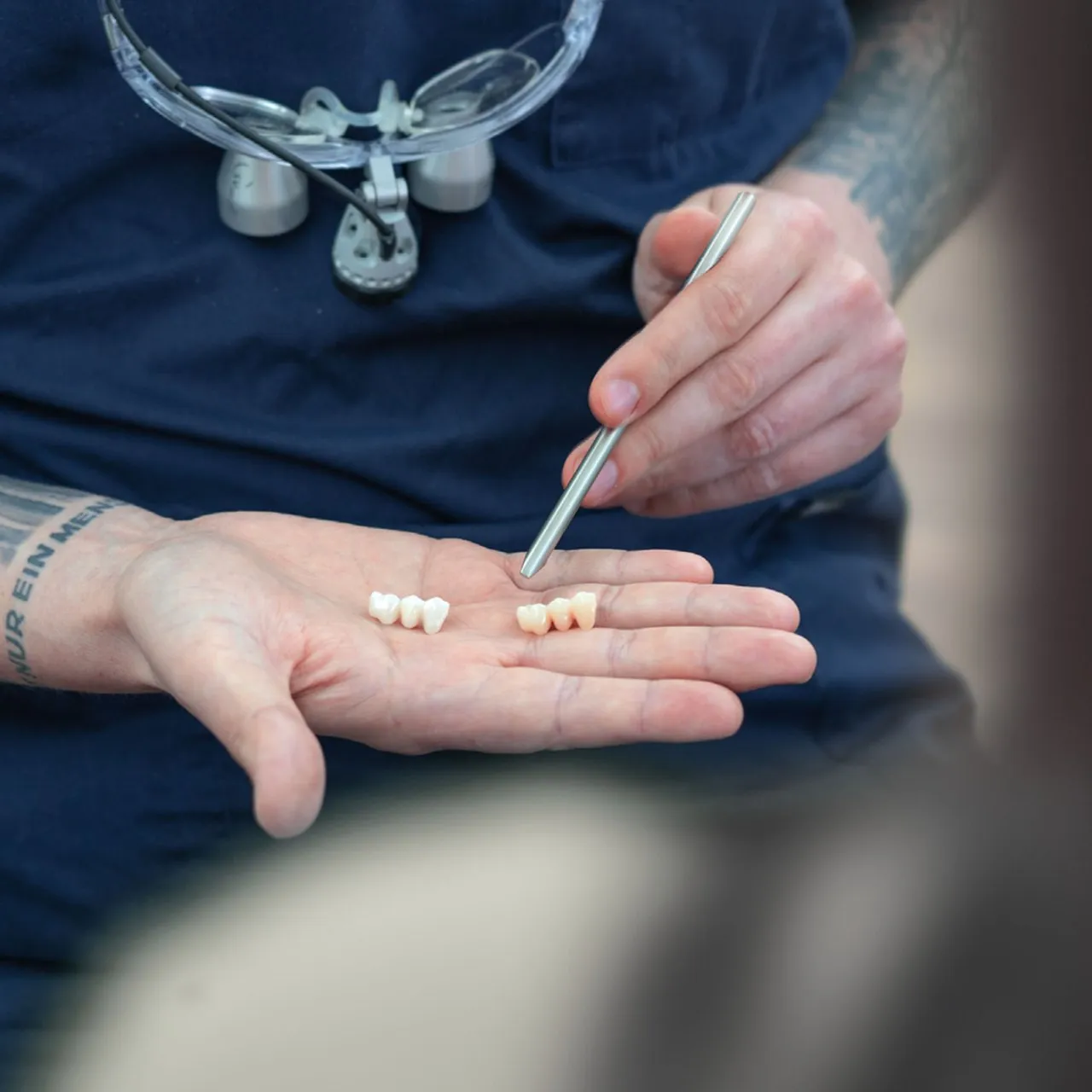
In the back teeth, stability is the priority. Zirconia is often a very robust option here. All-ceramic often looks particularly natural in visible areas. Metal-ceramic can be useful where space is limited. We choose the material according to function, appearance and budget.
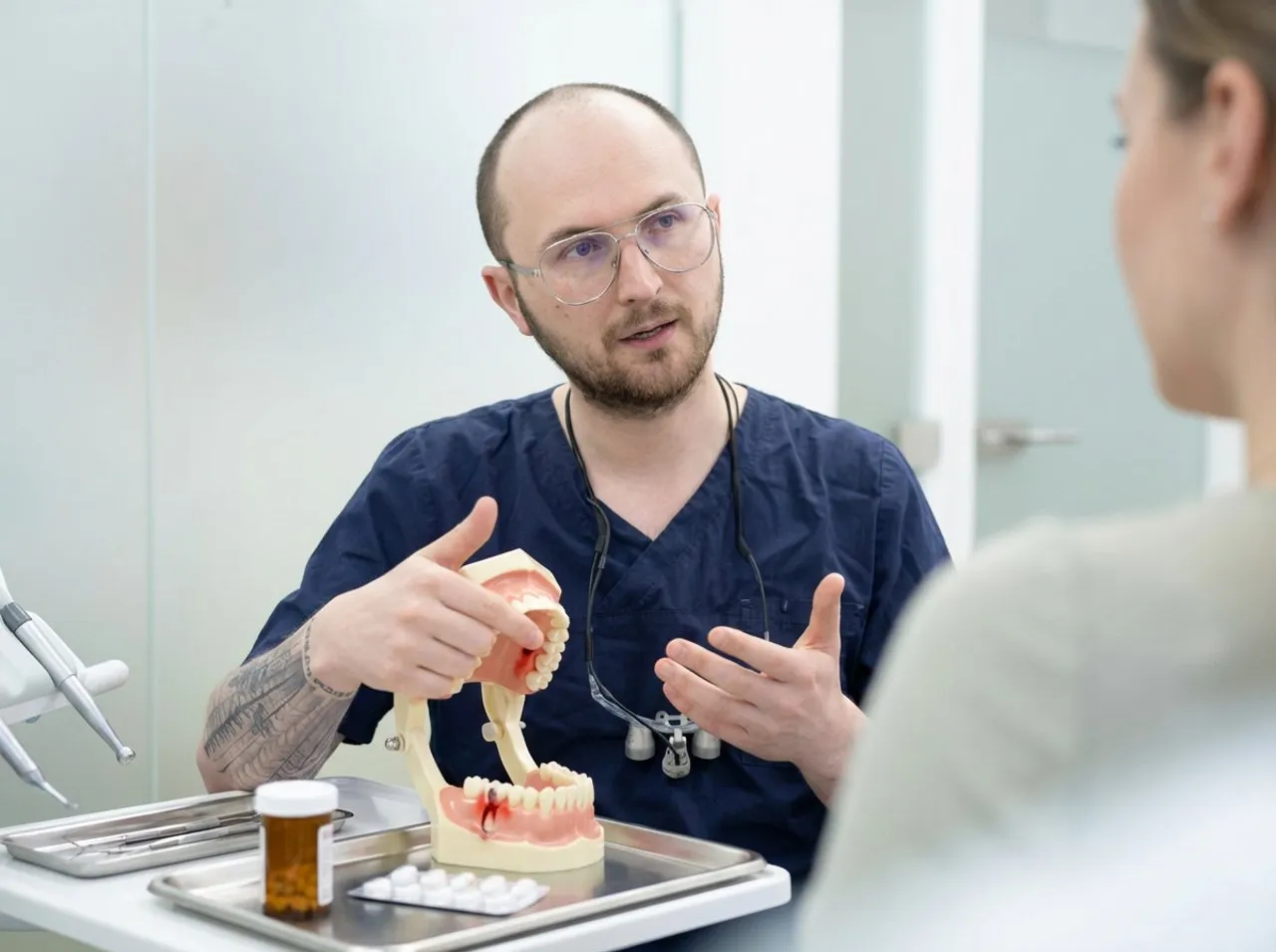
Risks and the “disadvantages of crowning teeth”
The treatment is extensive and irreversible. The indication and planning must therefore be very precise. Typical drawbacks include sensitivity after fitting. Some teeth temporarily react to cold or pressure. In rare cases, root canal treatment may be needed later. Gum irritation is also possible if cleaning is difficult. Precise margins and accurate occlusion reduce the risk. Check-ups during the first few weeks are important. This allows problems to be corrected early.

Putting costs and health insurance cover into perspective
The total costs depend on the material, complexity and laboratory work. With 20 to 28 crowns, the total amount can quickly become substantial. An individual treatment and cost plan provides clarity before starting. As a guide, prices per crown vary widely. All-ceramic and zirconia are generally more expensive than metal options. Pre-treatments can also increase the total. The statutory health insurance fund pays diagnosis-based fixed subsidies. The subsidy may be higher with a dental bonus booklet (Bonusheft). Private insurance policies often reimburse considerably more, depending on the contract.
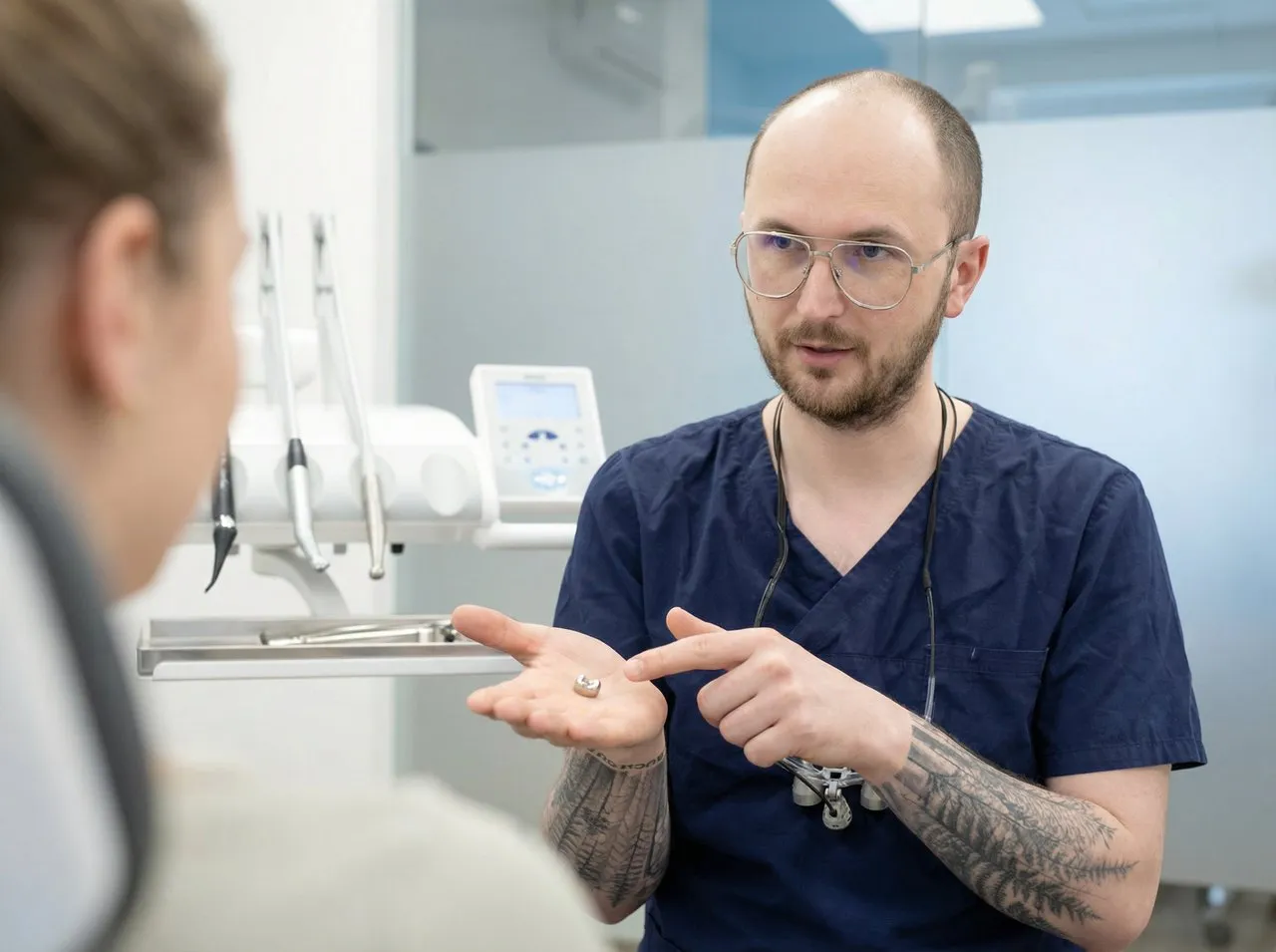
Longevity and everyday care
Crowns last a long time with good hygiene and regular check-ups. Interdental brushes, dental floss and professional cleaning are important. A night guard is often very advisable for bruxism. It protects ceramics from overloading and microcracks. Regular checks ensure a good fit, healthy gums and a stable bite.
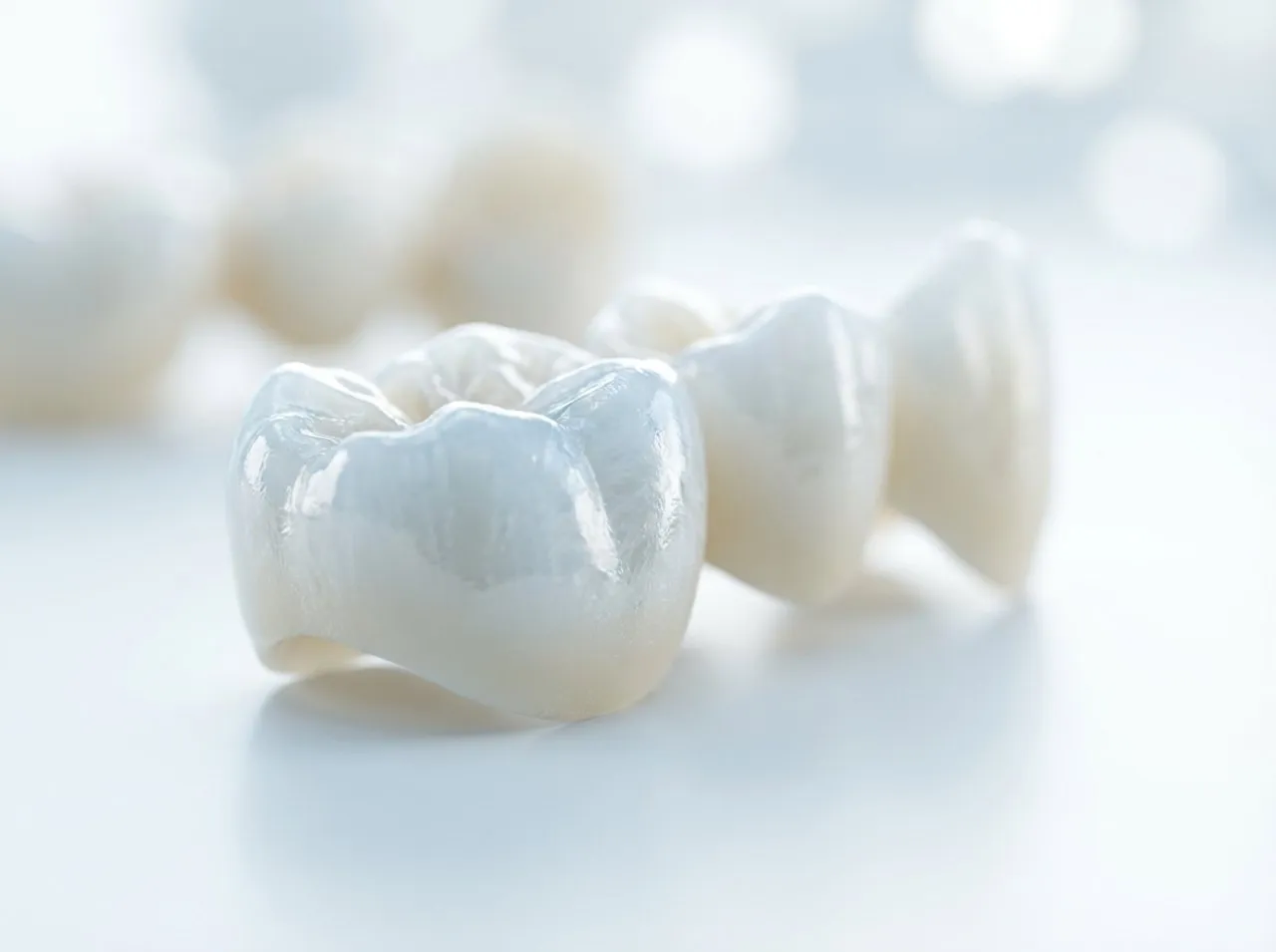
Alternatives to full-coverage crowning
The entire dental arch does not always need to be crowned. Partial restorations can preserve tooth structure and reduce costs. A combination of crowns, onlays and veneers is also possible. For missing teeth, implants or bridges are an option. For purely colour-related problems, teeth whitening may be sufficient. We choose the solution that remains medically appropriate.
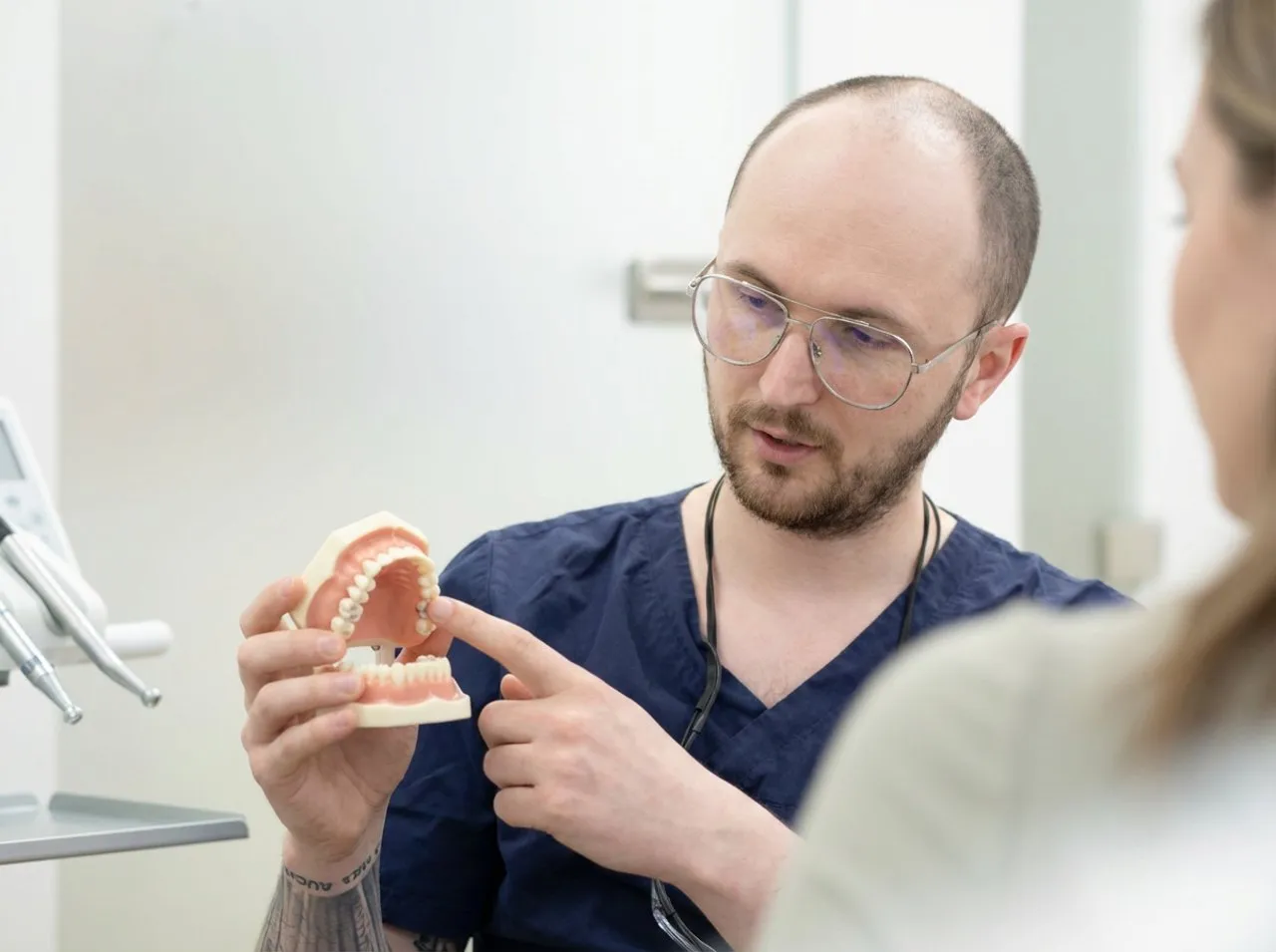
Consultation in Berlin: your next step
Full-coverage crowning takes time, experience and a clear strategy. At the Wunschlachen practice in Berlin, we provide structured advice. Together, we assess the benefits, risks and alternatives.
FAQ: Crowning all teeth
It is suitable for severe wear, erosion or very large defects. It can also be advisable after many root canal treatments.
It usually takes several weeks, sometimes a few months. The timeframe depends on pre-treatments and temporary restorations.
The preparation is carried out under local anaesthetic. Afterwards, a sensation of pressure or mild sensitivity is possible.
It tests the bite, appearance and speech in everyday life. This helps to avoid errors before the final crowns are fitted.
Zirconia is very widely used in the back teeth. All-ceramic is often the aesthetic choice for visible areas.
The GKV (statutory health insurance) pays fixed subsidies based on clinical findings. Your own contribution depends on the material and extent of treatment.
Sensitivity, gum irritation and, rarely, root problems are possible. Good follow-up care reduces these risks.
With good care, 10 to 20 years is often realistic. A splint and preventive care extend their lifespan.
Yes, crown margins and the spaces between teeth need special care. Interdental brushes are usually more important than before.
Yes, partial crowns, onlays and adhesive build-ups preserve tooth structure. The best option depends on the clinical findings.