Dental implants: fixed tooth replacement at a glance
Dental implants replace missing teeth functionally and aesthetically. An experienced dentist plans the treatment precisely and individually. This can often improve chewing function, stability and natural appearance in the long term.
Über 350 Google-Bewertungen

What are dental implants?
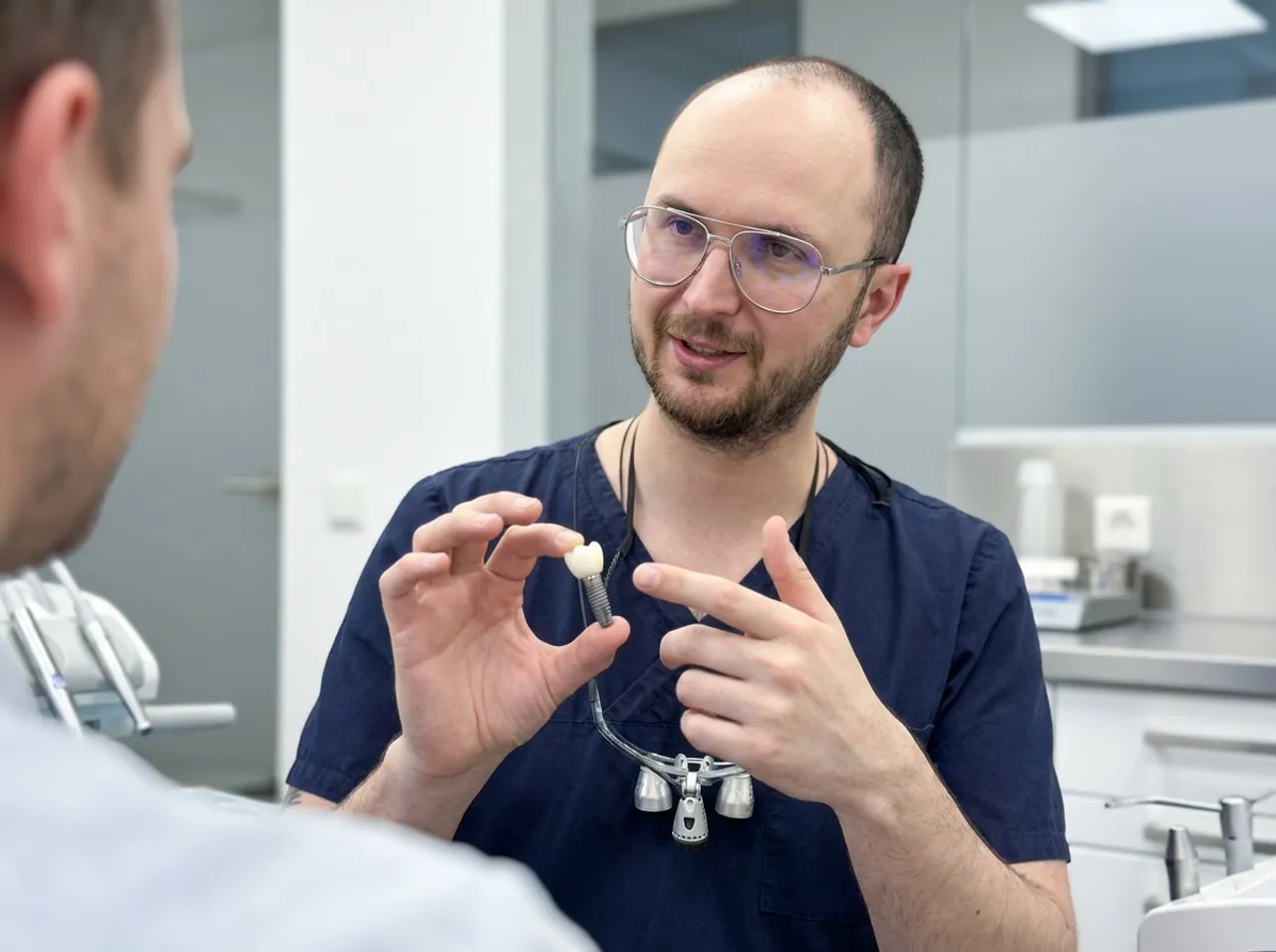
Dental implants are artificial tooth roots made from well-tolerated material. Titanium or ceramic is usually used. They are firmly anchored in the jawbone. The visible tooth replacement is later fitted on top of the implant. This can be a crown, bridge or denture. The result is a stable and durable restoration. Many patients want a solution that feels natural. This is exactly where implants offer major advantages. They come very close to a natural tooth.

When are dental implants a good option?
Implants are suitable when one or more teeth are missing. This method can also help people with toothless jaws. Its use always depends on the clinical findings. A single implant can close a gap between teeth. Several implants can also support bridges or dentures. This often preserves more healthy tooth substance. A dentist who provides implants carefully assesses the available bone and oral health. Pre-existing conditions also play a role. Good planning is essential.

What are the advantages of dental implants?
Many patients choose implants because of their secure fit. They do not slip in everyday life. This provides confidence when eating and speaking. Aesthetics are another advantage of this treatment. The tooth replacement often looks very natural. Its shape and colour are matched to the neighbouring teeth. A further advantage concerns the jawbone. The pressure placed on the bone keeps it better stimulated. This is important when teeth are missing. Neighbouring teeth often do not need to be ground down. This protects the natural tooth structure. This is a major advantage, particularly for single-tooth gaps.

What does implant treatment involve?
The first step is a detailed consultation at the practice. This is followed by an examination and diagnostic assessment. X-rays or 3D scans are often used. The dentist then draws up a detailed treatment plan. This sets out every step of the treatment. Patients therefore know early on what to expect. During the procedure, the implant is placed in the jaw. This is done under local anaesthetic. In many cases, the procedure can be planned well. The implant then goes through a healing phase. During this time, the implant fuses with the bone. Only afterwards is the final tooth replacement fitted. Depending on the situation, immediate restoration may also be possible. However, this is not suitable for every clinical finding. The practitioner makes the decision after careful assessment.

Implants when there is insufficient jawbone
Not every patient has sufficient jawbone. This is not uncommon after prolonged tooth loss. Nevertheless, implant treatment is often still possible. Before treatment, the dentist assesses the available bone. If there is not enough, bone augmentation may be advisable. This improves the foundation for the implant. Whether augmentation is necessary depends on the region and clinical findings. This is particularly relevant more often in the upper jaw. Careful diagnostic assessment is therefore important.

Who are dental implants suitable for?
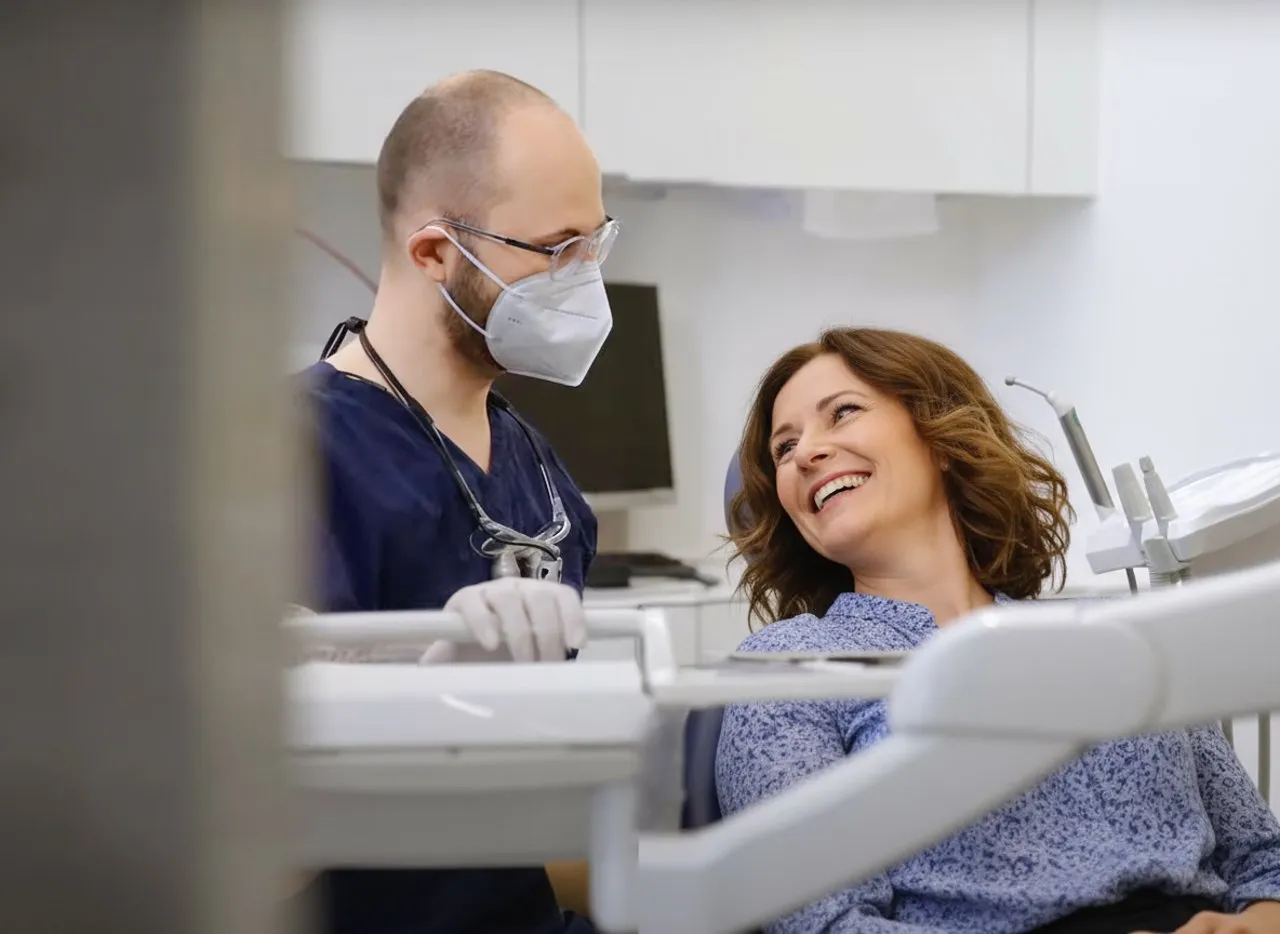
Many adults are generally suitable candidates for implants. A healthy mouth and good oral hygiene are important. General health also matters. Heavy smoking can increase the risk. Untreated inflammation must also be treated first. The same applies to severe periodontitis. People with dental anxiety should discuss this openly. Modern practices often offer reassuring approaches. This makes treatment easier to plan.
How long do implants last?
Dental implants can last for many years. Good care at home is essential. Regular check-ups at the practice also remain important. Oral hygiene and professional aftercare are crucial. Plaque and inflammation must be detected early. This can often improve longevity. The tooth replacement on the implant also needs care. The crown or bridge is cleaned daily. This protects the implant and surrounding tissue.
How much does implant treatment cost?
The costs depend on the individual work involved. The number and position of the implants play a role. The material and tooth replacement also affect the price. Additional measures can change the costs. These include diagnostic procedures and bone augmentation, for example. A personal treatment and cost plan is therefore advisable. A reputable dentist explains every item clearly. This provides cost transparency before treatment. It gives patients certainty when planning.

Why is choosing the right dentist important?
Implantology requires experience and precise planning. Patients should therefore look at qualifications and diagnostic procedures. Aftercare is also part of good treatment. A good dentist discusses the opportunities and limitations openly. They draw up an individual treatment plan. They also closely monitor the healing process. For many patients, personal rapport also matters. Trust is particularly important with implants. Good advice creates this foundation.