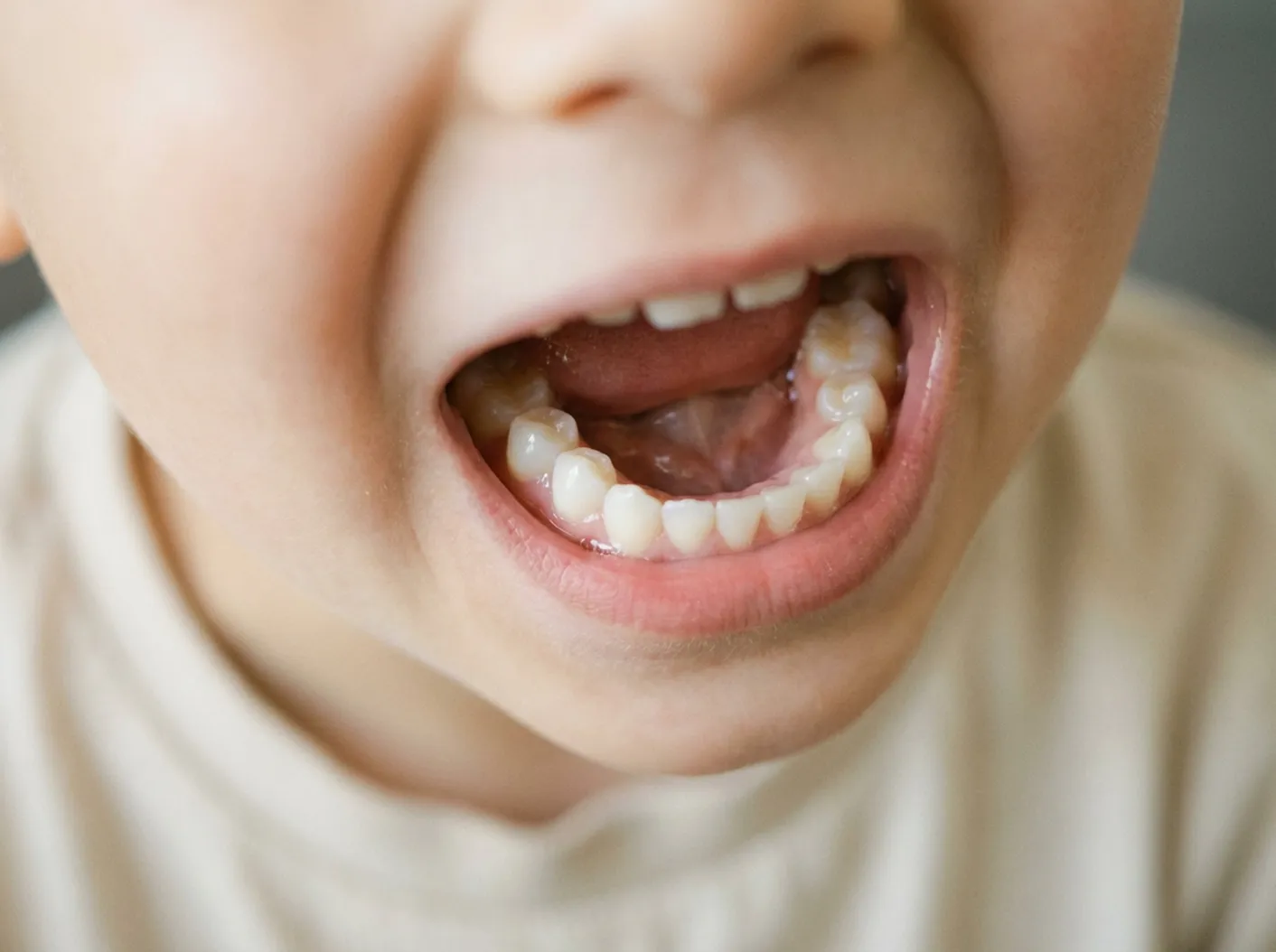
Early orthodontic treatment: when it really helps
Early orthodontic treatment can guide growth in a targeted way. It makes use of structures that are still malleable. This reduces the need for later interventions.
Über 350 Google-Bewertungen
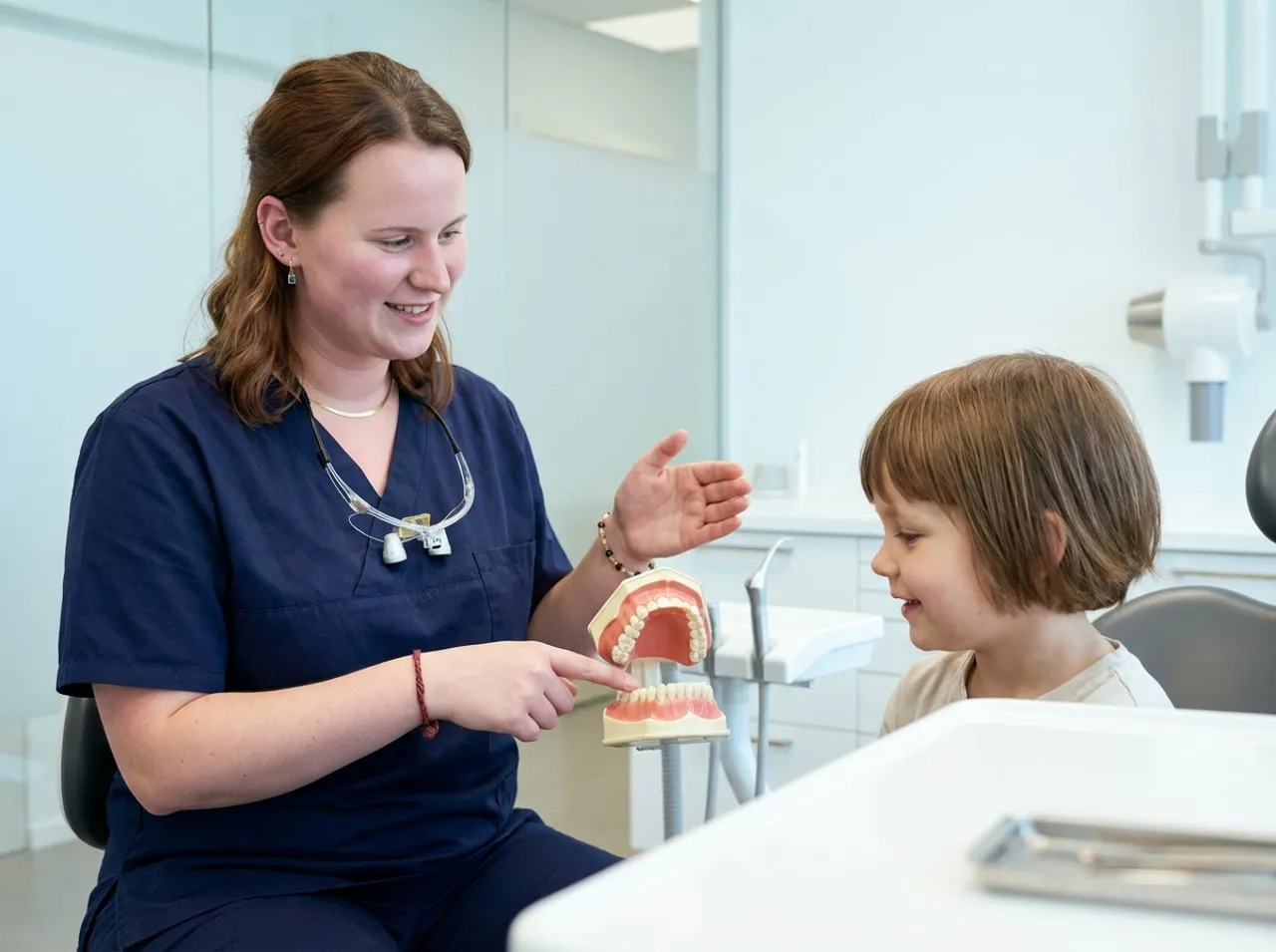
What does early treatment mean in orthodontics?
Early treatment refers to therapy before the mixed dentition stage. It often starts between the ages of five and nine. The technical term is interceptive treatment. Early orthodontic treatment usually describes the first phase. This is often followed by a break. A second phase may be needed later.

When is early orthodontic treatment advisable?
Not every child needs appliances at an early age. Function and growth are the deciding factors. Warning signs appear early. These include a crossbite and an open bite. A severe distal bite can also be risky. The same applies to a recessed lower jaw.
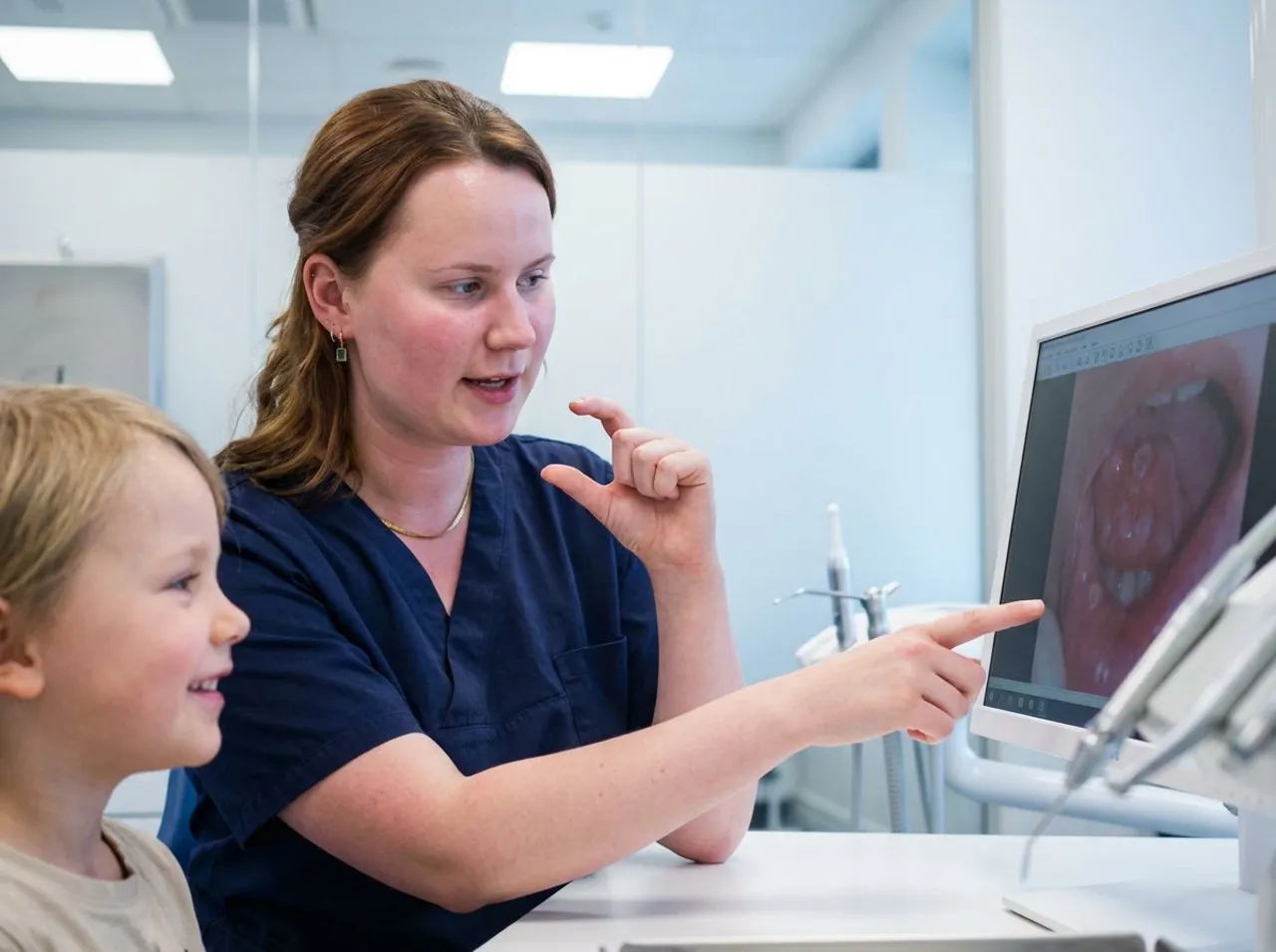
Typical findings where early help is worthwhile
A unilateral crossbite can cause asymmetrical growth. This can lead to facial irregularities. It is often easier to correct at an early stage. An anterior open bite is often caused by thumb-sucking. Dummy use also plays a role. Here, the focus is on controlling the habit. Early treatment is not always necessary for crowding. Lack of space and tooth eruption are assessed. Sometimes observation is sufficient.
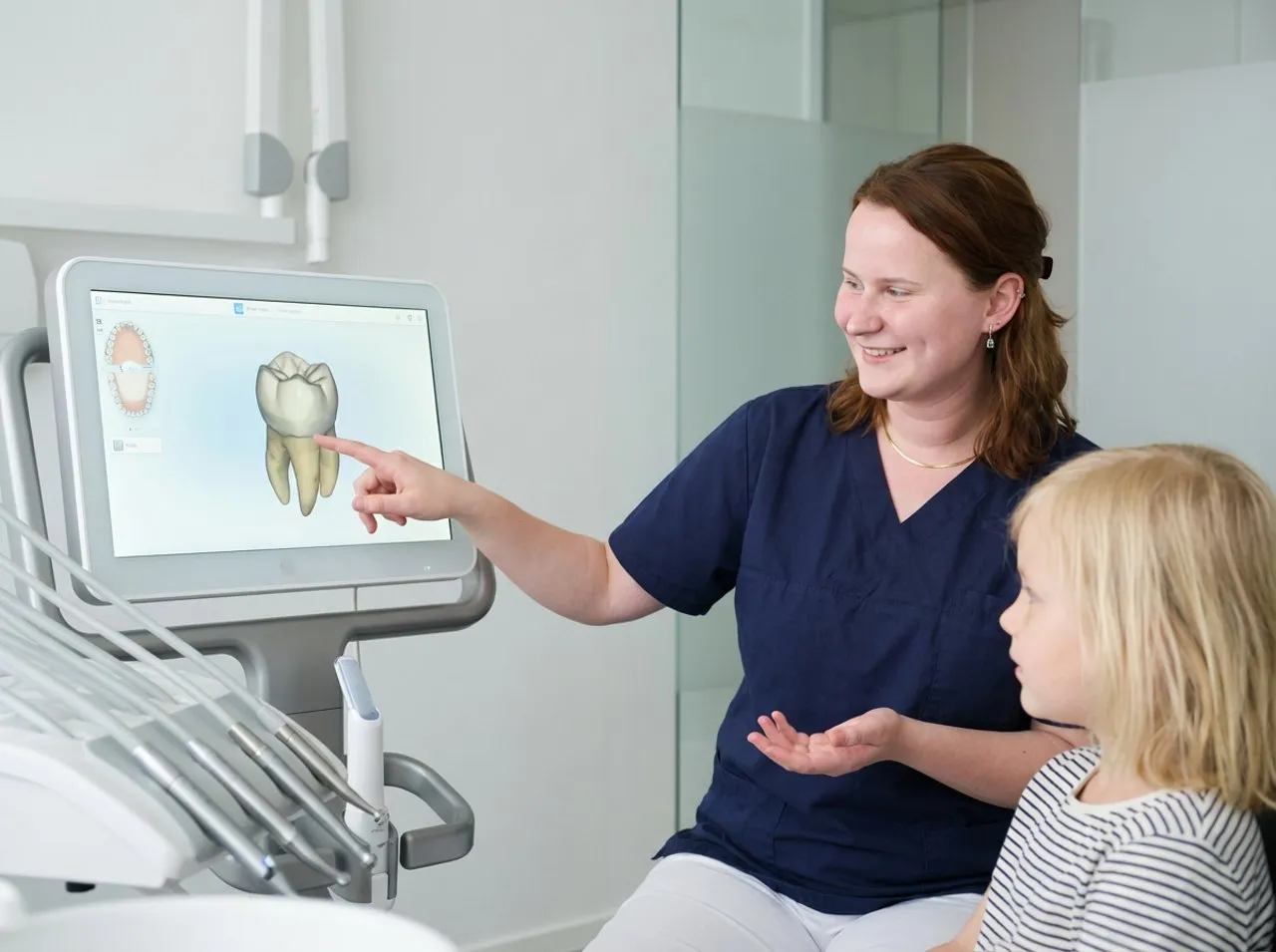
Early treatment and premature tooth loss
Some children lose baby teeth too early. Neighbouring teeth then tilt into the gap. Later, there is not enough space for permanent teeth. In such cases, a space maintainer often helps. It keeps the space open. This reduces the risk of severe crowding.
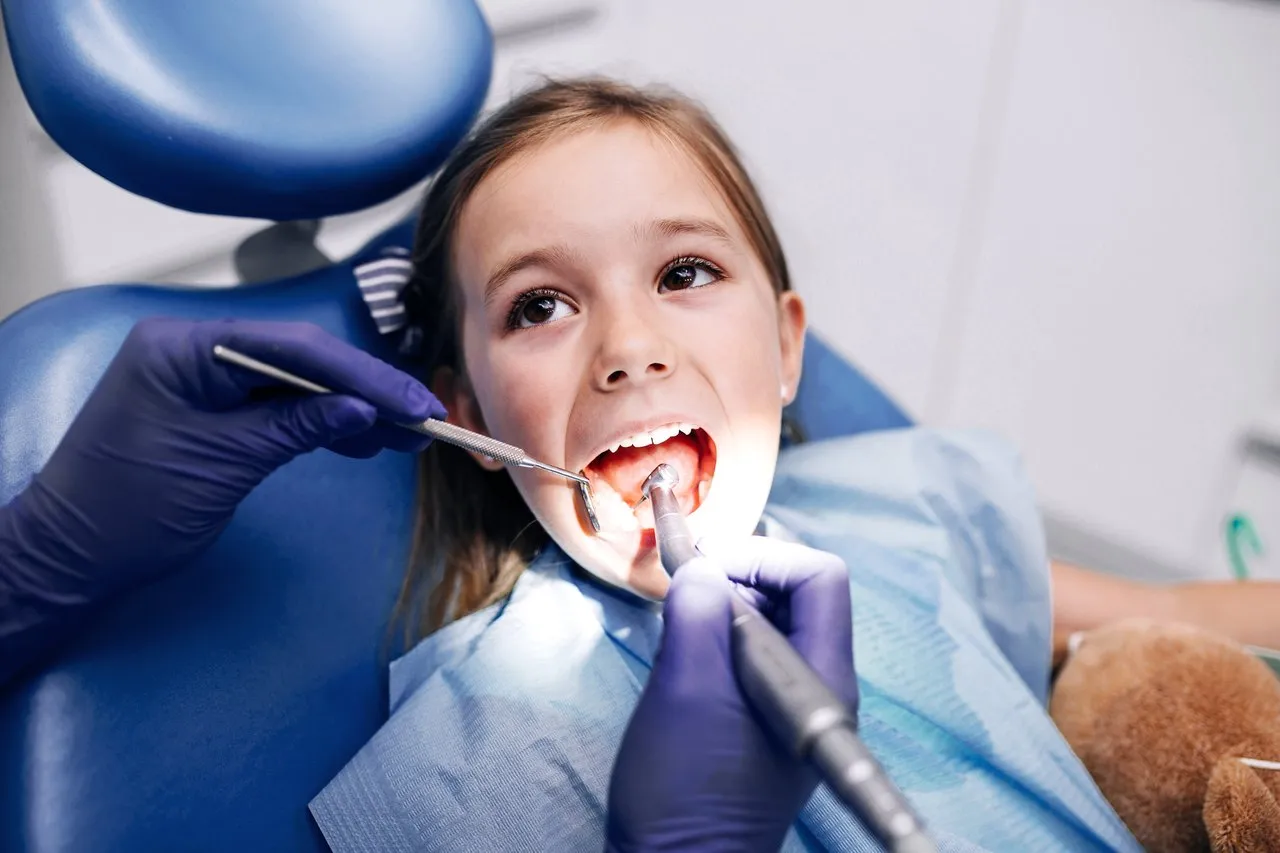
Goals of early orthodontic treatment
The aim is stable function when chewing. Nasal breathing is also important. Speech should benefit too. Treatment can create space and balance jaw widths. It can protect the front teeth. This reduces the risk of dental trauma.

Diagnostics: how planning works
It begins with a clinical examination. We assess the bite and muscles. Mouth breathing is also evaluated. Impressions or intraoral scans are taken as well. X-rays are only taken if needed. This allows us to assess tooth eruption reliably. All the data is used to create an individual plan. It includes goals and alternatives. Parents receive clear recommendations.
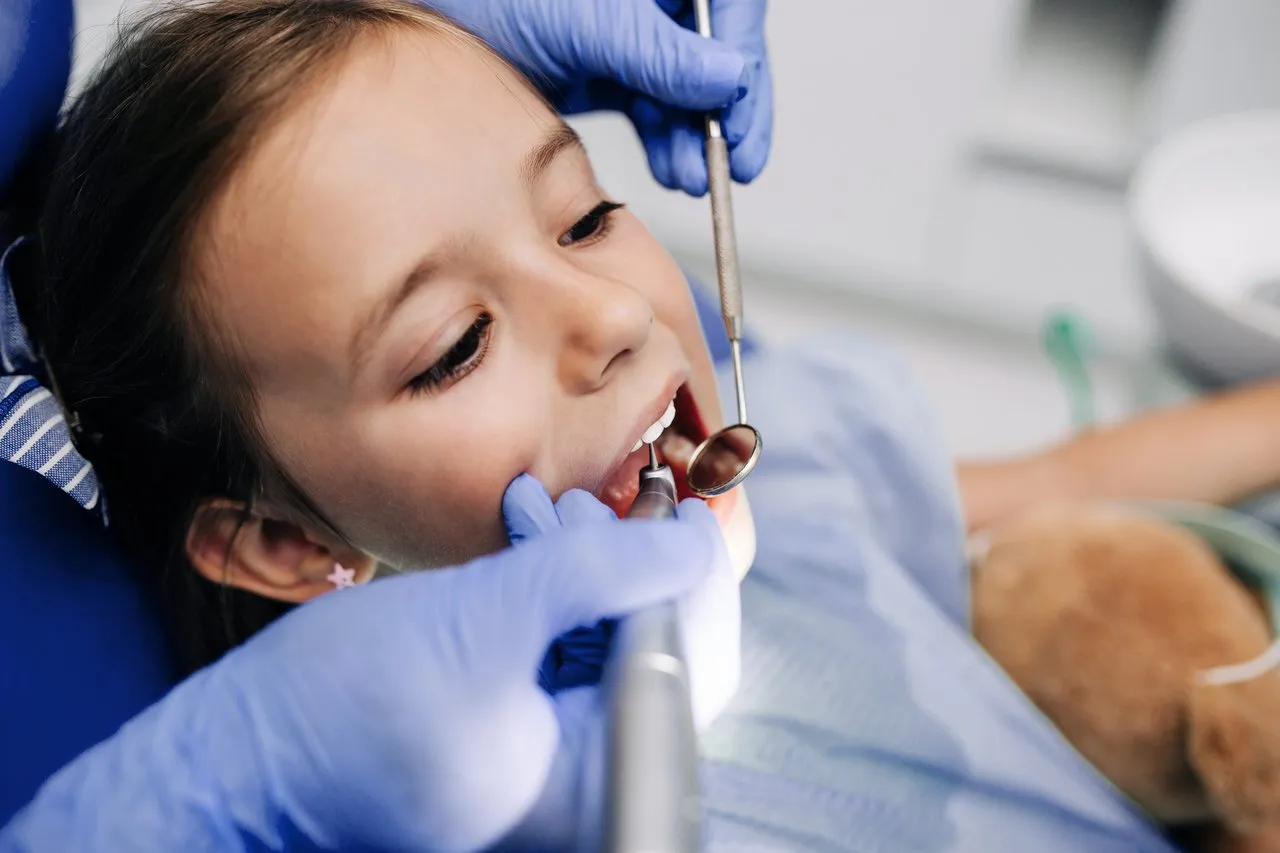
Which appliances are used in early treatment?
We often use removable plates. They gently widen the upper jaw. Cooperation is crucial here. Activators or bionators help with functional problems. They influence muscle forces in the masticatory system. This can guide growth. Palatal expansion may be advisable for a severe crossbite. It is usually carried out with fixed appliances. Activation is controlled. Trainers or splints help with habits. They support tongue position. This can allow the bite to close.
Duration, check-ups and cooperation
Early treatment often lasts six to eighteen months. This depends on the findings. Check-ups usually take place every four to eight weeks. Success depends on wear time. Parents should establish routines. Praise usually works better than pressure. Oral hygiene requires more attention. We show you suitable brushing techniques. Fluoridation may also be advisable.
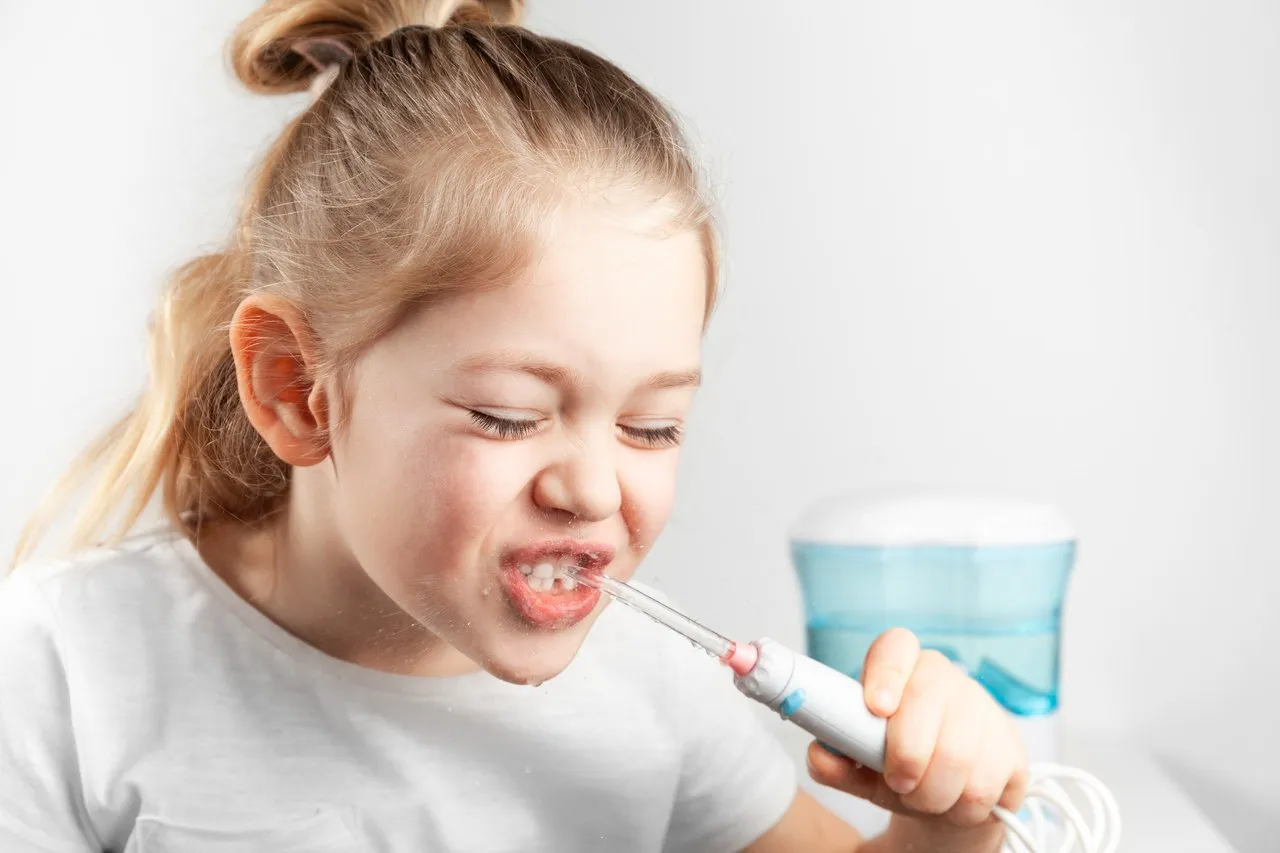
Possible side effects and how to reduce them
Pressure sores may occur at first. Saliva production may also increase. This usually returns to normal after a few days. It is important to insert the brace correctly. We check the fit closely. If pain occurs, the appliance should be adjusted promptly. Some children lisp temporarily. This is due to the tongue adjusting. With practice, it usually disappears quickly.

Costs: what does health insurance cover?
The KIG guidelines often apply to children. From KIG 3, the health insurance fund covers standard treatment. For KIG 1 and 2, parents usually pay themselves. A co-payment is usually charged. It is refunded after successful completion. Additional private charges may apply. Additional services may be worthwhile. These include special diagnostics or comfort options. A treatment and cost plan drawn up in advance is helpful.
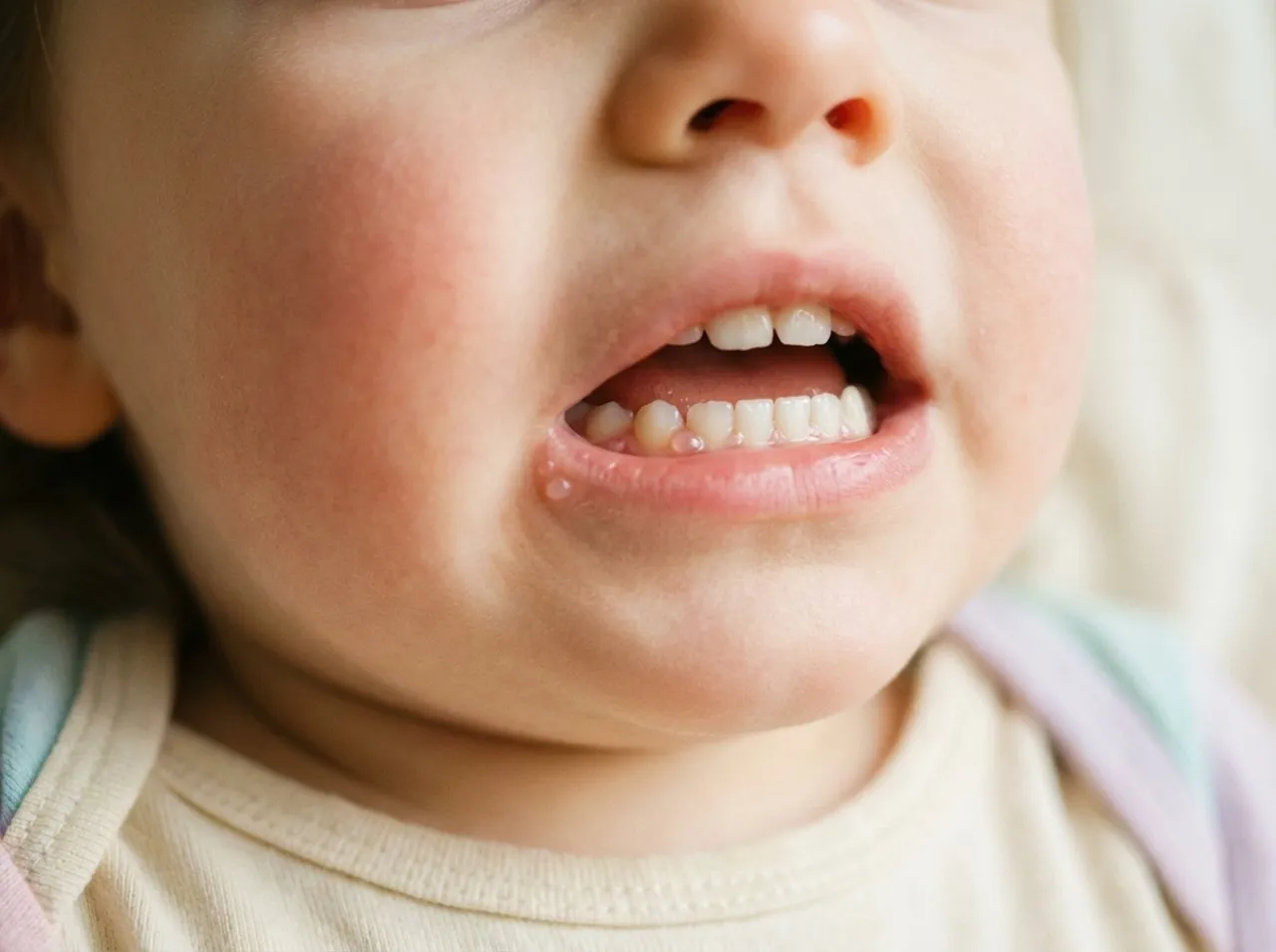
What happens after the first phase?
Phase 1 is often followed by stabilisation. This is called retention. Check-ups safeguard the result. The next step is to wait for the teeth to change. During this time, we monitor growth. This enables us to identify new risks early. Fixed braces may follow later if necessary. The permanent teeth are then positioned precisely. This improves the bite.
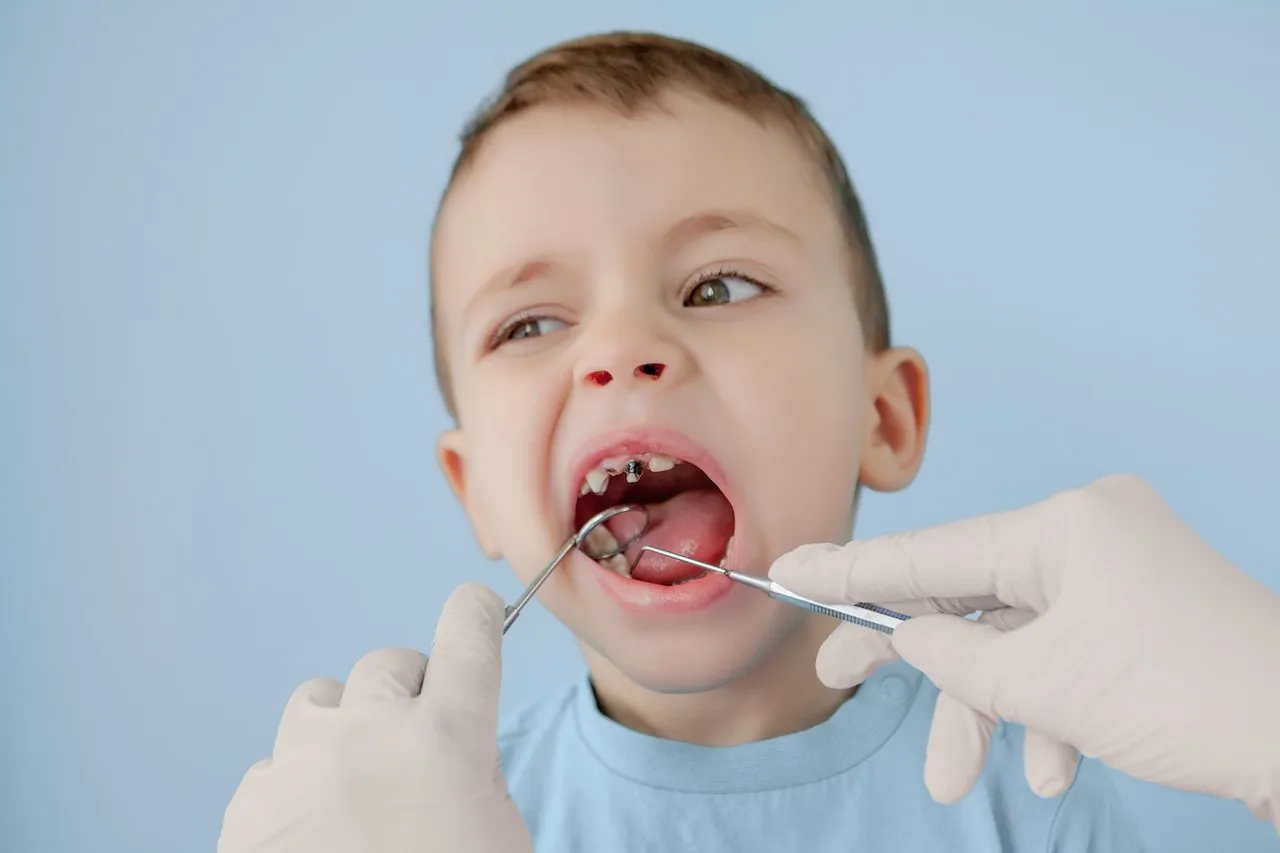
Limits of early treatment
Early therapy does not always eliminate the need for braces later on. It often improves the starting position. Some misalignments only develop later. Sometimes waiting is the best strategy. This applies to mild crowding. Six-monthly check-ups are then sufficient. Realistic goals are important. We aim for stable function. Aesthetics often follow from this.

Tips for everyday life and preventive care
Brushing is more challenging with appliances. Interdental brushes often help. An electric toothbrush is also useful. Sugary drinks promote decalcification. Water is the best choice. A quick rinse helps after snacks. Regular preventive care appointments are recommended. We check for plaque and fluoride protection. This helps keep teeth healthy during orthodontic treatment.

Early treatment in Berlin at Wunschlachen
At Wunschlachen, we combine dentistry and orthodontics. We take care to keep teeth healthy during orthodontic treatment. This reduces the risk of tooth decay. We work with clear procedures and short waiting times. Children are supported gently. Parents have dedicated contacts. An early check is worthwhile if you are uncertain. A consultation is often enough. This helps you avoid unnecessary treatment.
FAQs about early orthodontic treatment
It is early therapy for children. It usually starts before the mixed dentition stage.
Often between the ages of five and nine. The right time depends on the findings.
Crossbite and open bite are common reasons. A severe distal bite may also be a reason.
No, but it is often advisable. Many children need further fine-tuning later.
Often a removable plate. Fixed appliances may also be used if needed.
Usually six to eighteen months. Check-ups take place regularly.
Mild pressure is normal. Severe pain should not occur.
From KIG 3, the health insurance fund covers standard treatment. Some additional services are private.
They support wear times and care. Habits such as thumb-sucking also matter.
Early if there are any abnormalities, otherwise around the age of six. A check-up provides reassurance.
Book your appointment now
We would be happy to advise you in person at our practice.