Extracting an inflamed tooth when local anaesthesia is not working
Local anaesthesia may be less effective in a severely inflamed tooth. An acidic inflammatory environment often interferes with its effect. With additional anaesthesia and careful planning, extraction with minimal pain is usually possible.
Über 350 Google-Bewertungen
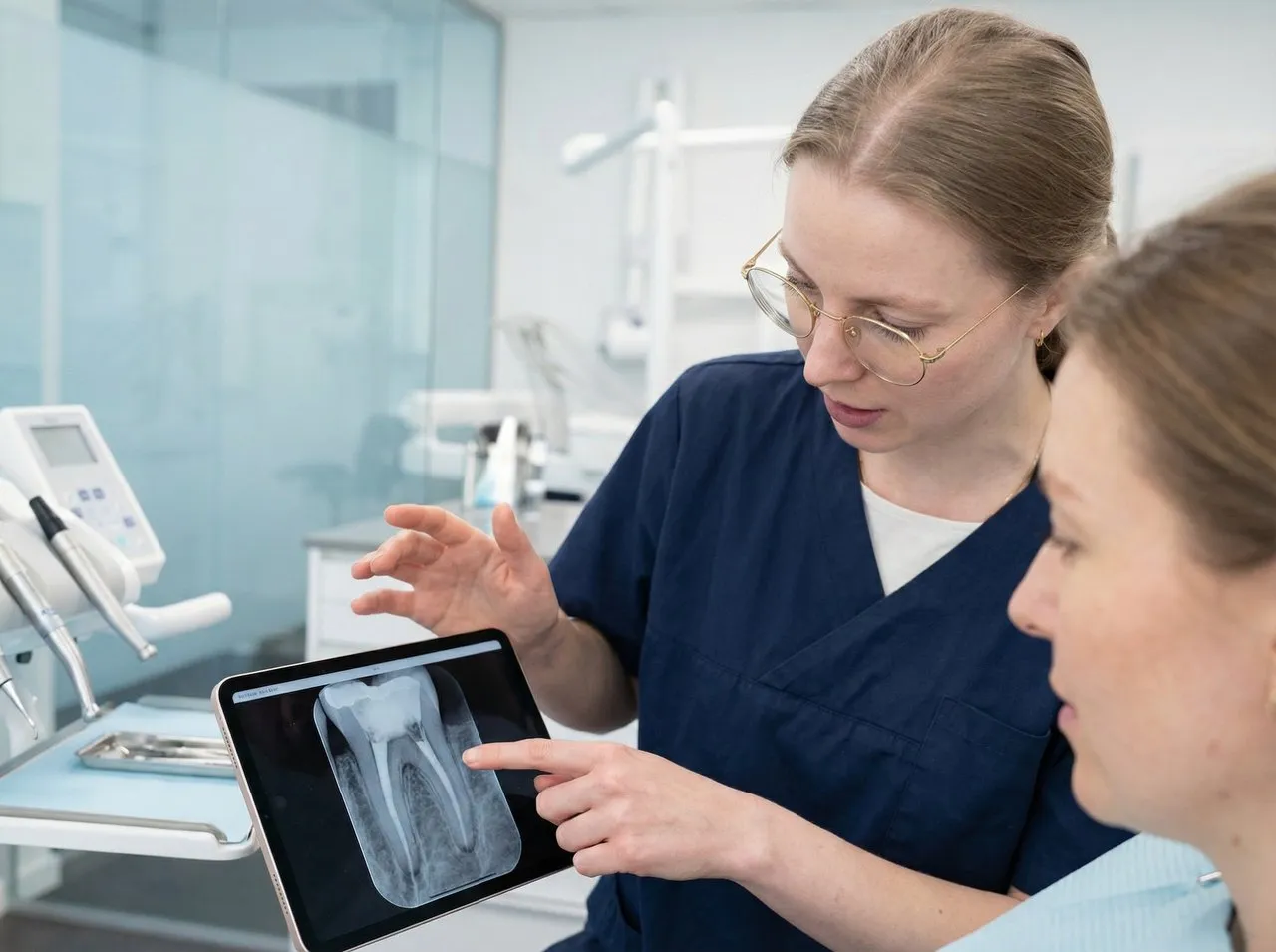
Why inflammation interferes with local anaesthesia
During acute inflammation, the tissue is often considerably more acidic. Local anaesthetics then find it harder to reach the nerve. In addition, increased blood flow washes the anaesthetic away more quickly. Many patients still feel pressure or pain despite the injection. This is particularly common with acute pulpitis. Severe periodontitis can also reduce its effectiveness.
Typical situations in the practice
Some teeth hurt at the slightest touch. The pain often feels throbbing and deep. Cold and heat are then frequently uncomfortable. An abscess can also make local anaesthesia more difficult. The swelling increases pressure in the tissue. The anaesthetic then spreads less effectively.
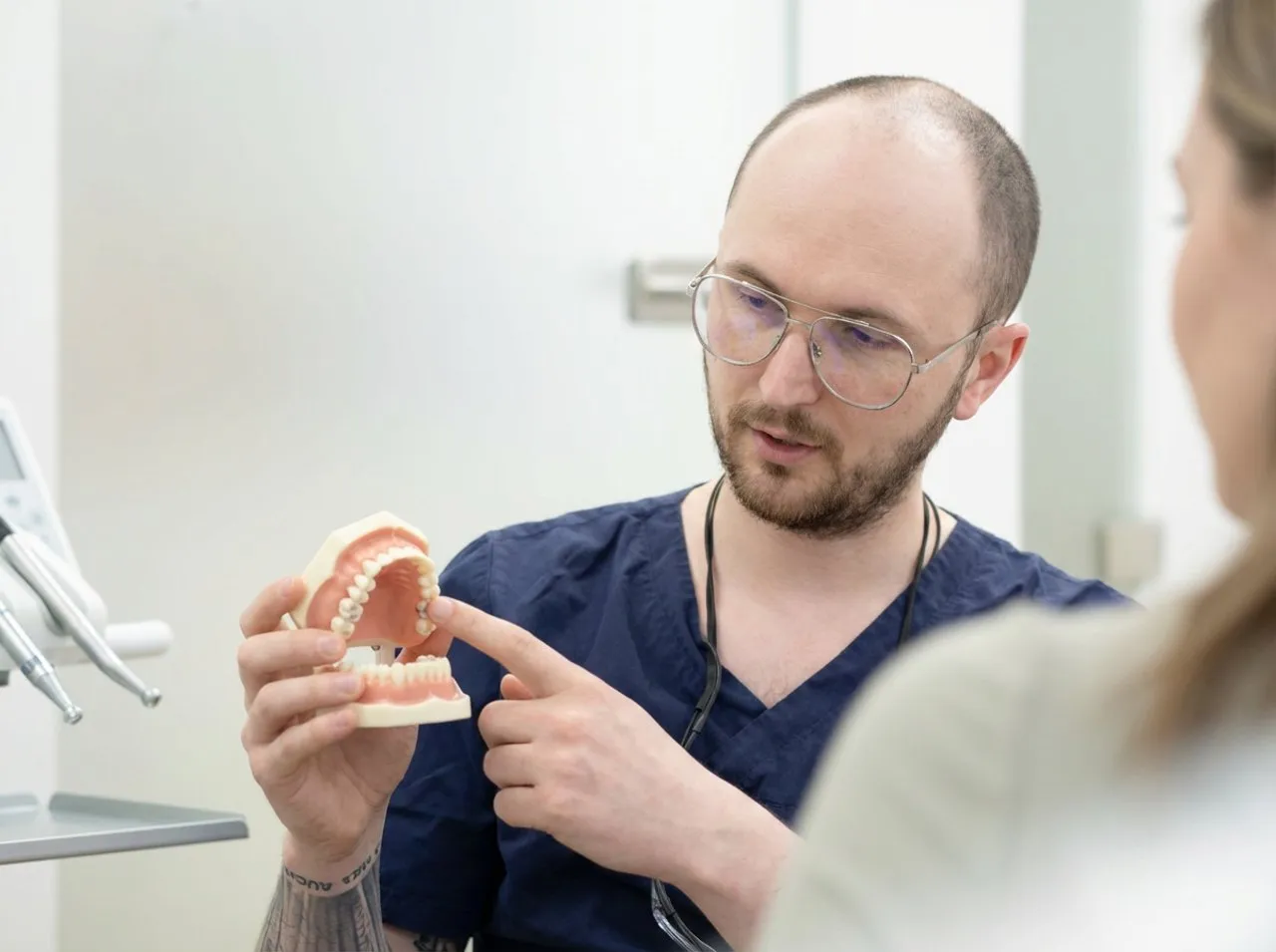
Which anaesthetic techniques can help
We begin with an examination and an X-ray. We then select the appropriate form of anaesthesia. The initial anaesthetic often needs to be supplemented. In the upper jaw, infiltration anaesthesia with articaine usually works very well. In the lower jaw, a nerve block is often necessary. If required, we supplement this with intraligamentary anaesthesia. In some cases, intraosseous anaesthesia is appropriate. It delivers the anaesthetic close to the nerve. This significantly increases the success rate. Sometimes intrapulpal anaesthesia may be an option. It works very quickly and precisely. We only use this technique when the conditions are suitable.
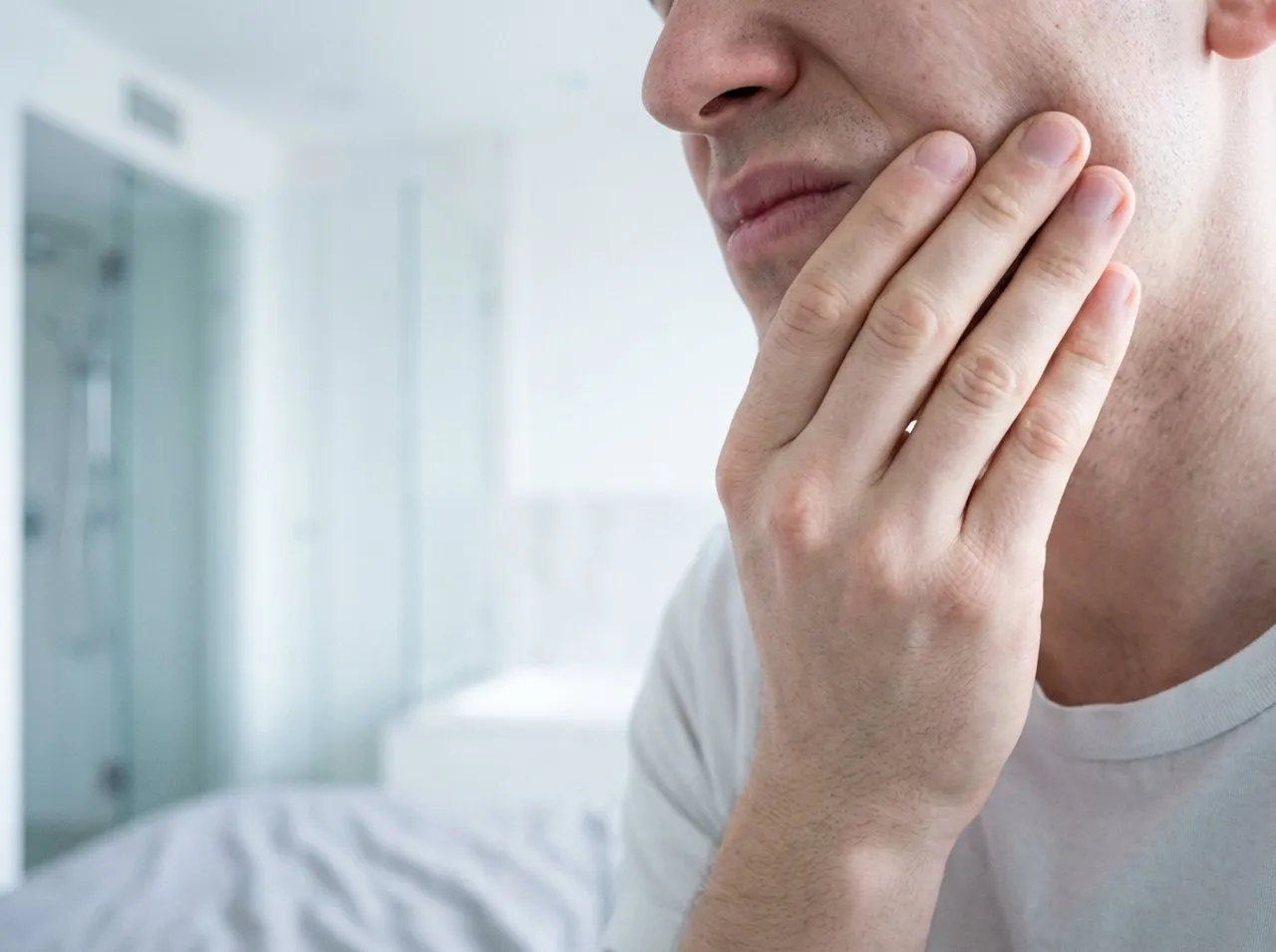
Can an inflamed tooth be extracted immediately?
In many cases, immediate extraction is possible. The extent of the inflammation is the deciding factor. Your general health is equally important. If there is significant swelling, we check how wide you can open your mouth. Fever or difficulty swallowing are warning signs. Prompt assessment is then necessary. Sometimes incision and drainage provide relief. This reduces pressure and pain. The extraction can then be carried out in a more controlled manner.
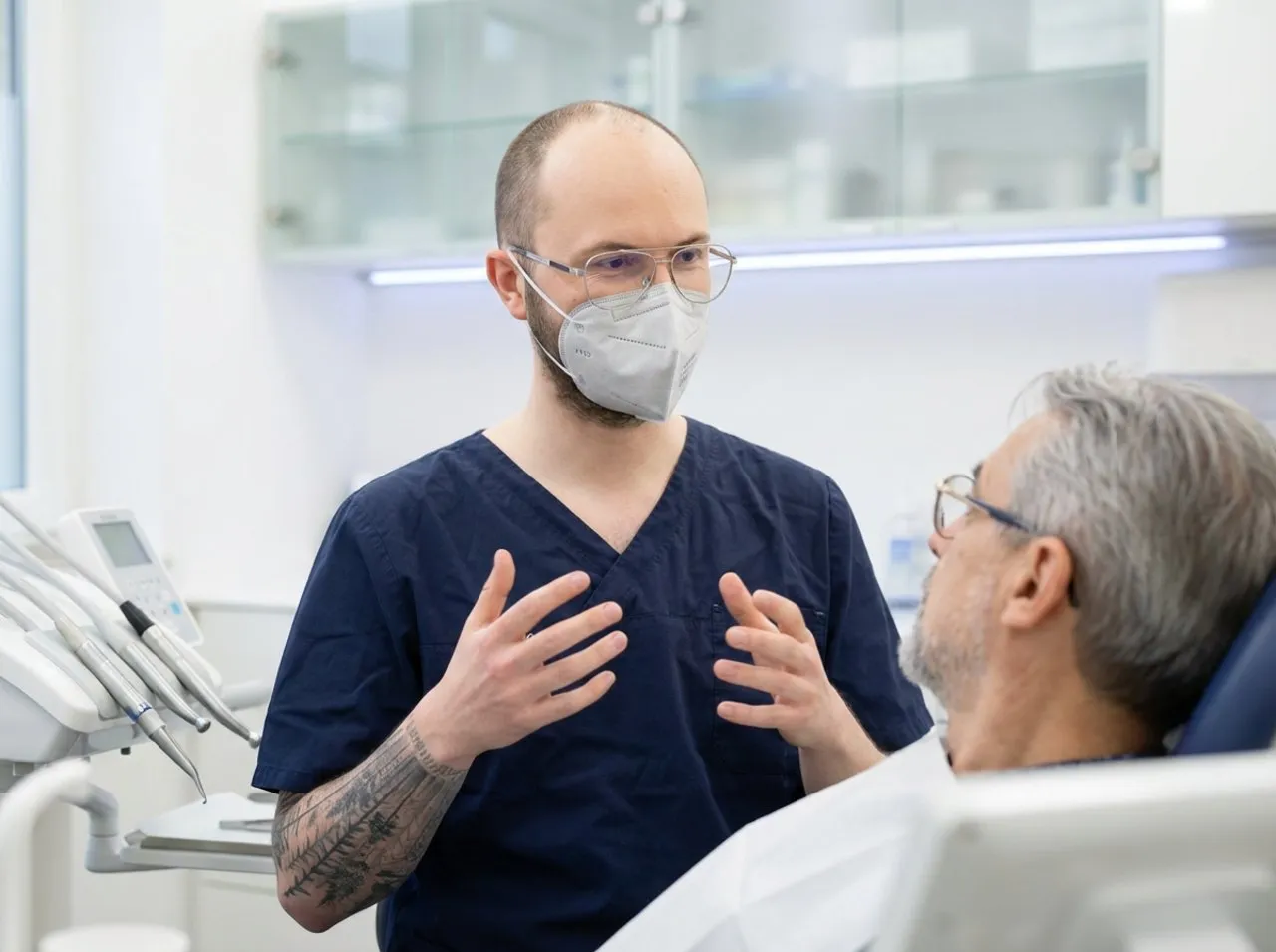
Pain relief is our priority
An extraction should not cause unnecessary pain. If the anaesthesia is insufficient, we stop. We then discuss the next steps. Additional anaesthetic at several points often helps. Allowing a little more time can also make a difference. We test its effectiveness before every step. If you have severe dental anxiety, sedation may be an option. Options include nitrous oxide or twilight sedation. Local anaesthesia is still required.
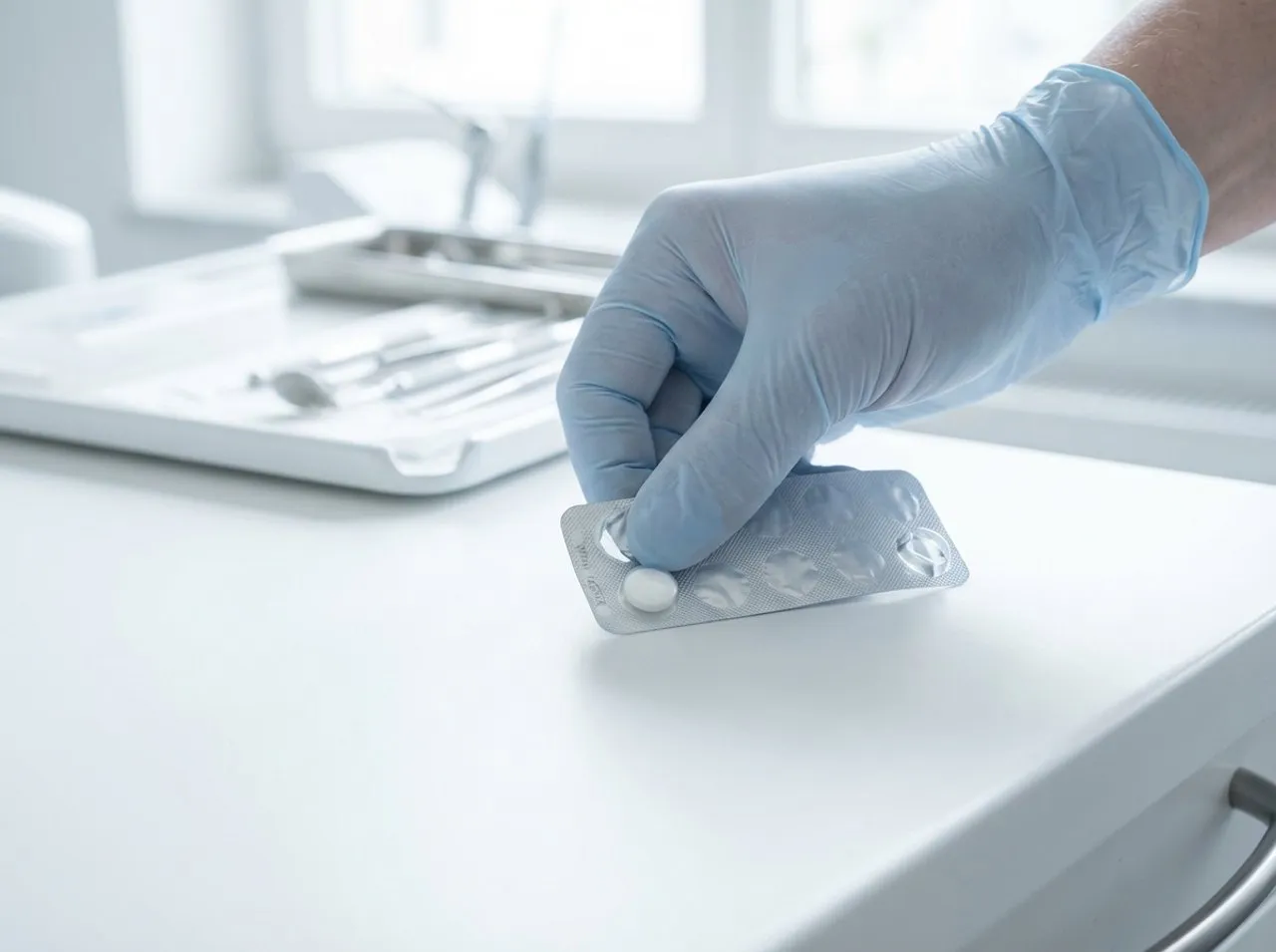
Which medicines are useful before an extraction
Anti-inflammatory painkillers can support local anaesthesia. Ibuprofen is often used if it is well tolerated. Taking it must be medically appropriate. Antibiotics are not always necessary. They are more important if there is fever or the inflammation is spreading. With localised inflammation, the cause is what matters. Please do not take anything on your own initiative. This also applies to blood thinners. We assess the risks before treatment.
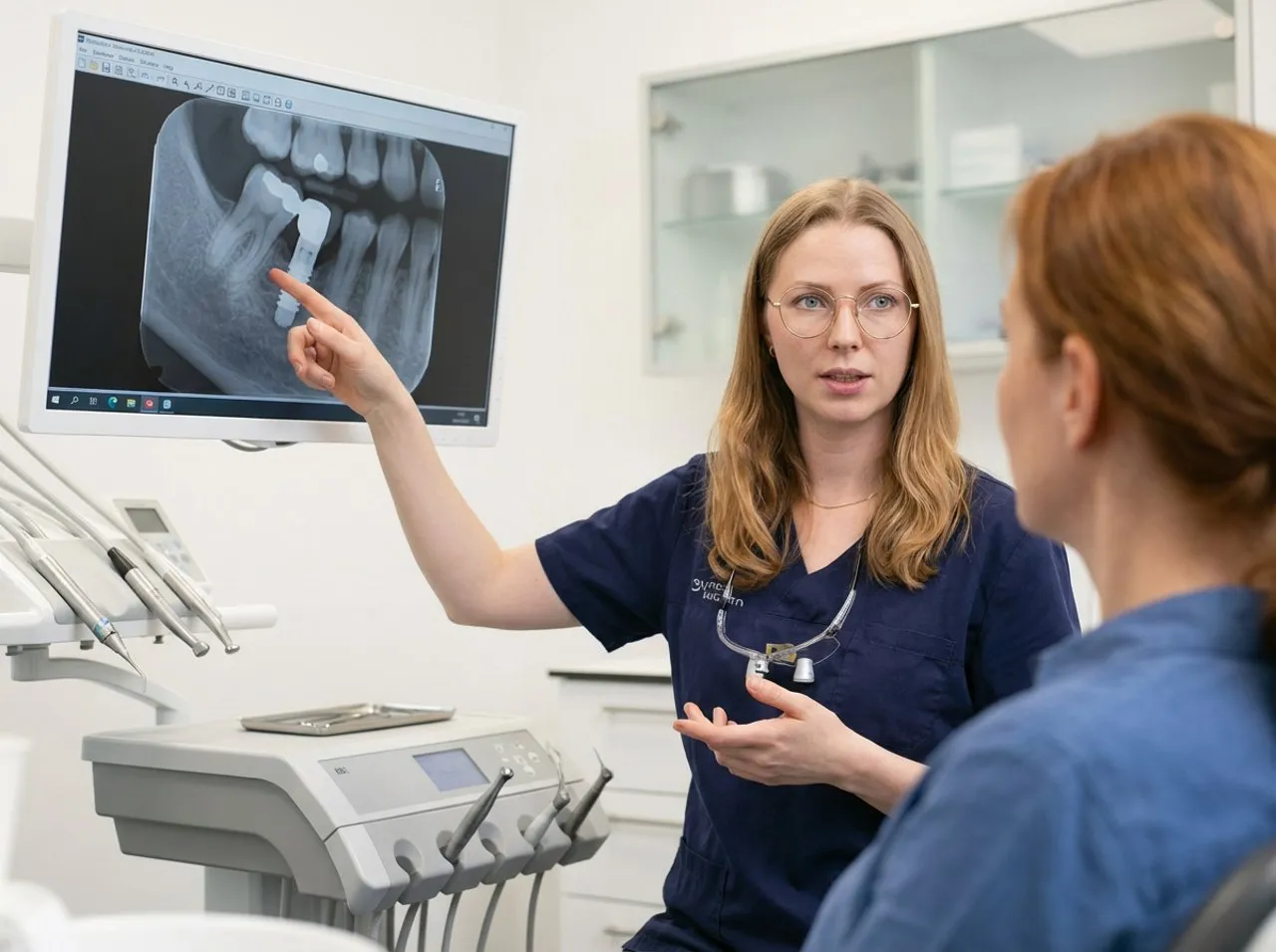
The treatment process at Wunschlachen
First, we determine the cause of your symptoms. We then discuss extraction and the alternatives. You will receive a clear explanation. We plan the anaesthesia individually and check that it is working. We then remove the tooth gently. Afterwards, we clean and treat the wound. You will receive clear aftercare instructions. Follow-up appointments are included. This reduces the risk of alveolitis and infection.
Alternatives to extraction when a tooth is inflamed
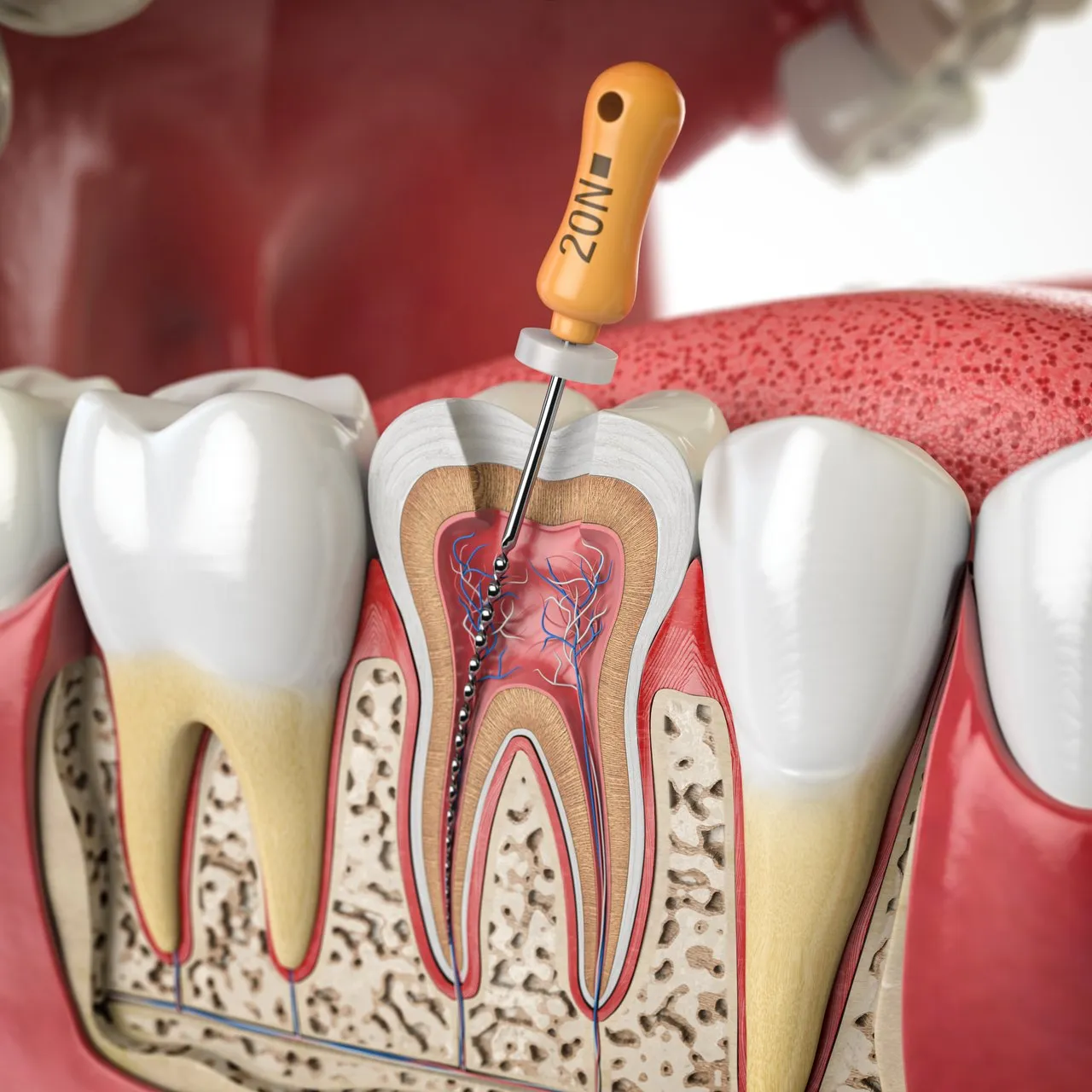
Not every inflamed tooth has to be removed. Often, root canal treatment is possible. This applies particularly to teeth that are worth preserving. With acute pulpitis, emergency treatment can provide relief. The pulp chamber is opened and rinsed. Definitive treatment follows afterwards. Periodontal treatment can also reduce symptoms. Sometimes tooth removal is still the best option. We decide this together with you.
After tooth extraction
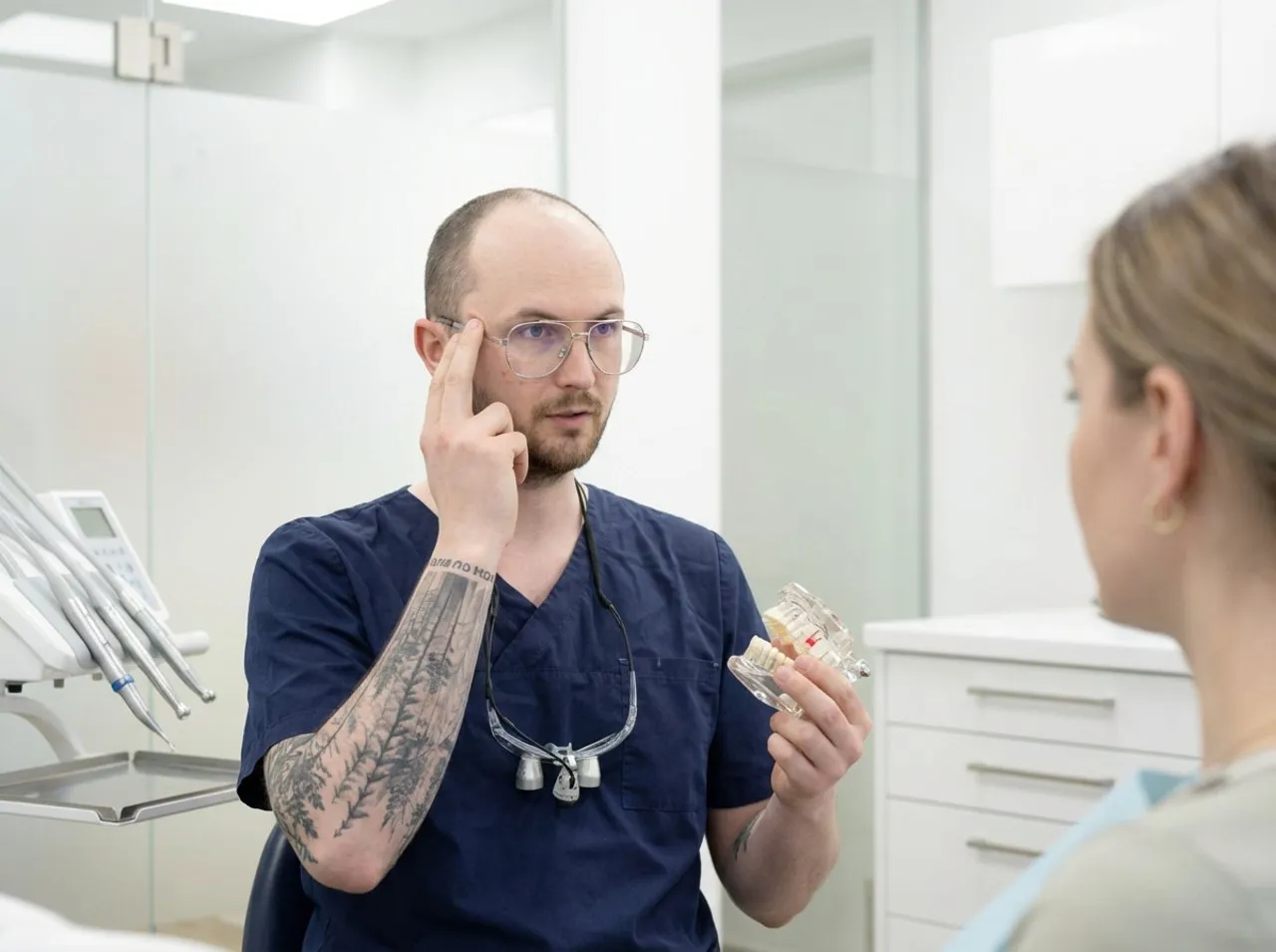
Cooling reduces swelling during the first few hours. Avoid sport and alcohol on the same day. Smoking increases the risk of impaired wound healing. Eat soft, lukewarm food at first. Only rinse gently after 24 hours. Good oral hygiene remains important. Heavy bleeding after the extraction is rare, but possible. Contact us immediately if bleeding persists. The same applies if swelling increases.
When you should act immediately
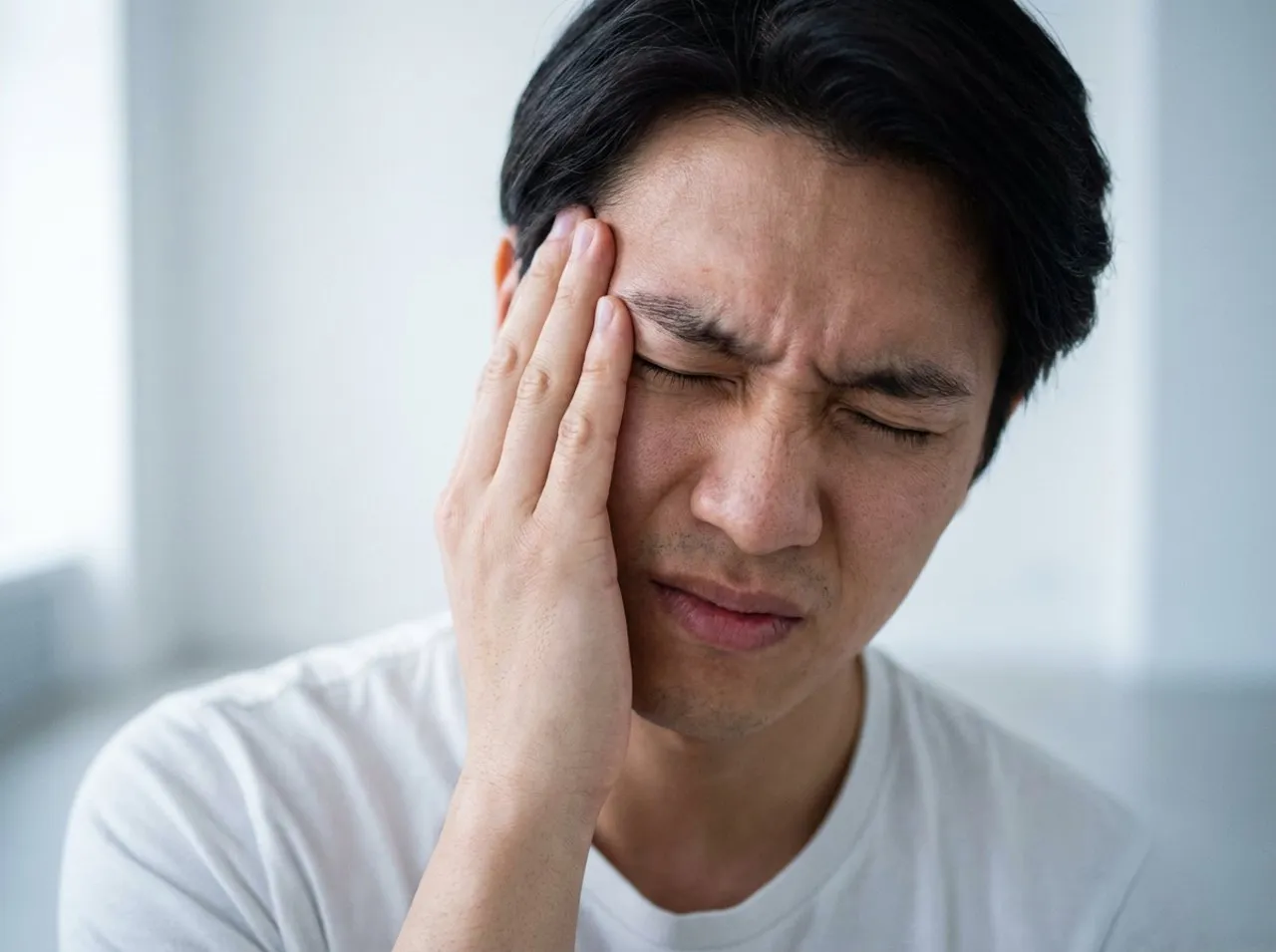
Seek help promptly if you have a fever and facial swelling. Difficulty opening your mouth can also be an emergency. Difficulty breathing is always a warning sign. If pain increases despite treatment, it needs to be checked. A dry, foul smell in the mouth may indicate alveolitis. Pus or numbness should be assessed.
Why choose Wunschlachen in Berlin
We treat acute toothache using clear procedures. Modern diagnostics support quick decisions. Our team works in a structured, patient-focused way. We prioritise gentle extraction and safe anaesthesia. Where necessary, we work with surgeons. This ensures that you receive appropriate care.
FAQ – Frequently asked questions
Inflammation lowers the pH in the tissue. This weakens local anaesthesia. As a result, the nerve remains more easily excitable.
Yes, provided the anaesthesia is sufficiently effective. Freedom from pain is our priority. Sometimes supplementary anaesthesia is needed.
A nerve block is usually necessary. Intraosseous anaesthesia can also help. The choice depends on the anatomy.
The anaesthetic is injected into the tissues supporting the tooth. The anaesthesia has a very localised effect. It is suitable as a supplement.
Not as a general rule. Antibiotics are more important when there are systemic signs. These include fever and spreading swelling.
It can reduce inflammation and pain. This may make the anaesthetic effect more stable. Medical suitability is essential.
Tell us immediately. We will stop the procedure and administer more anaesthetic. This is a standard safety practice.
No, sedation does not replace local anaesthesia. It reduces anxiety and stress. Pain must still be prevented.
Possible risks include bleeding after the extraction, swelling and alveolitis. The infection may also spread. Follow-up checks reduce the risk.
The soft tissue usually closes over within a few days. The bone takes several weeks. The duration depends on the wound and the inflammation.
Book your appointment now
We would be happy to advise you in person at our practice.