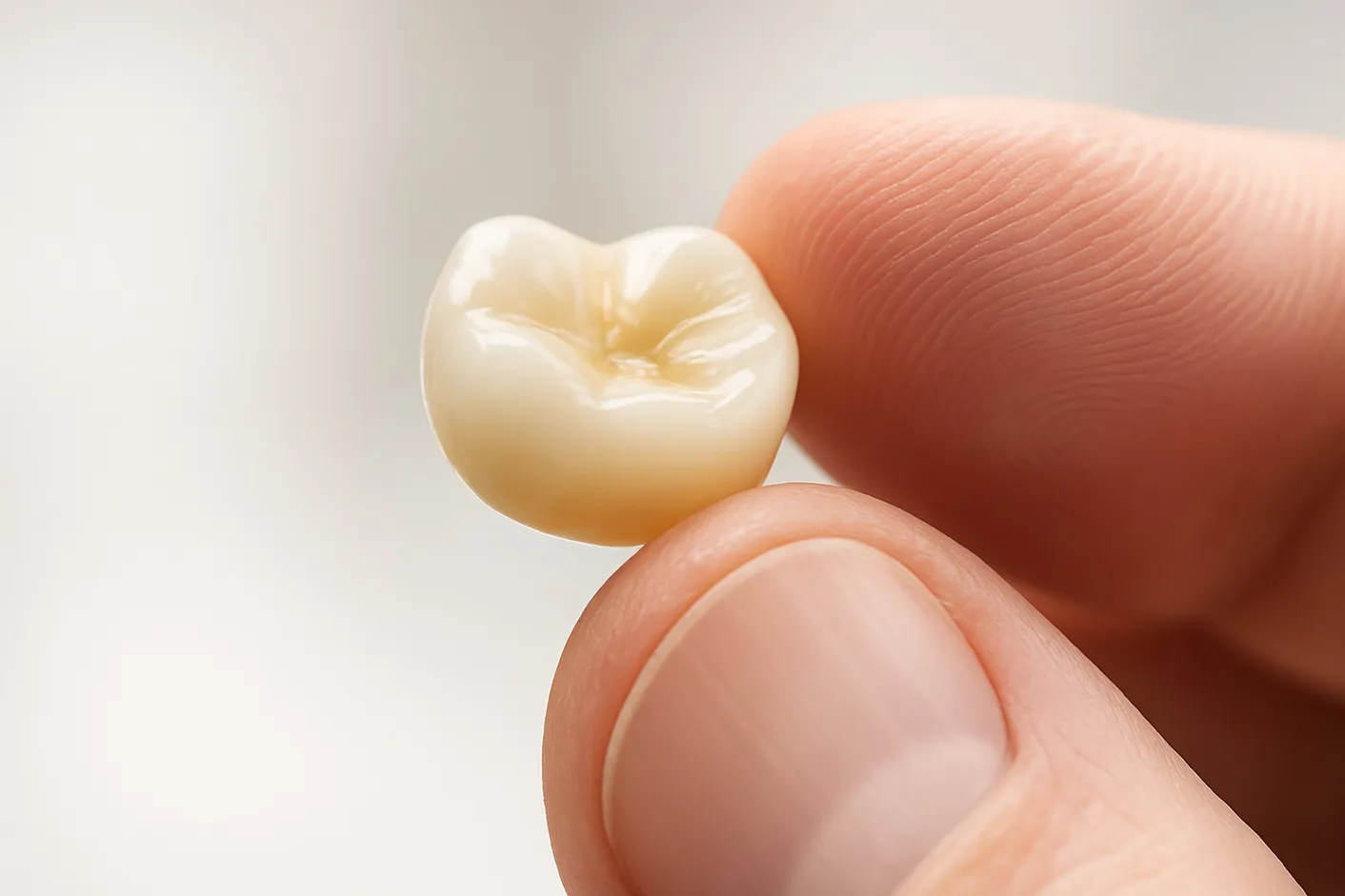
Root canal treatment fillings: everything you need to know
Root canal treatment is often necessary when the tooth root is inflamed or infected. This is usually due to tooth decay or other dental problems. During this treatment, the infected or inflamed tissue is removed, and the tooth is cleaned and sealed. An important component of the...
Über 350 Google-Bewertungen
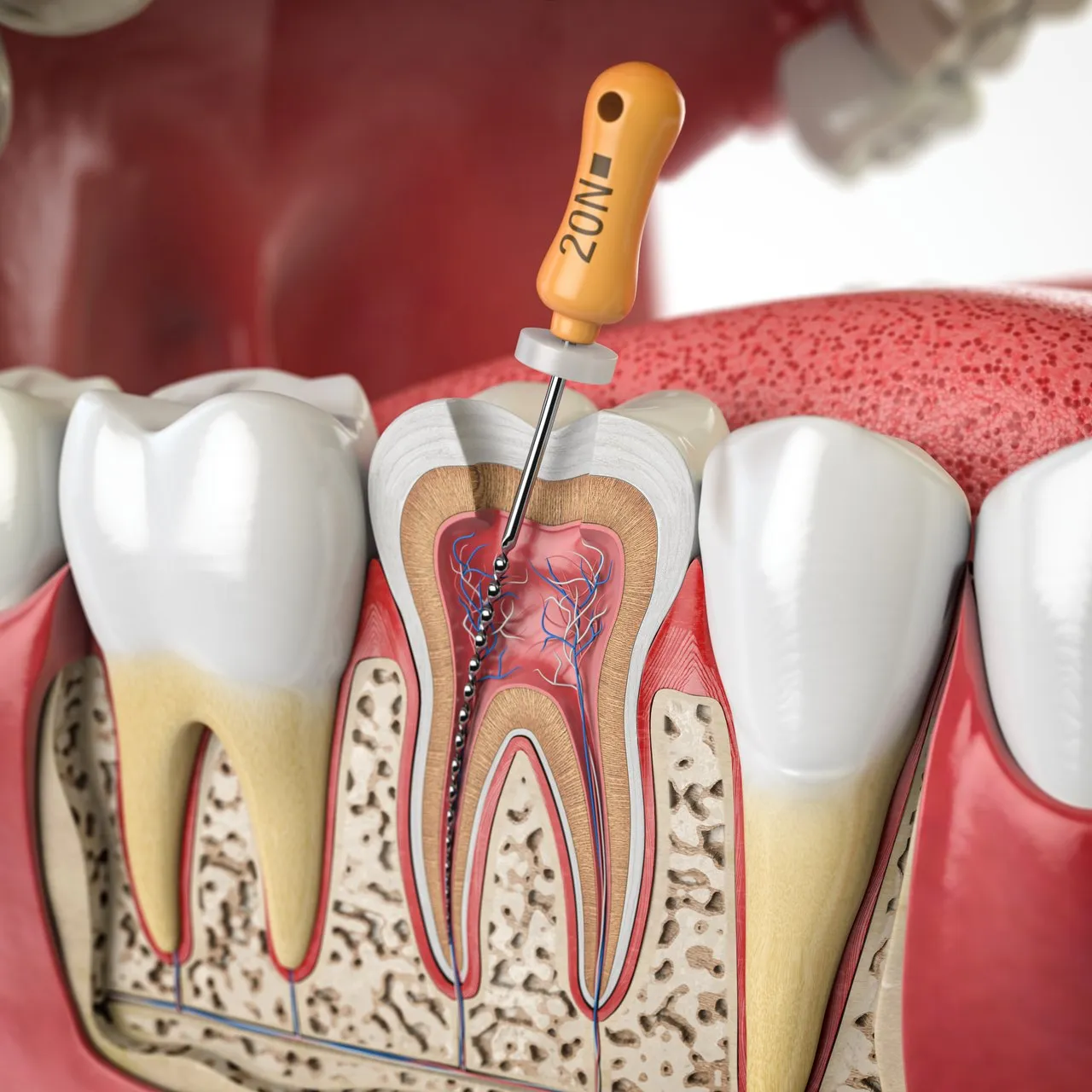
What is root canal treatment?
During root canal treatment, the inflamed or infected tissue inside the tooth is removed. This may be caused by tooth decay or other dental diseases that penetrate deep into the tooth. Once the infected tissue has been removed, the cavity is thoroughly cleaned and disinfected. After cleaning, the cavity inside the tooth is sealed with a special filling. This filling is crucial to the long-term success of the root canal treatment.
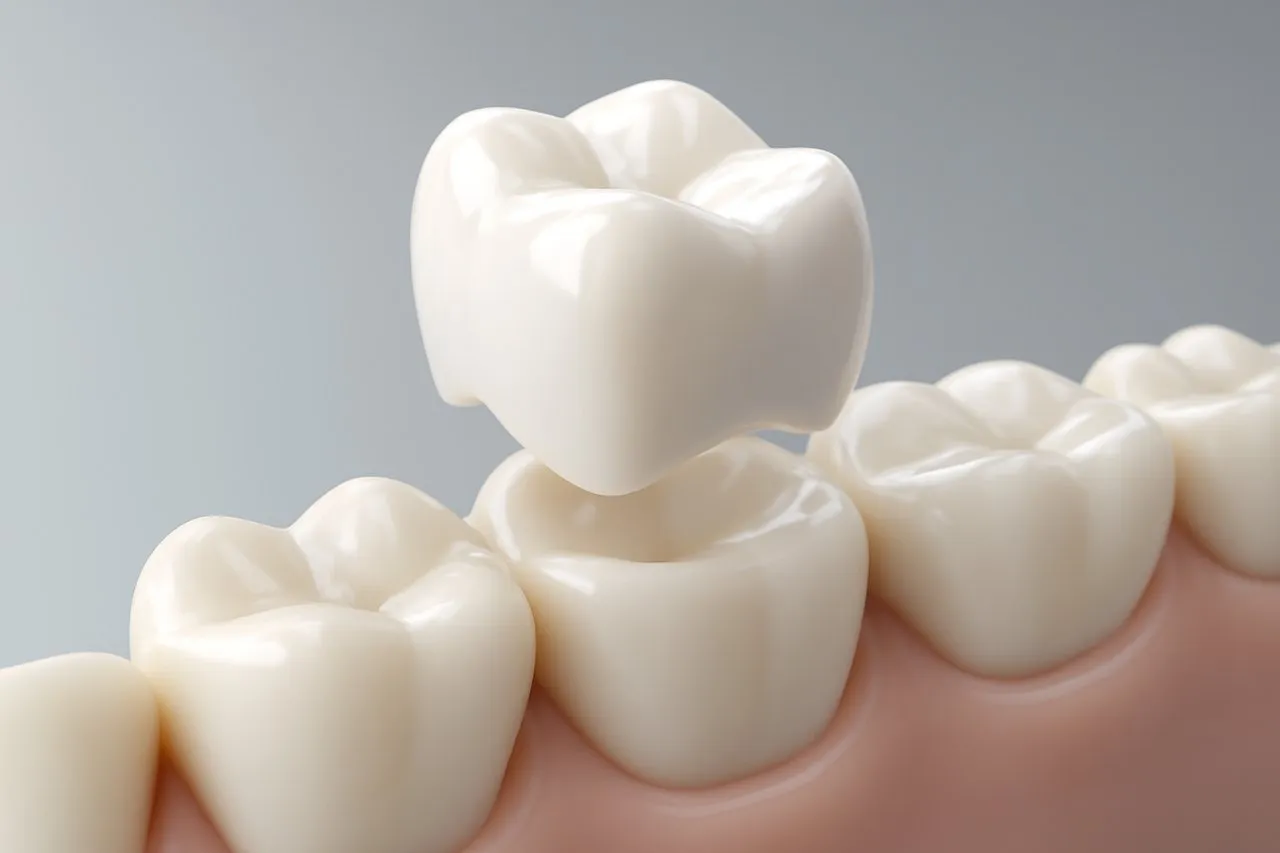
Fillings after root canal treatment: what types of fillings are available?
After root canal treatment there are various filling options. The filling is chosen according to the condition of the tooth and the patient's individual needs. The most commonly used materials for fillings after root canal treatment are: 1. Composite fillings: Composite fillings are made from a special plastic material. This is placed in the tooth cavity and then hardened under UV light. Composite fillings are particularly popular because they look natural and blend in well with the tooth's natural appearance. 2. Ceramic fillings: Ceramic fillings are very durable and aesthetically appealing because they look natural. They are generally used to treat teeth that are subjected to heavy strain, such as the molars. These fillings offer not only aesthetic benefits but also high resistance to wear. 3. Gold fillings: Gold is another robust material used for fillings. Gold fillings are very durable, but they are expensive and less discreet because they are not tooth-coloured. However, they offer the best durability and resistance to wear.
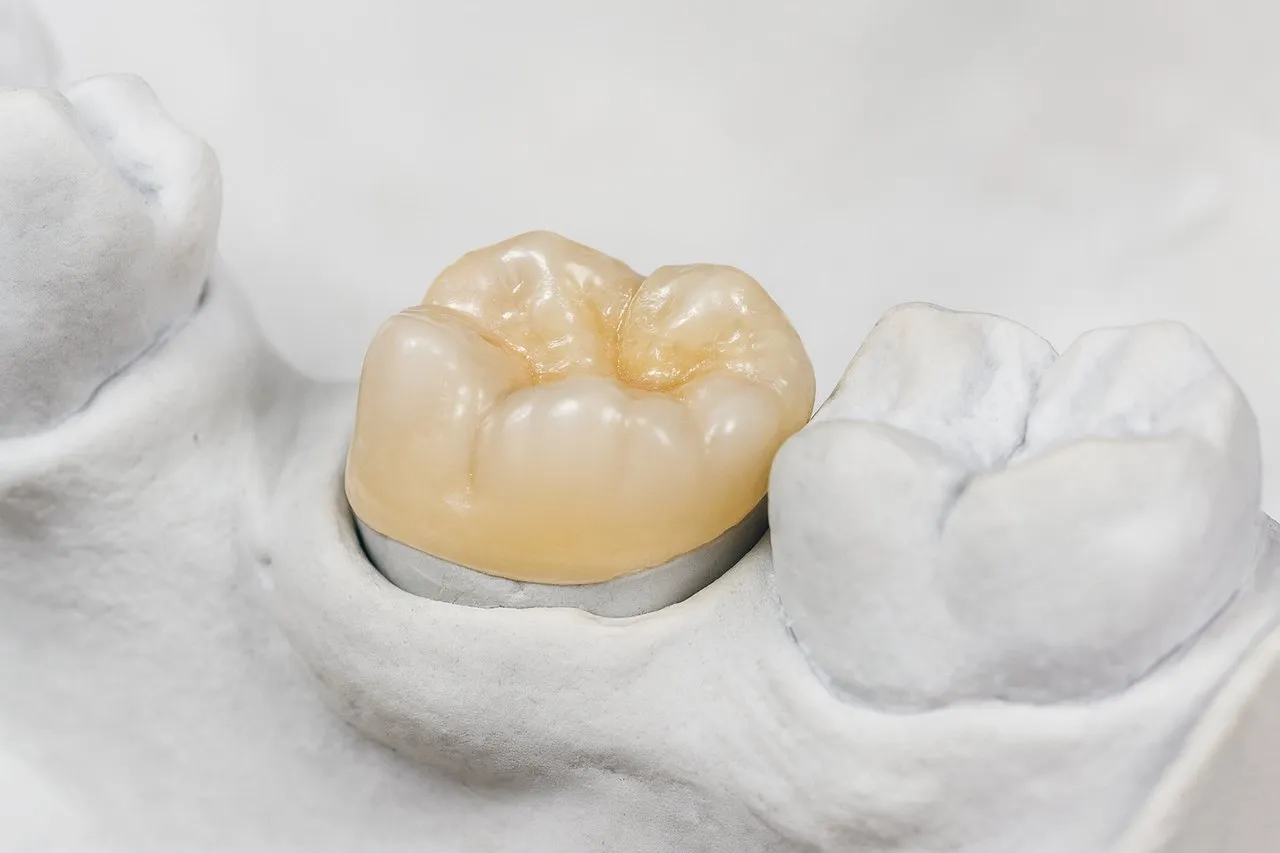
Temporary filling after root canal treatment
In some cases, it is first necessary to place a temporary filling in the tooth. This is particularly the case when treatment is carried out in multiple stages or over several appointments. A temporary filling protects the tooth from further infection and seals it temporarily. Temporary fillings are not as durable as permanent fillings. They should be replaced with a permanent filling once the tooth has fully healed. However, this temporary solution prevents bacteria from entering the tooth and causing another infection.

How long does a filling last after root canal treatment?
The durability of the filling depends on various factors. These include the material used, the size of the filling and how well the tooth is cared for. Composite fillings generally last 5 to 7 years. Ceramic and gold fillings can last up to 15 years or longer. It is important to note that the durability of the filling after root canal treatment also depends on correct oral hygiene. Regular brushing, flossing and dental visits are essential.

What to do after root canal treatment and a filling
After root canal treatment, patients should follow a few guidelines to support healing and protect the filling. Mild pain or sensitivity may occur in the first few days after treatment. However, these symptoms can usually be relieved with painkillers and cooling. It is recommended that you avoid hard or sticky foods for a short time after treatment. You should also avoid chewing on the treated side for the first few days after treatment. In the weeks following treatment, it is important to maintain good oral hygiene. Regular check-ups with the dentist ensure that the tooth and filling remain in good condition.
Frequently asked questions about root canal fillings
A root canal filling is the step in which the tooth is sealed with a filling material after root canal treatment. This ensures stability and prevents reinfection.
A temporary filling is generally used when root canal treatment is carried out over several appointments or when the tooth still needs to heal.
Root canal treatment generally takes 60 to 90 minutes. However, this can vary depending on the tooth and its condition.
Durability depends on the filling material. Composite fillings last approximately 5-7 years, while ceramic and gold fillings can last up to 15 years or longer.
Root canal treatment is carried out under local anaesthetic, so the procedure itself is painless. Mild pain may occur after treatment, but this can be controlled with painkillers.
It is recommended that you do not eat solid or hot foods for the first few hours after treatment.
If no filling is placed, the tooth can become infected again.
Good oral hygiene, including regular brushing and flossing, helps protect the tooth and filling.
In rare cases, root canal treatment can fail, leading to another infection. In such cases, further treatment or even removal of the tooth may be necessary.
Yes, regular dental visits are important to ensure that the tooth heals well and no new problems arise.
Book your appointment now
We would be happy to advise you in person at our practice.