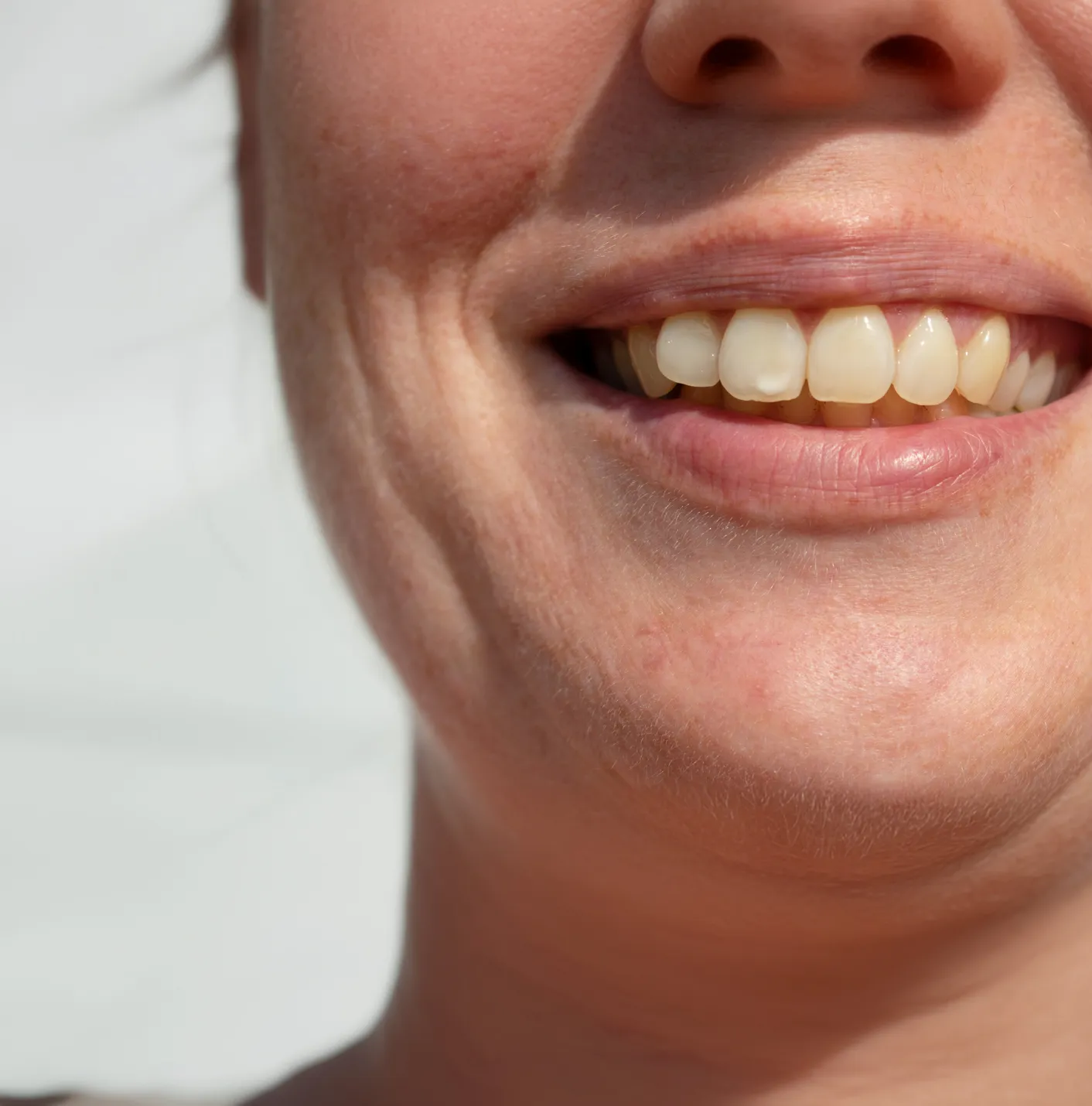
Fluorosis – spots on the teeth
Fluorosis, also known as fluorosis dentaria, is a change in the tooth enamel. It develops while the teeth are forming. Affected teeth have light or brownish spots and appear chalky or irregularly coloured. Many patients confuse fluorosis with...
Über 350 Google-Bewertungen
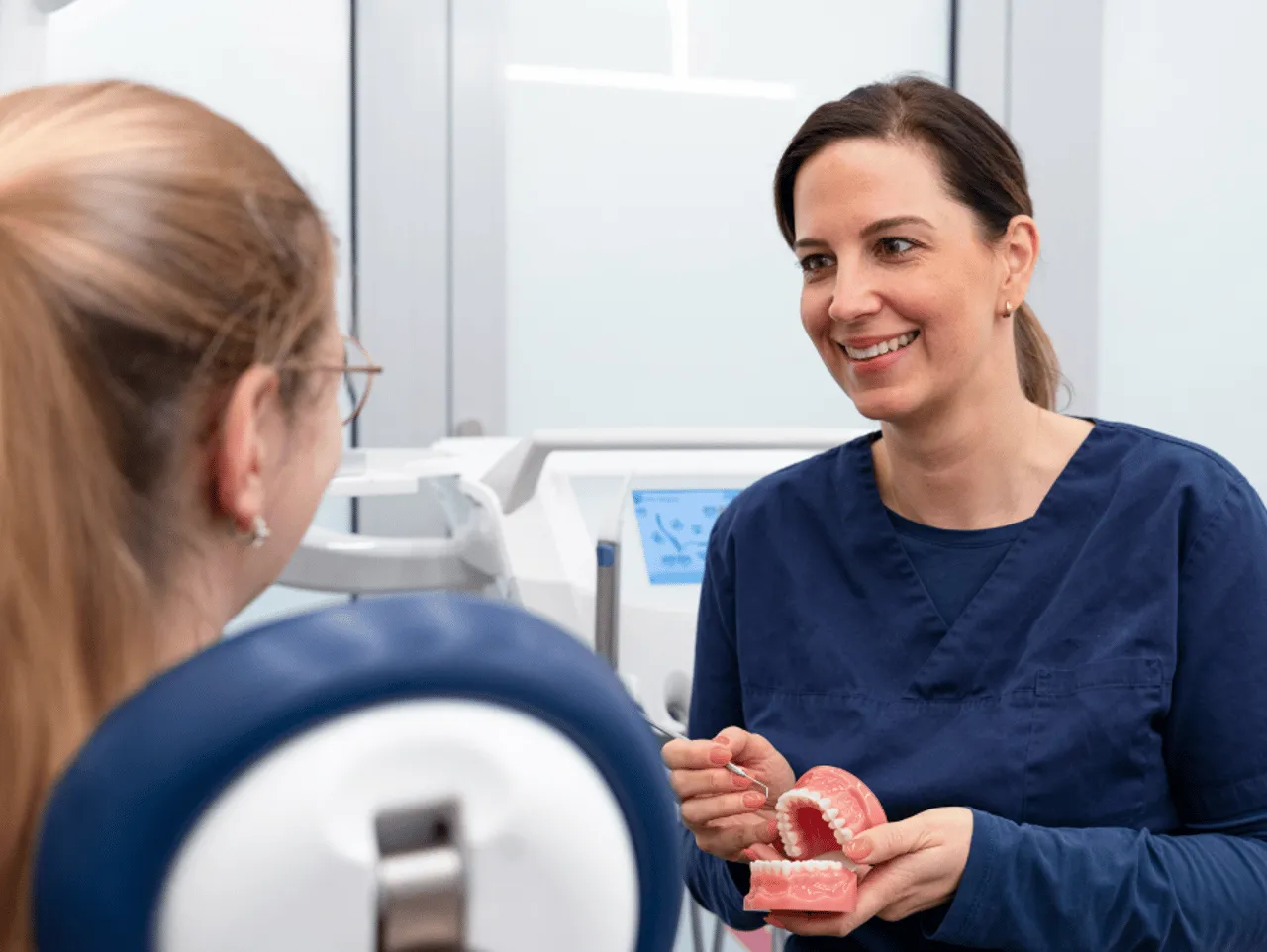
What is fluorosis?
Fluorosis is caused by excessive fluoride intake during tooth development, typically in childhood up to around the age of eight. During this time, the permanent teeth are still beneath the gums in the jawbone. If the body receives too much fluoride during this phase, enamel formation may be disrupted. Drinking water or fluoride-containing toothpaste may be possible causes.
This disturbance later appears as white, yellowish or brownish spots on the teeth. In some cases, grooves or small pits are even visible. At Wunschlachen, we remove these fluorosis spots using modern procedures. Gently and aesthetically.
Chalky teeth or fluorosis – what is the difference?
In our day-to-day practice, we often hear the question: are these chalky teeth or fluorosis? Both conditions cause patchy teeth with porous enamel. The major difference, however, lies in the cause.
• Fluorosis is caused by too much fluoride during tooth development.
• Chalky teeth (molar incisor hypomineralisation, MIH), on the other hand, have other causes. Environmental toxins, febrile illnesses in early childhood or vitamin D deficiency are possible reasons. However, the exact cause of chalky teeth is not yet fully understood.
Fluorosis usually appears symmetrically on several teeth, whereas chalky teeth often affect only individual teeth. The first permanent molars and the incisors are typically affected.

Chalky teeth – causes, symptoms and treatment
The causes of chalky teeth are varied and are still the subject of current research. In addition to environmental influences, genetic factors are also considered potentially possible. Chalky teeth are particularly common in children between the ages of six and ten, when the permanent teeth erupt.
Typical symptoms:
• Porous, crumbly tooth enamel
• Yellowish-brown discolouration
• Sensitivity to cold, heat or sweet foods
What should you do about chalky teeth? Firstly, early diagnosis is important. In our practice, we can identify chalky teeth as early as the milk-teeth stage and initiate suitable protective measures.
We treat chalky teeth with methods including:
• Special filling materials
• Sealants
• Fluoride preparations (in the correct dosage)
• Crowns for severely damaged teeth
We are also your point of contact for aesthetic and functional dental care if you have chalky teeth in adulthood.
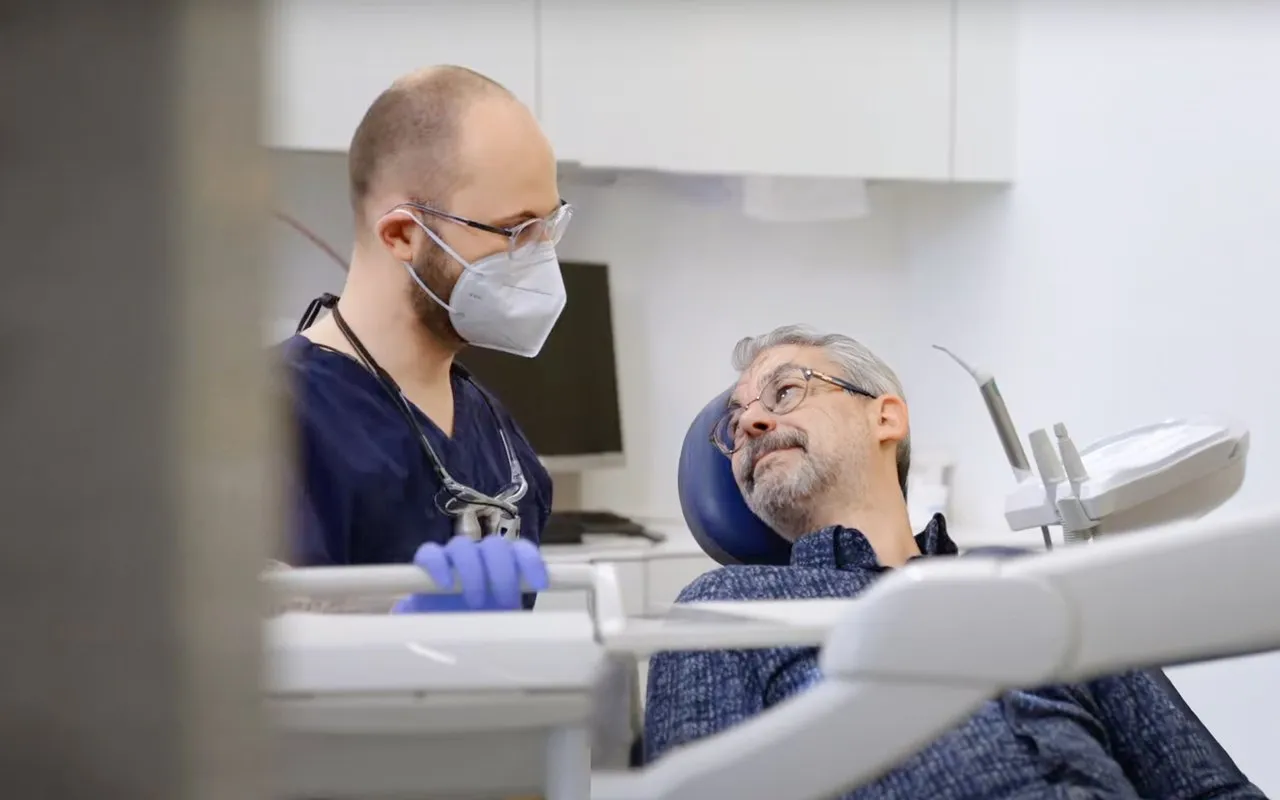
Treating fluorosis – combining aesthetics and protection
Many patients find the spots on their teeth bothersome. In our practice, we can remove fluorosis spots. Various methods are used:
A thin layer of tooth enamel is removed, reducing or eliminating superficial spots.
A professional whitening treatment can even out slight colour differences without damaging the tooth. With fluorosis, however, it may be necessary to combine whitening with other treatments.
If the discolouration is more pronounced, we conceal it with aesthetic veneers or colour-matched composite fillings. This creates an even, natural-looking smile.
The cost of removing fluorosis spots varies depending on the method and severity. We would be happy to advise you individually and transparently in a personal consultation.

How can fluorosis and chalky teeth be prevented?
The correct dosage of fluoride is central to preventing fluorosis. For children, pay attention to:
• The recommended fluoride intake according to age
• Child-friendly toothpaste with a low fluoride concentration
• No additional fluoride without medical advice
Unfortunately, there is no guaranteed protective measure against chalky teeth. The exact causes have not yet been conclusively researched. Nevertheless, a healthy diet, sufficient vitamin D, protection against infections and dental care from an early age can be beneficial.

Wunschlachen – your practice for healthy and beautiful teeth
Whether chalky teeth in milk teeth, fluorosis in permanent teeth or other aesthetic dental problems – we at Wunschlachen in Berlin help you and your family with experience, empathy and state-of-the-art dentistry. Book a consultation now and let us work together to find the best solution for healthy teeth.
FAQ – frequently asked questions about fluorosis and chalky teeth
Chalky teeth are thought to be caused by environmental factors, fever, vitamin D deficiency or medication during tooth development. A balanced diet is important.
Fluorosis usually affects many teeth symmetrically and appears as light spots. Chalky teeth often affect individual teeth and are yellowish and crumbly. A dental diagnosis is crucial.
Regular check-ups, fluoride sealants, protective crowns or fillings. We provide individual advice.
Yes, if they were not identified or treated in childhood, they remain an issue in adulthood.
Yes, for example with microabrasion, whitening or veneers, depending on severity.
In the correct dosage, fluoride is important for preventing tooth decay. However, an overdose in childhood can lead to fluorosis.
Ensure that children have an age-appropriate fluoride intake and do not use supplements without consulting a healthcare professional.
The cost of removing fluorosis spots depends on the method. Simple whitening treatments are less expensive than veneers. We provide transparent advice.
They can be sensitive to pain, particularly from cold, heat or sweet foods. Early treatment of chalky teeth helps to prevent discomfort.
Low-fluoride toothpaste is crucial for children. Fluoride remains beneficial for adults. We will provide you with an individual recommendation.
No, fluorosis spots cannot be removed by whitening. For a harmonious result, we recommend the Icon method.
Book your appointment now
We would be happy to advise you in person at our practice.