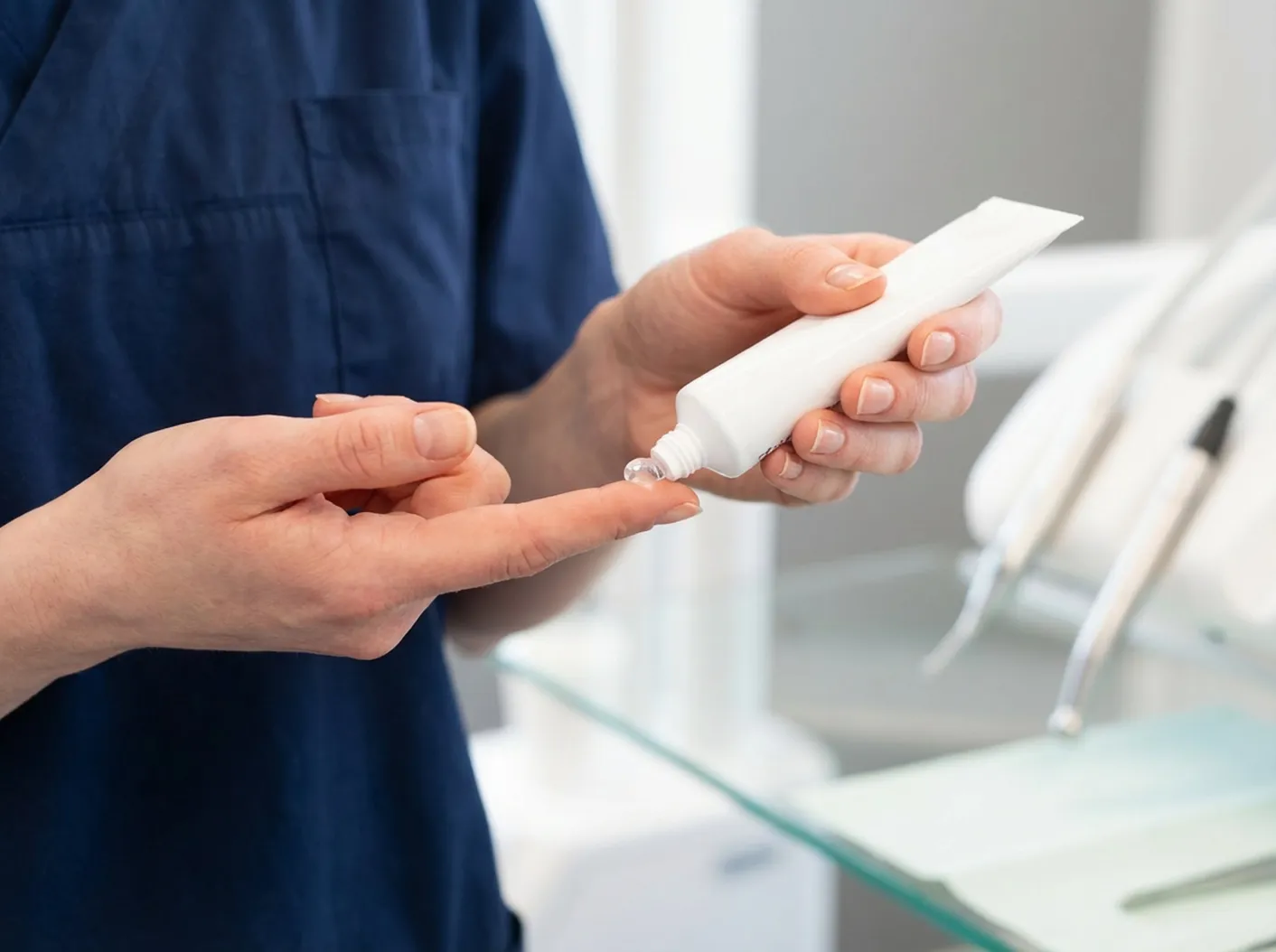
Gel for gums – application and effects
A gel for the gums is a local medicine. It is applied directly to the gums, allowing symptoms to be relieved in a targeted way. The products usually contain anti-inflammatory or antiseptic active ingredients. These care for the delicate oral mucosa. Gum preparations are...
Über 350 Google-Bewertungen

When is a gum preparation useful?
A special gum treatment is suitable for mild to moderate symptoms. Typical signs include redness, swelling or a feeling of pressure. Sensitive gums can also benefit. However, it is important to distinguish between these conditions. Severe pain or fever are warning signs. In such cases, a preparation like this must not be the only solution.

Common gum symptoms
The following often indicate gingivitis: • The gums are red and bleed easily. • Brushing your teeth quickly causes pain. Irritation is also possible after a professional dental cleaning. The same applies after a new filling has been placed. A soothing oral care gel can help here.

Acute inflammation vs chronic problems
Bacteria are usually the cause of acute gingivitis. Dental plaque builds up at the gumline, causing the tissue to become inflamed. A product for gingivitis can reduce bacteria. Antiseptic ingredients inhibit their growth, supporting the body's healing process. Self-treatment alone is usually not enough for chronic problems, which are often caused by periodontitis. In such cases, systematic treatment by a dentist is necessary.

Active ingredients and effects of gum preparations
The exact composition depends on the preparation. Many oral care gels contain antiseptic substances, such as chlorhexidine or cetylpyridinium. Other products use plant extracts. Camomile, sage and myrrh are commonly used. These plants have mild anti-inflammatory effects. The correct concentration of active ingredients is important. Excessively high doses can irritate the mucous membrane. Always follow the instructions for use.

Antiseptic and anti-inflammatory ingredients
Antiseptic gum products reduce the number of germs. This is particularly helpful for bacterial inflammation. Symptoms may subside more quickly. Anti-inflammatory ingredients also reduce swelling. The pressure in the tissue eases and pain often decreases significantly.
Soothing and caring ingredients
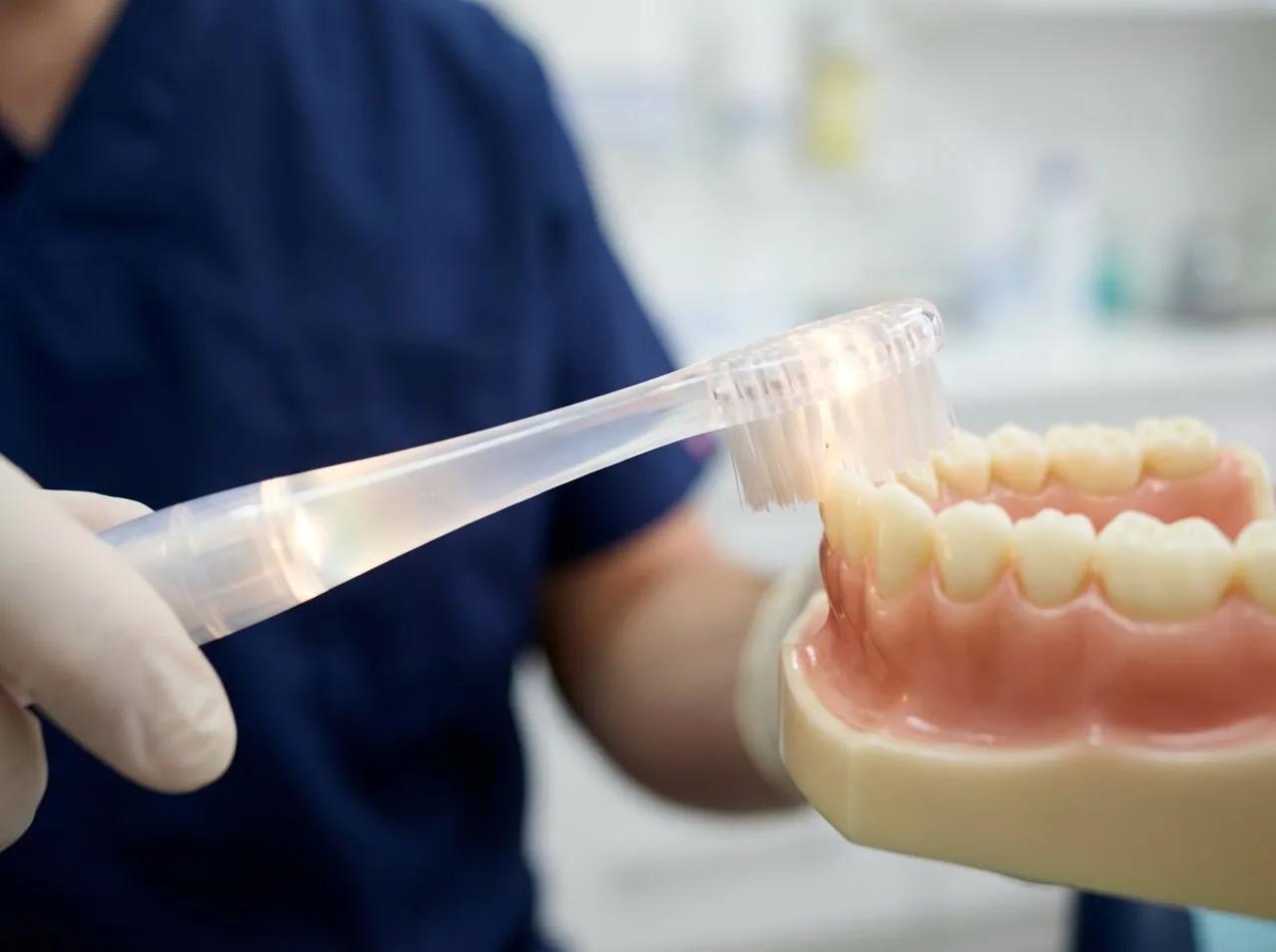
Many oral care products also contain caring ingredients. Dexpanthenol or hyaluronic acid support healing. They stabilise the mucosal barrier. Cooling gum creams can also be soothing. They ease acute pain. Some preparations contain mild local anaesthetics. These can be very helpful in the short term. However, they do not treat the underlying cause of the symptoms.

How to use oral care gel for gums
Application is simple but requires care. First, brush your teeth thoroughly. Then rinse your mouth. Next, gently dab your gums dry. Now apply a small amount of the preparation, ideally with clean fingers or a cotton bud. Allow the product to work for a short time. Avoid eating or drinking during this time. This keeps the concentration of active ingredients sufficiently high.
Step-by-step instructions
• First: carry out your oral hygiene routine. • Second: carefully locate the affected areas. • Third: apply a thin layer of oral care gel. • Fourth: keep your lips as still as possible. Fifth: observe the recommended contact time. Sixth: follow the instructions in the patient information leaflet. If you are unsure, ask your dental practice. At Wunschlachen in Berlin, we are happy to advise you. Together, we will find the right gum product for you.

How often should the preparation be used?
Frequency depends on the particular product. Many gum preparations are used two to three times a day. Some products are only suitable for short periods. Antiseptic oral care gels are usually intended for limited use. Using them for too long can disrupt the oral flora. This can lead to discolouration or changes in taste. Care products without strong active ingredients are more flexible and can often be used for longer. Nevertheless, it is advisable to consult your dentist.

Risks, side effects and limitations
Even seemingly harmless oral care products can have side effects. Local irritation or allergies are possible. Burning and dryness occur occasionally. Anyone with known allergies should check the ingredients. If in doubt, consult the patient information leaflet. If you are uncertain, it is important to seek medical advice. A gum treatment is no substitute for a diagnosis. Heavy bleeding or loose teeth are warning signs. A dental examination is always necessary in these cases.
Professional treatment at Wunschlachen
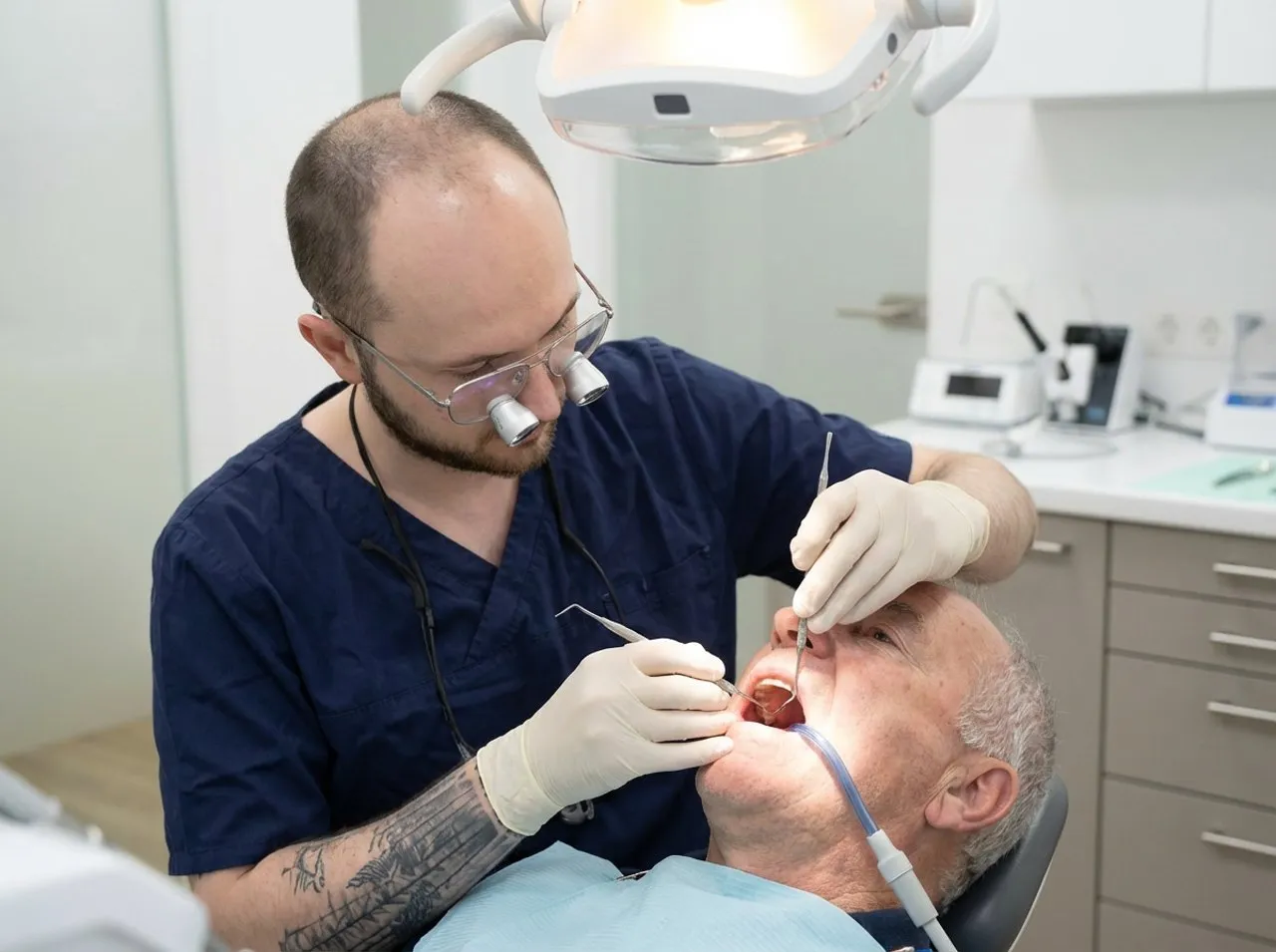
At the Wunschlachen dental practice, we examine all of your gums. We check whether there is superficial irritation or a deeper underlying condition. For mild gingivitis, we can recommend suitable oral care gels. We also show you the correct brushing technique so that the tissue can recover. If periodontitis is present, we plan systematic treatment. Professional dental cleaning plays a central role in this. A topical gum preparation may also be useful as a supplementary measure.

Conclusion: when you should see a dentist
A gel for gums can bring considerable relief. It relieves pain and supports healing. This is particularly helpful for mild symptoms. If the problems last longer than a few days, you should take action. The same applies to severe pain or bad breath. A dental examination is then important. At our Wunschlachen practice in Berlin, we are happy to support you. We identify the cause of your symptoms and find a suitable treatment for your gums.
FAQ – Frequently asked questions about gel for gums
Gum gel helps with mild inflammation and irritation. It relieves pain and swelling.
Yes, many products are available without a prescription. However, for more severe symptoms, we recommend seeking advice.
Antiseptic oral care gels are usually intended for limited use. This is typically a few weeks.
Many preparations are safe to use. However, you should always seek advice during pregnancy.
It can relieve symptoms in the short term. However, it does not treat the disease itself.
Special preparations are available for children. These are formulated at a milder strength.
Stop using it. Rinse your mouth with water.
It works mainly on the gums. Deep toothache usually requires different treatment.
Yes, many preparations soothe the tissue. They can promote healing after treatment.
If you have persistent pain, bleeding or swelling. Also if you have bad breath or loose teeth.
Book your appointment now
We would be happy to advise you in person at our practice.