
Gold tooth costs in Berlin: prices, subsidies and your own contribution
A gold tooth is durable and very stable. The costs depend primarily on the material, laboratory work and complexity. The health insurance fund pays a fixed subsidy, leaving an amount for you to pay.
Über 350 Google-Bewertungen
What does ‘gold tooth’ mean in dentistry?
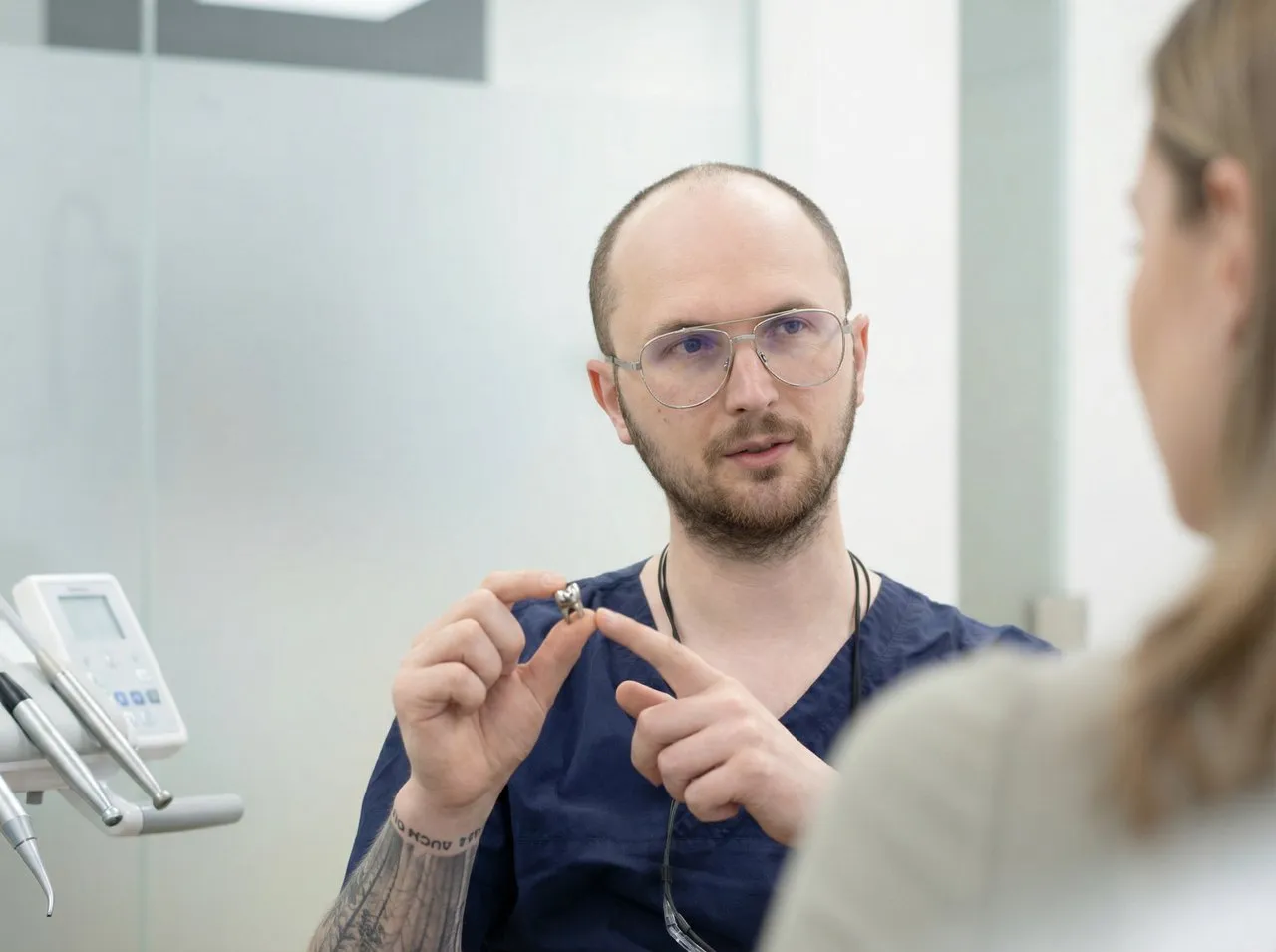
‘Gold tooth’ usually refers to a gold crown or a gold inlay. Both are made from a gold alloy, not pure gold. Gold is well proven and is considered to provide a very precise marginal fit.

What types of gold dental restorations are available?
A full cast gold crown is often used on a molar. It is robust and does not require a ceramic layer. Alternatives include a partial crown, gold inlays or onlays. A veneered gold crown has a tooth-coloured veneer on the outside. This looks more natural but is more complex. As a result, laboratory costs and often the fee increase.

Which factors determine gold tooth costs?
The most important price factor is the amount of precious metal. This depends on the shape of the tooth and the required wall thickness. The gold price also directly affects material costs. Secondly, the work involved at the practice matters. This includes preparation, taking an impression or scan, and fitting the restoration. Preliminary treatments increase the total amount noticeably. Thirdly, the laboratory plays a major role. Casting, finishing and achieving the right fit require skilled manual work. The more complex the case, the higher the invoice.

Typical price ranges for gold crowns and gold inlays
A gold crown is often in the mid-to-higher price range. As a rough guide, treatment starts at 600 euros. It can cost more with a large amount of gold or a veneer. A gold inlay can cost about the same as a crown. Prices start at 500 euros. The key factors are size, position and margin design. These figures are guide prices, not flat rates. Your individual clinical findings determine the actual price. Transparent planning is therefore essential.
Gold price and alloy: why do costs fluctuate?
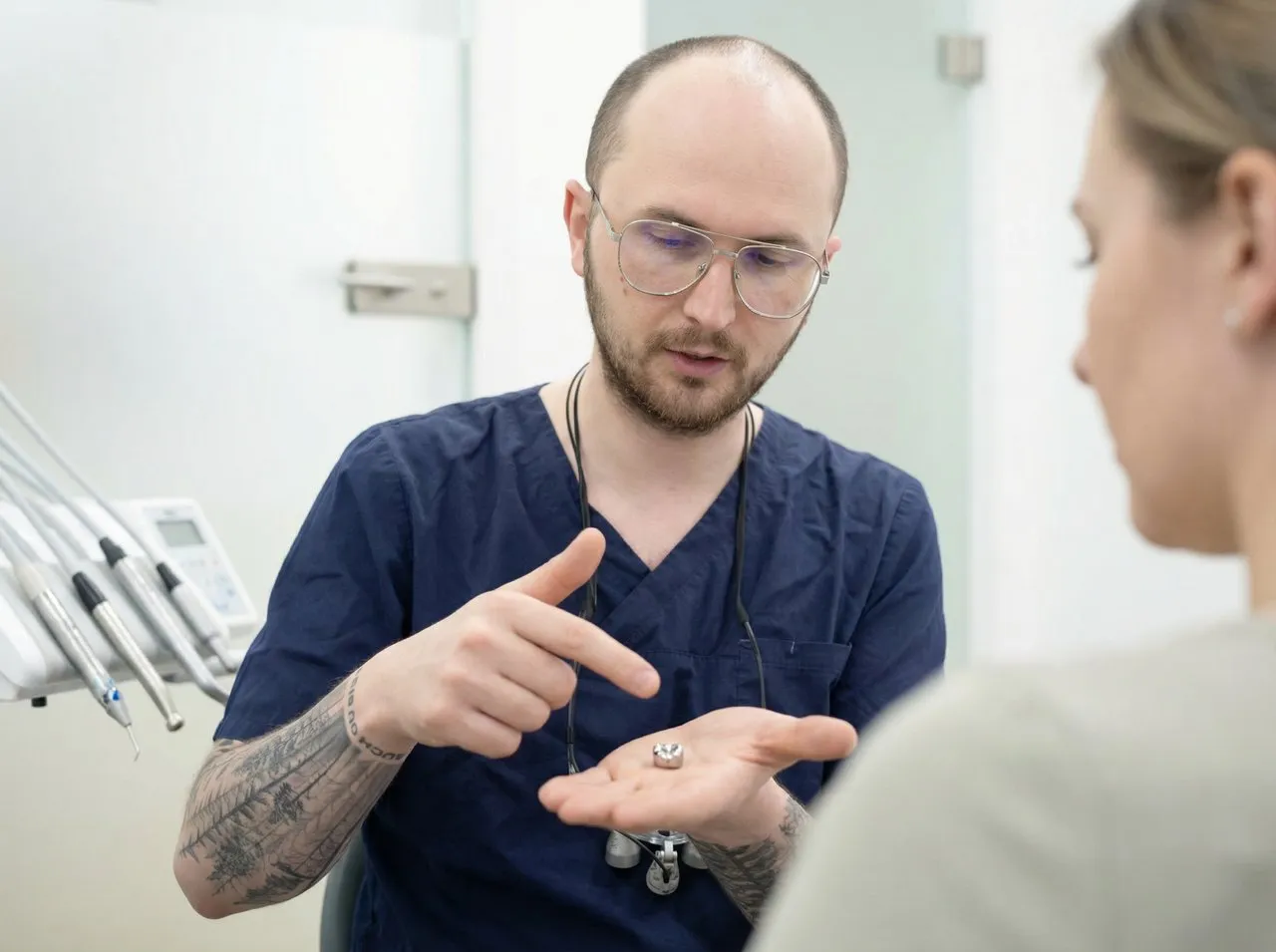
Gold is processed into alloys, for example high-gold alloys. The exact proportion affects hardness and workability. The material value fluctuates with the market price. Some laboratories calculate prices daily by weight. Others use mixed calculations over a period of time. This is why quotes can differ despite covering the same treatment.
What does health insurance cover for a gold tooth?
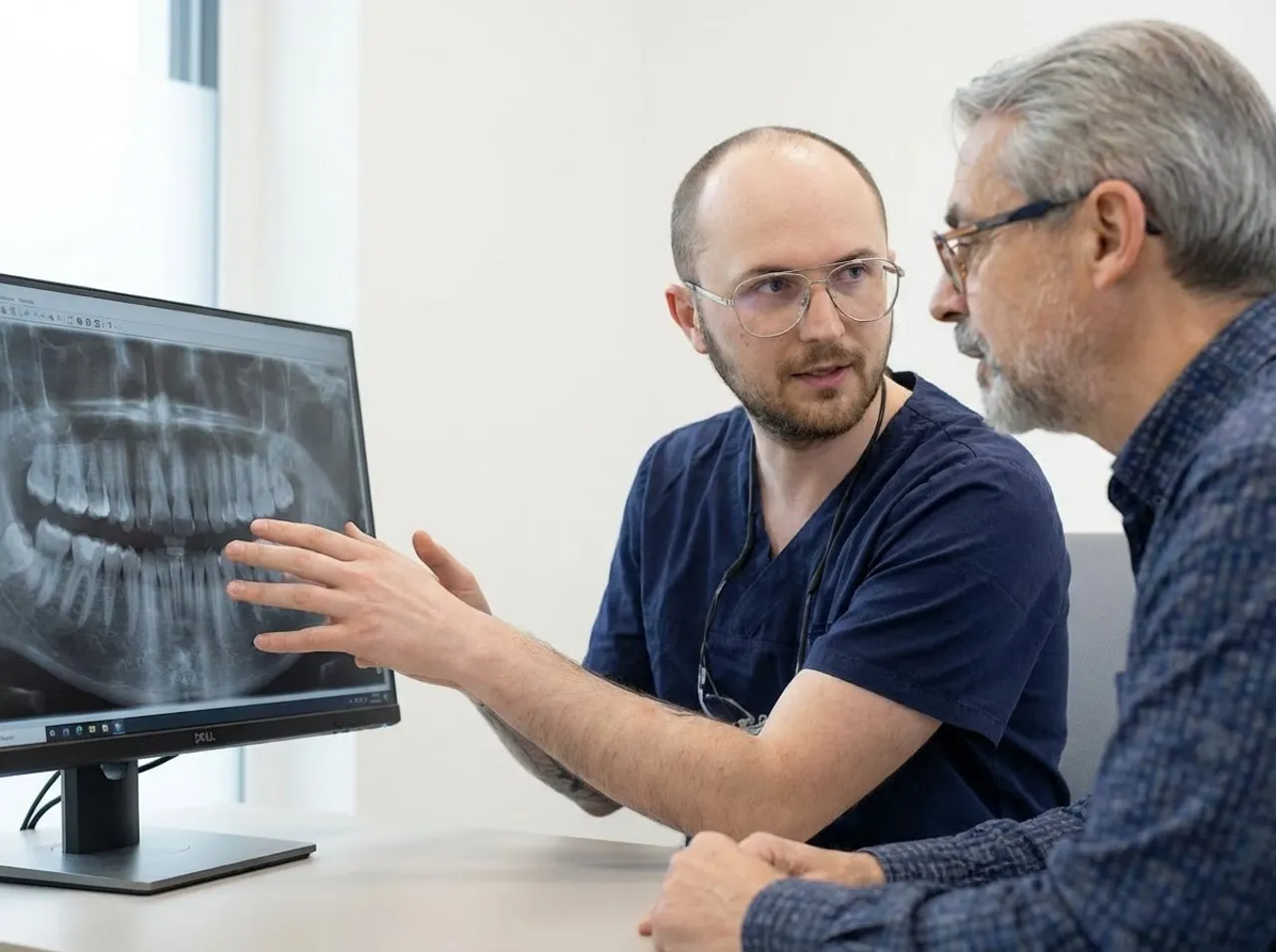
For people with statutory health insurance, the fixed subsidy based on clinical findings applies. It is based on standard care, not on your preferred material. Gold is usually not one of the cheapest standard options. The fixed subsidy can increase with the bonus booklet. Regular check-ups increase the subsidy noticeably. The remainder is your own contribution and is itemised in advance. Private plans and supplementary insurance often reimburse more. This depends strictly on the contract, waiting period and reimbursement rate. We are happy to help with the paperwork and correct submission.
Gold tooth on a molar or a front tooth?
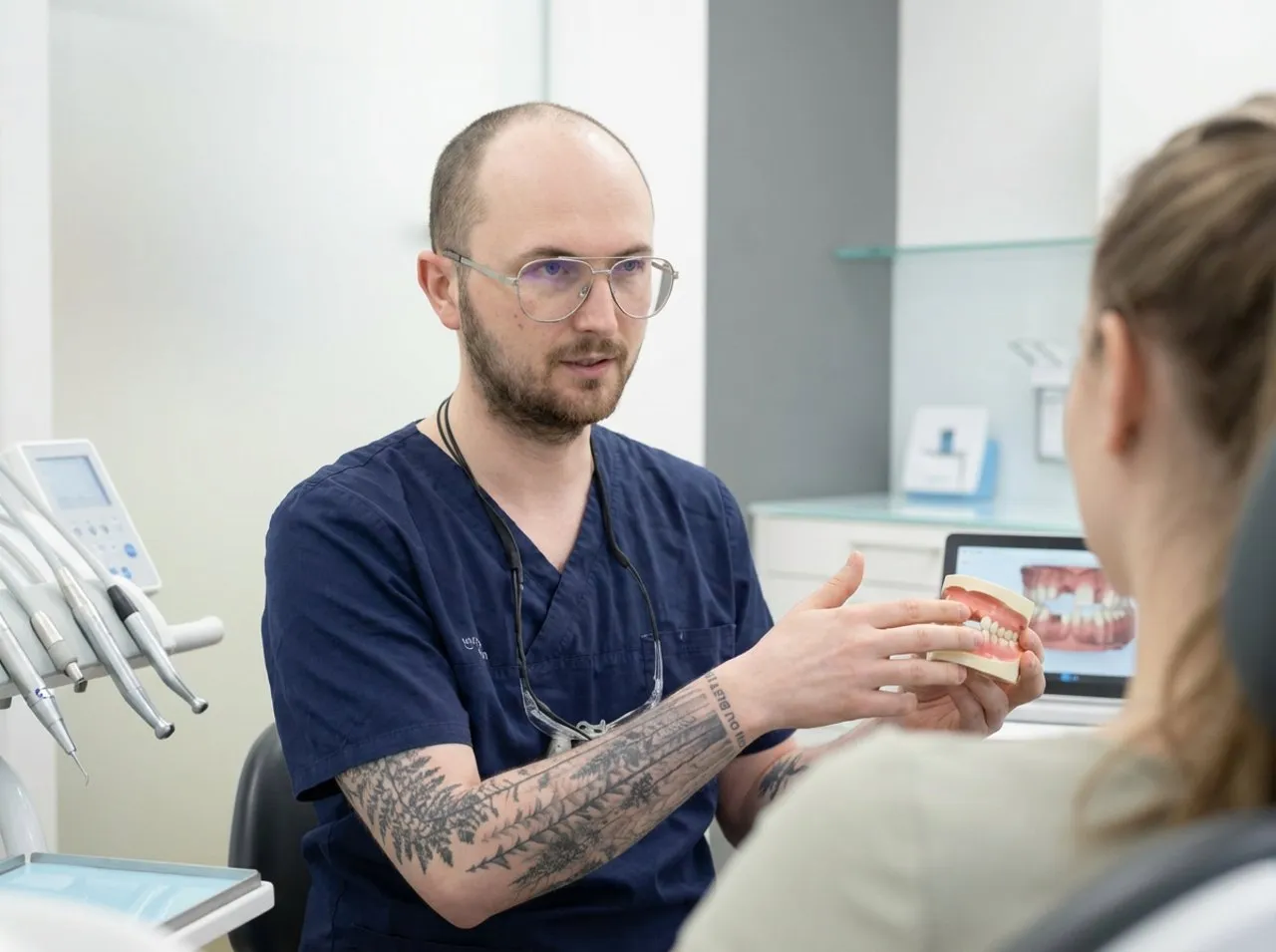
For back teeth, durability under load is the main priority. Gold is functional and very reliable here. Aesthetics usually play a smaller role. For front teeth, many people want a tooth-coloured solution. Ceramic or a veneer is more common here. An all-gold crown is visible and is less often requested.
Gold vs ceramic: which alternative is suitable when?
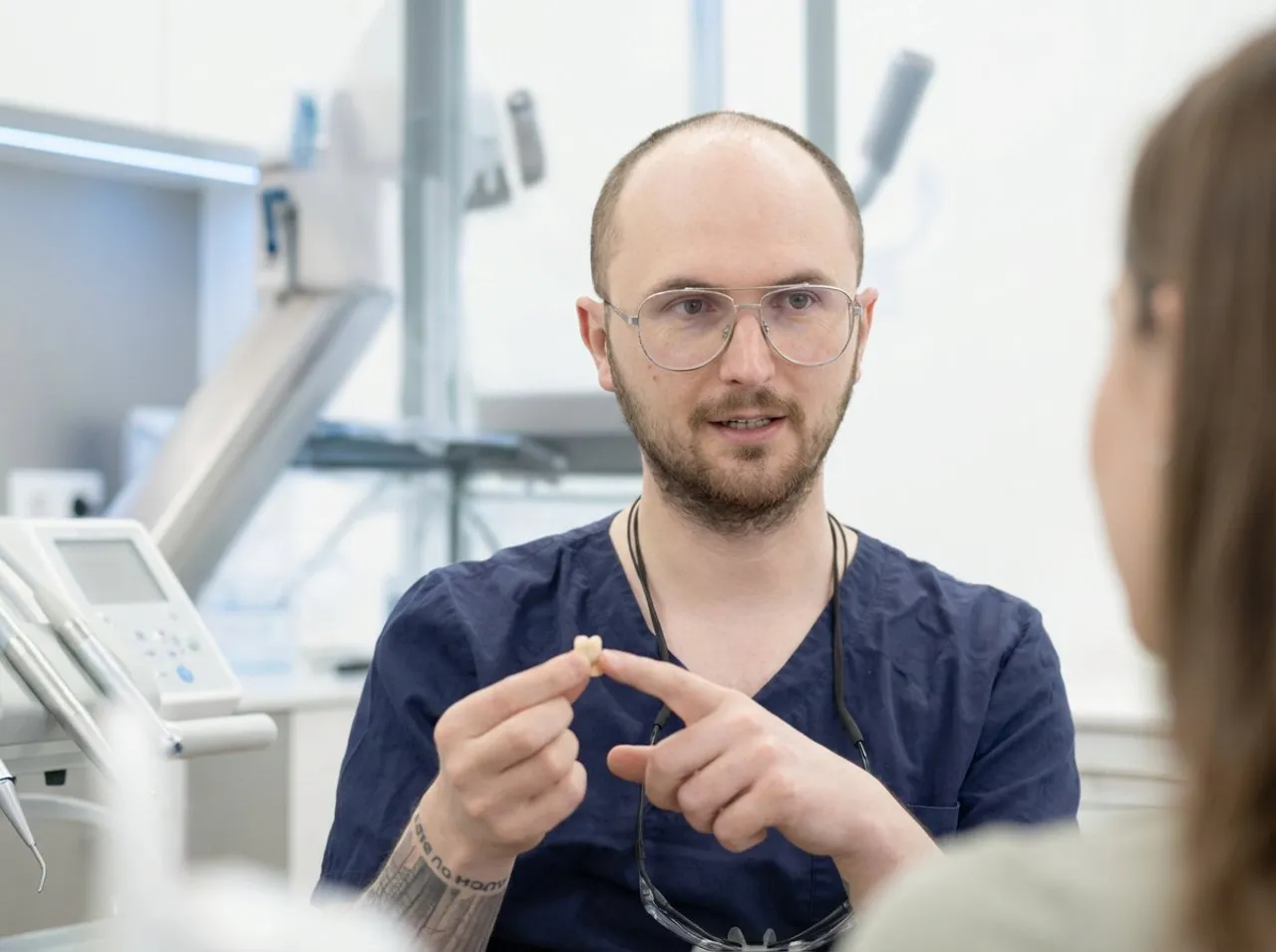
All-ceramic is highly aesthetic and metal-free. It is often suitable for visible areas. For severe teeth grinding a precise choice of material is required. Metal-ceramic combines a metal framework with a ceramic layer. It has been established for decades. The aesthetics are good, but it is not always maximally translucent. Gold offers a particularly precise fit and resistance to fracture. Many patients appreciate the comfortable chewing sensation. Allergic reactions are rare, but can never be ruled out.
How Wunschlachen draws up the treatment and cost plan
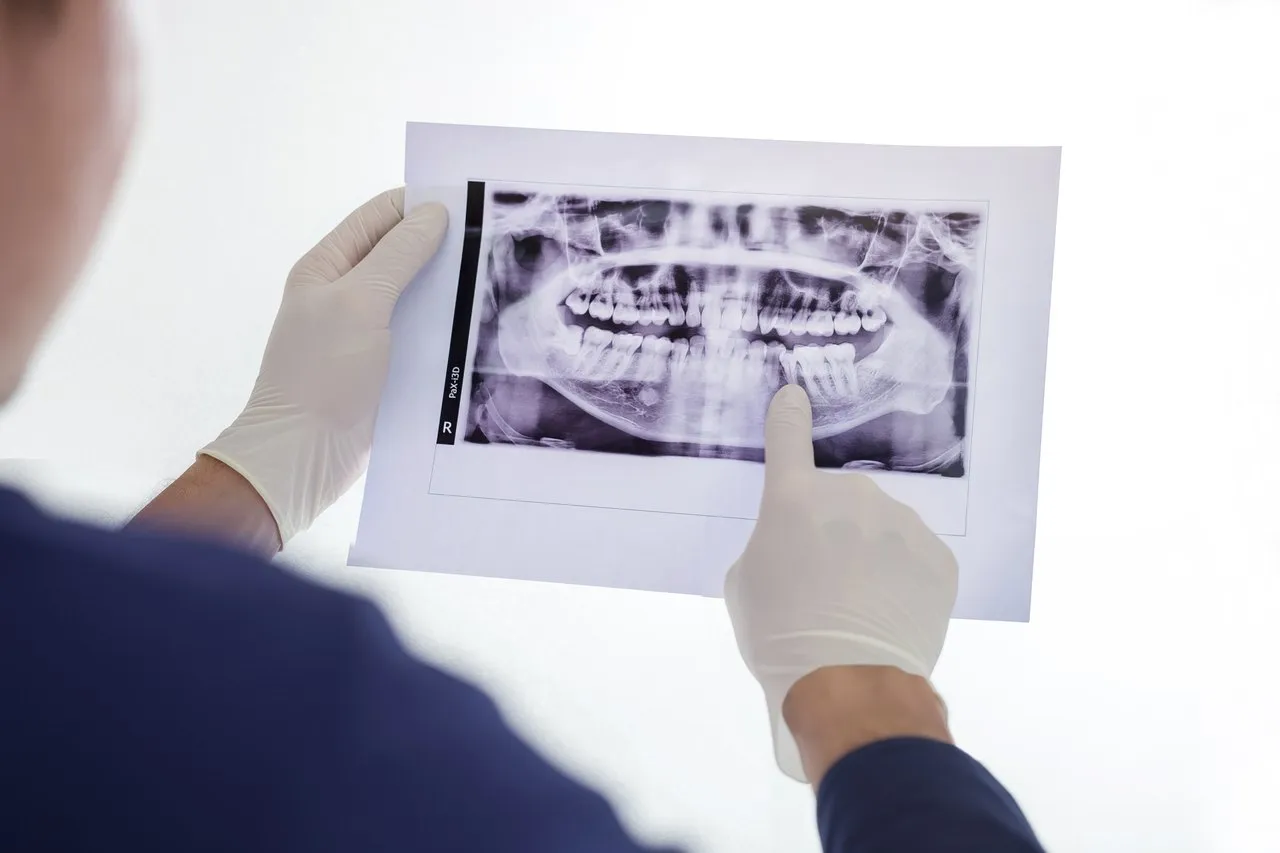
The process begins with a thorough examination. We then discuss the findings, your goal and possible alternatives. You receive a treatment and cost plan (Heil- und Kostenplan) with clearly explained items. We show you the fixed subsidy and your estimated own contribution. If you wish, we compare different materials. This allows you to make an informed decision without any surprises.

Durability and care of gold restorations
Gold crowns and inlays can last for a very long time. The key factors are fit, bite and your oral hygiene. Check-ups help to detect small problems early. Clean your teeth as usual with a toothbrush and interdental care. Look after your gum health and ensure the margins remain free from inflammation. For bruxism, a bite splint is often advisable.

When is gold particularly useful?
Gold is suitable where there is a high chewing load and little space. Precision is also important with very deep margins. In such cases, a gold crown can have advantages over ceramic. Gold can also be a strong option as an inlay for large defects. It often preserves more tooth substance than a full crown. We determine the precise indication during a consultation.

Consultation at Wunschlachen in Berlin
If you are considering a gold dental restoration, we offer personal advice. We discuss aesthetics, function and the cost of your treatment. Together, we choose the right solution for your dental restoration.
FAQ – frequently asked questions about gold tooth costs
The costs depend on the shape, amount of gold and laboratory work involved. Many treatments start at 500 euros.
The precious metal content is a major cost factor. The laboratory work is also very precise and time-consuming.
No, usually only the fixed subsidy is paid. The additional cost of gold generally remains your own contribution.
The fixed subsidy increases with the bonus booklet. This reduces your own contribution, regardless of the material.
Not necessarily; both can cost about the same. Size, position and margin design are the key factors.
Gold alloys are often well tolerated. Anyone with a known metal allergy needs an assessment beforehand.
Many years are realistic with good care. Check-ups and clean margins are essential for this.
Yes, a veneered gold crown is possible. It is less noticeable aesthetically, but usually more expensive.
Often yes, if the tooth and the prepared stump allow it. We assess this clinically and with X-rays.
After the examination, we draw up a treatment and cost plan (Heil- und Kostenplan). It clearly shows the fixed subsidy and your own contribution.
Book your appointment now
We would be happy to advise you in person at our practice.