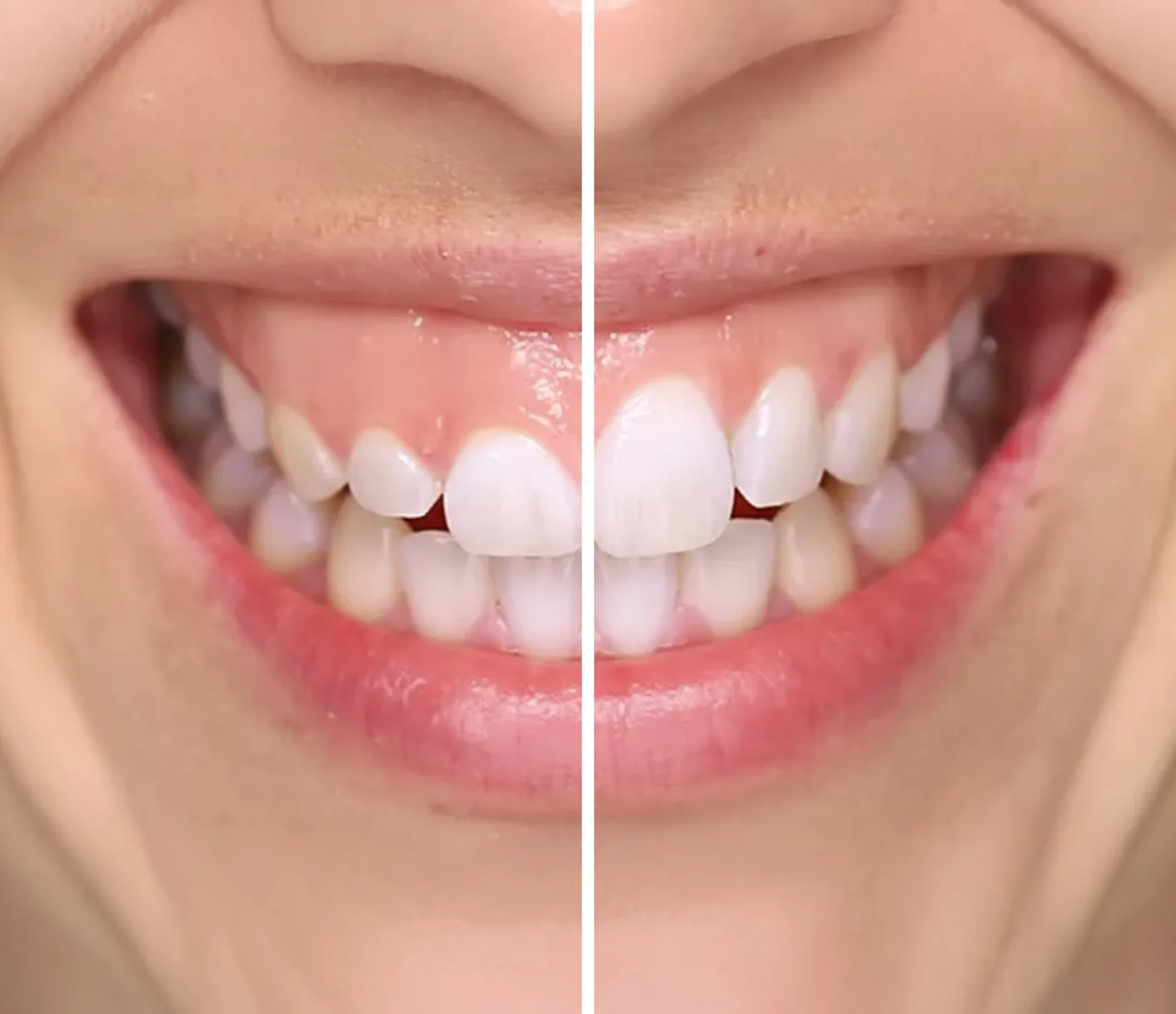
Gummy smile – treatment and correction at Wunschlachen
A smile can express many things, from joy and happiness to warmth and trust. However, for some people with what is known as a ‘gummy smile’, smiling can cause discomfort. A gummy smile is a dental condition in which an excessive amount of the...
Über 350 Google-Bewertungen
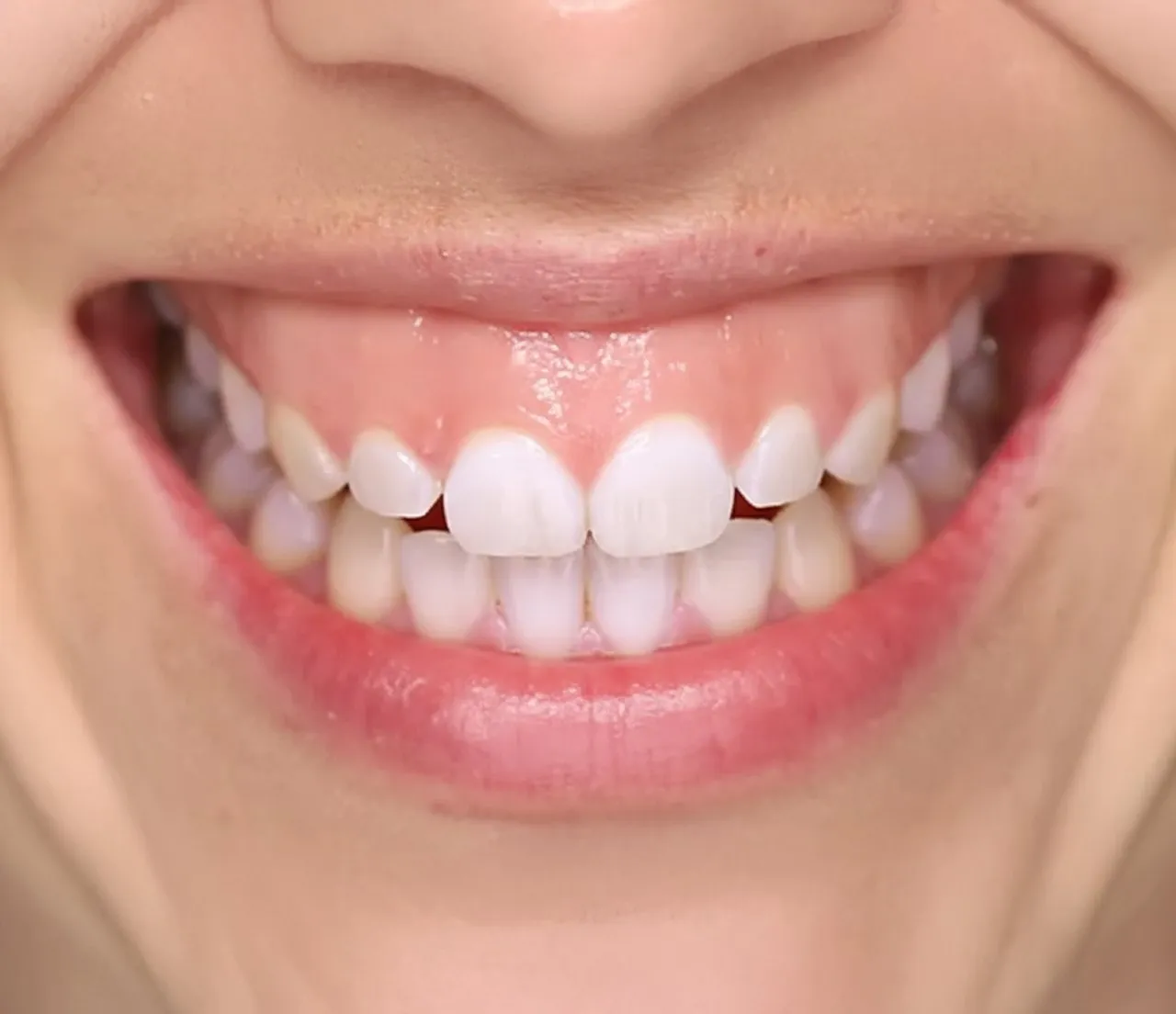
What is a gummy smile?
A gummy smile occurs when more gum than usual is visible when smiling. In some cases, a gummy smile is due to a genetic predisposition. In other cases, it is caused by excessive gum growth or misalignment of the teeth or jaw. The desire to change the appearance of the smile is therefore a common reason for seeking correction.
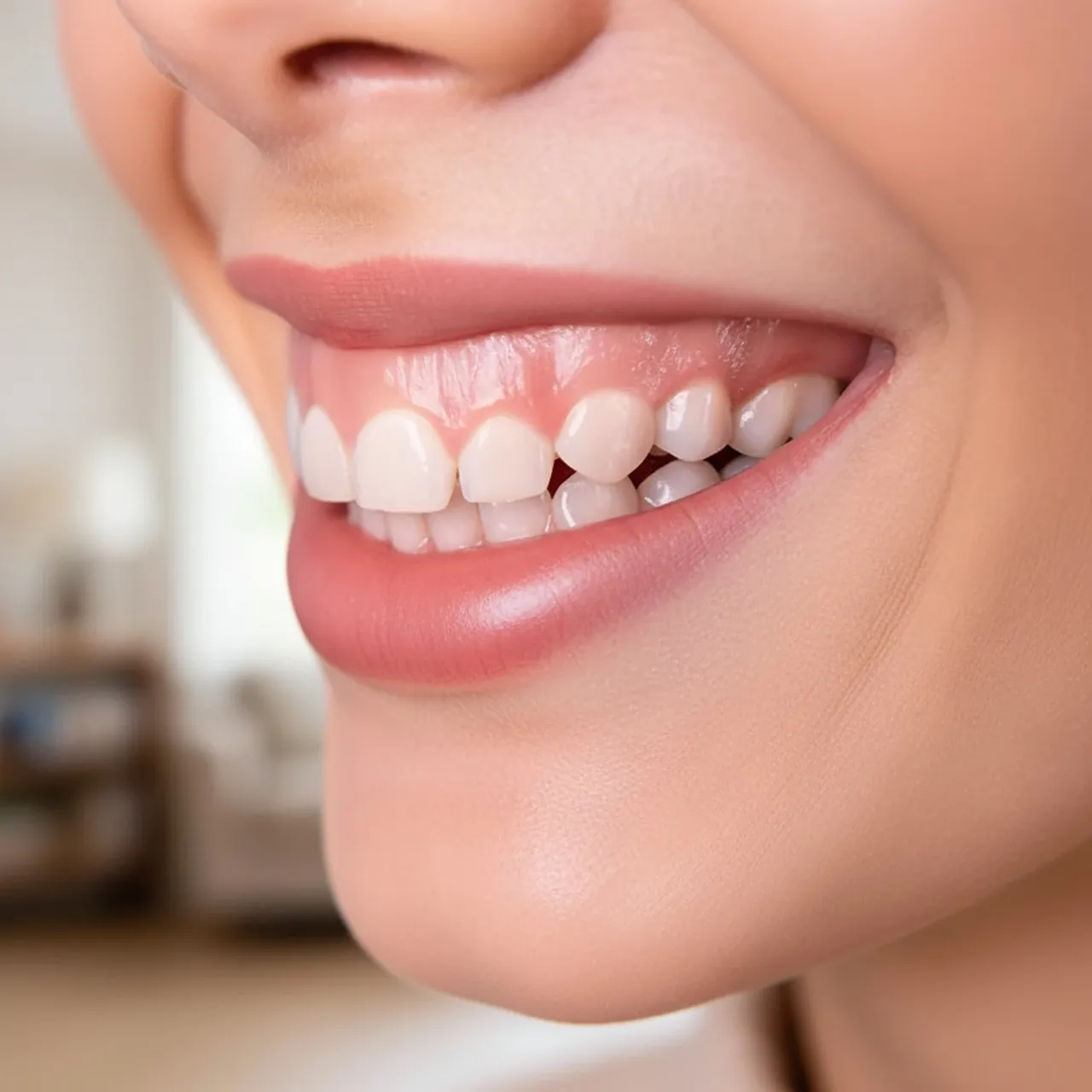
Causes of a gummy smile
The causes of a gummy smile are varied and can be genetic or acquired. The most common causes include: 1. Excessive gum growth: In some cases, the gum grows too far over the teeth. More of it is then visible when smiling. 2. Short teeth: With short teeth, the gum can make up a larger part of the smile. 3. Overactive upper lip: An overly active upper lip that rises high when smiling can expose the gum. 4. Irregular jaw position: An unfavourable jaw position can also cause more gum to be visible when smiling.
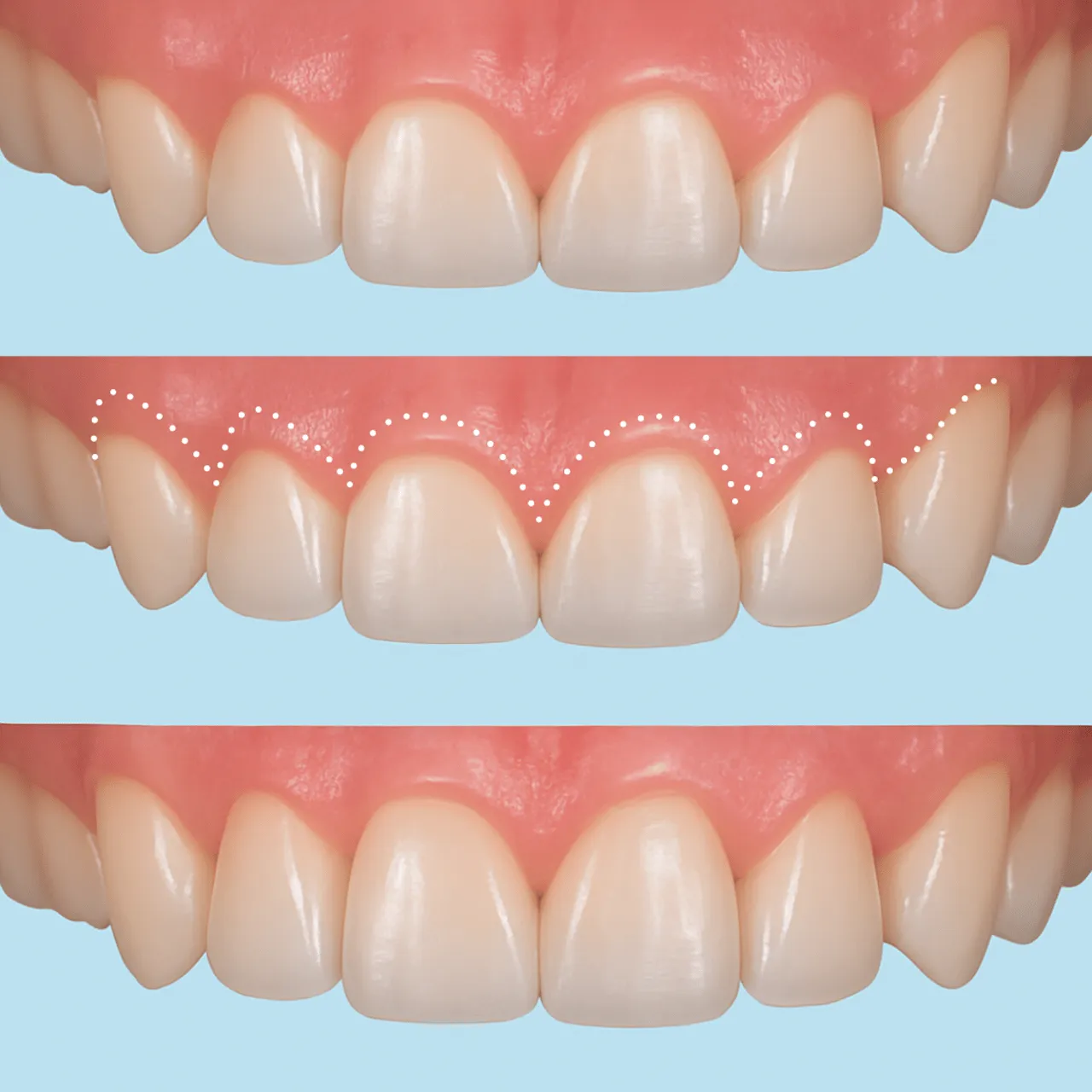
Gummy smile correction – treatment
The good news is that there are various treatment methods available today. Choosing the right method depends on the specific cause of the gummy smile. 1. Gum reduction (gingivoplasty) One of the most common and effective methods of correcting a gummy smile is gum reduction, also known as gingivoplasty. This procedure removes excess gum to give the teeth more length. It is particularly helpful when the gummy smile is caused by excessive gum growth. The procedure is usually carried out under local anaesthetic. A short healing period may follow treatment. During this time, the patient should avoid hard or spicy foods. 2. Injections In some cases, an injection can help correct a gummy smile. It is used to relax the muscles of the upper lip. The lip then rises less when the patient smiles. This means less gum is visible without the need for surgical removal of gum tissue. Injections are a less invasive method of correcting gummy smiles. They are suitable for patients who want only a slight change. The effect usually lasts for around three to six months. Repeat treatment may be necessary. 3. Dental build-up If the gummy smile is caused by shorter teeth, the dentist may consider building up the teeth. This involves using veneers or crowns to visually lengthen the teeth. This improves the ratio between the teeth and gums. The result is a more aesthetic smile without the need to alter the gum. 4. Surgical correction of the jaw In particularly severe cases, surgical correction of the jaw may be necessary. This may involve jaw repositioning or a procedure to adjust the position of the jaw. However, this method is generally only considered when other treatments have not achieved results.

Gummy smile correction costs
The cost of gummy smile correction varies depending on the type of treatment and the extent of the procedure. For gum reduction, patients can expect to pay approximately 500 to 1,500 euros. Injections are a less expensive option, with prices starting at around 500 euros per treatment. Dental build-up with veneers or crowns can cost from 1,000 euros, depending on the material and number of teeth. The exact cost depends on various factors, including the complexity of the treatment. We will provide you with a detailed cost plan before we begin treatment. We will explain everything and answer your questions.
Frequently asked questions (FAQ)
A gummy smile is a smile in which an excessive amount of gum is visible.
A gummy smile can be altered using various methods, such as gum reduction, injections, dental build-up or surgical correction.
Costs vary depending on the treatment method. They start at 500 euros.
Gum reduction is usually carried out under local anaesthetic, so the procedure is pain-free.
The effect usually lasts for three to six months. Repeat treatment may be necessary after this period.
Injections are particularly suitable for patients whose upper lip rises too high. They are less effective for gummy smiles caused by excess gum or short teeth.
Healing after gum reduction usually takes one to two weeks.
Dental build-up is generally not covered by statutory health insurance. The patient must pay for the treatment themselves.
After treatment, you should attend regular dental check-ups and maintain good oral hygiene. This helps preserve the result in the long term.
Yes, a gummy smile can also be corrected in children. However, less invasive methods such as injections are usually preferred to avoid placing strain on the jaw at this stage.
Book your appointment now
We would be happy to advise you in person at our practice.