
Healthy teeth – the key to a radiant smile
A healthy, radiant smile begins with healthy teeth. Teeth are not only important for eating; they also reflect our general health. Many people know how important it is to look after their teeth. But not everyone knows the exact requirements for...
Über 350 Google-Bewertungen
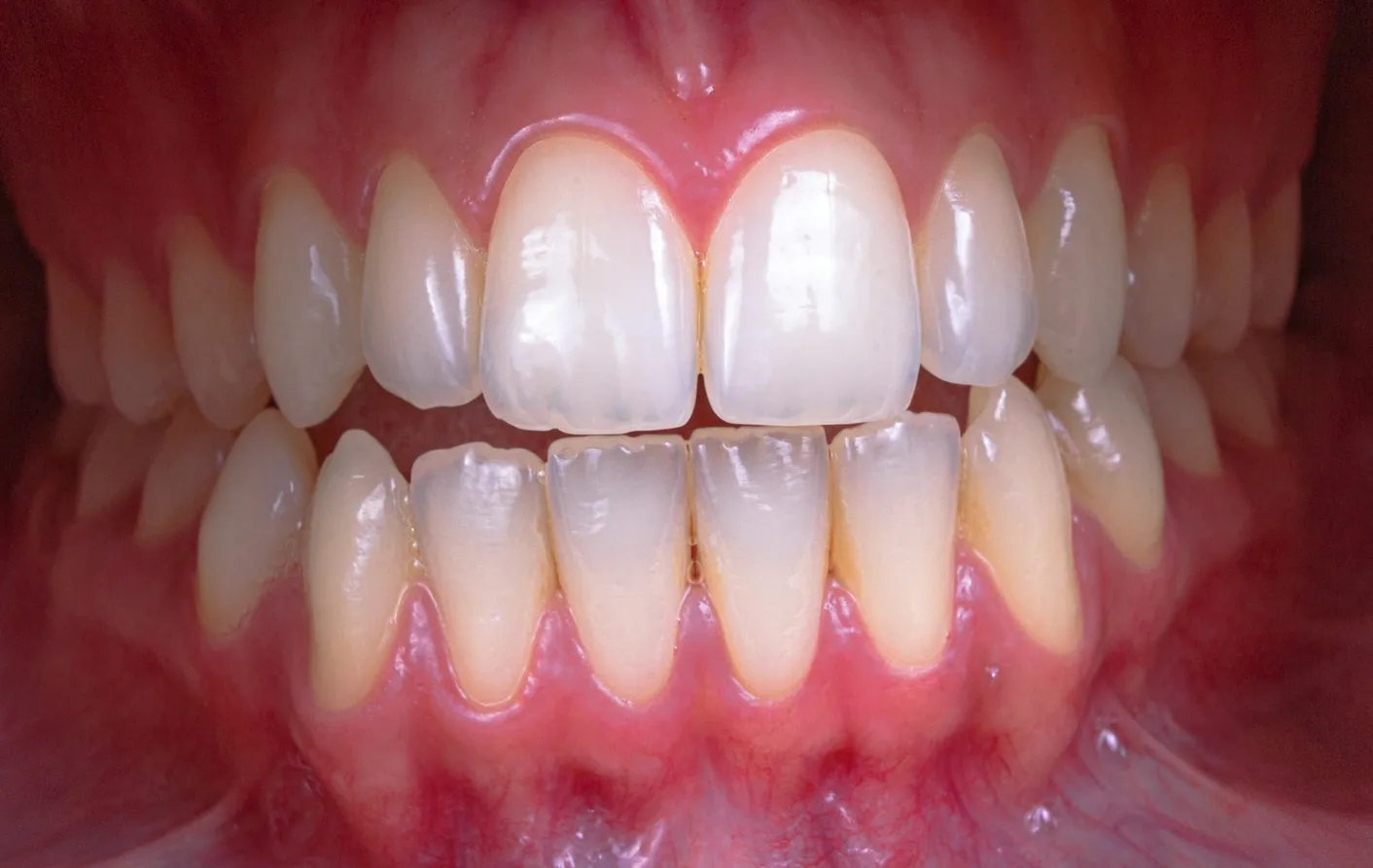
What do healthy teeth look like?
Healthy teeth have several distinguishing features. Their surface is smooth and shiny, with no visible grooves or discolouration. They are white or slightly ivory-coloured and have no cavities or tooth decay. Another important feature of healthy teeth is that they are firmly anchored in the jaw and do not move. Healthy molars play a central role in dental health because they chew and grind food. When molars are healthy, they can perform their function without restriction. Discolouration, wear or tooth decay can impair the efficiency of molars. This is why regular dental care is particularly important for these teeth.
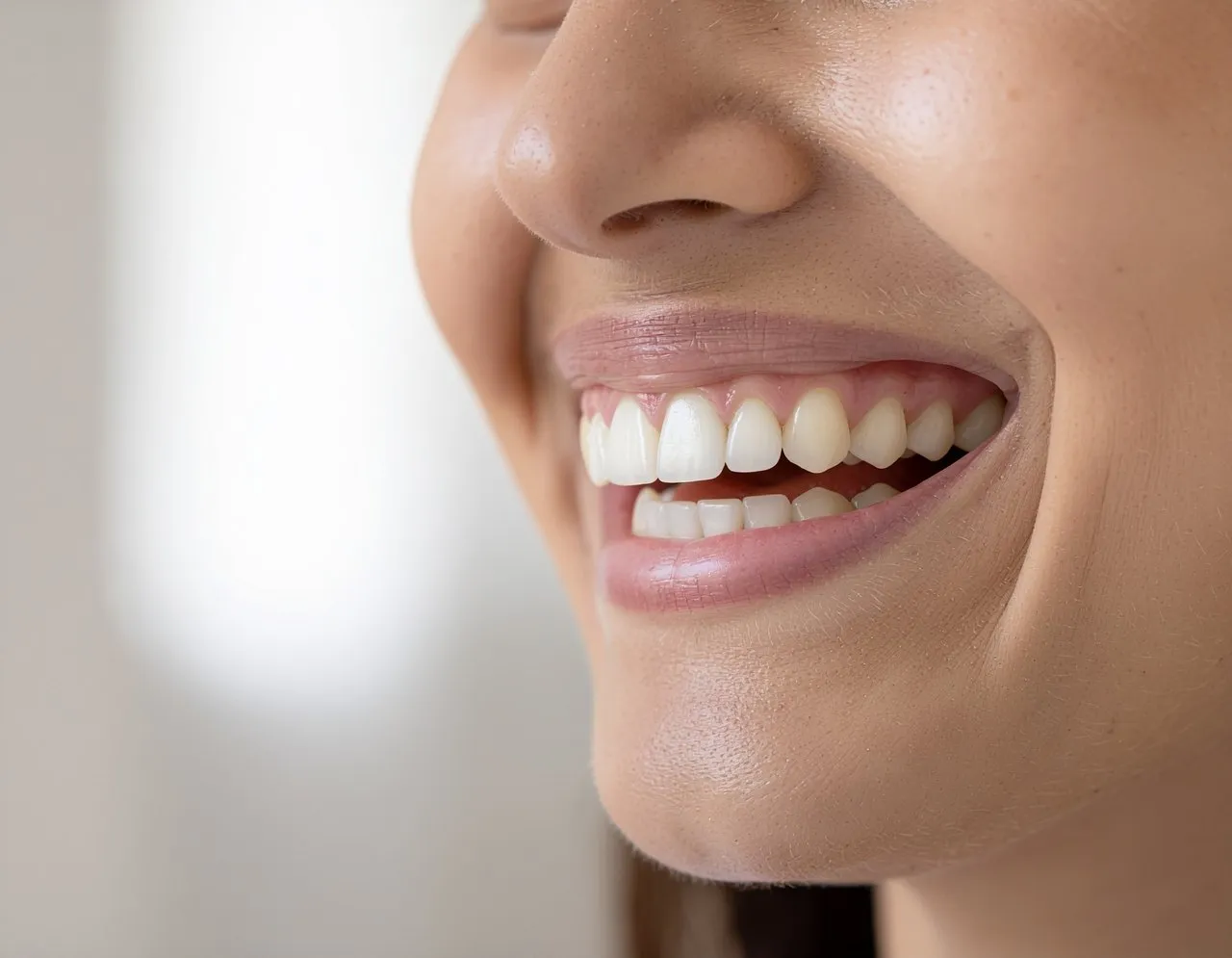
The importance of healthy teeth for general health
Healthy teeth are important not only for oral health, but also for the entire body. Untreated dental diseases, such as periodontitis or tooth decay, can have a negative effect on other parts of the body. Bacteria from the mouth can enter the bloodstream and cause inflammation in other parts of the body, including the cardiovascular system. Another important aspect is the role healthy teeth play in speech and overall quality of life. Unsightly gaps between teeth or painful teeth can affect speech and laughter and have a negative impact on self-confidence.
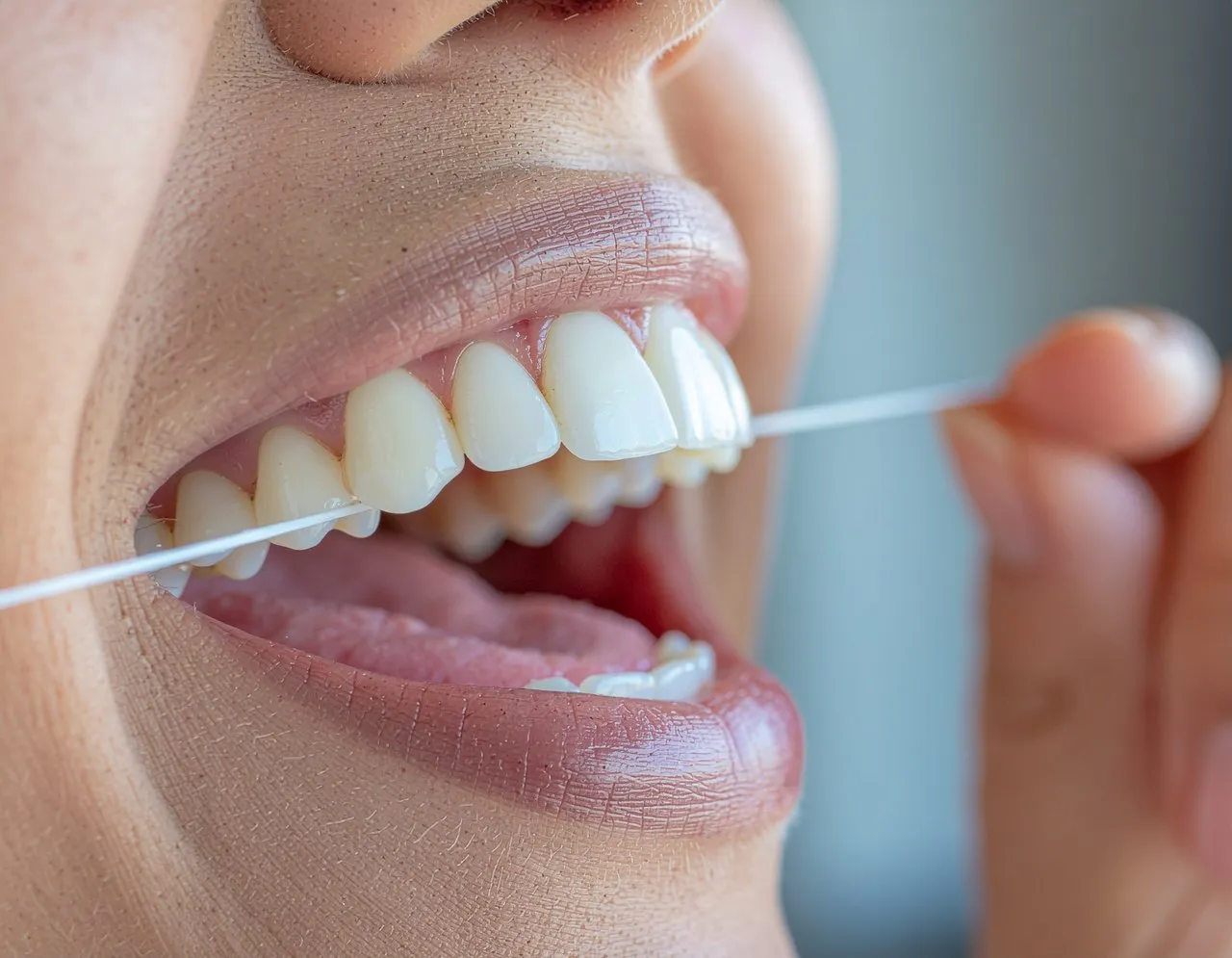
How to keep teeth healthy
1. Brush regularly The most important measure for keeping teeth healthy is regular brushing. Two minutes twice a day is enough to remove plaque and prevent tooth decay. Use a soft-bristled toothbrush and fluoride toothpaste. This strengthens tooth enamel and protects teeth against decay. 2. Use dental floss Many people neglect dental floss, although it is just as important a part of dental care as brushing. Dental floss removes plaque and food debris from the narrow spaces between teeth. Regular flossing helps keep the spaces between teeth clean and prevent gum disease. 3. The right diet What you eat directly affects your dental health. A balanced diet rich in vitamins and minerals promotes the health of your teeth. Calcium, phosphorus and vitamin D are particularly important for strong teeth. Avoid sugary snacks and drinks. Sugar promotes the growth of bacteria in the mouth that cause tooth decay. 4. Regular dental visits No matter how well you look after your teeth, regular dental visits are essential. A dentist can detect dental diseases early, before they become painful or visible. Professional dental cleaning removes deposits that can build up despite good dental care. It helps keep teeth in excellent condition.
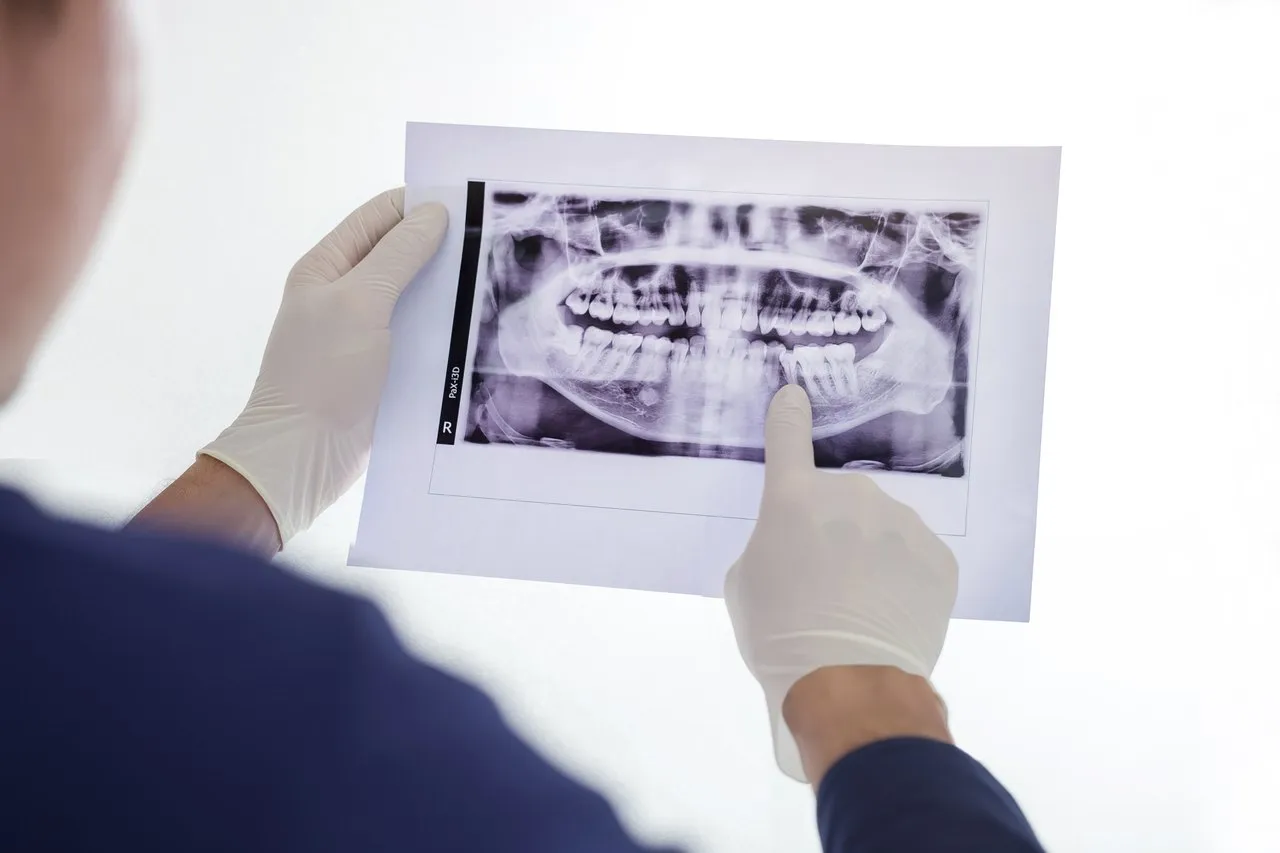
Healthy teeth on the inside – what does this mean?
The health of your teeth is not limited to what you can see. The inner surfaces of your teeth also need attention. Gum diseases such as gingivitis or periodontitis affect not only the gums, but also the inner areas of the teeth. If the gums are inflamed, this can damage the structures supporting the teeth and ultimately lead to tooth loss. The inner surfaces of teeth are also susceptible to tooth decay, particularly in areas that are difficult to reach when brushing. It is therefore important to clean these areas thoroughly too. Dental floss or special interdental brushes can help by removing plaque from these narrow spaces.
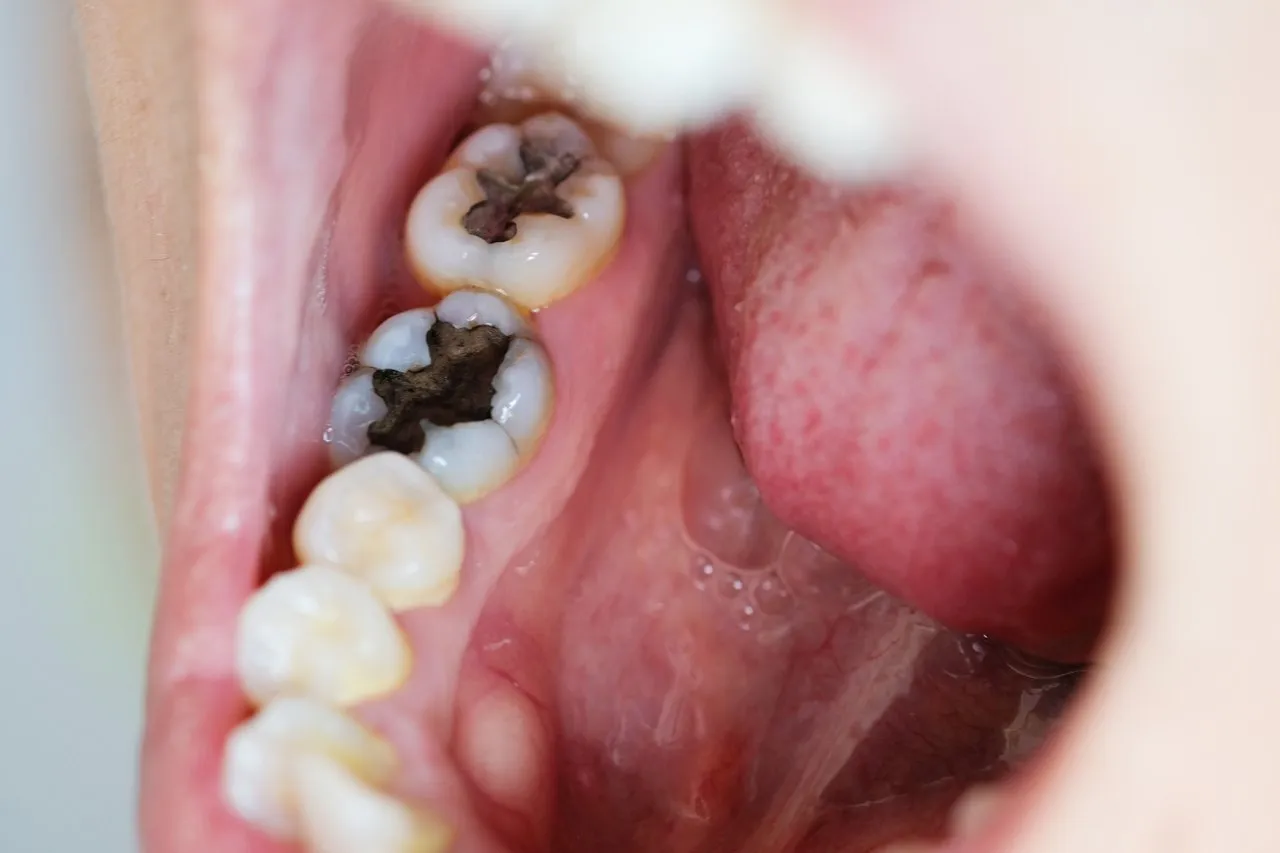
Common dental diseases and how to prevent them
Tooth decay Tooth decay is one of the most common dental diseases. It develops when bacteria in the mouth convert sugar from food into acid. These acids then attack the tooth enamel. To avoid tooth decay, you should maintain good oral hygiene and visit the dentist regularly. Periodontitis Periodontitis is an advanced form of gum inflammation and can lead to tooth loss if left untreated. Regular dental cleaning and flossing can help prevent this condition. Tooth sensitivity Tooth sensitivity occurs when tooth enamel becomes thin and the necks of the teeth are exposed. To avoid this, you should avoid toothbrushes that are too hard and aggressive brushing techniques. Toothpaste for sensitive teeth can also help.
Frequently asked questions (FAQ)
It is recommended that you brush your teeth at least twice a day for two minutes each time.
A fluoride toothpaste is ideal because fluoride helps strengthen tooth enamel and protect against tooth decay.
Yes, dental floss removes plaque and food debris from areas that are difficult to reach with a toothbrush.
Molars are essential for chewing and grinding food. They need particularly good care to perform their function.
Healthy teeth are smooth, white or slightly ivory-coloured, and have no cavities or discolouration.
Inadequate dental care leads to a build-up of plaque, which can cause tooth decay, gum disease and tooth loss.
Tooth decay cannot be healed without professional treatment. The earlier it is detected, the simpler the treatment.
Gum inflammation can be prevented by thorough brushing, flossing and regular dental visits.
It is better to wait at least 30 minutes after eating. This is particularly important if you have had acidic foods or drinks, as tooth enamel temporarily becomes softer.
Teeth-whitening products can be safe when used according to the instructions. However, it is advisable to consult a dentist before using such products.
Book your appointment now
We would be happy to advise you in person at our practice.