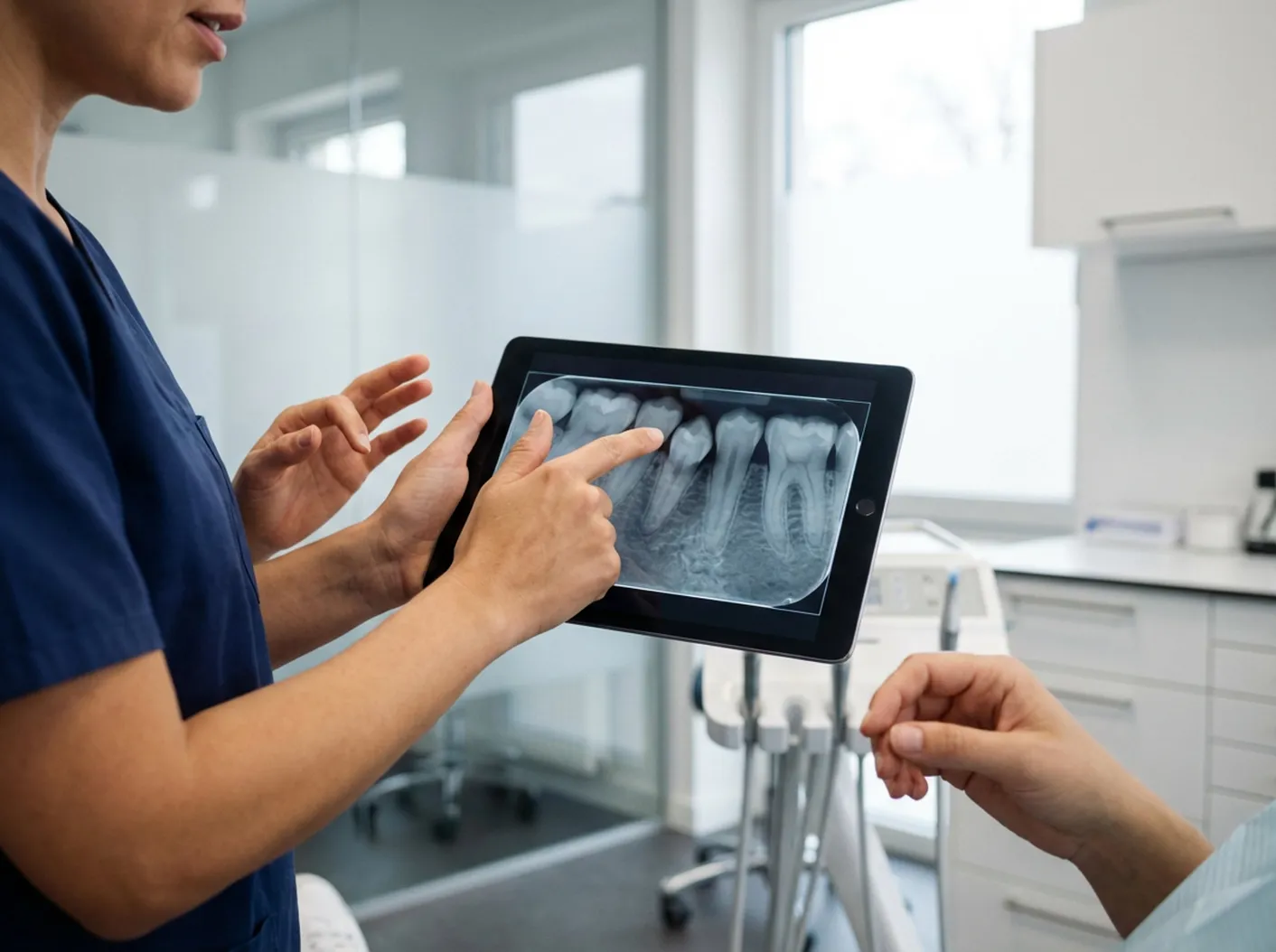
Hyperdontia: causes, symptoms and treatment
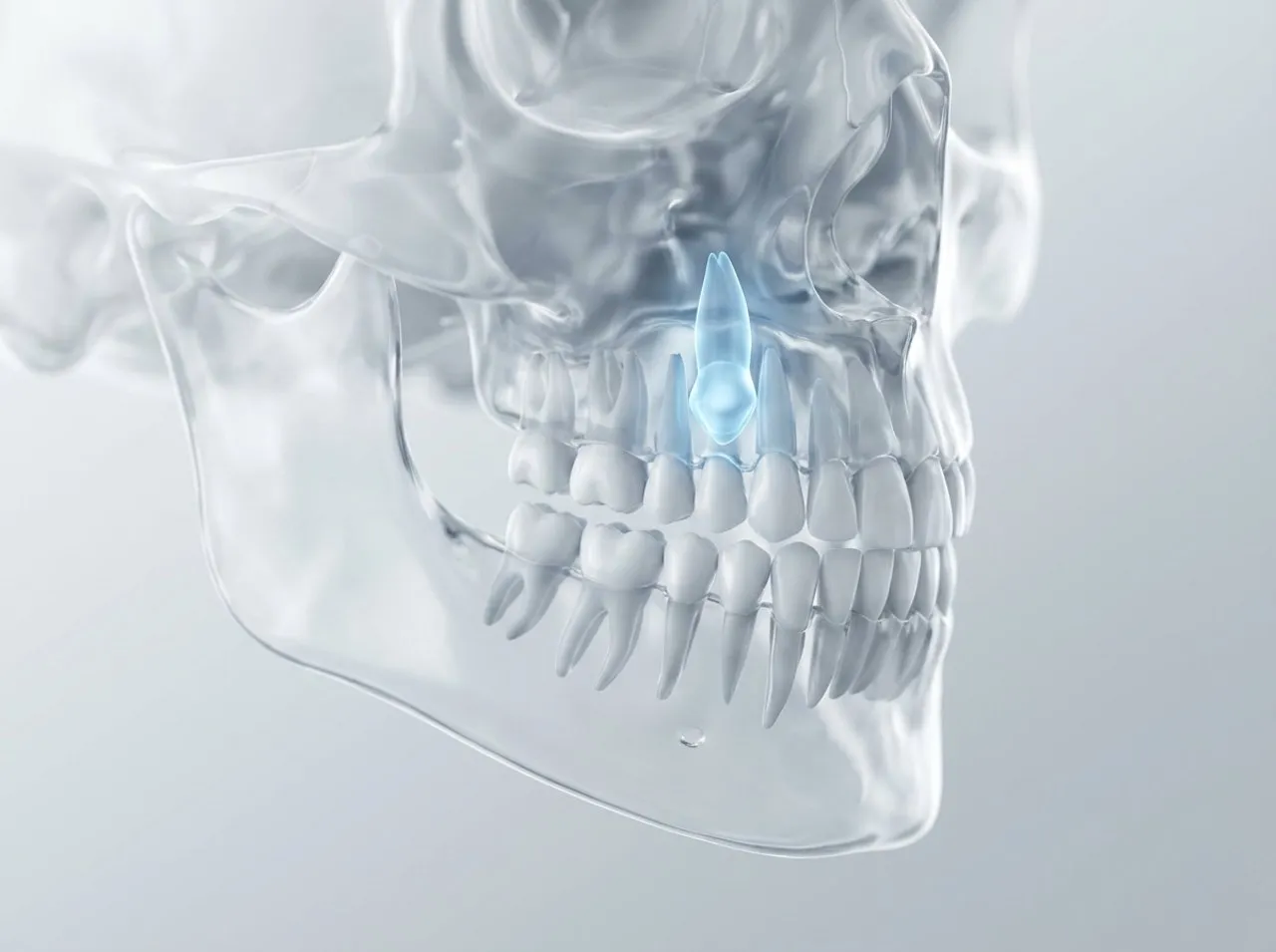
Hyperdontia means that more teeth develop than usual. These are also known as supernumerary teeth. The additional teeth can occur in the primary or permanent dentition.
Über 350 Google-Bewertungen
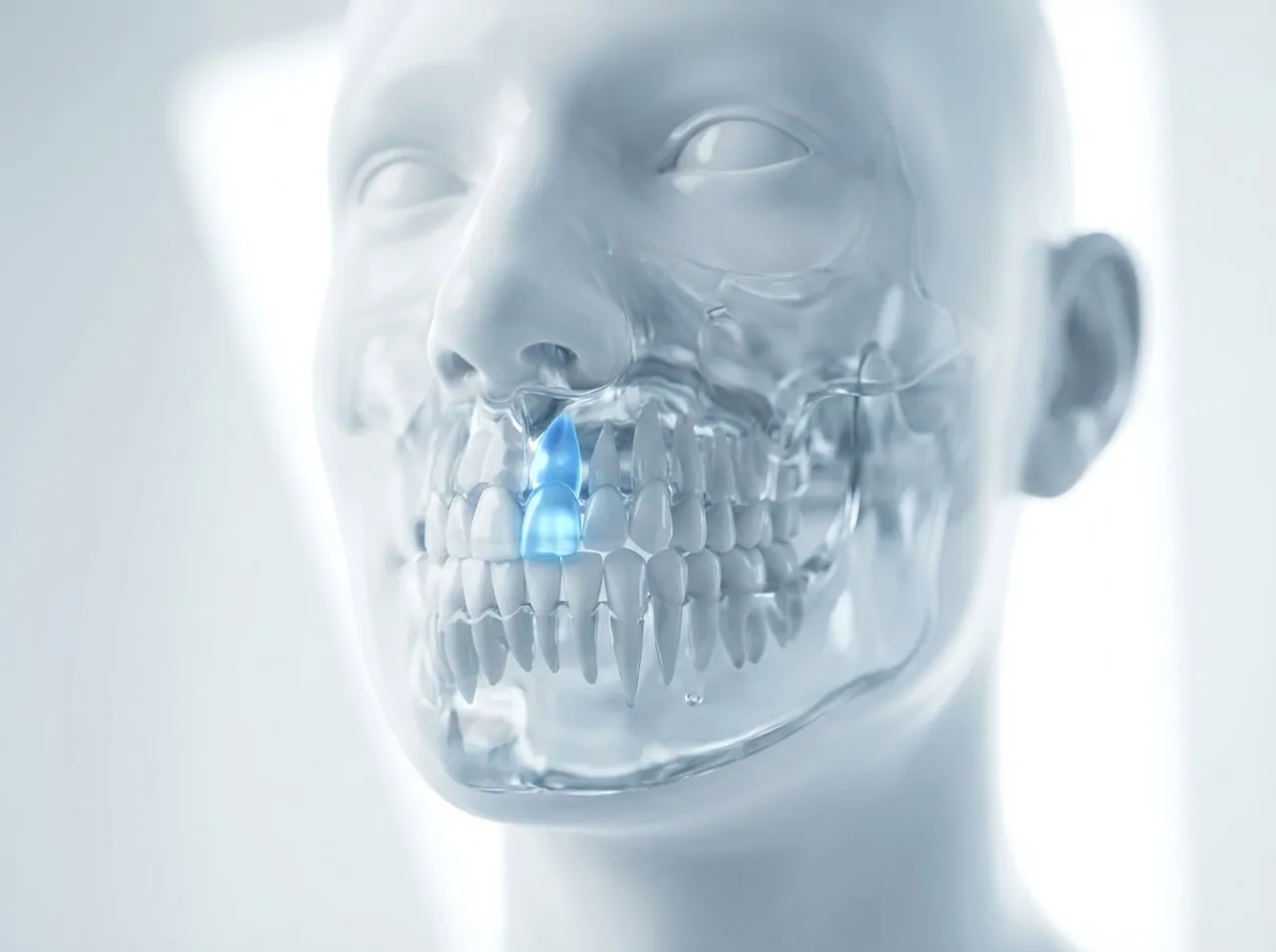
What are supernumerary teeth and where do they develop?
Supernumerary teeth can be located in the upper or lower jaw. They are often found at the front. Sometimes they remain in the bone and do not erupt. The mesiodens is particularly well known. It is usually located between the upper incisors. It can interfere with the eruption of permanent teeth. Some patients have only one extra tooth. Others have several additional teeth. The presentation varies considerably.
Causes and risk factors
The exact cause is not always clear. Heredity and development often play a role. Sometimes supernumerary teeth occur with rare syndromes. A lack of space in the jaw can also make the situation worse. Teeth then shift more easily. This increases the risk of crowding. Hyperdontia is not caused by diet. It usually develops during tooth development. This is why it is often discovered by chance.
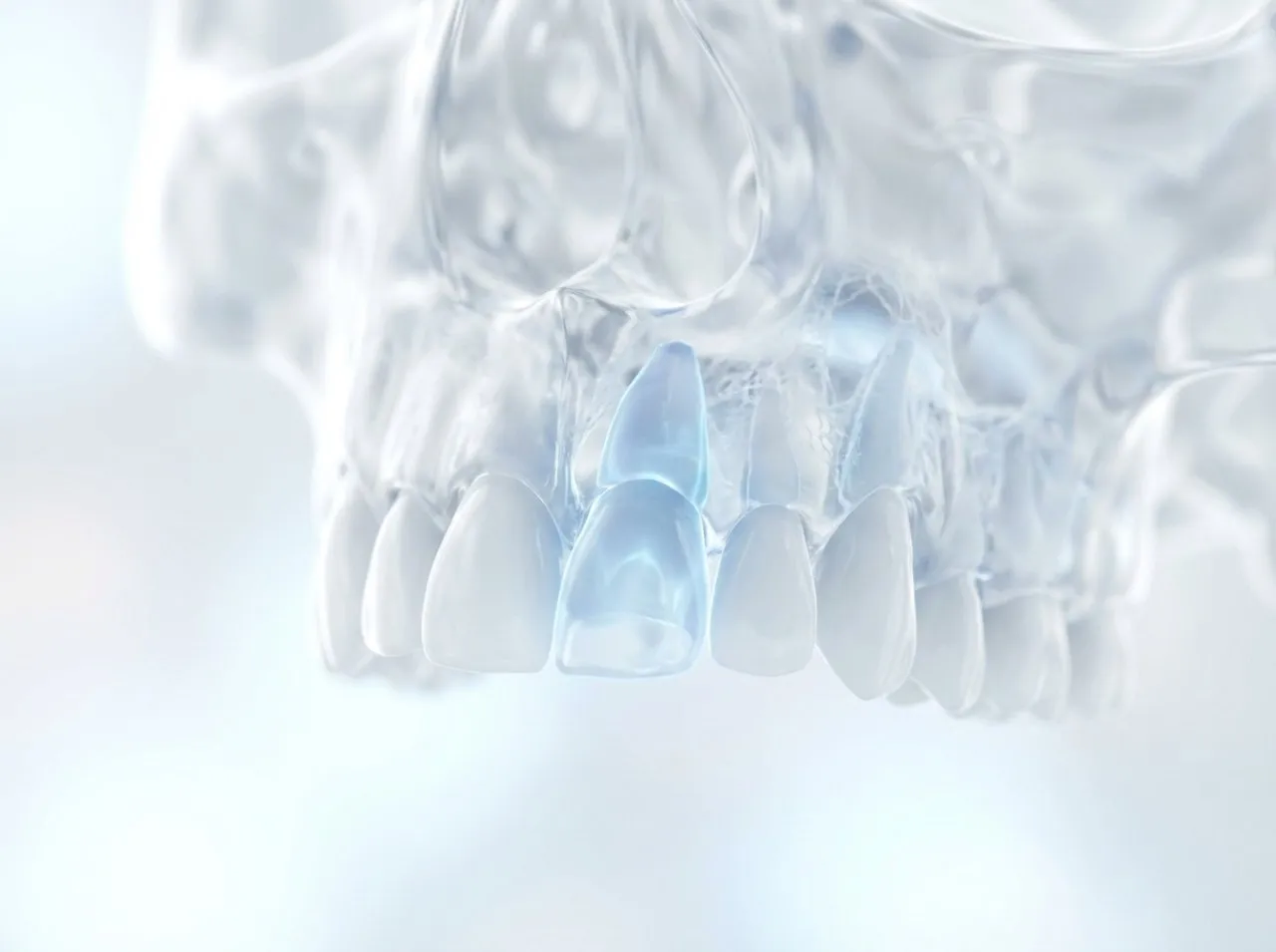
Typical symptoms and possible consequences
Many people affected initially have no pain. A misaligned tooth is often noticeable. A gap or a rotated tooth may also develop. In some children, a permanent tooth erupts very late. An additional tooth then blocks its eruption. This is known as retention. Inflammation is also possible. This applies particularly to partially erupted teeth. Bacteria can then accumulate more easily. In rare cases, cysts develop. They can put strain on the jawbone. An early check is therefore advisable.
Diagnosis at the dental practice
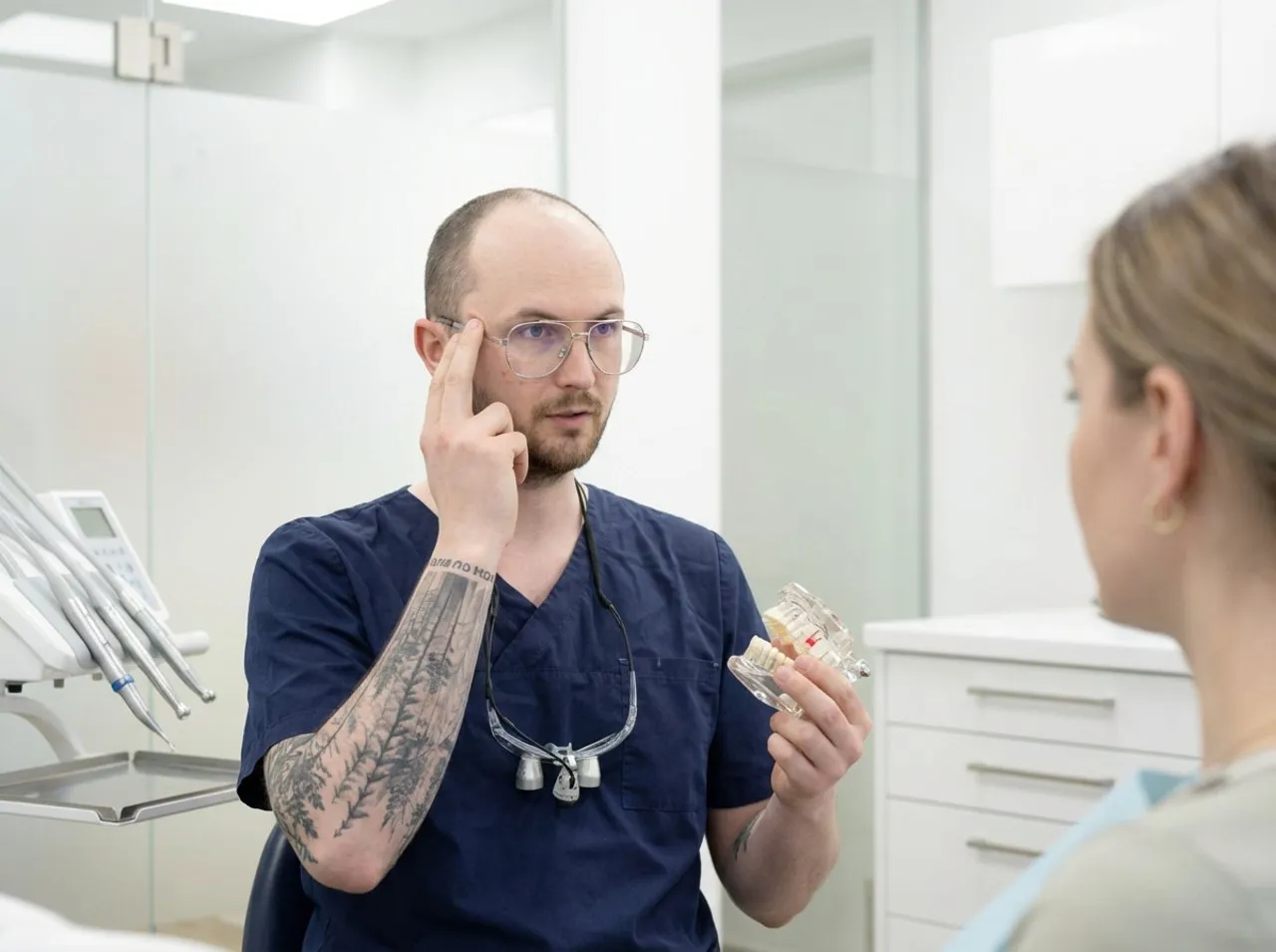
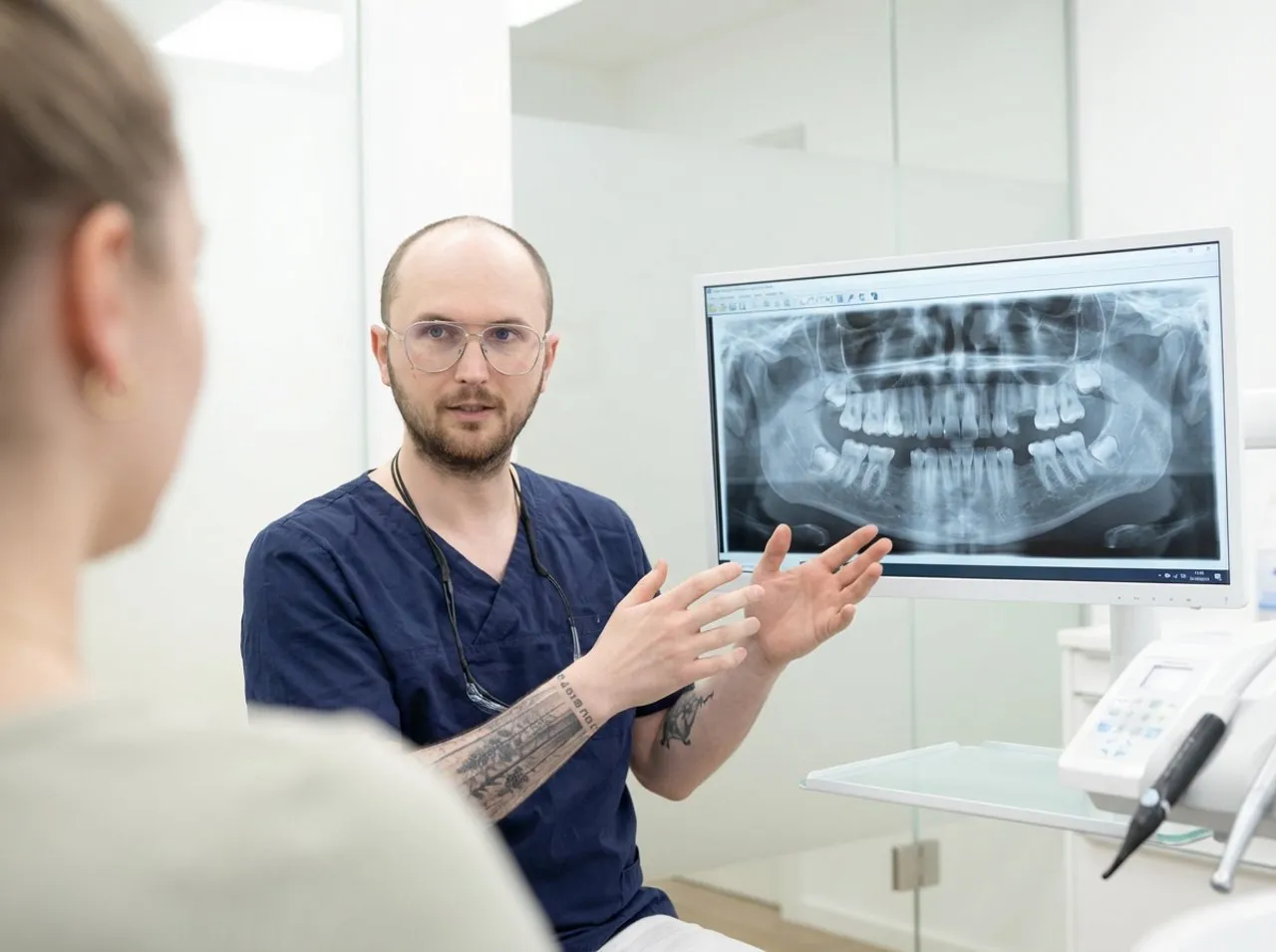
Diagnosis starts with a clinical examination. We check the dental arch, bite and tooth eruption. An X-ray often follows. Where necessary, we use 3D diagnostics for precise planning. This allows us to see the tooth's position and its distance from nerves. This helps ensure safe removal. It is also important to distinguish the tooth from tooth buds. Sometimes a tooth appears duplicated on the image. An expert assessment is then crucial.
Treatment: wait and see or remove
Not every additional tooth has to be removed immediately. The deciding factors are its position and function. Age also plays a role. If a supernumerary tooth causes problems, we recommend removal. This applies in cases of blockages, crowding or inflammation. The procedure is usually carried out under local anaesthetic. A small surgical opening is needed for deeply embedded teeth. The gum is gently opened. The site is then carefully closed. Before the procedure, we discuss pre-existing conditions and medication. This includes blood thinners and allergies. This reduces the risk of bleeding and complications. Mild swelling is normal after the procedure. Cooling and rest help during the first few days. Follow-up appointments ensure proper healing.
Hyperdontia in children and adolescents
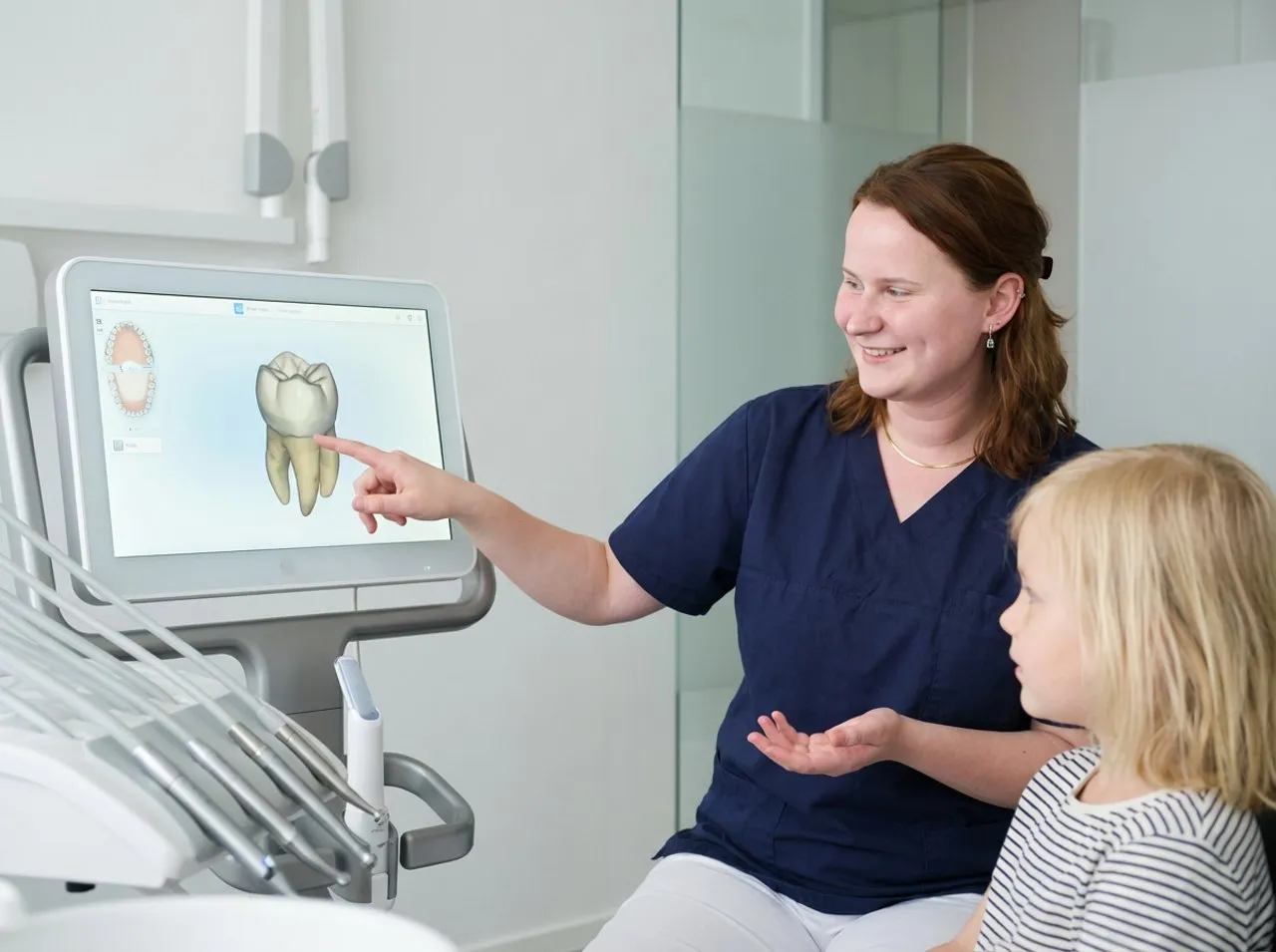
Timing is particularly important in children. It is often best to wait until root development is sufficiently advanced. The tooth can then be removed more easily. After removal, the permanent tooth can move into place. Sometimes orthodontic support is needed, however. A brace then creates space and provides guidance. We work closely with orthodontists for this purpose. This results in a coordinated plan. It significantly improves the prognosis.

Treatment in adults
Hyperdontia is less often newly diagnosed in adults. It is more likely to be discovered during X-ray checks. An assessment is also advisable before implants. If an additional tooth causes problems, it is removed. In cases of crowding, later correction may be necessary. This can be done with aligners or a fixed brace. Realistic treatment goals are important. Not every misalignment has to be corrected completely. We explain the benefits and effort involved transparently.

Costs and cover
The costs depend on the complexity and position of the tooth. Imaging also affects planning. You will receive a treatment and cost plan beforehand. If medically necessary, statutory health insurance often covers treatment. This applies, for example, in cases of retention or inflammation. Additional cosmetic treatments are usually paid for privately. At the Wunschlachen practice in Berlin, we provide clear advice on this. We explain the options, risks and alternatives. On request, we can also discuss flexible payment options.
When should you contact us?
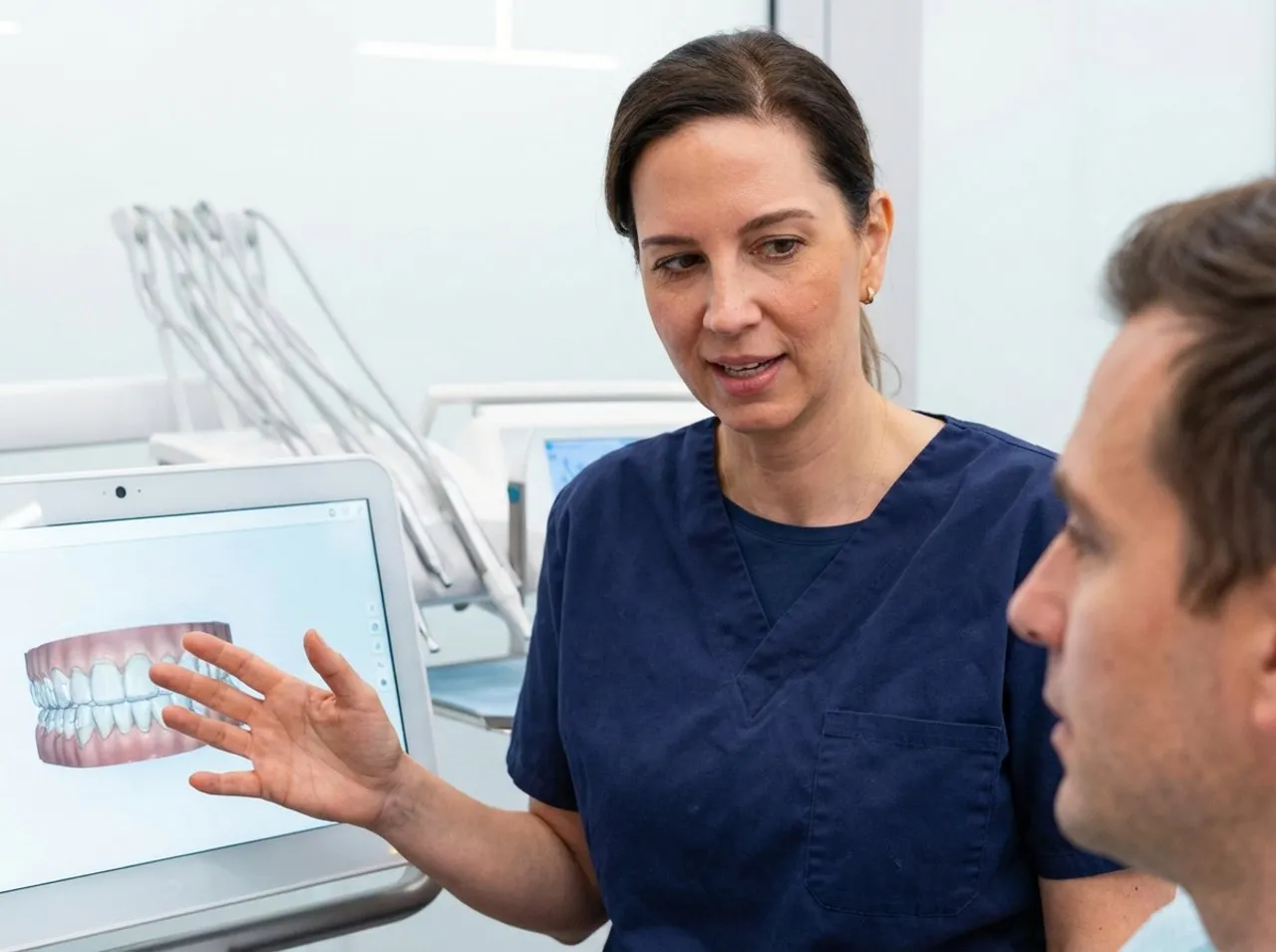
Contact us if tooth eruption is delayed. A check is also advisable if you have crowding or unexplained gaps. Pain, swelling or pus is always a warning sign. The earlier the diagnosis is made, the simpler the treatment. This can prevent subsequent damage to the jaw. A stable bite protects the teeth and joints.
Conclusion
Hyperdontia can go unnoticed, but it can also cause significant problems. Supernumerary teeth often cause crowding or retention. With good diagnostics, treatment can be planned effectively. In many cases, targeted removal is sufficient. Orthodontic correction may follow. We guide you through the process step by step in Berlin.
FAQ – frequently asked questions about hyperdontia
Hyperdontia means that additional teeth develop.
This describes hyperdontia with supernumerary teeth in the jaw.
The condition often involves a mesiodens between the upper incisors.
Yes, particularly in cases of inflammation or partially erupted teeth.
An additional tooth can block its eruption.
No, not if they do not cause any problems.
Usually through an examination and X-rays, sometimes with 3D scans.
Sometimes, to create space and guide the teeth.
As with any operation, swelling and infection are possible, but rare.
Often yes, if medically necessary; otherwise, you may have to pay part of the cost yourself.
Book your appointment now
We would be happy to advise you in person at our practice.