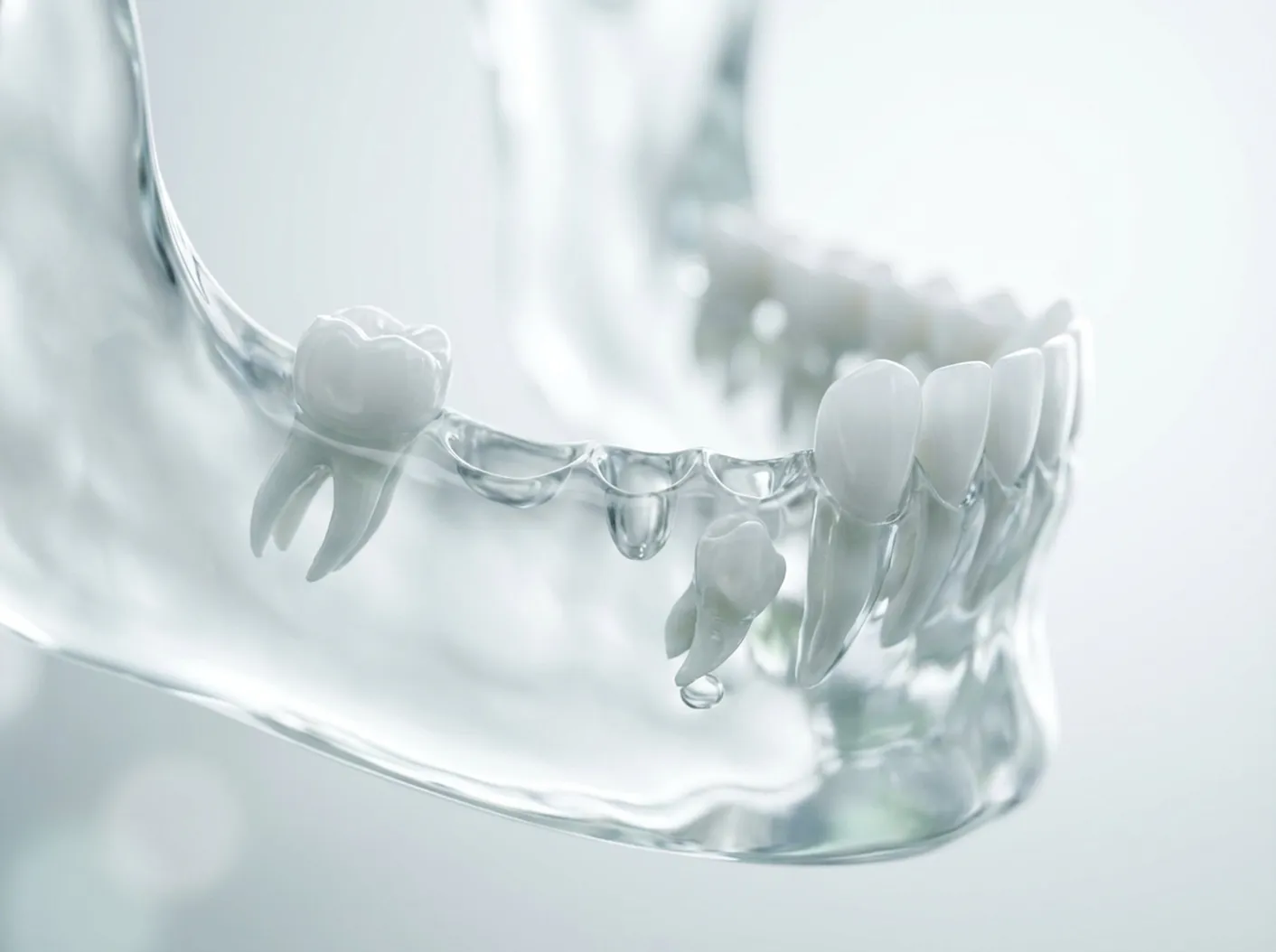
Hypodontia – causes, diagnosis and treatment options
Hypodontia describes the congenital absence of individual permanent teeth. This developmental disorder primarily affects the front and side teeth. Many patients do not notice the condition until adolescence, when permanent teeth fail to erupt. At the Wunschlachen dental practice in Berlin, we treat...
Über 350 Google-Bewertungen
What is hypodontia?
Hypodontia means that one or more permanent teeth have not developed at all. The medical term is ‘tooth agenesis’. The teeth most commonly missing are the lateral incisors or premolars. The gap may be small or extend across several regions. Hypodontia also frequently occurs together with misaligned teeth because the rows of teeth develop unevenly. The condition does not only result in gaps. It also affects the growth of the jaw and bite. If baby teeth remain in place for a long time, they alter the distribution of pressure and wear down more quickly. Early diagnosis is therefore particularly important.
Typical symptoms of hypodontia
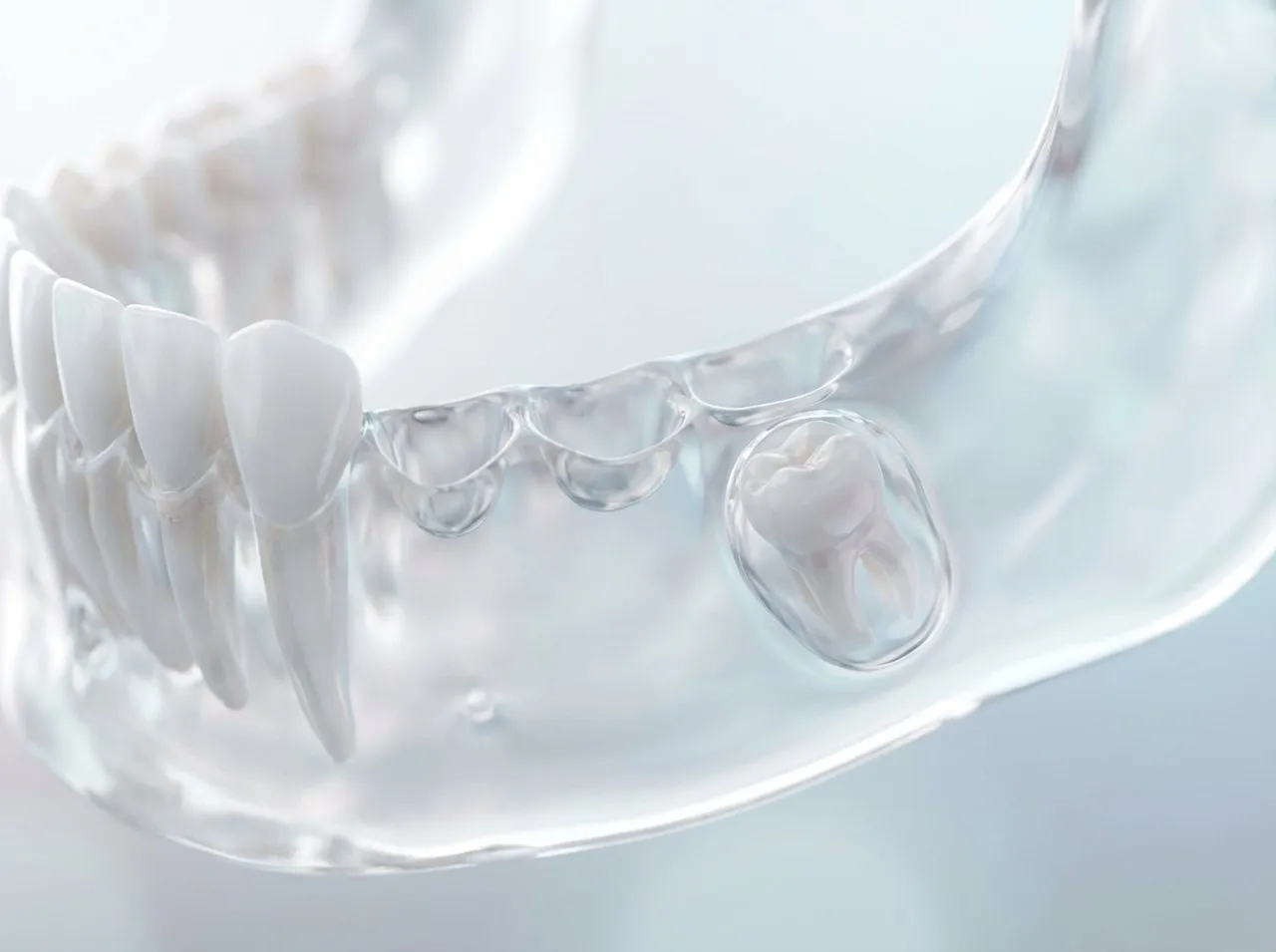
Many patients wonder how hypodontia can be recognised. The first signs usually appear when baby teeth are replaced. The following features are typical: • A permanent tooth fails to appear. • The row of teeth looks uneven. • There are gaps in the front or side teeth. • Baby teeth remain in place for longer than usual. • The bite feels unstable or displaced. If several teeth are missing, the jaw may be less able to withstand pressure. This can lead to excessive strain, which may later affect the jaw joint and muscles.
Causes of hypodontia
Tooth agenesis is usually caused by genetic factors. Hypodontia occurs repeatedly in many families. Disruptions to tooth development in the womb can also play a role. Less commonly, the condition results from injuries or illnesses that affect the development of tooth buds. Modern diagnostics enable an accurate assessment of the number and position of teeth. This makes it possible to identify at an early stage what treatment will be needed.
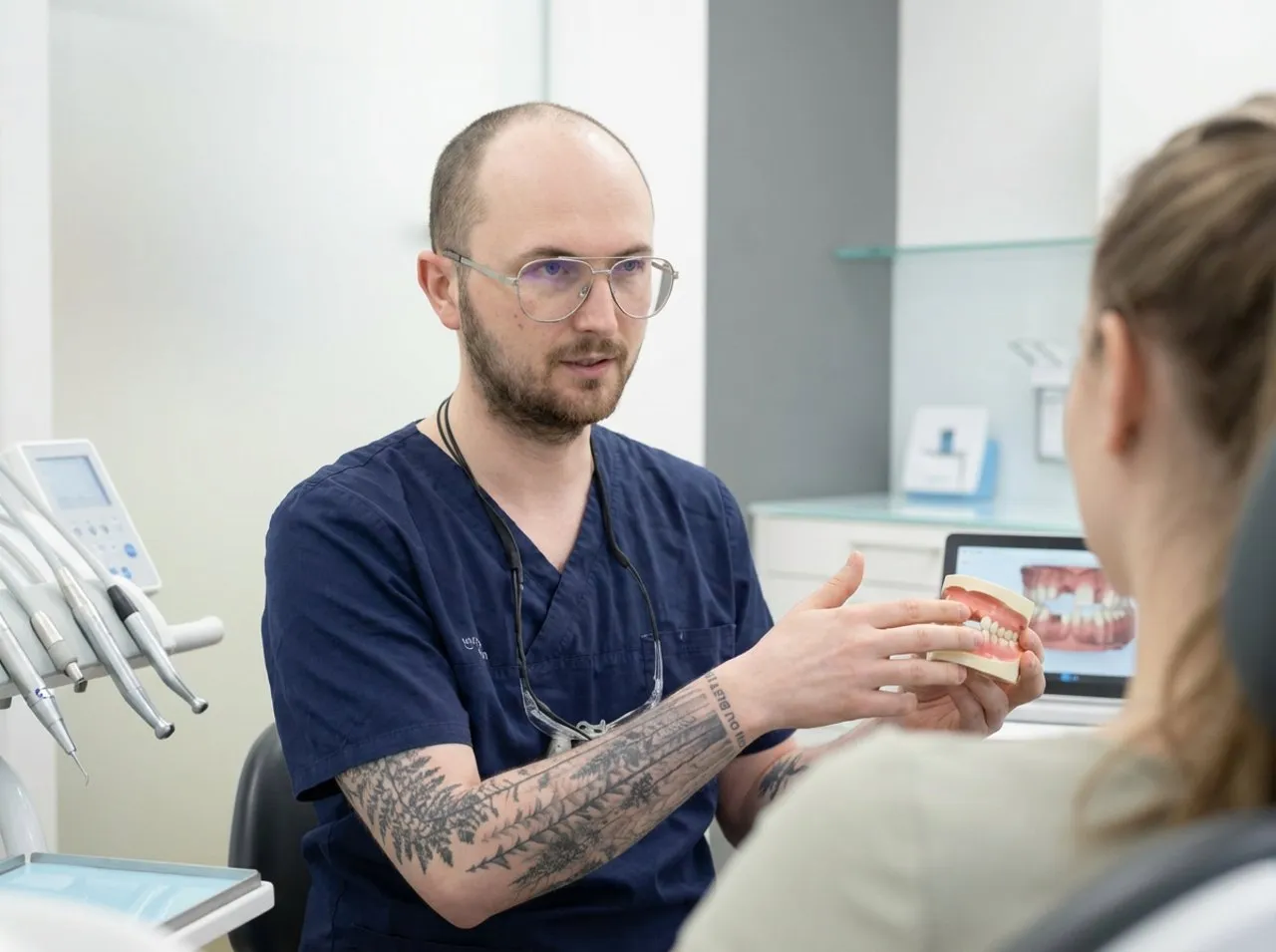
Diagnosis at Wunschlachen dental practice
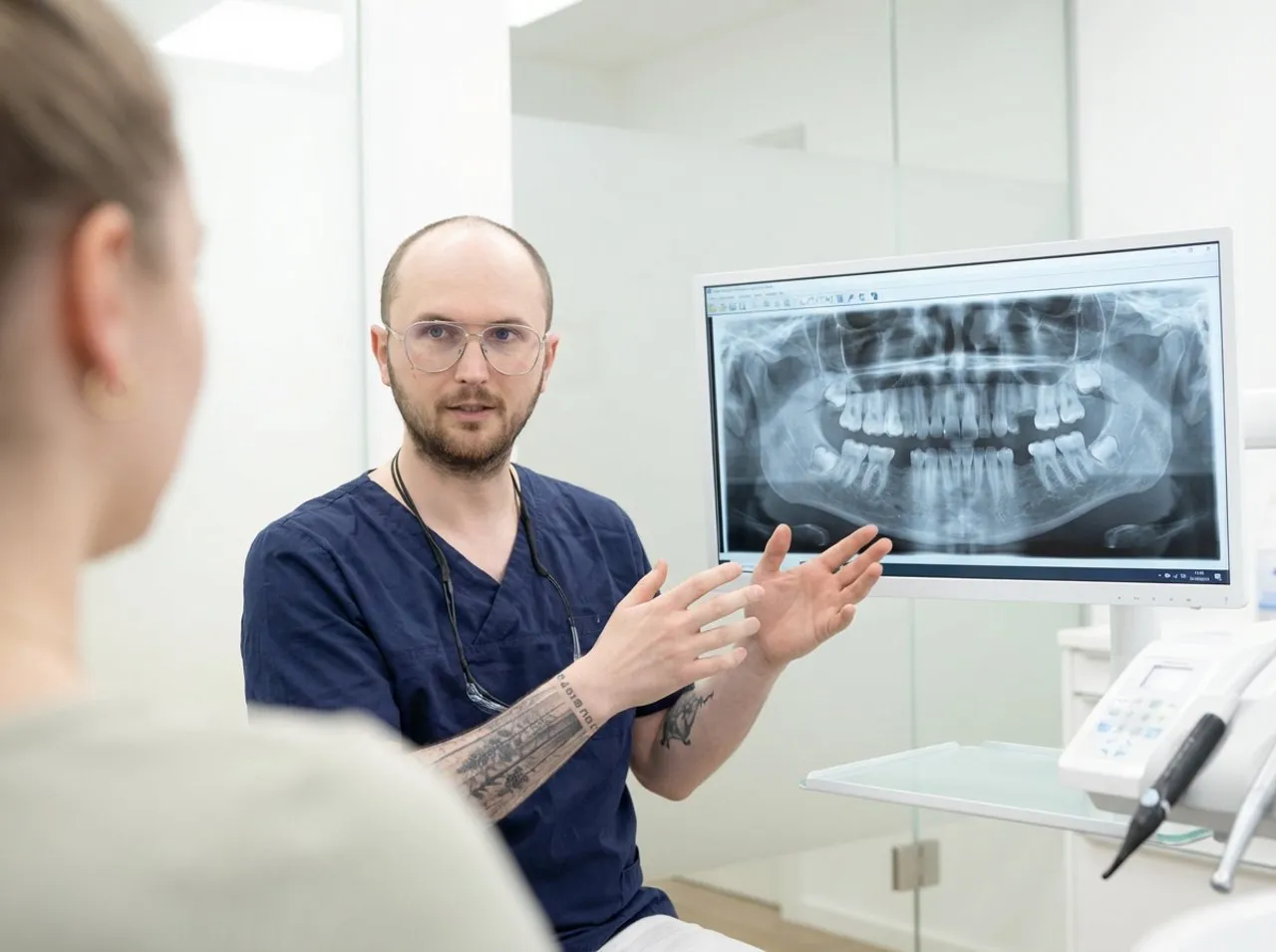
A reliable diagnosis is made through a clinical examination and an X-ray. This allows us to see whether a permanent tooth has developed or is actually missing. At the same time, we examine the bite, tooth axes and the function of the jaw joints. For pronounced hypodontia, we work across disciplines. These include orthodontics, implantology and cosmetic dentistry. The aim is a harmonious bite and a stable chewing system.

Effects on the jaw and teeth
Hypodontia changes the entire biomechanics of the jaw. The following consequences are common: • Tilting of neighbouring teeth • Crowding or gaps • Excessive strain on the existing teeth • Changes to the shape of the jaw • Difficulties with chewing The gaps should therefore not be left untreated. Early therapy stabilises the rows of teeth in the long term.
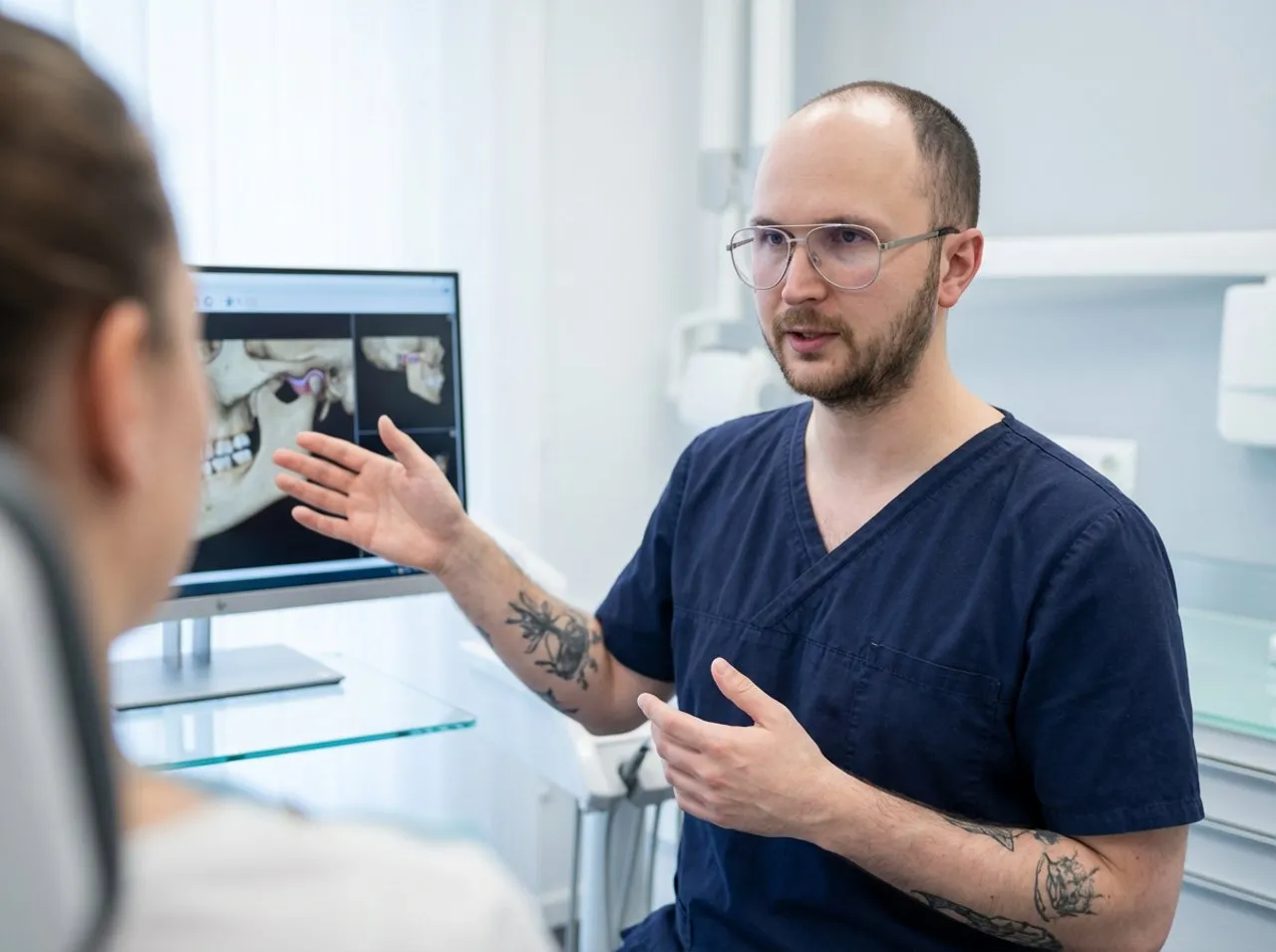
Treatment options for hypodontia
Treatment depends on the number and position of the missing teeth. At Wunschlachen, we develop an individual treatment plan.
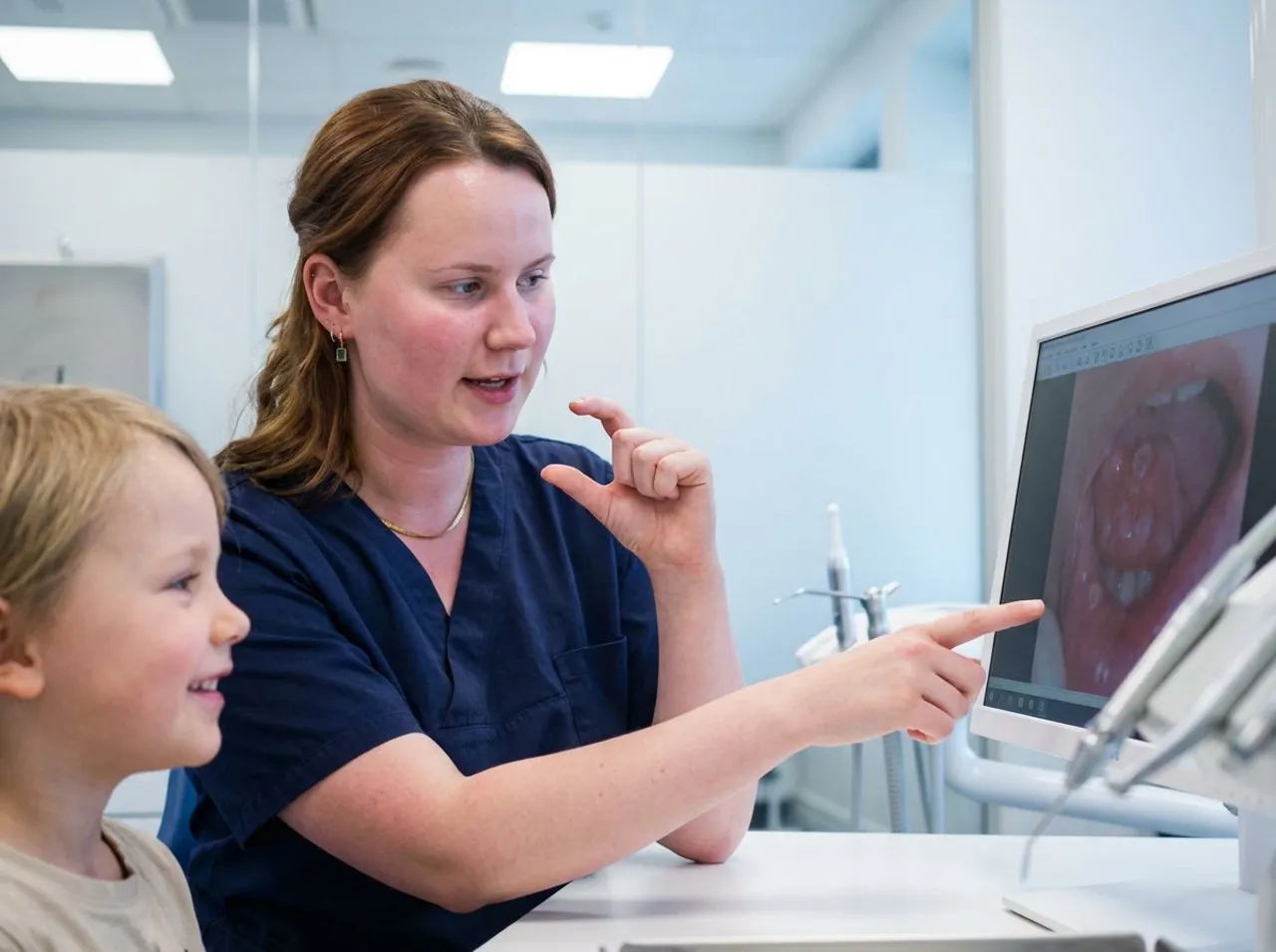
1. Retaining baby teeth
If a baby tooth is stable, it can temporarily remain in place. This often makes sense until jaw growth is complete. A permanent solution with implants or bridges is provided later.

2. Orthodontic treatment
Orthodontic therapy can close gaps or create space for an implant. This prevents excessive strain and improves aesthetics.
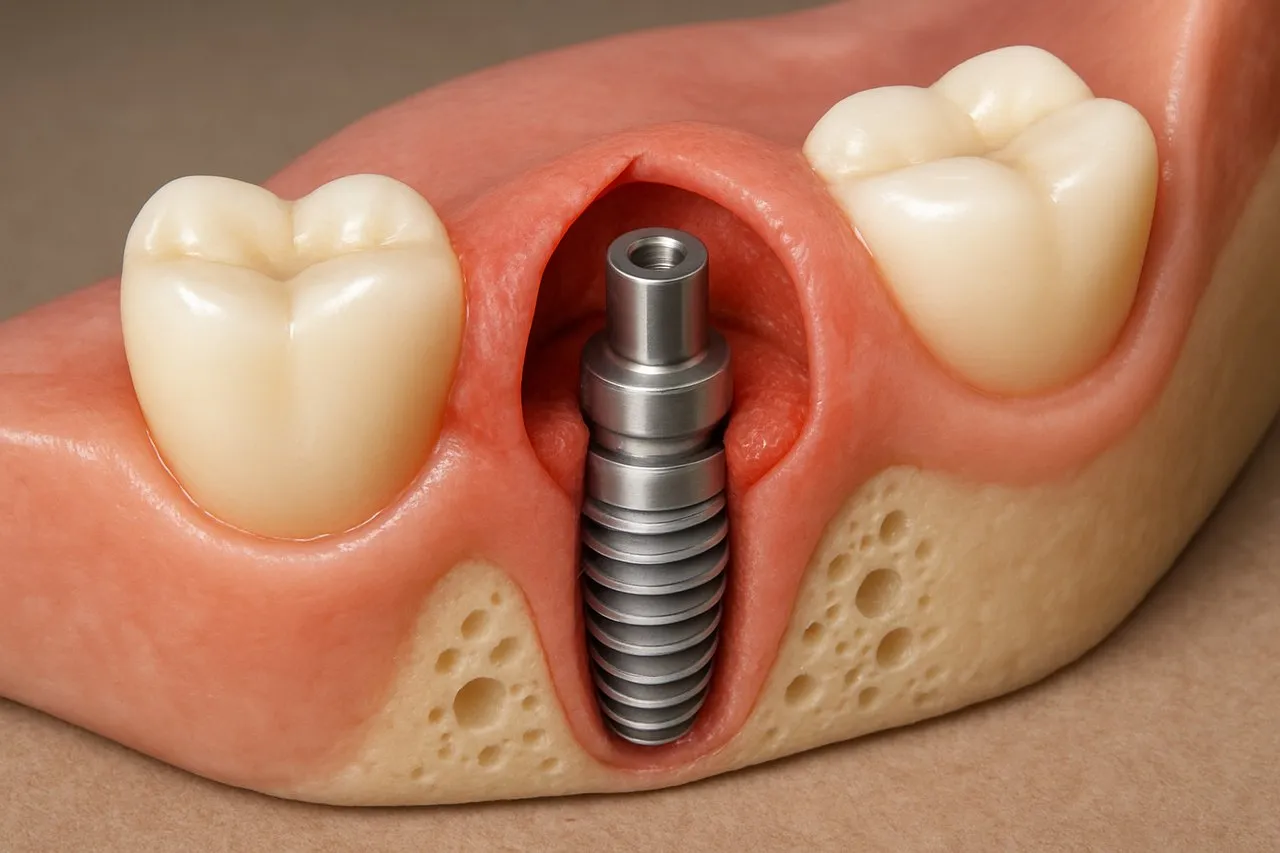
3. Implants for missing teeth
A dental implant is the most stable solution for permanently replacing a missing tooth. It protects the jawbone and preserves bite function. Implants are particularly suitable when the missing tooth is in the front or side region.
4. Bridges or dentures
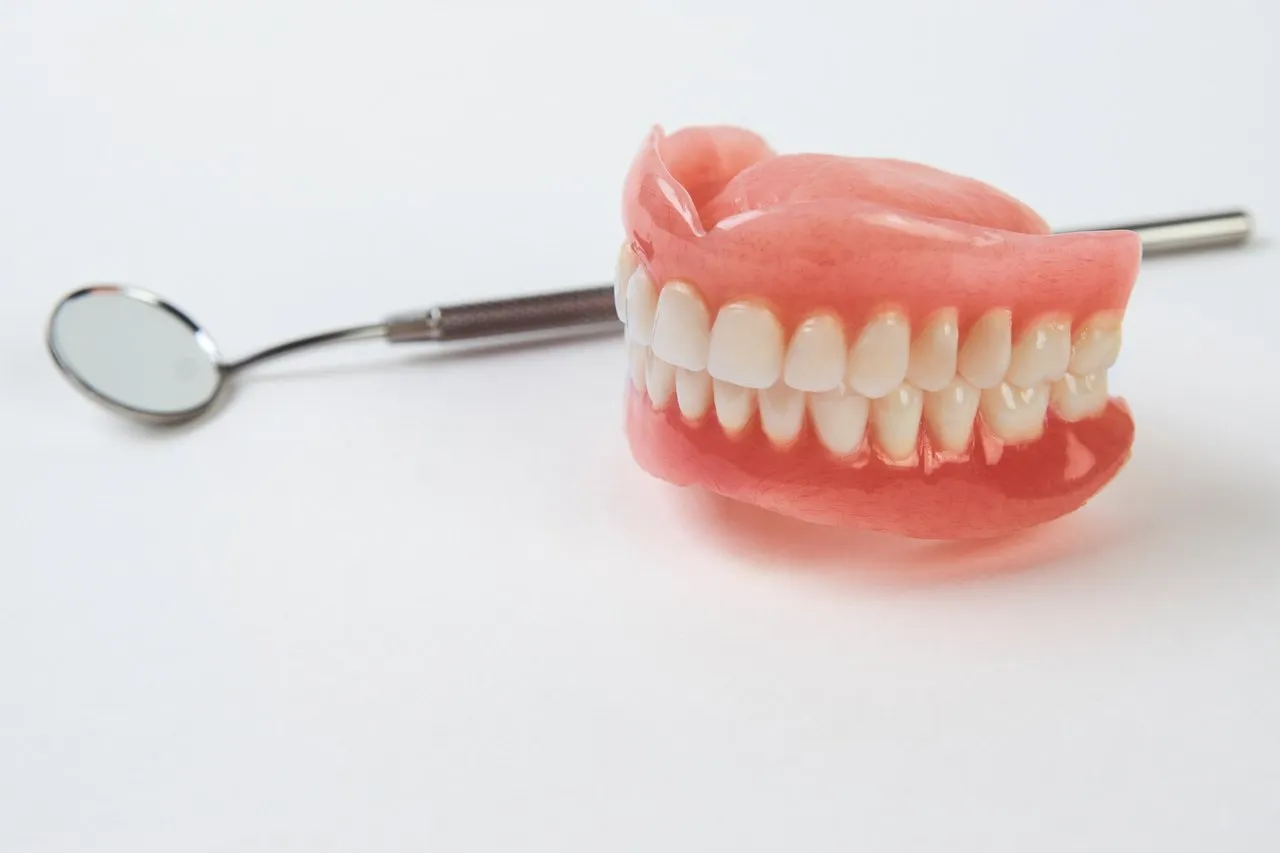
If an implant is not possible, a bridge or a modern partial denture can be used. It closes the existing gap and improves chewing stability.
Hypodontia in children and adolescents
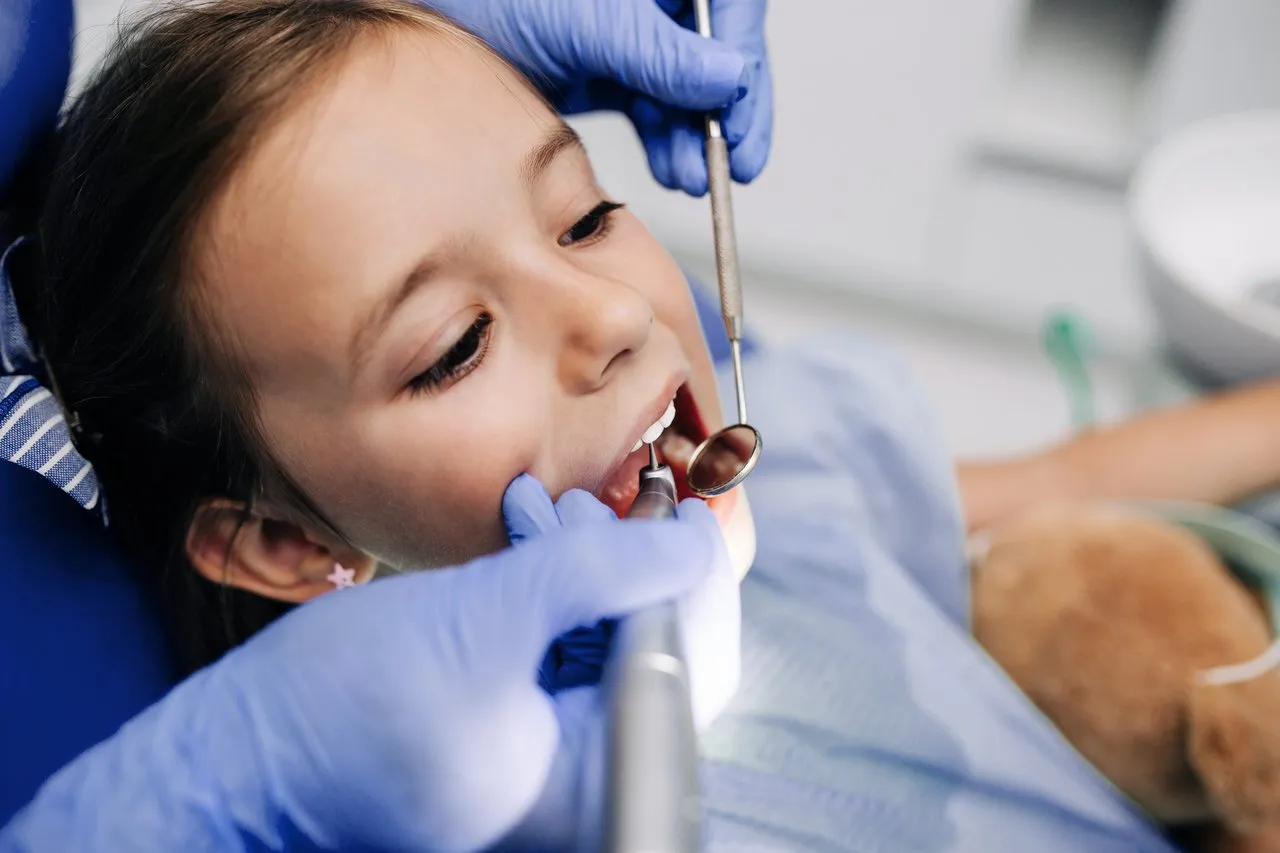
Jaw growth plays a major role in young patients. We monitor development closely and plan treatment in several stages. It is often advisable to retain the baby tooth until growth is complete. It is then replaced with implants or other solutions. An early diagnosis prevents improper loading later on. Parents should therefore look out for permanent teeth that fail to appear and consult a dentist at an early stage.

Aesthetic aspects and dentures
Missing front teeth can have a major impact on self-confidence. Modern dental prostheses now achieve a natural appearance. Ceramic crowns or implant crowns can be matched precisely in colour and offer excellent stability. At the Wunschlachen practice, we use high-quality dental technology from Germany. This produces long-lasting results that are both functionally and aesthetically impressive.

Costs and insurance
The costs depend on the type of dental prosthesis and the extent of treatment. Statutory health insurance funds pay a fixed subsidy towards dentures. Additional benefits may be available for genetically caused hypodontia. Private supplementary insurance can further reduce the amount you pay yourself. We provide transparent advice, draw up a treatment and cost plan and offer payment by instalments if required.
Conclusion
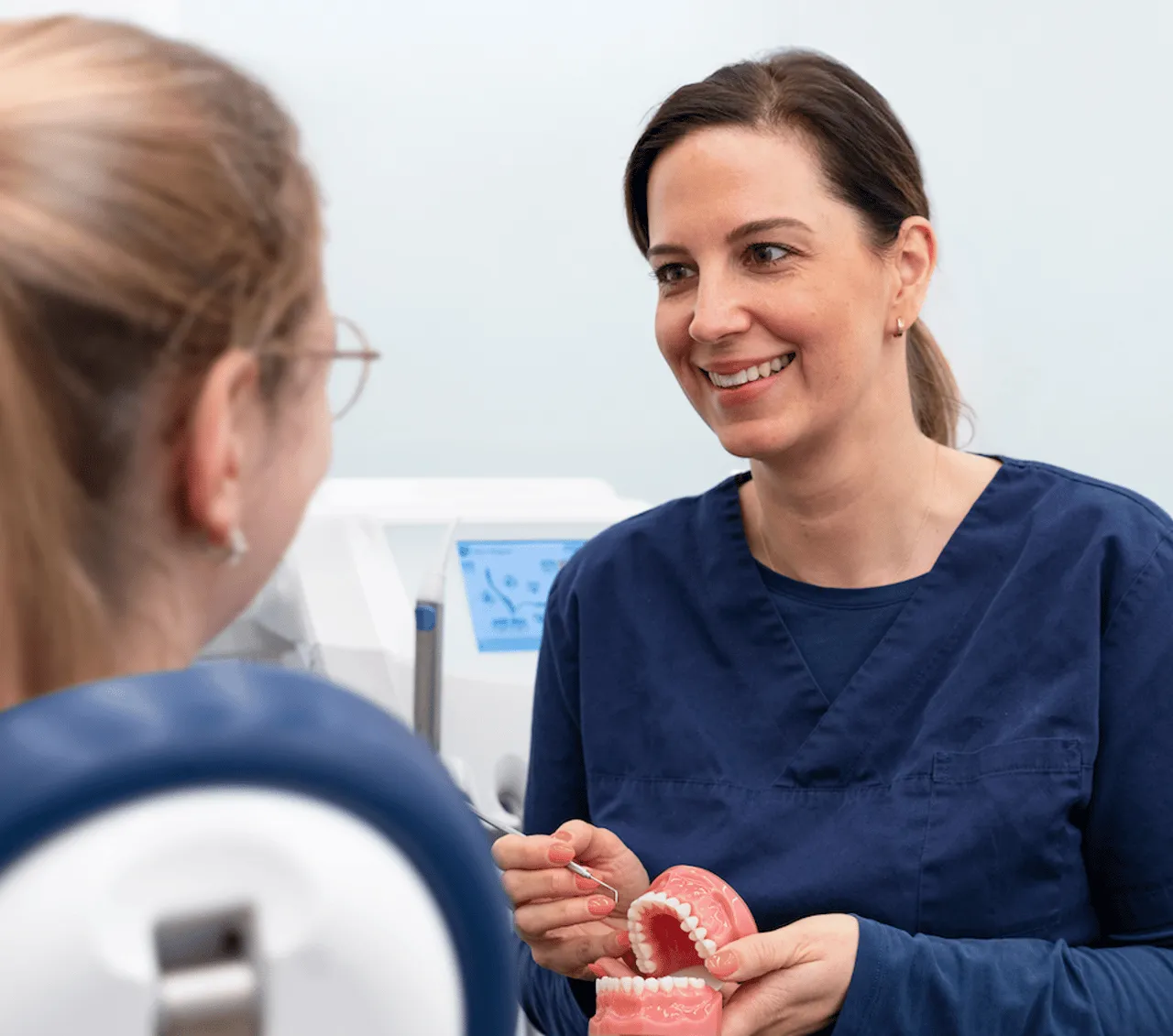
Hypodontia is a common but readily treatable dental development condition. Early diagnosis and individually tailored therapy are crucial. At the Wunschlachen dental practice, we provide you with comprehensive support. From diagnostics and planning through to the final restoration. This preserves the function, stability and aesthetics of your teeth in the long term.
FAQ – Frequently asked questions about hypodontia
Hypodontia describes the congenital absence of one or more permanent teeth.
Teeth fail to erupt, baby teeth remain in place for a long time or visible gaps develop.
Primarily genetic factors. Less commonly developmental disorders or injuries.
Yes. Gaps can lead to misaligned teeth and excessive strain.
Through a clinical examination and X-ray diagnostics.
Yes. Implants are the most stable and longest-lasting solution.
For many patients, yes, to manage gaps or create space for implants.
Sometimes it can be retained temporarily if it is stable.
The fund pays a fixed subsidy. Additional benefits are available for genetic hypodontia. We support you in your communications with your health insurance fund.
Ideally at an early stage while baby teeth are being replaced, to prevent abnormal development.
Book your appointment now
We would be happy to advise you in person at our practice.