How to use ibuprofen correctly for toothache
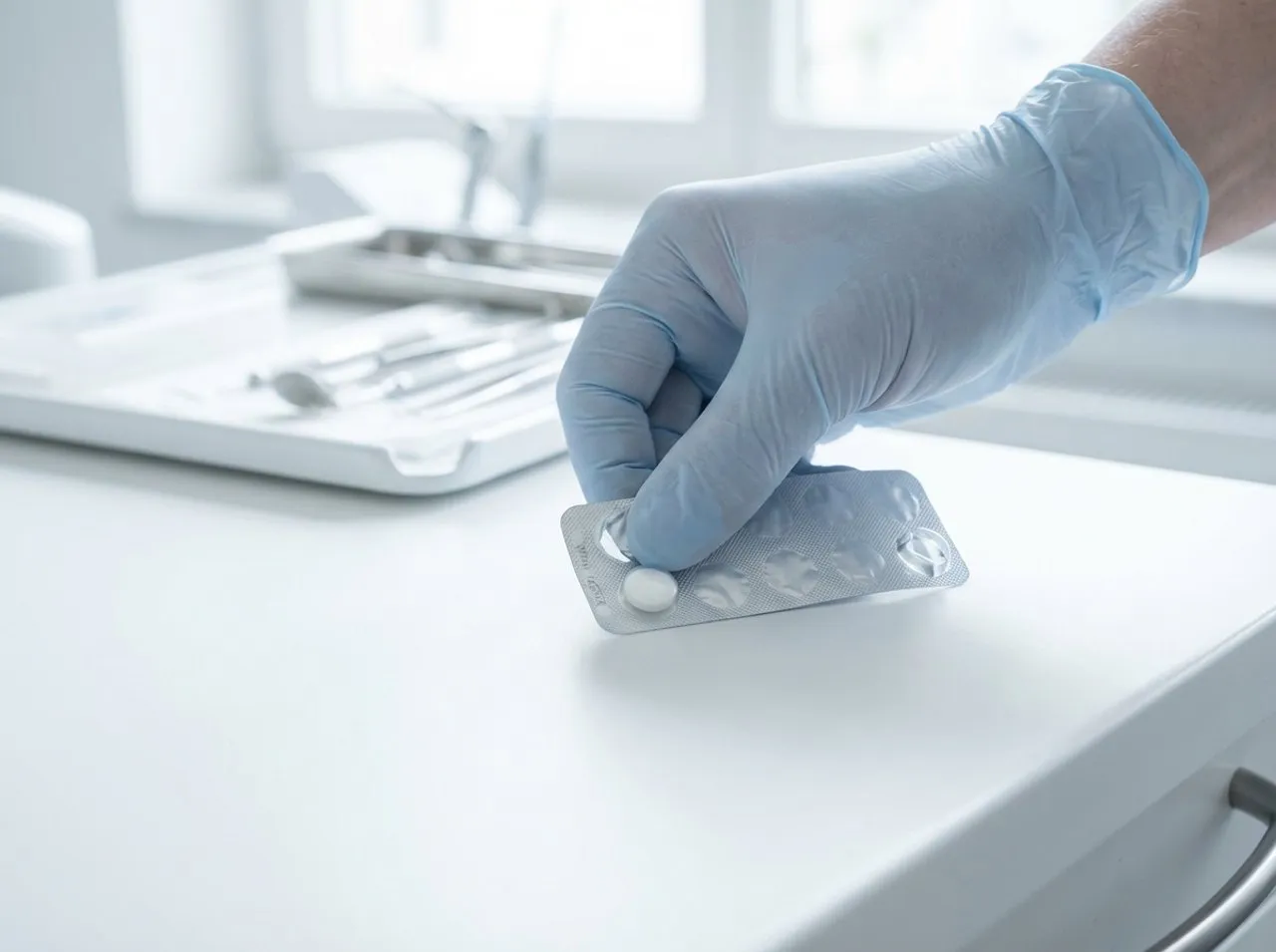
Toothache is among the most severe pain in the body. Many patients automatically reach for ibuprofen. The medicine often relieves the symptoms quickly and reliably. Ibuprofen belongs to the group of medicines known as non-steroidal anti-inflammatory drugs. These medicines relieve pain and reduce inflammation. Inflammatory processes affecting the teeth and gums respond particularly well to them. However, it is important to use it correctly. Painkillers are no substitute for treatment of the underlying cause. If symptoms persist, a visit to the dentist is essential.
Über 350 Google-Bewertungen

How ibuprofen works for toothache
Toothache is often caused by inflammation of the tooth nerve. The gums or jawbone may also be affected. In response, the body releases chemical messengers that cause pain and inflammation. Ibuprofen blocks the production of these substances. This reduces the sensation of pain and the inflammatory response. Pressure in the tissue decreases and you feel relief. It usually takes effect within 30 to 60 minutes. The pain reduction generally lasts for several hours. This allows you to sleep, eat and work again. Nevertheless, the medicine only treats the symptoms. The underlying cause remains unchanged. Ibuprofen is therefore always only a temporary solution.

Correct dosage of ibuprofen for toothache
The ibuprofen dosage depends on age and state of health. Always follow the package leaflet. If you are unsure, ask your dentist or GP. The following guidelines generally apply to healthy adults. A single dose is usually 200 to 400 milligrams. The maximum daily dose without medical supervision is usually 1,200 milligrams. There should be several hours between doses. Never take more tablets than recommended. An overdose significantly increases the risk of side effects. Children need special preparations in the form of liquid or suppositories. In these cases, the dosage is strictly based on body weight. Never give children adult tablets on your own initiative.

How to take it: protecting your stomach and body
Ideally, take ibuprofen with a meal. This can reduce the risk of stomach problems. A glass of water helps the body absorb it. The duration of use should be as short as possible. Severe toothache lasting more than three days is a warning sign. By then at the latest, the cause requires dental treatment. Avoid taking the painkiller ‘as a precaution’. Only take it when you actually have symptoms. This reduces the strain on your body and metabolism. Do not combine ibuprofen indiscriminately with other painkillers. Some active ingredients can compound each other's risks. Always seek medical advice about this.

Risks and side effects of ibuprofen
Like any medicine, ibuprofen can have side effects. Gastrointestinal problems are common. Typical symptoms include nausea, heartburn and abdominal pain. Bleeding can occur if the stomach lining is already damaged. The medicine also places strain on the kidneys and liver. Particular caution is therefore essential if you have any pre-existing conditions. Certain groups of patients should only use ibuprofen after seeking advice. These include people with heart failure or kidney disease. Problems can also occur in people with asthma. Particular caution is important during pregnancy. In the final trimester, ibuprofen usually must not be taken. Other painkillers, such as paracetamol, are more suitable in this case.

Interactions: ibuprofen, alcohol and other medicines
Ibuprofen and alcohol are an unfavourable combination. Both place strain on the stomach and liver at the same time. It is better to avoid alcohol while taking ibuprofen. Caution is also needed with blood-thinning medicines. These can increase the risk of bleeding. This applies particularly after dental procedures. If you already take other painkillers such as ASS or diclofenac, you should not simply add further medicines. Always discuss the combination with a doctor. Tell your dentist at Wunschlachen about all your medicines. This is the only way to plan treatment safely. This also applies to over-the-counter medicines from the pharmacy.

When ibuprofen is no longer enough
Sometimes toothache does not subside despite ibuprofen, or it keeps returning. There is usually a serious condition behind this. Possible causes include deep tooth decay. Inflammation of the tooth root or jaw may also be responsible. These problems cannot be resolved with painkillers alone. Warning signs include persistent, throbbing pain. Swelling, fever and bad breath are also causes for concern. There is a risk of the inflammation spreading. In such cases, you need prompt dental treatment. Ibuprofen is only intended as a short-term stopgap. It is best to book an appointment at our practice straight away.
Alternative measures for toothache
If a tablet is not enough, additional measures can help. Carefully cool the affected cheek from the outside. This reduces swelling and the sensation of pain. Avoid hard or very hot foods. Choose soft food and lukewarm drinks instead. This will irritate the tooth less. Paracetamol can sometimes be an alternative, particularly if ibuprofen is not tolerated. However, the duration of use must also be limited in this case. Home remedies are no substitute for professional treatment. Salt-water rinses or camomile tea can only be used as a supplement. A dentist must determine the cause of the pain.