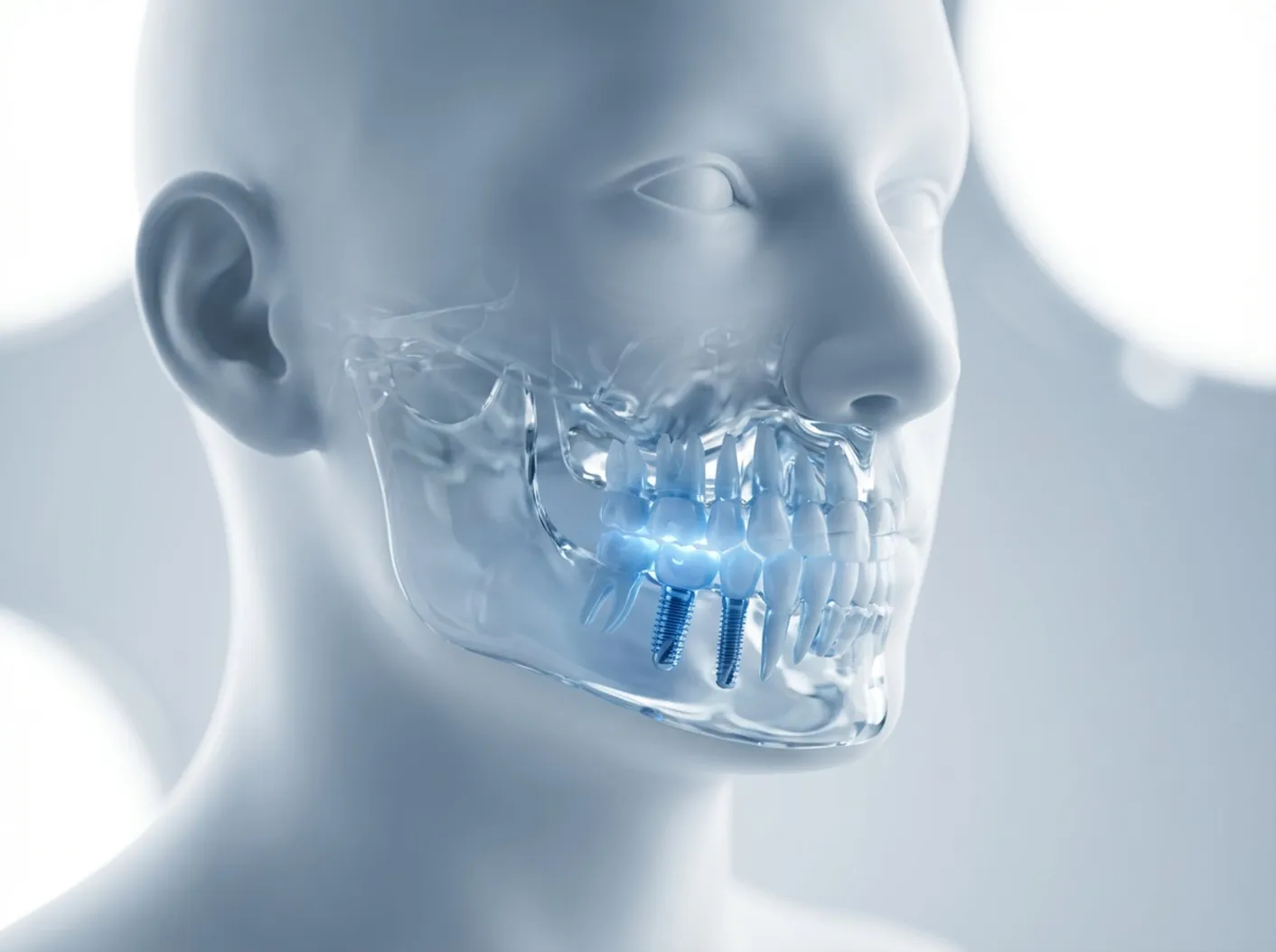
Implant Healing with a Temporary Restoration: Procedure & Tips
An artificial tooth root replaces the missing root in the jaw. Many patients would like a temporary restoration during this time. This preserves their smile and dental function.
Über 350 Google-Bewertungen
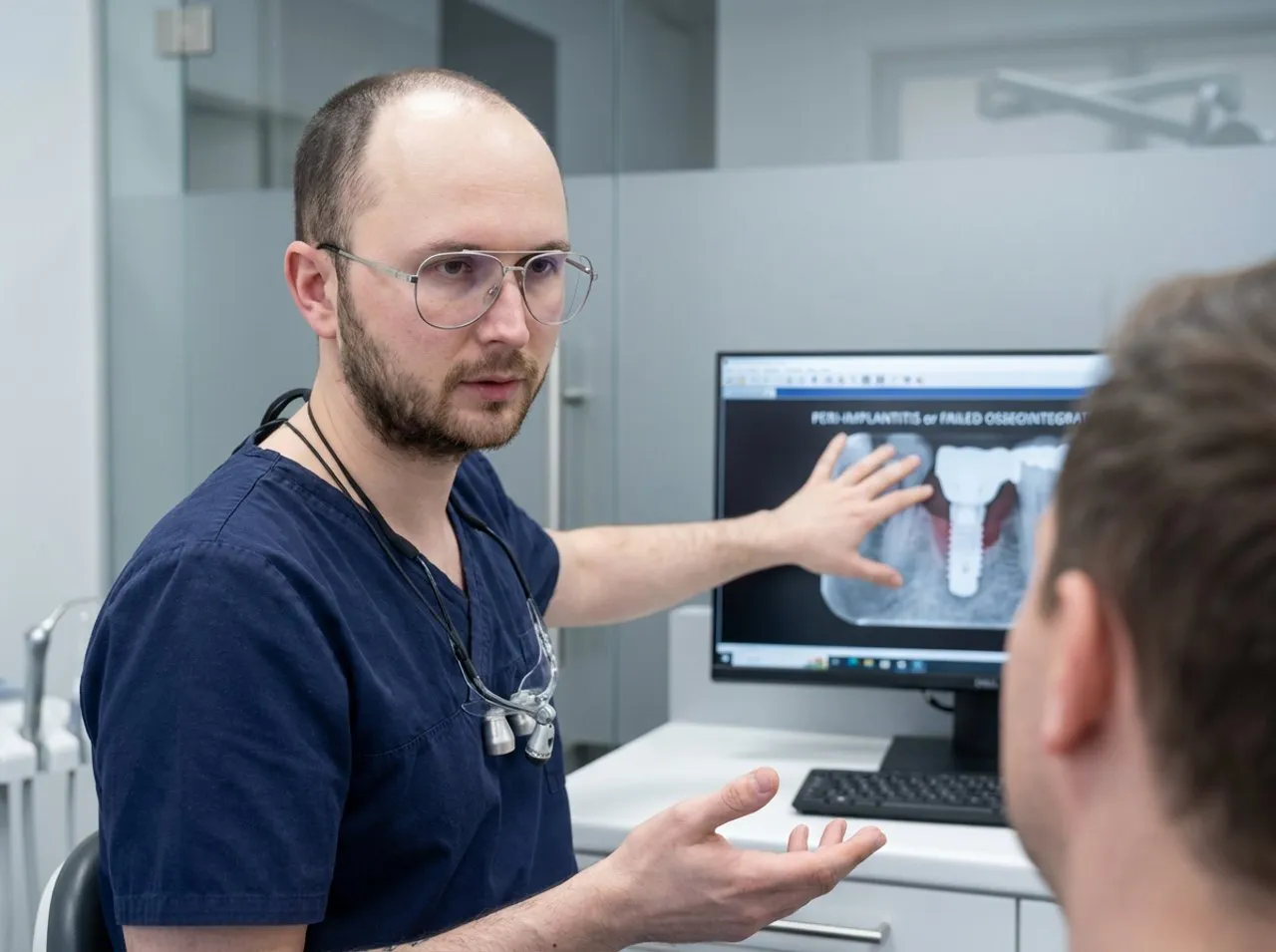
What does healing involve?
During healing, bone grows onto the surface of the implant. This process is called osseointegration. It takes time and as little pressure as possible. The duration varies from person to person. It is often quicker in the lower jaw. In the upper jaw, it frequently takes longer.
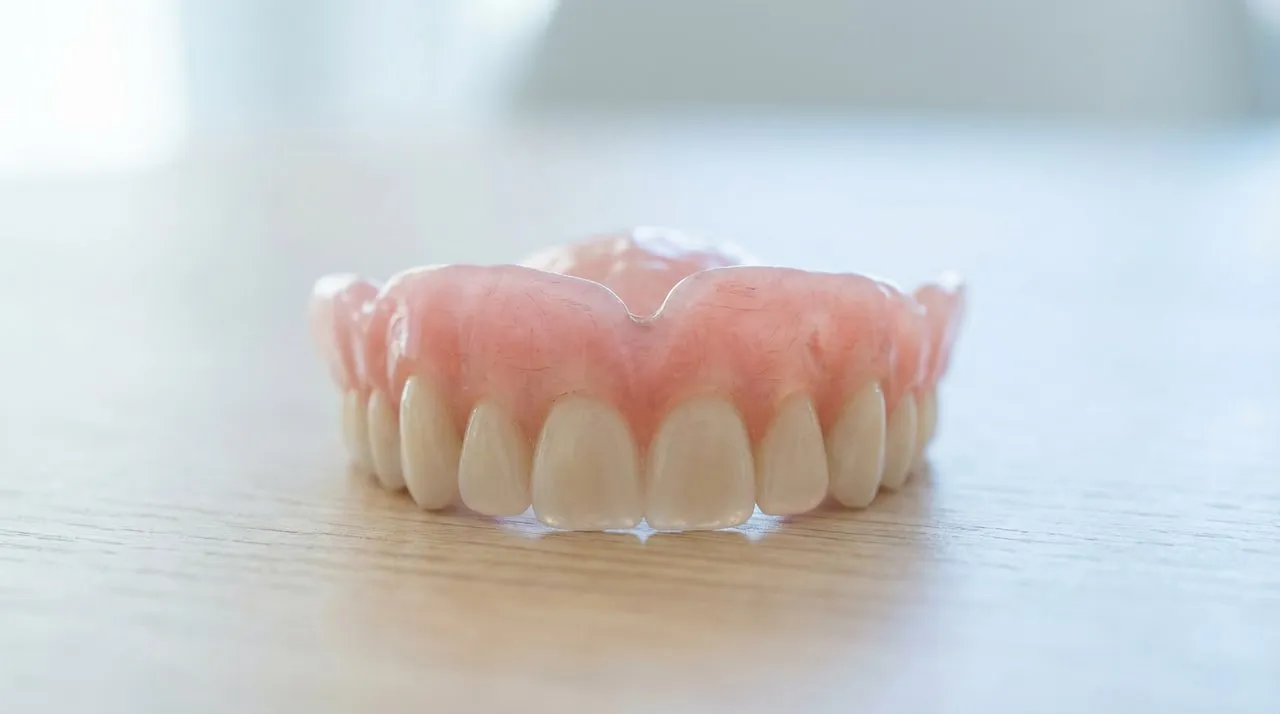
Why have a temporary restoration during the healing period?
A temporary restoration bridges the period until the final crown is fitted. It protects the gums and supports the soft tissue. It also stabilises the position of the neighbouring teeth. Many people feel more confident in everyday life with one. This is particularly true in the visible front area, where a harmonious overall appearance matters.
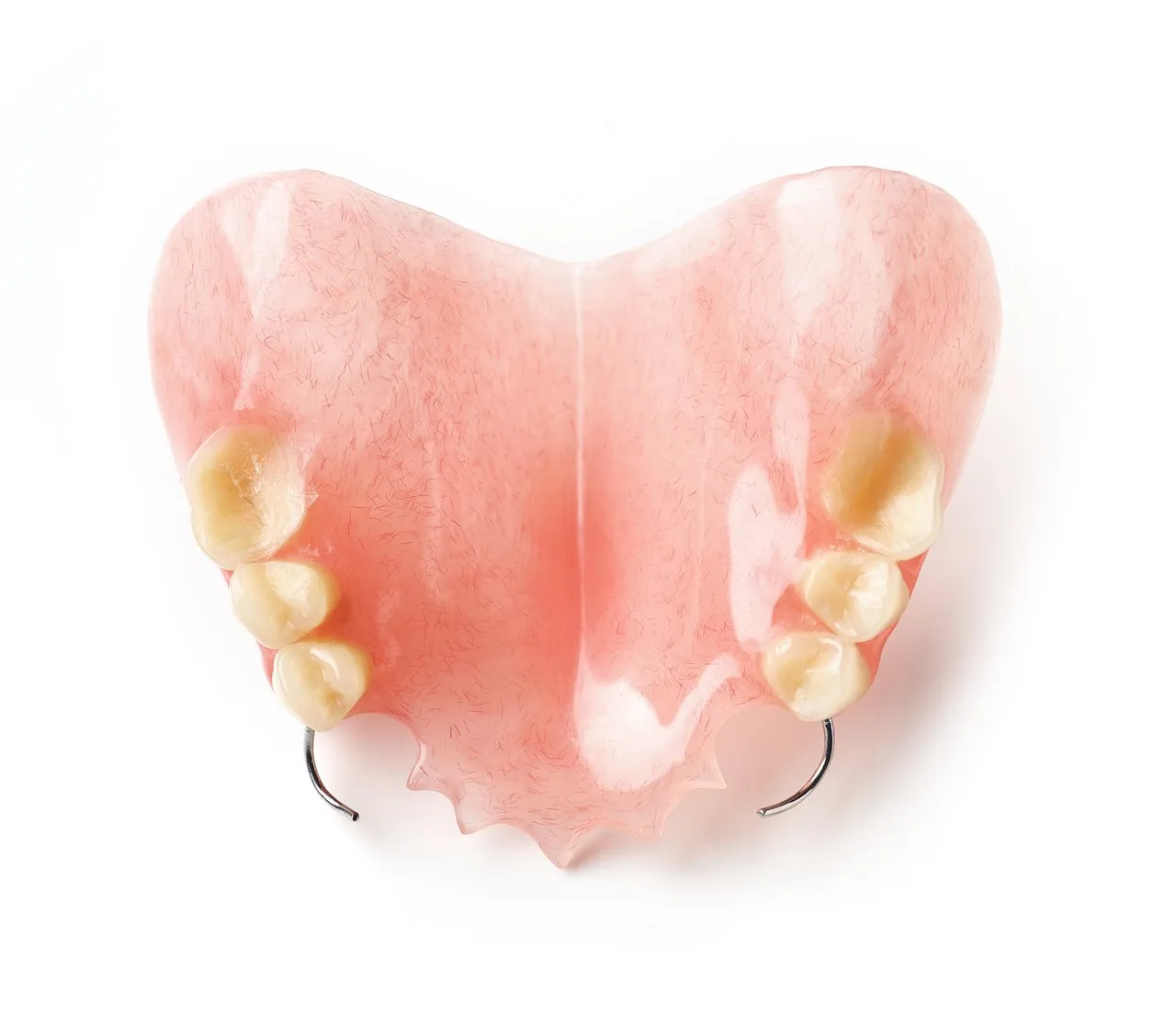
What types of temporary restoration are available?
A distinction is made between fixed and removable solutions. The choice depends on your bite, bone and the space available. Your habits also play a role. Common options are: • temporary crown on a temporary abutment • adhesive bridge, especially in the front teeth • interim denture as a removable replacement • temporary bridge on neighbouring teeth
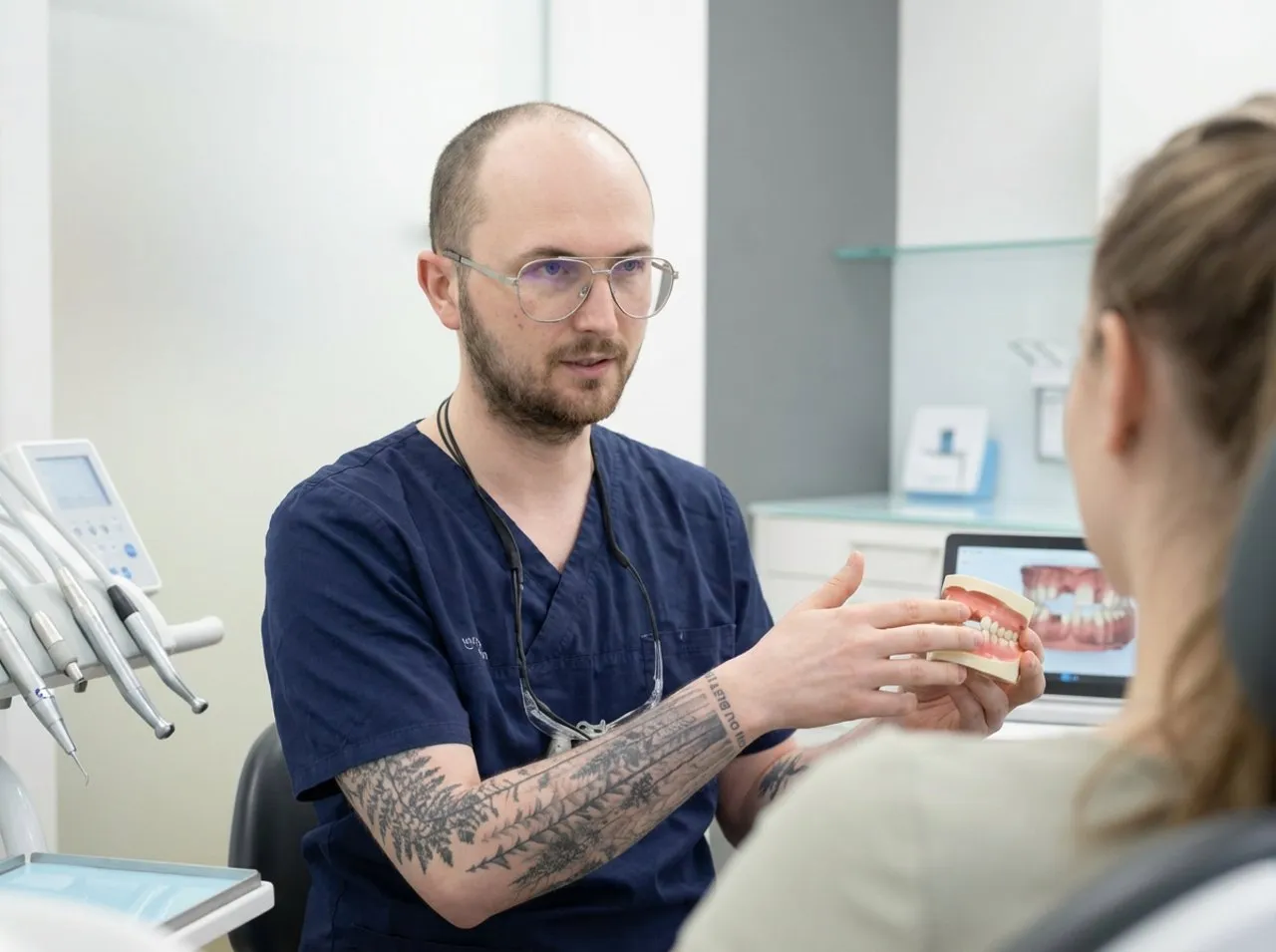
When is the temporary restoration fitted after surgery?
The decisive factor is primary stability in the bone. This shows how securely the implant is seated. High stability makes early restoration possible. The temporary restoration is then usually deliberately kept free of loading. It often has no full contact when you bite down. If stability is lower, the wait is longer. The temporary tooth is then often supported by neighbouring teeth. This keeps the area undisturbed.

Immediate restoration and the healing phase
With immediate restoration, the temporary prosthesis is fitted directly after the procedure. This can close the gap quickly. Nevertheless, healing remains the most important step. The temporary restoration is then usually a protective crown. It serves mainly aesthetic and shaping purposes. Hard biting forces should be avoided.
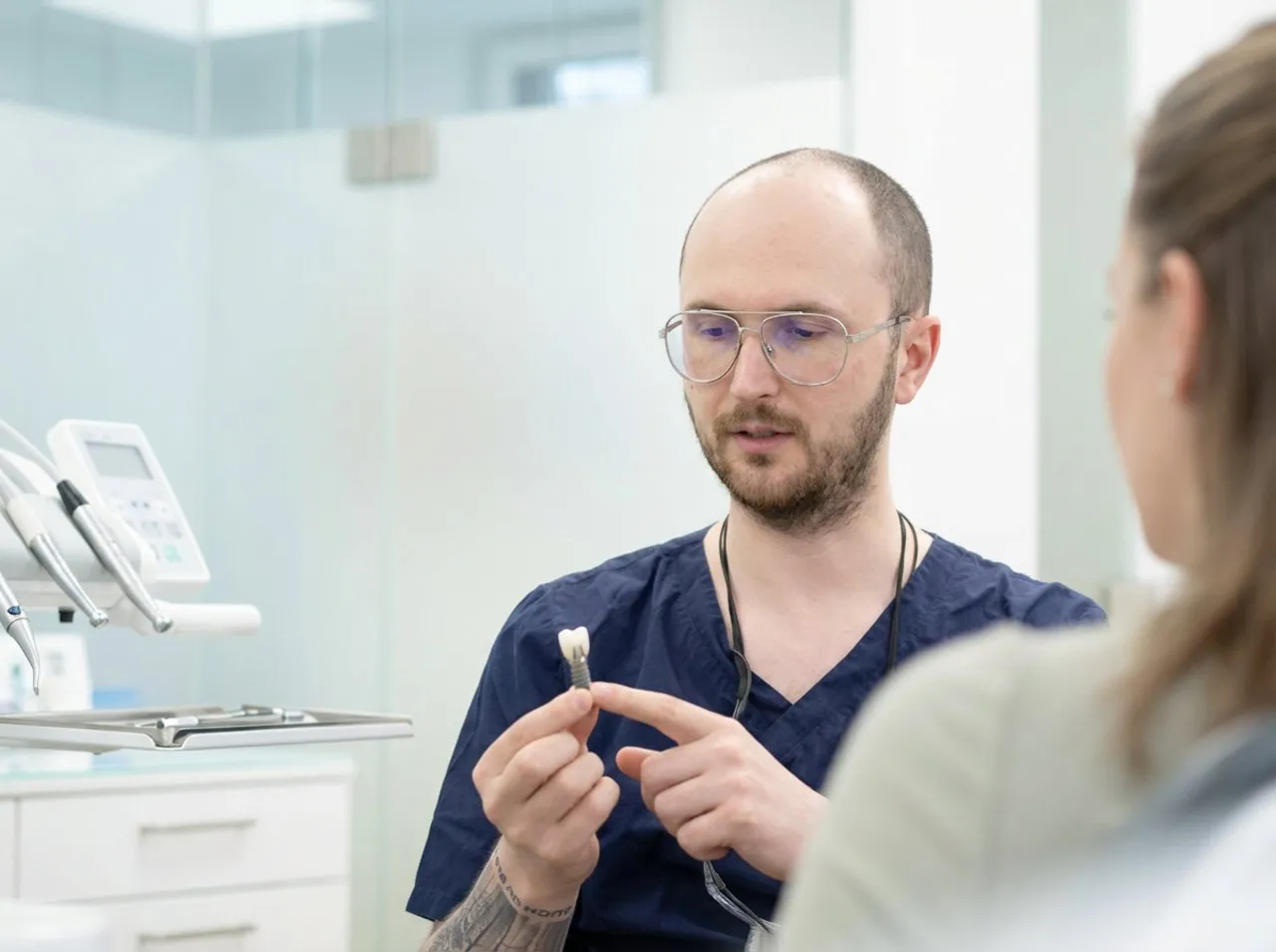
How long can a gap between teeth remain?
A short time is often unproblematic. A longer period, however, can have consequences. Without a tooth, the bone can recede. Neighbouring teeth can tilt or shift. Early planning is therefore advisable. A good temporary restoration can bridge this period. It supports speech and chewing in everyday life. It also helps aesthetically.
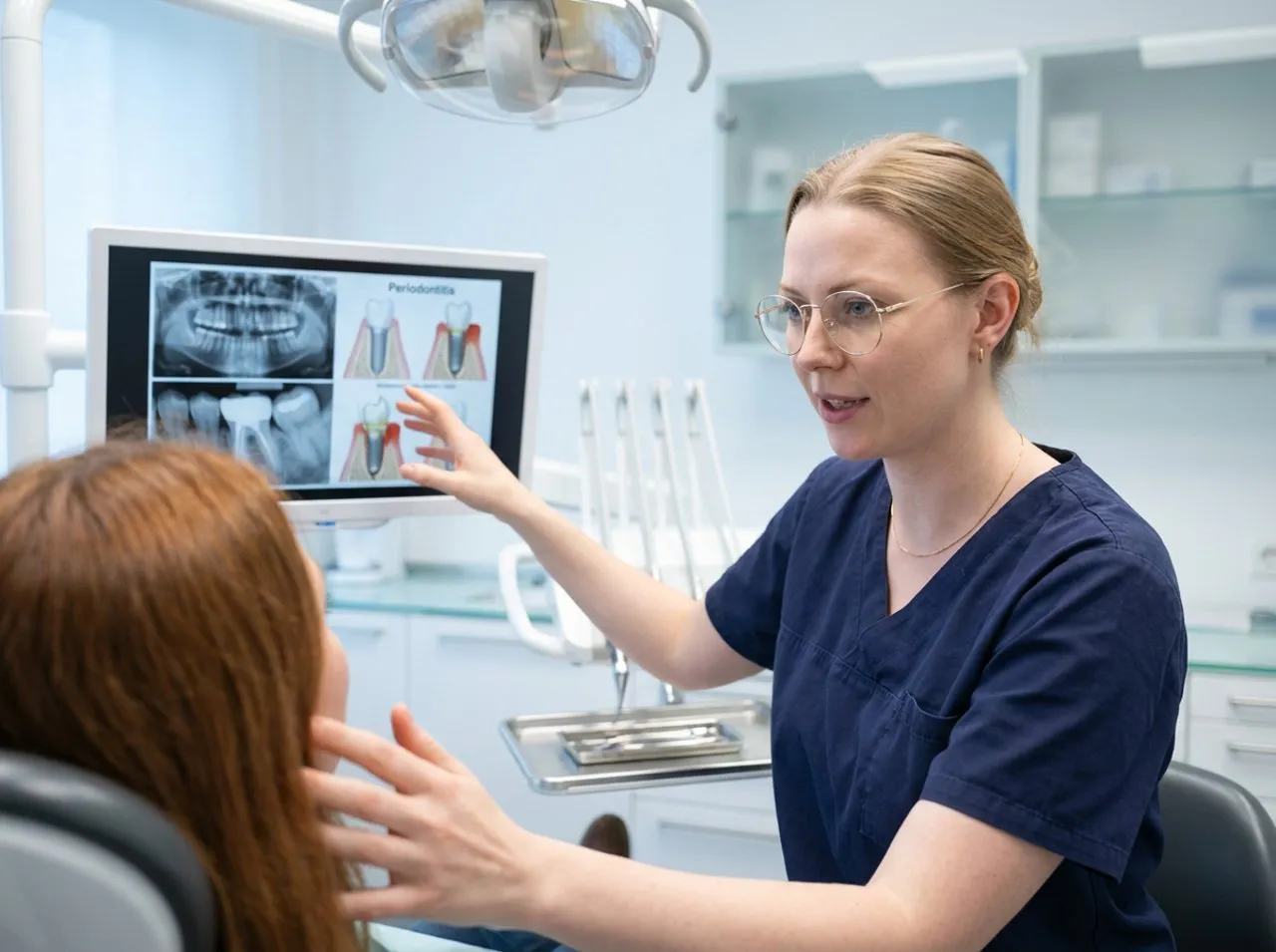
The process from planning to the final crown
The first step is a thorough examination. This includes X-rays and often 3D planning. This ensures that the position is determined reliably. Wound healing begins after placement. Slight swelling and pressure are often normal. Cooling and rest help. The actual healing period then follows. Check-ups assess the gums, bite and cleaning. Only after this is the final crown made.

What can prolong implant healing?
Several factors can slow healing. These include pre-existing conditions and external irritants. Loading also plays a major role. Common reasons are: • bone augmentation or a sinus lift before restoration • smoking or frequent vaping • poorly controlled diabetes • inflammation of the gums • teeth grinding and strong chewing pressure • loading too early through hard food
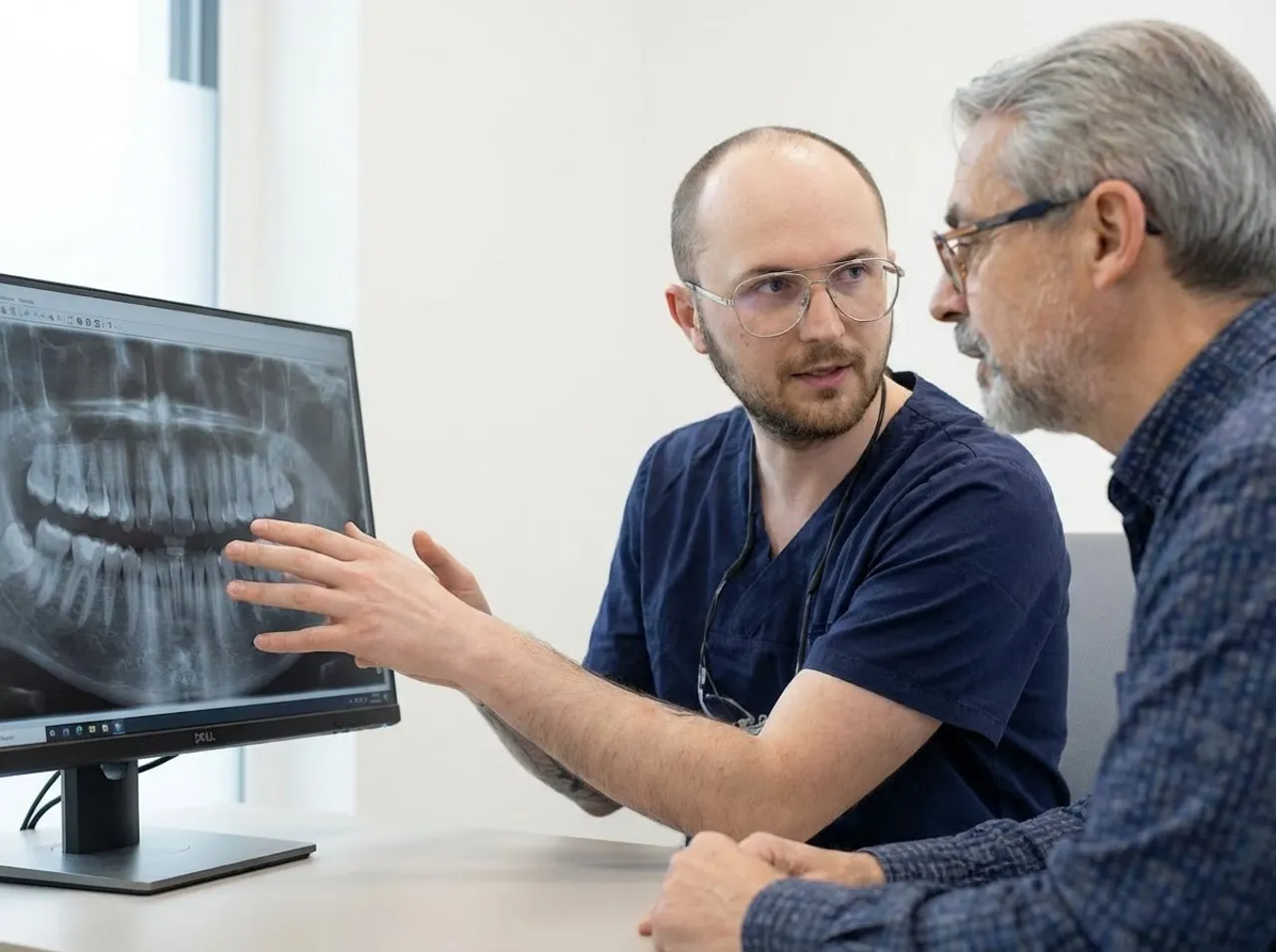
Two-stage procedure and uncovering the implant
Sometimes the implant heals completely beneath the gums. This protects it from chewing pressure during the first few weeks. An interim restoration is often worn during this time. A minor procedure to uncover the implant follows later. A gum-shaping abutment is then fitted. It shapes the gums for the subsequent crown.

Care with a temporary restoration
Good oral hygiene significantly reduces the risk of inflammation. Brush gently but thoroughly. Use suitable interdental brushes. Follow these rules: • do not pull or press on the wound area • favour soft foods at first • avoid nicotine wherever possible • attend all check-up appointments reliably Removable temporary restorations require particular care. Rinse the restoration after every meal. Clean it daily with a denture brush.

Pain, pressure and warning signs
Mild pain is common after the procedure. It often subsides within a few days. Temporary sensitivity when chewing is possible. Warning signs include increasing pain and fever. Pus, a strong odour or heavy bleeding are also causes for concern. A check-up should then take place promptly.

Eating, sport and everyday life
Chew on the opposite side at first. Avoid hard crusts, nuts and sticky foods. This protects the healing implant. Light exercise is often possible after a few days. Contact sports usually require a longer break. Your treatment team will give you clear instructions.
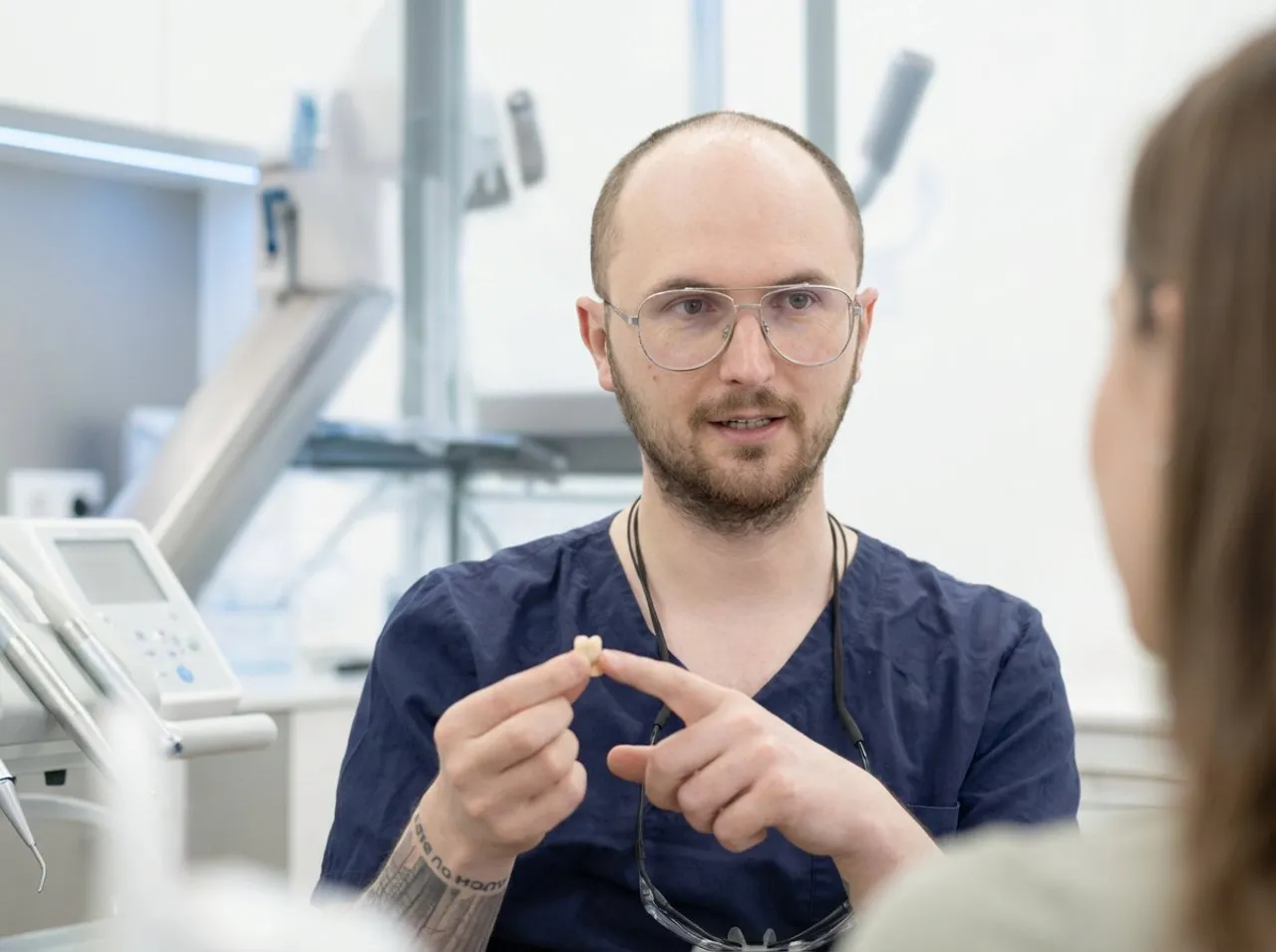
Wunschlachen: temporary restorations planned safely
At Wunschlachen, we plan temporary restorations very carefully. Their shape and colour should suit your smile. At the same time, we avoid excessive loading during the healing period. We assess whether early restoration is advisable. We explain the alternatives when stability is low. This creates a predictable path to the final crown.
Conclusion
A temporary restoration can make implant healing considerably easier. It improves appearance, comfort and tissue stability. Planning, rest and care are crucial. If you are planning treatment, we will provide transparent advice. We will clarify the timing, temporary restoration and costs in detail. This will help you achieve a natural and durable result.
FAQ – Frequently Asked Questions about Implant Healing with a Temporary Restoration
It is a temporary tooth during the healing period after surgery.
Not always, because stability, your bite and hygiene determine the risk.
It is usually highly aesthetic, but often cannot take full loading when biting.
Often only after a few weeks, because this area is subject to heavy chewing loads.
The temporary restoration and implant placement take place close together, often in one appointment.
Until the final crown is fitted, often for several weeks or months.
It is better to be cautious, especially at first, and avoid hard foods.
Contact us so that your bite can be checked and adjusted.
This depends on the bone, but early planning is usually better.
After stable healing and unremarkable check-ups at the practice.
Book your appointment now
We would be happy to advise you in person at our practice.