Implants for front teeth – aesthetics and function combined
A complete, attractive smile is crucial to many people's self-confidence. Tooth loss is immediately noticeable, especially in the front teeth. It affects not only appearance, but also speech and chewing. A modern, long-lasting solution...
Über 350 Google-Bewertungen
Why a front-tooth implant is the best solution
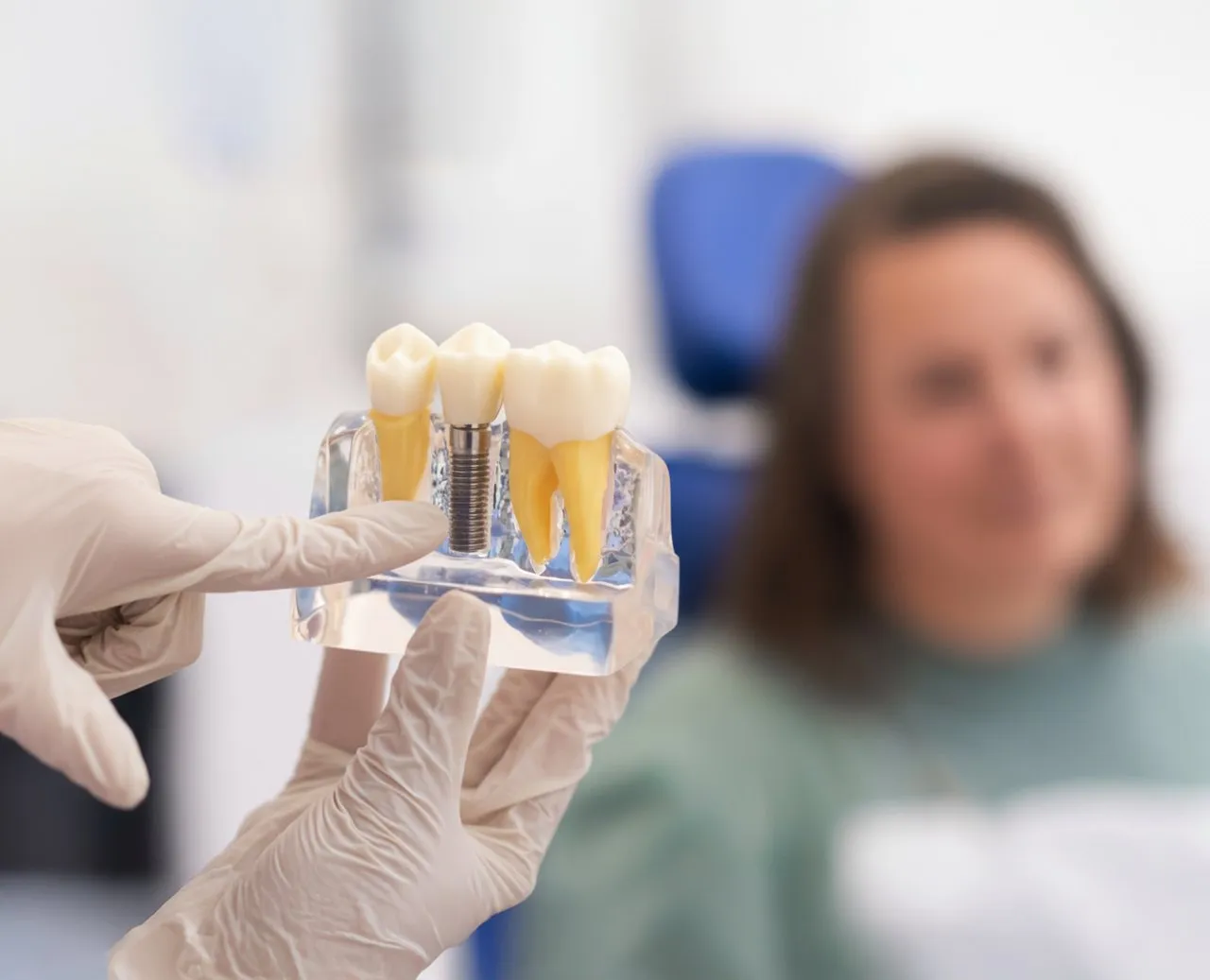
While gaps at the back of the mouth often remain well hidden, front teeth are immediately visible when speaking, smiling and eating. A conventional temporary restoration or bridge can close this gap, but has disadvantages, such as the need to grind down healthy neighbouring teeth or reduced wearing comfort. A front-tooth implant, on the other hand, replaces the missing tooth completely, from root to crown, providing natural aesthetics and stability. The implant fuses firmly with the jawbone and acts like one of your own teeth, creating a natural feel.
Structure of a front-tooth implant
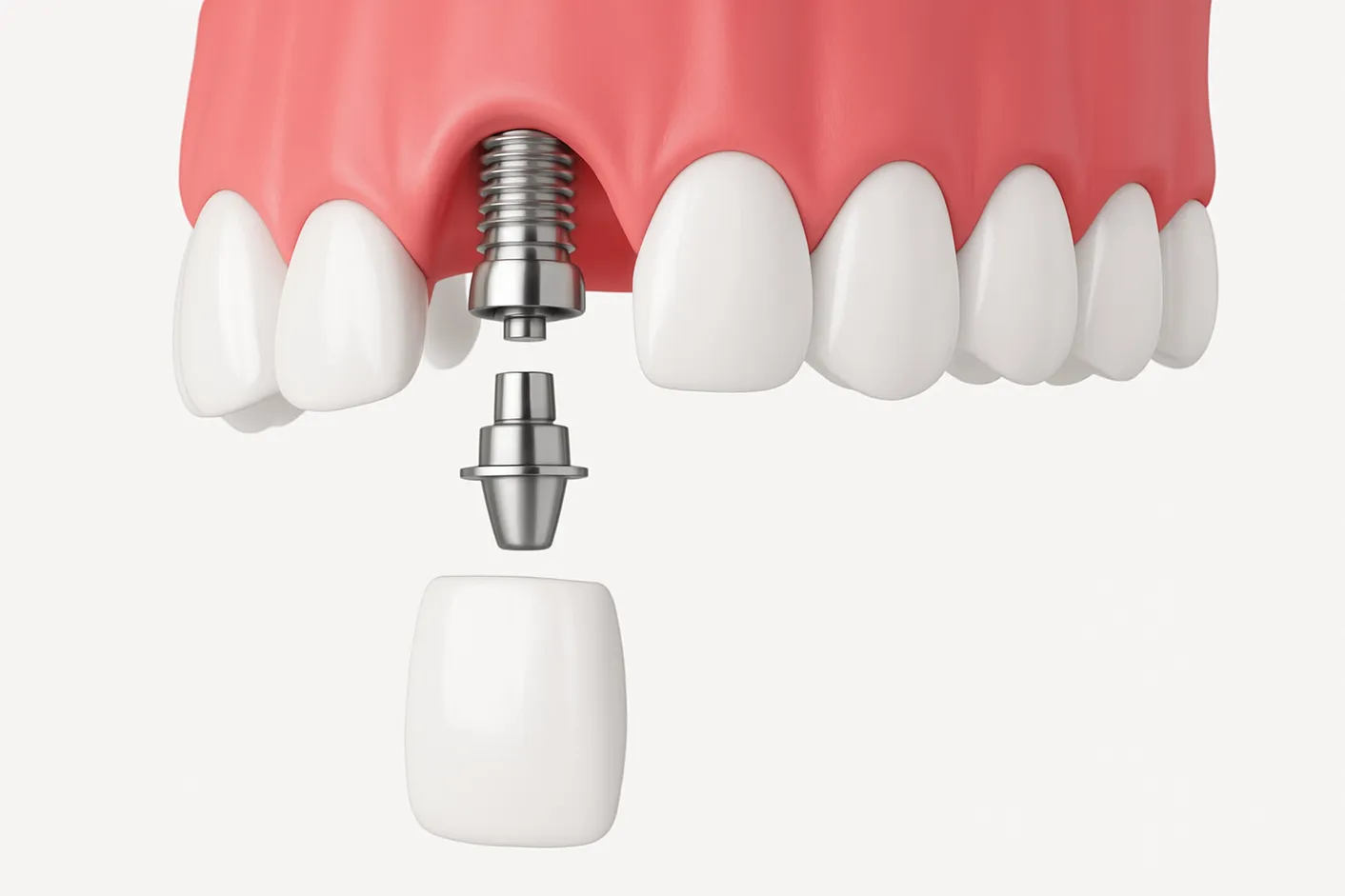
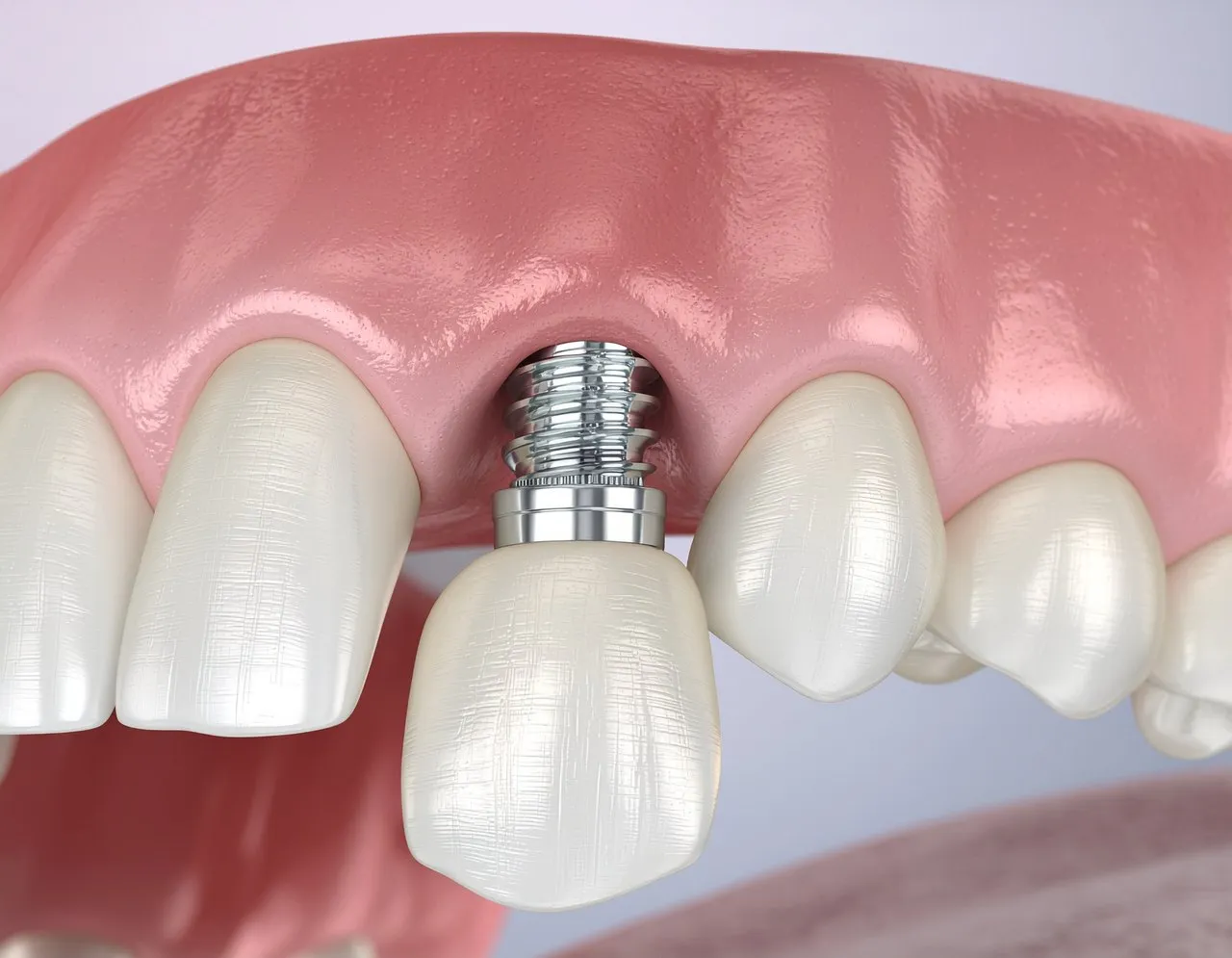
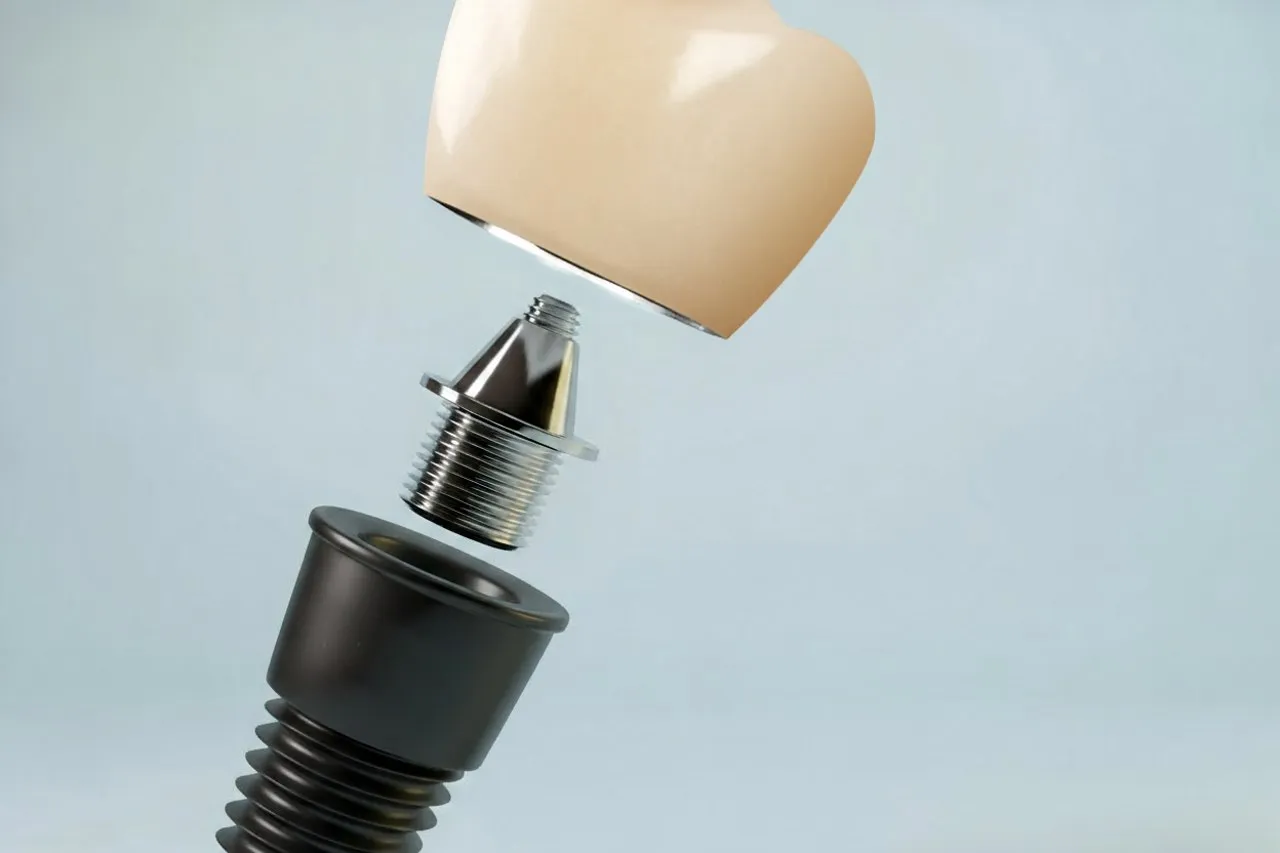
An implant in the incisor region consists of three main components: 1. Implant body – a small titanium or ceramic screw anchored in the jawbone. 2. Abutment – a connecting piece that joins the artificial dental crown to the implant. 3. Crown – the visible part, whose colour is perfectly matched to the natural front teeth. In the front-tooth region, it is particularly important for the shape, colour and gum line to look natural. This makes the implant indistinguishable from a real tooth.
Incisor implant – particular aesthetic requirements
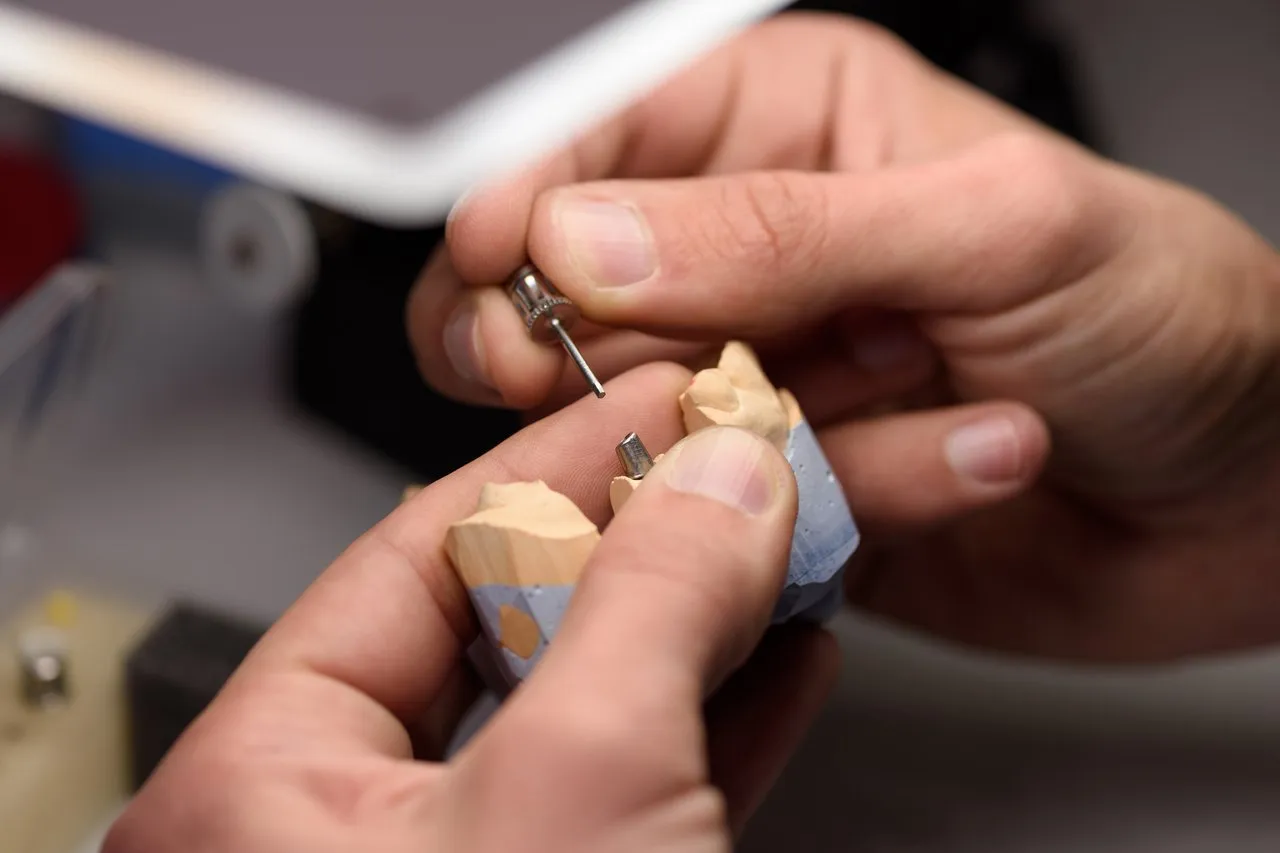
An incisor implant requires the utmost precision, as even the slightest deviations are noticeable. The position of the implant is not the only important factor; the gum matters too. It is particularly thin around the incisors. The implant must be designed to create a harmonious transition between the implant, front tooth and gum. Dentists therefore take care to preserve or reconstruct the papillae (the small triangles of gum between the teeth). Only then will the smile look natural and attractive.

How is a front tooth replaced?
Treatment with a front-tooth implant takes place in several stages: 1. Consultation and planning
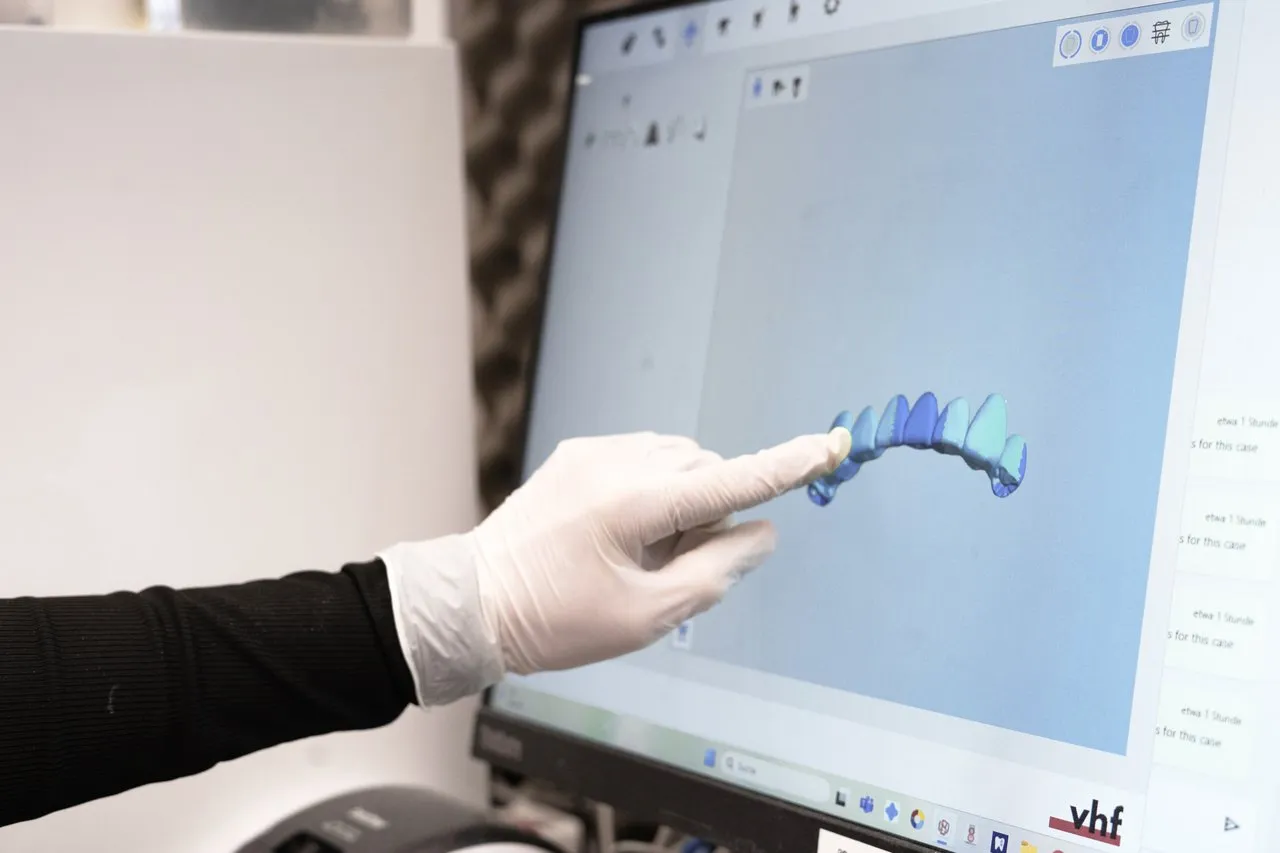
A thorough examination is carried out using X-rays or 3D scans to assess the bone volume and condition of the gums. 2. Implant placement The implant is inserted precisely into the jawbone under local anaesthetic. 3. Healing phase The implant needs several weeks to months to fuse completely with the bone (osseointegration). 4. Fitting the crown After the healing period, the custom-made ceramic crown is fitted. Its colour and shape match the neighbouring teeth perfectly. 5. Aftercare and maintenance Regular check-ups and good oral hygiene are crucial for longevity.
Advantages of a front-tooth implant
• Natural aesthetics: No visible difference from a real tooth. • Stability: Secure when speaking, chewing and smiling. • Bone preservation: Anchoring in the bone prevents bone loss. • Protection of neighbouring teeth: Unlike with a bridge, no healthy teeth need to be ground down. • Longevity: With good care, an implant can last for many years or even a lifetime.
Front-tooth implant and gums – why the aesthetics are so demanding
Unlike around the back teeth, the gum at the front of the mouth is particularly thin and sensitive. Even small changes can disrupt the symmetry of the smile. Special surgical techniques are therefore needed to recreate a natural-looking gum around the front-tooth implant. In some cases, minor bone augmentation or a soft-tissue graft is performed to achieve perfect results. We use state-of-the-art techniques to make the implant placement as minimally invasive as possible.

How much does a front-tooth implant cost?
The cost of an incisor implant depends on various factors: • Number of implants required • Condition of the bone and gums • Choice of material (titanium or ceramic) • Work involved in aesthetic adjustments • Laboratory costs for the custom-made crown
In Germany, the cost of an incisor implant is generally between 2,000 and 4,000 euros per tooth. Statutory health insurance funds usually cover only a subsidy equivalent to the standard care provision (e.g. a bridge or denture).
Private or supplementary insurance may cover a higher proportion. We will advise you in detail about your options and support you in communicating with your insurer.
Care and durability
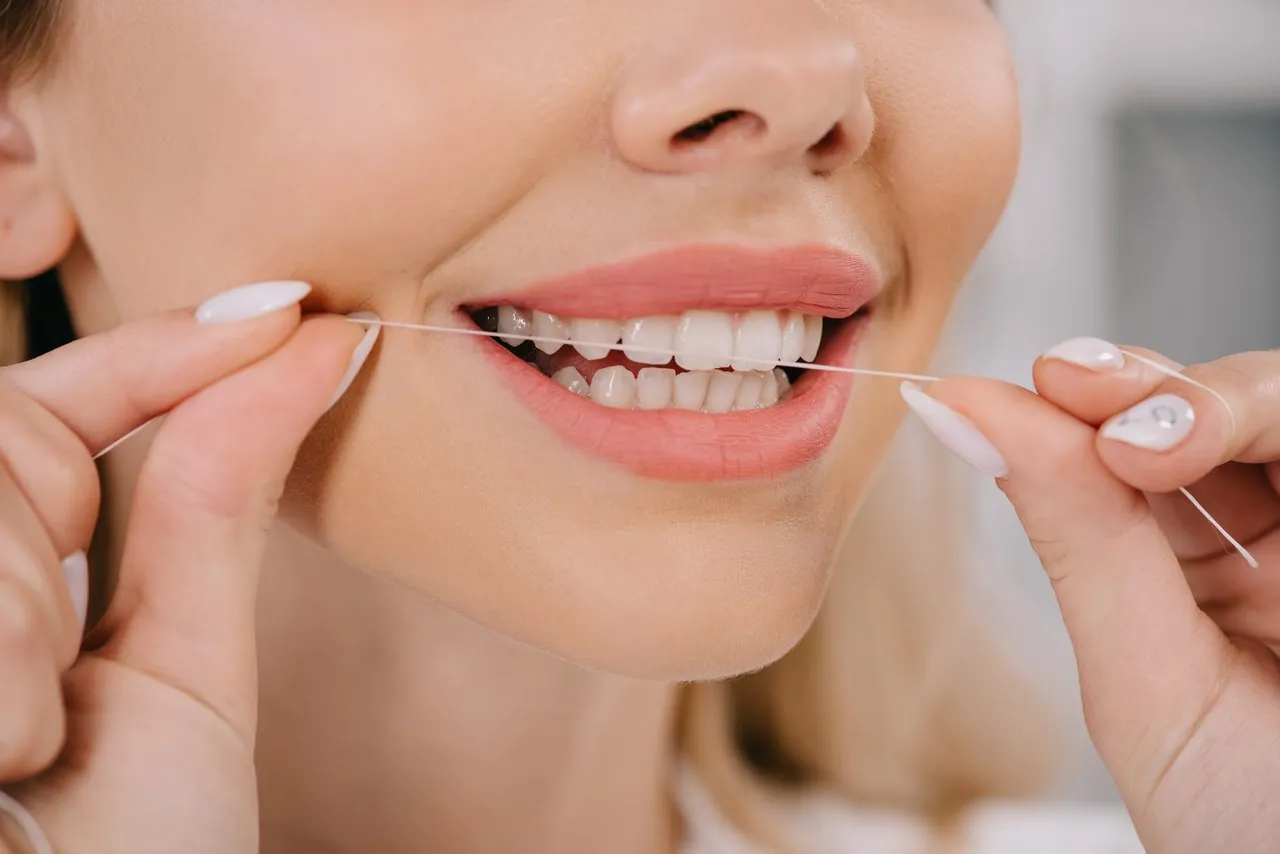
A front-tooth implant requires the same care as a natural tooth: • Thorough brushing twice a day • Use of dental floss or interdental brushes • Regular professional dental cleaning • Dental check-up twice a year With good care, an incisor implant can last for decades and provide a lifetime of enjoyment.

Conclusion: a front-tooth implant for a perfect smile
An implant for a front tooth is the most modern and aesthetically sophisticated solution for a missing tooth. It combines functionality, stability and a perfect appearance. Anyone who values a complete, natural-looking smile will find the front-tooth implant to be the ideal treatment.
Frequently asked questions (FAQ) about front-tooth implants
It is an artificial tooth replacement that is anchored in the jawbone and replaces an incisor or canine.
It can take 3–6 months from implant placement to the finished crown.
The treatment is carried out under local anaesthetic. We try to keep pain to a minimum.
The cost of an incisor implant is usually between 2,000 and 4,000 euros. We will draw up a transparent treatment cost plan for you.
Statutory health insurance funds pay only a fixed subsidy, while private insurers sometimes cover more. We will advise you in detail about the costs involved.
With good care, an incisor implant can last for many years or even a lifetime.
The gum is shaped to match the neighbouring teeth aesthetically.
In most cases, yes. Sufficient bone volume is required for the procedure.
Yes, such as bridges or dentures. However, they are less aesthetically pleasing and less conservative.
With thorough daily oral hygiene, dental floss, interdental brushes and regular dental check-ups.
Book your appointment now
We would be happy to advise you in person at our practice.