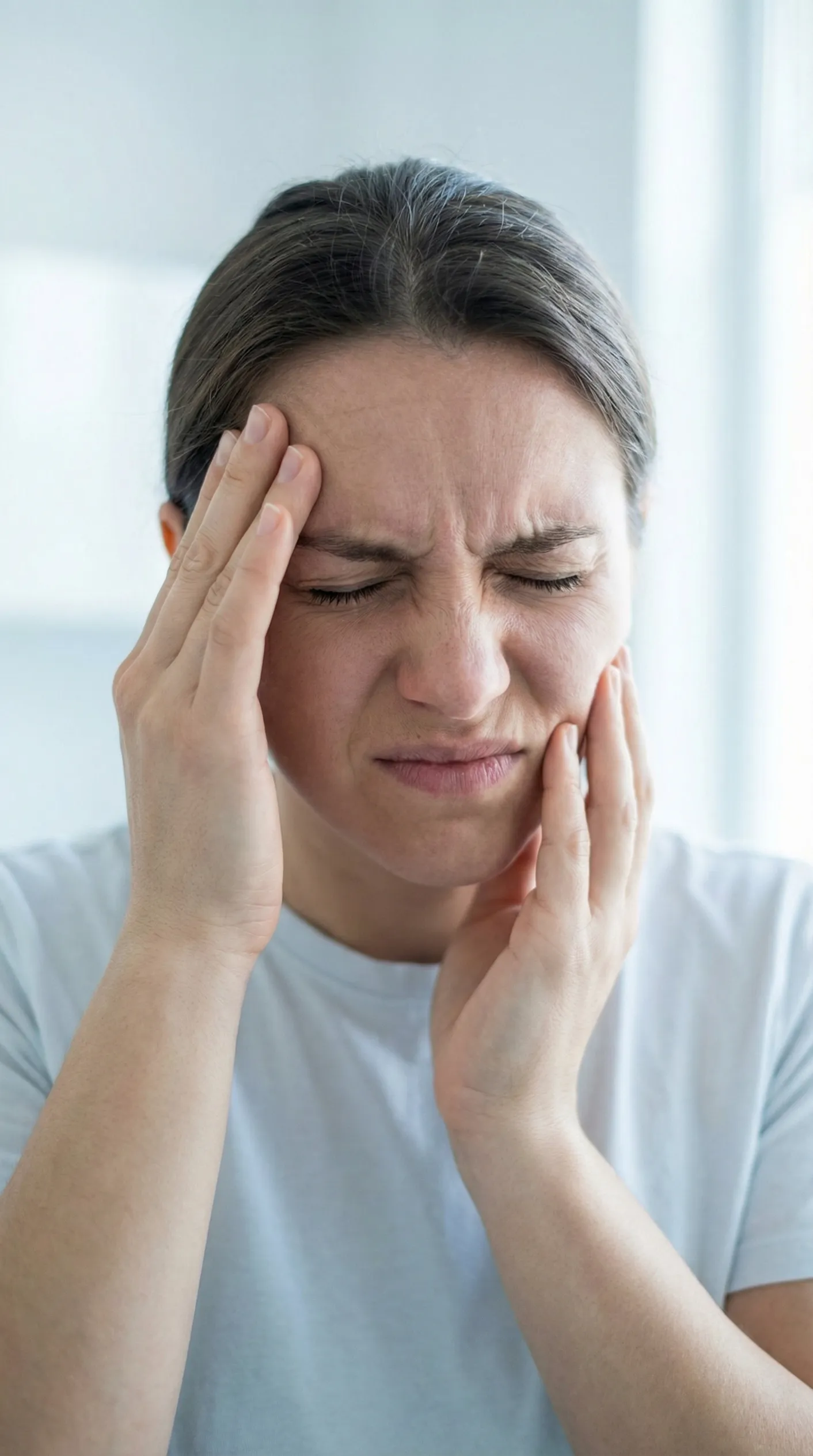
Inflammation after root canal treatment will not go away
Root canal treatment is intended to stop pain and save the tooth. Sometimes, however, inflammation persists. Many people then wonder: why will it not go away?
Über 350 Google-Bewertungen

What is still normal after root canal treatment
A feeling of pressure and mild pain are common during the first few days. The tissue is healing and may be sensitive. A pulling sensation when chewing may also occur briefly. Healing time for inflammation of a tooth root varies greatly from person to person. Symptoms usually improve significantly within a few days. It may take longer in severe cases.
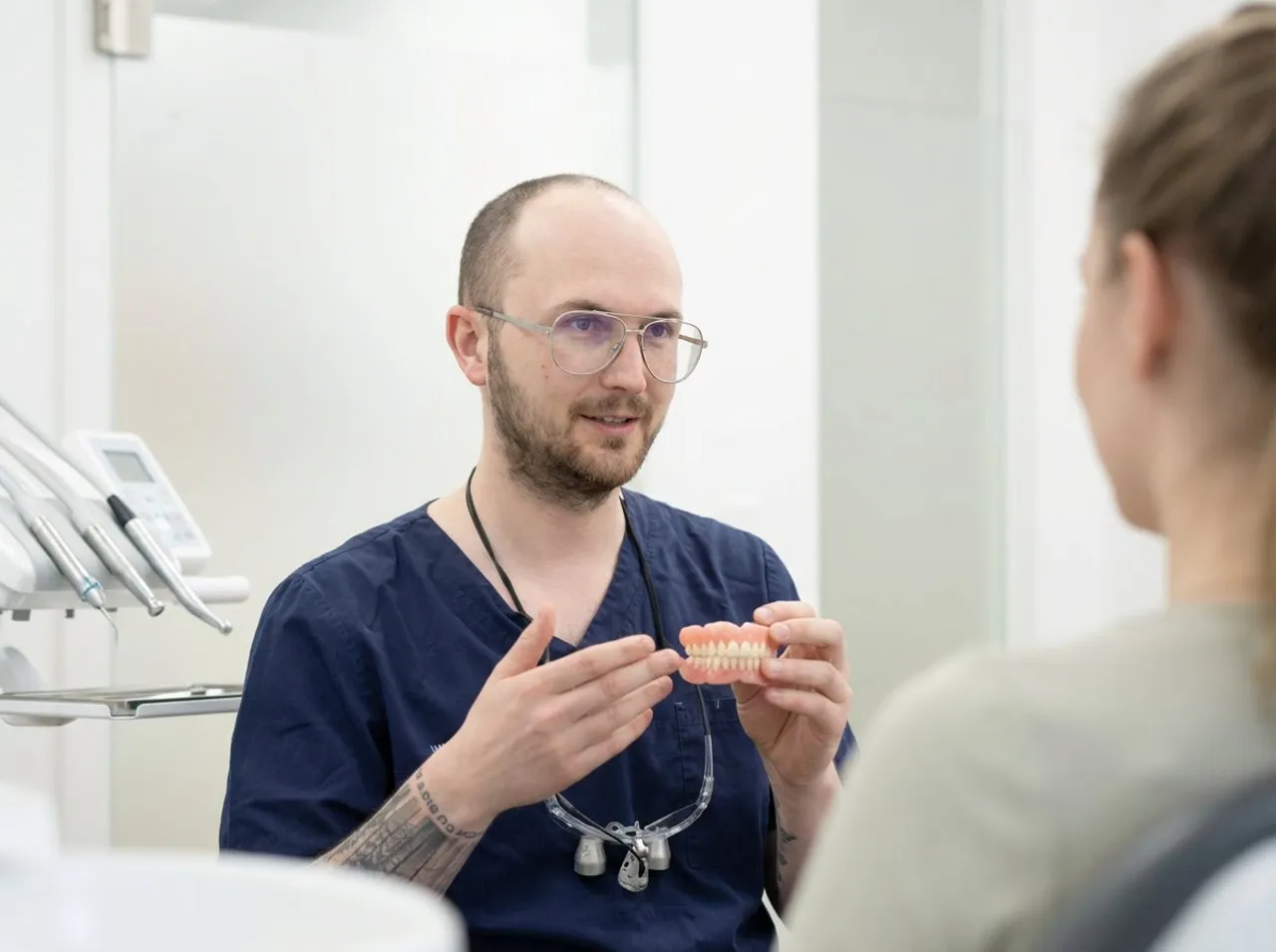
If the inflammation does not subside
Warning signs include persistent pain or new swelling. Throbbing or pain when biting down may also persist. There is often still a source of irritation in the root area. Sometimes bacteria have been left behind in the root canal. An additional canal may also have been missed. In rare cases, there is a fine crack in the tooth. Leaking fillings or crowns also pose a risk. Bacteria can enter the tooth again through gaps. The inflammation may then flare up again.
Swollen gums after root canal treatment
After root canal treatment, any swelling of the gums should be assessed promptly. Swelling after root canal treatment will not go away if pus collects. A small lump is often visible on the gum. Tenderness to pressure directly above the root tip is typical. The area feels warm. Sometimes a sinus tract with discharge also develops. Pus after root canal treatment is not a good sign. It indicates a bacterial infection. The tooth should then be examined promptly.

Root canal treatment pain: common causes
A root-treated tooth may remain sensitive despite treatment. The surrounding tissue is often still irritated. This is particularly true after prolonged inflammation. Pain in a root-treated tooth can also be caused by the bite. A high contact point puts excessive strain on the tooth. A minor adjustment may be enough to help. Caution is needed if the pain remains constant or gets worse. There may then be inflammation at the root tip. Dental professionals often refer to this as apical inflammation.
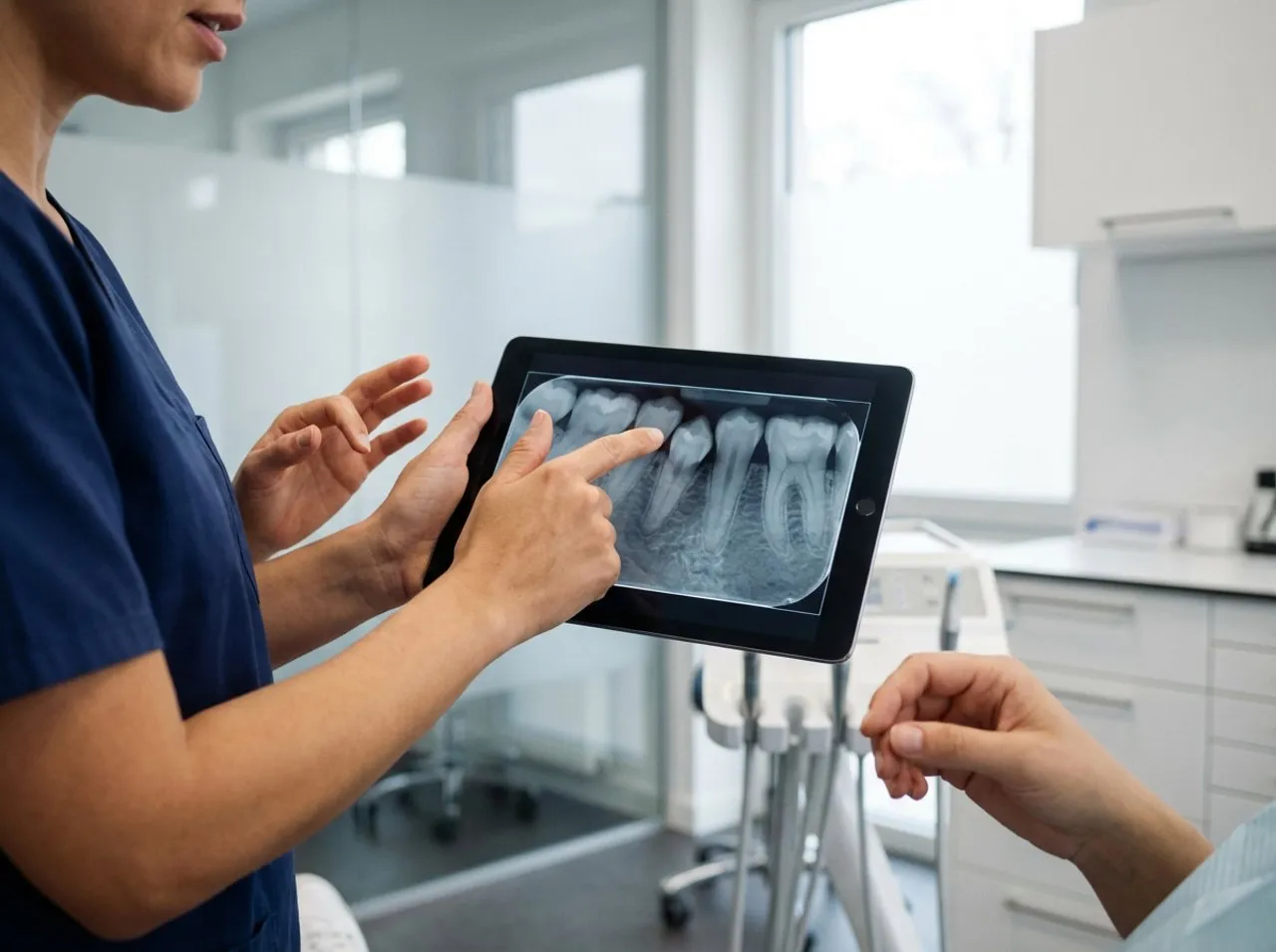
Diagnosis: how the cause is identified
First, we examine the area clinically. We test pressure, percussion and the bite. The gums and periodontal pockets are also assessed. An X-ray is then usually taken. This reveals radiolucencies at the end of the root. In unclear cases, a 3D scan can help, for example a CBCT scan. The seal of the restoration is also important. A loose filling will be visible. The same applies to a gap at the edge of a crown.

Treatment: what helps if the inflammation persists?
Treatment depends on the findings. Root canal retreatment is often advisable. The canals are cleaned again and sealed with a filling. Sometimes adjusting the crown or filling is sufficient. This seals the tooth again. This reduces the risk of new bacteria entering. For persistent areas of infection, an apicectomy may help. The root tip is shortened surgically. The inflamed tissue is removed. Antibiotics are not always necessary. They help primarily in cases of widespread infection. The most important thing remains eliminating the cause within the tooth. If the tooth cannot be saved, extraction is the last option. We then plan a suitable replacement for the tooth. This keeps chewing function stable.
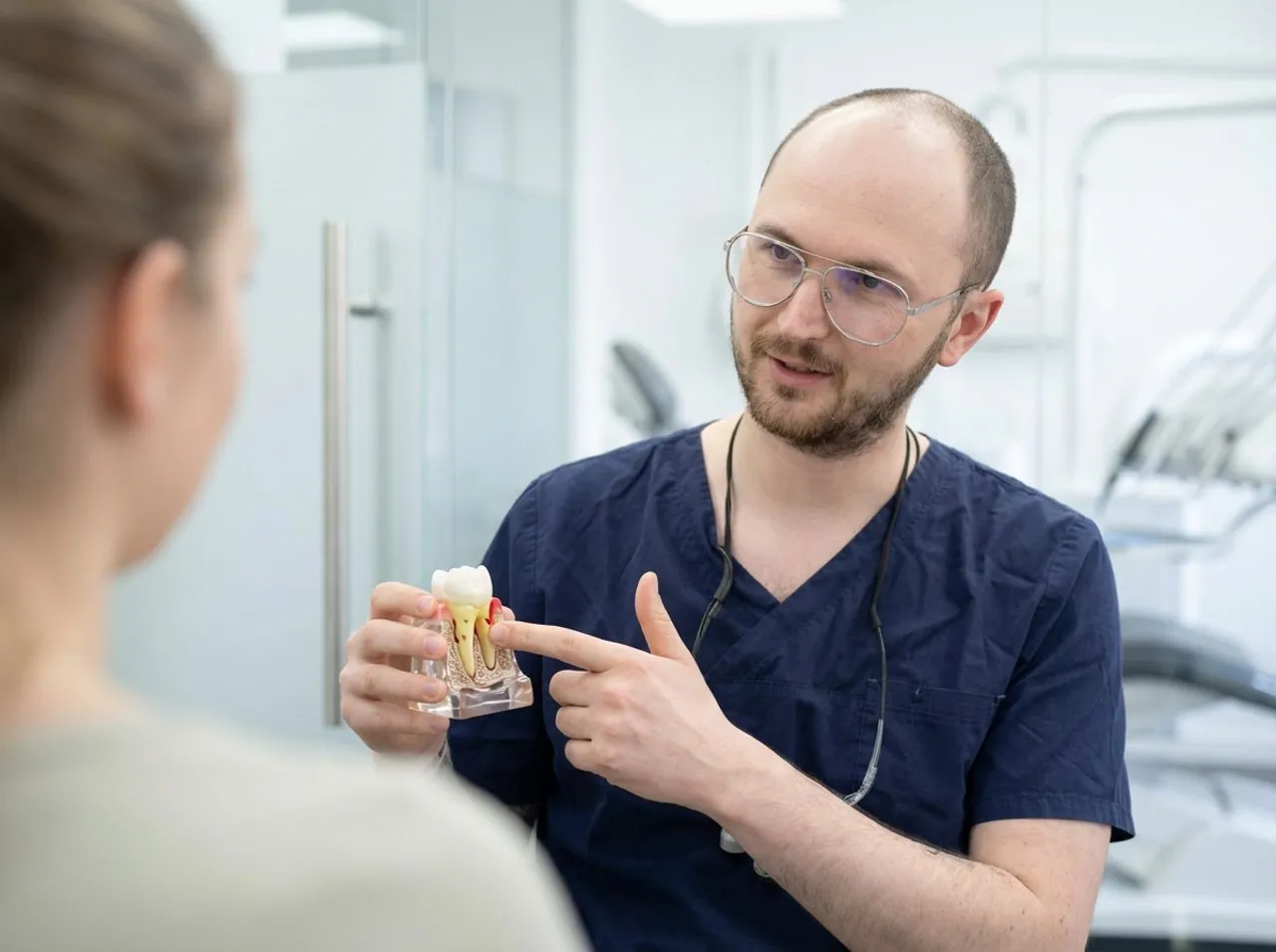
Root canal treatment: inflammation can occur years later
Inflammation can also occur years later. It is often silent for a long time and causes hardly any pain. Swelling or a feeling of pressure then appears suddenly. The triggers are often new leakage or a crack. Periodontitis can also affect the area. Regular check-ups are therefore important.

What you can do yourself before your appointment
Cooling helps with swelling and throbbing. Avoid heat, alcohol and smoking. Brush carefully but thoroughly. Painkillers can provide short-term relief. Use them only in accordance with the patient information leaflet or medical advice. Do not take antibiotics without a prescription.

When you should act immediately
Seek help immediately if you have a fever or feel extremely weak. Rapidly increasing swelling is also serious. The same applies to difficulty swallowing or breathing. An unpleasant taste accompanied by pus can also be a warning sign. The infection may then spread. The emergency dental service is the right place to go.
Your treatment at Wunschlachen in Berlin
At our Wunschlachen practice, we take symptoms after root canal treatment seriously. We investigate the cause systematically. You then receive a clear treatment plan. We use gentle anaesthesia and precise diagnostics. Our aim is to preserve the tooth wherever possible. And we explain every step clearly.
Conclusion
If inflammation persists after root canal treatment, it needs to be checked. Leakage or a residual infection is often the cause. Retreatment or surgery can often stabilise the tooth.
FAQ: Inflammation after root canal treatment
Mild symptoms are often normal for a few days. It may take longer in cases of severe inflammation.
Pus usually indicates a bacterial infection. The tooth should be examined promptly.
Fluid or pus often collects in the tissue. This can also cause a sinus tract to form.
There is usually still a focus of inflammation at the root tip. Sometimes the tooth is leaking.
Sometimes, but not always. Without cleaning the canals, the cause remains.
Yes, that is possible. New gaps at the edges of restorations or cracks are often the trigger.
When bacteria remain in the canal or a canal was missed. It is also advisable if there is leakage.
No, retreatment is often sufficient. Surgery is more useful for persistent areas of infection.
Cooling and rest often help. Use painkillers only as recommended.
Do not wait if you have a fever, severe swelling or pus. Difficulty breathing or swallowing is also an emergency.
Book your appointment now
We would be happy to advise you in person at our practice.