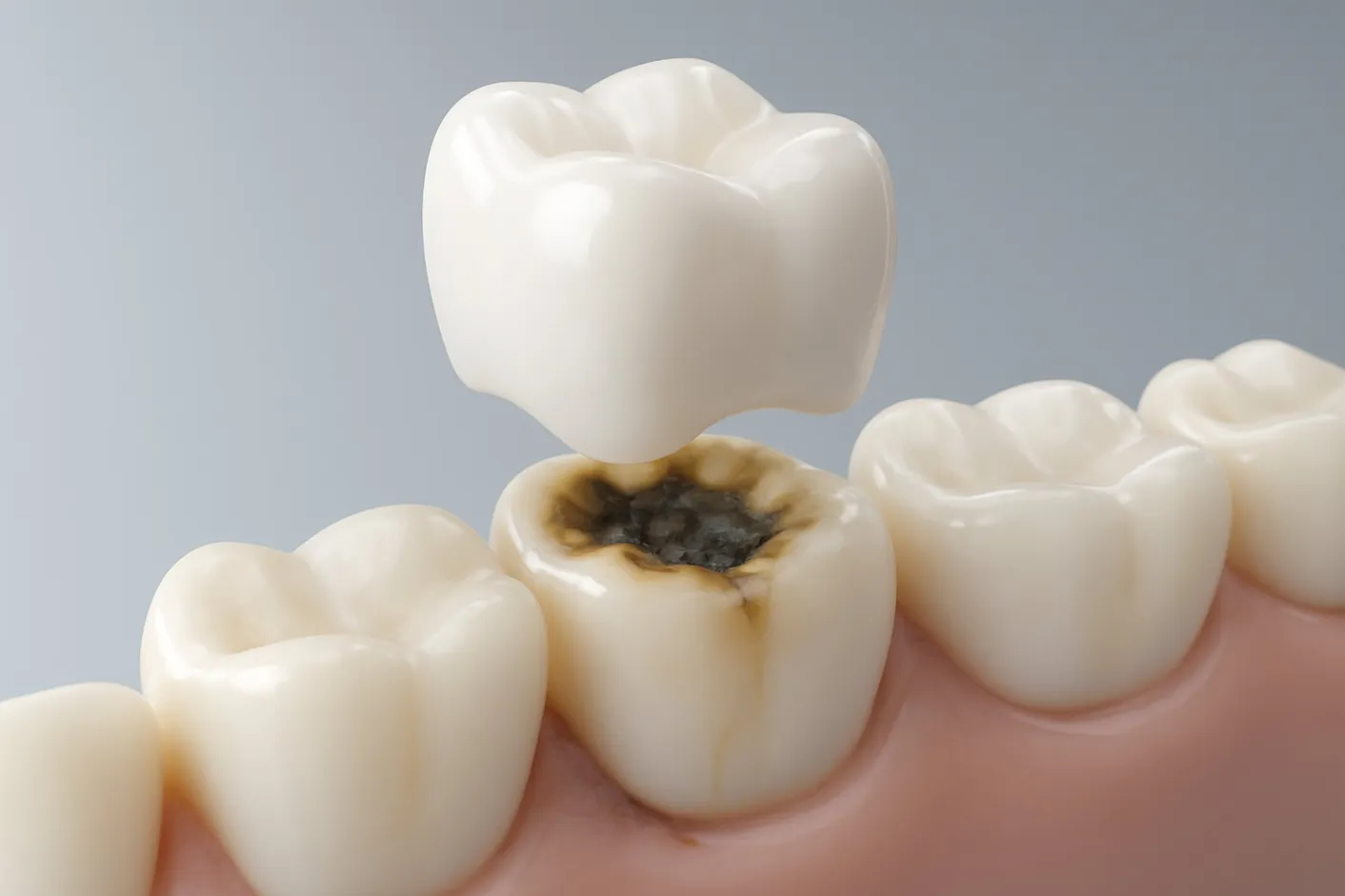
Treating inflammation under a dental crown
A dental crown is a common dental treatment. It is used to restore severely damaged or discoloured teeth, bringing back their function and appearance. However, crowns can also cause problems over time. This is especially true when inflammation develops beneath them...
Über 350 Google-Bewertungen
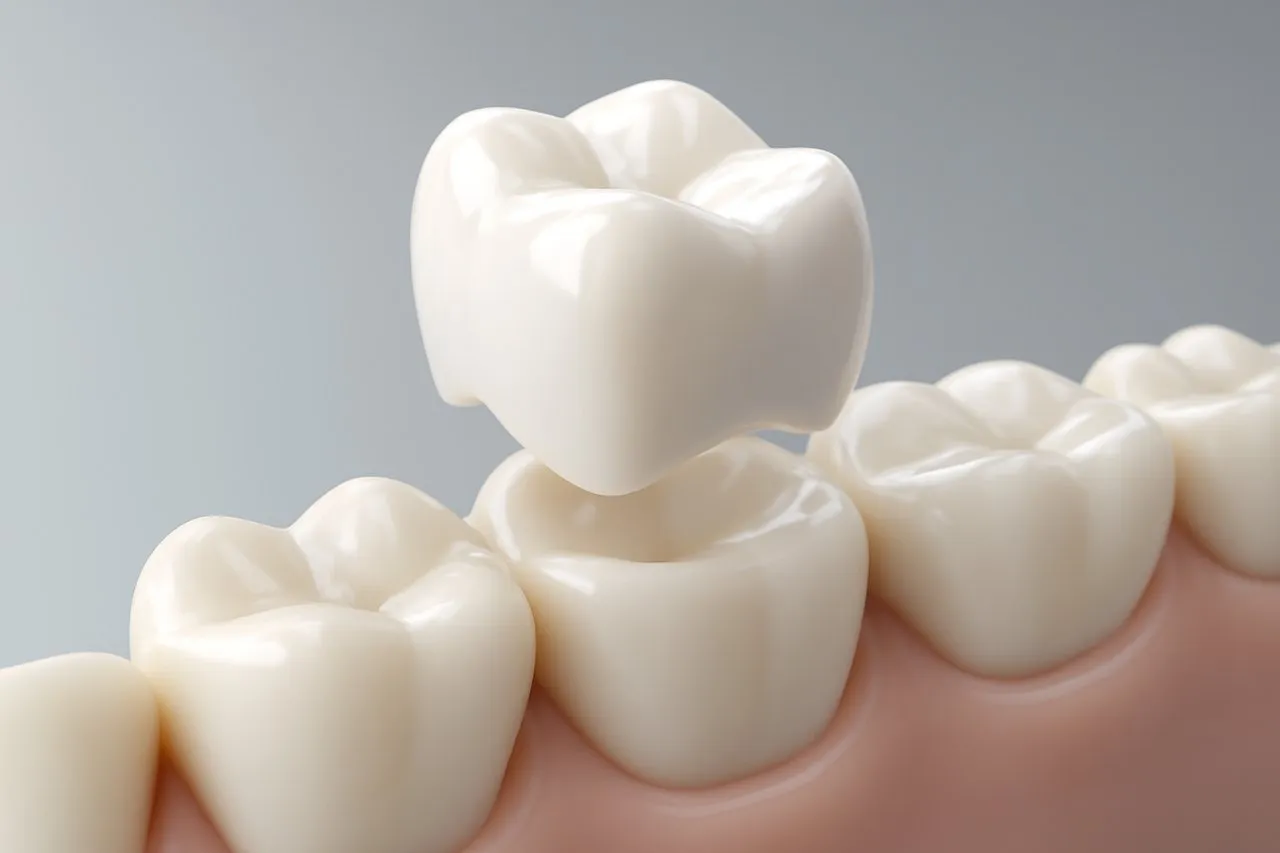
What is a dental crown?
A dental crown is a dental restoration that is placed over a damaged or weakened tooth to stabilise it. It is often used on teeth that have been severely damaged by decay, cracks or other injuries. A crown completely encases the tooth, so that only the crown is visible. Ideally, the crown protects the tooth from further damage and enables it to function normally. However, as with any dental treatment, problems such as inflammation can also occur under a dental crown.

Causes of inflammation under a dental crown
There are various reasons why inflammation can develop under a dental crown: 1. Tooth decay under the crown: If the crown does not fit well, bacteria can enter the tooth beneath it. This can lead to tooth decay under the crown, which in turn can trigger inflammation of the dental nerve (pulp). 2. Tooth damage before crown placement: A severely damaged tooth may already have an injured or inflamed pulp. This inflammation can be made worse by the crown. 3. Infection caused by an ill-fitting crown: If the crown has been poorly fitted, bacteria can enter the tooth. This can lead to an infection that manifests as inflammation. 4. Tooth root problems: In some cases, the tooth root under the crown may be inflamed, causing severe pain. This often happens with a dead tooth or a post crown that has not been treated correctly.

Symptoms of inflammation under a crown
If inflammation develops under a dental crown, there are a number of symptoms that may indicate it: • Pain: A common symptom is pain coming directly from the tooth under the crown. This pain can be constant or periodic. It is often made worse by chewing or contact with hot or cold food and drinks. • Toothache after treatment: After treatment, the tooth under the crown may continue to hurt, even if the crown itself is intact. • Swelling: Inflammation under the crown can also cause the gums to swell. This can in turn result in visible redness and swelling in the area around the crown. • Pus formation: In more severe cases, an abscess can form under the crown, leading to a purulent inflammation. In this case, the pain can be very severe and there may be unpleasant odours. If a dead tooth under the crown hurts, urgent action is needed. This is especially true if pus or an infection has developed in the tooth. Such a problem requires immediate treatment. The infection must be prevented from spreading to other areas or to the surrounding tissue.
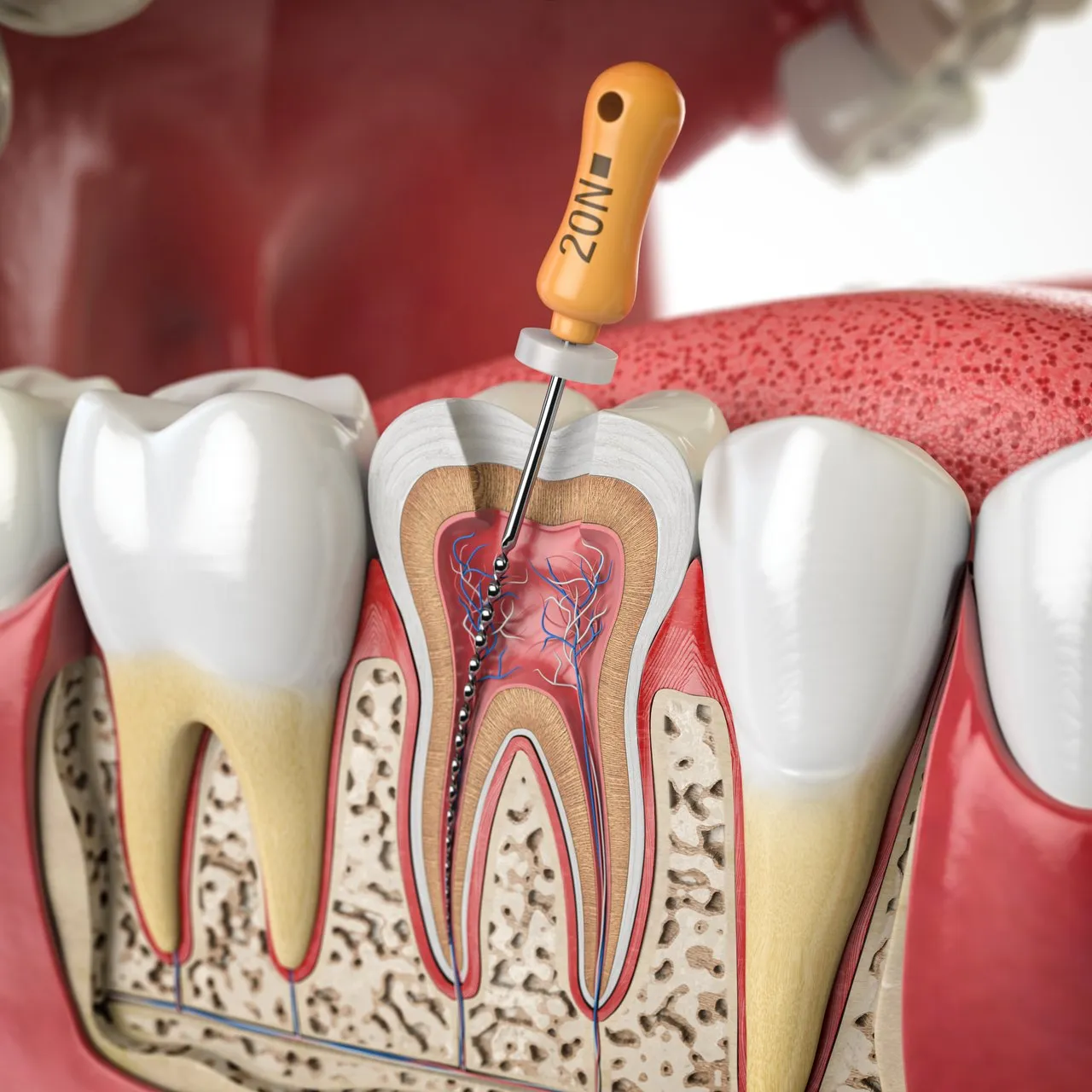
Root canal treatment: drilling into the crown
The treatment depends on the severity of the problem and whether the tooth is still vital. Possible treatment methods include: • Root canal treatment: If the inflammation is caused by an infection of the dental nerve, root canal treatment is necessary. During this treatment, the inflamed nerve is removed and the tooth is cleaned and sealed. Sometimes the crown must be removed to access the tooth. The root canal is cleaned and disinfected. If the crown is already in place, it may be necessary to drill into it to reach the tooth. The tooth can then be treated. • Removing the crown: If an infection has developed under the crown, it must be removed. Otherwise, the treatment cannot be carried out. The tooth root is then cleaned and a new crown may be fitted once the inflammation has healed. • Treating a post crown: If the inflammation is caused by a post crown, it may be necessary to remove this post crown. After treatment, a new crown or a new post crown is fitted. • Medication: In some cases, medicines such as painkillers and antibiotics can help reduce the inflammation. This relieves the symptoms before more comprehensive treatment is carried out.
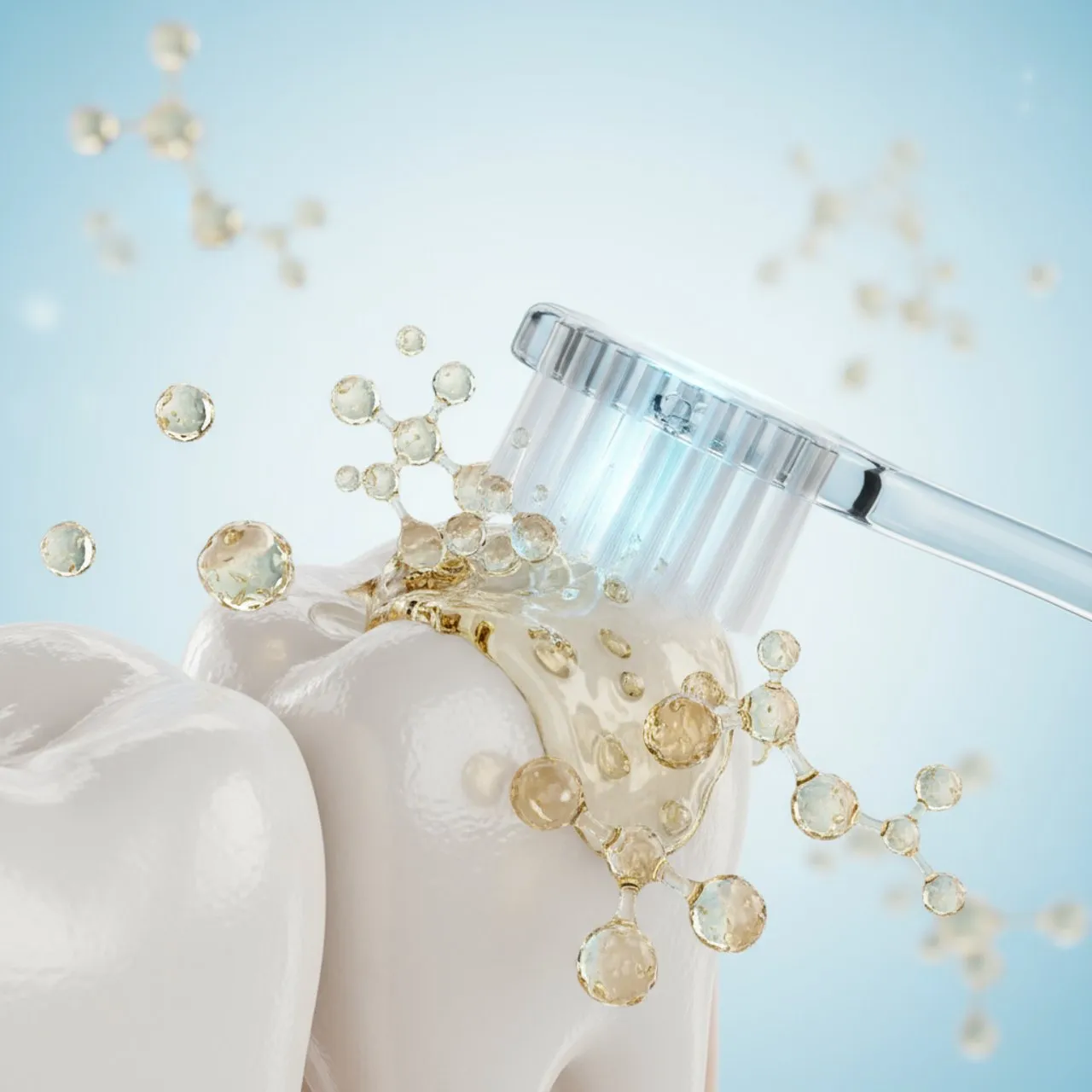
Preventing inflammation under a dental crown
To prevent inflammation under a dental crown, some preventive measures should be observed: • Regular dental care: Brush your teeth regularly and use dental floss to prevent tooth decay and gum disease. • Regular dental visits: Have your crowns and teeth checked regularly by a dentist. This ensures that there are no infections or problems. • Correct fit of the crown: Make sure that the crown fits well and has no gaps or cracks. An incorrect fit can provide bacteria with easy access.
FAQs about inflammation under a dental crown
The most common symptoms include toothache, swelling, sensitivity to hot or cold food and pus formation.
Inflammation can cause severe toothache. It usually has to be resolved through root canal treatment or another dental treatment.
Yes, in many cases root canal treatment can be carried out under the crown.
A dead tooth under the crown can be recognised by severe pain, a throbbing sensation or temperature sensitivity.
Yes, in many cases the crown has to be drilled into to gain access to the inside of the tooth.
A post crown is a crown supported by a metal post. If it is inflamed, the post crown must be removed and the root of the tooth treated.
Inflammation often occurs when bacteria get beneath the crown and infect the pulp or dental nerve.
If the tooth hurts, you should see a dentist immediately. The cause of the inflammation must be determined and appropriate treatment found.
In most cases, inflammation under a crown does not heal on its own and requires dental treatment.
Through good oral hygiene, regular dental visits and ensuring that the crown fits well.
Book your appointment now
We would be happy to advise you in person at our practice.