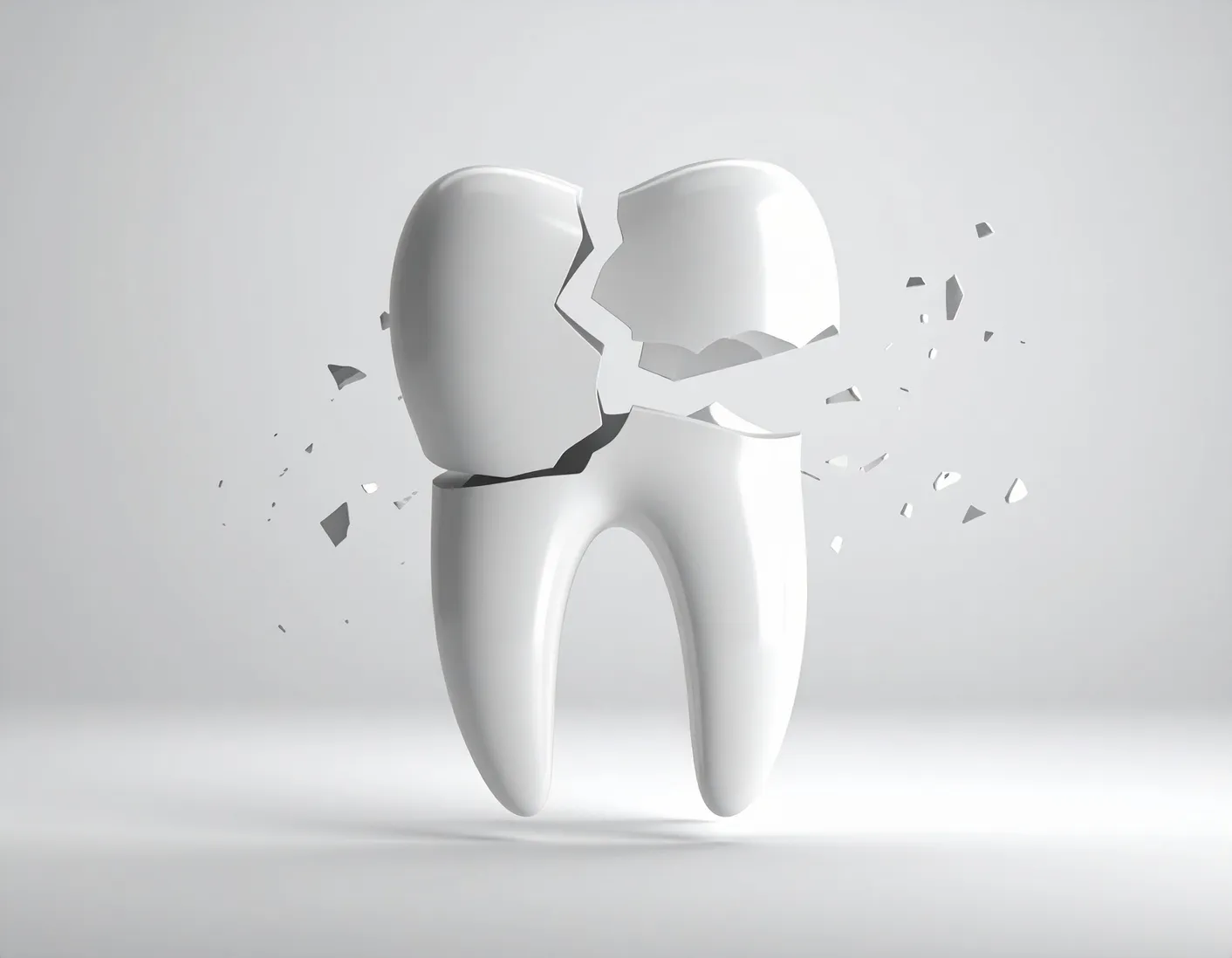
Knocked-out tooth – what to do after a dental accident?
A dental accident can happen at any time and often involves severe pain and an unsightly gap. A knocked-out tooth is a serious injury that requires swift, level-headed assistance. In this article, we explain what to do if a tooth is knocked out...
Über 350 Google-Bewertungen
Video laden
Mit Klick wird eine Verbindung zu TikTok hergestellt.
Dental accident – first aid and immediate steps
A dental accident in which a tooth is knocked out requires swift, targeted action. Losing a tooth is always a shock. It is important to stay calm. By taking the right steps, you can do a great deal to save the tooth.
1. Hold the tooth only by the crown
It is important to hold the knocked-out tooth only by the crown and never by the root. The root contains delicate cells that are essential for the tooth to heal and be reimplanted. Do not touch these cells, to avoid damaging them.
2. Do not wipe or wash the tooth
Avoid cleaning or washing the tooth. This can damage the periodontal ligament and make the tooth unusable. If the tooth is dirty, rinse it only very gently with a little water, without rubbing it.
3. Place the tooth in a suitable storage medium
The knocked-out tooth must be placed in a suitable transport medium immediately. The periodontal ligament must be protected from destruction. A tooth rescue box, available from pharmacies, is ideal.
If no tooth rescue box is available, you can also transport the tooth in chilled UHT milk. Only if neither is available can you place the tooth in tap water or saline solution. This is, however, a last resort.
4. Contact a dental practice
Contact the Wunschlachen dental practice immediately. If it is outside opening hours, contact the emergency dental service. The sooner the tooth is treated, the better the chances of successful reimplantation.
Reimplanting a knocked-out tooth – how it works
In many cases, it is possible to reinsert a knocked-out tooth into the empty socket, particularly if the tooth is intact and has only been torn from the gum at the root. The shorter the interval between the dental accident and dental treatment, the higher the likelihood of reimplanting the tooth.
Storing the tooth correctly on the way to the dentist is crucial. The tooth rescue box ensures that the tooth is transported optimally. Another option is to place the tooth in cold UHT milk. Never use paper or tissues, as the tooth will dry out in them and the periodontal ligament will be destroyed.
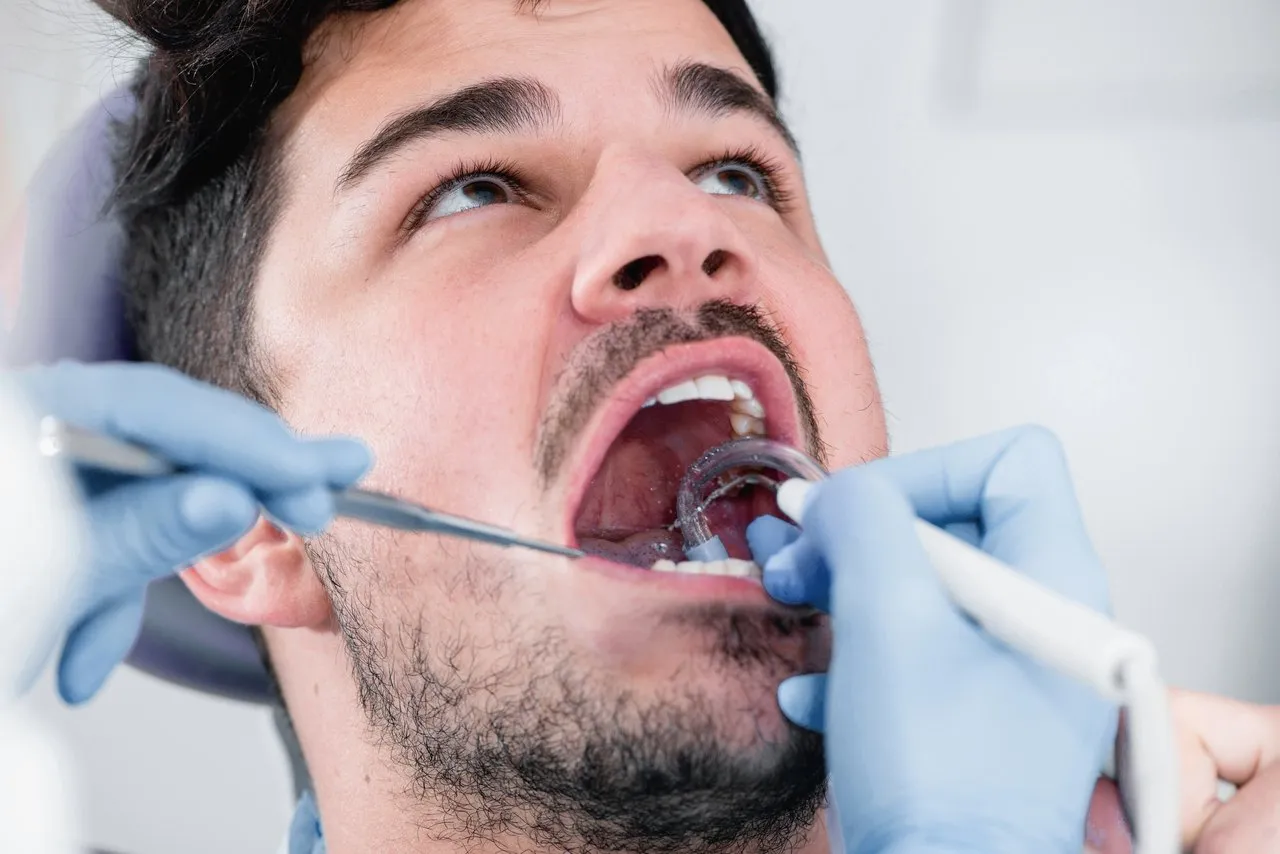
Treating the empty socket
Even if the tooth is reinserted, the wound in the mouth should be treated. First, any bleeding, which often occurs after a dental accident, must be stopped. Gently press a clean, lint-free cloth or a gauze bandage against the empty socket to stop the bleeding.
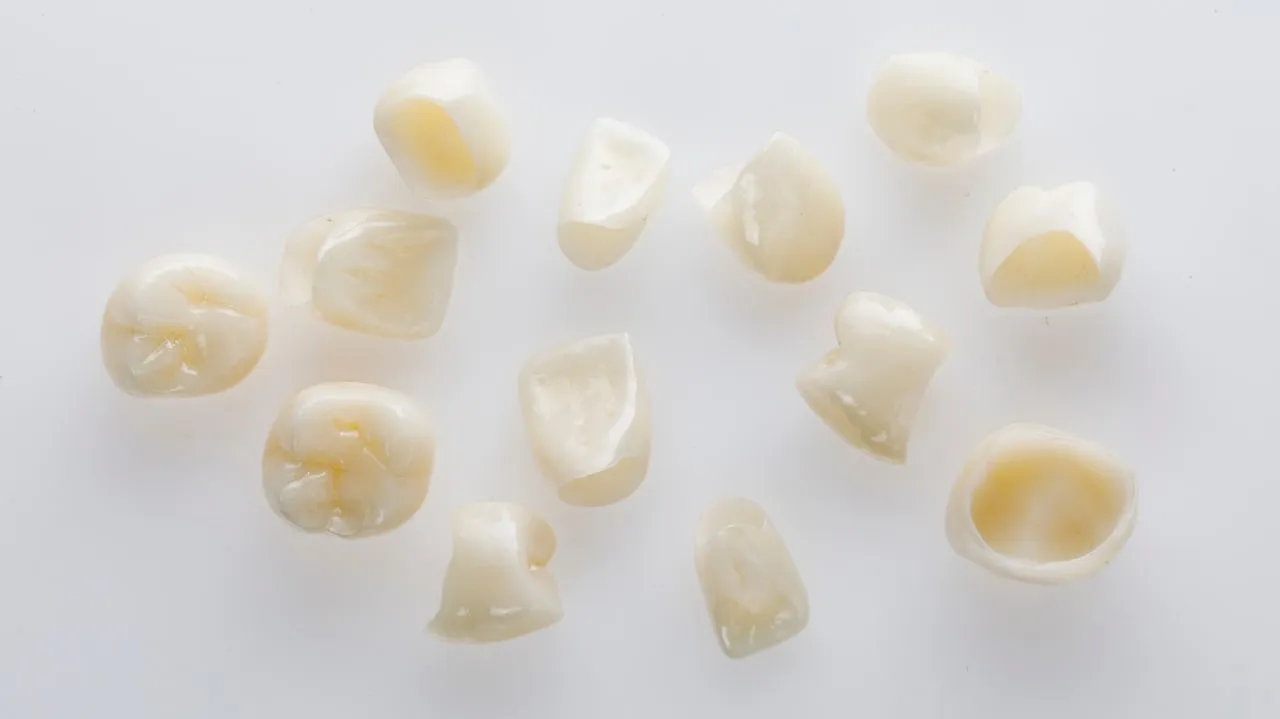
The natural tooth – reimplantation or alternatives
If the knocked-out tooth is well preserved, the dentist will try to reinsert it into the empty socket. This is the best solution for aesthetic and functional reasons. Reimplanting the tooth is particularly important for children and adolescents, as the jaw is still growing. If the tooth can no longer be saved, the dentist offers various prosthetic alternatives, such as an implant or a bridge.
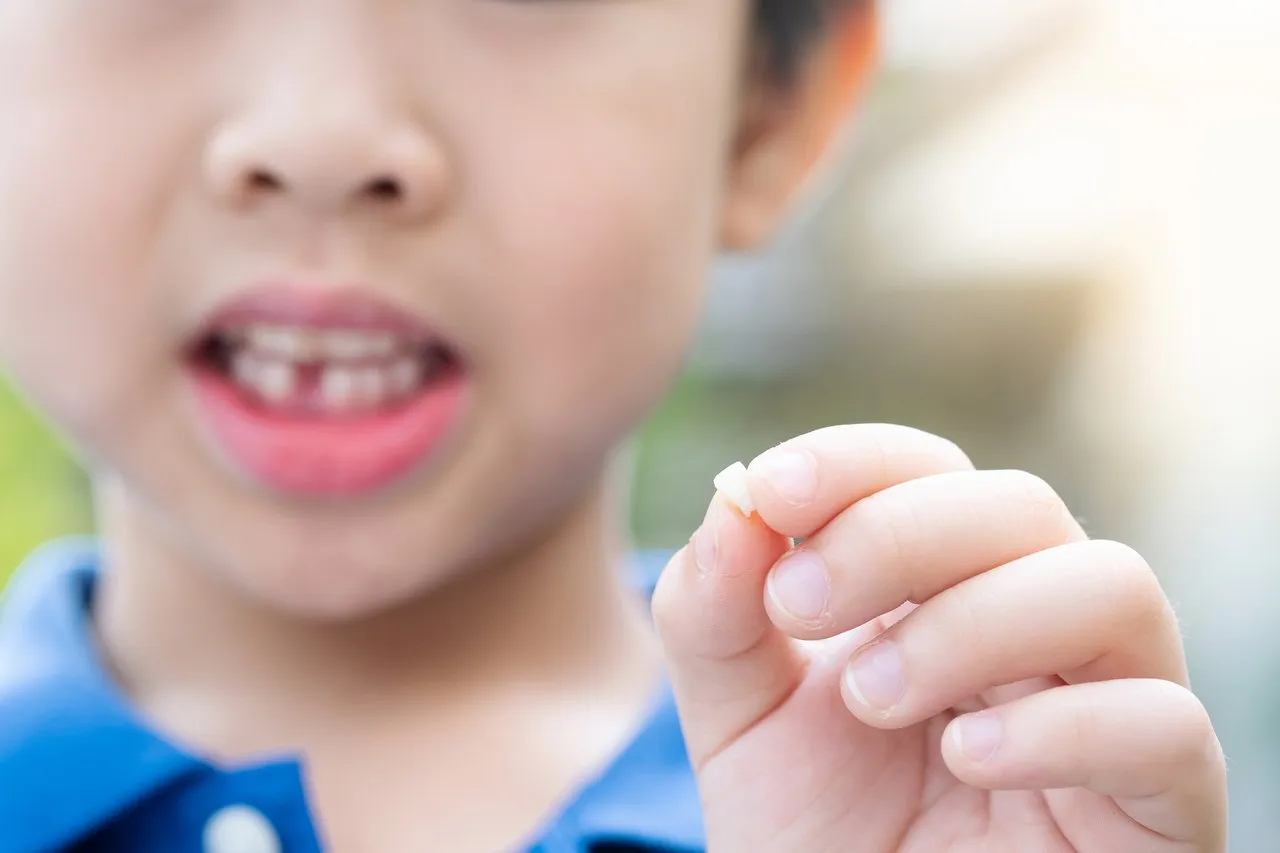
What should I do if baby teeth are knocked out?
Reimplanting knocked-out baby teeth is not advisable. In this case, the dentist will generally wait until the permanent tooth grows in. However, there are ways to replace the missing tooth temporarily to minimise aesthetic and functional problems.
Important information about treatment after dental accidents
After a dental accident, it is crucial to stay calm and act quickly. The right immediate steps can save the tooth and improve the prospects of successful treatment. Hold the tooth only by the crown and keep it in a suitable medium. It is essential to see a dentist or contact the emergency dental service.
Frequently asked questions (FAQ)
Hold the tooth only by the crown, do not wash it and keep it in a tooth rescue box. Contact a dental practice immediately.
The sooner, the better! Ideally within 30 minutes, and after no more than 2 hours.
Intact permanent teeth can be reimplanted. Baby teeth are not reimplanted.
A tooth rescue box is ideal. Alternatively, chilled UHT milk can also be used.
No, do not try to reinsert the tooth yourself. Have a dentist do this.
The longer the tooth remains outside the mouth, the greater the likelihood that it can no longer be reimplanted.
Apply gentle pressure to the empty socket with a clean, lint-free cloth or a gauze bandage.
The procedure is usually carried out under local anaesthetic, so it is pain-free.
It is important to transport the tooth correctly, ideally in a tooth rescue box or chilled UHT milk.
If you act quickly, the procedure is generally short.