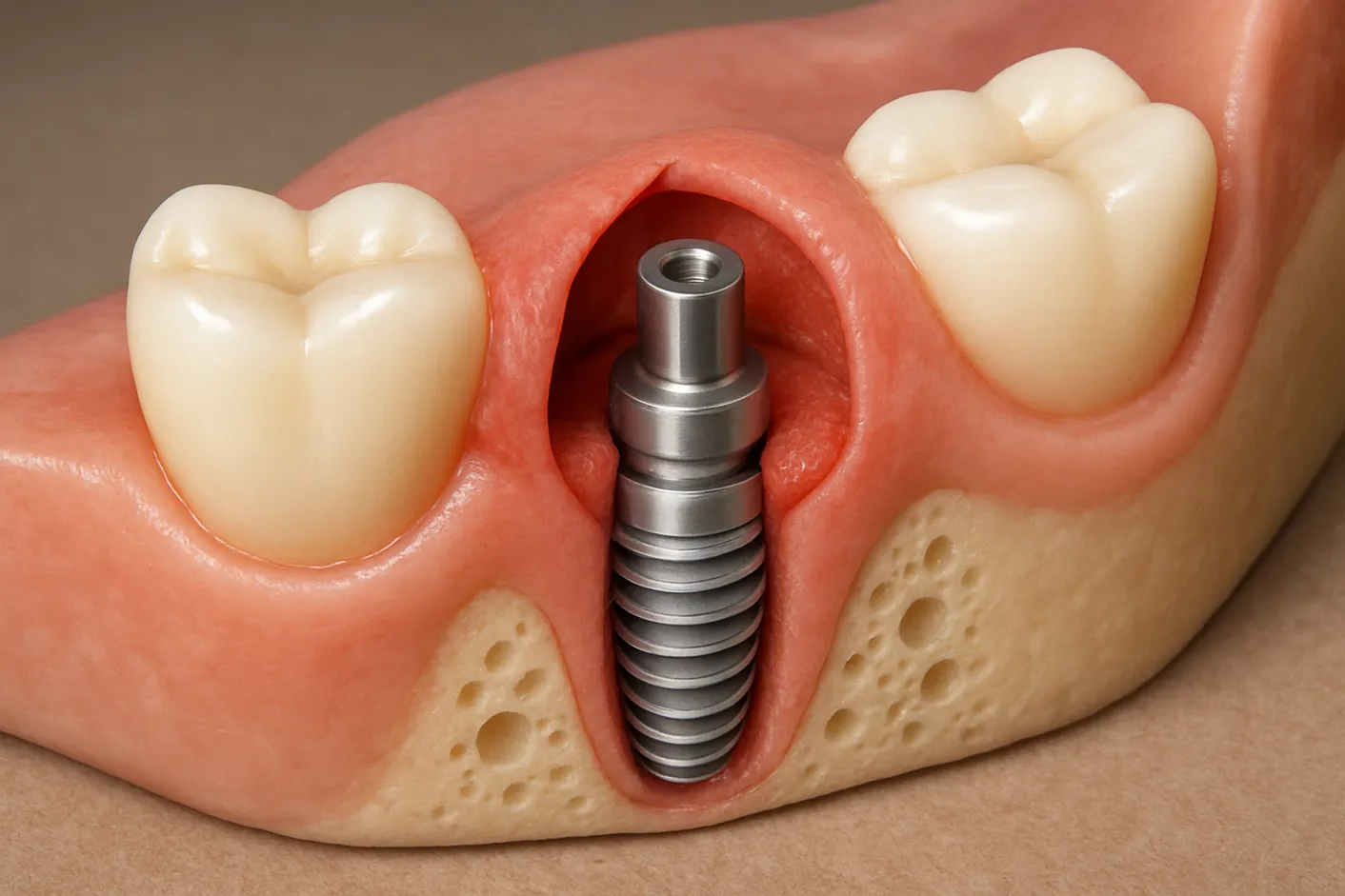
Molar implant in the lower jaw: information from Wunschlachen
The loss of molars in the lower jaw can lead to functional limitations, such as difficulty chewing and speaking. In such cases, dental implants offer an excellent solution. They replace the missing teeth and restore patients’ quality of life. In...
Über 350 Google-Bewertungen
What are dental implants?
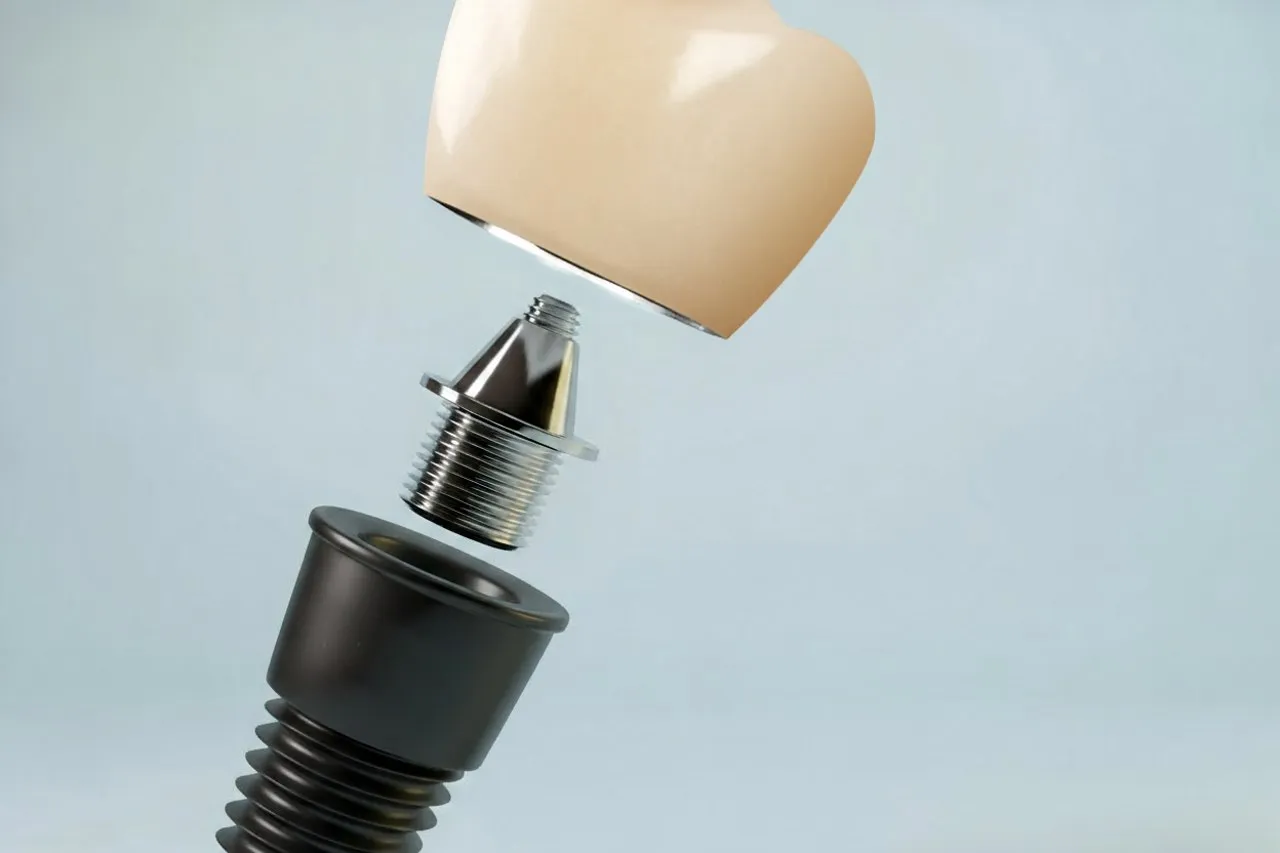
Dental implants are artificial tooth roots that are inserted into the jawbone to create a stable foundation for dental restorations. Unlike conventional dentures or bridges, implants offer a permanent solution that completely replaces the natural tooth. They are usually made of titanium, a biocompatible material that is well tolerated by the body.
Why an implant for a molar in the lower jaw?
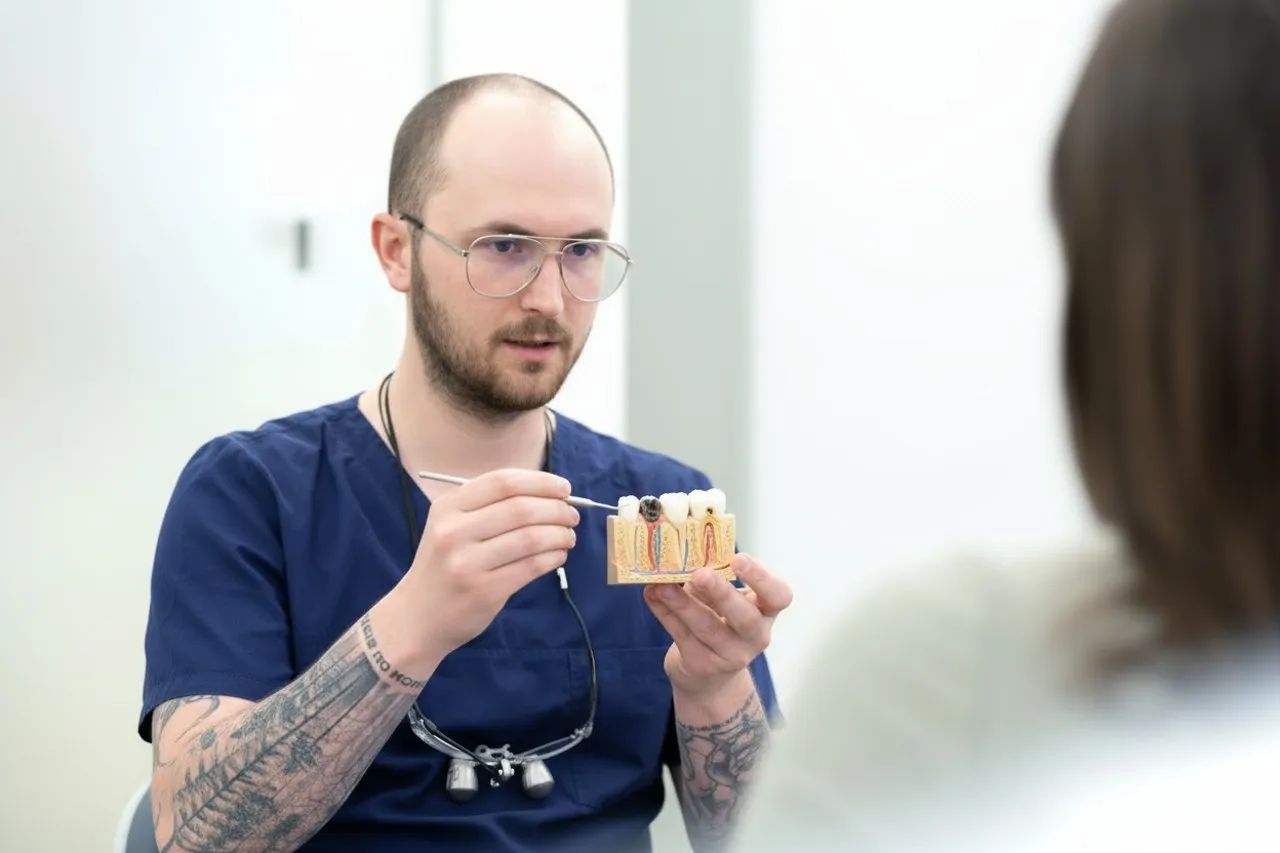
The molar in the lower jaw plays a crucial role in chewing and breaking down food. If this tooth is missing, chewing can become uncomfortable or even impossible. The loss of a molar can also cause the neighbouring teeth to shift. This can lead to further problems in the long term. An implant for a molar in the lower jaw offers a stable and functional solution. The implant not only replaces the lost tooth, but also helps to preserve the jawbone.
The implantation procedure
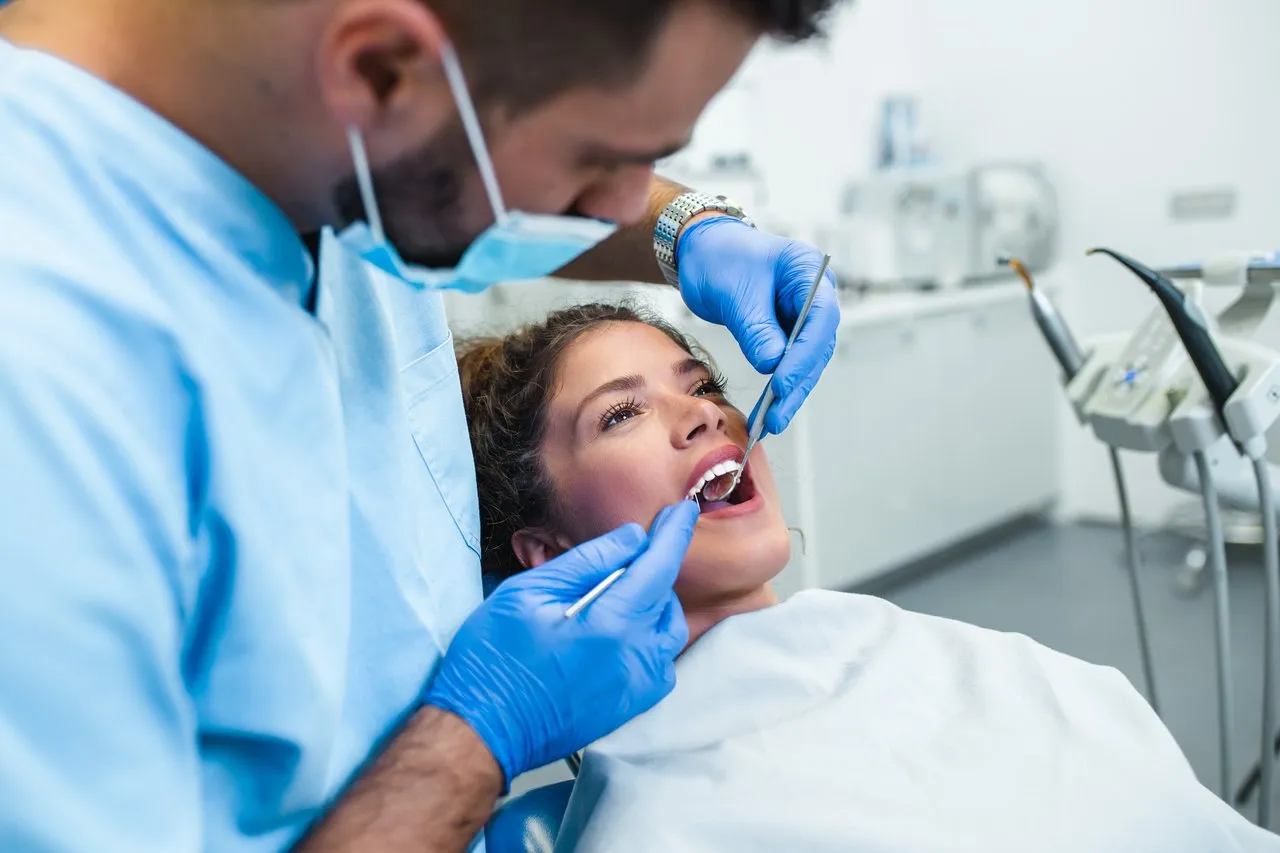
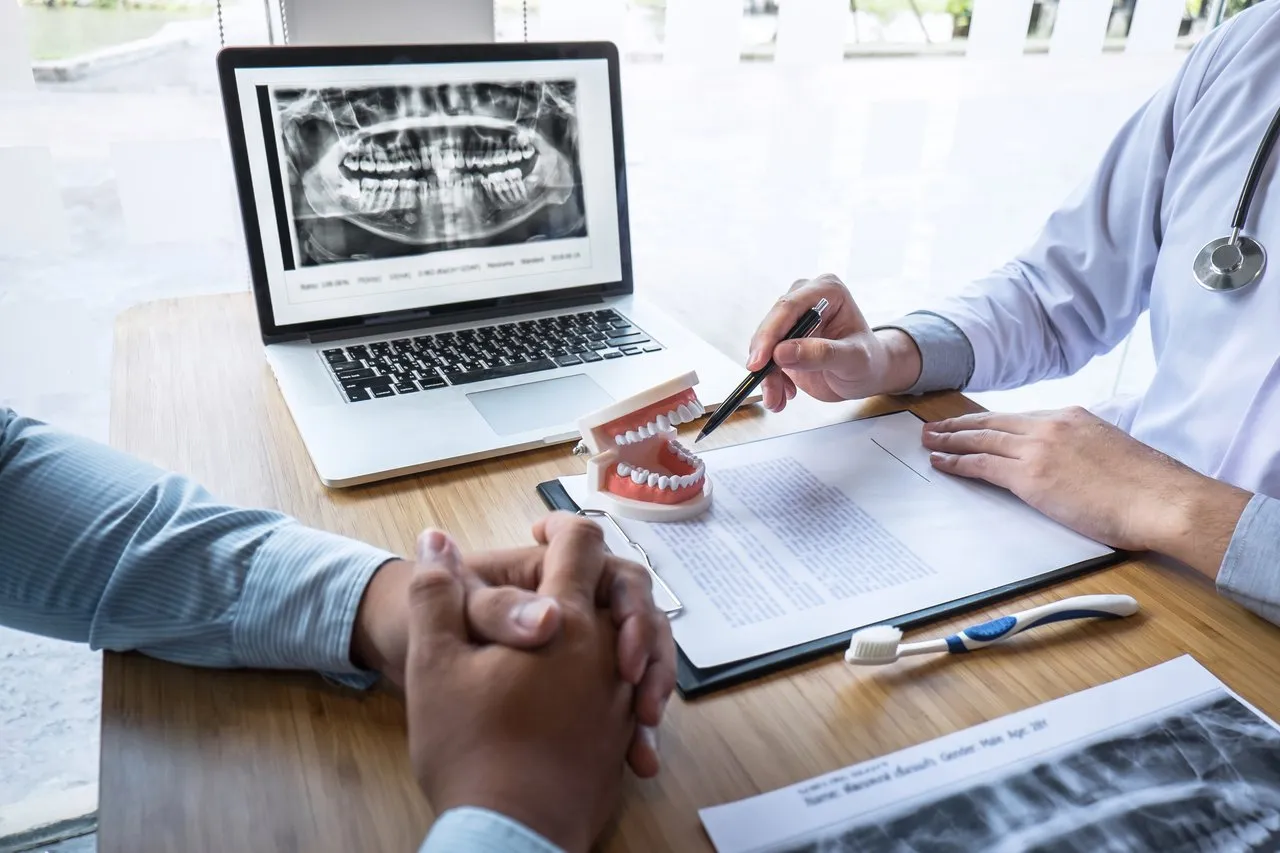
The process of dental implantation in the lower jaw consists of several steps. The process can take up to several months: • Initial consultation and planning: First, a comprehensive examination is carried out, during which the dentist checks your general oral health. An X-ray is also taken to plan the exact placement of the implant. • Inserting the implant: The implant is usually inserted into the jawbone where the molar was previously located. This step is generally carried out under local anaesthetic. After the implant has been placed, it is important that the jawbone fully fuses with it. This can take several months. • Fitting the dental restoration: Once the implant is firmly anchored in the jaw, an abutment (a connecting unit) is fitted to the implant. The dental crown or dental restoration is then attached to it.
Benefits of dental implants in the lower jaw
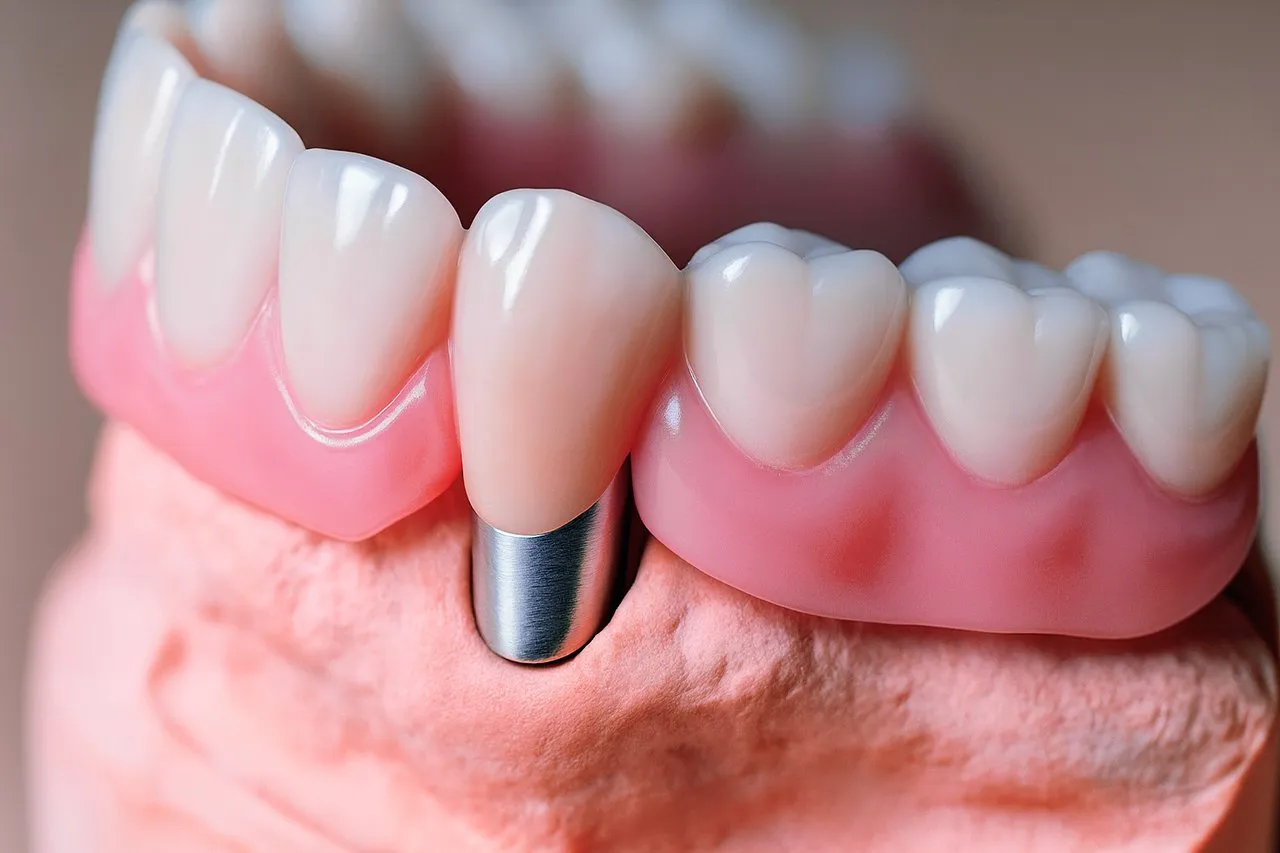
• Longevity: Dental implants are very durable and can last many years or even decades if they are well cared for. • Functionality: Implants offer the same functionality as natural teeth, so you can chew and speak normally again. • Preserving the jawbone: A major benefit of dental implants is that they stimulate the jawbone and prevent it from deteriorating. Conventional dental restorations such as bridges or dentures do not do this. • Aesthetics: Dental implants have a natural appearance and are barely distinguishable from the surrounding teeth.
Challenges with dental implants in the lower jaw
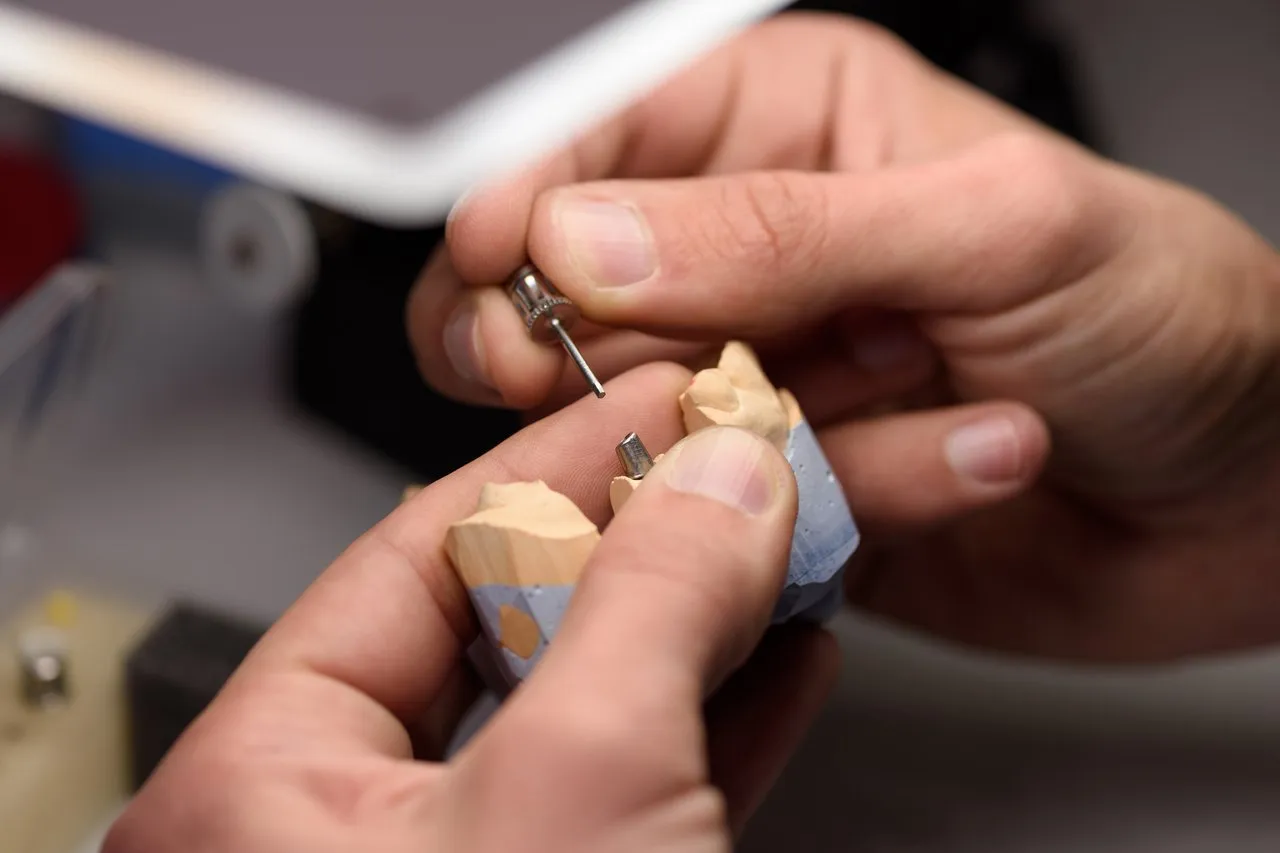
As with any dental treatment, implantation in the lower jaw, like dental implants in the upper jaw, involves certain challenges: • Jawbone quality: Sufficient jawbone is required to insert an implant successfully. In patients who have been missing a tooth for a long time, the jawbone may have receded. In such cases, bone augmentation may be necessary before the implant can be inserted. • Healing process: The healing process after the implant has been inserted can take several months. During this time, it is important to maintain good oral hygiene and visit the dentist regularly.
Molar implant in the lower jaw vs implants for other teeth
Compared with implants for front teeth, an implant for a molar in the lower jaw is often a more complex treatment. This is because molars have to withstand greater forces when chewing. This places greater demands on the implant and the jawbone. Nevertheless, a molar implant offers an excellent solution for patients who rely on a stable and functional denture.
Alternatives to dental implants
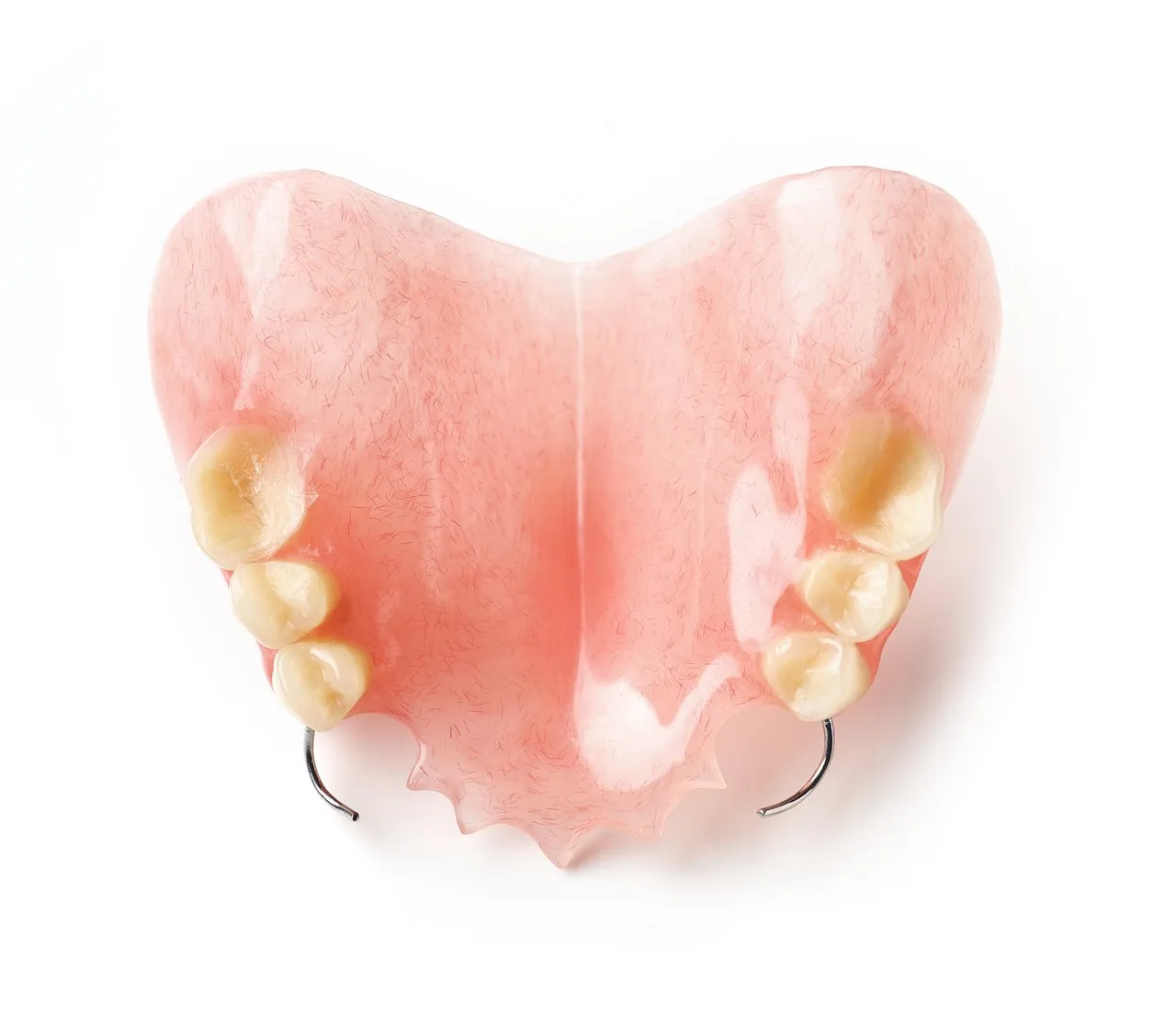
For patients who are not suitable for dental implants or are looking for a more cost-effective solution, there are also alternatives such as: Dental bridges: A dental bridge can be used to close a gap by attaching it to neighbouring teeth. Unlike implants, a bridge does not require surgery, but does not offer the same long-term stability. Dentures: A removable denture can also be a cost-effective alternative to implants. However, it is less stable and may become loose over time.
Caring for dental implants
Caring for dental implants in the lower jaw is not significantly different from caring for natural teeth. It is important to brush regularly, use dental floss and have professional dental cleanings.

Cost of dental implants in the lower jaw
The cost of an implant in the lower jaw varies depending on the provider and individual requirements. Implants are generally more expensive than bridges or dentures, but offer a longer-lasting and more stable solution. Some health insurance funds cover part of the cost, particularly if the treatment is medically necessary.
Conclusion
An implant for a molar in the lower jaw is an effective and permanent solution for replacing missing teeth. It not only offers excellent functionality and aesthetics, but also helps to preserve the jawbone. If you are considering having an implant fitted, you should seek advice from an experienced dentist. Together, we will find a suitable solution for your needs.
Frequently asked questions (FAQ)
The healing process usually takes several months, as the jawbone must fully fuse with the implant.
It is advisable to eat soft foods during the first few weeks after implantation.
With good care, an implant in the lower jaw can last 20 years or longer.
In such cases, bone augmentation may be required to provide sufficient material for the implant.
Implantation is carried out under local anaesthetic, so the procedure is pain-free. Mild pain may occur after treatment, but this can be treated with painkillers.
An implant offers a more stable and longer-lasting solution. It preserves the jawbone and does not affect neighbouring teeth when fitted.
It is important to brush the implant regularly, use dental floss and have regular check-ups.
Yes, once healing is complete, you can chew normally again with a dental implant, without restrictions.
Costs vary, but start at 2,500 euros per implant. The price may be higher or lower depending on the extent of treatment. We will provide you with detailed advice on this.
In many cases, patients have to pay for dental implants themselves. Some health insurance funds cover part of the cost. We will provide you with detailed advice on this at our practice.
Book your appointment now
We would be happy to advise you in person at our practice.