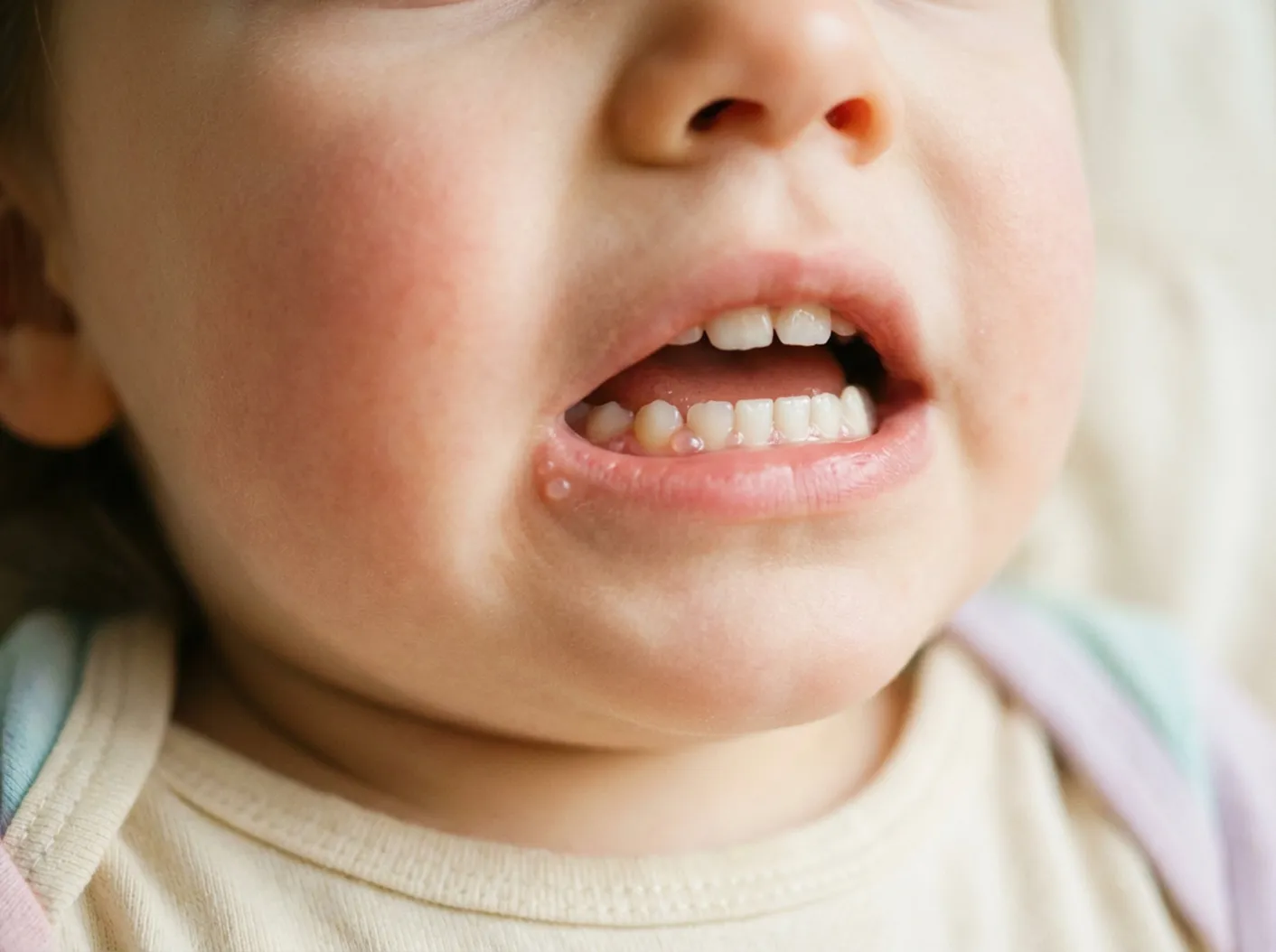
Mouth blisters and fever in toddlers
Mouth blisters and fever in toddlers worry many parents. The child eats poorly, cries, and their mouth appears inflamed. At the same time, their body temperature rises and the child seems listless. These symptoms are usually caused by infections of the oral mucosa. Viruses are often the...
Über 350 Google-Bewertungen
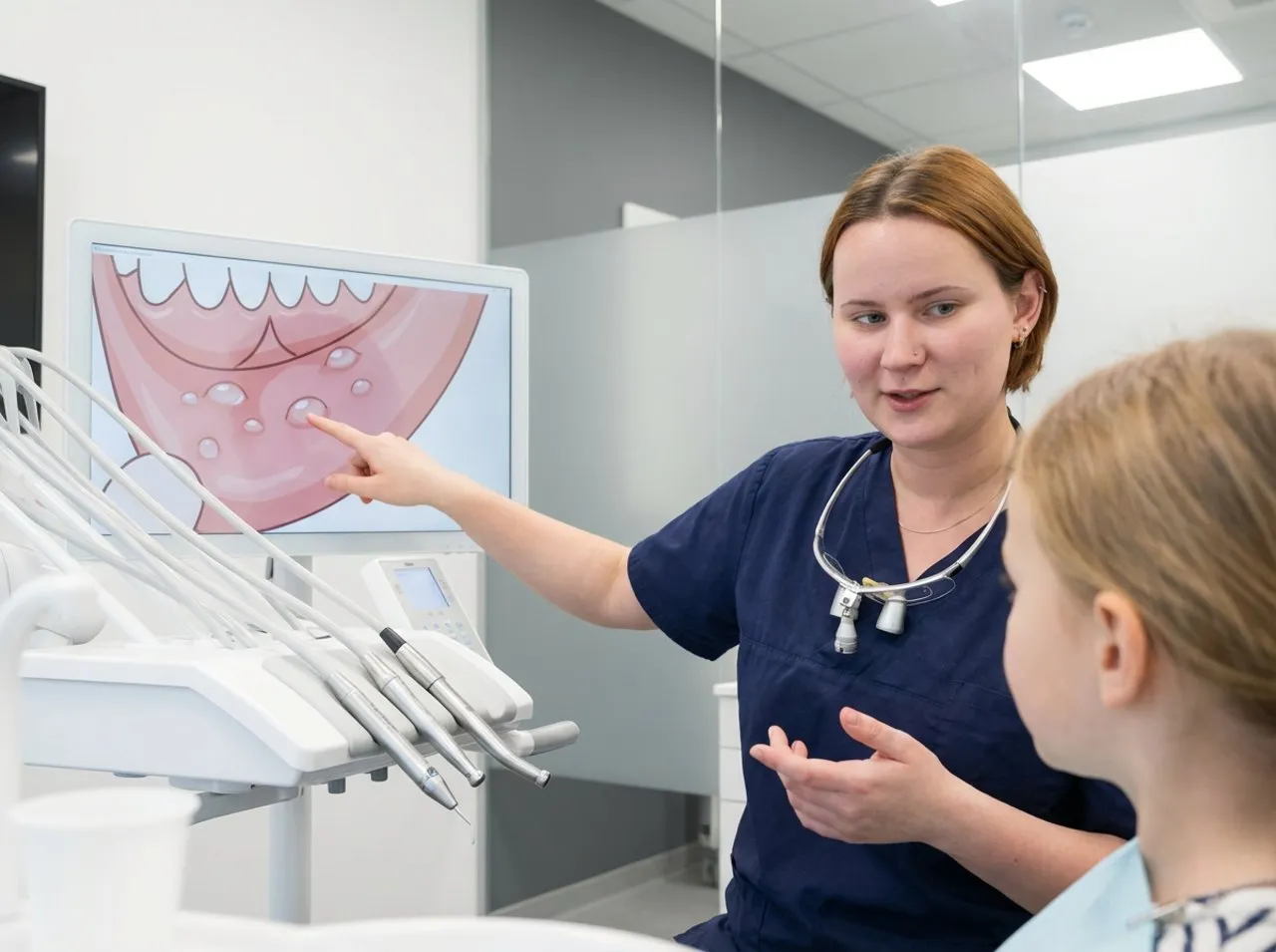
Causes: why do toddlers develop mouth blisters?
Mouth blisters are usually caused by an infection of the oral mucosa. Viruses are often involved, and less commonly bacteria or fungi. The body responds to these pathogens with inflammation and fever. Well-known conditions include hand, foot and mouth disease. Herpangina or oral thrush can also cause similar changes in the mouth. This typically produces many small lesions on the palate, cheeks or tongue. Sometimes the blisters occur in connection with a respiratory tract infection. The child then has a runny nose, a sore throat and mouth problems at the same time. A weakened immune system also makes such infections more likely.
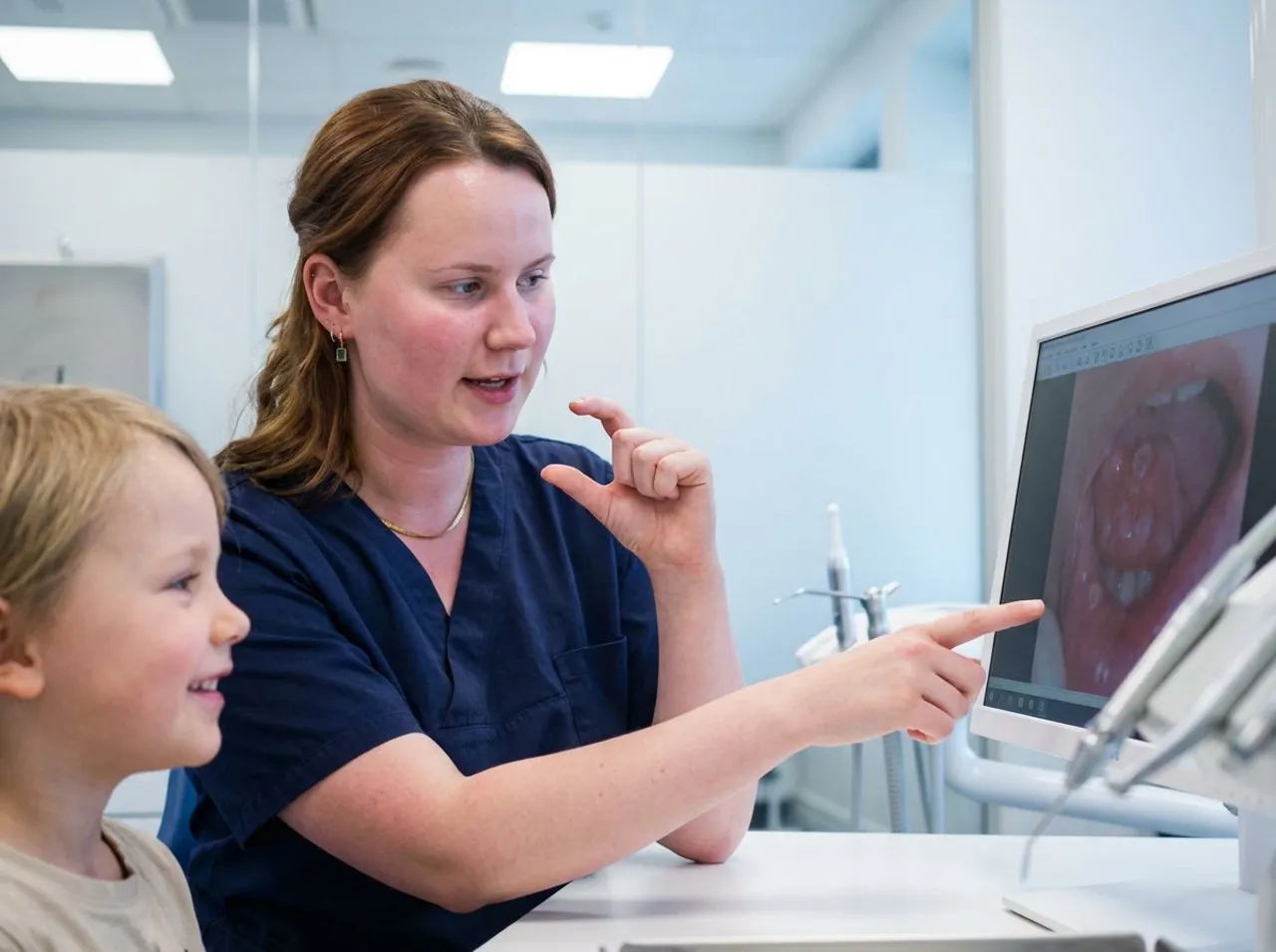
The link between mouth blisters and fever
Fever is a normal defence response by the body. The immune system fights pathogens and raises the temperature to do so. Mouth blisters and fever therefore very often occur together. Toddlers are particularly quick to develop a fever. Their immune systems are still encountering many new viruses. They therefore often appear considerably more unwell when they have inflammation in the mouth. It is important to monitor their general condition. If your child remains lively despite having a fever, this is reassuring. If their condition is markedly reduced, you should seek medical help.
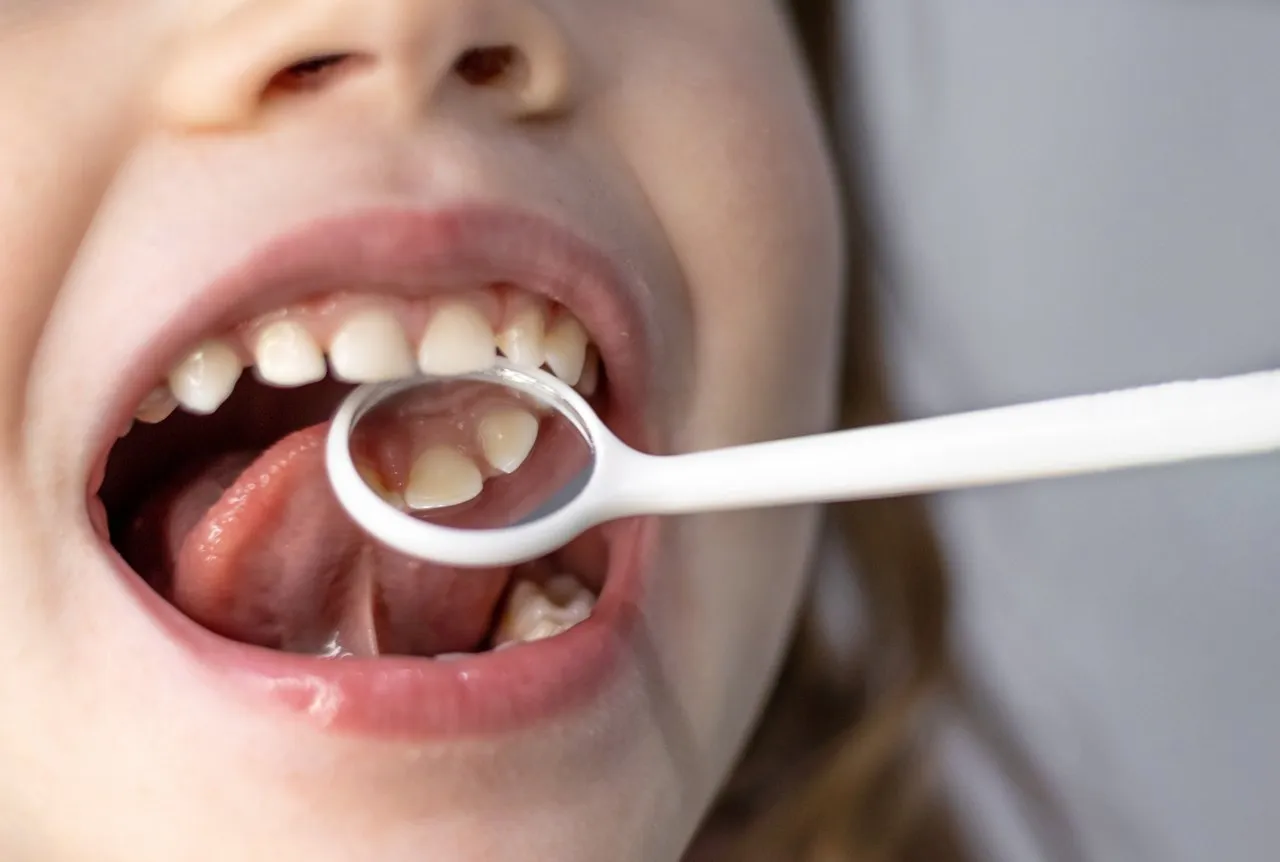
Typical symptoms of mouth blisters in toddlers
Mouth blisters are often very painful. Toddlers then refuse food and drink. Sucking on a bottle can also cause severe pain. The oral mucosa appears red and swollen. White coatings or small open lesions sometimes develop. Salivation can increase significantly. Many children also have bad breath. Their lips may become chapped and sore. Their gums may also bleed more easily during brushing.

Distinguishing these from dental problems
Not every change in the mouth is caused by an infection. Dental causes can also lead to symptoms. These include inflamed gums or pain caused by teeth coming through, for example. During teething, the gum above the baby tooth swells. The child puts things in their mouth more often. This can cause small injuries to the mucosa. However, if many mouth blisters appear at the same time, this is more likely to indicate an infection. This is especially true if fever, listlessness and difficulty swallowing also occur. A paediatrician or dentist should then assess the situation.
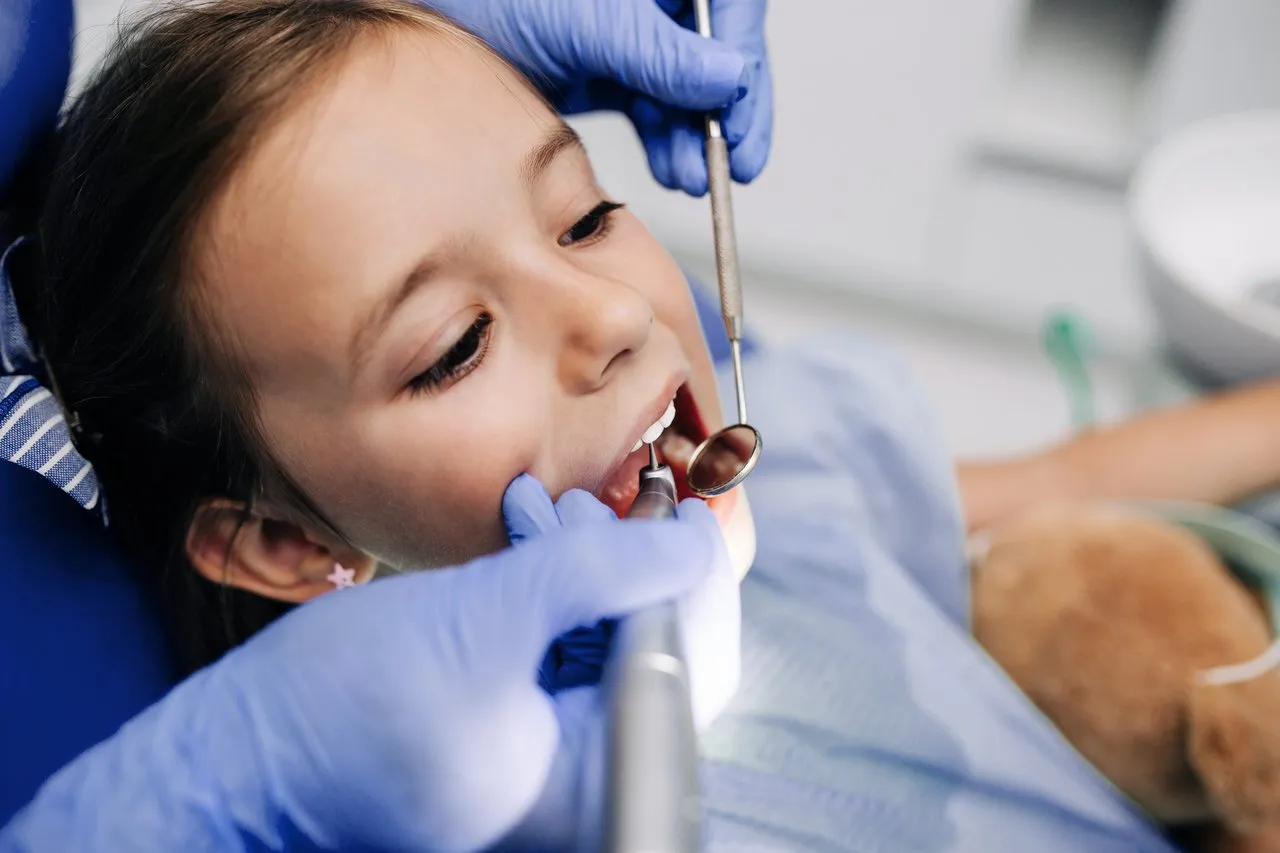
When should parents take their toddler to the doctor?
Seek medical help if a high fever persists. Temperatures above 39 degrees for several days are particularly concerning. A marked deterioration in general condition is also a warning sign. If your child is drinking far too little, there is a risk of dehydration. Typical signs include dry lips and few wet nappies. A prompt visit to the doctor is then very important. Difficulty breathing, neck stiffness or a fixed stare are also emergency warning signs. In these cases, you should go to an emergency department immediately. Do not wait for a routine appointment.
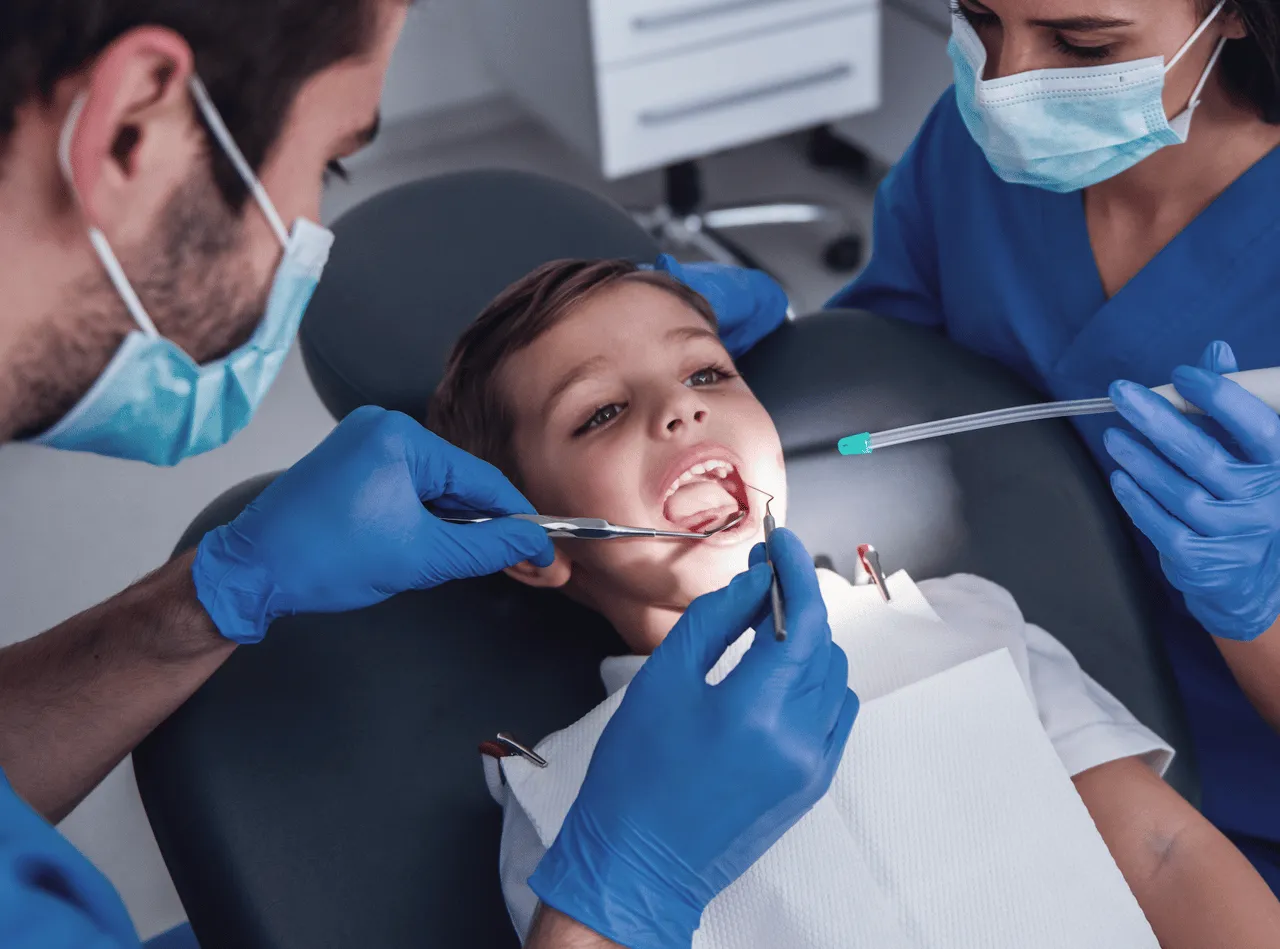
Treatment: what helps your child with mouth blisters?
The most important measure is sufficient fluid intake. Offer cool, non-acidic drinks in small sips. Water or unsweetened tea are suitable. Pain-relieving liquid medicines or suppositories can help with pain. The paediatrician will discuss the choice and dosage with you. This can help the child drink and sleep better again. Avoid strongly seasoned, acidic or very hot foods. Soft foods such as purées or yoghurt are usually better tolerated. Ice lollies can provide additional cooling and relief.
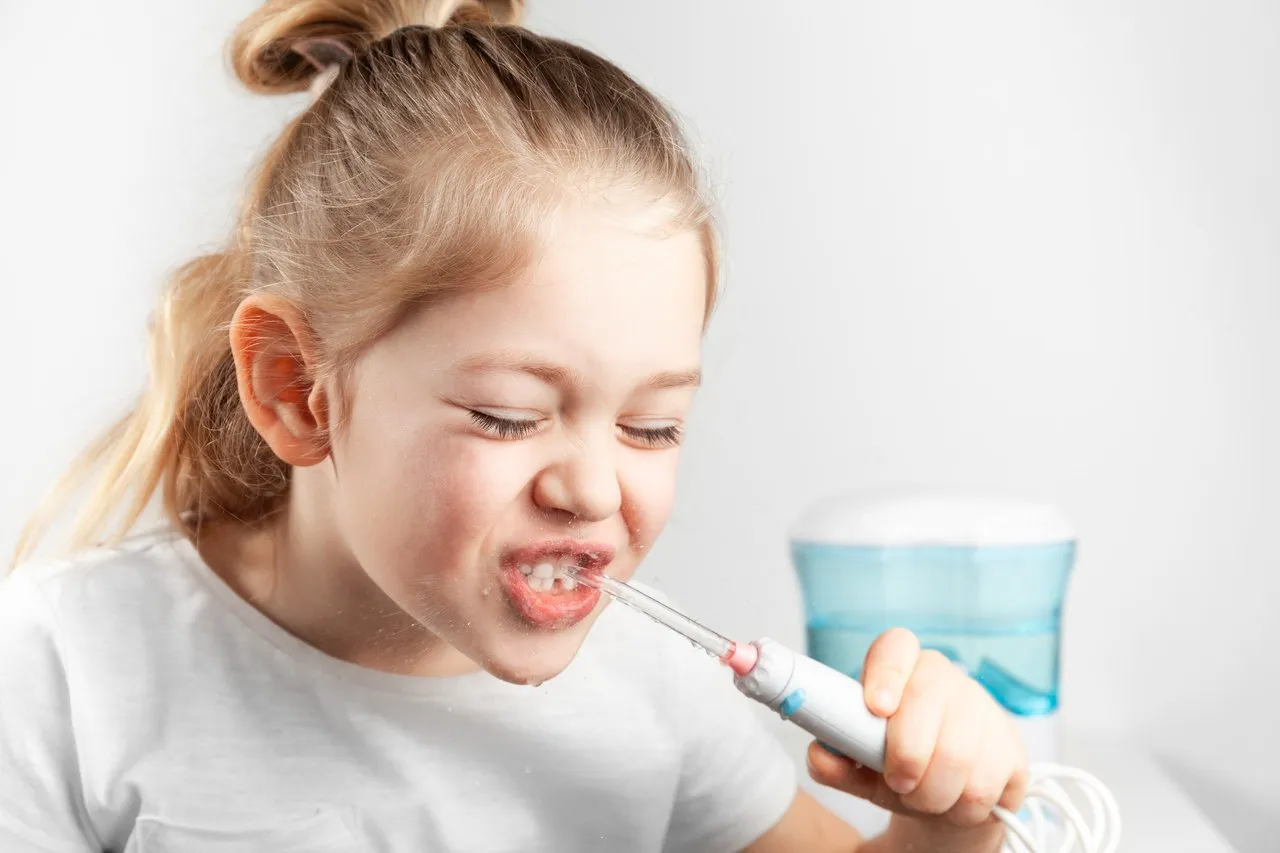
Oral care for toddlers with mouth blisters
Oral hygiene remains important even during inflammation in the mouth. Teeth should continue to be cleaned gently. Use a soft children's toothbrush with very little pressure. Children's toothpaste should be mild and free from strong flavourings. Sharp or menthol-containing products can cause additional stinging. It is better to clean briefly but regularly. Do not rub open lesions directly. Topical gels or solutions should be used under medical supervision. The dentist can recommend suitable products.
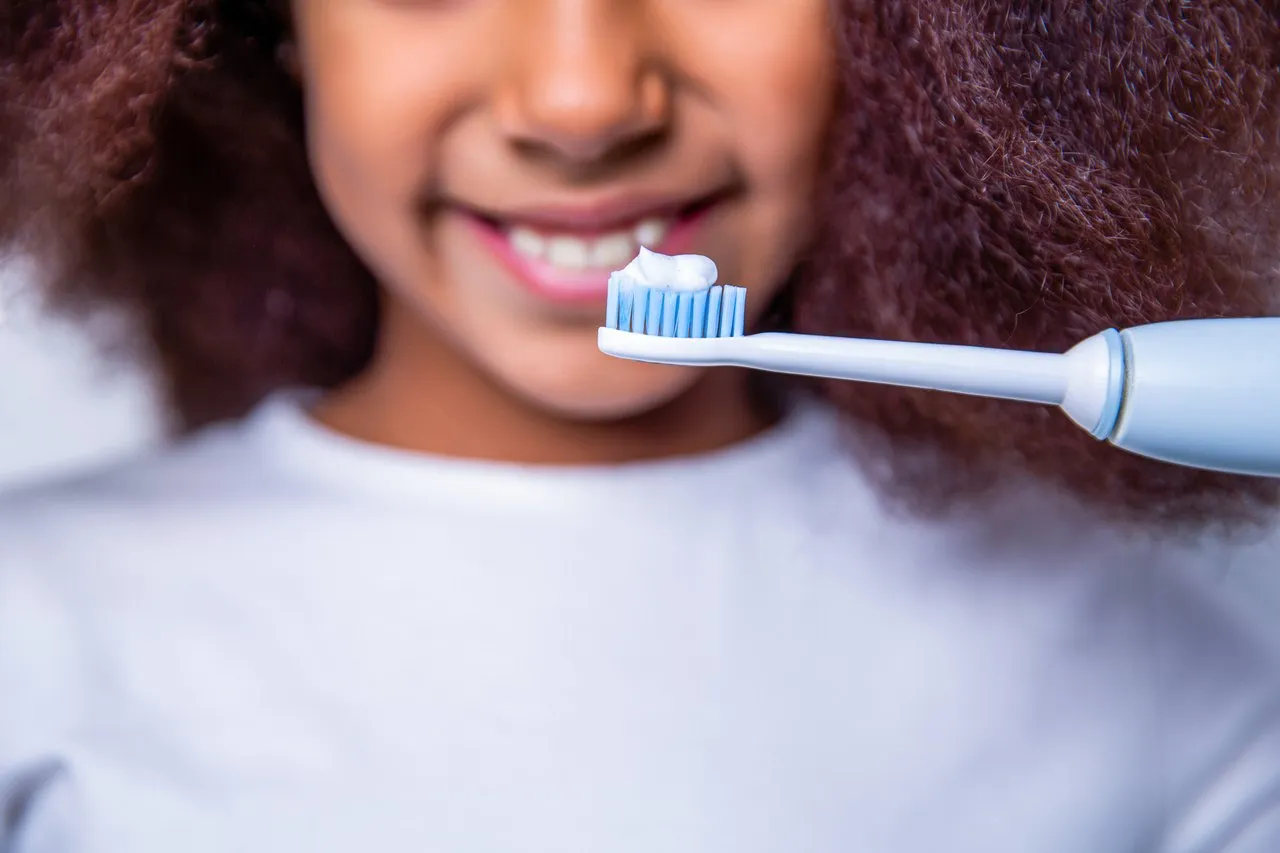
Prevention: how to protect your toddler
Consistent hygiene reduces the risk of infections in the mouth. Bottles, dummies and toys should be cleaned regularly. Sharing cutlery or cups should be avoided wherever possible. Strengthen your child's immune system. Fresh air, a balanced diet and sufficient sleep support the body's defences. Regular check-ups with the paediatrician remain important. Dental check-ups from toddlerhood onwards are also advisable. This allows problems with baby teeth to be detected early. The practice can also advise on proper oral care.
Support from Wunschlachen dental practice
At Wunschlachen, we take particular care to allow plenty of time for children. Treatment is tailored to children and carried out in a calm, unhurried manner. This helps us alleviate anxiety at an early stage. We carefully assess changes to the oral mucosa. These include mouth blisters, inflamed gums and injuries. Where necessary, we liaise closely with the paediatrician. Parents receive practical advice on everyday oral care. We are happy to explain suitable toothbrushes, toothpastes and care routines. This helps keep the baby teeth as healthy as possible despite infections.
FAQs about mouth blisters and fever in toddlers
It is usually an infection of the oral mucosa. Viruses are often responsible and also cause a fever. A paediatrician should provide an accurate assessment.
Many of these infections are highly contagious. Pathogens are transmitted through saliva, droplets and shared objects. Hygiene and separate drinking vessels are therefore very important.
In many cases, the blisters clear up within a week. Sometimes healing takes a little longer. The exact duration depends on the cause and the immune system.
Cool drinks and soft foods provide some pain relief. Painkillers for children can also help. The choice should always be made by the paediatrician.
A child with a fever should generally stay at home. Contagious infections should not be brought into a childcare setting. If in doubt, ask your paediatrician and the nursery.
A visit to the doctor is necessary if your child has a high fever, severe pain or refuses to drink. You should also take action if their general condition is very poor. Parents who are unsure should err on the side of asking for advice.
The blisters usually affect the mucosa, not the tooth. However, poor oral hygiene can lead to additional problems. Gentle dental care therefore remains important.
Use a very soft children's toothbrush. Brush carefully and avoid particularly painful areas. Short, frequent cleaning sessions are better than prolonged scrubbing.
Cool drinks, soft food and plenty of rest are advisable. You should avoid experimenting with solutions or tinctures in the mouth yourself. Always discuss home remedies with the paediatrician.
Good hygiene and separate drinking vessels reduce the risk. A strong immune system supported by a healthy lifestyle also helps. Regular dental check-ups support oral health.
Book your appointment now
We would be happy to advise you in person at our practice.