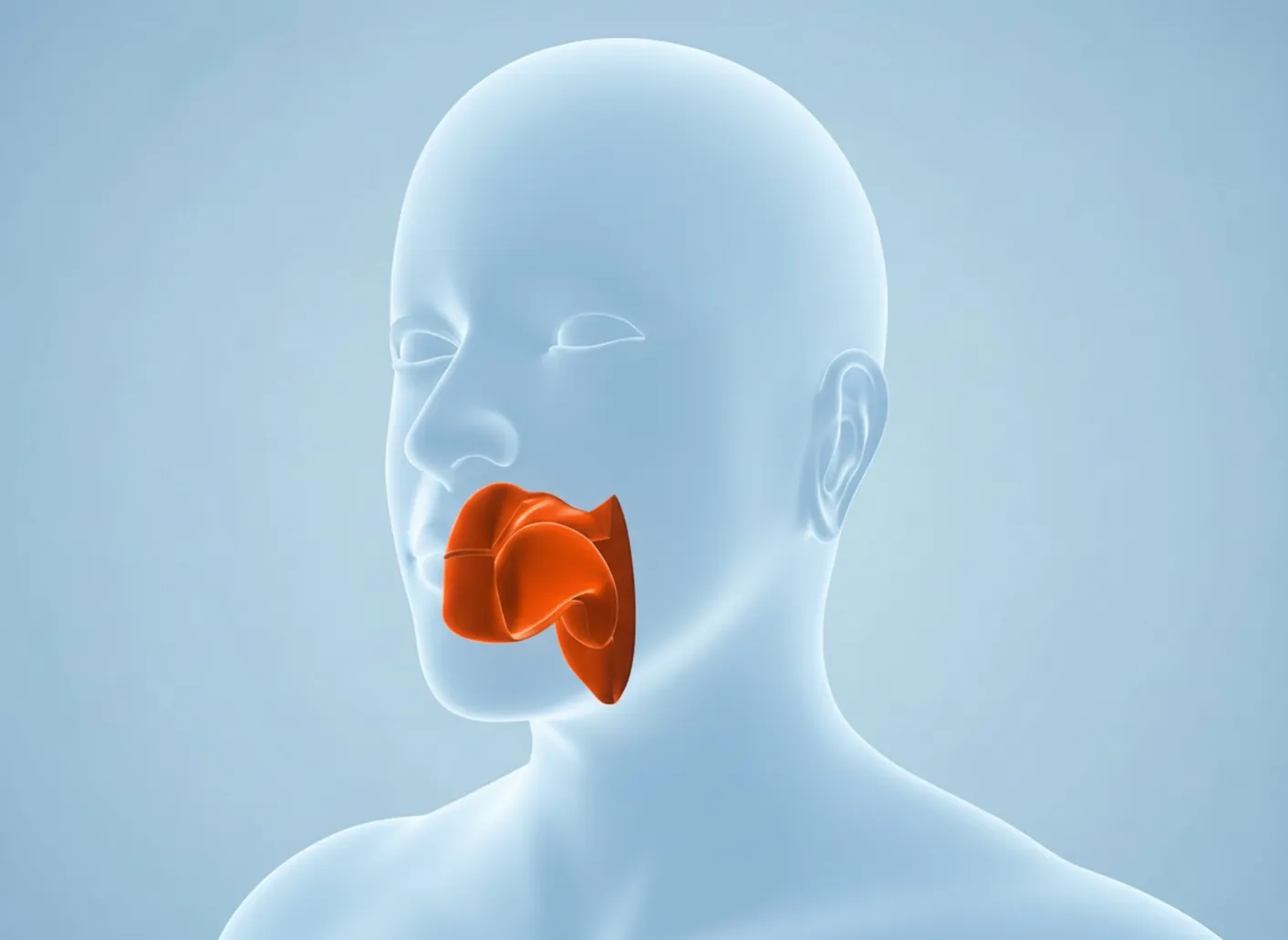
Causes and Treatment of Inflammation in the Mouth
Inflammation in the mouth can be extremely unpleasant and significantly affect daily life. It not only affects your ability to eat and drink normally, but can also make speaking and even breathing difficult if it is particularly painful. Whether it is blisters...
Über 350 Google-Bewertungen

What is inflammation in the mouth?
Inflammation in the mouth involves irritation or inflammation of the oral mucosa. It can take various forms, including blisters, canker sores or redness, all of which can cause varying degrees of pain and discomfort. The exact cause can vary, but it is often due to infections, injuries or allergic reactions. In some cases, systemic diseases or nutritional deficiencies may also play a role. It is important to identify the exact cause of the inflammation in order to choose the right treatment and thus speed up the healing process.

Causes of inflammation in the mouth
Infections, particularly viral infections, are a common cause of inflammation in the mouth. Herpes simplex is a well-known virus that can cause painful blisters in the mouth. These blisters often recur and can be triggered by stress or a weakened immune system. Bacterial infections can also lead to inflammation, especially if oral hygiene is neglected. Fungal infections, such as thrush, are another possible cause, particularly in people with weakened immune systems or after taking antibiotics. Injuries caused by sharp foods, braces or other foreign bodies can also lead to inflammation. Such injuries can easily become infected if they are not treated properly. The same also applies to teeth grinding or biting the cheek, which can repeatedly cause small injuries that may become inflamed. Prompt and appropriate treatment of these minor injuries is crucial to prevent the inflammation from worsening and to promote healing.

Inflammation in the mouth as a result of an illness
Certain foods or dental care products can trigger allergic reactions that lead to inflammation in the mouth. Common irritants include spicy seasonings, acidic fruit or toothpastes containing sodium lauryl sulphate. Metal dental fillings or chewing gums containing certain additives can also trigger allergic reactions in sensitive people. Carefully choosing foods and care products can help minimise the risk of inflammation and maintain oral health. Autoimmune diseases such as Sjögren's syndrome or lupus can cause inflammation in the mouth. These diseases cause the immune system to attack the body's own cells, which can lead to inflammation. The oral mucosa can be particularly vulnerable, resulting in recurring and persistent inflammation. Comprehensive medical care is necessary to treat the underlying condition and relieve the symptoms.
Forms of inflammation in the mouth
Inflammation in the mouth is often small and painful, and can develop on the tongue, gums or palate. It is usually white or yellow and surrounded by a red border. Blisters can appear individually or in groups and are often particularly painful when eating or speaking. The duration and intensity of the symptoms can vary depending on the cause of the blisters. Redness and swelling are common symptoms of inflammation of the oral mucosa. These can make eating and speaking difficult. The affected areas may be sensitive to touch and temperature, which increases the discomfort. In some cases, the lymph nodes in the jaw area may also swell, causing additional pain.
Symptoms of inflammation in the mouth
Pain and a burning sensation in the mouth are typical signs of inflammation. These symptoms can worsen if the affected area is irritated, for example by spicy or hot food. The burning may be constant or only occur during certain activities, such as brushing your teeth or drinking acidic beverages. Timely treatment can help relieve the pain and speed up healing. Simply rinsing with salt or bicarbonate of soda can help relieve the symptoms and promote healing. Salt has an antiseptic effect, while bicarbonate of soda can balance the pH level in the mouth. Regular rinsing can help reduce the number of germs in the mouth and resolve the inflammation. This method is inexpensive and easy to carry out, making it a popular option.

Home remedies for inflammation in the mouth
Chamomile tea is known for its anti-inflammatory properties. Rinsing with chamomile tea or placing a tea bag soaked in chamomile tea on the affected area can provide relief. The soothing properties of chamomile can help reduce pain and promote healing. Regular use can further relieve the symptoms and support the healing process. Antiseptic mouthwashes can help reduce the number of bacteria in the mouth and promote healing. They are available without a prescription from chemists and can be an effective addition to other treatments. Regular use can help reduce the risk of infections and speed up recovery. It is important to follow the instructions on the product label to achieve optimal results.

Painkillers for inflammation in the mouth
Over-the-counter painkillers such as ibuprofen or paracetamol can help relieve the pain. It is important to follow the recommended dosage to avoid side effects. These medicines can effectively reduce the discomfort and help you cope better with everyday life. However, if the pain persists, a doctor should be consulted to discuss further treatment options.
Tips for inflammation in the mouth
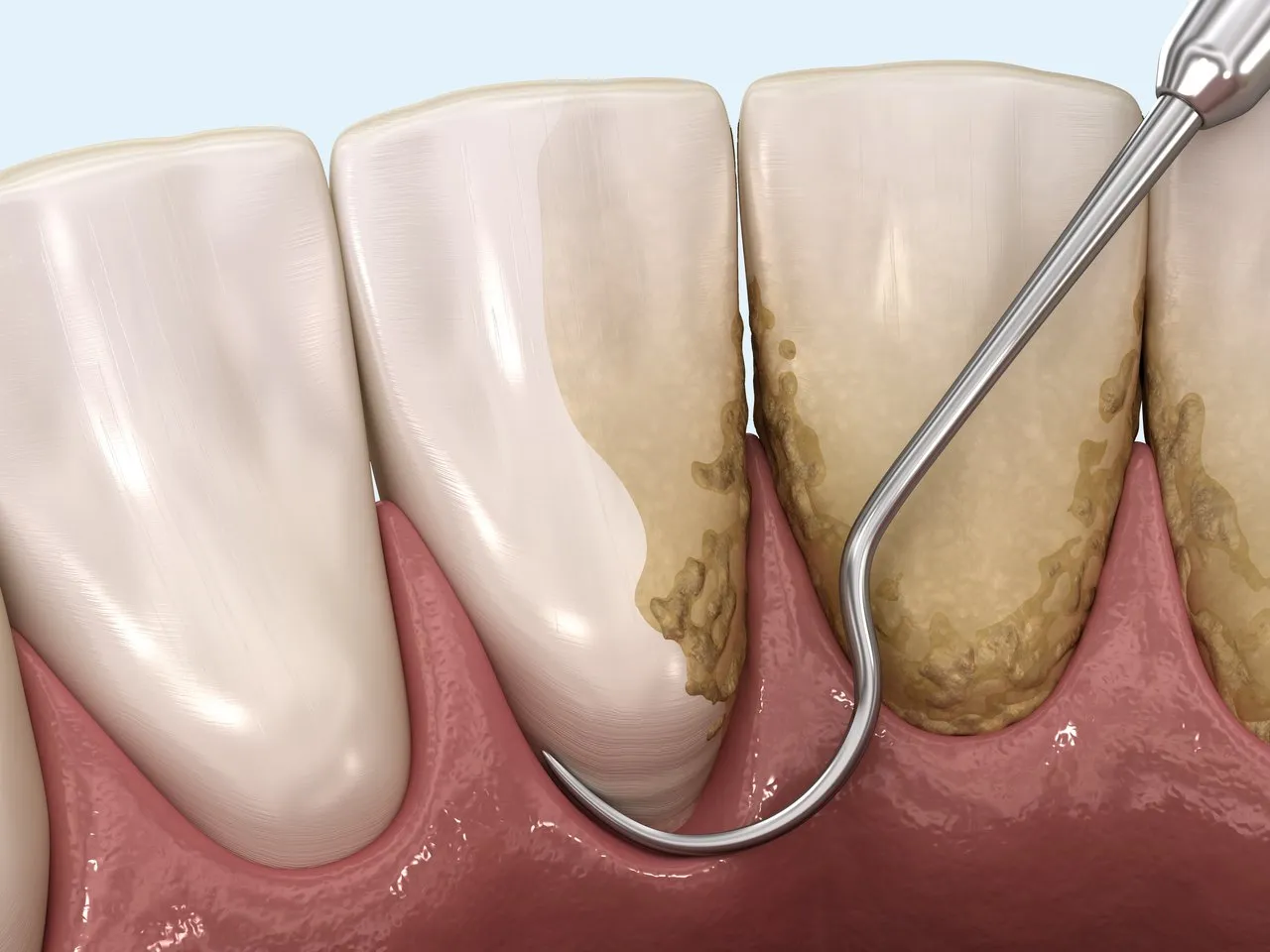
Thorough oral hygiene is the key to preventing inflammation. This includes brushing your teeth regularly and using dental floss. Using an antibacterial mouthwash can also help reduce the risk of infections. Regular dental check-ups can also help identify and treat potential problems at an early stage. It is advisable to avoid spicy or acidic foods that can irritate the oral mucosa. Avoiding tobacco and excessive alcohol consumption can also be helpful. Choosing milder dental care products can also help minimise irritation. A mindful diet and lifestyle can promote long-term oral health. Stress can weaken the immune system and increase susceptibility to inflammation in the mouth. Stress management techniques such as meditation or yoga can be helpful. Regular exercise and sufficient sleep also help strengthen the immune system and improve general health. A healthy work-life balance can help reduce stress and lower the risk of inflammation.

When should you see a dentist about inflammation in the mouth?
Although many cases of inflammation in the mouth are harmless and heal on their own, you should see a doctor if the symptoms persist for more than two weeks, the pain is very severe or you develop a fever. A doctor can make a more accurate diagnosis and prescribe specific treatment if necessary. In some cases, further tests may be required to rule out more serious conditions. Seeking medical care at an early stage can help avoid complications and speed up recovery.

Conclusion
Inflammation in the mouth can be unpleasant, but with the right measures, the symptoms can often be relieved quickly. Good oral hygiene, avoiding irritants and using home remedies can help promote healing. However, if symptoms persist or are severe, it is important to see a doctor to rule out serious conditions. By combining prevention with effective treatment, you can maintain your oral health and improve your quality of life.
FAQs about inflammation in the mouth
Inflammation in the mouth involves irritation or inflammation of the oral mucosa, which appears as blisters, canker sores, redness or swelling and often causes pain when eating, drinking or speaking.
Common causes include viral, bacterial or fungal infections, minor injuries in the mouth, allergic reactions to foods or dental care products, and certain general medical conditions or nutritional deficiencies.
Yes, autoimmune diseases such as Sjögren's syndrome or lupus can affect the oral mucosa and cause recurring, persistent inflammation.
They are usually small, whitish or yellowish, surrounded by a red border, and can appear individually or in groups on the tongue, gums or palate.
Typical symptoms include pain, burning, redness and swelling, often aggravated by spicy, acidic or hot foods, and occasionally accompanied by swollen lymph nodes.
Rinsing with salt water, bicarbonate of soda solution or chamomile tea can have anti-inflammatory, soothing and disinfecting effects, thereby supporting healing.
Antiseptic mouthwashes from a chemist reduce the number of germs in the mouth and can promote healing, especially in combination with good oral hygiene.
Over-the-counter painkillers such as ibuprofen or paracetamol can provide temporary pain relief, but should only be used in accordance with the package leaflet and when needed.
Thorough oral hygiene, regular dental visits, avoiding tobacco and excessive alcohol, and steering clear of spicy or highly acidic foods significantly reduce the risk.
If the symptoms persist for more than two weeks, are very painful, are accompanied by a fever, or the inflammation keeps recurring, a medical assessment is strongly recommended.
Book your appointment now
We would be happy to advise you in person at our practice.