Mouth ulcers – causes, treatment and therapy
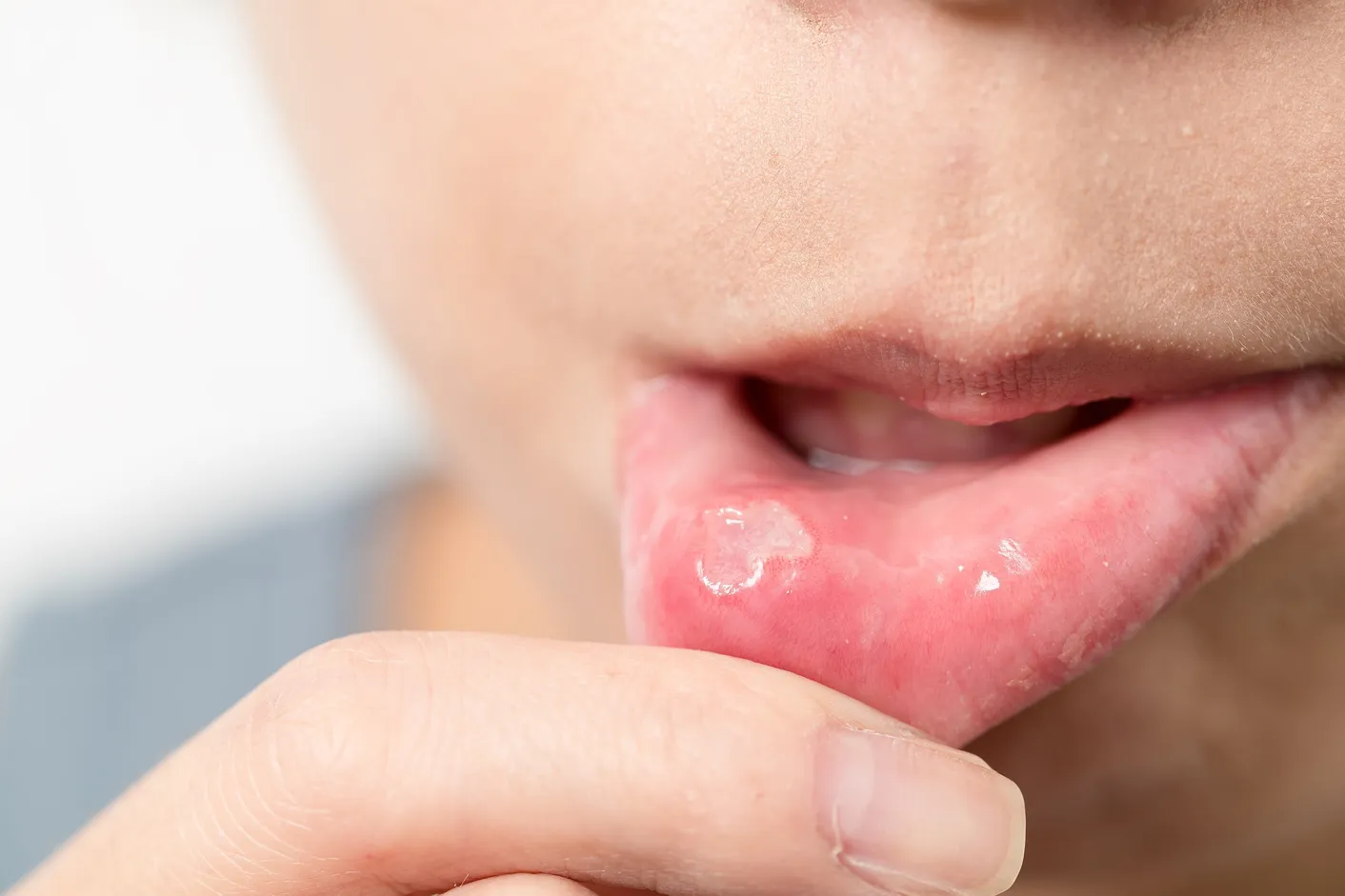
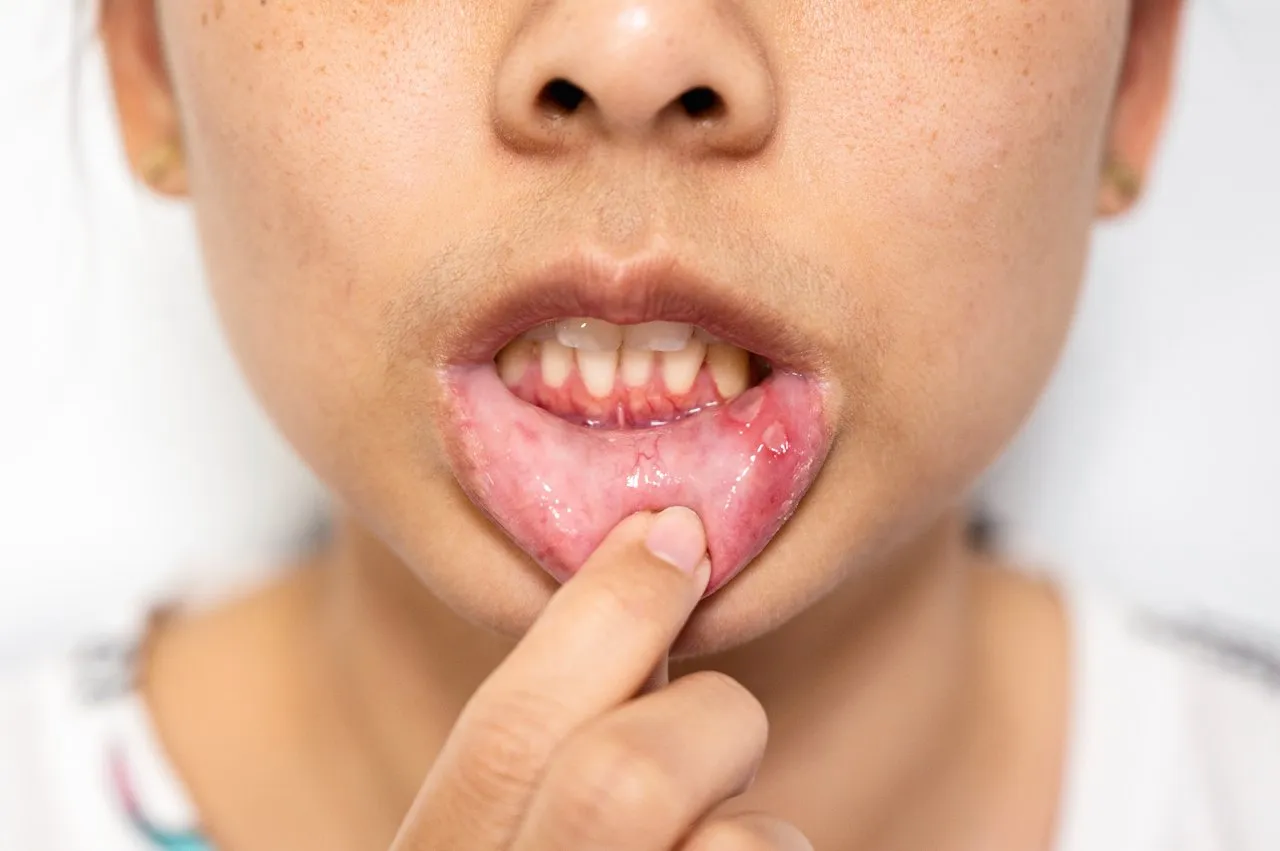
Mouth ulcers are painful, small ulcers that develop on the oral mucosa. They usually appear as white or yellow spots surrounded by a red border. They can also develop on the tongue, lips, palate or inside the cheek. Although mouth ulcers in most...
Über 350 Google-Bewertungen

What causes mouth ulcers?
The exact cause is not always clear. However, there are some known factors that can increase the risk. One of the most common triggers is hormonal changes. The ulcers may occur more frequently, particularly during menstruation or pregnancy. Stress also plays a major role, as it weakens the immune system and makes the body more susceptible to inflammation. Injuries to the oral mucosa can also encourage their development. Diet is another important factor. Certain foods such as citrus fruits, hot spices or alcoholic drinks can irritate the oral mucosa. This encourages the ulcers to form. There is also evidence that a weak immune system or a genetic predisposition can increase the risk.
Mouth ulcers – causes
There are various reasons why they develop. As already mentioned, one of the main causes is a disorder of the immune system. If the body overreacts to certain stimuli, this can lead to inflammation in the oral mucosa. The oral flora may also play a role, as bacterial or viral infections can encourage the development of mouth ulcers. However, this is relatively rare. Other causes include a deficiency in certain vitamins, such as vitamin B12, iron or folic acid, as well as smoking or excessive alcohol consumption. Braces or poorly fitting dentures that irritate the oral mucosa can also trigger mouth ulcers. Stress and emotional strain are also common factors that encourage the development of sore areas. Mouthwashes containing harsh ingredients or medicines such as painkillers or antibiotics can likewise increase the risk.

Treating mouth ulcers
Treatment of the sore areas depends on the cause and severity of the symptoms. In most cases, the ulcers heal on their own within about a week. Nevertheless, there are various treatments for mouth ulcers that can help.
First, it is important to avoid putting strain on the affected area to prevent additional irritation. Make sure you do not eat any spicy or acidic foods. These can further irritate the ulcers.
Regular oral hygiene is also important to prevent an additional infection. Use a soft-bristled toothbrush and avoid harsh mouthwashes.
A mouthwash for mouth ulcers using special products can also be helpful. These solutions often contain soothing and anti-inflammatory ingredients that promote the healing process. Over-the-counter ointments and gels are also available and can be applied directly to the affected areas.
In more severe cases, when the ulcers are very large or particularly painful, the dentist can prescribe stronger medication. Examples include corticosteroid preparations or antibacterial mouthwashes, which relieve inflammation and prevent infection.

How do you get mouth ulcers?
Mouth ulcers do not simply develop without reason. They are usually the result of irritation or disorders in the body. As already mentioned, numerous factors can trigger the ulcers. The immune system also plays an important role in their development. A weak immune system makes the body more susceptible to infections and inflammation, which can lead to sore areas.

Are mouth ulcers contagious?
The good news is that the ulcers are not contagious. They are not caused by bacteria or viruses, but usually by irritation or an abnormal immune system response. Mouth ulcers therefore cannot be transmitted through direct contact or by sharing drinks or cutlery.

How do you get rid of mouth ulcers?
Treatment of the ulcers primarily focuses on relieving pain and supporting the healing process. In most cases, the ulcers heal on their own within a few days. However, if the pain is very severe or the ulcers recur, it is advisable to see a dentist or GP. They can recommend targeted treatments and investigate possible underlying causes such as vitamin deficiencies or a weakened immune system.

Conclusion:
• Mouth ulcers are common. • They can be triggered by many different factors. • Treatment depends on the cause and severity of the symptoms. • In most cases, the ulcers heal without medical assistance, but there is a wide range of treatment options. • Maintain good oral hygiene, avoid irritating foods and see a dentist if necessary.
FAQs about mouth ulcers
Mouth ulcers are painful, small ulcers that develop on the oral mucosa and are usually surrounded by a red border.
Mouth ulcers are often caused by hormonal changes, stress, injuries to the oral mucosa or certain foods.
The exact cause is not always known, but common triggers include stress, hormonal fluctuations, vitamin deficiencies or a weak immune system.
Mouth ulcers can be treated with mouthwashes, special ointments or gels. In severe cases, the dentist prescribes anti-inflammatory or pain-relieving medication.
No, mouth ulcers are not contagious. They are caused by irritation or an abnormal immune system response.
Mouth ulcers usually heal on their own within a few days. Pain-relieving medication and special mouthwashes can support the healing process.
In addition to oral hygiene, mouthwashes and ointments containing anti-inflammatory ingredients can help relieve the symptoms.
Mouth ulcers can be caused by stress, hormonal changes, vitamin deficiencies or injuries to the oral mucosa.
Maintain good oral hygiene, avoid irritating foods and reduce stress.
If the ulcers are very painful or occur regularly, it is advisable to see a dentist.