Orthodontic appliances: what types of braces are available?
At our Wunschlachen dental practice in Berlin, we place great importance on modern, individually tailored solutions. A wide range of appliances and methods are used in orthodontics to correct misaligned teeth and jaws over the long term. Choosing the...
Über 350 Google-Bewertungen
Prevention: preventive care in orthodontics
Many misalignments of the teeth and jaws develop in early childhood. This often happens as a result of habits such as thumb-sucking, incorrect swallowing or persistent mouth breathing. Losing baby teeth too early can also disrupt the healthy development of the dentition.
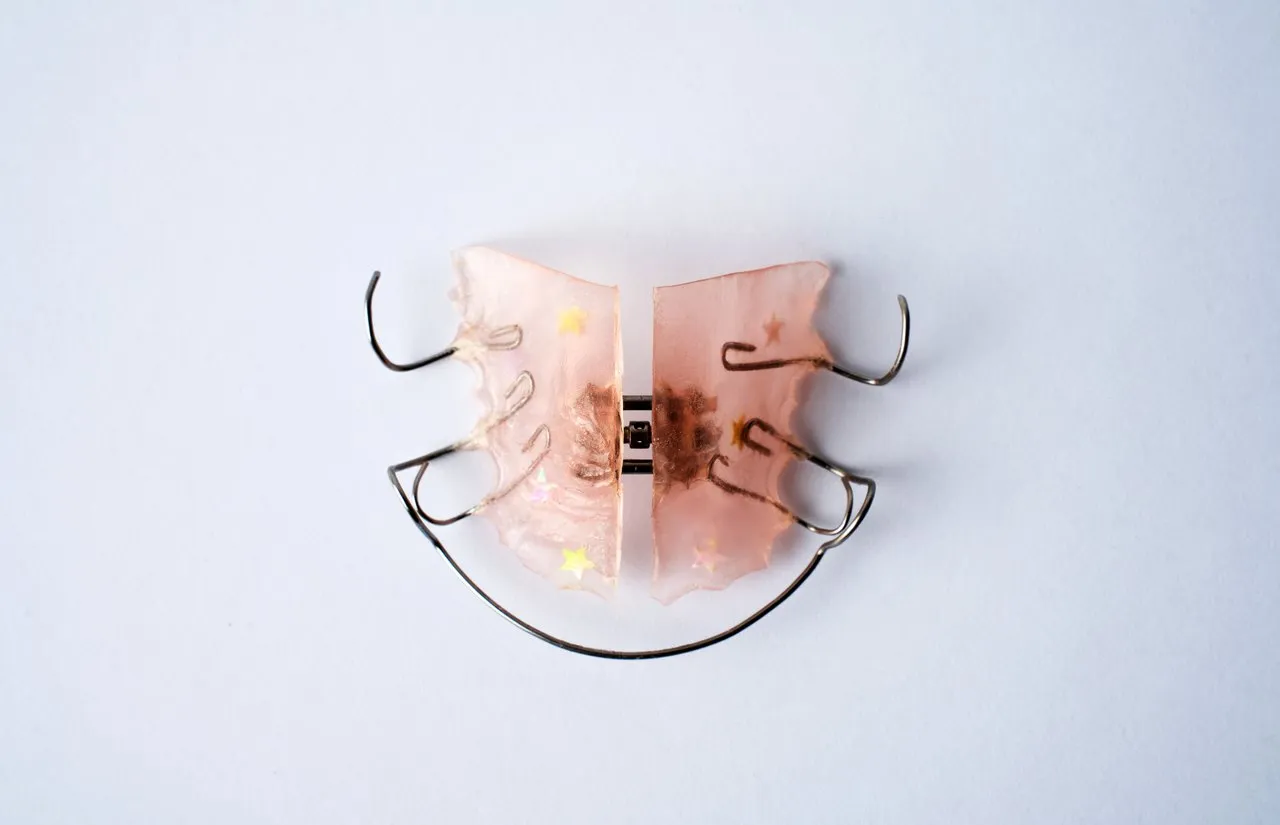
In such cases, we specifically use preventive measures at our orthodontic practice. One tried-and-tested example is the vestibular plate. It is used in the primary dentition to prevent abnormal development and gently regulate muscular dysfunction.
Active and functional orthodontic appliances
Appliances that exert mechanical or functional forces on the teeth, jaws and muscles are a central component of orthodontic treatment.
Active appliances
Active appliances work with pressure or traction forces generated by the brace itself. The aim is to move teeth in a targeted manner and influence jaw growth. Active appliances include:
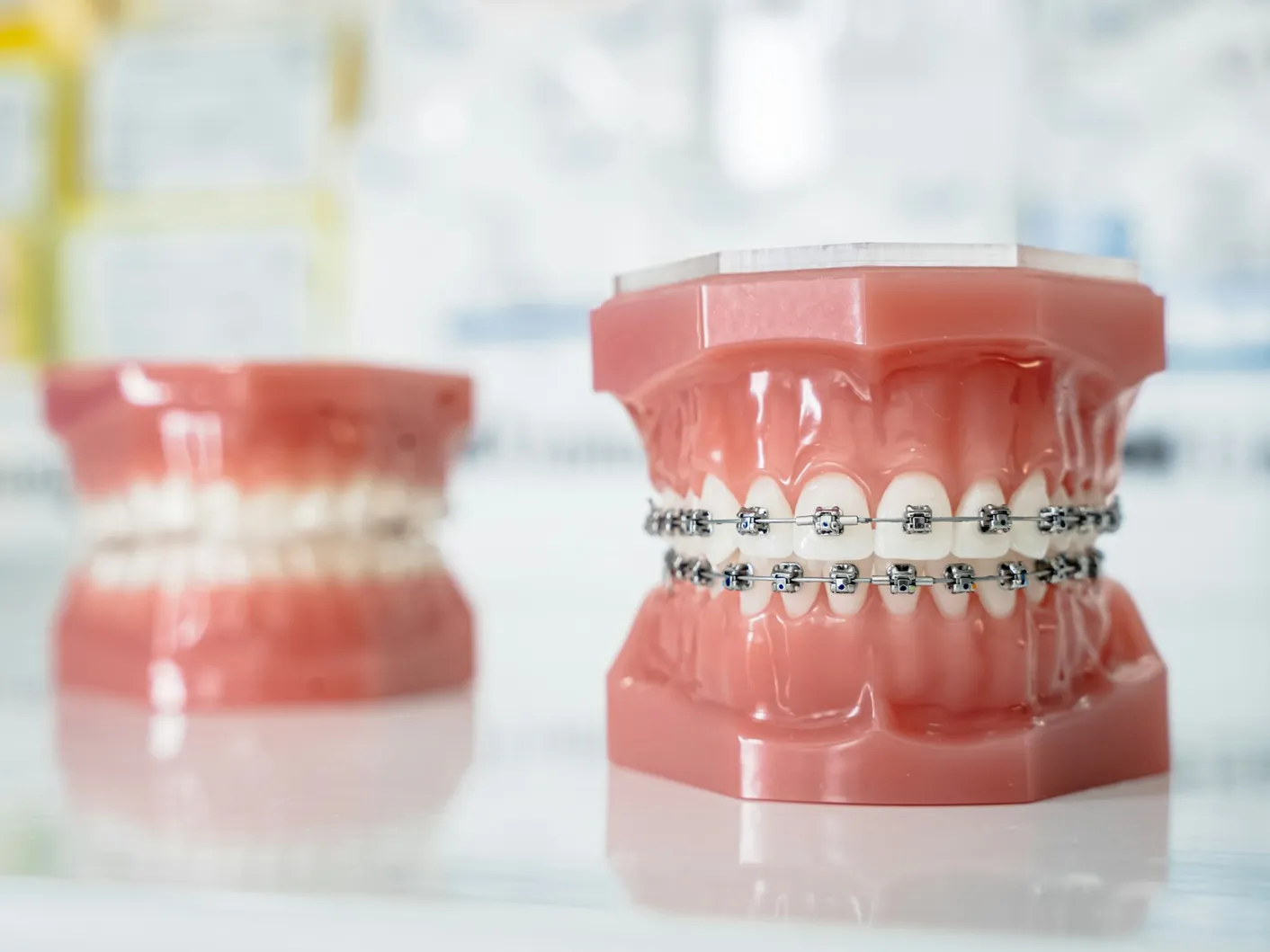
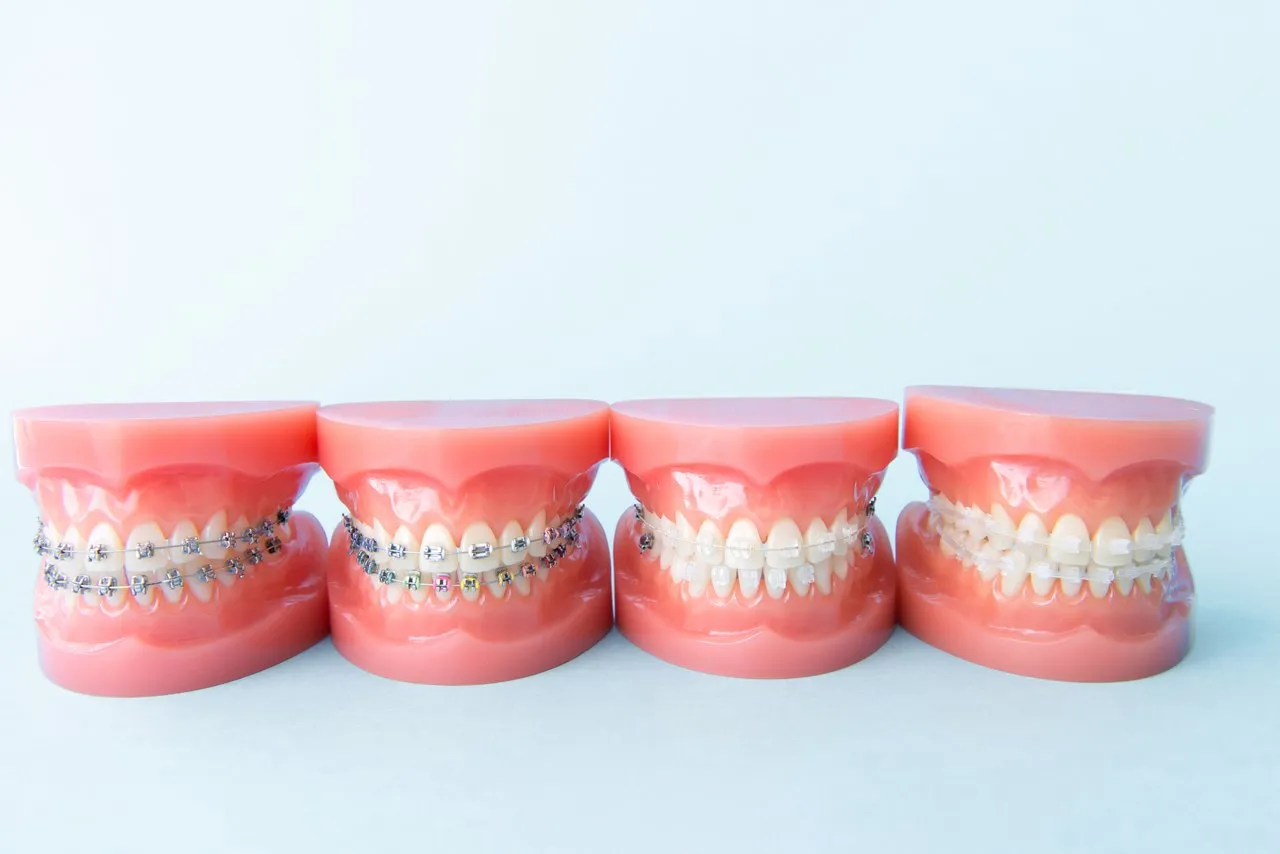
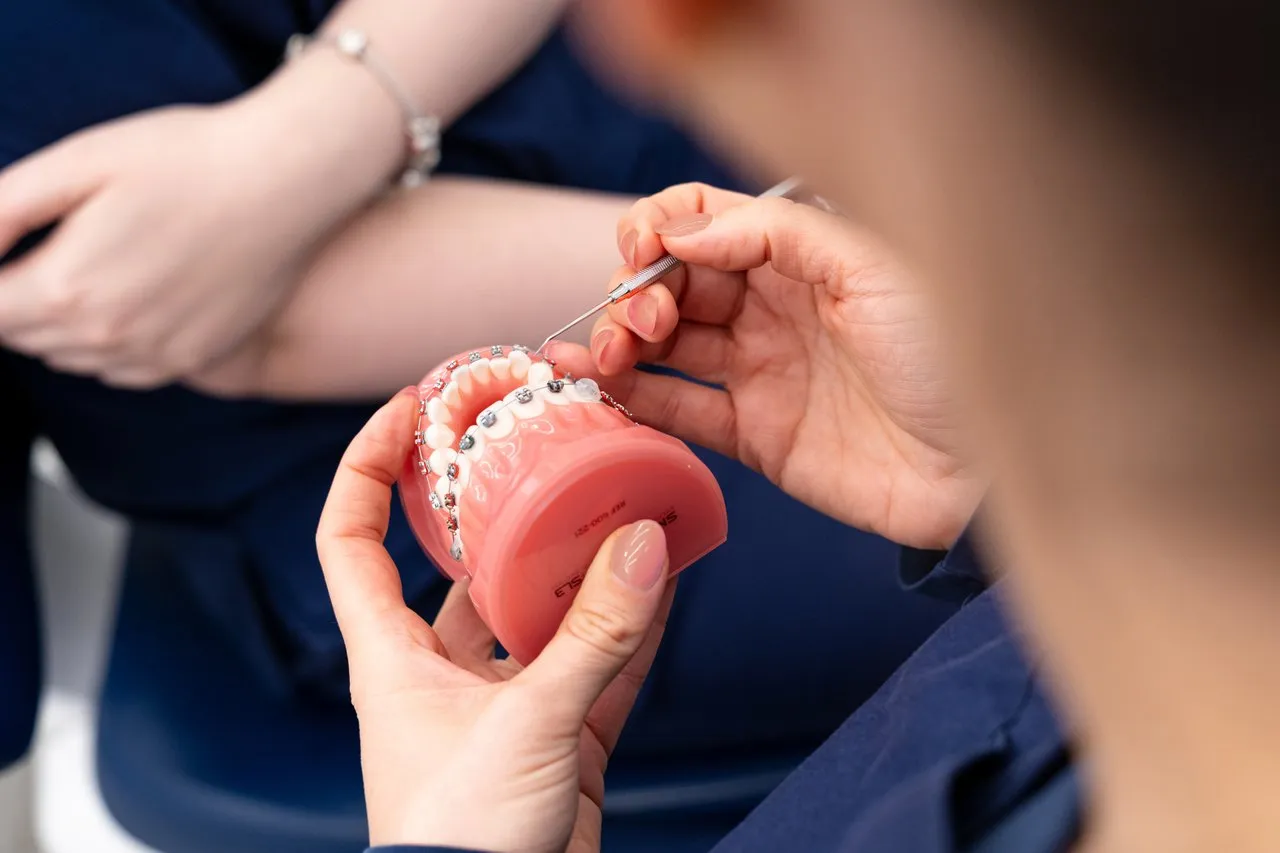
• Fixed braces (multi-bracket appliances): This classic type is permanently bonded to the teeth, with the brackets connected by wires. The brackets can be made of metal or ceramic. The latter are particularly inconspicuous.
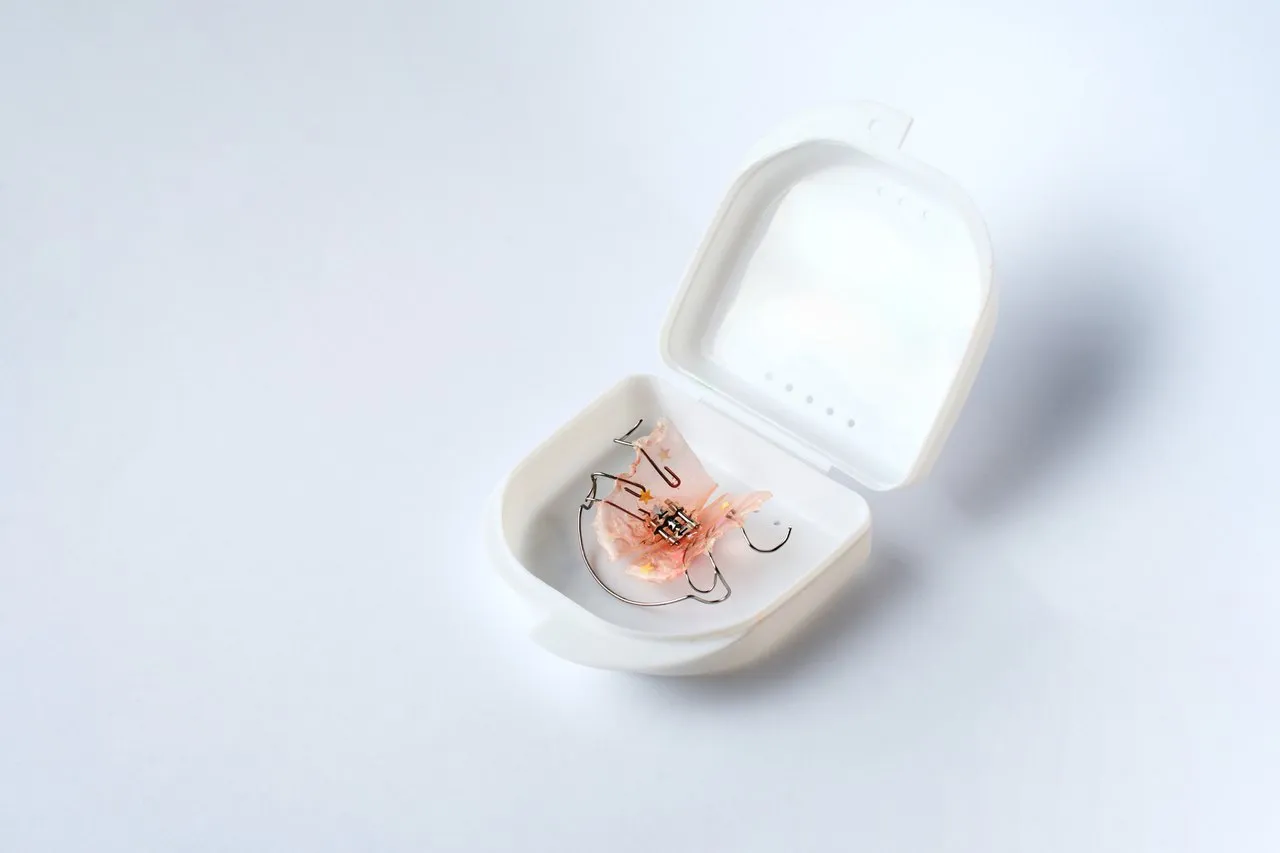
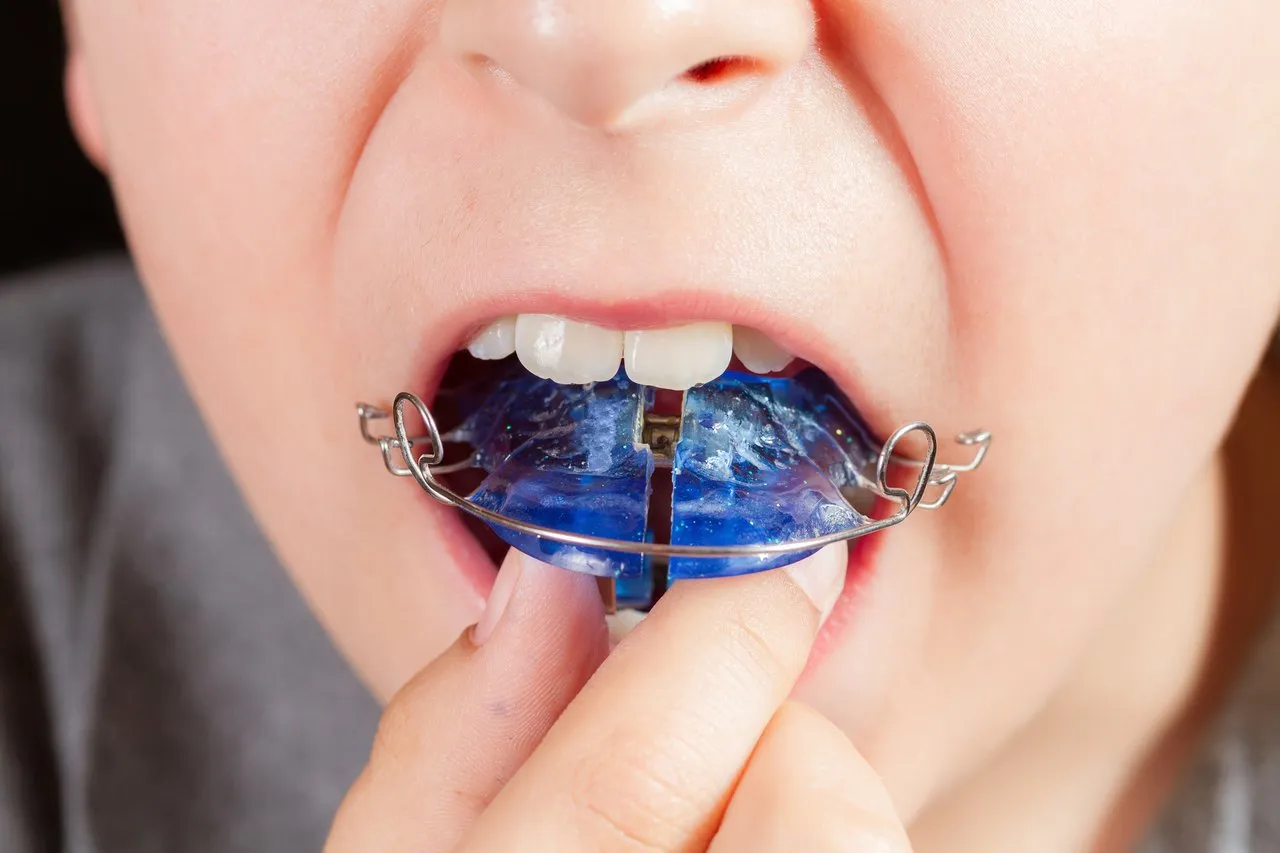
• Removable braces (active plates): These appliances usually consist of plastic with built-in wire elements. They are worn for several periods each day and can support minor tooth movements. Removable appliances are a tried-and-tested option.
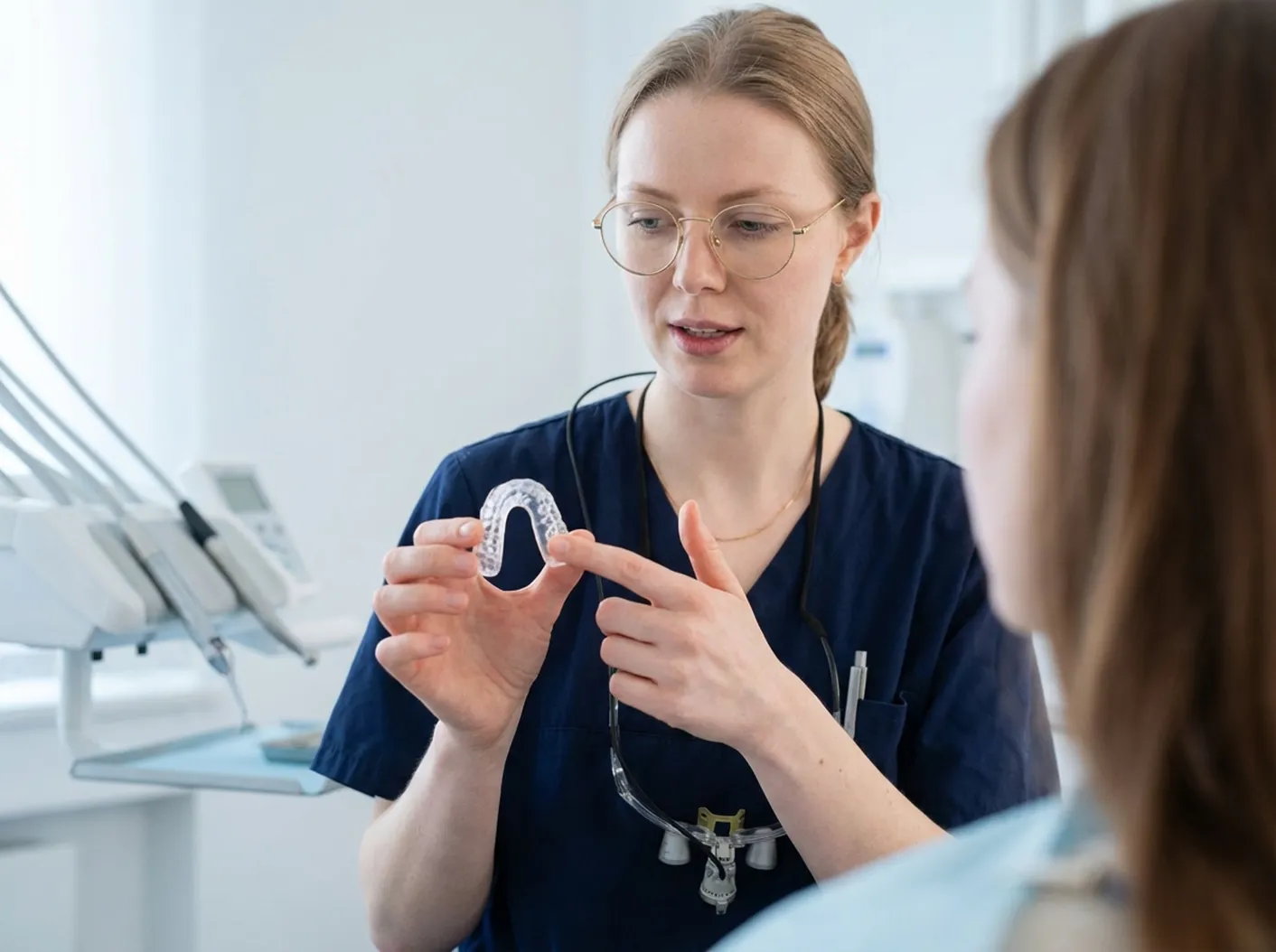
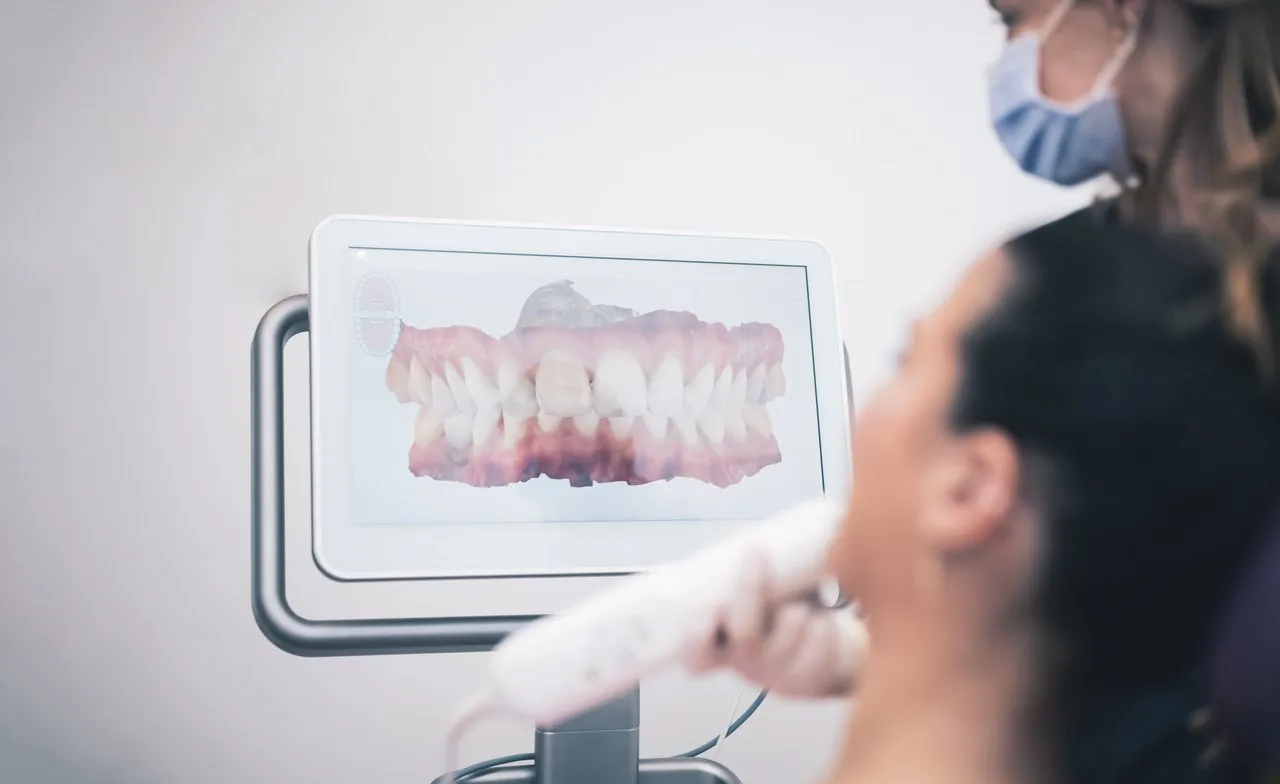
• Aligners (clear dental trays): This modern alternative to a brace is particularly suitable for adults who prefer a discreet solution. They are transparent and removable, and enable very precise, almost invisible tooth correction.
Functional orthodontic appliances
These appliances use the body's natural muscle forces, for example when chewing or swallowing. They work gently and support healthy jaw growth. Examples include: • Bionator • Activator • Fränkel function regulator They are particularly effective during the growth phase and are a gentle alternative to a brace.
Removable vs fixed braces
The difference lies in their flexibility:
• Removable braces are used primarily in children while their teeth are changing. They correct bite problems and minor misaligned teeth. They can also be used in orthodontics for adults.
• Fixed braces, particularly multi-bracket systems, are used for more severe misalignments. They enable more extensive tooth movements and are suitable for precise long-term treatment. Some models are also fitted to the inside of the teeth.
External and intraoral appliances
Some orthodontic corrections require additional aids that are anchored outside the mouth or in the jawbone:
External braces (headgear)
These appliances work using traction forces applied outside the mouth. They are usually worn at night and are used, for example, to inhibit or promote jaw growth
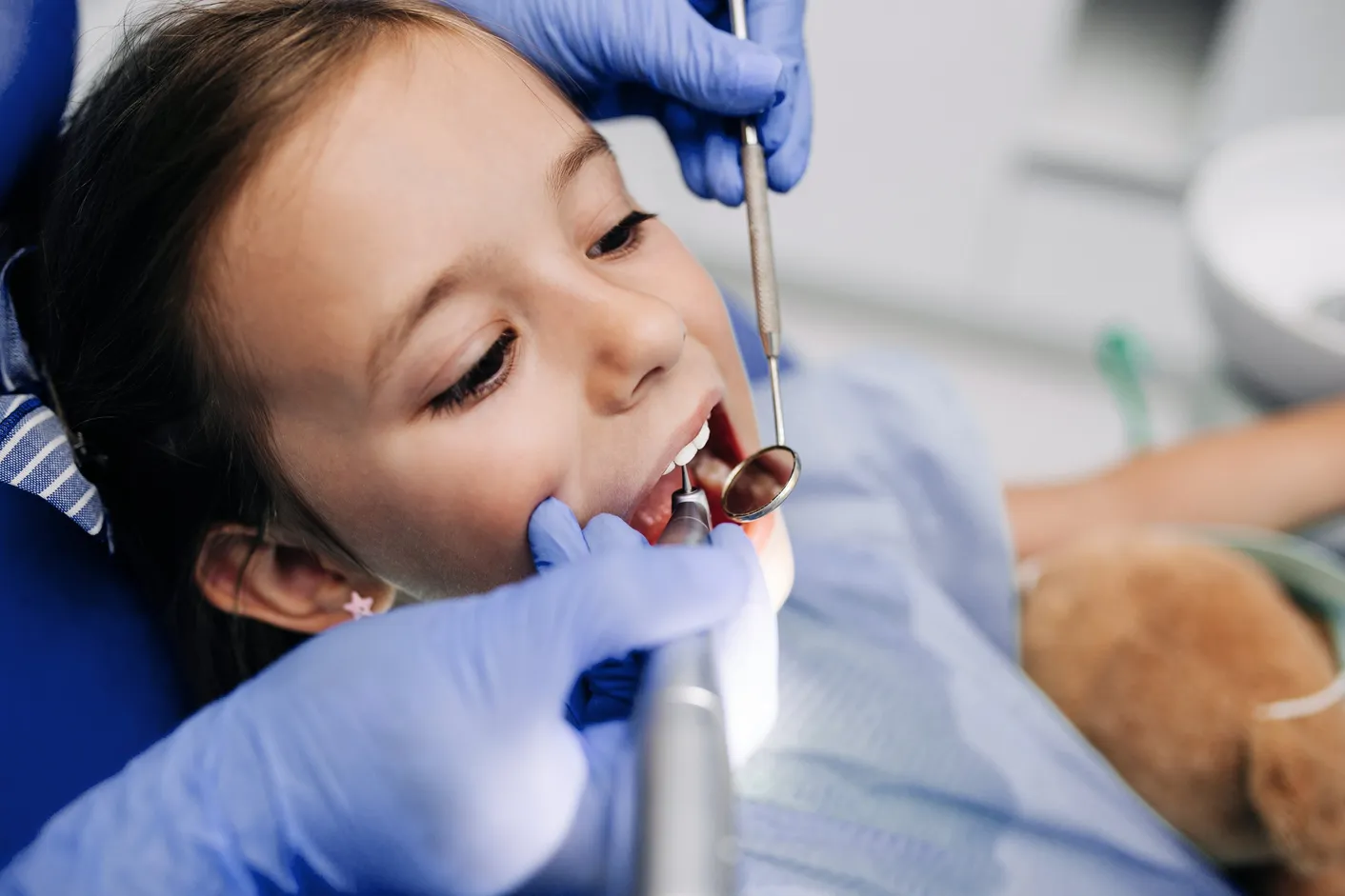
Mini-implants
For more complex tooth movements, such as moving individual teeth in a targeted manner or closing gaps, we use what are known as intraoral anchorage elements. These are small titanium screws inserted into the jawbone to provide a fixed base for traction.
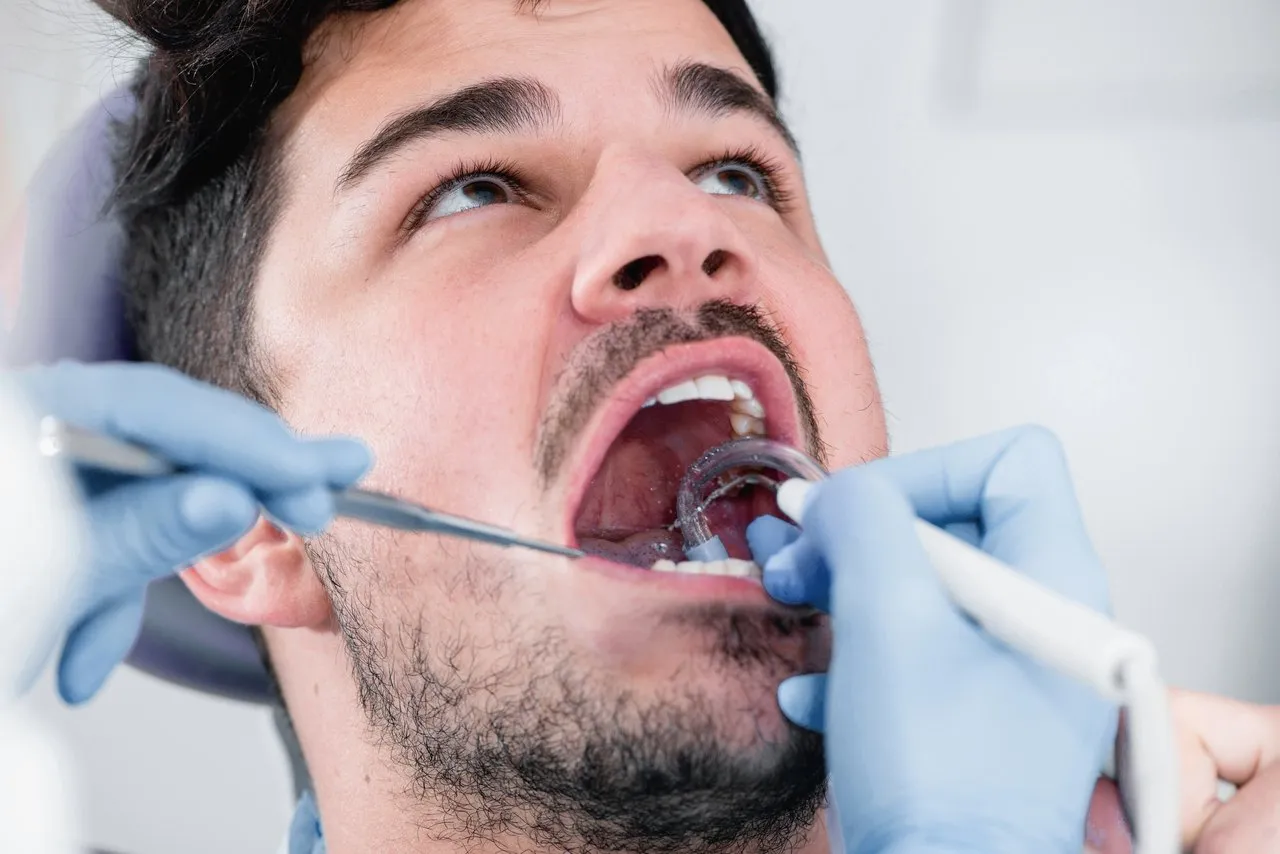
Orthodontics for adults
More and more patients are now opting for tooth correction in adulthood. Modern solutions such as aligners or ceramic brackets make aesthetically pleasing treatment possible. This treatment is discreet and effective. Our orthodontic practice also offers tailor-made concepts for adults. At Wunschlachen, we support your long-term dental health, whether you need misaligned teeth corrected or have temporomandibular joint problems.

Conclusion: individual solutions with modern orthodontic appliances
Modern orthodontics offers a wide range of appliances that can be used to effectively treat misaligned teeth and jaws, regardless of the patient's age. Our experts at the Wunschlachen practice will advise you and work with you to find the best way to achieve a beautiful smile.
FAQ – orthodontic appliances
Aligners made of transparent plastic are almost invisible and therefore particularly popular with adults.
Yes, depending on the diagnosis, aligners or removable braces may be suitable alternatives.
Braces apply targeted pressure to the teeth and jaws over an extended period to change their position.
Preventive appliances such as vestibular plates can be used as early as the primary dentition. Active tooth correction usually begins between the ages of 9 and 12.
Yes, many of our patients are adults. Modern systems such as aligners enable discreet treatment to move the teeth into the desired position.
A specialist has specific experience and qualifications and can also treat complex cases safely.
The duration varies from person to person. It is usually between 12 and 36 months. We draw up an individual treatment plan.
The costs depend on the type and duration of treatment. We explain all the options transparently during a consultation.
Preventive measures to stop misalignments developing in the first place, for example through early check-ups in childhood.
You may temporarily experience pressure or a feeling of tension after the brace is fitted. We will give you all the important tips on getting used to it and caring for it.
Book your appointment now
We would be happy to advise you in person at our practice.