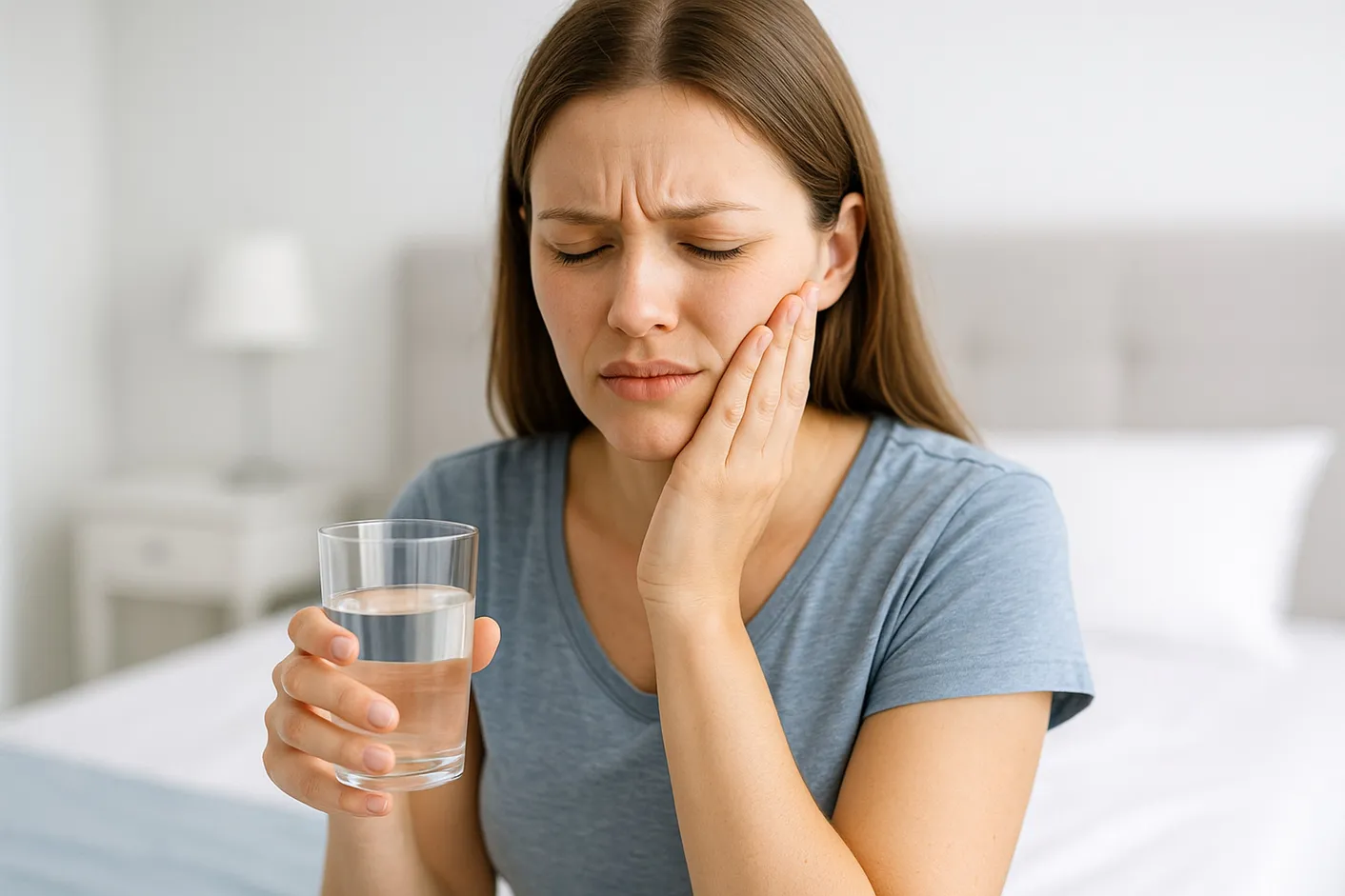
1 year after root-end resection: pain
• Mild sensitivity is possible, but severe pain after one year is atypical. • Common causes include renewed inflammation, leakage or a fine crack in the tooth. • Warning signs such as swelling, a fistula or fever should be assessed promptly.
Über 350 Google-Bewertungen
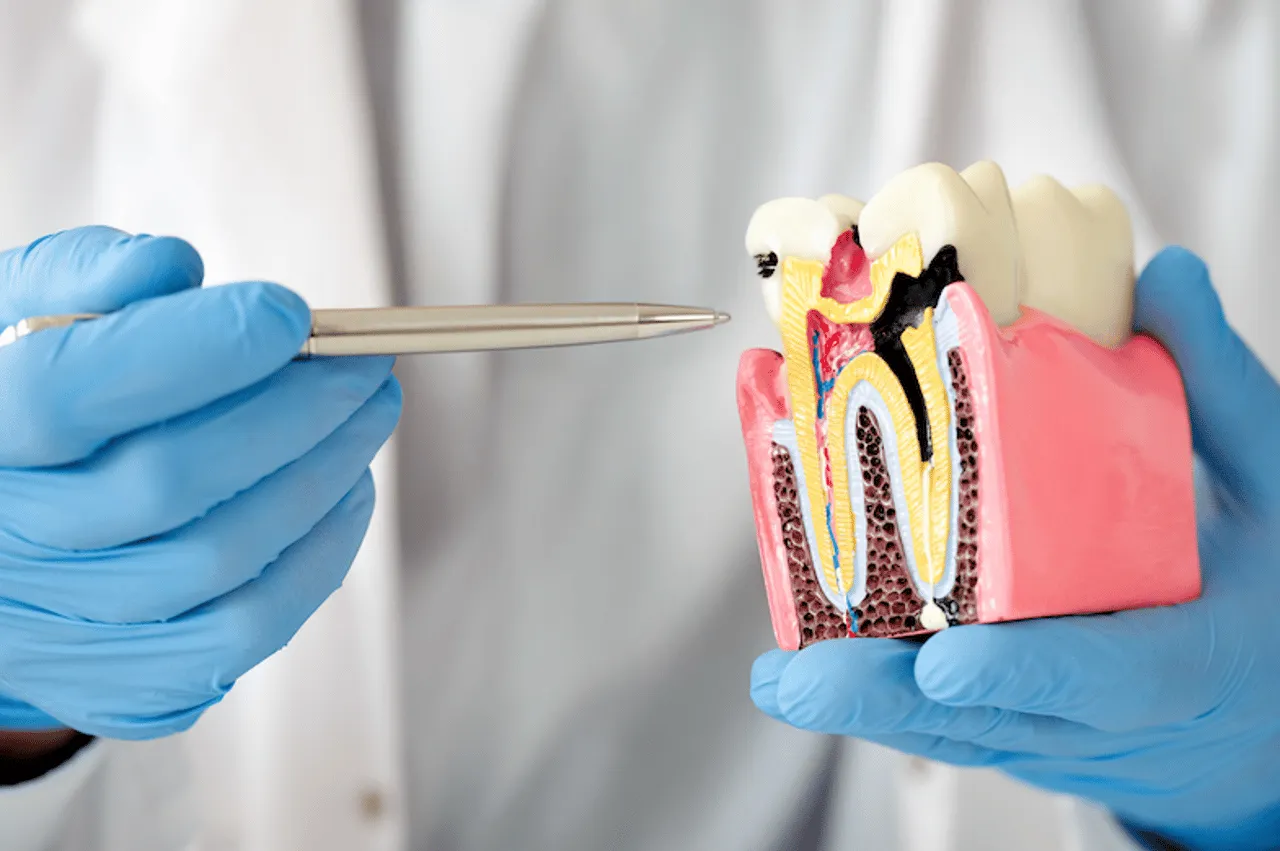
Root-end resection explained briefly
Root-end resection, or WSR for short, is a surgical procedure on a tooth. The root tip is shortened and inflamed tissue is removed. The aim is to preserve the tooth in cases of apical inflammation.
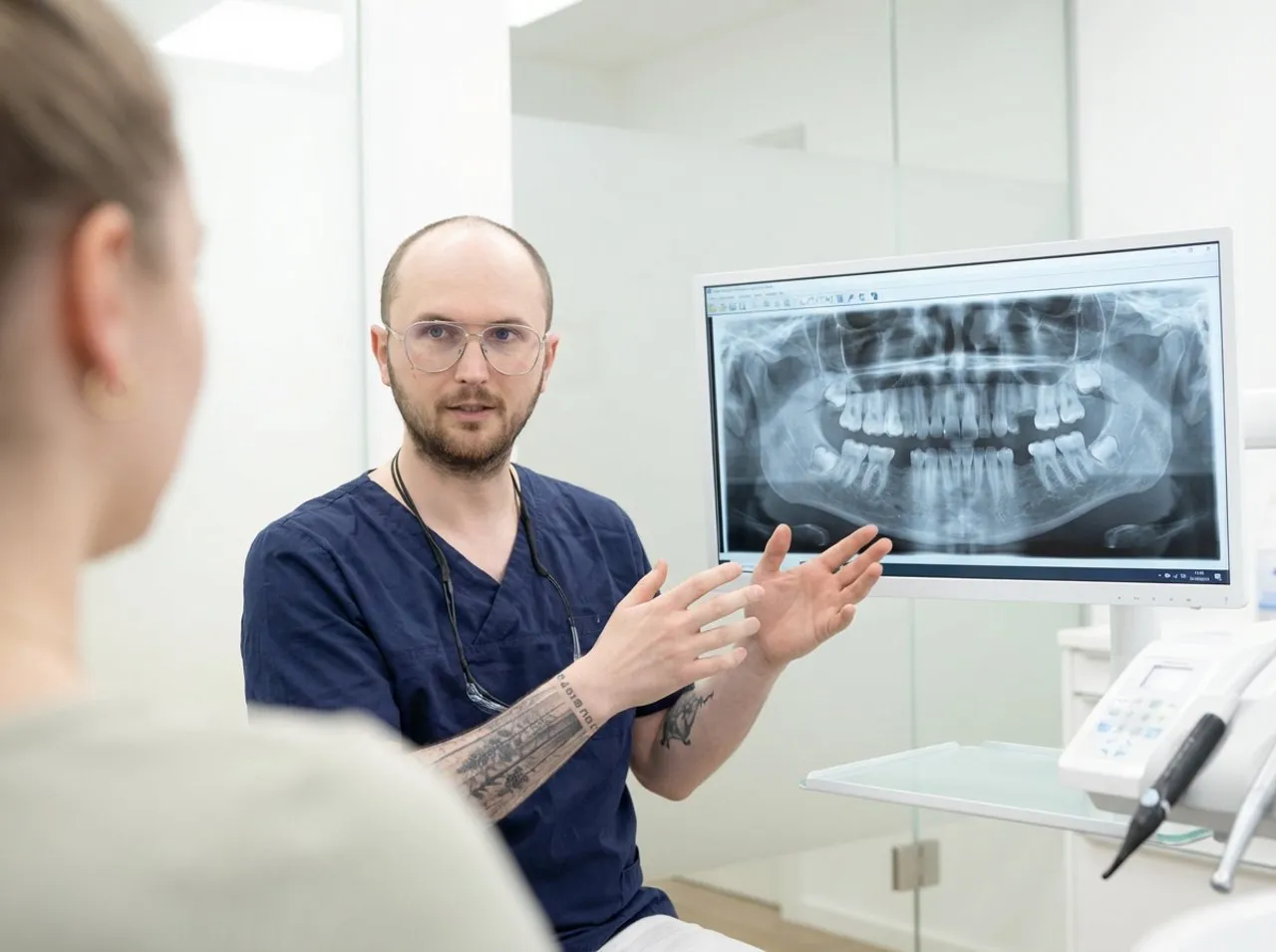
Assessing pain 1 year after root-end resection
Many people search online for an explanation of their pain. After twelve months, the bone should usually have healed stably. New symptoms are therefore a reason to have a check-up.
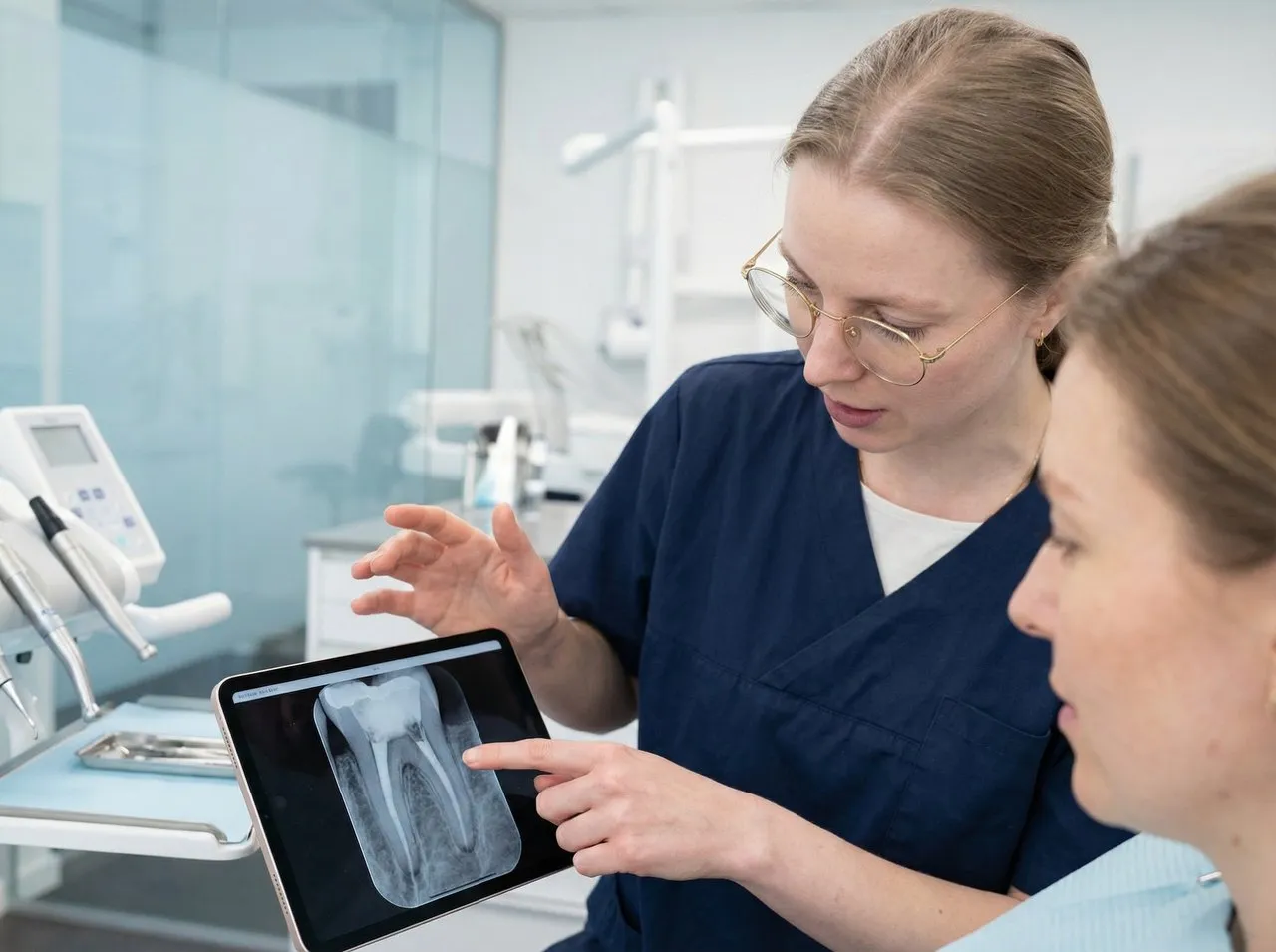
Pain after root-end resection: common causes
Root-end resection pain often arises from residual bacteria in the root canal. A leaking filling or loose crown can also allow bacteria through. Less commonly, a tooth fracture causes pain when biting down.
Renewed inflammation is possible after root-end resection
If inflammation recurs after root-end resection, the site of infection remains active. Throbbing pain and a feeling of pressure in the bone are typical. Recurrent swelling is also possible.
Inflammation after WSR: recognising the symptoms
Many people specifically look for symptoms of inflammation after the procedure. Look out for redness, warmth, a feeling of pressure and pain when biting. A spot of pus on the gum also indicates inflammation.

Pain on pressure after root-end resection
Pain on pressure after root-end resection may be caused by scar tissue. However, it can also indicate reinfection or irritation of the bone. A reliable assessment is not possible without reviewing the examination findings.
How long does pain last after root-end resection?
There is no single answer to this question. Pain and swelling are common during the first few days. It is important that they steadily subside.

Times when symptoms often seem like a ‘relapse’
Pain 6 days after WSR is usually still a normal wound response. However, worsening symptoms are not consistent with normal healing. Pain 2 weeks after root-end resection may be noticeable when chewing. At this stage, the tissue and sutured area are still sensitive. Pain 3 weeks after WSR often arises from favouring the area or overloading it. If it does not improve, the cause should be investigated. Pain returning 4 weeks after WSR may be triggered by grinding or hard foods. Sometimes, however, inflammation after root-end resection also starts again. Pain 6 weeks after root-end resection should be significantly less frequent. Constant pain requires diagnostic assessment. Pain 3 months after root-end resection tends to be mild and sporadic. Severe pain when biting is unusual at this stage and needs to be assessed. Pain 2 years after root-end resection always requires an explanation. We would then consider reinfection, periodontitis or a crack in the tooth. It is best to come to our practice as soon as possible.
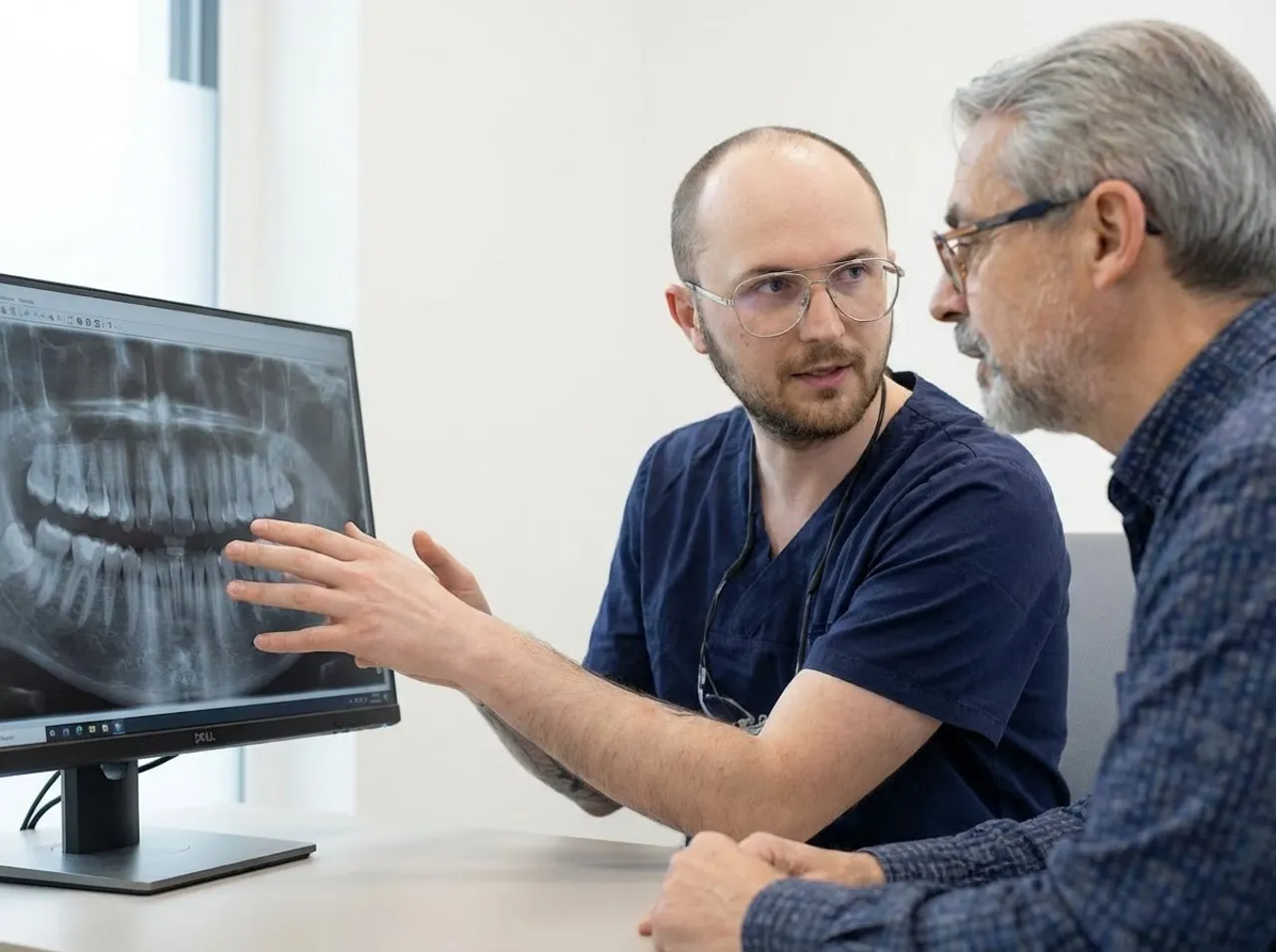
How we identify the cause at our practice
We examine the tooth clinically and test your bite specifically. X-rays allow us to assess the bone around the root tip. If the findings are unclear, 3D diagnostics such as CBCT can be helpful. We also check whether the filling and crown are properly sealed. Periodontal pockets are measured and documented too. This allows us to identify combined causes more reliably.
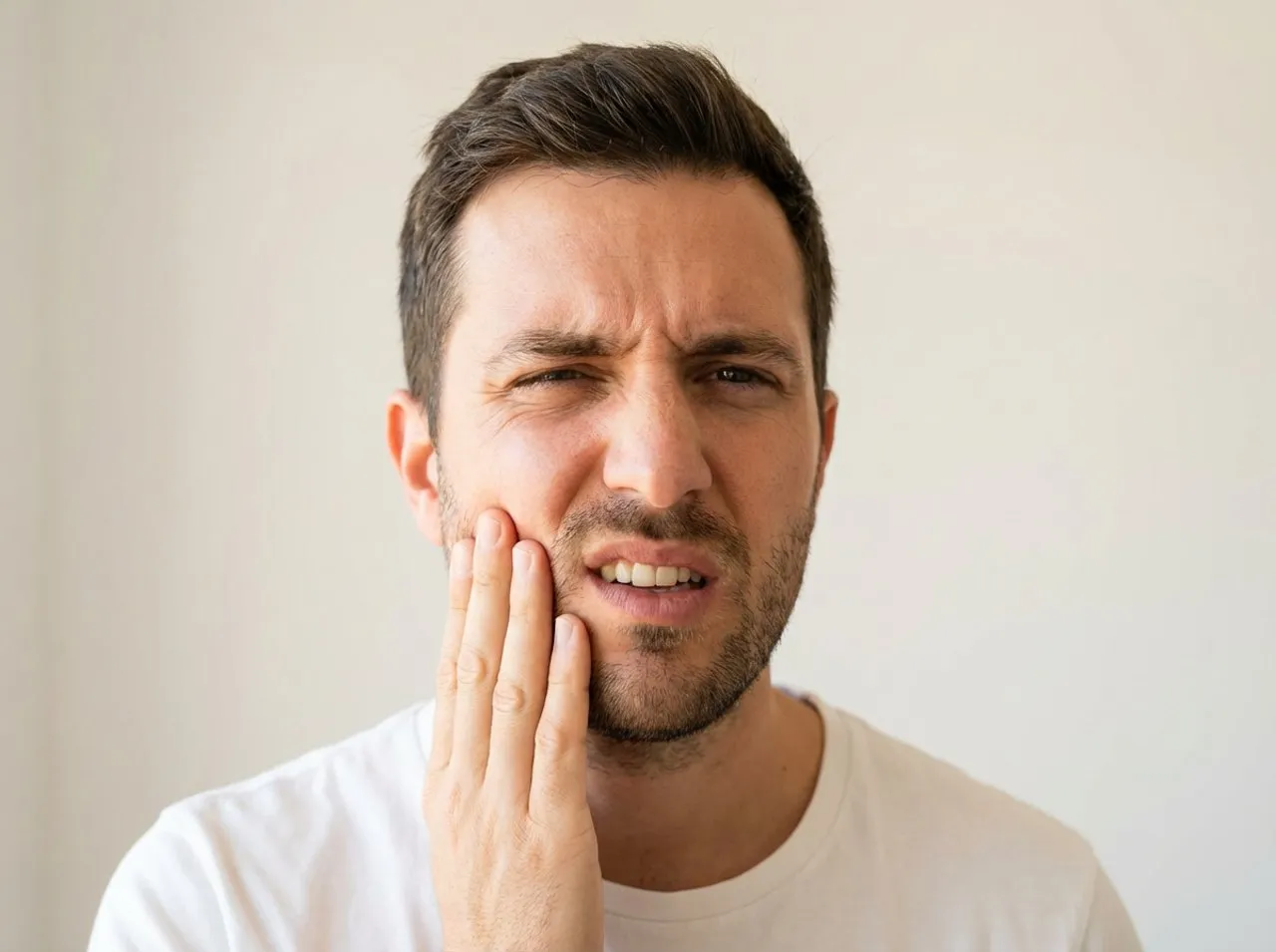
Treatment options for delayed pain
If there are signs of infection, root canal retreatment is often advisable. The canals are cleaned, disinfected and sealed tightly again. Repeat WSR may be advisable in selected cases. Antibiotics are only indicated when there is a clear bacterial infection. They are no substitute for mechanical cleaning of the root canal. Painkillers can help bridge the time until treatment.
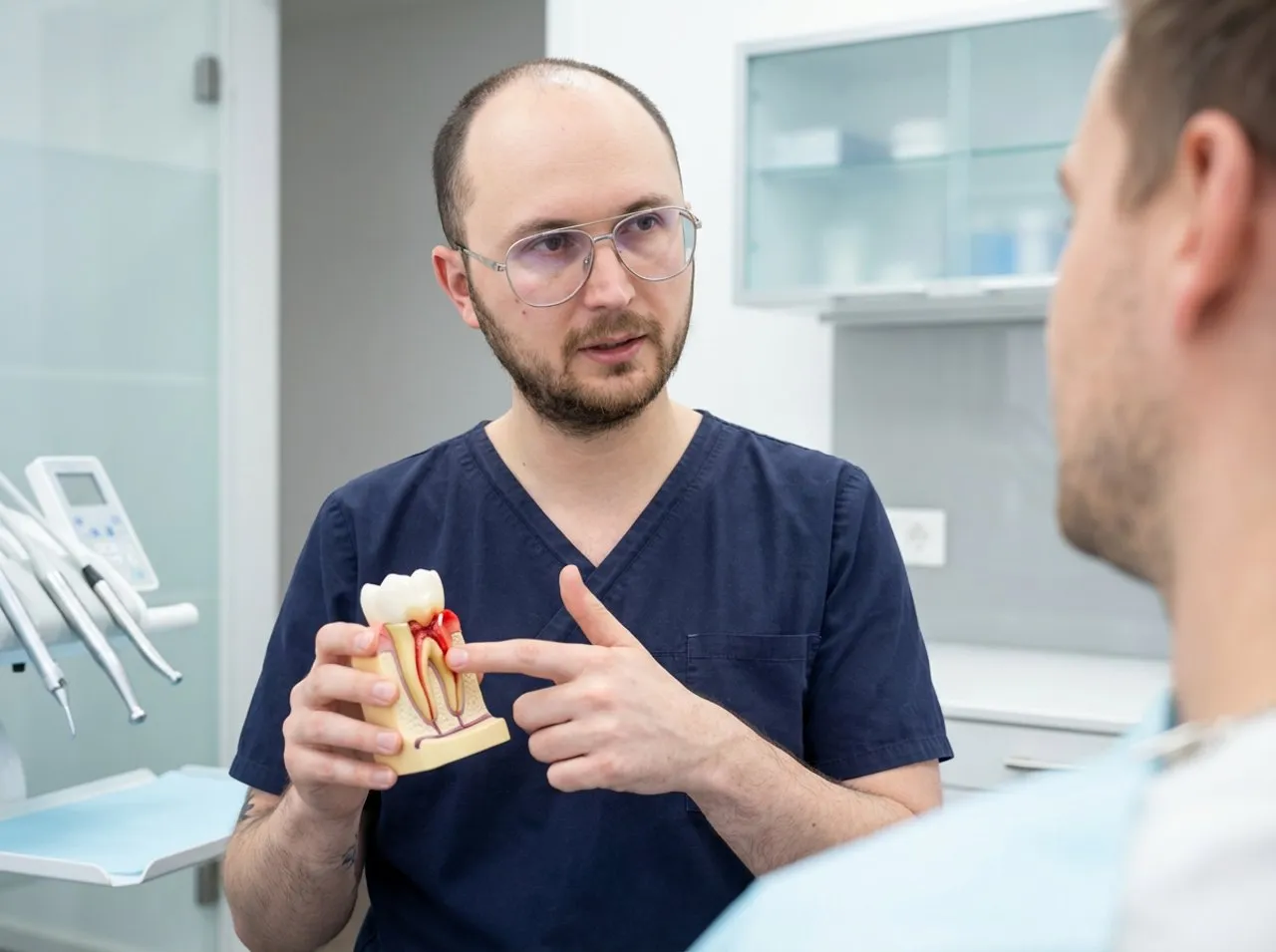
Tooth extraction for pain after root-end resection
Extraction is usually the last option after repeated failure. It is typically considered for a vertical crack or inflammation that cannot be controlled. The tooth can then be replaced, for example with an implant or bridge. Which solution is suitable depends on the bone, neighbouring teeth and risks. We will draw up a transparent treatment plan for this.
What you can do before your appointment
Avoid hard foods and chewing on one side on the affected tooth. Maintain thorough oral hygiene and clean gently between your teeth. Smoking significantly increases the risk of impaired healing. Brief cooling can help with swelling, but sustained warmth does not. You should not wait if you have severe pain. This text does not replace a dental diagnosis.

Wunschlachen in Berlin: structured assessment
At the Wunschlachen practice in Berlin, we investigate delayed pain systematically. We discuss the options clearly and using an evidence-based approach. This enables you to make a well-informed decision about preserving your tooth.
FAQ – Frequently asked questions
Mild sensitivity can occur, but severe pain is unusual. An examination will determine whether the cause lies in the tooth.
This refers to a renewed infection at the root tip. It often arises from residual bacteria or leakage.
Swelling, redness and pain when biting are common signs. A fistula, pus or fever are clear warning signs.
Scar tissue can make pressure uncomfortable. Reinfection or irritation of the bone is also possible.
The most severe symptoms usually occur during the first few days. There should be a significant improvement after a few weeks.
Resting the area and cooling it carefully are often sufficient. You should get in touch if your symptoms worsen.
It may be due to overloading, for example from grinding. However, it can also be an early sign of reinfection.
Throbbing pain, swelling and a fistula indicate this. X-rays or CBCT help with the assessment.
This may be necessary for a vertical crack or repeated inflammation. We will then plan the replacement tooth together.
Symptoms occurring this late should always be assessed. Neighbouring teeth or the jaw joint may also be involved.
Book your appointment now
We would be happy to advise you in person at our practice.