
Palatal expansion: RPE procedure, risks and costs
Palatal expansion widens the upper jaw. The aim is to create more space for the teeth and a stable bite. In orthodontics, this is often called rapid palatal expansion.
Über 350 Google-Bewertungen
Why is the upper jaw sometimes too narrow?
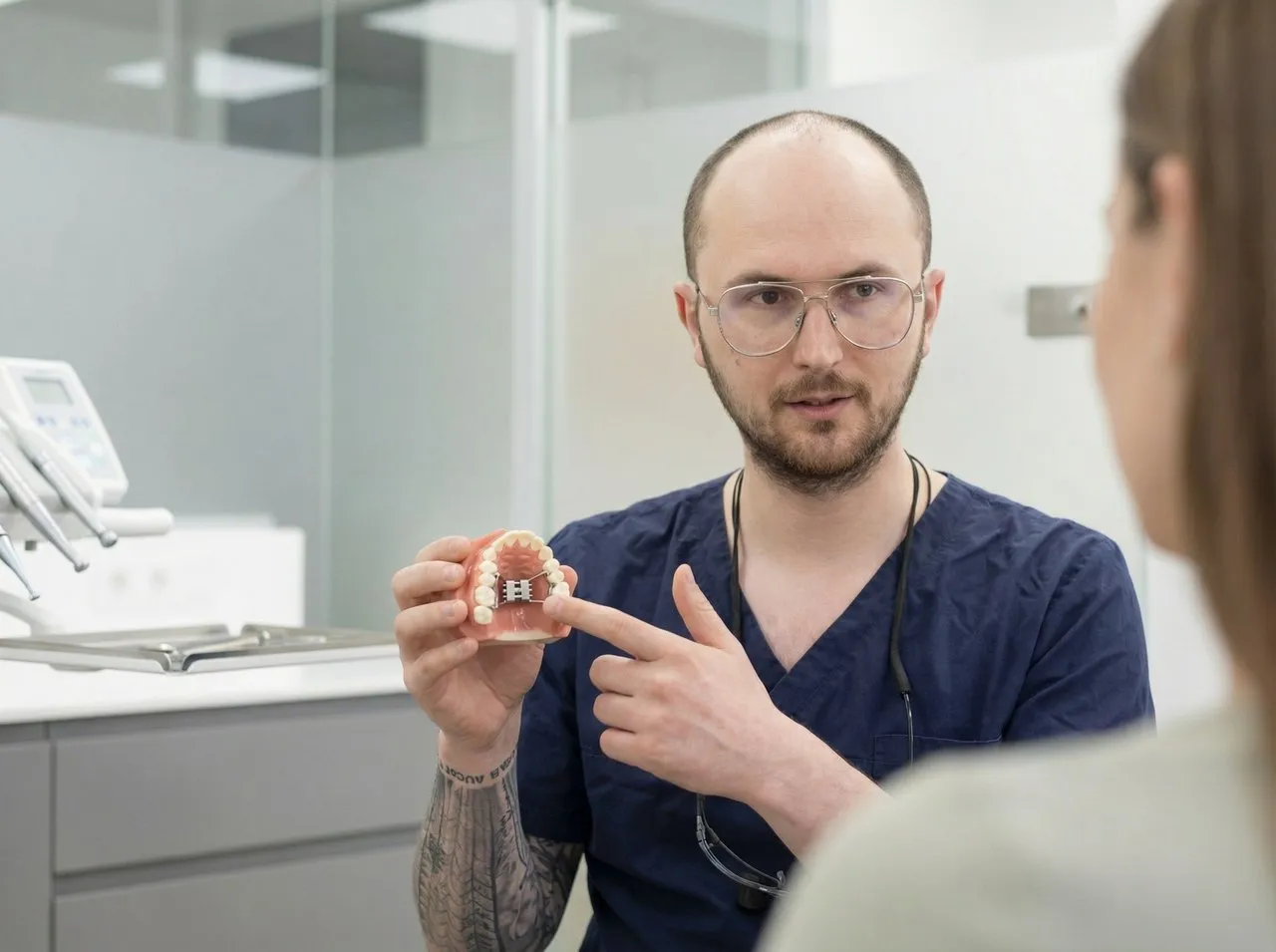
A narrow jaw often results from growth and hereditary factors. Mouth breathing can also alter the shape of the upper jaw. A crossbite, in which the teeth close past one another laterally, is typical.
When is palatal expansion advisable?
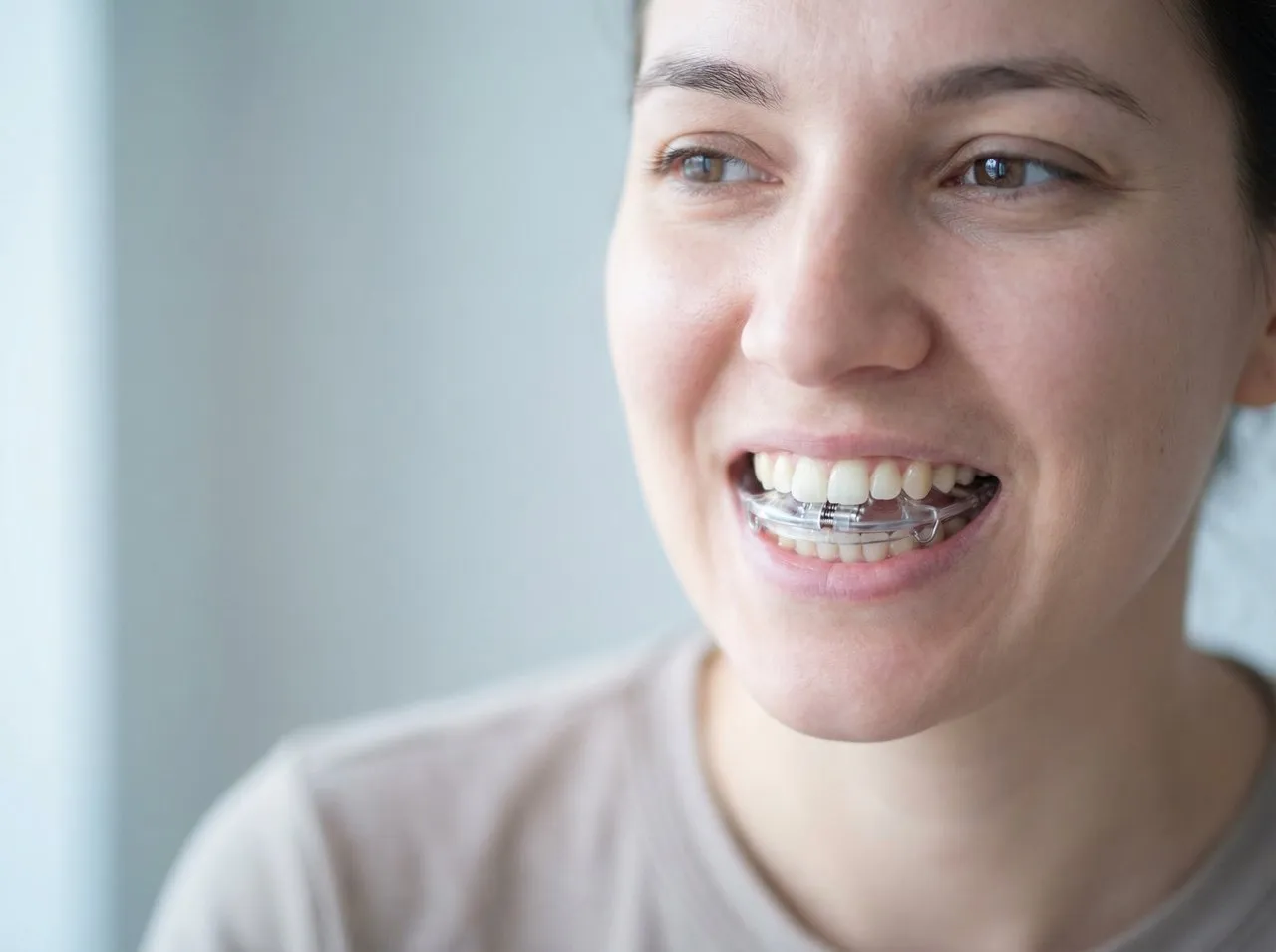
Palatal expansion helps with crowding in the upper jaw. It supports treatment when the bite is displaced laterally. Palatal expansion also plays a key role in preparing for a brace.
Rapid palatal expansion in children
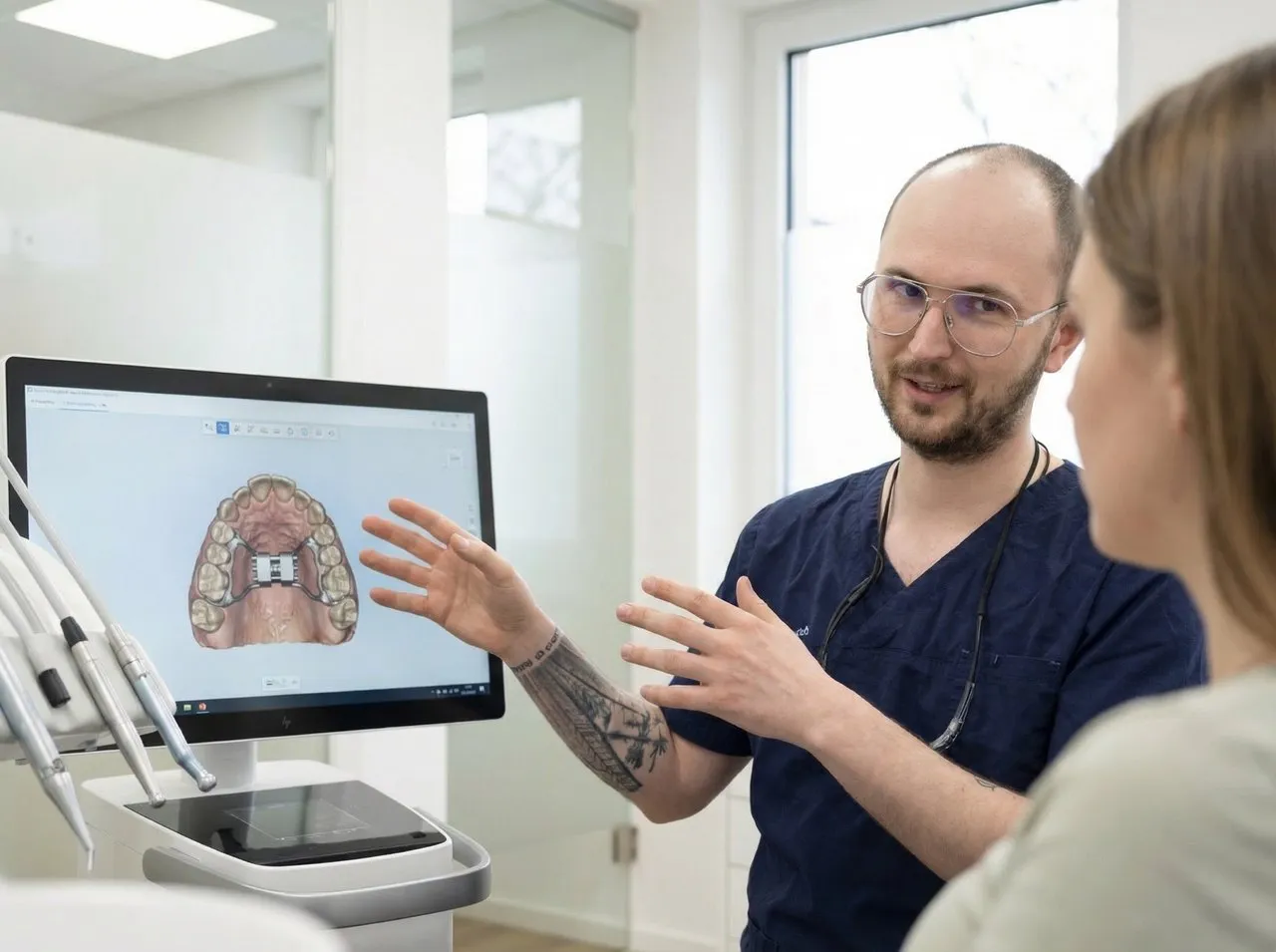
The mid-palatal suture is still flexible in children. This means the palate can usually be expanded without surgery. Treatment uses a rapid palatal expansion brace. Parents turn a small screw according to a schedule. This gradually creates more space.
Rapid palatal expansion in adults
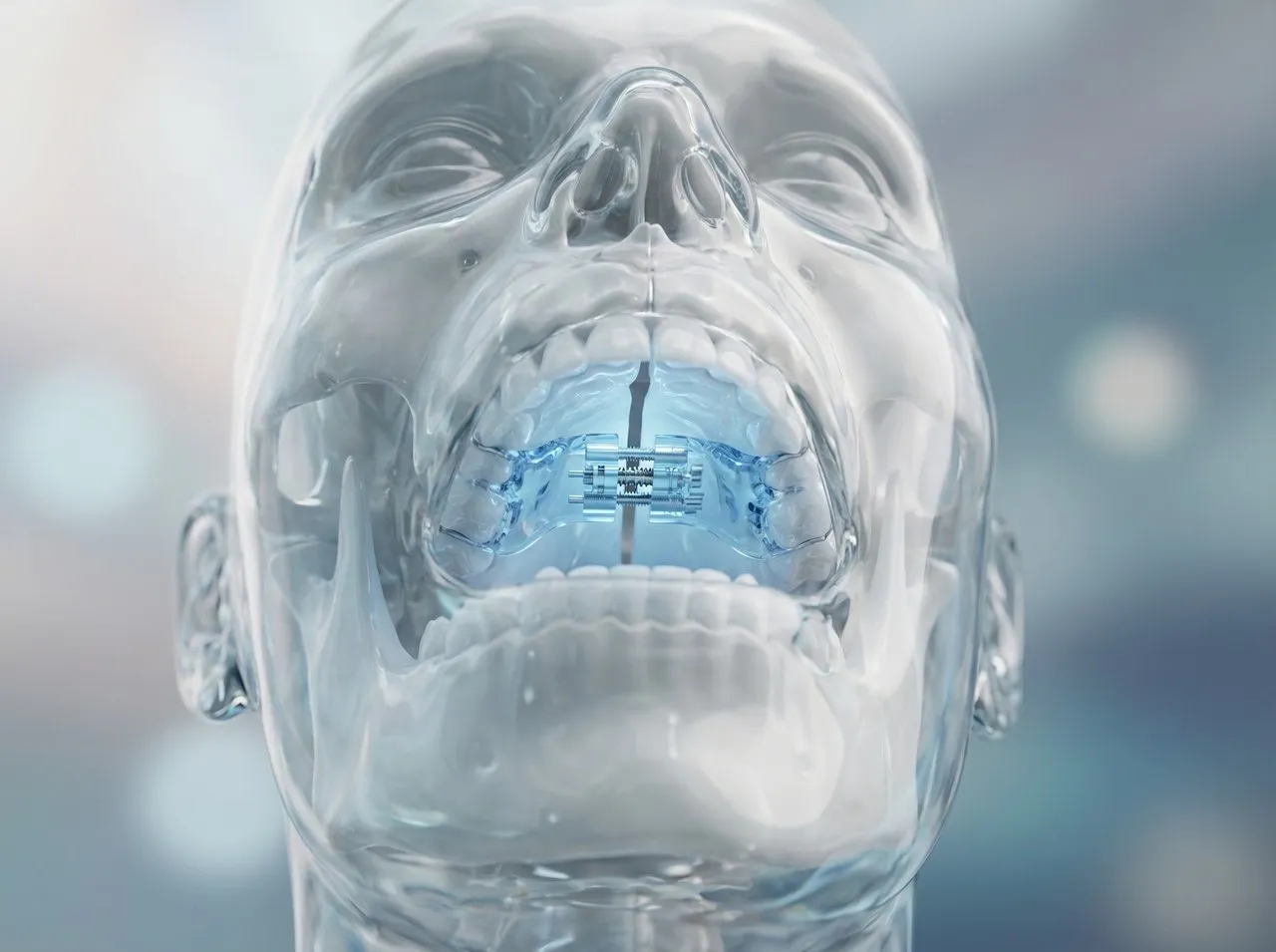
The mid-palatal suture has often already fused in adults. A brace alone is then often insufficient. Rapid palatal expansion is frequently planned in such cases. A surgically assisted solution may be an option.
RPE surgery: how the procedure works
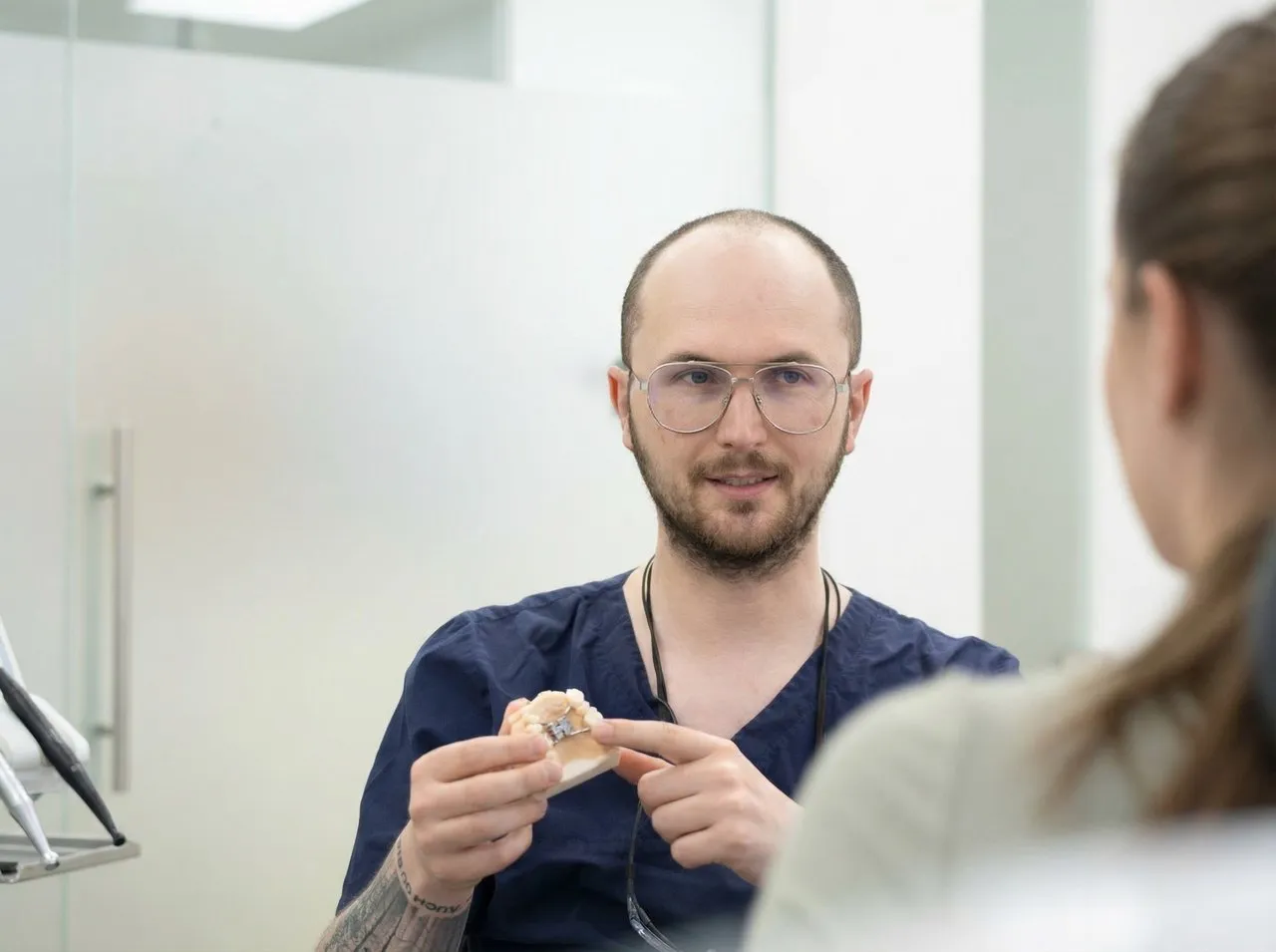
Before surgery, a precise diagnosis is made using X-rays and a scan. We examine the teeth, gums and temporomandibular joints. A plan is then drawn up for the entire procedure. Rapid palatal expansion surgery is usually performed under a short general anaesthetic. The mid-palatal suture is carefully separated and stabilised. Expansion using the appliance then begins.
Which appliance is used?
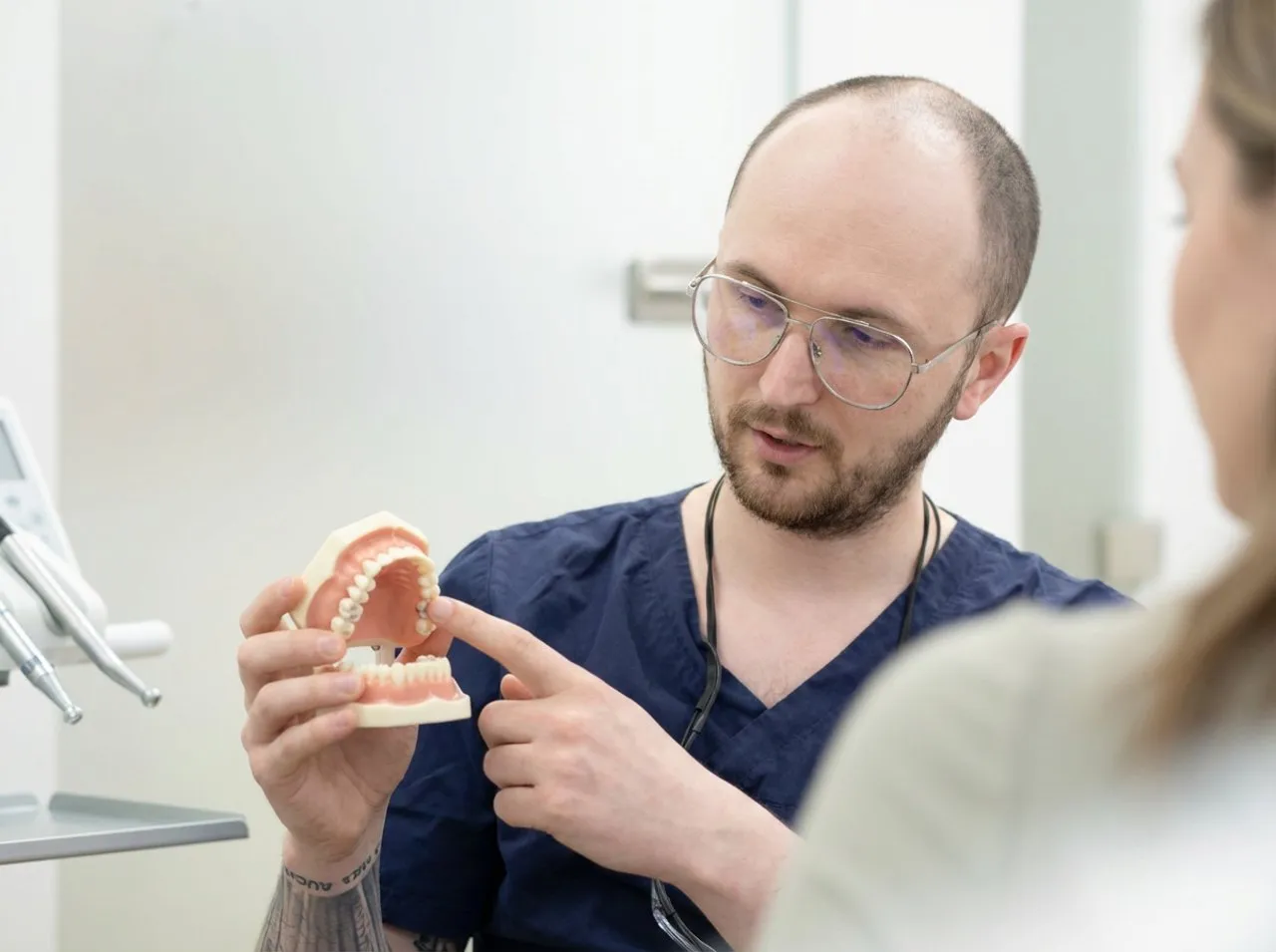
The RPE appliance is usually fixed to the back teeth. It has a screw in the middle of the palate. The device is also known as a palatal brace. Different systems are available depending on the clinical findings. Stable anchorage and good hygiene are important. This allows the jaw to be expanded in a controlled manner.

What does expansion feel like?
Many patients feel pressure in the palate and teeth. This is normal and usually subsides quickly. Slight changes in speech are possible at first. Turning the screw may cause a brief pulling sensation. Cooling and soft foods help during the first few days. You should contact us immediately if you experience severe pain.
Risks, disadvantages and possible complications
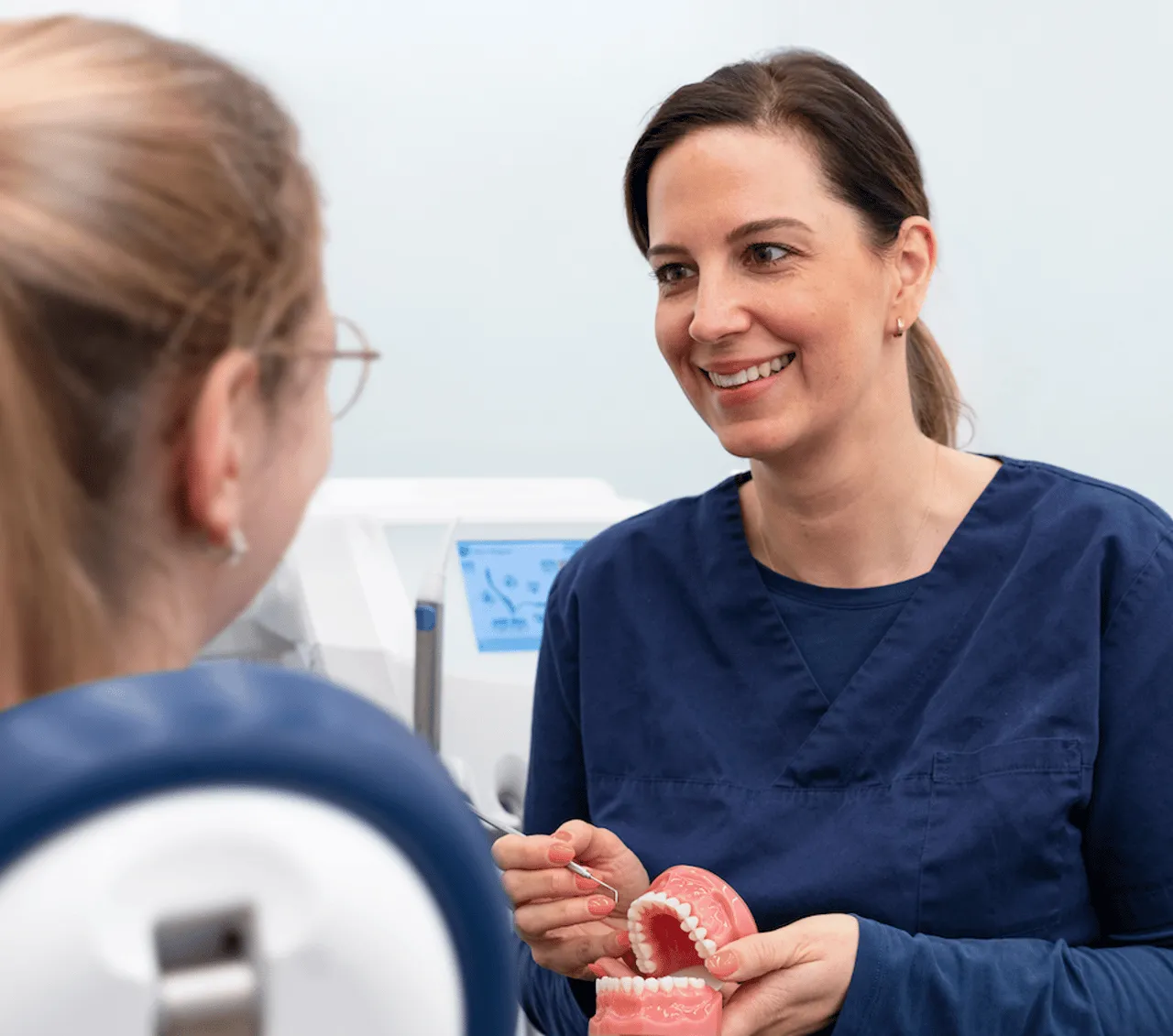
Like any treatment, rapid palatal expansion has disadvantages. These include pressure sores, inflammation and loosening. In children, the risks of rapid palatal expansion are considered unlikely. The risk of swelling is higher in adults. Relapse is also possible without retention. A stabilisation phase therefore always follows.
Treating crossbite: why RPE is often necessary
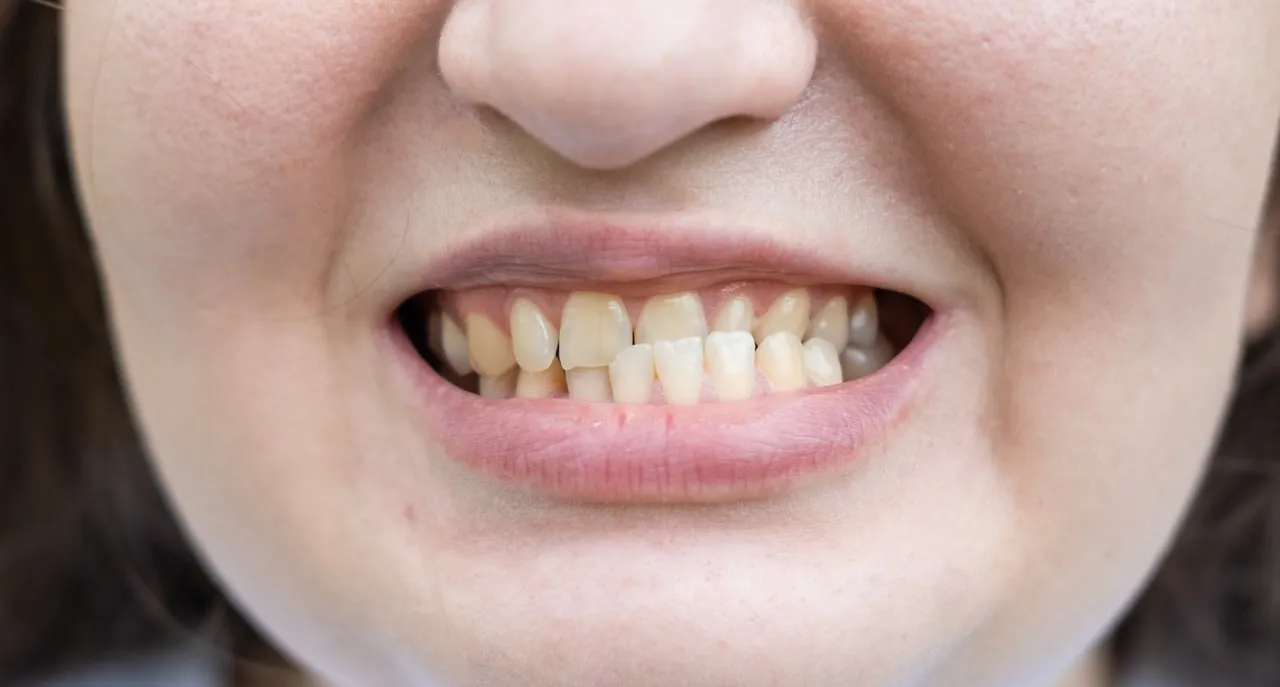
For a crossbite, rapid palatal expansion widens the upper jaw. This allows it to fit the lower jaw more effectively again. Without widening, the bite often remains unstable. This can lead to wear, tension and temporomandibular joint problems. Early correction is usually simpler.

Changes to the face: what is realistic?
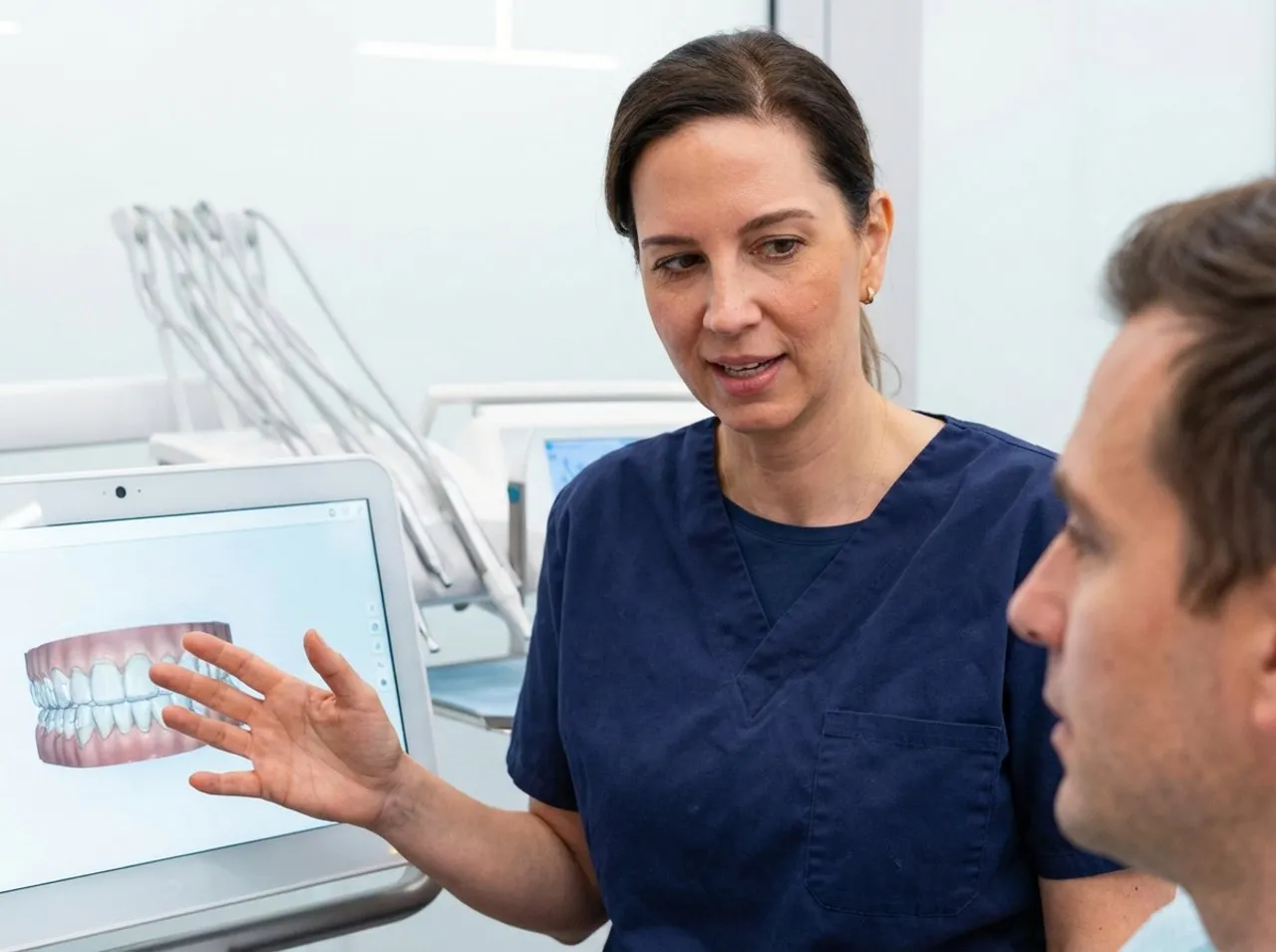
The smile often appears broader and more harmonious. Major changes to the profile are rare, however. In children, changes follow growth. In adults, the effects are usually subtle and vary from person to person. We show possible changes on a model beforehand.
Aftercare: keeping the result stable
The appliance remains in the mouth for several months after expansion. This allows new bone to form in the suture. This phase prevents the jaw from moving back. A fixed brace or aligner often follows. Regular check-ups ensure that treatment progresses as planned.

Costs and advice at Wunschlachen
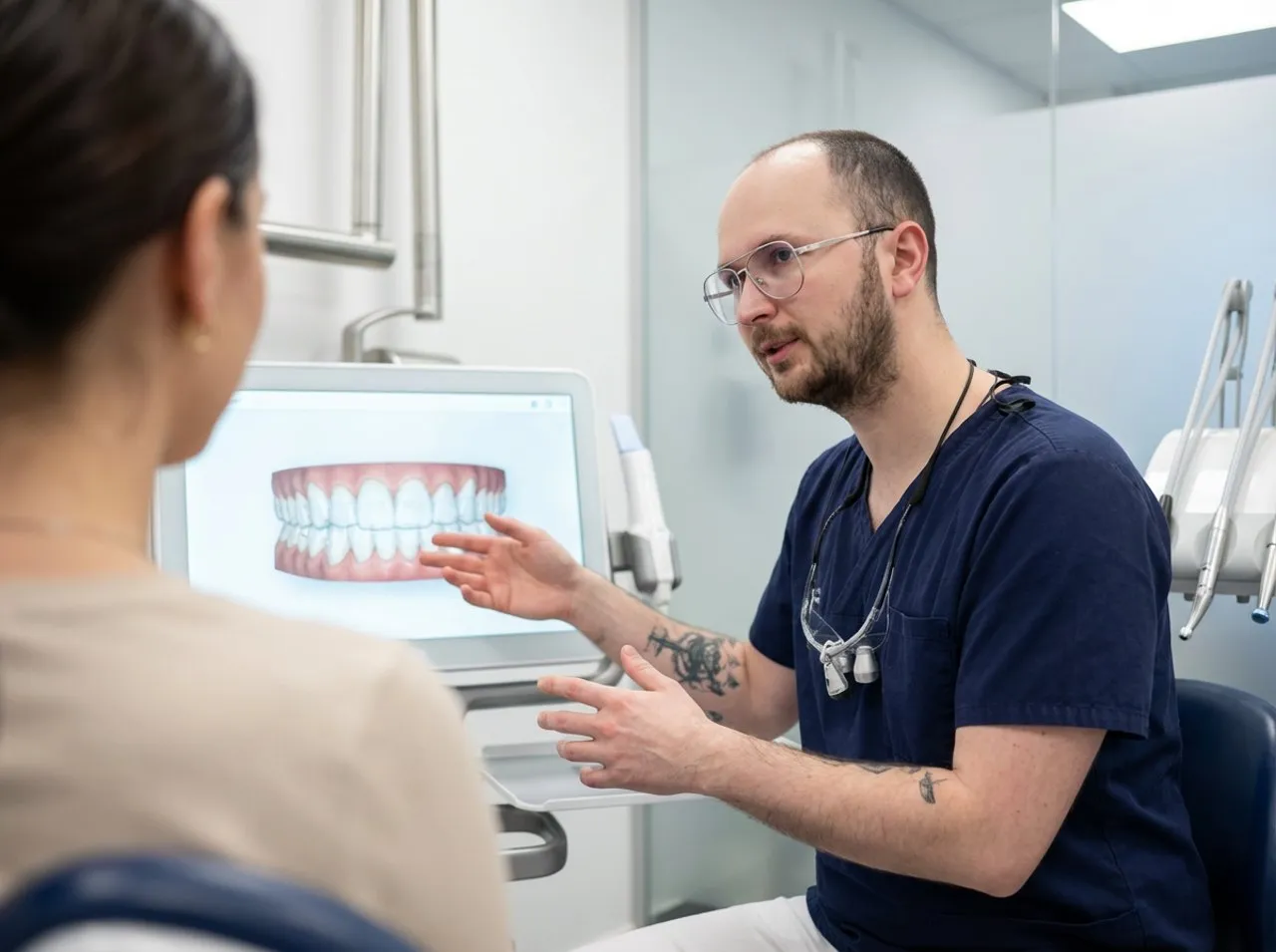
The costs depend on age, technique and the amount of work involved. Surgery significantly increases the scope of treatment. You always receive a transparent treatment plan. Wunschlachen in Berlin provides clear, personal advice. We will determine whether you should have your palate expanded. Please feel free to book an appointment for an initial assessment.
Conclusion
Palatal expansion creates space and improves the bite. In children, this usually works without surgery. RPE surgery may be advisable for adults. We provide detailed, personalised advice.
FAQ – frequently asked questions about palatal expansion
A treatment to widen the upper jaw. It creates space and stabilises the bite.
For crowding, a narrow upper jaw or crossbite. It is also often advisable before fitting a fixed brace.
Active expansion usually takes a few weeks. Stabilisation often takes several months.
Patients usually feel pressure and pulling. Severe pain is unusual and should be assessed.
The mid-palatal suture is surgically separated and then expanded. This makes expansion possible in adults too.
Pressure sores, inflammation or relapse are possible. Good aftercare reduces these risks.
The smile may appear broader. Major changes to the face are rare.
Rapid palatal expansion in children is generally considered safe. Check-ups and hygiene remain important nevertheless.
Many mention having more space and improved breathing. Some report pressure and a longer adjustment period.
Only turn the screw as instructed and clean thoroughly. Attend all check-ups consistently.
Book your appointment now
We would be happy to advise you in person at our practice.