
Palatal plate causing problems when eating: causes and solutions
A palatal plate is often part of an upper denture. It covers a large area of the hard palate. At first, this can feel unfamiliar when eating. Many patients report pressure, gagging and an insecure fit. Taste often changes too. This is distressing, but can usually be treated.
Über 350 Google-Bewertungen
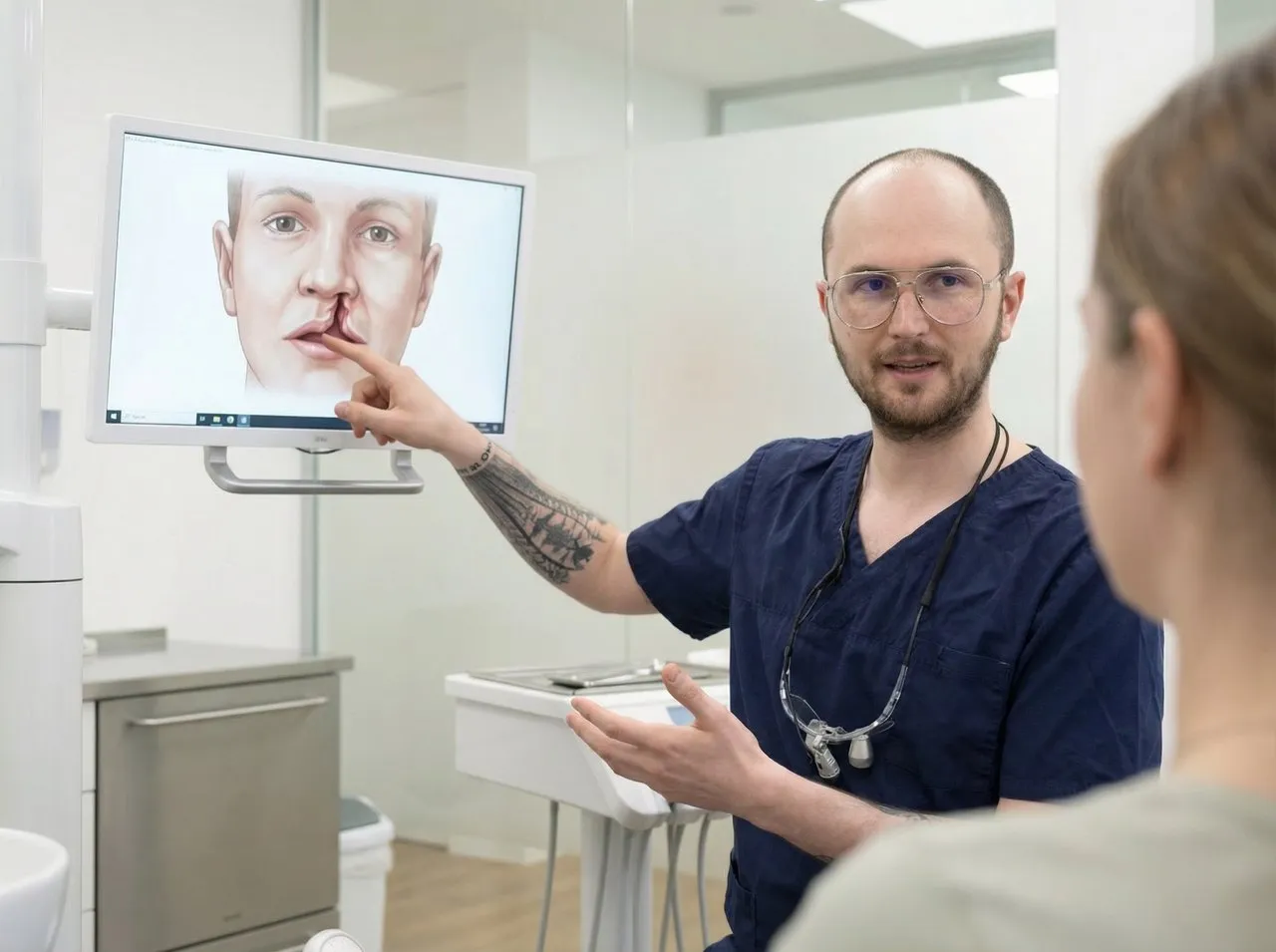
What a palatal plate does in the mouth
The denture plate distributes chewing pressure across the mucosa and bone. It creates retention through suction and a peripheral seal. At the same time, it stabilises the occlusion. In partial dentures, the base often sits alongside clasps. In full dentures, the plate is central. Its extent depends on the anatomy and retention.
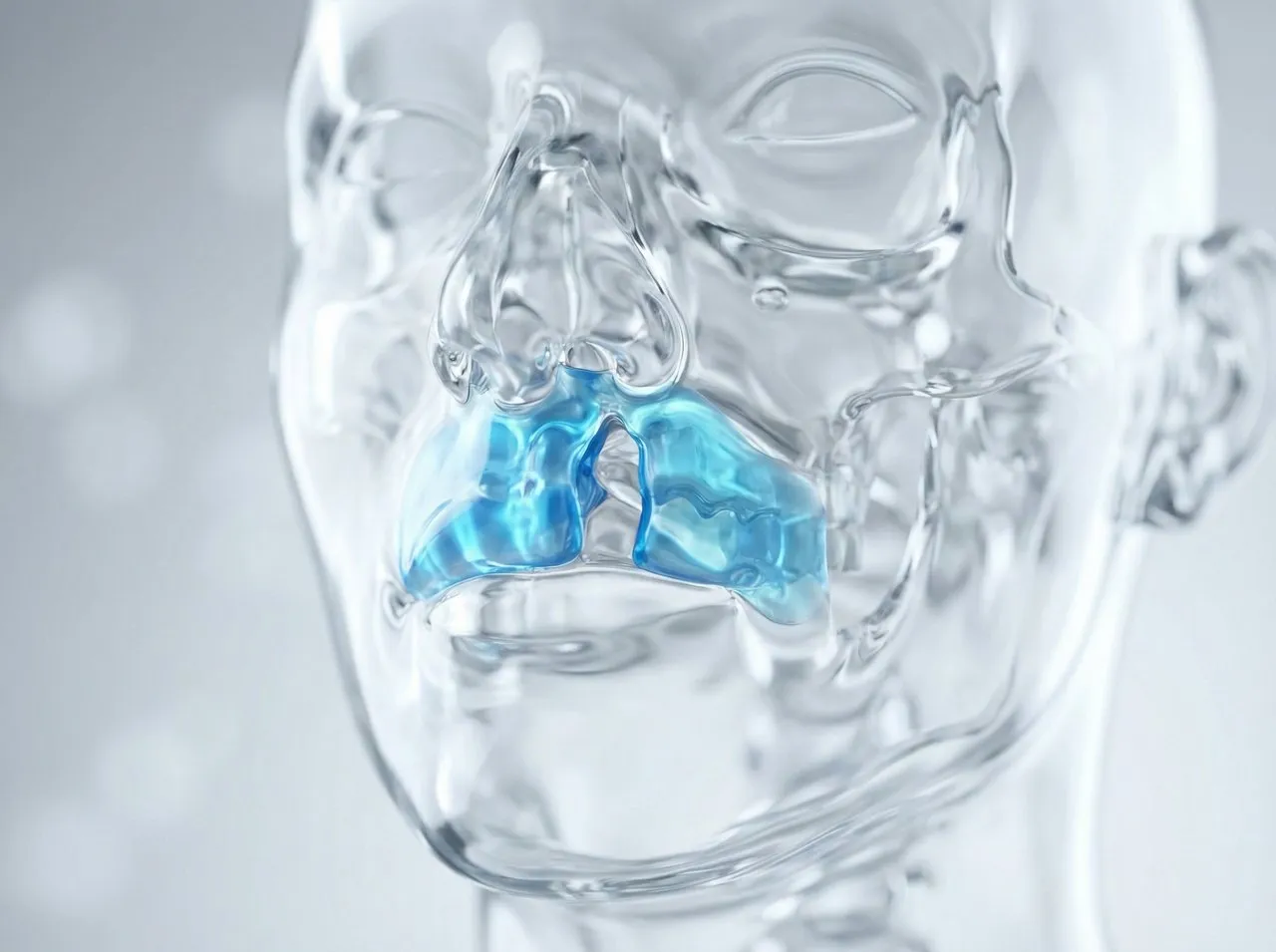
Why the palatal plate causes problems when eating
The palate is highly innervated and very sensitive. A covering dulls tactile and temperature stimuli. This makes food feel ‘different’ in the mouth. Saliva flow also changes. Many people initially notice more saliva. Some experience dryness instead. With every bite, the tongue glides over the plate. This can trigger the gag reflex. The rear area of the palate is particularly sensitive.
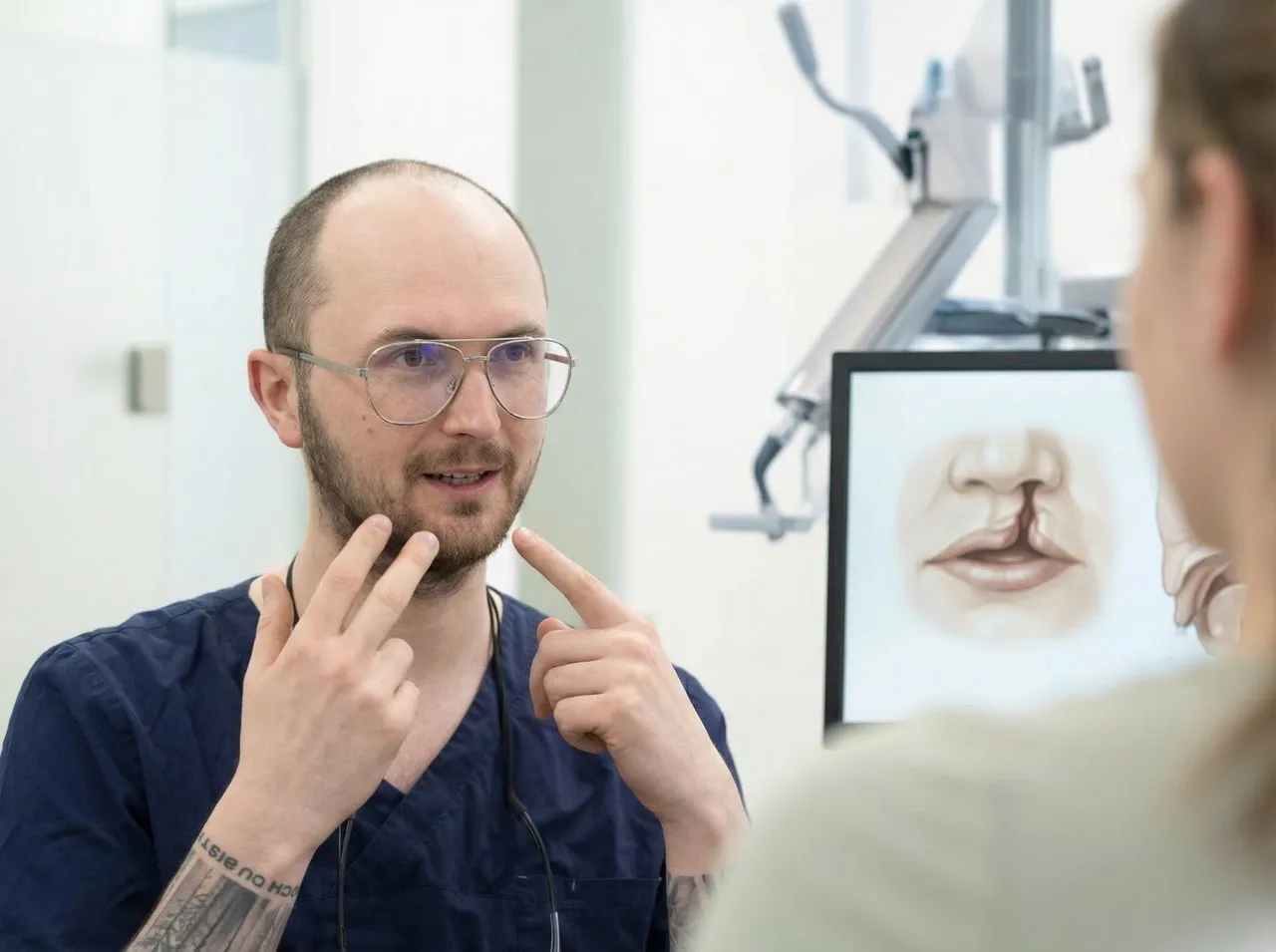
Fit problems: base, borders and mucosa
Even small gaps beneath the denture base affect stability. The denture then tips when chewing. Friction quickly leads to pressure ulcers. A denture border that is too long presses on the vestibular or palatal area. A border that is too short loses its seal. Both reduce retention. Soft mucosa compresses under load. This is known as mucosal compressibility. It causes the denture to ‘float’.
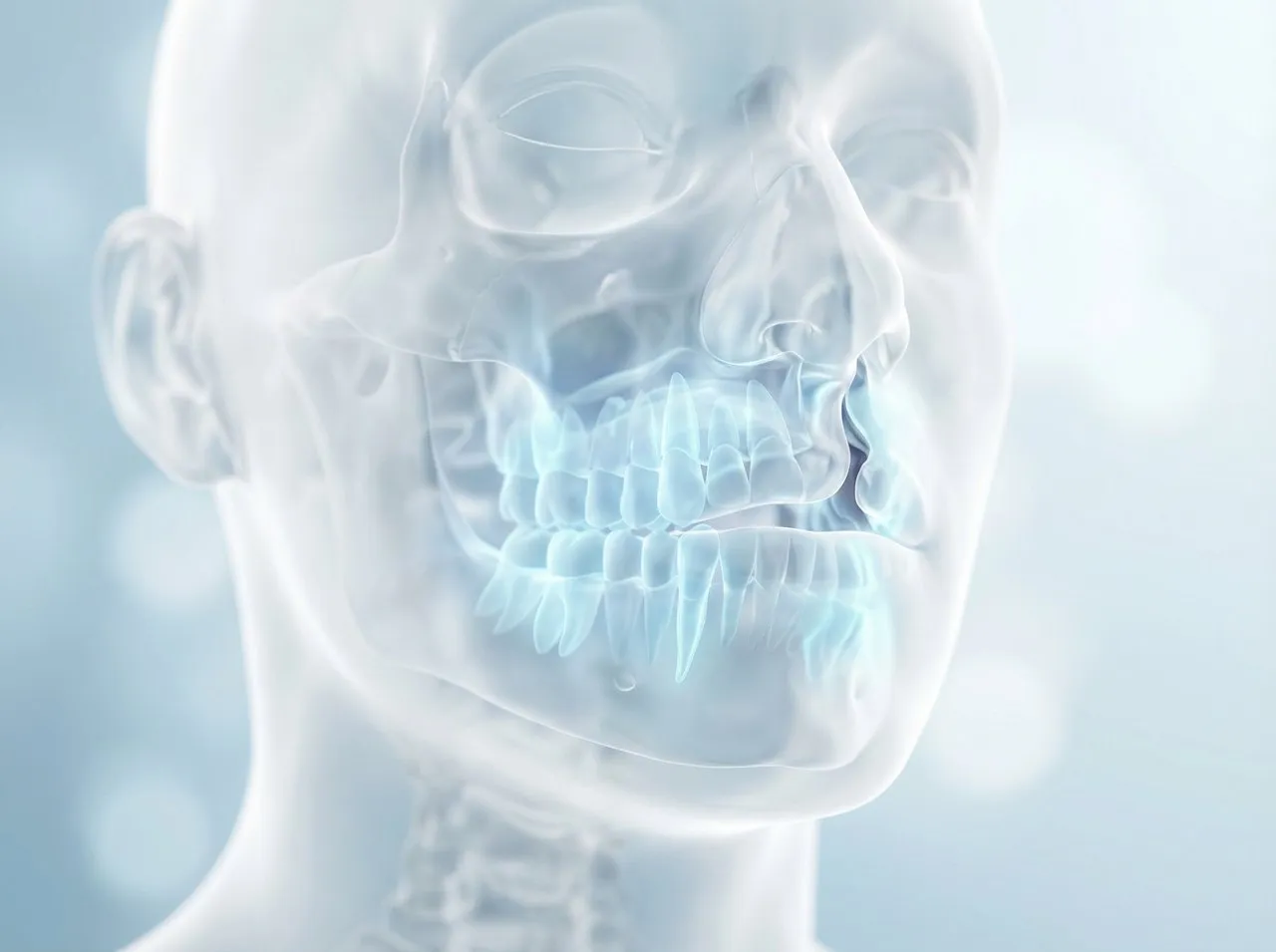
Occlusion and articulation: when the bite is not right
Occlusal interferences are a common cause. Even one high contact point is enough. The denture then lifts on the opposite side. A bite that is too high increases chewing pressure on the base. The mucosa responds with pain. Localised redness often develops. In our practice, we check this with articulating paper. We check centric occlusion and excursions. This is followed by a targeted selective grinding adjustment.

Eating with a temporary denture: staying comfortable during the healing phase
Eating with a temporary denture is often particularly challenging. The soft tissue is still healing and changing in volume. The fit can change daily. Start with soft foods and small portions. Chew slowly and on both sides. Avoid tough or sticky foods. Do not bite into hard crusts with your front teeth. Use your side teeth for this instead. This keeps the denture more stable.
Clasp denture moves when eating: common reasons
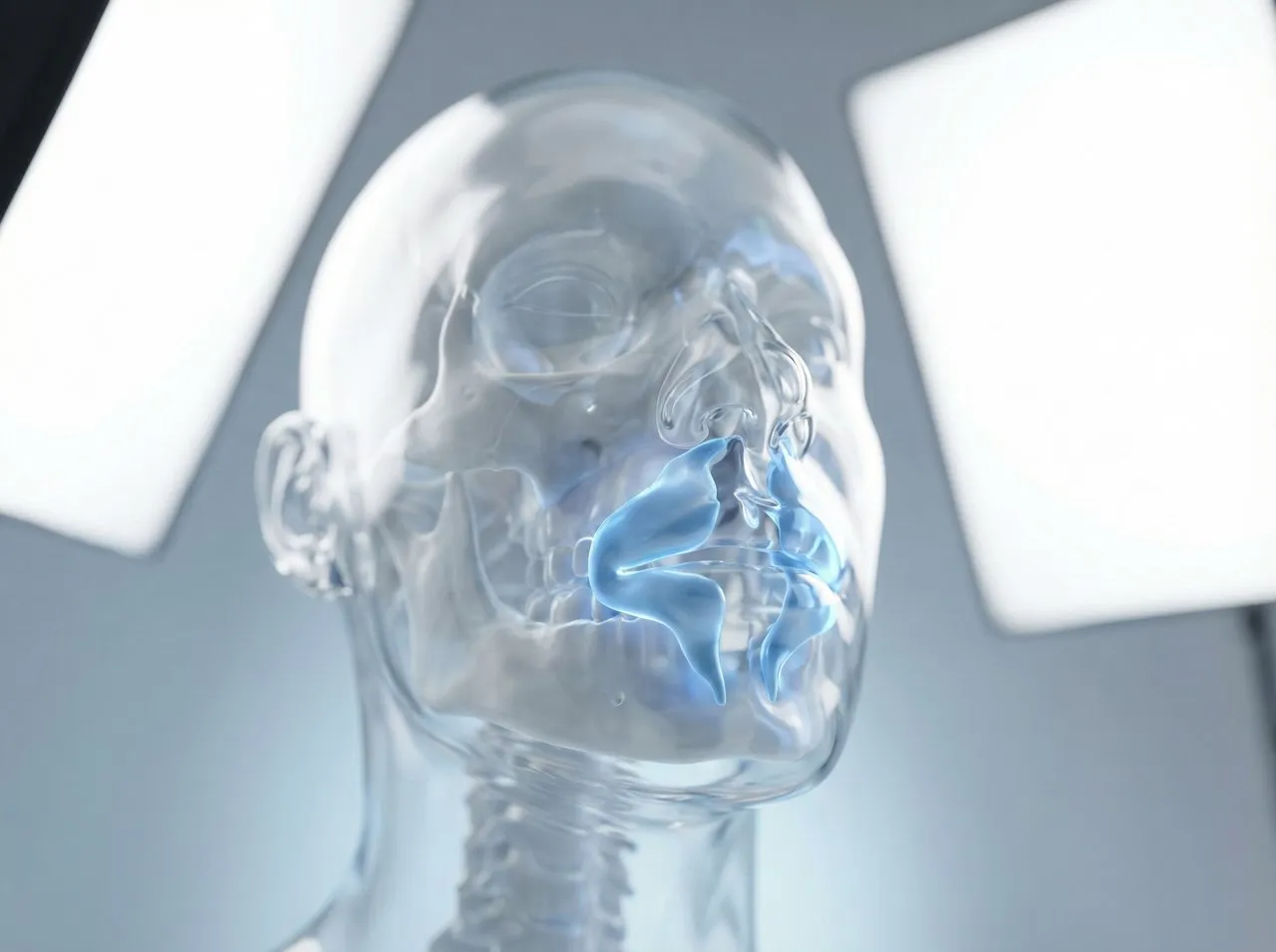
When a clasp denture moves during eating, it usually lacks support. Often the clasp arm has opened too far. This reduces its retaining force. The abutment tooth may also have changed. Periodontal loosening reduces stability. The partial denture then tips under chewing load. Sometimes the problem lies with the opposing bite. If opposing teeth are missing, tilting forces occur. Premature occlusal contacts increase the movement.
Eating with a clasp denture: making it work in everyday life
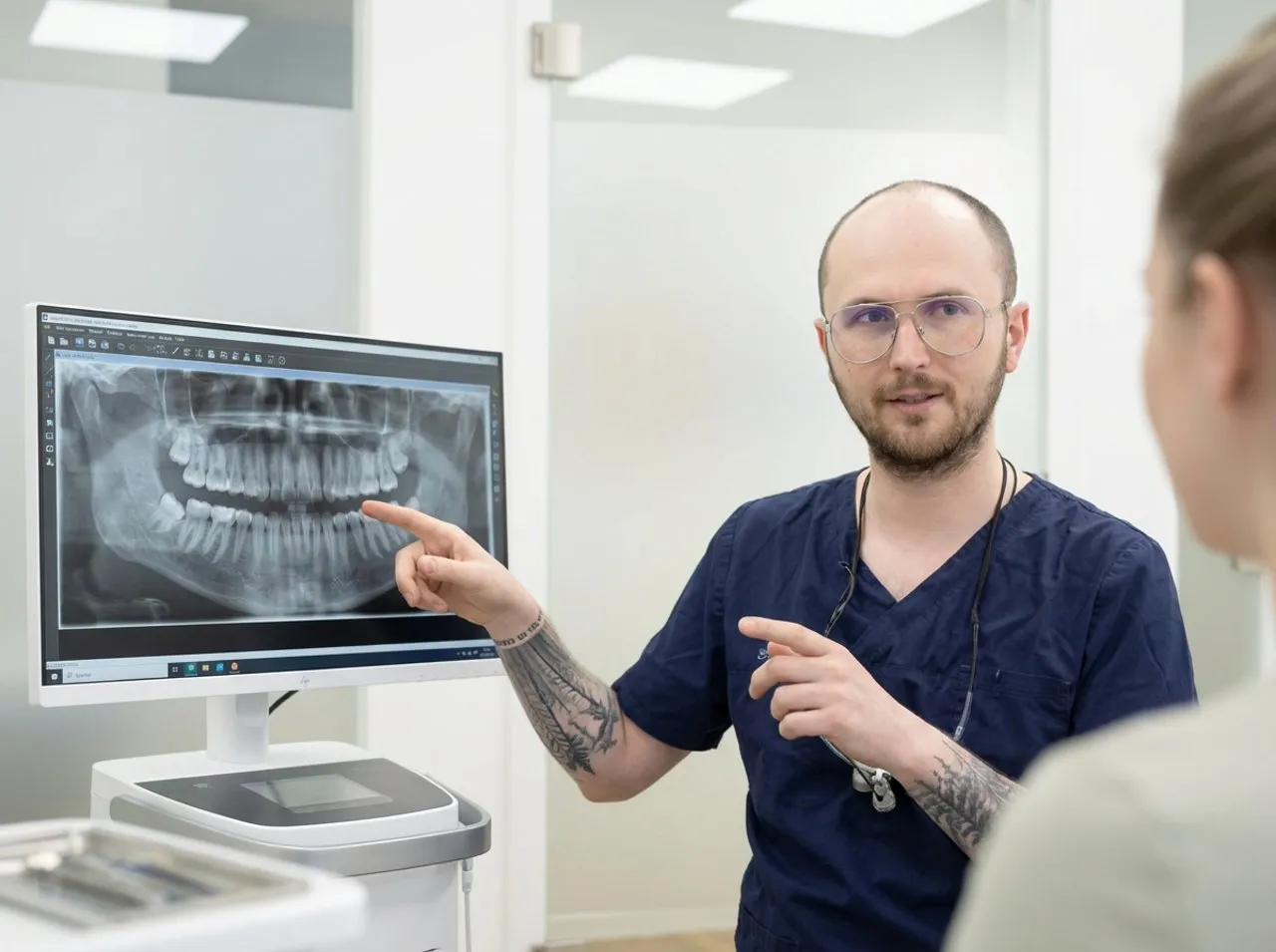
Insert the denture using even pressure. Check the fit on both sides. A ‘click’ is not always a good sign. Chew symmetrically where possible. This distributes forces across both saddles. Chewing on one side encourages leverage. Clean the clasps and rests daily. Deposits alter the fit. They also increase the risk of gum inflammation.

Immediate steps for greater comfort when chewing
Rinse briefly with water before inserting the denture. Moist mucosa improves suction. This noticeably increases retention. Denture adhesive can help in the short term. Apply only a thin layer. Too much material worsens the occlusion. However, check for sharp edges along the border. Never file them yourself. Otherwise, leaks and new pressure points may develop.

Warning signs that should be checked promptly
Severe pain is not ‘normal’, even with new dentures. Bleeding or open sores need to be checked. The same applies to persistent gagging. Whistling or clicking when speaking is a cause for concern. Often the vertical dimension is incorrect. The bite should then be readjusted. If you have difficulty swallowing, come in immediately. Fever or facial swelling are also alarm signs. Inflammation may then be present.

What we specifically check at the Wunschlachen practice
We assess the border design and posterior seal. We test stability, support and retention. We then check the occlusion systematically. We mark pressure points with indicator paste. We then relieve the base at precisely those points. This reduces friction and improves wearing comfort. If the fit is loose, relining often helps. This means relining the denture base. It adapts the inner surface to the tissue. Sometimes a functional impression is needed. This records the mucosa while it is moving. This significantly improves the peripheral seal.

Long-term alternatives for persistent problems
A cast denture with a metal framework often reduces palatal coverage. This improves speech and taste. Stability increases thanks to defined rests. Telescopic crowns provide a precise friction fit. They distribute forces more favourably across the abutment teeth. Many people feel more confident when chewing. Implant-supported retaining elements significantly increase retention. Often only a few implants are needed. The denture then becomes noticeably more stable.

Conclusion: enjoy relaxed eating again with a good fit
Most symptoms have a clear cause. Small adjustments to the border or occlusion are often enough. Early check-ups prevent pressure ulcers and subsequent damage.
FAQ – frequently asked questions about palatal plates and eating
The posterior border is often too long. Shortening it can provide immediate relief.
Usually one to two weeks. If there are pressure points, an earlier adjustment is advisable.
Localised pain, redness or a small sore. The base should then be relieved.
The denture tips when you bite down. There is often a ‘high point’.
Yes, in the short term, but use it sparingly. In the long term, the fit needs to be corrected.
Clasps can give way or teeth can become loose. This reduces support and retention.
No, that is risky. It can break the clasps or overload the abutment teeth.
It closes gaps beneath the base. This improves stability and pressure distribution.
Often there are, for example with a cast metal framework denture. Implants can also allow the plate to be made smaller.
If you have severe pain, swelling or fever. Persistent gagging should also be investigated.
Book your appointment now
We would be happy to advise you in person at our practice.