Pus in the gums: causes and treatment
Pus in the gums is always a warning sign. It is usually caused by bacterial inflammation. Prompt dental treatment is essential.
Über 350 Google-Bewertungen
What does pus in the gums mean?
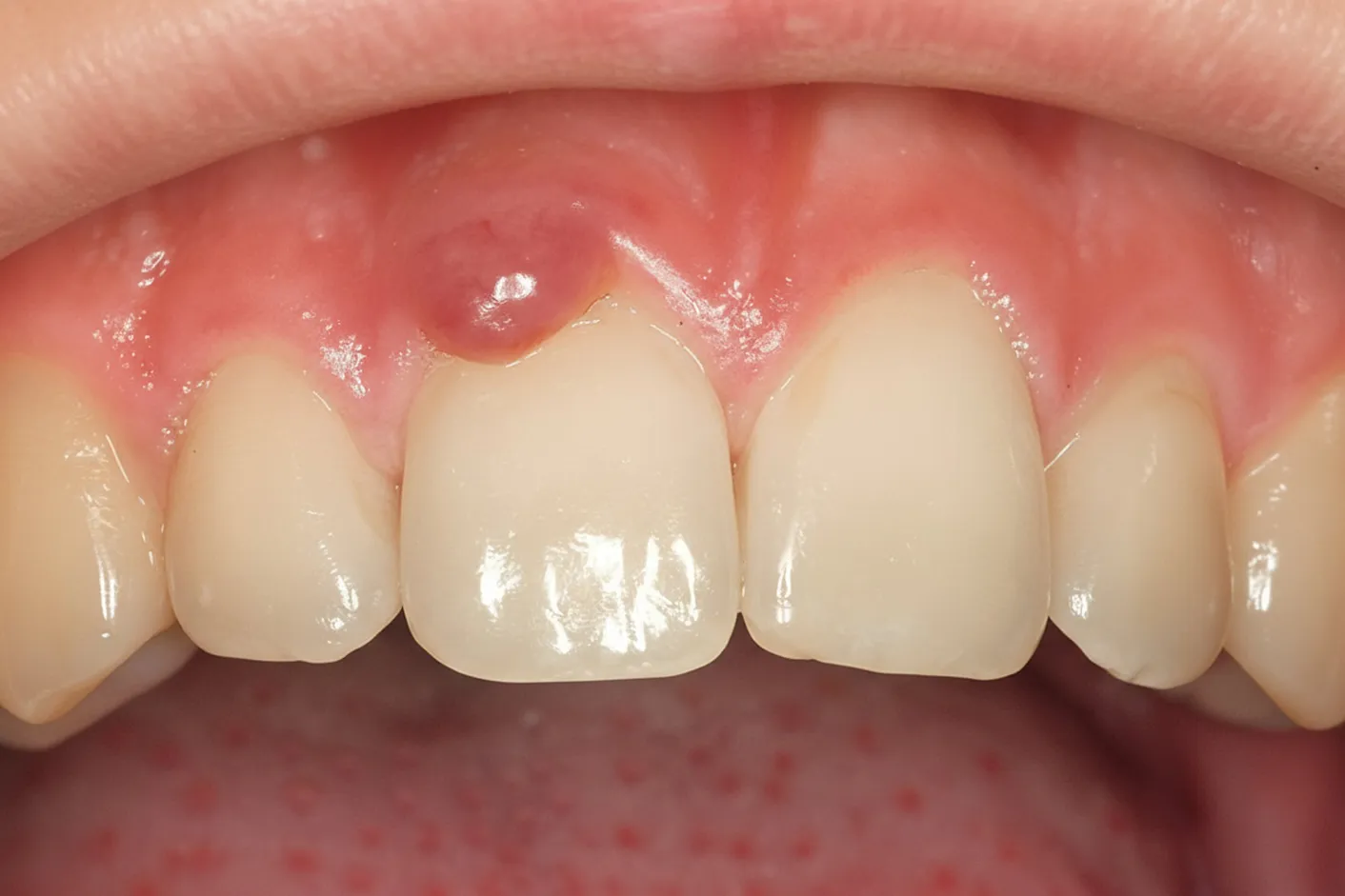
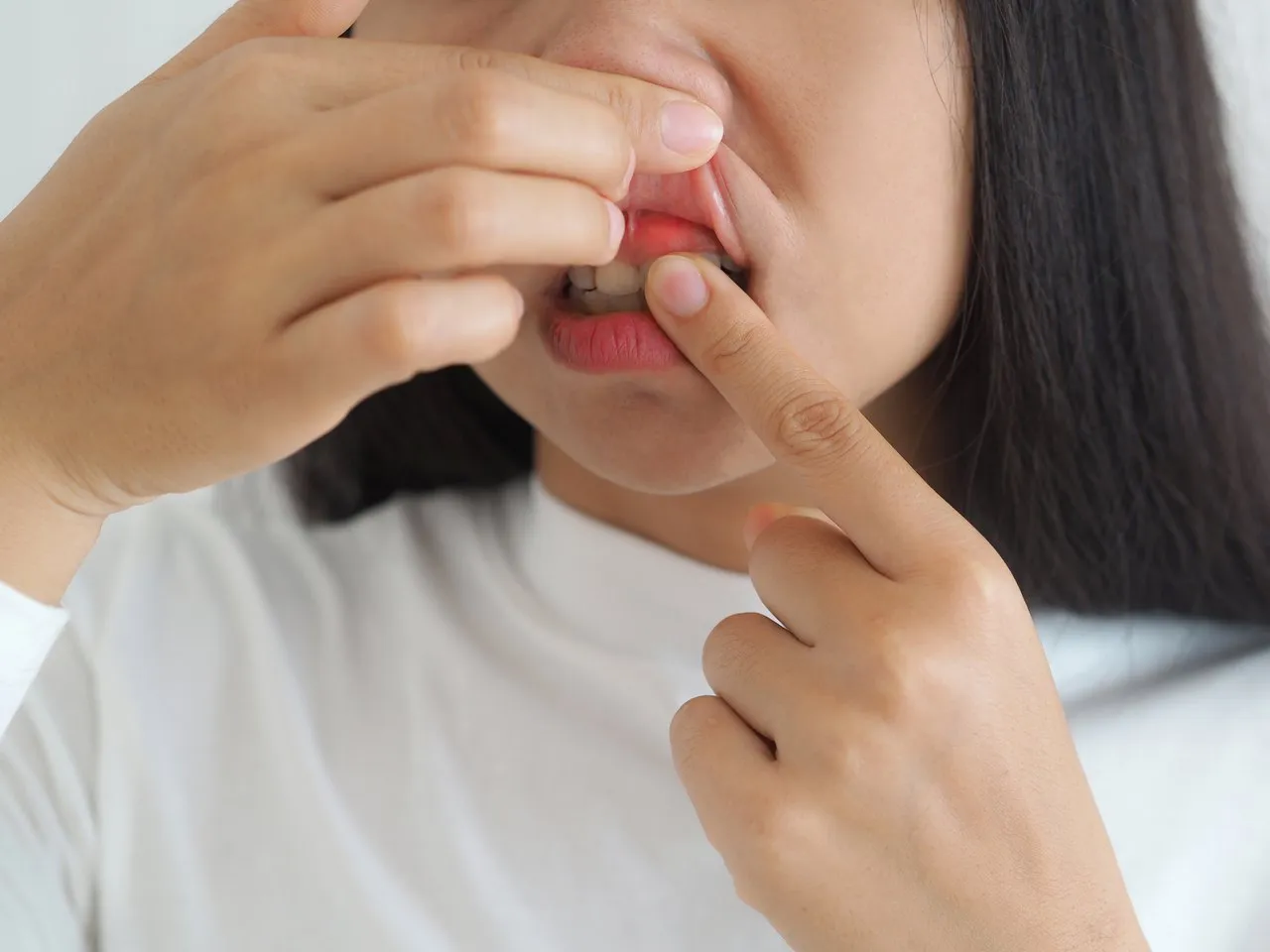
Pus forms when the body fights bacteria. Immune cells gather and form a purulent fluid. Visible pus around the gums therefore always indicates acute inflammation. This often results in a small dental abscess in the gum tissue. Some patients notice a pus-filled blister or fistula next to the tooth. There is often pain and swelling around the affected tooth.

Typical symptoms of pus in the mouth
Symptoms can vary considerably. Look out particularly for the following signs: • red, swollen gums • throbbing or pulsating pain • a feeling of pressure or tension in the tooth • an unpleasant taste in the mouth • bad breath • a visible pus-filled blister or fistula • pain when chewing or biting • possibly a fever and a general feeling of illness If you have a fever or severe pain, this is an emergency. You should then visit a dental practice immediately.

Causes: How does pus develop around the gums?
A common cause is deep gum inflammation. Bacteria enter the gum pockets. There they cause purulent inflammation in the soft tissue. Untreated tooth decay can also cause a dental abscess. If bacteria reach the tooth root, inflammation of the root develops with the formation of pus. The pus then finds a path through the jawbone to the gum margin. Other possible causes are: • advanced periodontitis • an inflamed wisdom tooth • poorly fitting dentures or fillings • injuries to the oral mucosa • a weakened immune system, for example with diabetes or • • stress • smoking Several factors often combine. An accurate diagnosis is therefore very important.
Why pus in the gum tissue is dangerous
Pus in the mouth initially has a local effect. However, if the inflammation is left untreated, bacteria can enter the bloodstream. In the worst case, this can lead to blood poisoning. The jawbone can also become inflamed. This can result in inflammation of the jaw or even periostitis, for example. Pus around the gums therefore always requires a dentist. Home remedies must never replace professional treatment.

Diagnosis at the Wunschlachen dental practice
At our Wunschlachen dental practice in Berlin, we take your symptoms seriously. First, we have a detailed discussion with you. We then carefully examine your teeth, gums and oral cavity. Depending on our findings, we take X-rays. This enables us to determine whether the cause lies in the tooth, jaw or soft tissue. Only then do we plan the appropriate treatment.

Treating pus around the gums
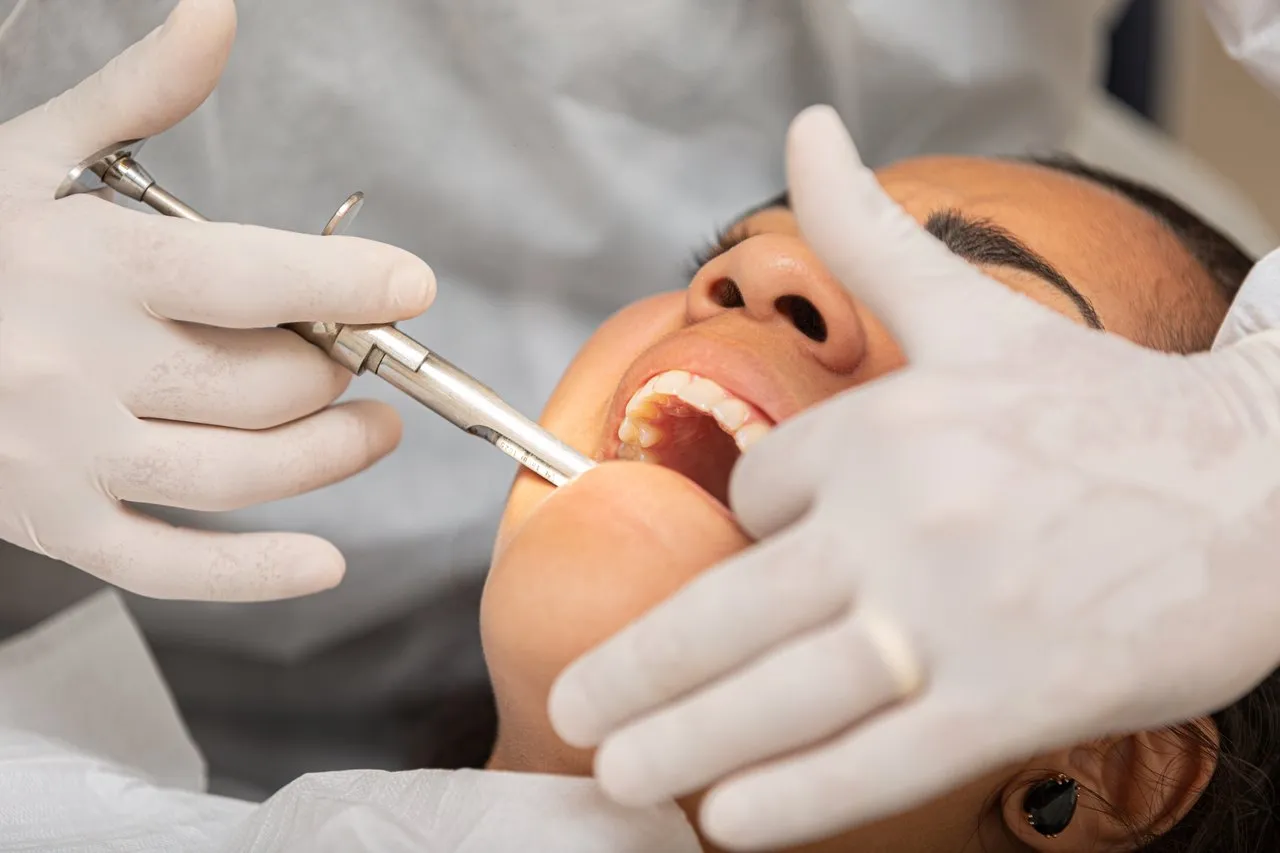
The most important aim is to relieve the inflamed area. The pus must be able to drain away. To achieve this, the dentist gently opens the abscess and thoroughly rinses the area. If the affected tooth is severely damaged, root canal treatment often follows. In some cases, the tooth must be removed. The area is then carefully cleaned and disinfected. An antibiotic may be necessary if the inflammation is severe. It fights the bacteria in the body. You will also receive suitable painkillers and detailed advice on what to do at home.

What you can do yourself – and what you should not
Applying something cold externally can ease pain and swelling slightly. Soft, lukewarm food is gentle on the affected area of the mouth. Take care to maintain careful but thorough oral hygiene. Please never burst a pus-filled blister yourself. This can allow bacteria to penetrate deeper into the tissue. Extreme heat or mouth rinses containing alcohol are also unsuitable. Home remedies such as camomile tea can soothe the mucous membrane temporarily. However, they do not replace dental treatment. Always see a dentist promptly if you have pus in your gums.
Prevention: How to avoid pus in the gums
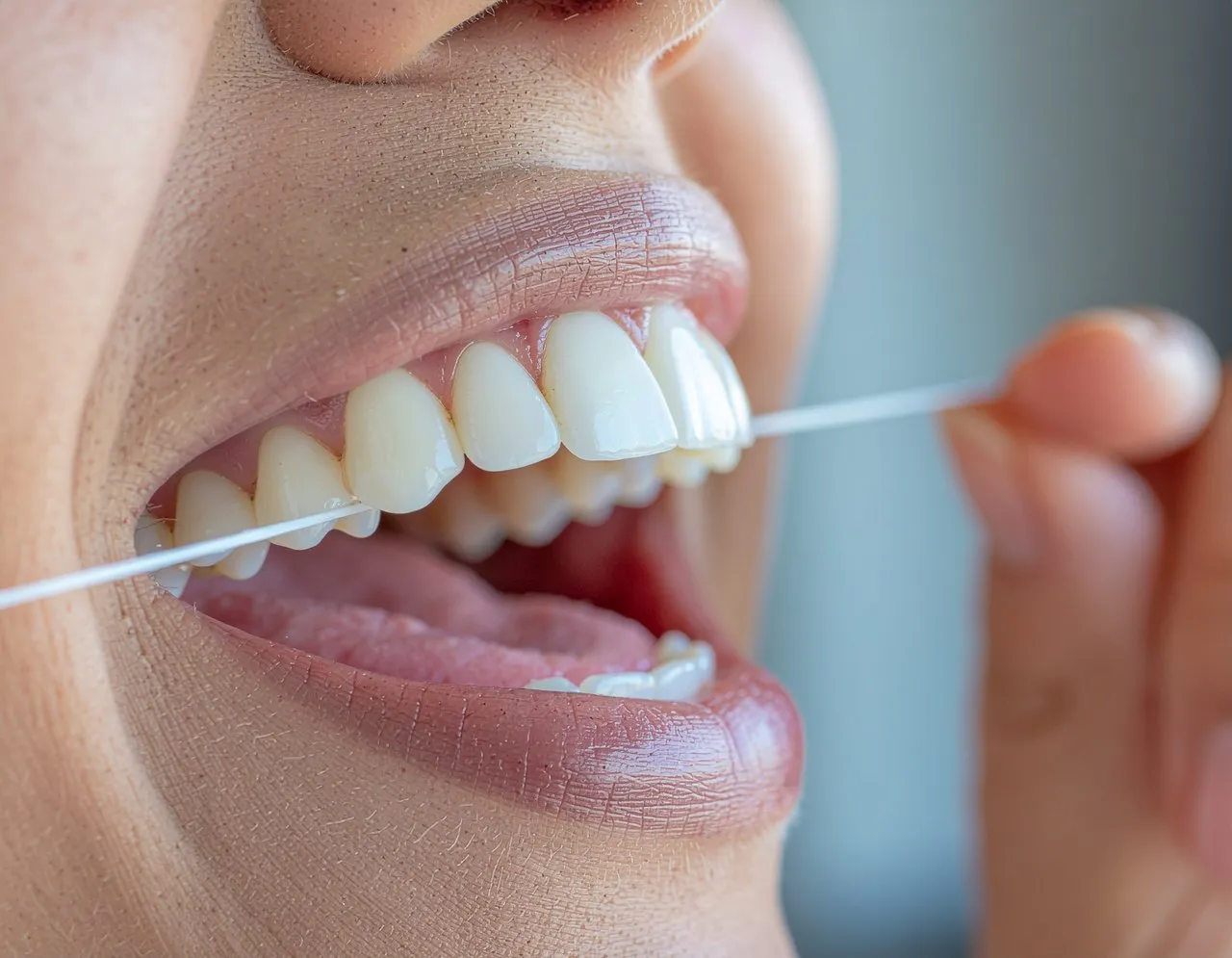
Good oral hygiene is the best preventive measure. Brush your teeth thoroughly twice a day. Also use dental floss or interdental brushes for the spaces between your teeth. Regular preventive care at the dental practice is also important. Professional dental cleaning removes hard and soft deposits. This significantly reduces the risk of gum inflammation and abscesses. Smoking, diabetes and stress increase susceptibility to inflammation. Have even mild symptoms affecting your gums assessed early.

Pus in the gums when you are afraid of the dentist
Many patients with dental anxiety wait too long. This makes the situation worse, particularly when there is pus in the gum tissue. The pain becomes more severe and treatment more complex. At our Wunschlachen practice, we proceed gently. We explain every step at a relaxed pace. We offer gentle sedation on request. This also enables anxious patients to cope well with necessary treatment. The important thing is to take the first step and book an appointment.
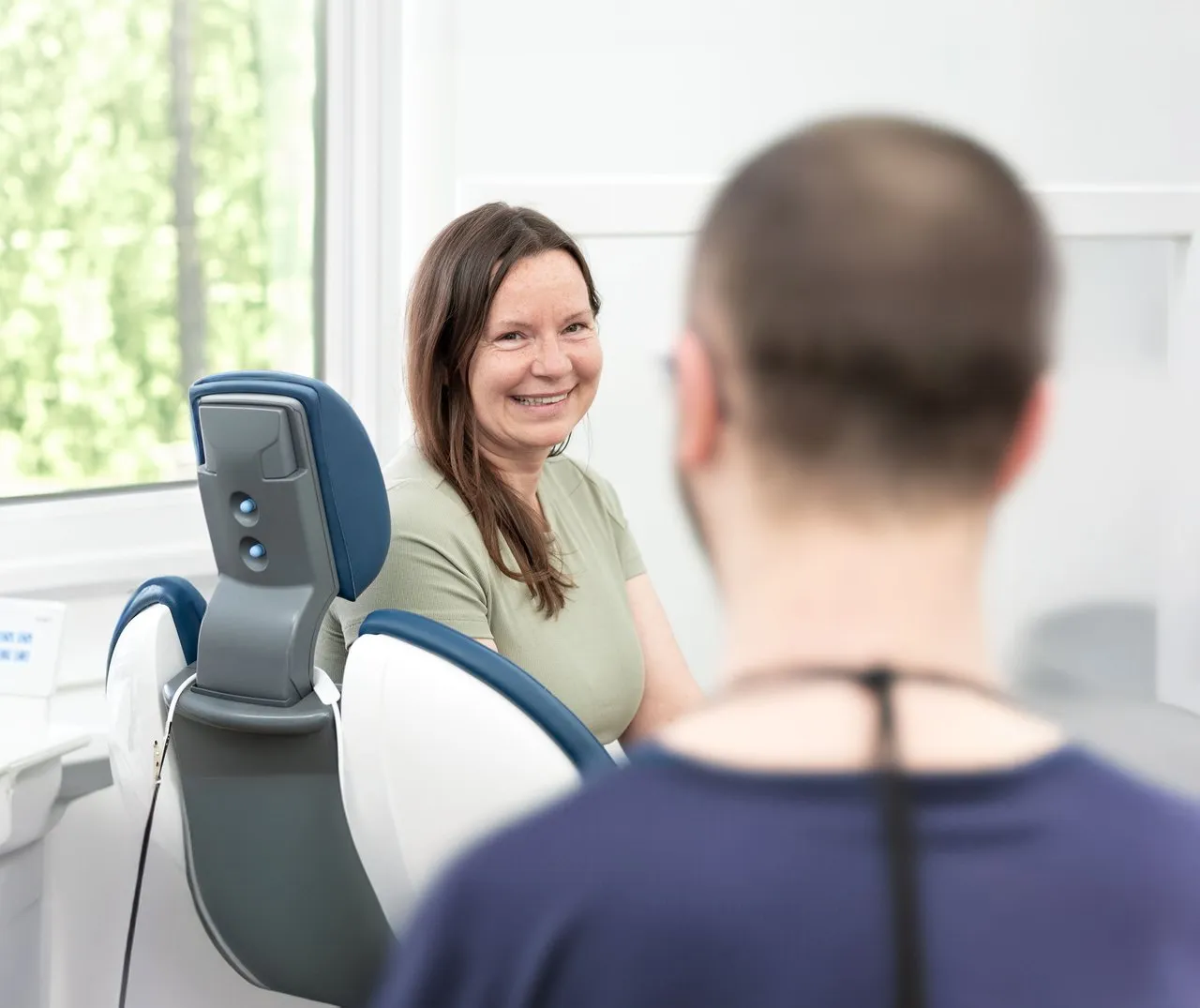
Pus in the gums – when is it an emergency?
You should always see a dentist as soon as pus is visible. It is an emergency if you also develop a fever, chills or severe difficulty swallowing. Shortness of breath or rapidly increasing swelling are also warning signs. In these cases, you should contact a dental emergency service immediately. This helps prevent serious complications.
FAQs about pus in the gums
Yes, pus in the gums indicates acute inflammation. This should always be treated by a dentist.
Severe pain, swelling and redness are typical. A pus-filled blister, fistula, bad breath and an unpleasant taste are also common.
Sometimes the abscess drains spontaneously. However, the underlying cause remains and the inflammation usually returns.
No, this is dangerous and can worsen the infection. Only a dentist may open the abscess properly.
The dentist drains the pus and cleans the area. Root canal treatment, cleaning of the gum pockets or further surgical procedures often follow.
An antibiotic may be necessary for severe pain, fever or extensive inflammation. The dentist makes this decision after an examination.
Cool compresses and careful mouth rinses with camomile can provide relief. However, they do not replace professional treatment.
Good oral hygiene, regular preventive care and not smoking are important. Have inflammation in your mouth treated early.
The bacteria involved can be transmitted. You should avoid sharing toothbrushes or cutlery.
Yes, we care for many anxious patients at our practice in Berlin. We offer compassionate treatment and gentle sedation if needed.
Book your appointment now
We would be happy to advise you in person at our practice.