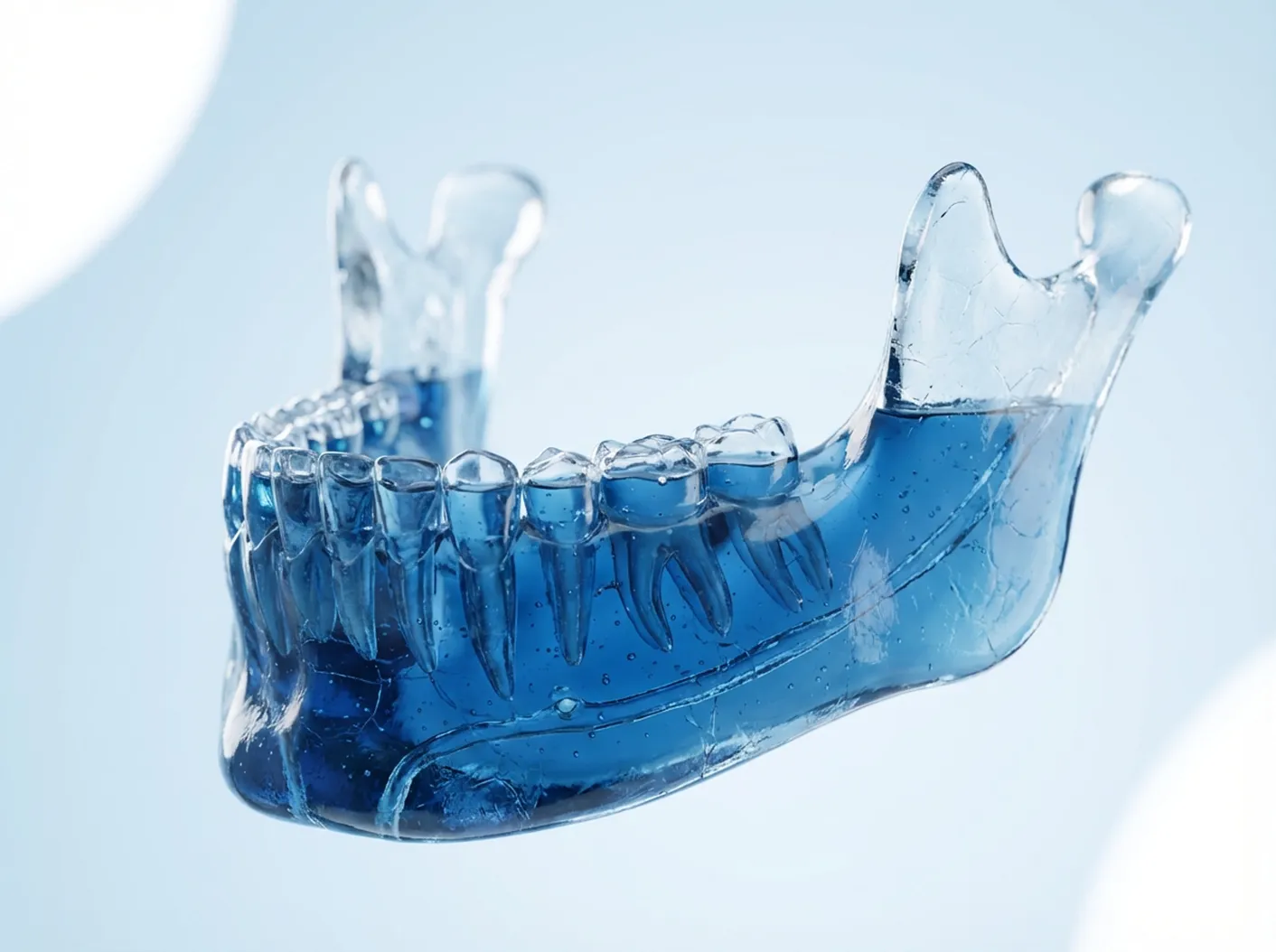
Pus in the Jaw: Which Home Remedies Help?
A focus of pus in the jaw is always a warning sign. Nevertheless, many people affected initially pin their hopes on home remedies. However, it is important to note that pus in the jaw is a dental emergency. Home remedies can relieve symptoms in the short term. But they never replace treatment at the practice. Below...
Über 350 Google-Bewertungen
What does pus in the jaw mean?
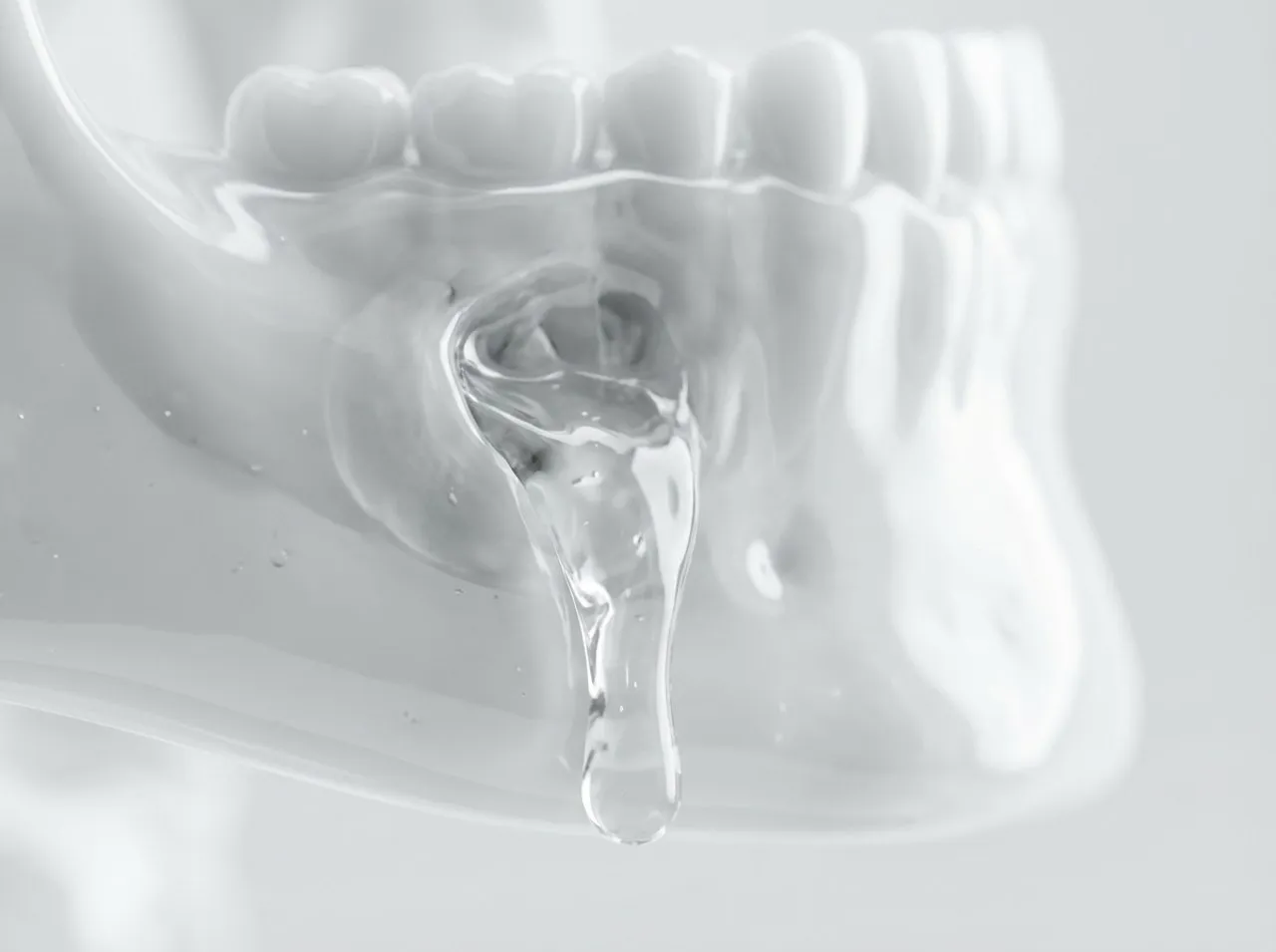
Pus in the jaw is usually caused by a bacterial infection affecting a tooth root, the gums or the jawbone. It is often due to untreated tooth decay, a deep gum pocket or a failed root canal treatment. The infection can develop into an abscess. This pocket of pus puts pressure on the surrounding bone. Without treatment, complications can arise, including the spread of the infection.

Typical symptoms of pus in the jaw
Several symptoms strongly indicate a purulent infection in the jaw. The following signs often occur together: • Severe, throbbing toothache, often at night too. • Swelling of the cheek or jaw area, sometimes visible as a ‘fat cheek’. • A feeling of pressure, and pain when biting down or touching the area. • Warmth and redness of the skin over the infected area. • Restricted mouth opening, and pain when chewing or speaking. • Fever or exhaustion, sometimes swollen lymph nodes. If such symptoms occur, home remedies alone are not enough. An examination at the Wunschlachen dental practice is then urgently needed.
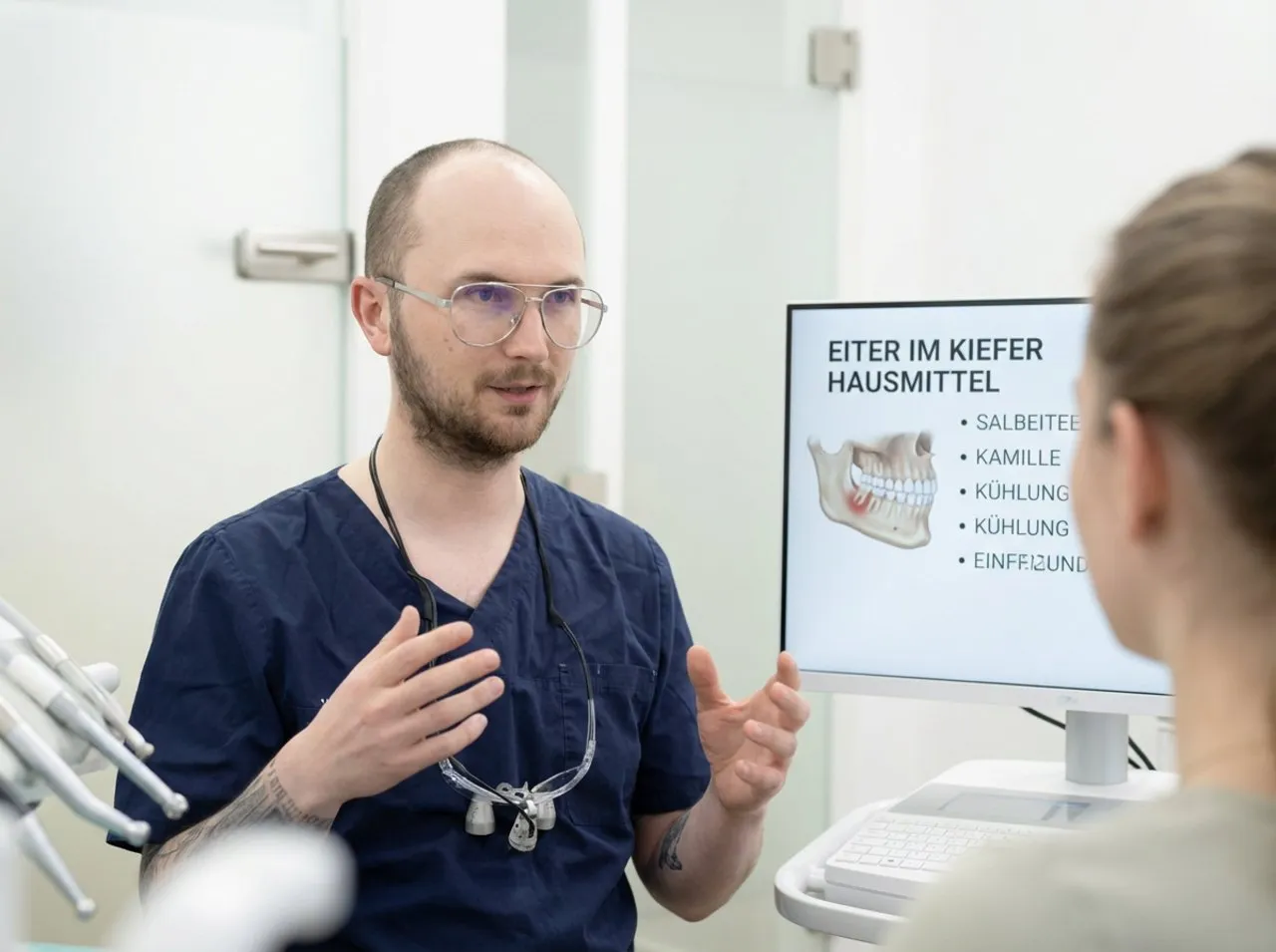
Home remedies for pus in the jaw – what can help you
It is important to use them gently and to be aware that they will not eliminate the cause. Home remedies are only a temporary measure until you receive dental treatment.
Cooling and rest
Cold can reduce swelling and pain in the short term. Always wrap an ice pack in a cloth. Hold it against your cheek for only a few minutes. Then take a break. Avoid physical exertion and hot baths. Both increase blood circulation and can increase the pressure in your jaw. Sleep with your head slightly raised so that the swelling can subside more easily.

Mouthwashes with salt and herbs
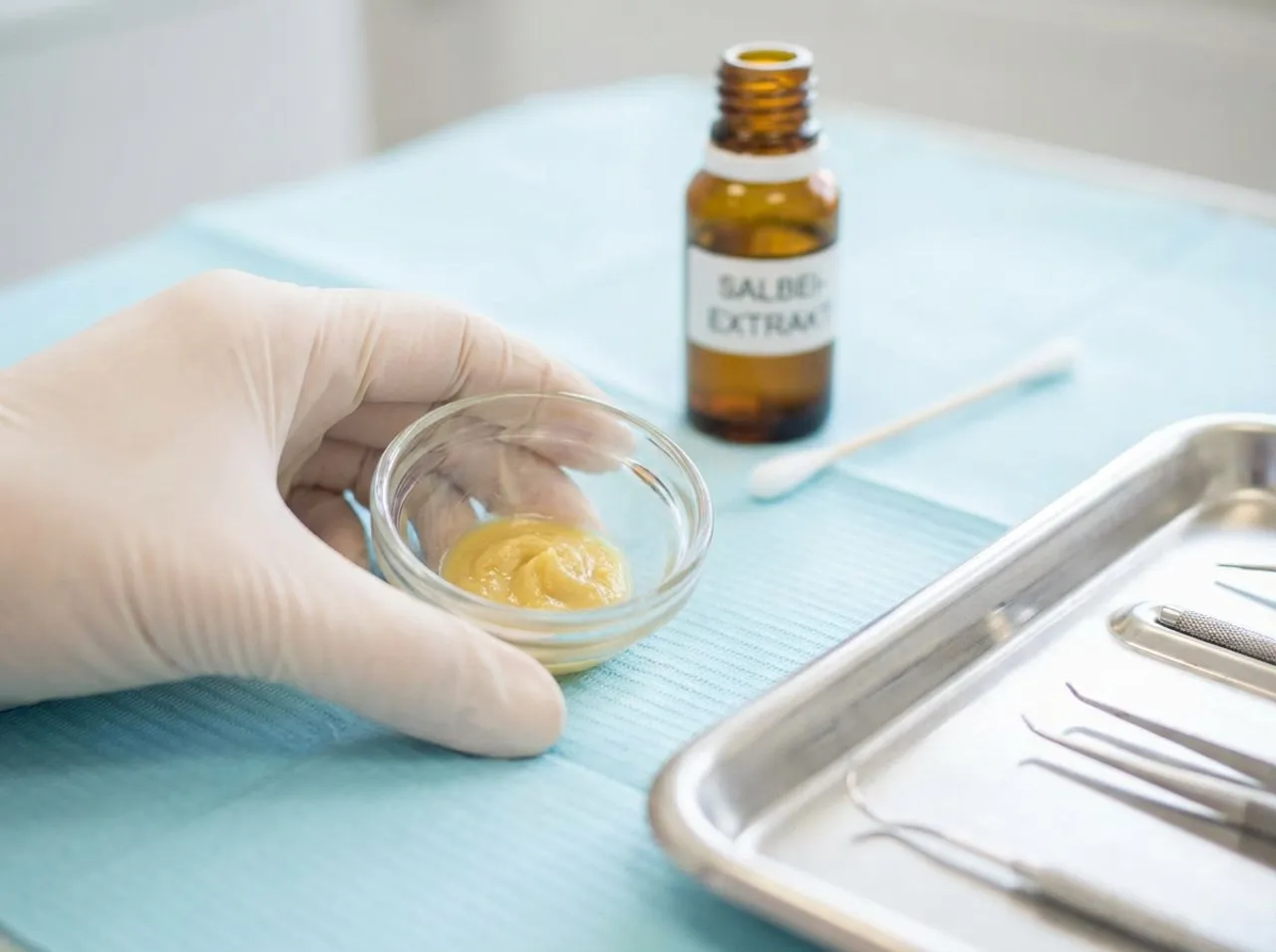
Lukewarm salt water has a mild disinfectant effect and helps keep the mouth clean. To make it, dissolve a teaspoon of salt in a glass of water. Rinse gently several times a day and spit the solution out again. Chamomile and sage also have anti-inflammatory properties. A cooled tea can serve as a gentle mouthwash. Important: Never use the liquid when it is too hot, as this could further irritate the mucous membrane.

Herbal remedies from the medicine cabinet
Clove oil has traditionally been used for toothache. A cotton bud lightly moistened with the oil can be held briefly against the affected tooth. This can sometimes dull the pain slightly for a short time. Diluted tea tree oil or thyme are also occasionally described as home remedies. Use such remedies only with caution and never undiluted. If you experience burning or irritation, stop using them immediately.
Painkillers – for temporary use only
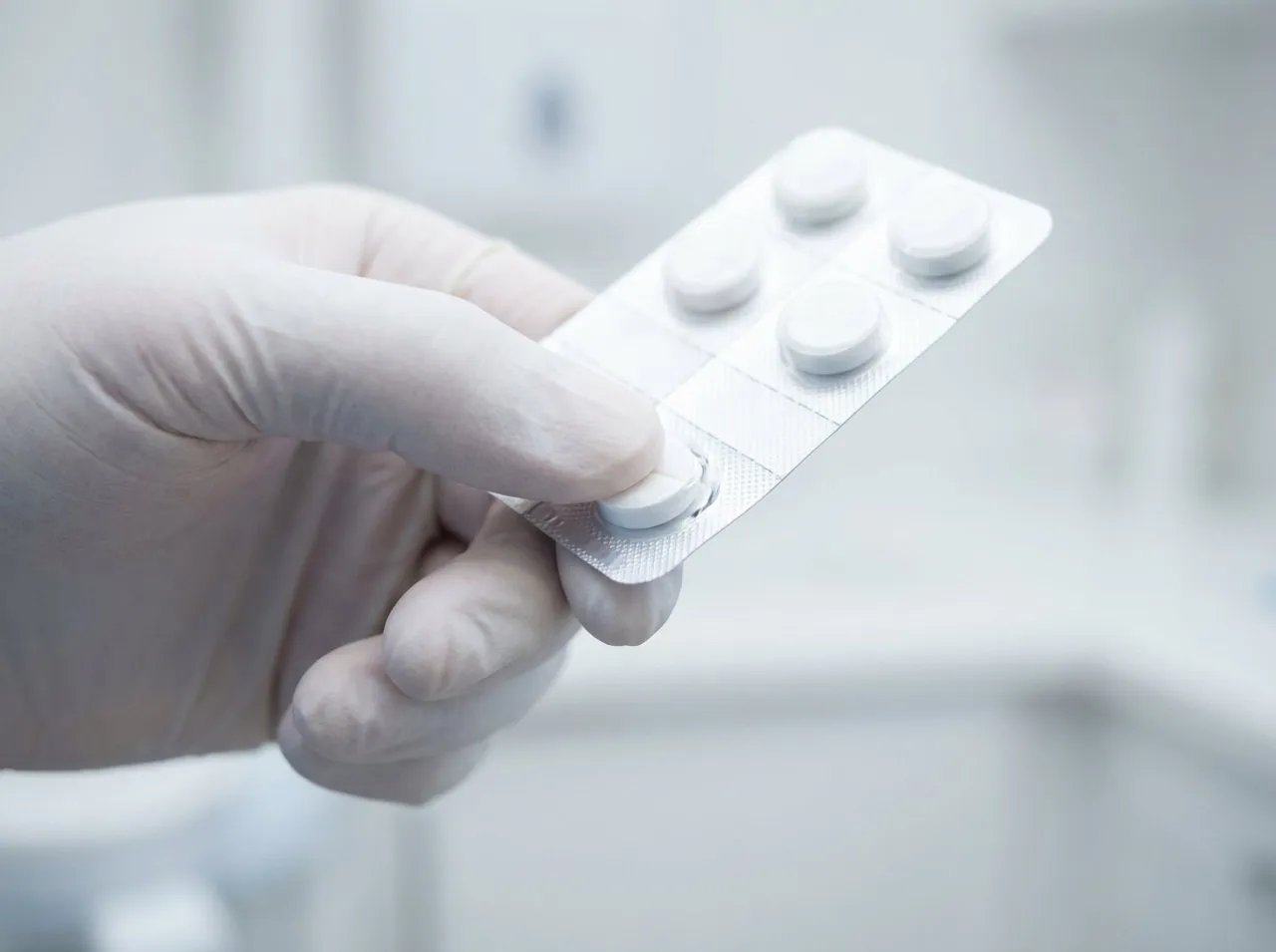
Over-the-counter painkillers can make the time until your dental appointment more bearable. Active ingredients such as ibuprofen or paracetamol are suitable in many cases. Follow the package leaflet and your doctor’s recommendations. Important: Painkillers only mask the symptoms. The purulent infection remains. If the cause is not treated, the condition can worsen despite reduced pain.
What to avoid with pus in the jaw
Not every supposedly ‘warming’ or ‘circulation-boosting’ measure is helpful here. Some can even make the infection worse. Do not use infrared lamps or hot compresses on the area around the abscess. Heat dilates the blood vessels and makes it easier for bacteria to spread. Squeezing or piercing the swelling yourself is also dangerous. Taking old antibiotics from your medicine cabinet without medical advice is equally problematic. The wrong active ingredient or duration of treatment encourages resistance. At the same time, the infection is not reliably eliminated.

When home remedies are no longer enough
Purulent infections in the jaw can spread rapidly. Immediate help is needed if you have a fever, increasing swelling or difficulty swallowing. If you can hardly open your mouth, this is a dental emergency. You should also not wait if you have severe general symptoms. These include severe weakness, shortness of breath or intense pain when swallowing. In these situations, it is important to go directly to the practice or an emergency dental service.

Treatment for pus in the jaw at the dentist
At the Wunschlachen dental practice in Berlin, treatment begins with a thorough examination. X-rays help to identify the location of the purulent infection. The dentist then draws up an individual treatment plan. The aim is to drain the pus and eliminate the cause. The affected tooth is often opened so that the fluid can drain away. Depending on the findings, this is followed by root canal treatment or revision treatment. In severe cases, the tooth is removed. Antibiotics may also be needed to control the bacterial infection. Home remedies are only supportive at this stage. Professional treatment at the practice always remains the key component.

Conclusion: home remedies relieve symptoms, the dentist provides the cure
Home remedies for pus in the jaw can make symptoms more bearable in the short term. Cooling, gentle mouthwashes and suitable painkillers are the most useful options. However, they only have a supportive effect. You should see a dentist as soon as signs of a purulent infection in the jaw appear. Only prompt, professional treatment prevents serious complications. At our Wunschlachen practice, we provide personal advice and develop a safe treatment plan.
FAQ – Frequently asked questions about pus in the jaw and home remedies
No. Home remedies can only relieve symptoms. The purulent infection must always be treated by a dentist.
Cooling, lukewarm salt-water rinses and mild herbal teas relieve the symptoms.
No. Heat can encourage the infection to spread and is therefore unsuitable.
Well-established medicines from a pharmacy are suitable in many cases. If in doubt, seek advice from a doctor or pharmacist.
You should visit the practice after one or two days without improvement at the latest.
Yes. If left untreated, the infection can spread and cause serious complications.
Clove oil can dull pain temporarily. However, it is no substitute for dental treatment.
The dentist creates a drainage route for the pus. They treat the affected tooth and prescribe antibiotics if necessary.
As a rule, no. Even if the symptoms subside, the cause usually remains.
Through good oral hygiene, regular check-ups and early treatment of toothache or swelling.
Book your appointment now
We would be happy to advise you in person at our practice.