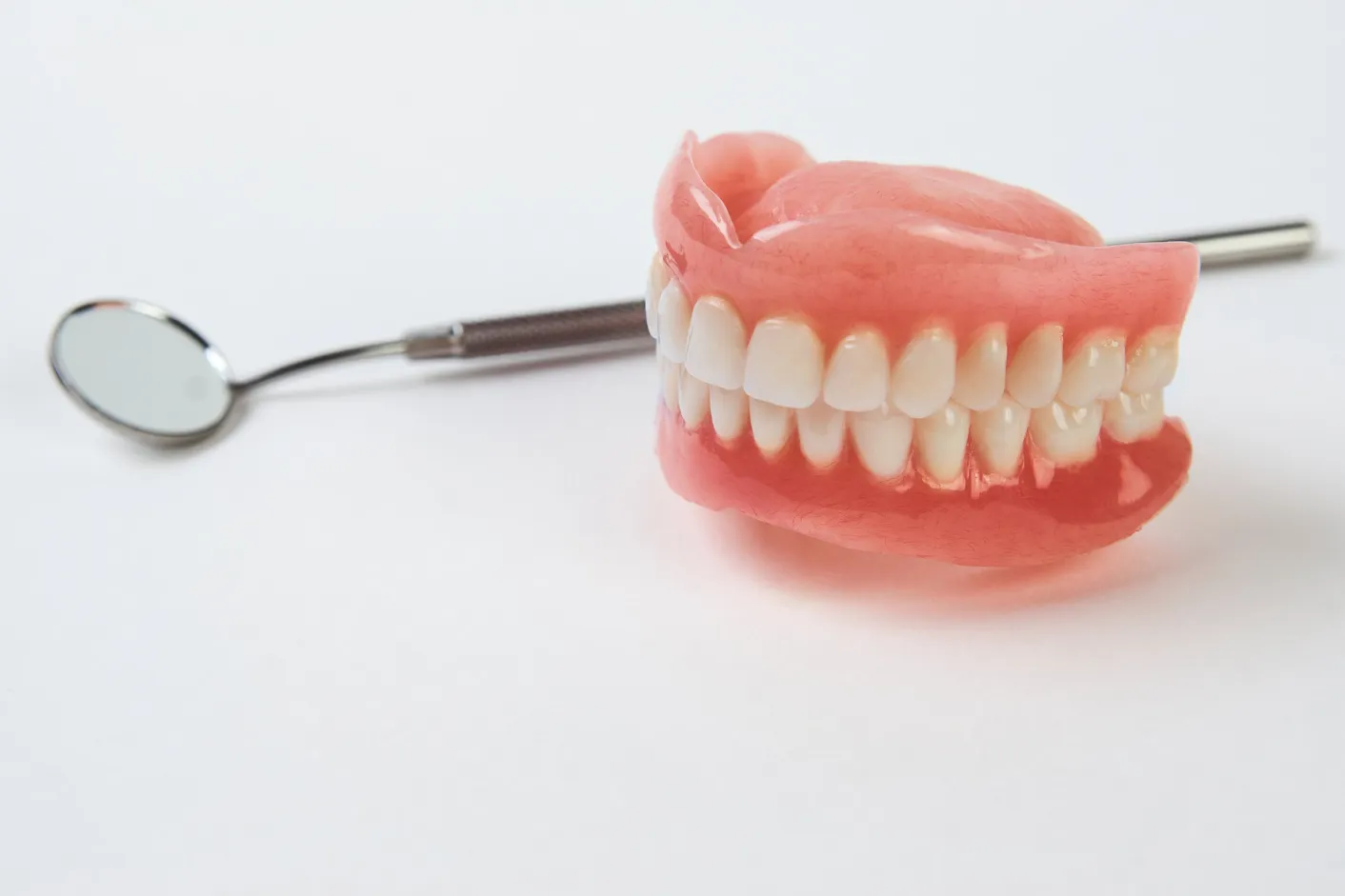
Removable dentures: a solution for missing teeth
Tooth loss can affect not only your appearance but also your general well-being and quality of life. In such cases, dental prostheses offer a valuable solution. One of the most common and well-established types is the removable denture. This allows...
Über 350 Google-Bewertungen

What are removable dentures?
They are a dental solution developed to replace missing teeth. These types of dental prosthesis can be removed and inserted by patients themselves when needed. They offer a flexible and often less expensive way to restore the aesthetic and functional balance of the teeth. There are various types of removable denture. They can be adapted to your needs and the number of missing teeth. These range from full dentures to partial dentures or single-tooth dentures. Below, we explain the different types in more detail.

Types of removable dentures
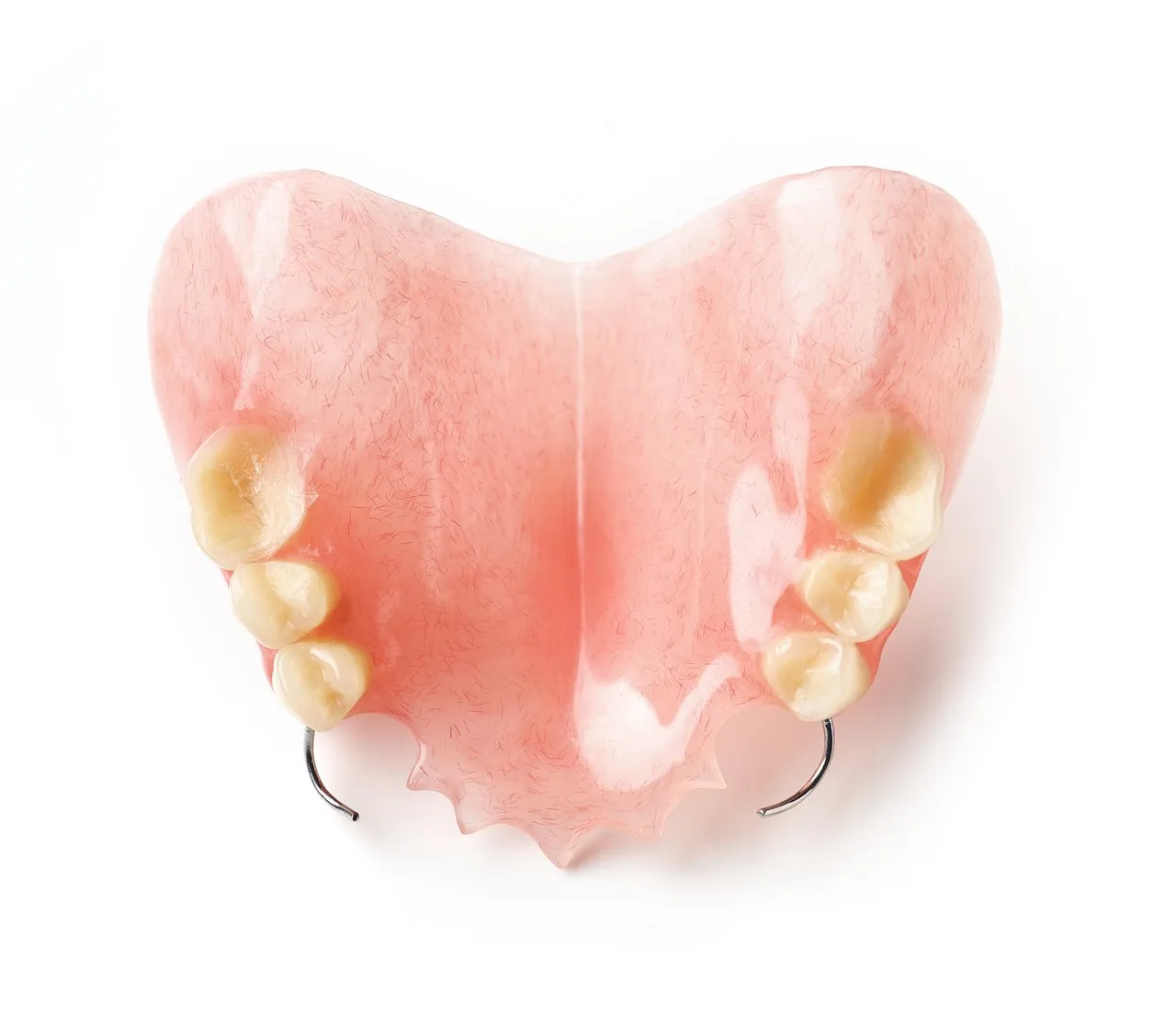
1. Full denture (Complete denture) A full denture is a type of removable dental prosthesis used when all the teeth in a jaw are missing. This type of denture covers the entire jaw. It enables you to eat and speak normally again. A full denture consists of a gum-coloured plastic material and teeth made from plastic or ceramic. An important aspect of the full denture is the palatal plate, which is a crucial part of the replacement. It holds the denture in place and helps improve its functionality. The full denture makes chewing and speaking easier. When fitting a full denture, it is crucial that the denture fits well. Otherwise, it may slip while you are speaking or eating. 2. Partial denture A partial denture is used when only some teeth in the jaw are missing. It consists of a sturdy plastic framework to which artificial teeth are attached. The partial denture can be attached to natural teeth as well as dental implants. This ensures better retention. Unlike a full denture, a partial denture only fills the gaps between the remaining teeth. This is why a partial denture is smaller than a full denture. Partial dentures are a common solution for people who have lost only a few teeth and do not want a fixed solution. They are a more flexible and less expensive option compared with fixed bridges. 3. Removable denture for a single tooth If only one tooth is missing, a removable single-tooth denture can be used. This type of dental prosthesis is particularly advantageous because it offers a simple, quick and inexpensive solution. A single-tooth denture usually consists of a plastic material that is attached to the neighbouring teeth. Single-tooth dentures are particularly suitable when a tooth has been lost but the neighbouring teeth are healthy. They can usually be removed and reinserted without any problems. 4. Removable partial dentures This type of dental prosthesis is a combination of full and partial dentures. They can replace individual teeth or several teeth. This type of denture is suitable for patients who do not have significant tooth loss. Removable partial dentures are often used when the remaining teeth are still strong enough to support the denture. Partial dentures offer a high degree of flexibility, as they can be used in different parts of the dentition. The neighbouring teeth provide support. They can be made from either plastic or metal, depending on the patient's needs.
Benefits of removable dentures
Removable dentures offer a wide range of benefits for people who need to replace missing teeth. One of the greatest benefits is their flexibility. Patients can easily remove their dentures to clean them or care for their gums. This flexibility makes oral hygiene easier to manage than with fixed dental prostheses. Another benefit is how easy they are to fit. Compared with fixed dental prosthetic solutions such as dental implants or bridges, removable dentures are quicker and less expensive to obtain. The manufacture of a removable denture requires less invasive procedures and a shorter treatment period. A removable denture can also be a less expensive option, particularly for patients who do not have access to expensive implants or bridges. It offers an effective way to restore the appearance and functionality of the dentition.
Problems with removable dentures
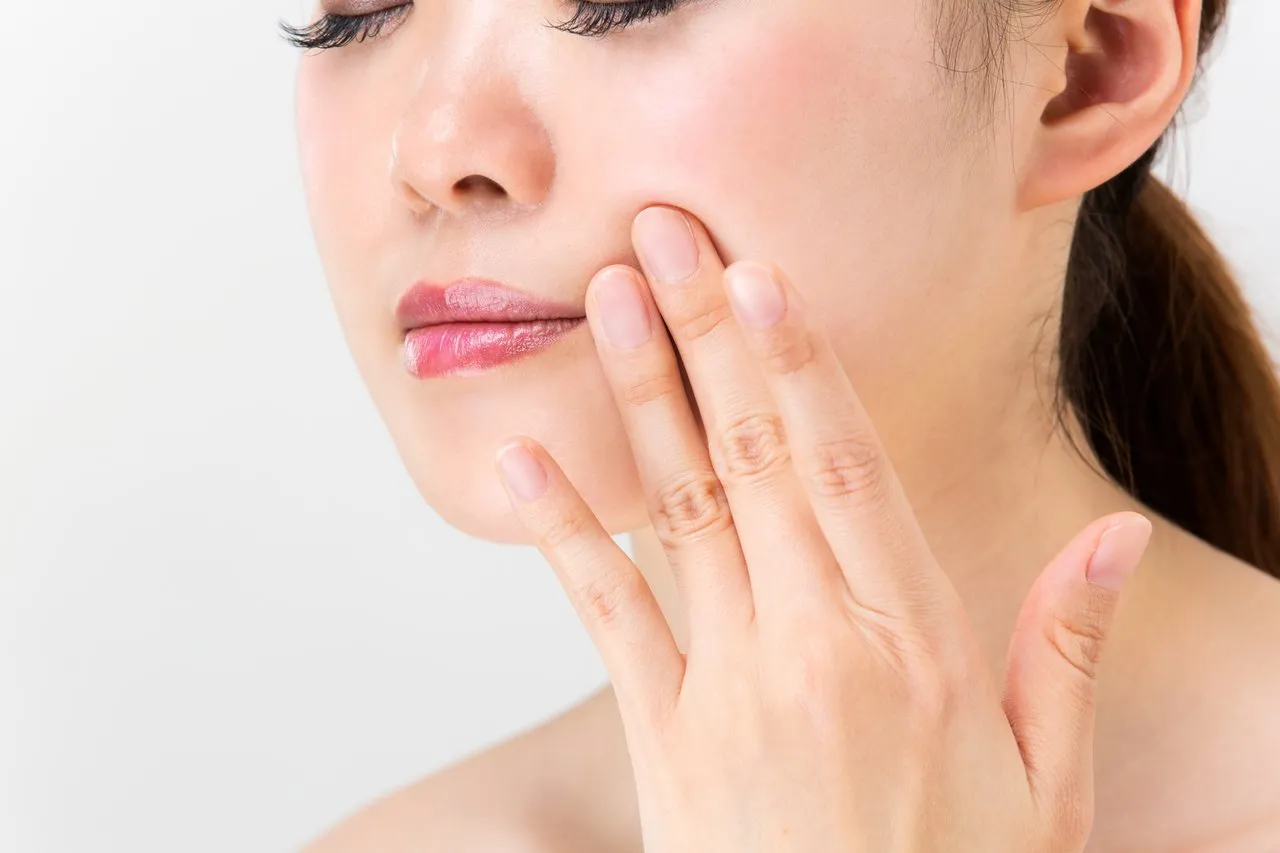
Despite their many benefits, removable dentures can also cause some problems. A common problem is pressure sores or gum irritation, especially if the denture does not fit properly. In such cases, inflammation can develop and affect the patient's quality of life. Another problem is the denture slipping. This can occasionally happen, especially with full dentures that are not securely attached to natural teeth. Special denture adhesives or implants can help improve retention. It can also take some patients a while to get used to their dental prosthesis. At first, chewing and speaking may feel unfamiliar. However, this is completely normal.
Frequently asked questions (FAQ) about removable dentures
Removable dentures are a type of dental prosthesis that patients can remove and reinsert themselves. They are used to replace missing teeth and are usually made from plastic or ceramic.
Removable dentures are necessary when teeth are missing and a simple, flexible solution is wanted to restore dental function. They are often used for missing teeth in the upper or lower jaw.
A denture with a palatal plate is a full denture. The palatal plate covers the entire palate to ensure that the denture stays in place in the upper jaw.
A removable denture for a single tooth consists of a prosthesis that is attached to the neighbouring teeth. This replaces the missing tooth.
There are full dentures, partial dentures and removable single-tooth dentures, which are used according to the patient's needs and the number of missing teeth.
Fitting a removable denture can generally take several appointments. This ensures that the denture fits properly and does not cause any discomfort.
Removable dentures should be cleaned daily. Rinse them with lukewarm water and clean them with a special toothbrush. A special denture cleaning product can also be used.
Yes, removable dentures can largely restore chewing function, although they may not offer the same stability as natural teeth or fixed dental prosthetic solutions.
Using denture adhesive or having implants placed can help improve the denture's retention.
In Germany, your health insurance provider will usually cover part of the cost of removable dentures, particularly if they are medically necessary. It is advisable to find out about the exact costs and reimbursement in advance.
Book your appointment now
We would be happy to advise you in person at our practice.