
Rotten teeth: causes, symptoms and treatment
Healthy teeth are an important part of our general well-being and quality of life. But what happens when teeth start to rot or even decay? The term describes a condition in which teeth are severely damaged by tooth decay or other harmful processes....
Über 350 Google-Bewertungen
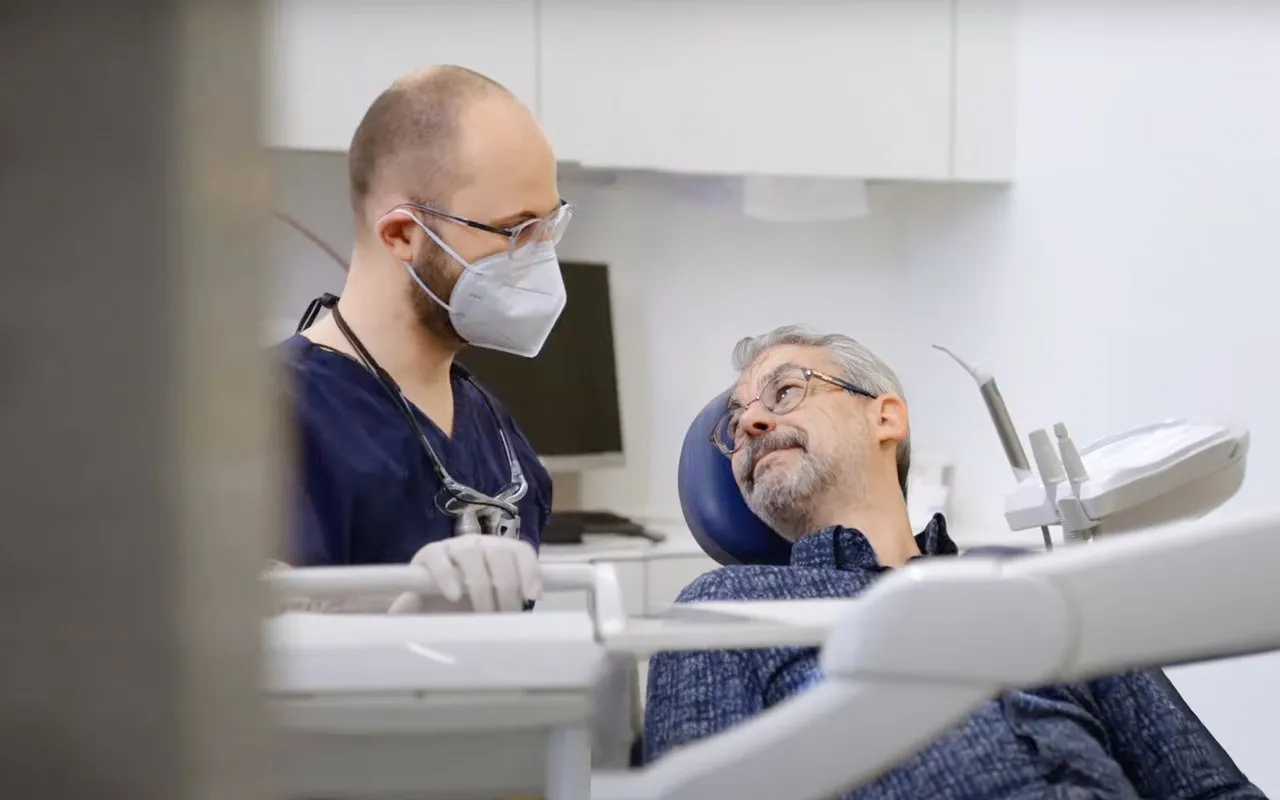
What are rotten teeth?
This is a colloquial expression referring to teeth that have been severely damaged by tooth decay. Tooth decay is one of the most common causes of teeth rotting or falling apart. This dental disease develops when bacteria convert sugar and other carbohydrates from food into acids. These then attack the tooth enamel. If tooth decay is left untreated, it can penetrate deep into the tooth and lead to a rotten tooth. However, there are also other reasons why teeth are destroyed. Poor oral hygiene, an unhealthy diet, smoking or neglecting dental visits can also lead to tooth decay.
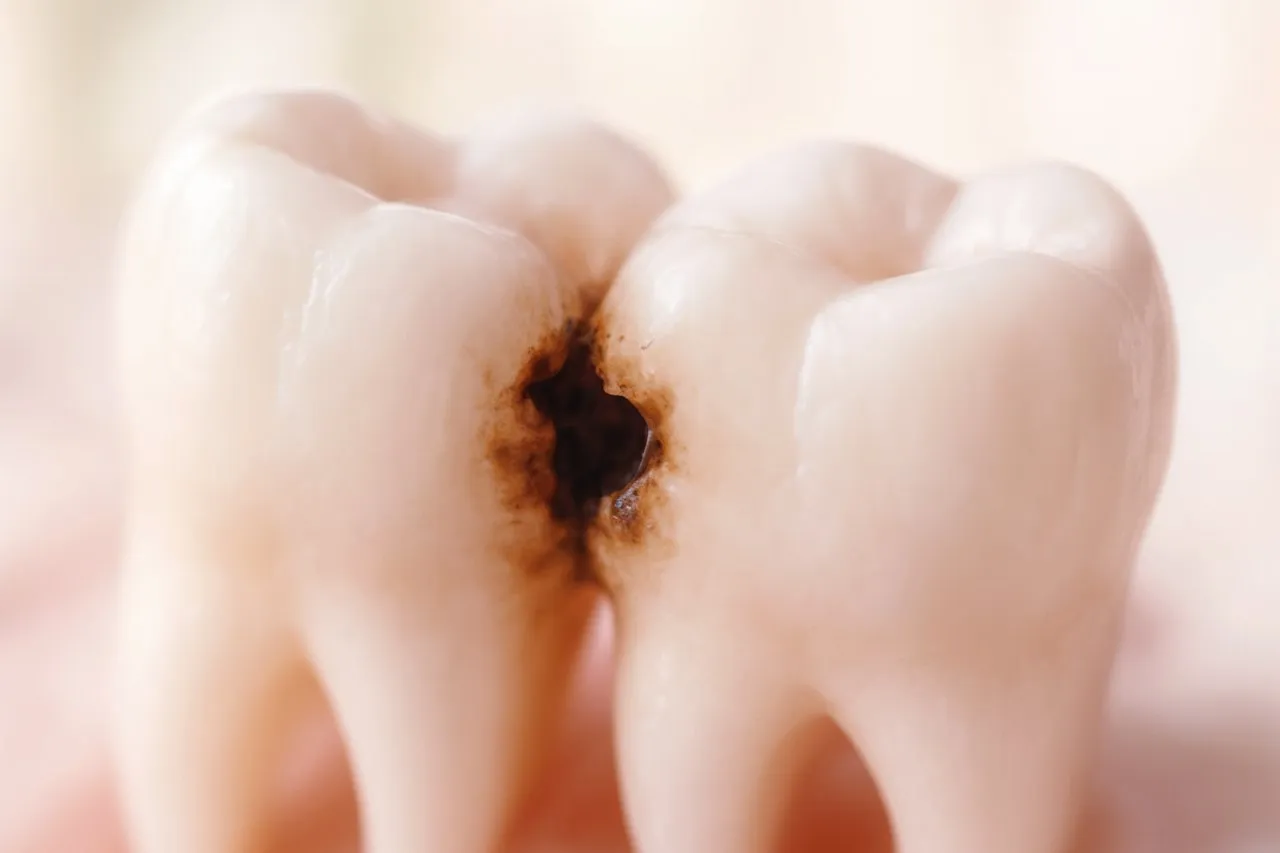
Causes of damaged teeth
Rotten teeth often result from a vicious circle of an unhealthy diet, poor oral hygiene and inadequate dental care. The most common causes include: 1. Tooth decay: The main cause of rotten teeth is tooth decay. Bacteria in the mouth produce acids that attack the tooth enamel and eventually destroy the tooth itself. 2. Poor oral hygiene: If food debris and plaque regularly remain on the teeth, bacteria can multiply rapidly. This leads to tooth decay and the resulting damage to the teeth. 3. Sugary diet: Sweet foods encourage the growth of bacteria that produce acids and attack the tooth. A sugary diet can promote the development of tooth decay and therefore rotten teeth. 4. Smoking: Tobacco smoke contributes to the build-up of plaque on the teeth and changes the pH level in the mouth. This increases the risk of tooth decay. 5. Neglecting dental visits: Regular dental check-ups are important for detecting problems early. Without professional examinations, even minor tooth damage can develop into major problems.
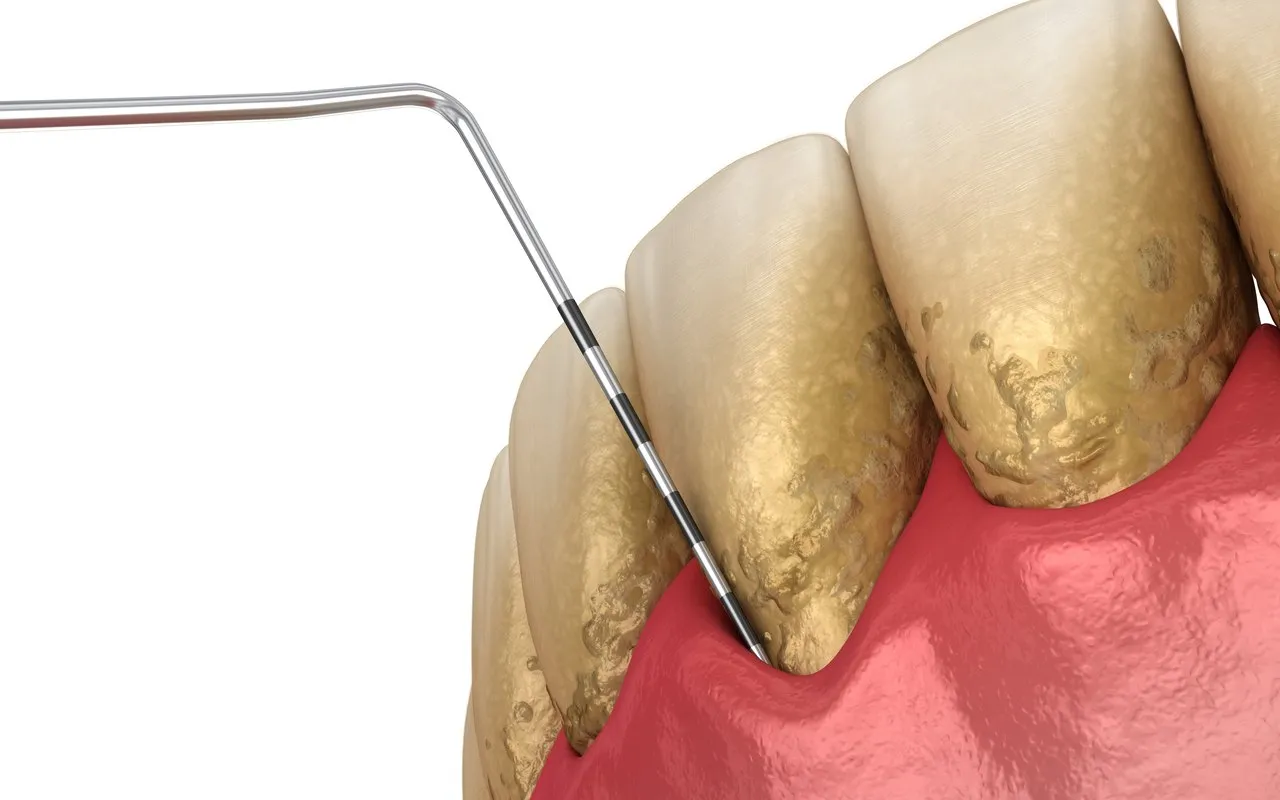
Symptoms of a rotten tooth
The symptoms of rotten teeth depend on how far the tooth decay has progressed and the extent of the damage to the tooth. The most common signs include: 1. Tooth discolouration: Rotten teeth often start to turn yellowish or brown. This may be due to the breakdown of tooth enamel and the formation of plaque and bacteria. 2. Pain: A rotten tooth can become painful, especially if the decay has penetrated deep into the tooth. Pain is often caused by inflammation or infection inside the tooth. 3. Sensitivity: When a tooth begins to decay, it may become sensitive to hot, cold or sweet things. 4. Gum inflammation: Rotting teeth can irritate the gums, which may lead to swelling and bleeding. 5. Broken teeth: In advanced cases, a rotten tooth may break. This often happens because the tooth has been destroyed by decay. 6. Putrid odour: In some cases, rotten teeth develop an unpleasant, putrid smell. This is often the result of bacteria that have accumulated in the tooth cavity. 7. Tooth loss: If rotting teeth are not treated, they may become completely rotten or break. This leads to tooth loss and the need for replacement teeth.

What happens when teeth rot?
When teeth rot, a variety of health problems can arise. First, the tooth becomes increasingly prone to fractures and cracks, making it harder to preserve. In advanced stages, an infection can develop and spread to the surrounding tissue. These infections not only cause toothache, but can also affect the gums and jawbone. This, in turn, can cause serious complications. A decayed tooth can also increase the risk of mould developing in the mouth. Bacteria and fungi thrive in the moist, damaged environment surrounding the growing tooth.
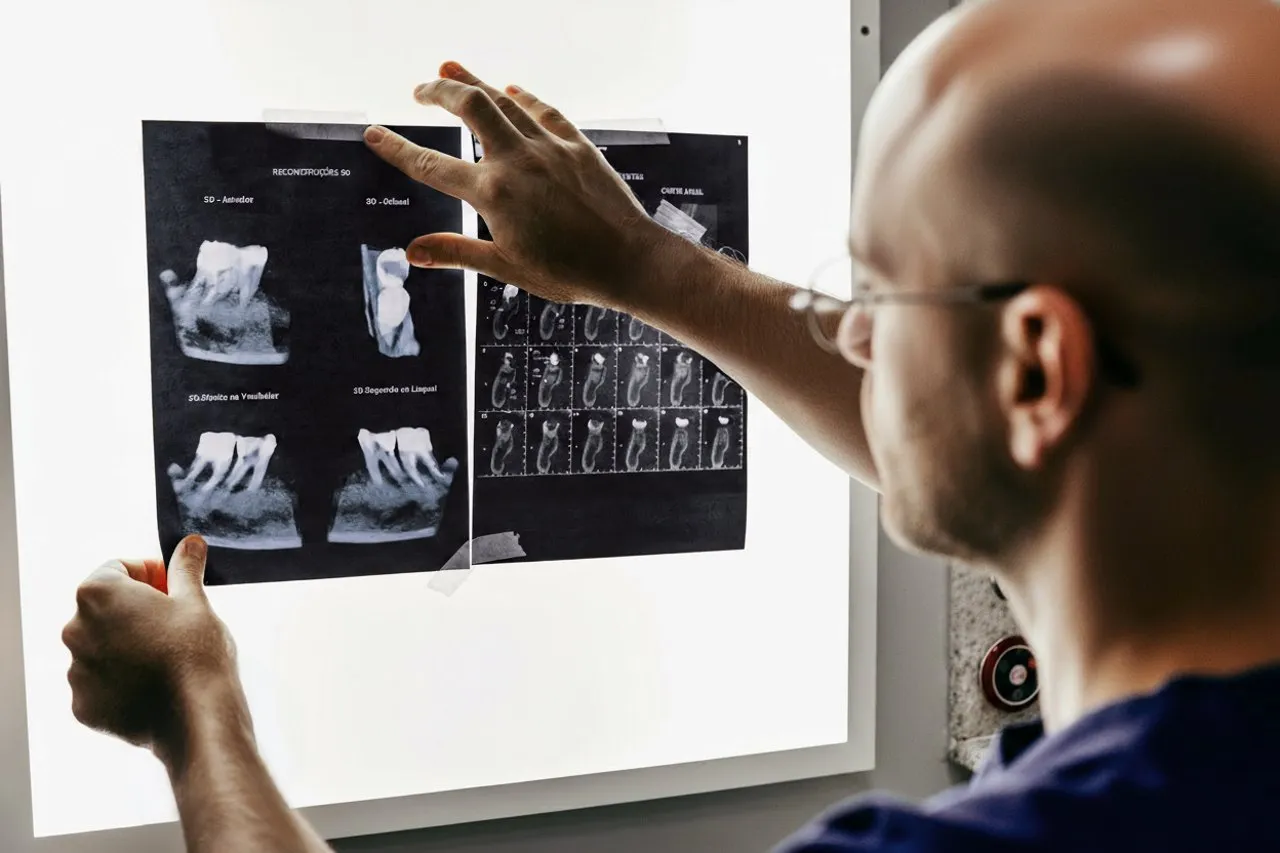
Treating rotten teeth
The treatment of rotten teeth depends on the severity of the damage. If a rotten tooth is not causing pain, treatment can be carried out early to prevent it from getting worse. Common treatment options include: 1. Fillings: For a damaged tooth or tooth decay, a filling can be used to restore the tooth. 2. Root canal treatment: If the tooth is already severely damaged and the dental nerve is affected, root canal treatment may be necessary. This can increase the chance of saving the tooth. 3. Crown: For severely damaged teeth, a dental crown is often used. This stabilises the tooth and restores its function. 4. Tooth replacement: For severely decayed teeth, a replacement such as a bridge or implant may be necessary.
FAQs about rotten teeth
The main causes are tooth decay, poor oral hygiene, a sugary diet, smoking and neglecting dental visits.
Symptoms such as toothache, tooth discolouration, sensitivity, gum inflammation and a putrid smell may indicate a rotten tooth.
Yes, a rotten tooth can develop without pain, particularly in the early stages of tooth decay.
Depending on the severity of the damage, treatment with fillings, root canal treatment, a crown or tooth replacement may be necessary.
A rotten tooth cannot regenerate, but early treatment can save the tooth.
Untreated rotting teeth can lead to tooth loss, infections and even serious health problems.
Adults often have rotten teeth due to many years of neglecting dental hygiene, a poor diet or years of sugar consumption.
Good oral hygiene, regular dental check-ups and a balanced diet are the best preventive measures.
Symptoms include pain, sensitivity, tooth discolouration, swelling and sometimes an unpleasant smell.
It is not possible to give a general estimate here. Treatment costs vary considerably depending on your needs. We will provide detailed advice at our practice.
Book your appointment now
We would be happy to advise you in person at our practice.