Tooth sensitive after root canal treatment – what to do
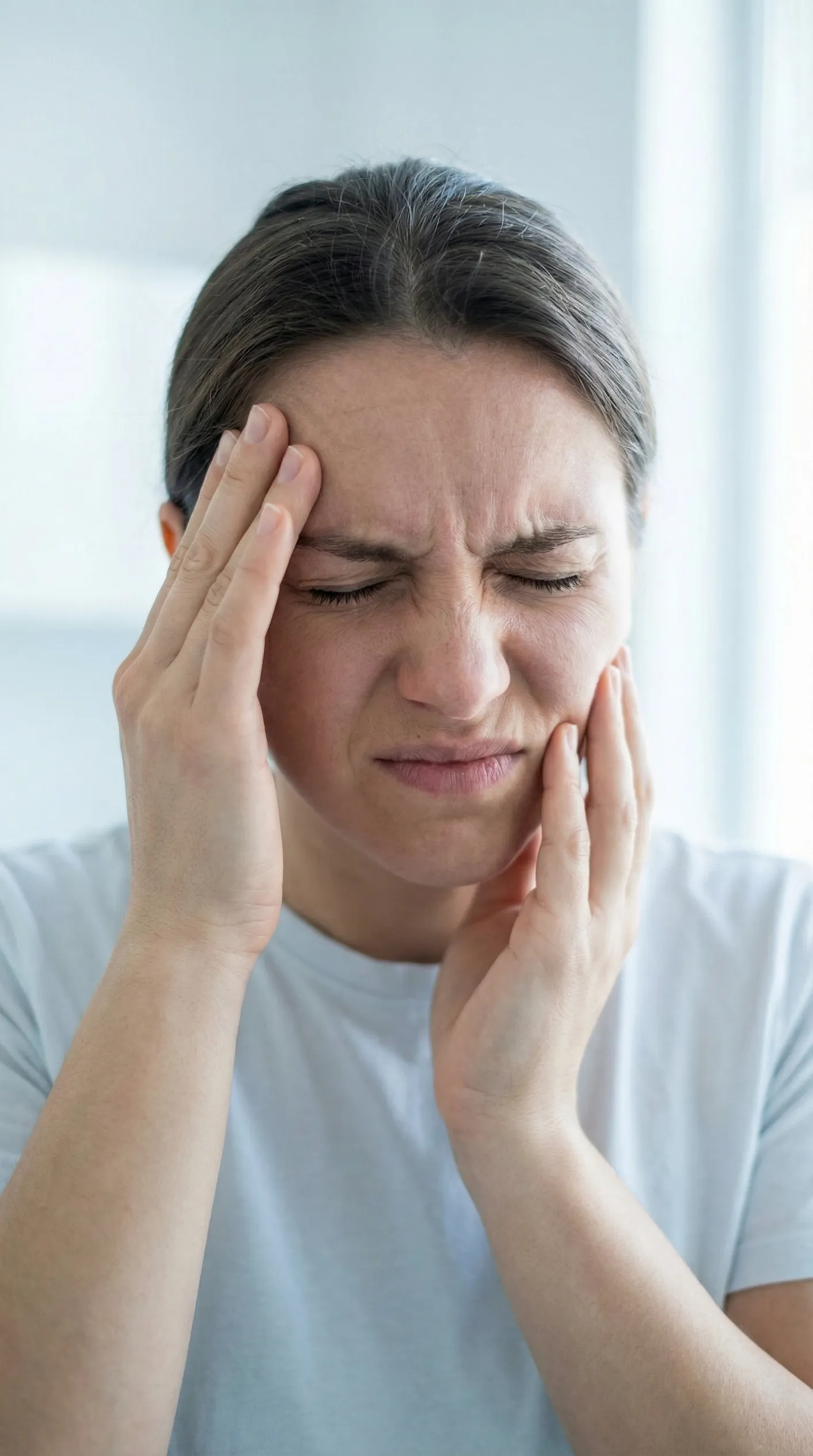
Temporary sensitivity or pain on pressure can occur after root canal treatment. The tissue around the root often remains reactive following cleaning and filling. However, worsening or persistent symptoms or swelling require prompt examination by a dentist.
Über 350 Google-Bewertungen
Why is the tooth sensitive after root canal treatment?
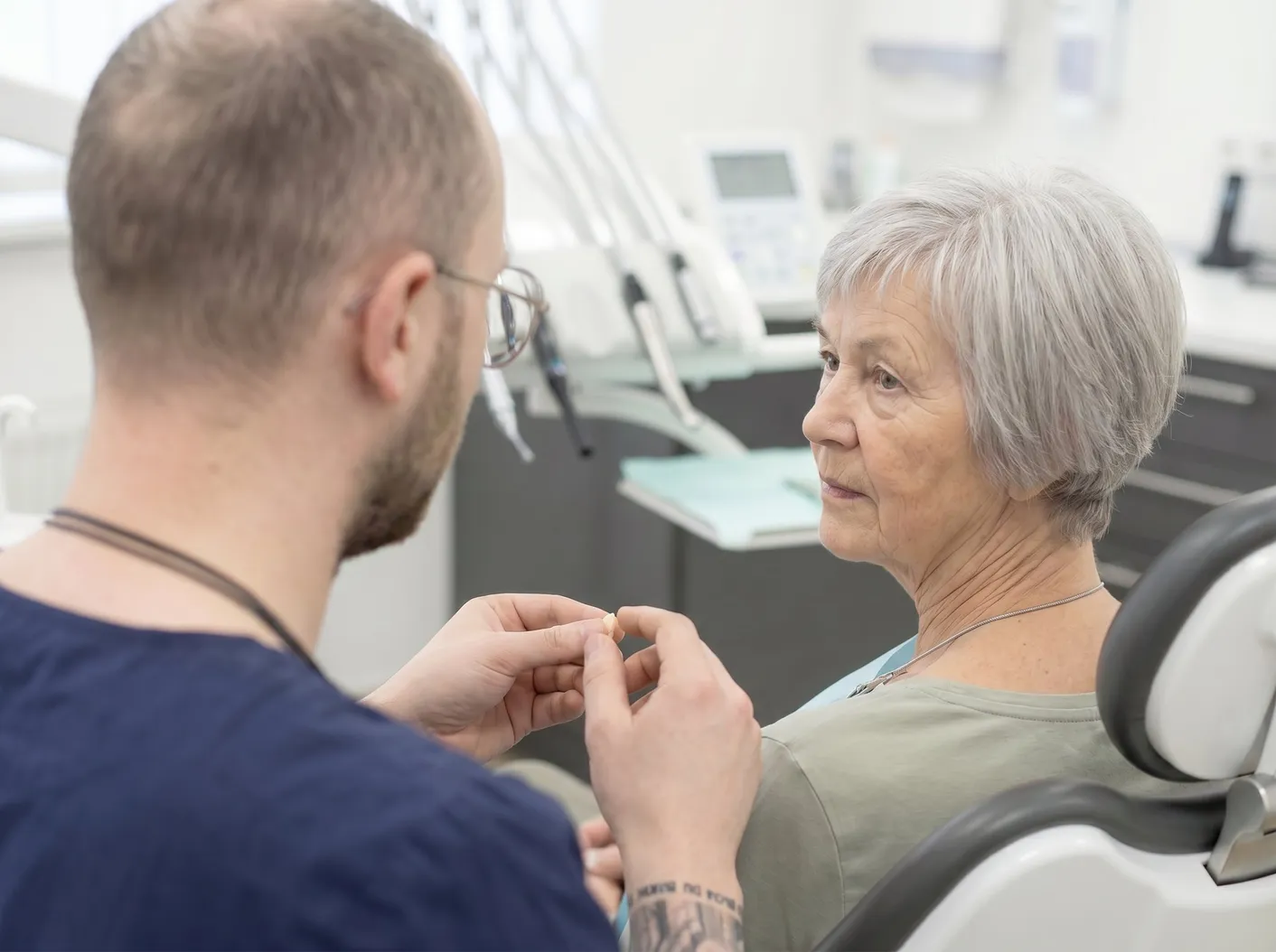
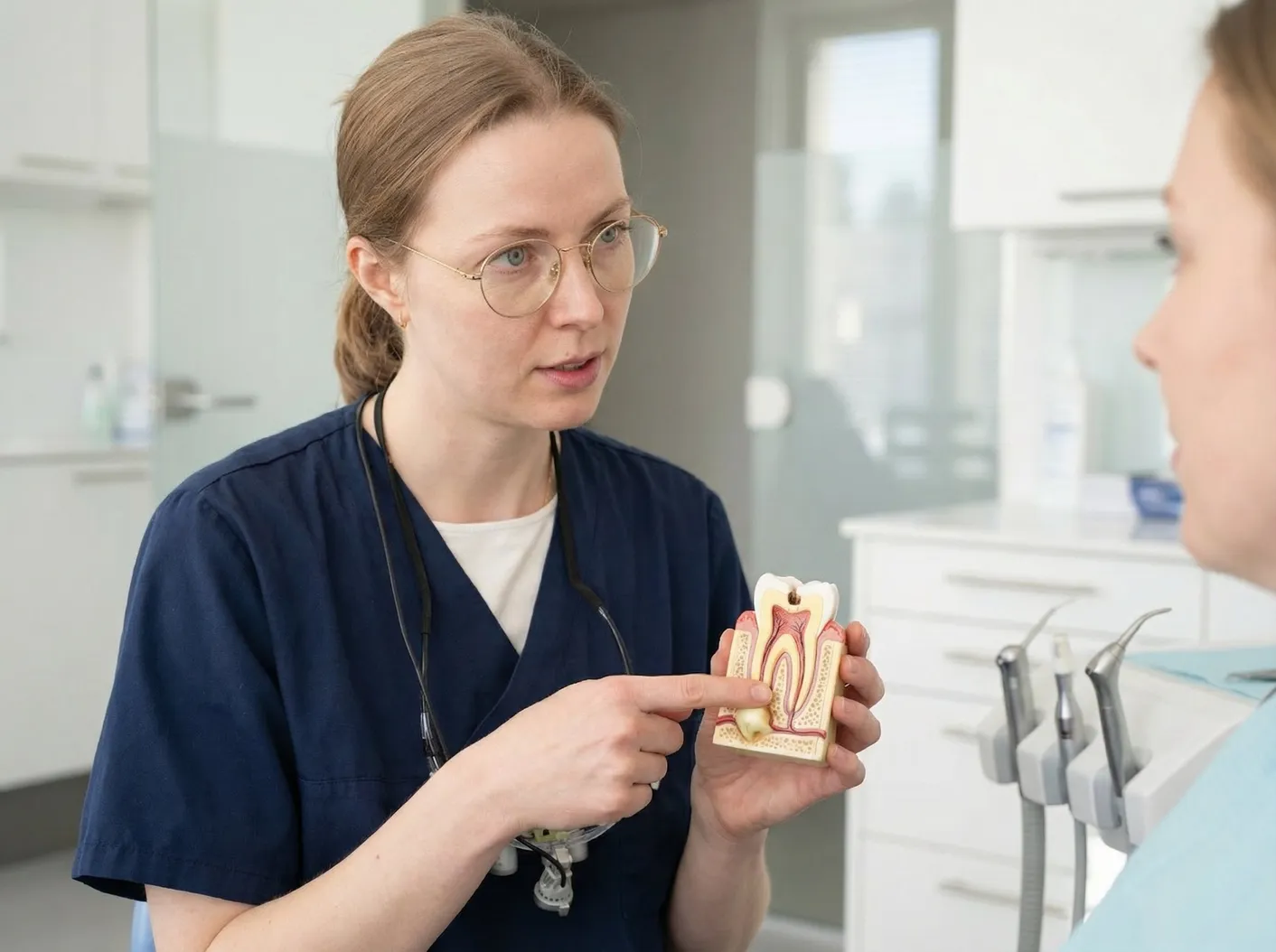
During root canal treatment, the dentist removes inflamed or dead tissue. The fine canals are then cleaned, disinfected and sealed tightly. The treated dental nerve can then no longer transmit normal sensations.
Nevertheless, the tissue around the root tip remains sensitive. Instruments and irrigation solutions can temporarily irritate this area. The previous inflammation also needs time to heal.
This often causes pain when biting after root canal treatment. If the tooth is sensitive when chewing, the tissue around the root may be irritated. The individual healing time depends on the initial findings.
How to assess pain on pressure after root canal treatment
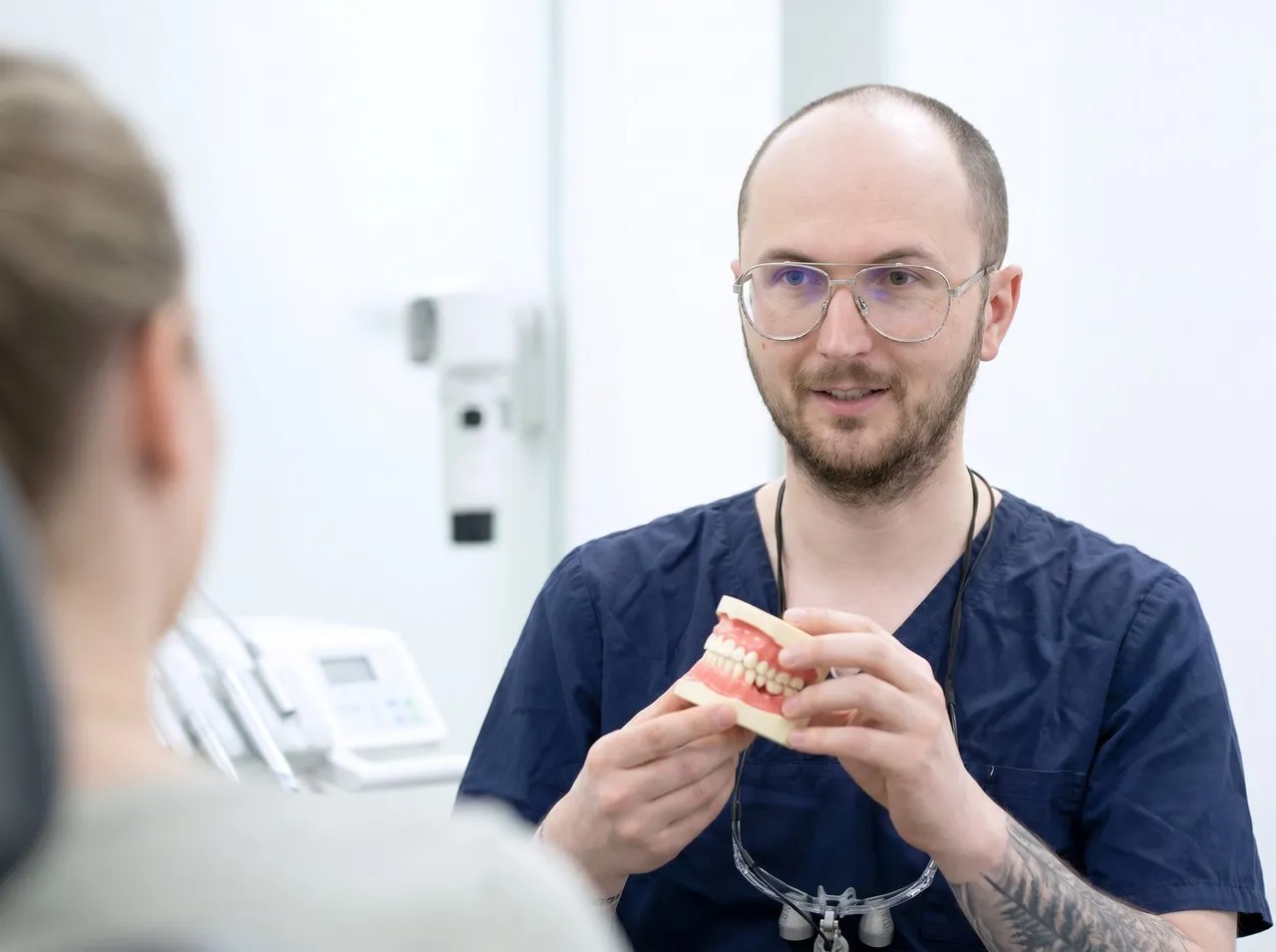
Mild pain on pressure after root canal treatment can be part of a normal post-treatment reaction. It is particularly common when chewing firm foods. Even gentle tapping can temporarily irritate the tooth.
Sometimes the filling or temporary crown is slightly too high. The tooth then receives excessive contact when you bite together. This pressure keeps the tissue around the tooth root irritated.
A small bite adjustment can significantly relieve the affected tooth. To do this, the practice checks all contact points using special articulating film. The adjustment usually takes only a few minutes.
How long can a root-treated tooth remain reactive?
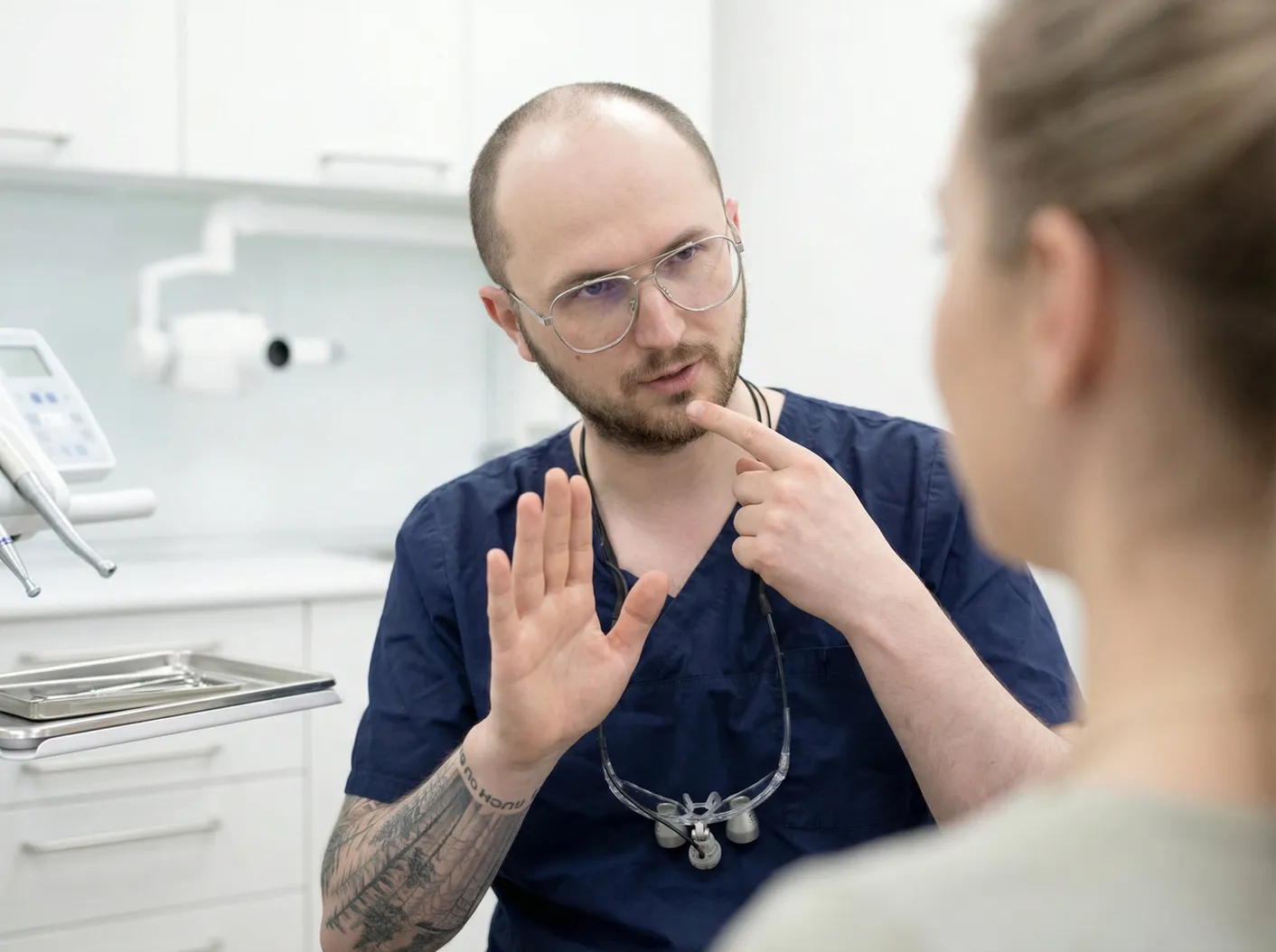
Pain after root canal treatment cannot be assessed on the basis of a fixed number of days. Temporary sensitivity or pain on pressure can occur. The key factors are the nature of the pain, any accompanying symptoms and, above all, how it develops.
If there was severe inflammation beforehand, healing may take longer. Complex root canals can also affect aftercare. Regular check-ups show whether the bone is healing as expected.
If symptoms remain significant, an examination is advisable. The same applies to symptoms that return after a quiet period. Such changes should not simply be monitored over the long term.

Tooth sensitive to cold or heat
A tooth that has undergone complete root canal treatment normally no longer has any sensitive pulp. A reaction to cold therefore often comes from neighbouring areas. Possible causes include exposed tooth necks, leaking fillings or neighbouring teeth.
Treatment that has not yet been completed can also explain temperature sensitivity. Rare additional canals may also play a role. A targeted examination identifies the site responsible.
Patients should note exactly which stimulus triggers their symptoms. The duration, intensity and spread of the reaction are important. This information makes it easier for the dentist to diagnose the problem.
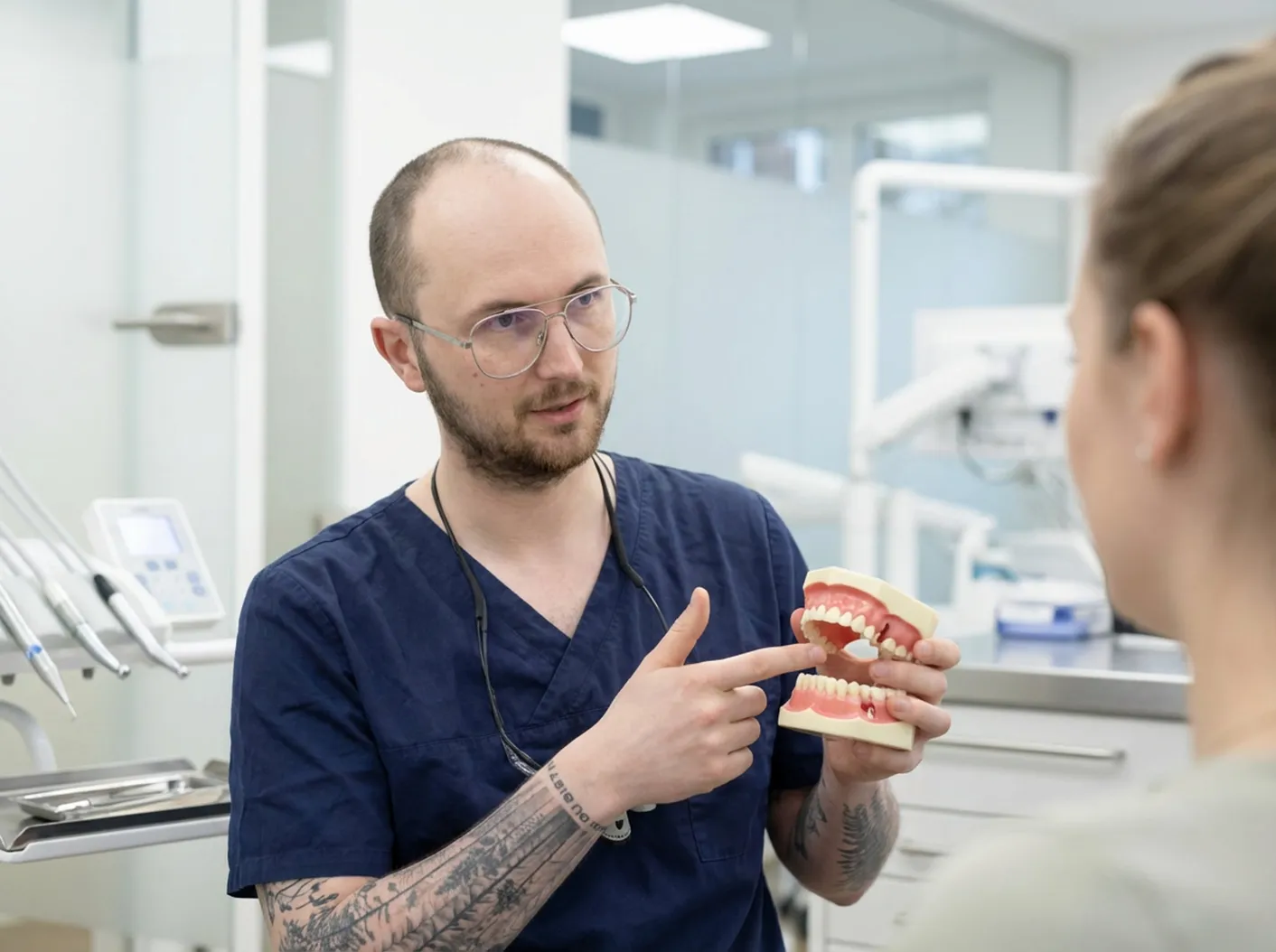
Possible causes of persistent symptoms
A root-treated tooth sometimes hurts because bacteria remain. Very narrow or severely curved canals make complete cleaning difficult. Undetected side canals can also perpetuate inflammation.
Leaking fillings or crowns can allow germs to enter again later. Cracks in the tooth can also cause pain when chewing. A root fracture significantly changes the subsequent treatment.
The cause is not always directly in the treated tooth. Neighbouring teeth, chewing muscles or the temporomandibular joint can cause referred pain. This is why comprehensive diagnostics are particularly important.
Warning signs after root canal treatment
Increasing swelling should be examined promptly by a dentist. The same applies to fever, discharge of pus or significant facial swelling. Restricted mouth opening also requires rapid assessment.
Very severe symptoms despite recommended medication are also a warning sign. A sudden feeling that the tooth has become longer is also relevant. This may be due to an acute inflammatory reaction.
Immediate medical help is required for breathing problems or rapidly increasing swelling. Such developments are rare but can become serious. Early treatment limits possible complications.

Diagnosis at Wunschlachen in Berlin
We first discuss when your symptoms began, how they have developed and what triggers them. We then examine the tooth, gums and bite. Tapping, pressure and biting tests provide important clues.
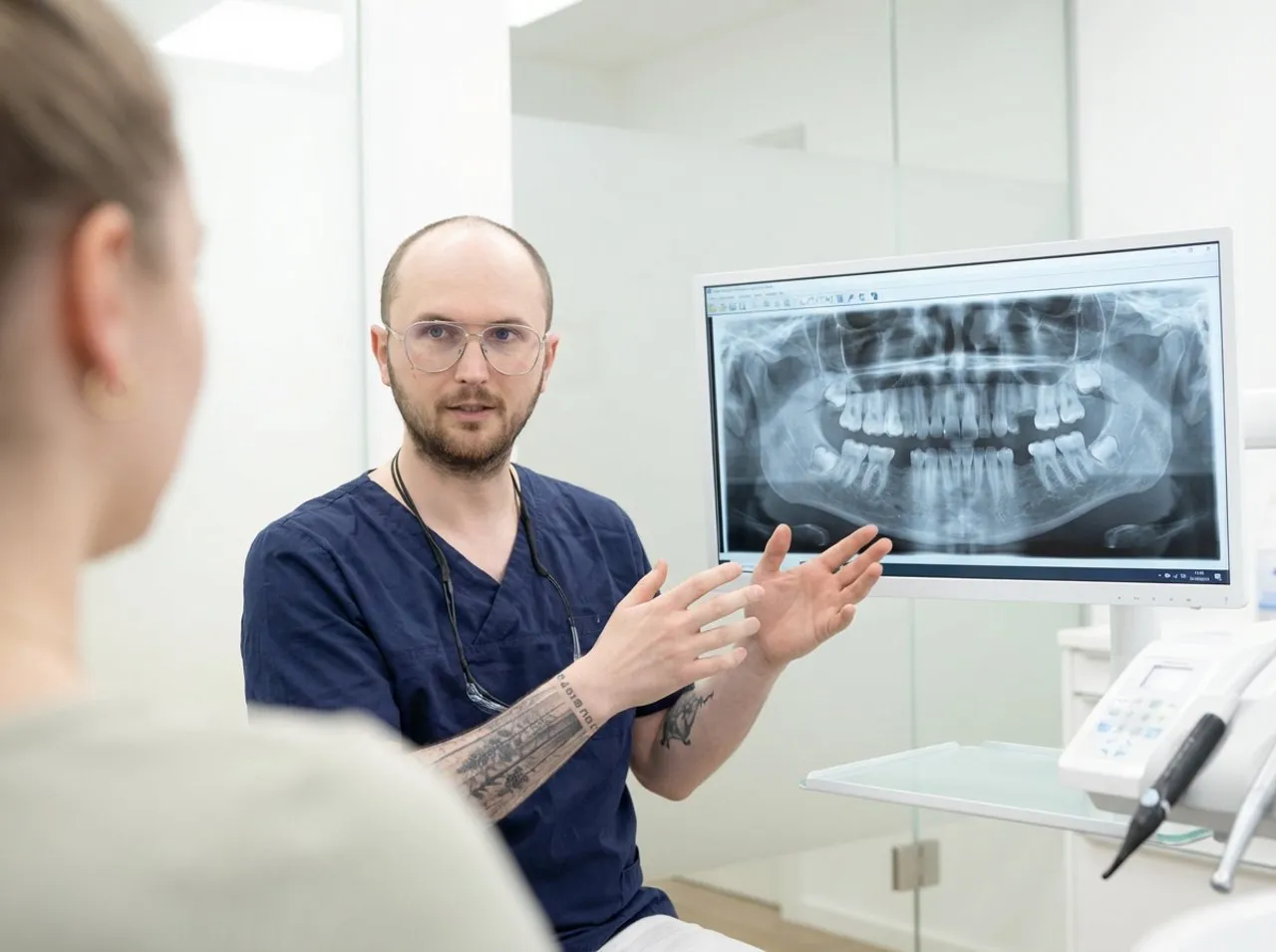
X-rays show the root filling, bone and possible signs of inflammation. A three-dimensional scan may be useful for complex findings. It supports the planning of difficult further procedures.
We also examine neighbouring teeth and existing dental restorations. This makes it easier to identify other sources of pain. We then explain the findings clearly and transparently.
Treating a sensitive root-treated tooth
With a normal healing reaction, careful monitoring is often sufficient. The tooth should not be subjected to heavy pressure in the meantime. Soft food can make chewing easier temporarily.
A filling or crown that is too high can be adjusted precisely. Leaking restorations may need to be resealed. This reduces the risk of bacteria entering again.
If the infection persists, a repeat root canal treatment may be considered. The old materials are removed and the canals are cleaned again. A new root filling is then placed, sealing the canals as tightly as possible.
Sometimes root-end resection is a suitable alternative. This involves surgically removing inflamed tissue at the root tip. In some cases, teeth that cannot be preserved have to be removed.
What to do and aftercare following treatment
Follow the individual instructions provided by your dental practice. Only take medication as recommended by your doctor.
Taking antibiotics on your own initiative is not an appropriate solution. Initially, chew on the other side wherever possible. Avoid very hard foods until the final restoration is in place. A temporary filling needs particular protection.
Continue to take good care of your teeth and gums. Check-up appointments are particularly important for aftercare following root canal treatment. This allows changes to be detected early.
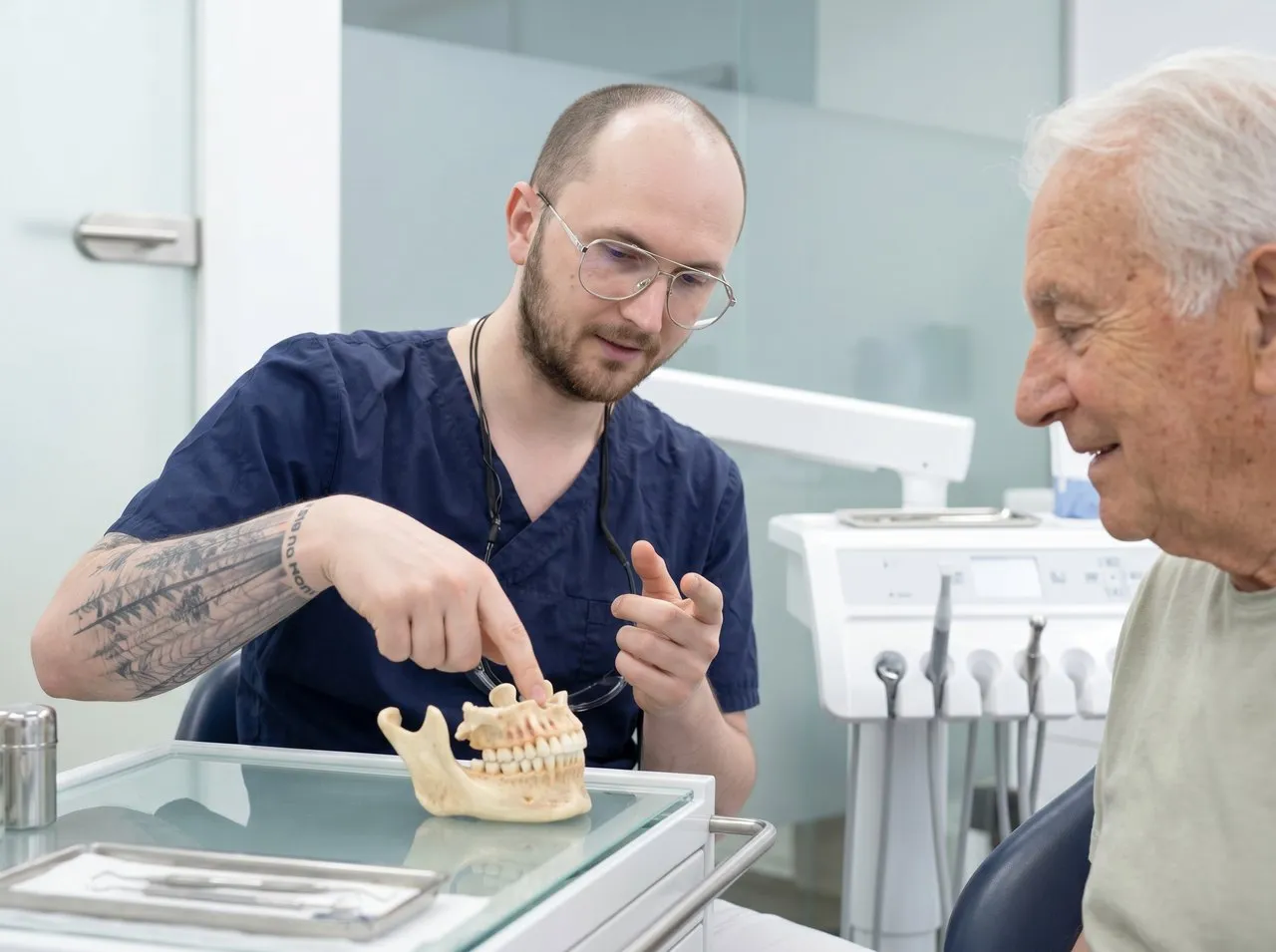
Have a sensitive tooth examined at Wunschlachen
Several causes are possible if a tooth is sensitive after root canal treatment. Often, it is simply due to temporary irritation. However, persistent or worsening symptoms require an accurate diagnosis.
At Wunschlachen in Berlin, we assess the tooth, root and bite together. Modern diagnostics support targeted treatment planning. Book an appointment for a personal assessment.