Supporting implant healing: promoting recovery in a targeted way
• Healing determines an implant's stability and long-term success. • You can support healing through hygiene, protecting the area and controlled loading. • The upper and lower jaws differ in bone quality and healing time
Über 350 Google-Bewertungen

Why healing around an implant is so important
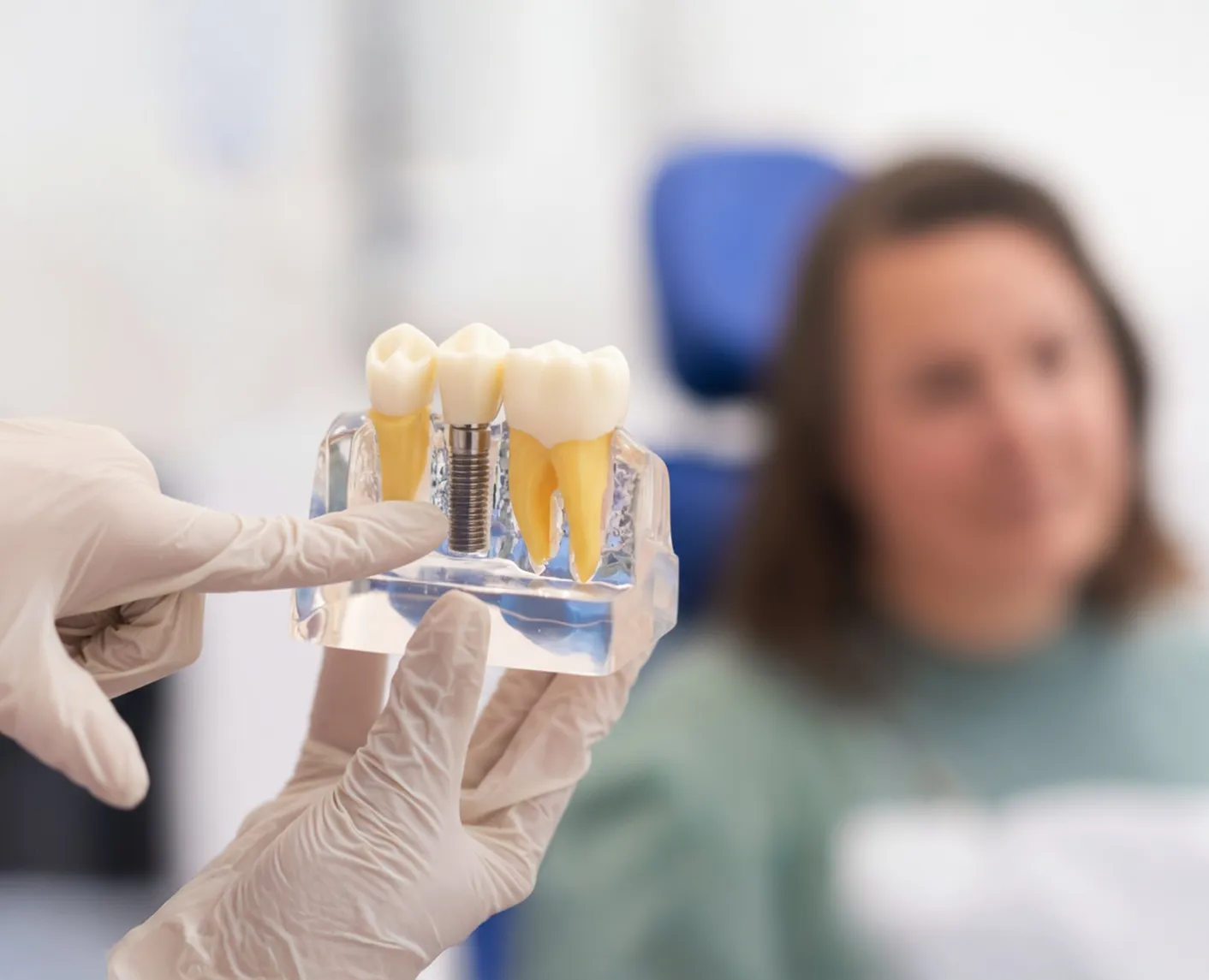
An implant is firmly anchored in the bone. This process is called osseointegration. Bone grows directly onto the surface. This creates long-term stability. Problems during this phase can jeopardise retention. Early loading, inflammation and nicotine are among the risks. General health conditions also play a role.
What happens in the tissue after the procedure
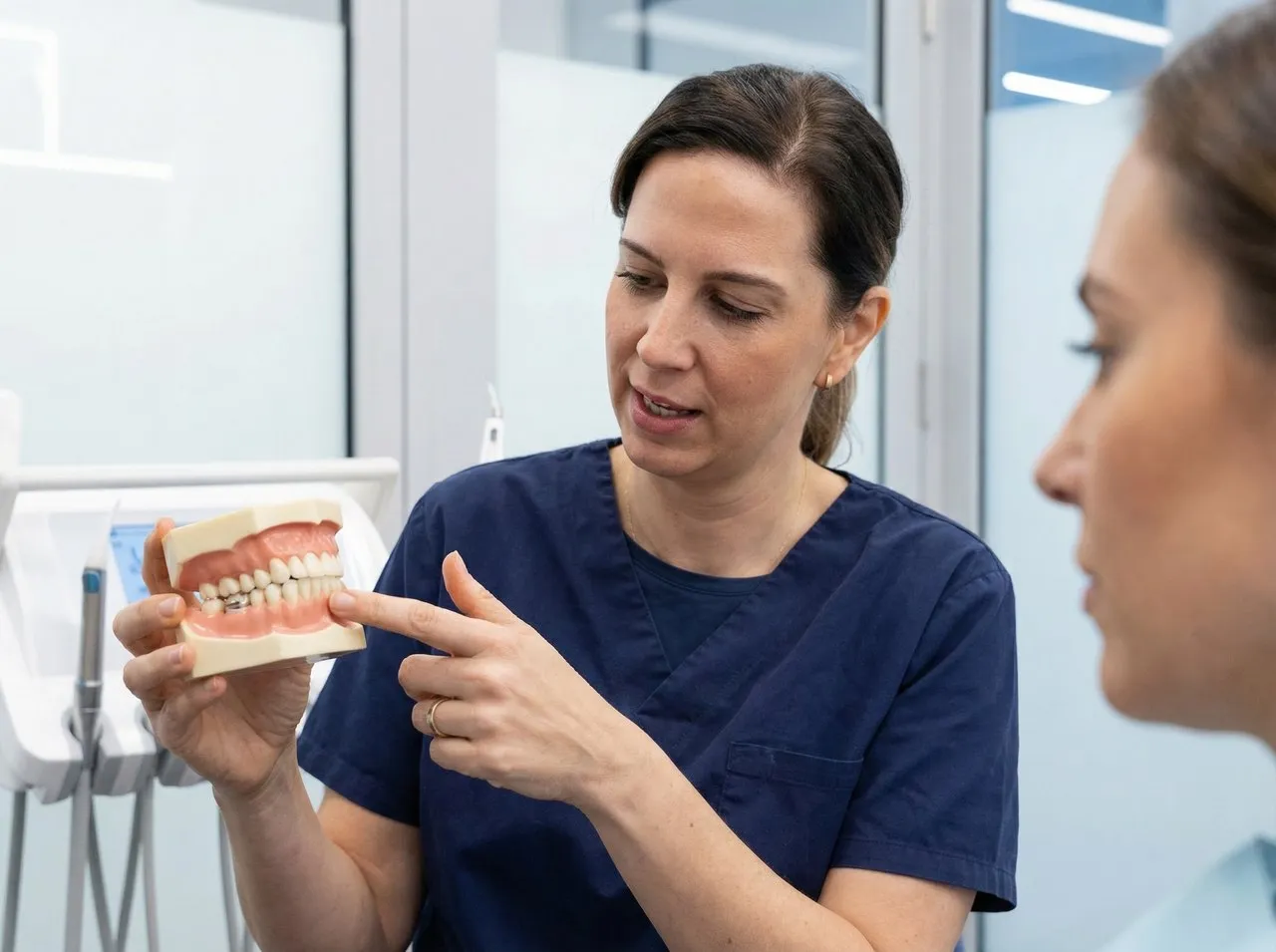
Once the implant has been placed, a small wound forms. Blood clots protect the surgical site. New connective tissue then forms. Over the following weeks, the bone matures around the implant. The cells begin by remodelling the tissue. Later, the bone gradually becomes denser.
Supporting implant healing: the most important measures
Consistent oral hygiene reduces the bacterial load. This reduces the risk of peri-implantitis. Undisturbed wound healing is also essential. Avoid unnecessary pressure on the area. Chew on the opposite side at first. Hard foods should be avoided initially. Keep all follow-up appointments exactly as scheduled. This allows us to detect early signs in good time. Small adjustments often prevent bigger problems.
Oral hygiene during the healing phase
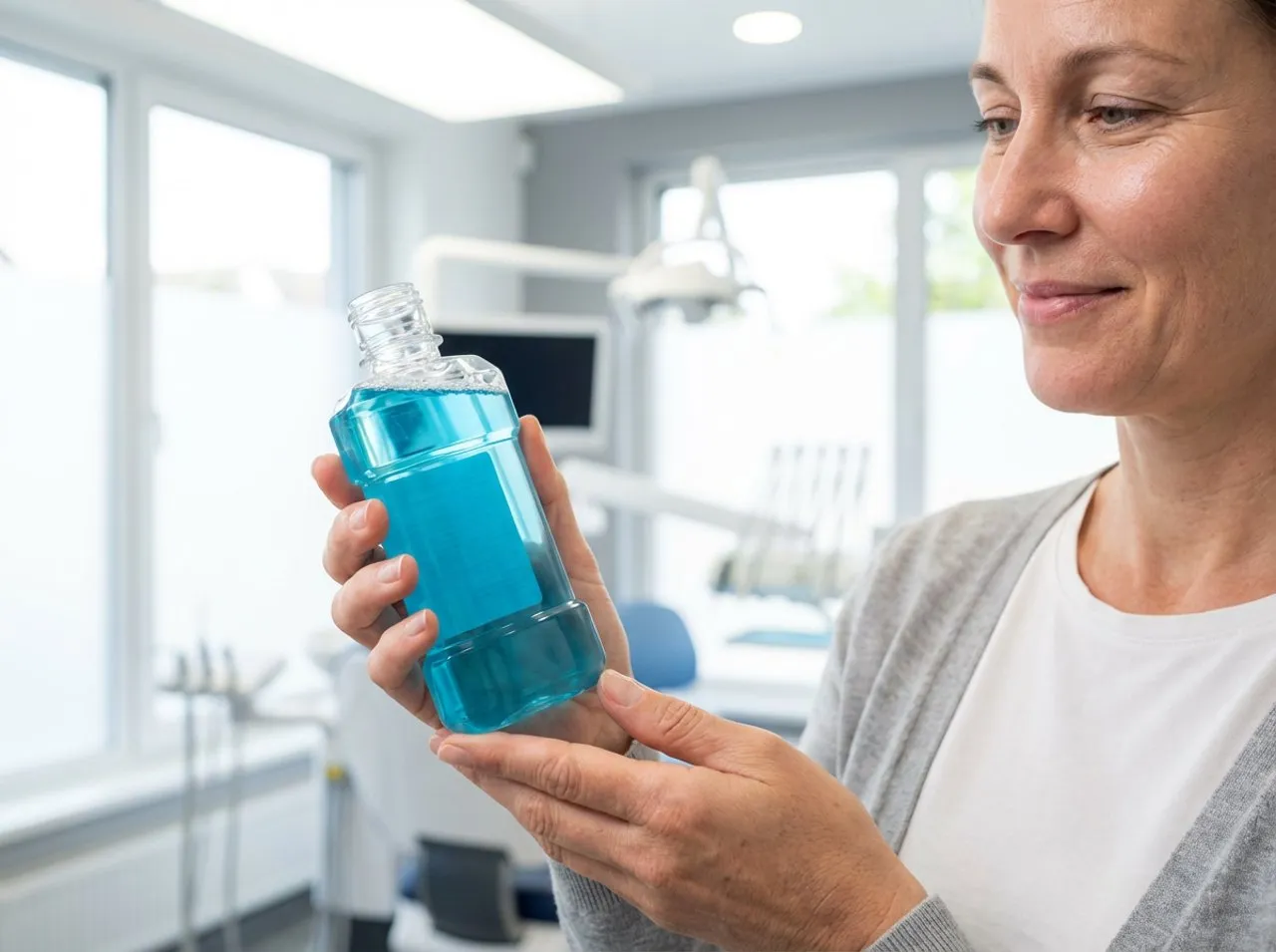
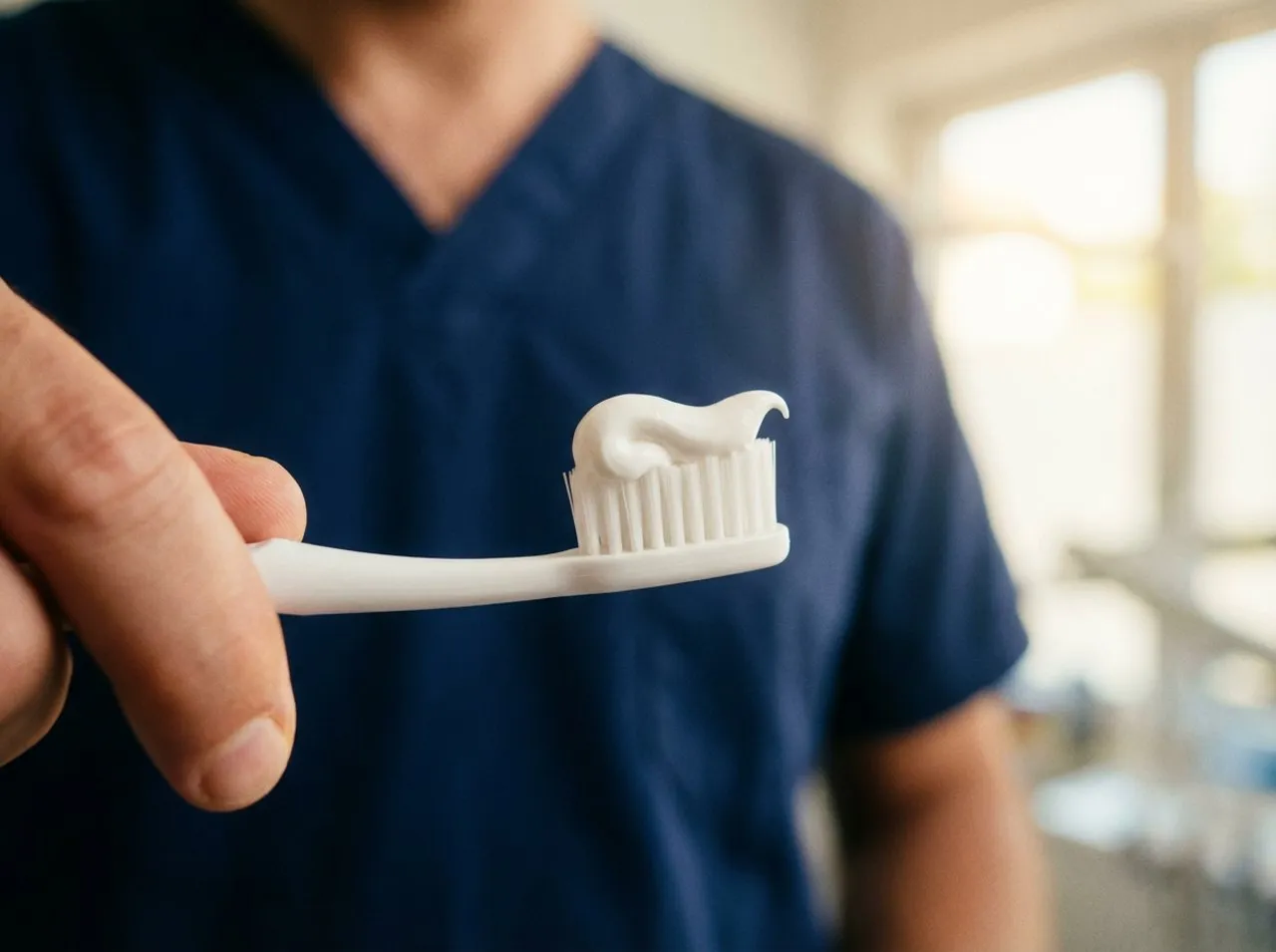
Brush your teeth and tongue carefully. Take care around the surgical site. A soft brush is usually suitable. Mouthwashes should only be used when recommended. Rinsing too vigorously or too early can disturb the clot. Antiseptics are used for a limited time. Professional preventive care remains important. It stabilises the area around the implants. We also check your brushing technique.
Smoking, alcohol and relevant medicines
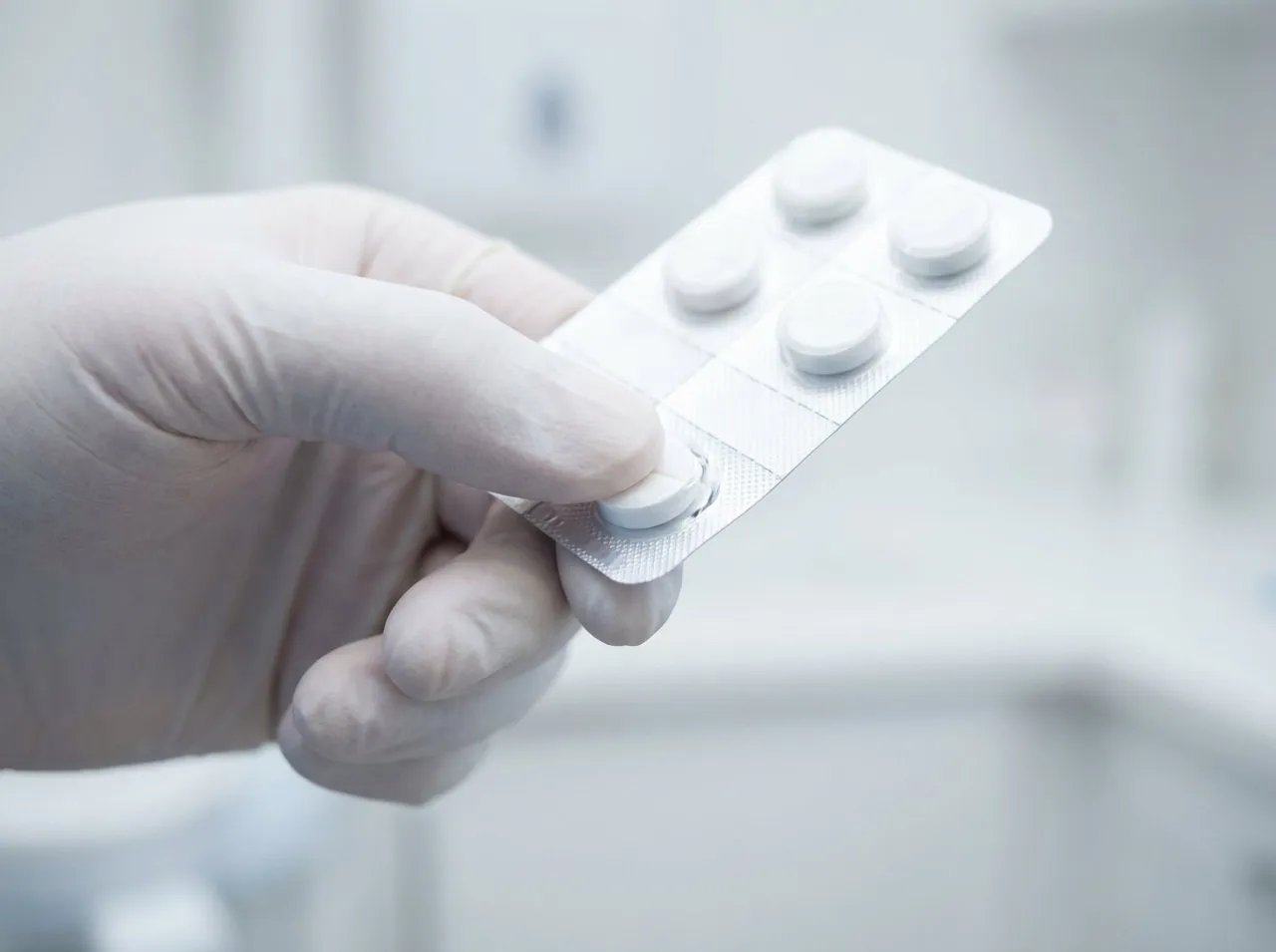
Smoking reduces the blood supply to the gums. This increases the risk of impaired wound healing. Stopping smoking is ideal. Alcohol can exacerbate inflammatory processes. It also affects sleep and recovery. It should be avoided in the first few days. Tell us about all your medicines. Blood thinners require a coordinated approach. Bisphosphonates are also clinically relevant.

Diet and recovery as healing factors
Protein is important for building tissue. A soft, nutrient-rich diet is advisable. Make sure you drink enough fluids. Vitamin D and calcium support bone metabolism. Zinc also plays a role. Supplements should be agreed with a doctor. Sleep promotes repair processes. Plan to rest in the first few days. Intense physical exertion should be avoided.
Manage loading rather than avoiding it completely
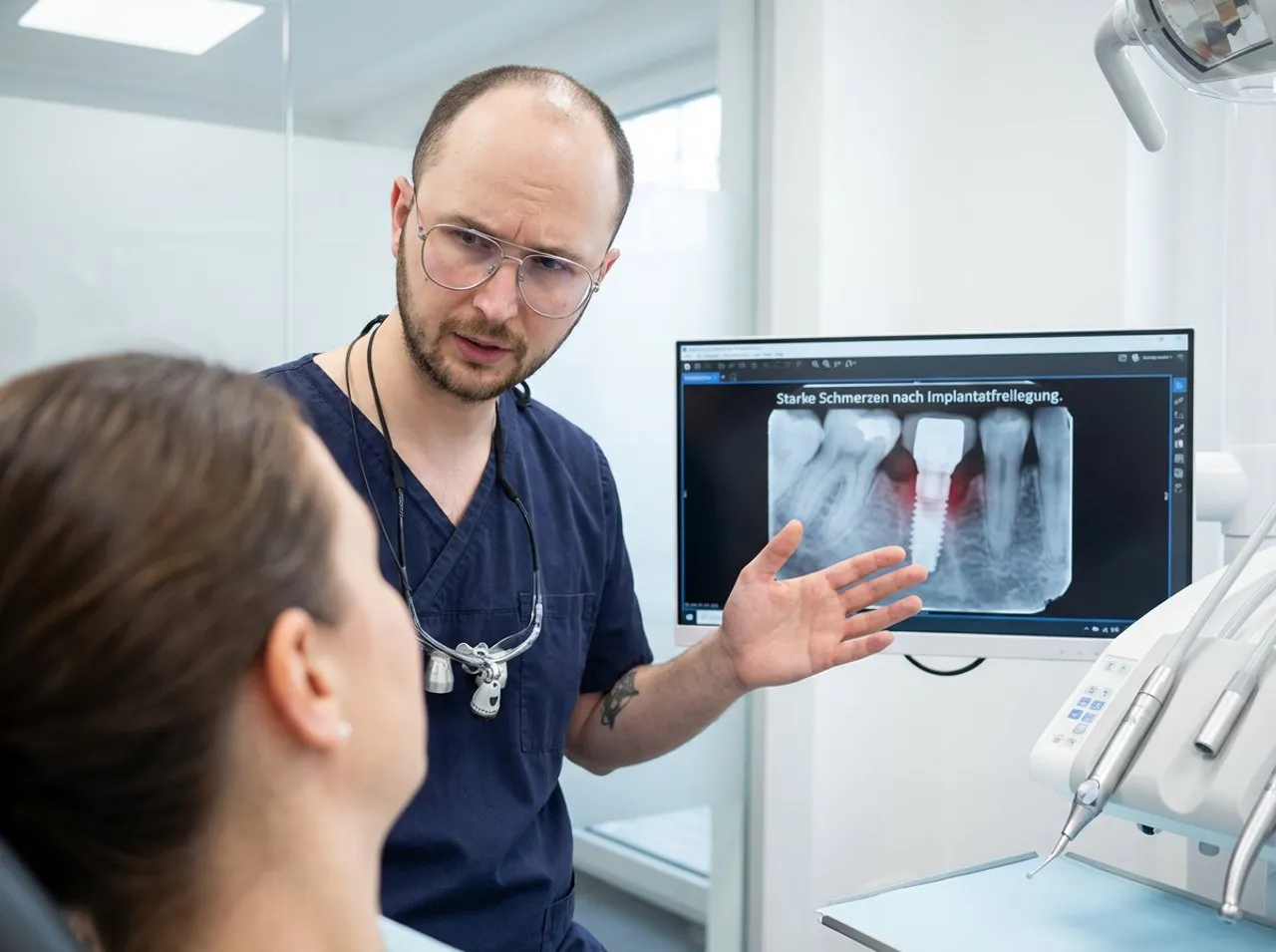
An implant needs protection at first. At the same time, the area can remain functional. The right amount of loading is crucial. Temporary restorations must fit without strain. Pressure points increase the risk of inflammation. We adjust the dental prosthesis if necessary. With teeth grinding, a splint can help. It reduces micromovements at night. This stabilises the healing phase.
Implant healing in the upper jaw: special considerations
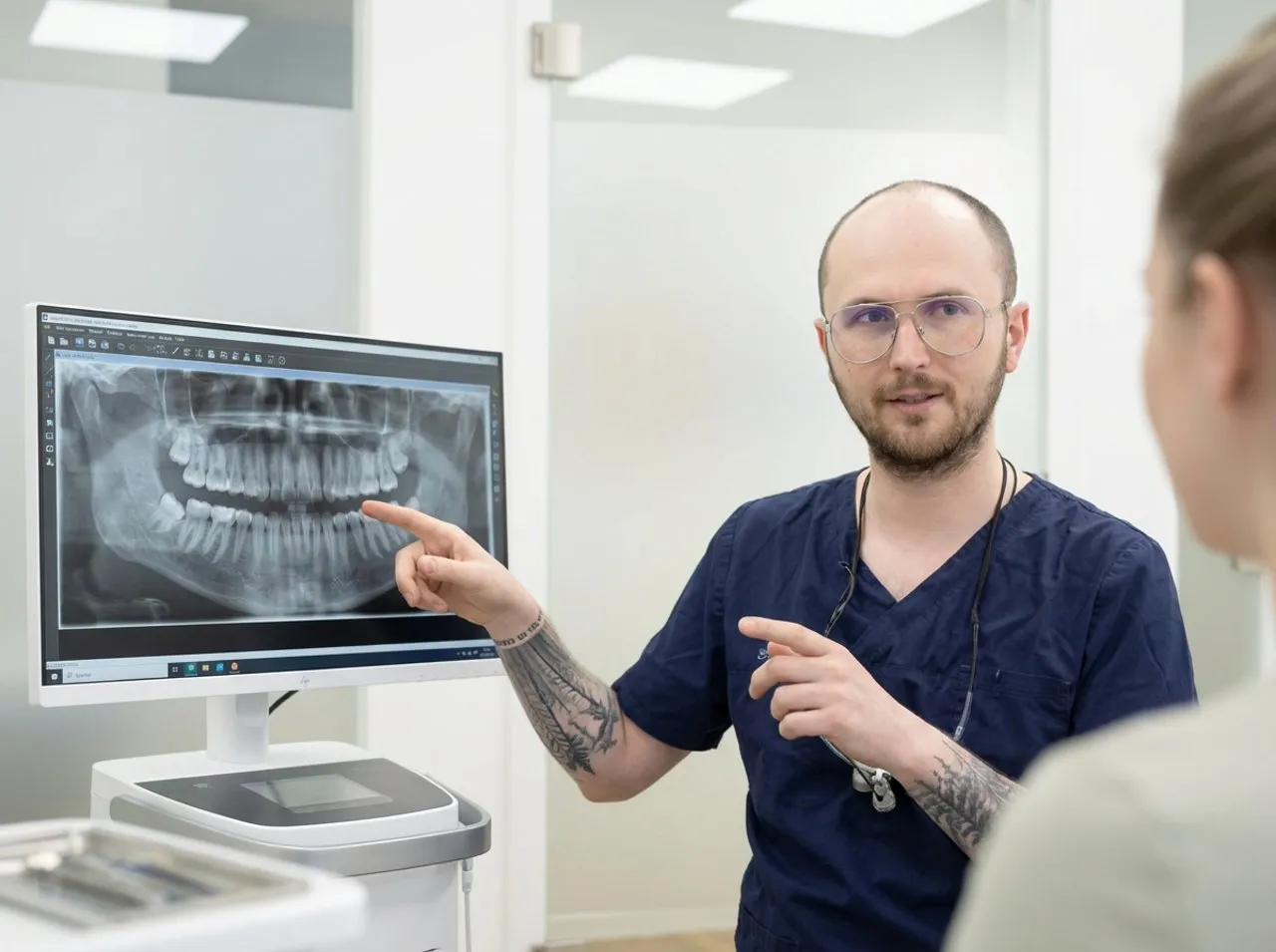
The upper jaw often has softer bone. The blood supply is good, but the density is lower. This can mean lower primary stability. Proximity to the maxillary sinus also plays a role. If there is insufficient bone, a sinus lift may be possible. This lengthens the healing phase. The mucous membrane in the upper jaw is also sensitive. Swelling and a feeling of pressure are more common. Careful aftercare is therefore important.
Healing time for an upper jaw implant: typical time frames
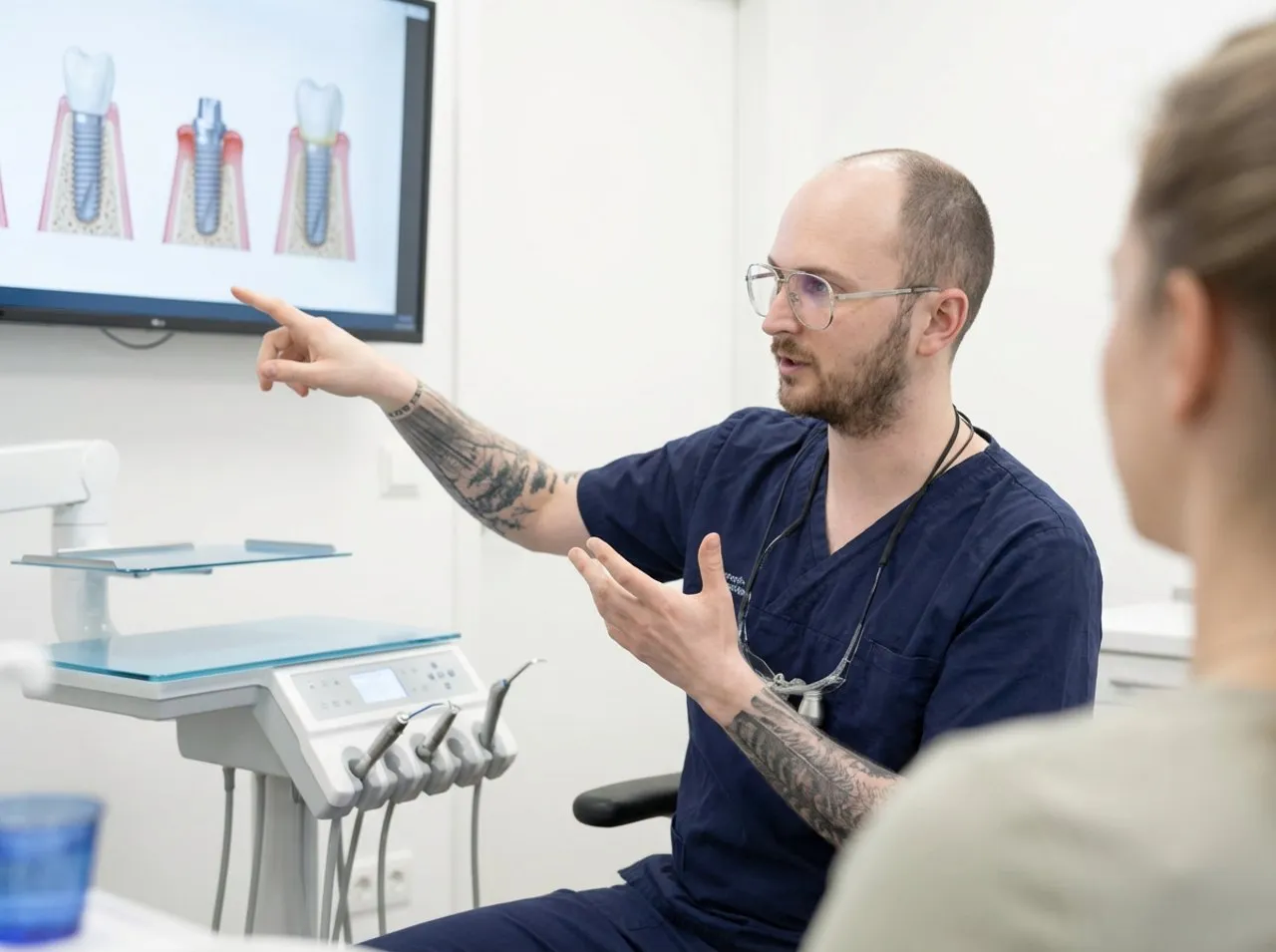
Healing time varies from person to person. It is often between three and six months. The longer end of this range is more common in the upper jaw. Bone augmentation may mean that more time is needed. This also applies after inflammation or long-standing tooth loss. We determine time frames based on clinical findings. Loading only takes place once stability is assured. We use clinical tests and imaging for this. This reduces the risk of failure.
Recognising warning signs early
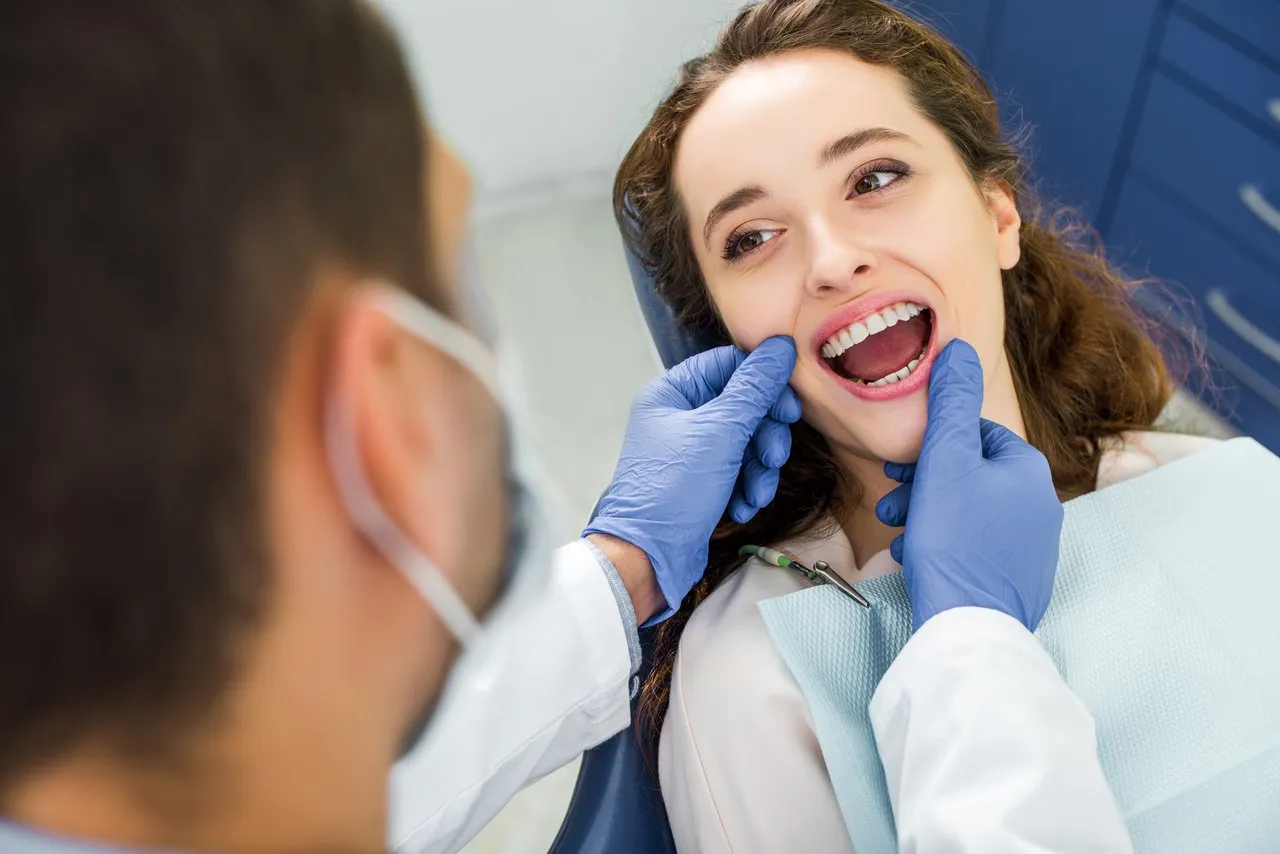
Mild swelling is expected after surgery. Worsening pain, however, is a cause for concern. The same applies to pus or fever. Bleeding that does not subside also needs to be assessed. A feeling that the implant is loose is a warning sign. Please contact us immediately. Bad breath or an unusual taste can indicate inflammation. This applies particularly to implants. Early treatment protects the bone.
How we support you at Wunschlachen
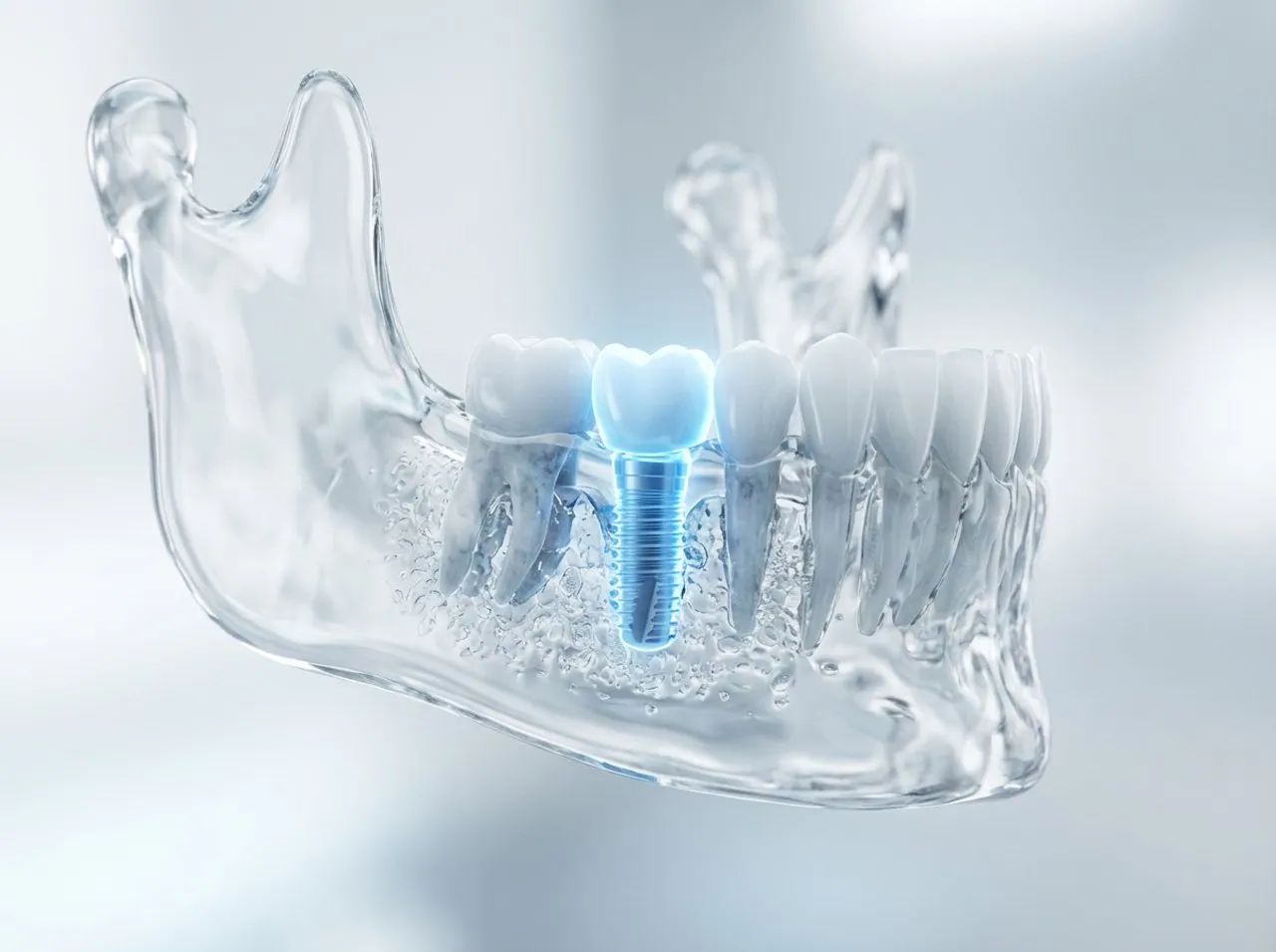
We plan implants digitally and precisely. This reduces soft tissue trauma. A clean surgical technique supports healing. After the procedure, you will receive clear instructions. We check the wound and your bite. If necessary, we adjust temporary restorations promptly. Our aim is a stable long-term result. To achieve this, we combine surgery and preventive care. We actively support the healing process.

Conclusion
You can significantly influence healing. Hygiene, not smoking and controlled loading are crucial. The upper jaw often requires more patience. Structured aftercare reduces risks. Warning signs should be assessed early. This helps your implant remain able to bear load in the long term.
FAQ
Osseointegration is the direct connection between the bone and the implant surface. It provides the mechanical stability needed for subsequent loading.
Maintain careful oral hygiene and protect the area. Avoid smoking and attend all follow-up appointments.
It reduces the bacterial load in the mouth. This reduces the risk of inflammation around the implant.
Nicotine reduces blood flow and inhibits healing processes. This increases the risk of wound healing problems and implant loss.
A soft, protein-rich diet is helpful in the first few days. Vitamin D and calcium support bone metabolism.
Physical activity should be kept to a minimum in the first few days. Only increase your activity once the practice has given you the go-ahead.
Yes, the upper jaw often has softer bone and different loading conditions. Implant healing in the upper jaw is therefore often more delicate.
Typically three to six months, often towards the longer end. This phase may be longer if bone augmentation is needed.
You should contact us if you experience worsening pain, fever, pus or persistent bleeding. A feeling that the implant is loose is also urgent.
This only happens once it has healed securely. The decision is based on clinical findings, stability and the progress of healing.