
Swollen cheek after root canal treatment: causes
Cheek swelling after root canal treatment is usually a healing reaction. It often peaks after 24 to 48 hours. Fever, rapid worsening or breathing problems require immediate medical assessment.
Über 350 Google-Bewertungen
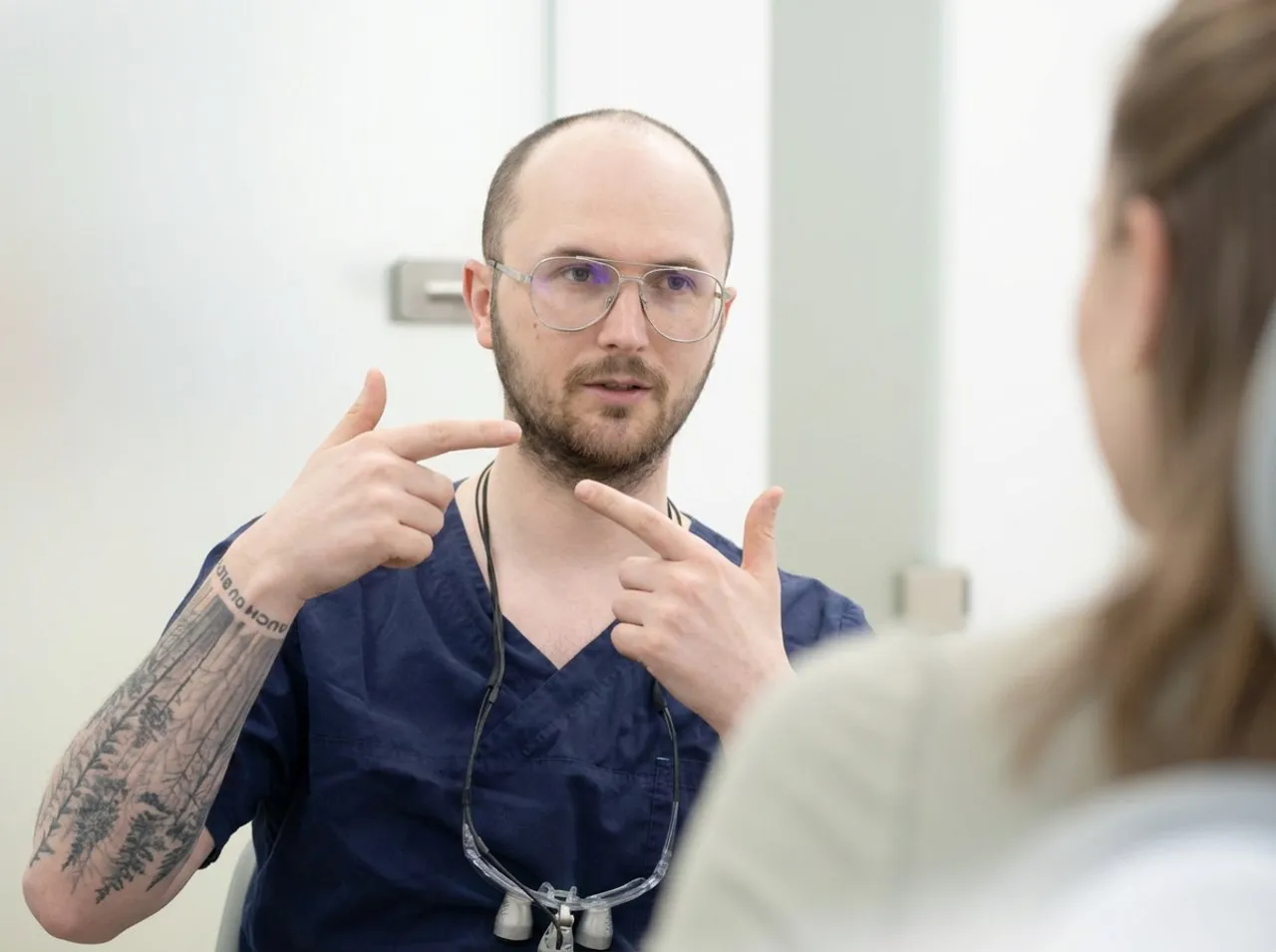
What does a ‘swollen cheek’ mean after treatment?
A ‘swollen cheek’ describes soft-tissue oedema of the cheek or jaw. It is caused by fluid building up in inflamed tissue. Tenderness to pressure and a feeling of tightness are common. During root canal therapy, infected material is removed from the canal system. Irrigation and instrumentation can irritate the periapical region. Endodontic treatment aims to reduce bacteria and achieve a tight seal.

Common causes of swelling after endodontic treatment
The most common cause is postoperative irritation without complications. In many cases, this is postoperative oedema. Inflammatory mediators increase vascular permeability. An acute ‘flare-up’ of apical inflammation is possible. This causes symptoms to worsen despite correct treatment. Triggers include residual bacteria, toxins or pressure in the canal. An occlusal high spot can also aggravate symptoms. The tooth then makes too much contact when biting. This overloads the tooth’s supporting structures. Less commonly, a progressive infection develops in the soft tissue. Redness, increased warmth and a marked worsening of pain are then typical.
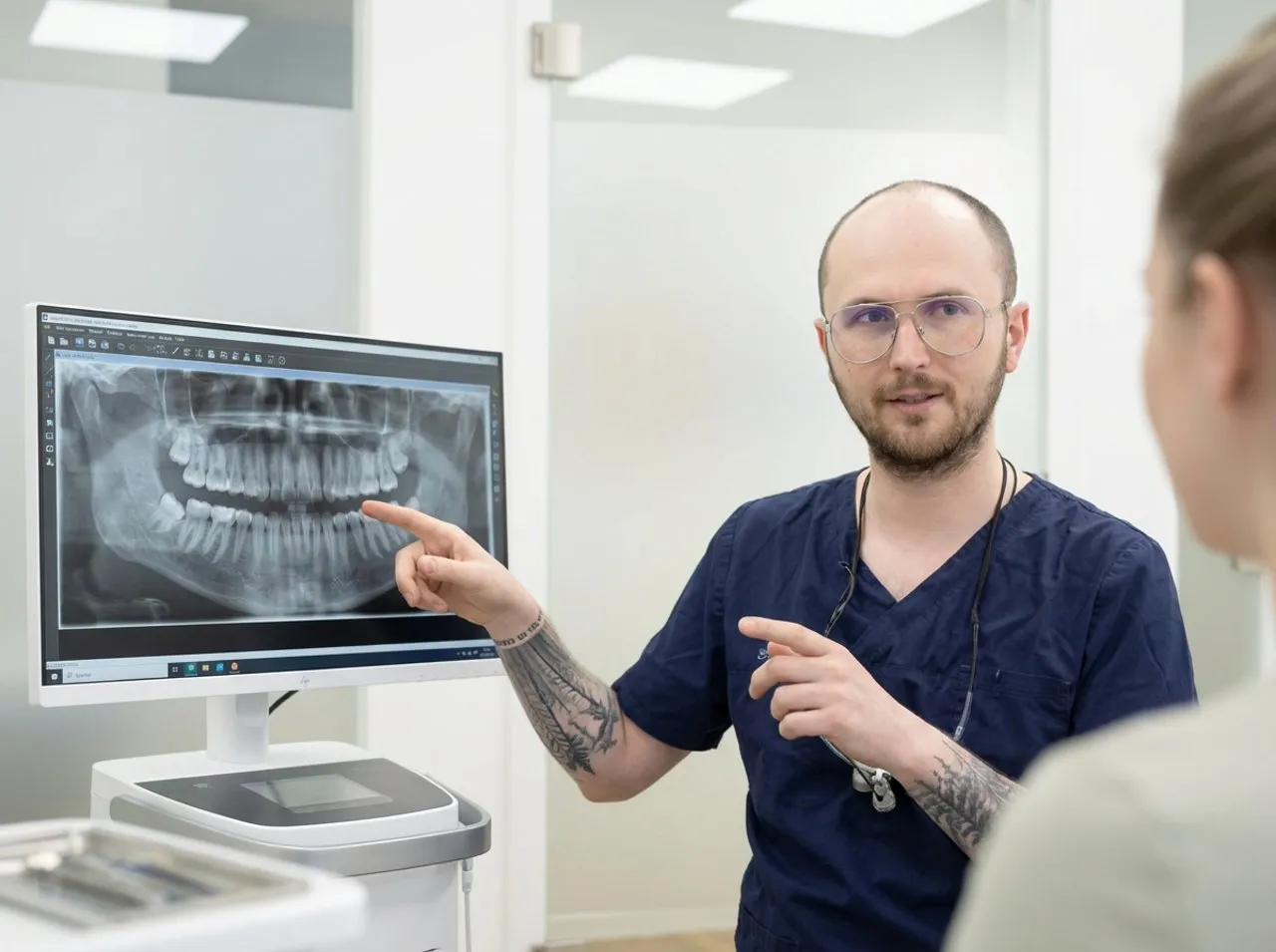
Time course: when is it still expected?
During the first few hours, tissue irritation caused by the procedure predominates. A slight increase in swelling is therefore possible. With swelling after root canal treatment the course of the swelling is crucial. Swelling that peaks on the second day can often still be explained. A clear reduction should begin from day three. A swollen cheek after root canal treatment is considered atypical if it continues to increase. The same applies to a new fever or a marked reduction in general functioning. A prompt check-up is then advisable.
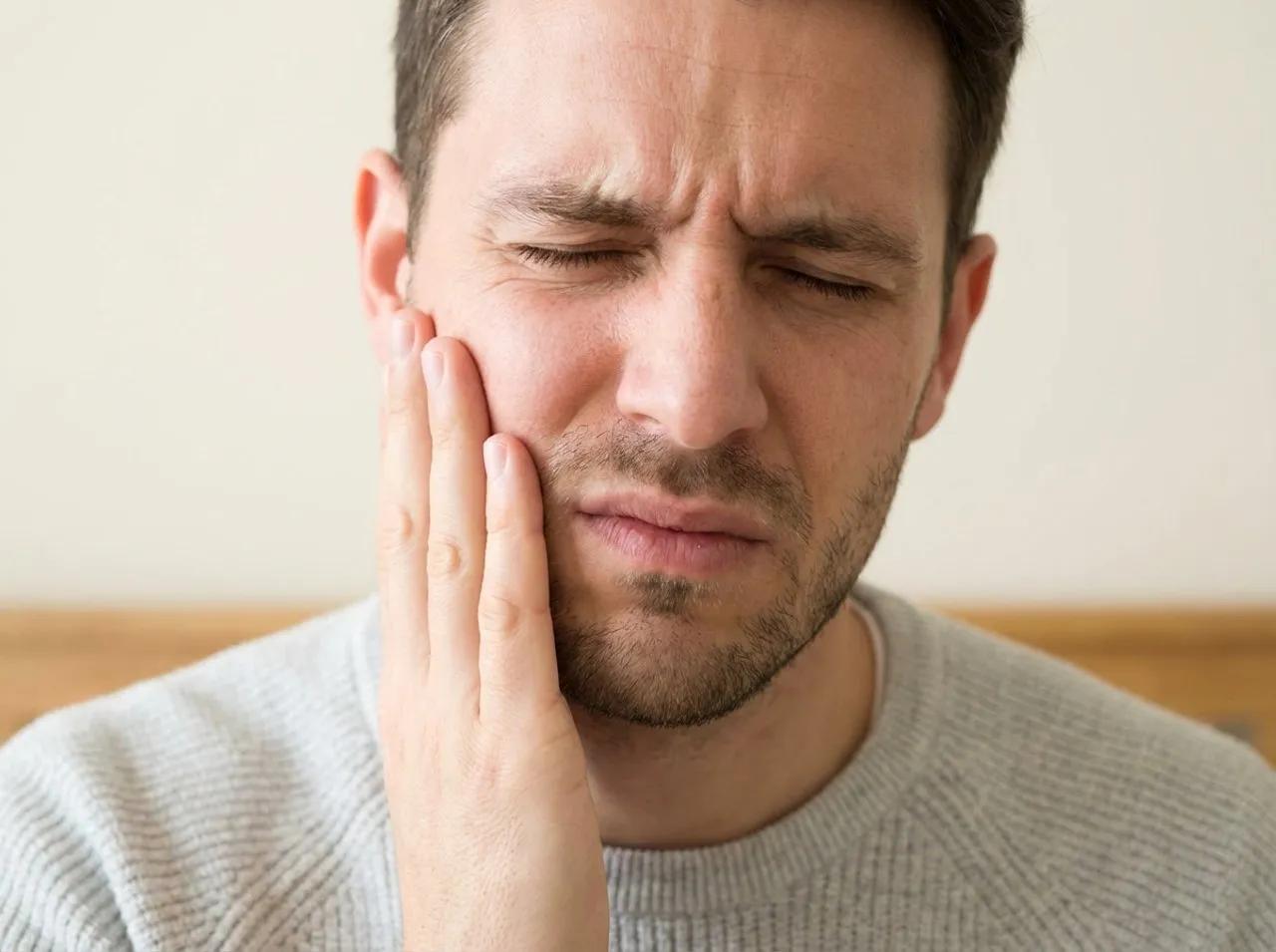
What you can do yourself: rest and cooling
During the first 24 hours, intermittent cooling is usually helpful. Only apply cold with a cloth as protection. Cool the area several times for short periods, not continuously. Put as little functional strain on the tooth as possible. Choose soft, lukewarm food. Avoid hard, very hot or heavily spiced foods. Maintain careful but gentle oral hygiene. Brush gently around the treatment area with a soft toothbrush. Only use additional mouth rinses if recommended. Avoid nicotine and alcohol during the first few days. Both impair microcirculation and healing. They also increase the risk of secondary irritation.
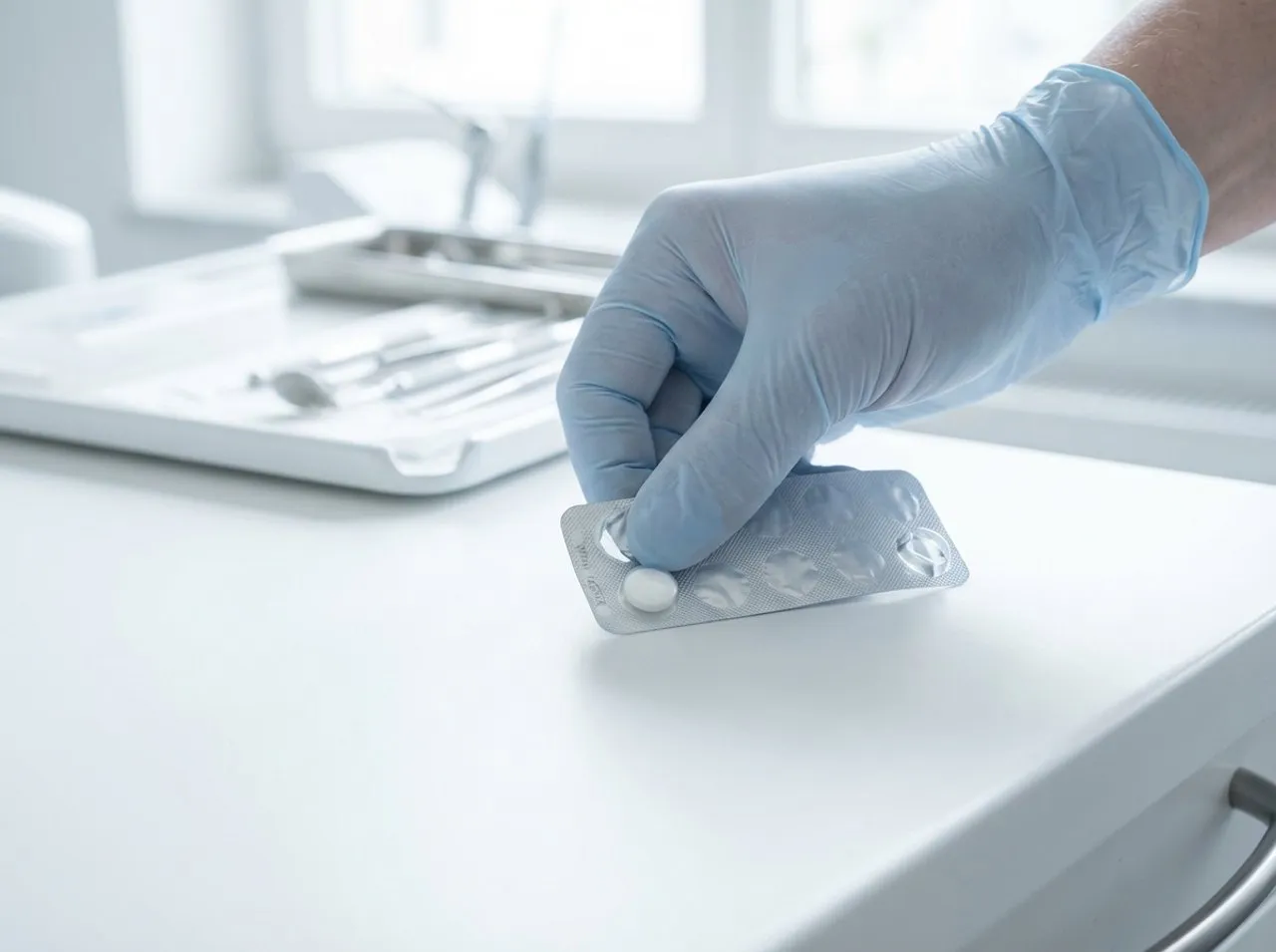
Painkillers and antibiotics: medical assessment
Non-steroidal anti-inflammatory drugs can reduce pain and inflammation. Ibuprofen is often used, provided it is well tolerated. Relevant contraindications must be observed. Antibiotics are not routinely required after endodontic treatment. They are useful when there are systemic signs or signs of spreading. These include fever, swollen lymph nodes and diffuse soft-tissue involvement. Do not take antibiotics on your own initiative. Indiscriminate use encourages resistance. They can also temporarily mask symptoms.
Warning signs: when is it an emergency?
Rapidly progressive swelling with severe tightness is a warning sign. The same applies to an inability to open the mouth or severe pain when swallowing. Difficulty breathing is always an emergency. Throbbing pain with a discharge of pus is also suspicious. Fever or chills indicate systemic involvement. You should then be assessed by a doctor immediately. Numbness of the lip, chin or cheek requires a check-up. The cause may be pressure from the oedema. Rarely, nerve irritation is present.
What the dental practice checks if swelling persists
First, the tooth, gums and cheek are examined clinically. We check tenderness to percussion, bite contact and the condition of the soft tissues. This is followed by a structured assessment of progress. Depending on the situation, imaging may be useful. X-rays or 3D imaging show the periapical region. If there is pressure in the canal system, relief may be required. The tooth is temporarily reopened for this purpose. The aim is to improve drainage and reduce symptoms. If necessary, the canals are irrigated and disinfected again. In selected cases, a medicated dressing is placed. If an apical lesion persists, surgery may be considered. An apicectomy may then be an option. However, the criteria are strict and it is rarely indicated.

Supporting healing: what to do during the first few days
Avoid strenuous exercise during the first few days. Exertion increases blood flow and oedema. Secondary bleeding also becomes more likely. Keep your head slightly elevated at night. This supports venous drainage. Monitor your progress systematically.
Wunschlachen in Berlin: safe aftercare
Wunschlachen in Berlin assesses postoperative symptoms using clear criteria. We distinguish between a healing reaction and a complication. This enables targeted treatment. If you are unsure, a brief check-up is advisable. Bring an up-to-date list of your medicines. State precisely when your symptoms began and how they have progressed. Our aim is a stable tooth with as few symptoms as possible. This includes checking the occlusion and ensuring a well-sealed root canal filling. If necessary, we arrange close follow-up care.
FAQs: Swollen cheek after root canal treatment
In many cases, this is postoperative oedema without complications. The key is that it tends to subside each day.
Inflammatory mediators act with a time delay in the tissue. This is why swelling often peaks after 24 to 48 hours.
An occlusal high spot increases the load when biting. This increases tenderness to pressure and irritation.
Intermittent cooling reduces oedema. It is also important to rest the tooth when eating.
If there is no improvement from day three onwards, a check-up is advisable. If you have a fever or the swelling is increasing rapidly, you should come back immediately.
Signs include throbbing pain and an unpleasant taste. A fluctuant area that is tender to pressure may also develop.
Antibiotics are not routinely required. They are used specifically when there are systemic signs.
This is rare, but possible. Causes include leaks or residual bacteria in the canal system.
Soft, lukewarm food is usually well tolerated. Very hot or hard food can worsen symptoms.
Immediate help is needed if you have difficulty breathing or the swelling is spreading extensively. The same applies if you feel severely ill and have a fever.