
What to do about teeth sensitive to cold
Teeth sensitive to cold often become noticeable when drinking, eating or breathing in cold air. The cause is usually an irritated tooth neck, thin tooth enamel or receding gums. At Wunschlachen, we carefully identify the cause and provide tailored advice.
Über 350 Google-Bewertungen

Why are teeth sensitive to cold?
A tooth is protected by tooth enamel and the gums. If this protection weakens, external stimuli reach the dentine more quickly. This is where tiny channels are located that transmit signals to the inside of the tooth.
The cold can then cause a brief tugging sensation. Many people notice this with ice cream, cold drinks or winter air. Sometimes even cold water when brushing their teeth is enough.
Teeth sensitive to cold are not a condition in their own right. Rather, they indicate a change in the mouth. This is why a thorough examination is important.
Common causes of teeth sensitive to cold
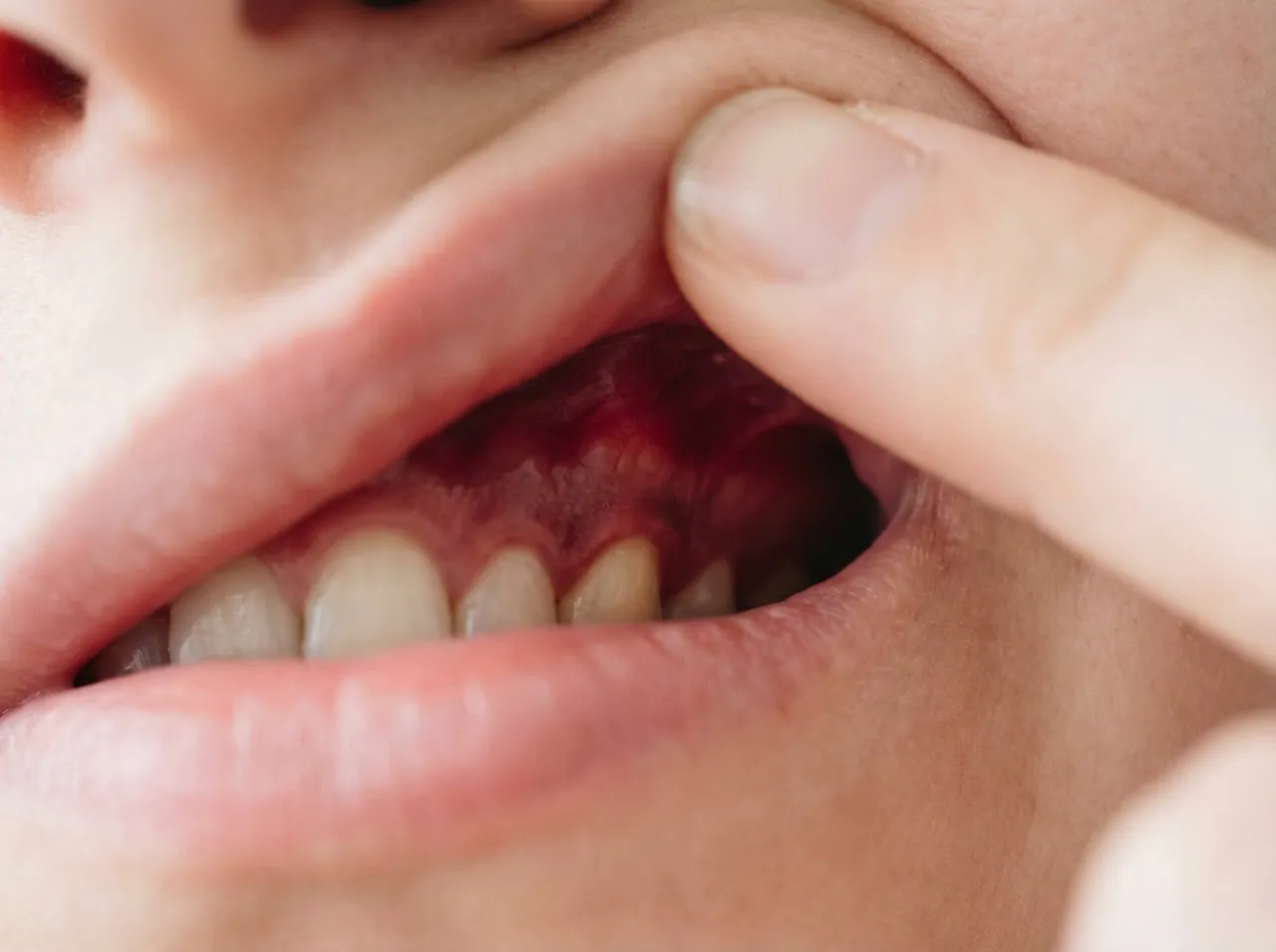
Very often, sensitive teeth are caused by exposed tooth necks. This occurs when the gums recede. The tooth neck consequently loses its natural protection.
Brushing too hard can also put strain on the tooth neck. Hard toothbrushes and excessive pressure encourage small defects. These changes usually develop gradually.
Acidic foods can also attack the tooth enamel. These include soft drinks, fruit juices, vinegar and frequent snacking. Reflux can also weaken tooth enamel. Teeth grinding is another possible cause. Severe pressure causes fine cracks and abrasion. This makes teeth more sensitive to temperature changes.
Tooth decay, leaking fillings or small cracks in a tooth may also be responsible. Sensitivity can also occur temporarily after a dental cleaning. However, this should subside shortly.

Identifying tooth necks sensitive to cold
Exposed tooth necks are often very noticeable. The sensation is frequently near the gum line. Canine teeth, incisors and molars are particularly affected.
The gums sometimes appear slightly receded. The teeth look longer than before. Small notches on the tooth neck may also be visible.
Not all sensitivity originates from the tooth neck. A single tooth that reacts strongly needs particular attention. This may be due to tooth decay, a filling or a crack.

Diet and everyday life with sensitive teeth
Diet affects tooth enamel more than many people think. Frequent exposure to acid temporarily softens the surface. The tooth is then more susceptible to abrasion.
It is advisable to have clear breaks between meals. Constant snacking keeps the pH level in the mouth low. Water and sugar-free chewing gum can stimulate saliva flow.
Cold air can also irritate sensitive teeth. Breathe through your nose as much as possible in winter air. This reduces the amount of cold coming into direct contact with your teeth.

When should you see a dentist?
A visit to the dentist is advisable if the symptoms persist. This is especially true if a single tooth is affected. Increasing sensitivity should also be investigated.
An examination is important if there are visible defects. These include dark spots, broken edges or loose fillings. Bleeding gums should also be checked.
At Wunschlachen, we examine the gums, tooth enamel and fillings. We also assess your brushing technique and possible signs of grinding. This allows us to plan the appropriate treatment.

Diagnosis at Wunschlachen
A reliable diagnosis begins with specific questions. When does the cold sensation occur? Does it affect one tooth or several areas? We then examine the tooth surfaces, fillings and gum margins. If necessary, we use digital X-rays.
This makes hidden defects easier to detect. Your bite is also important. Faulty contact between teeth can put severe strain on individual teeth. This strain can further increase sensitivity.
Treatment for teeth sensitive to cold
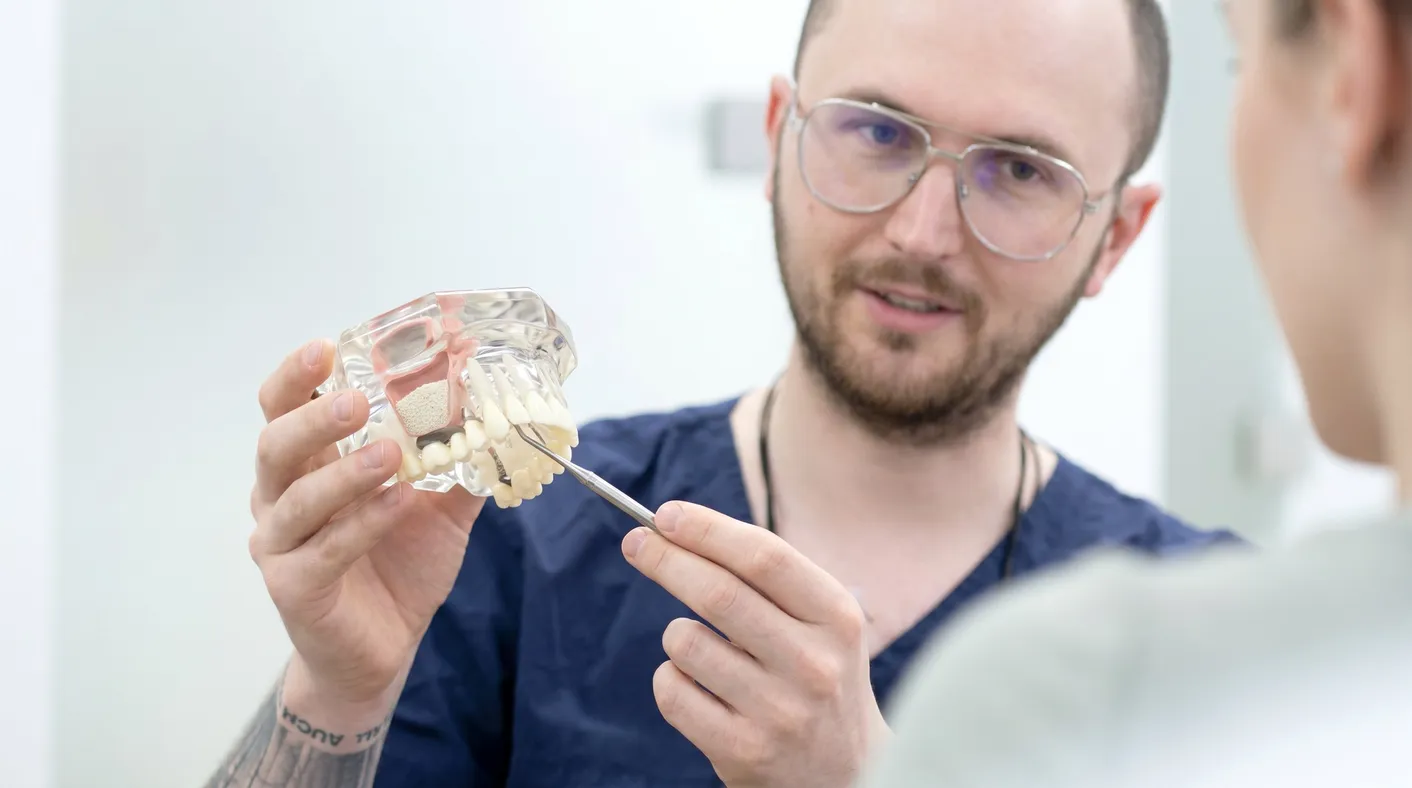
Treatment always depends on the cause. Special fluoride varnishes often help with exposed tooth necks. They can strengthen the surface and reduce sensitivity to stimuli.
Sealants are also possible in certain cases. This specifically protects the sensitive area. Small defects can be treated with tooth-coloured material.
With tooth decay, the damaged tooth substance is removed. The tooth then receives a suitable filling. Leaking fillings can be replaced or adjusted.
If teeth grinding is the cause, a dental splint may help. It relieves pressure on the teeth and jaw during the night. We also investigate the cause of the overload.
What you can do yourself
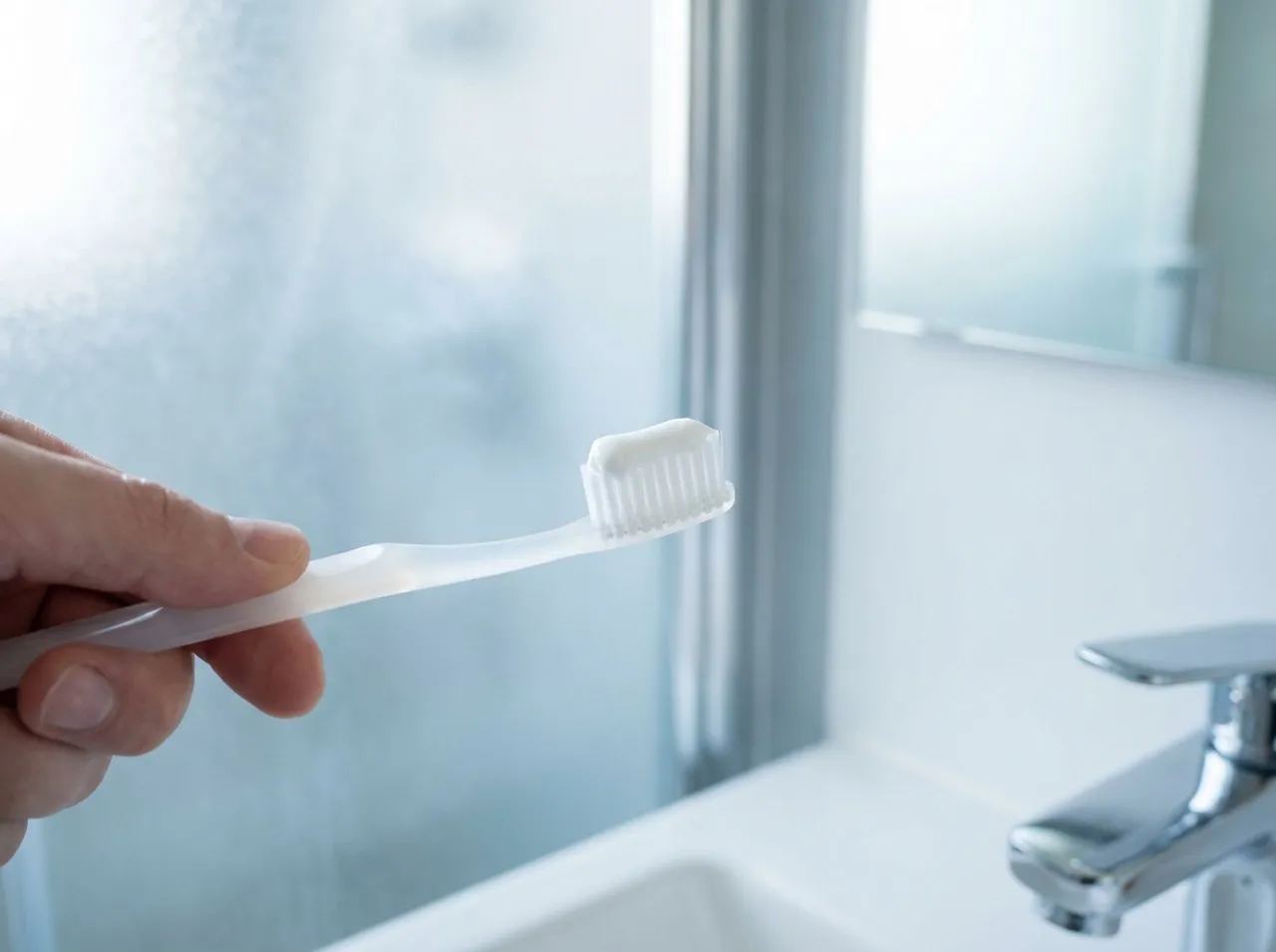
A gentle brushing technique is especially important. Use a soft toothbrush and very little pressure. Brush thoroughly, but not aggressively.
Toothpaste for sensitive teeth can provide additional support. It contains ingredients that can block the tubules in the dentine. It often takes several weeks to work.
Avoid frequent acid attacks on your tooth enamel. Drink water after acidic foods. Then wait about 30 minutes before brushing.
Regular check-ups are also important. This allows the dentist to detect early changes in good time. This protects teeth and gums in the long term.
Treatment for teeth sensitive to cold at Wunschlachen
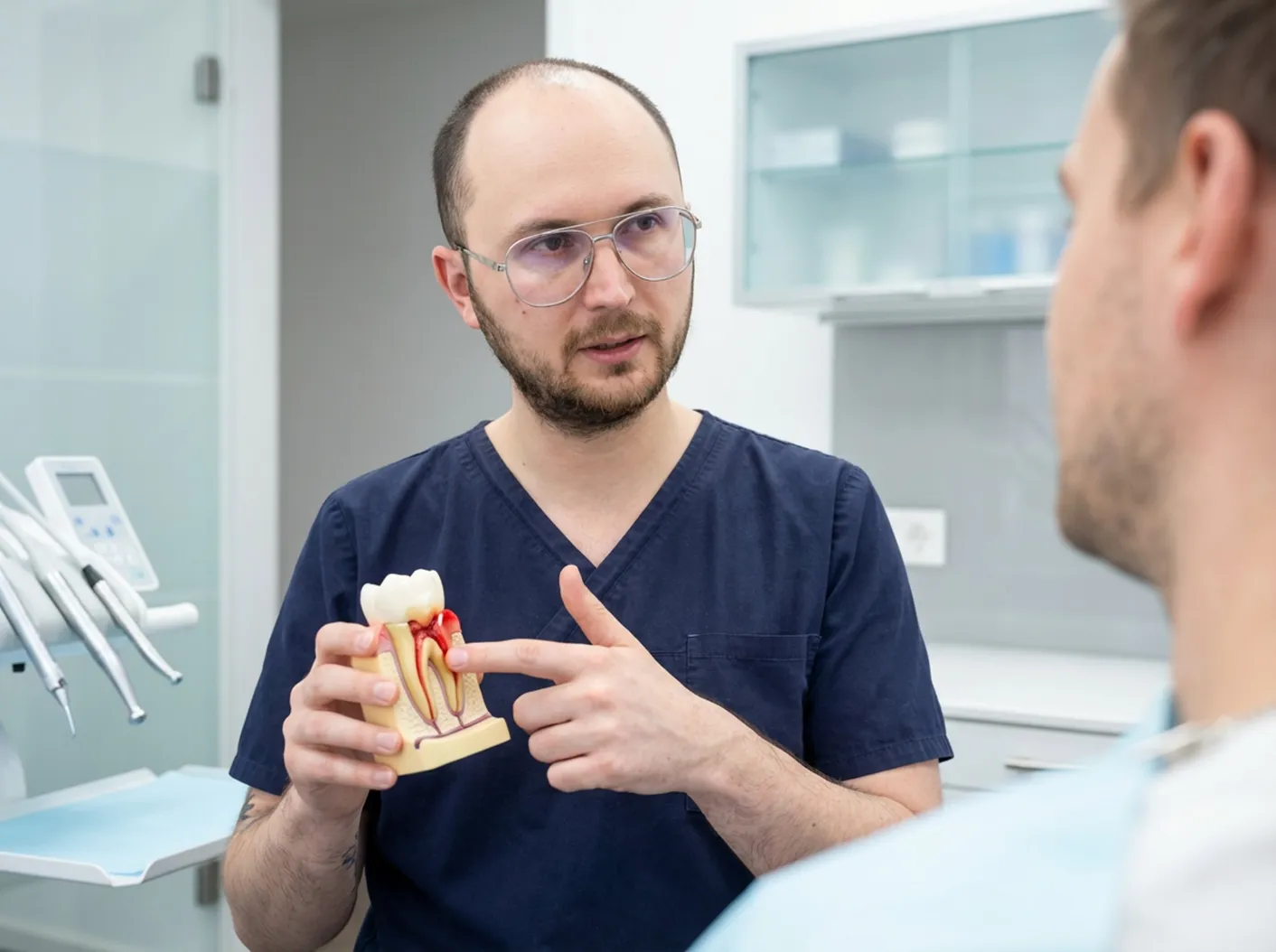
At Wunschlachen, we take a holistic approach to sensitive teeth. We look beyond the symptoms. The precise cause is what matters.
Our practice examines the tooth necks, gums, tooth enamel and bite. We then explain the findings clearly. Together, we choose a suitable and gentle treatment.
Anyone who has teeth sensitive to cold assessed early can prevent subsequent damage. This helps to better preserve function, aesthetics and tooth substance. Please feel free to book an appointment at Wunschlachen.