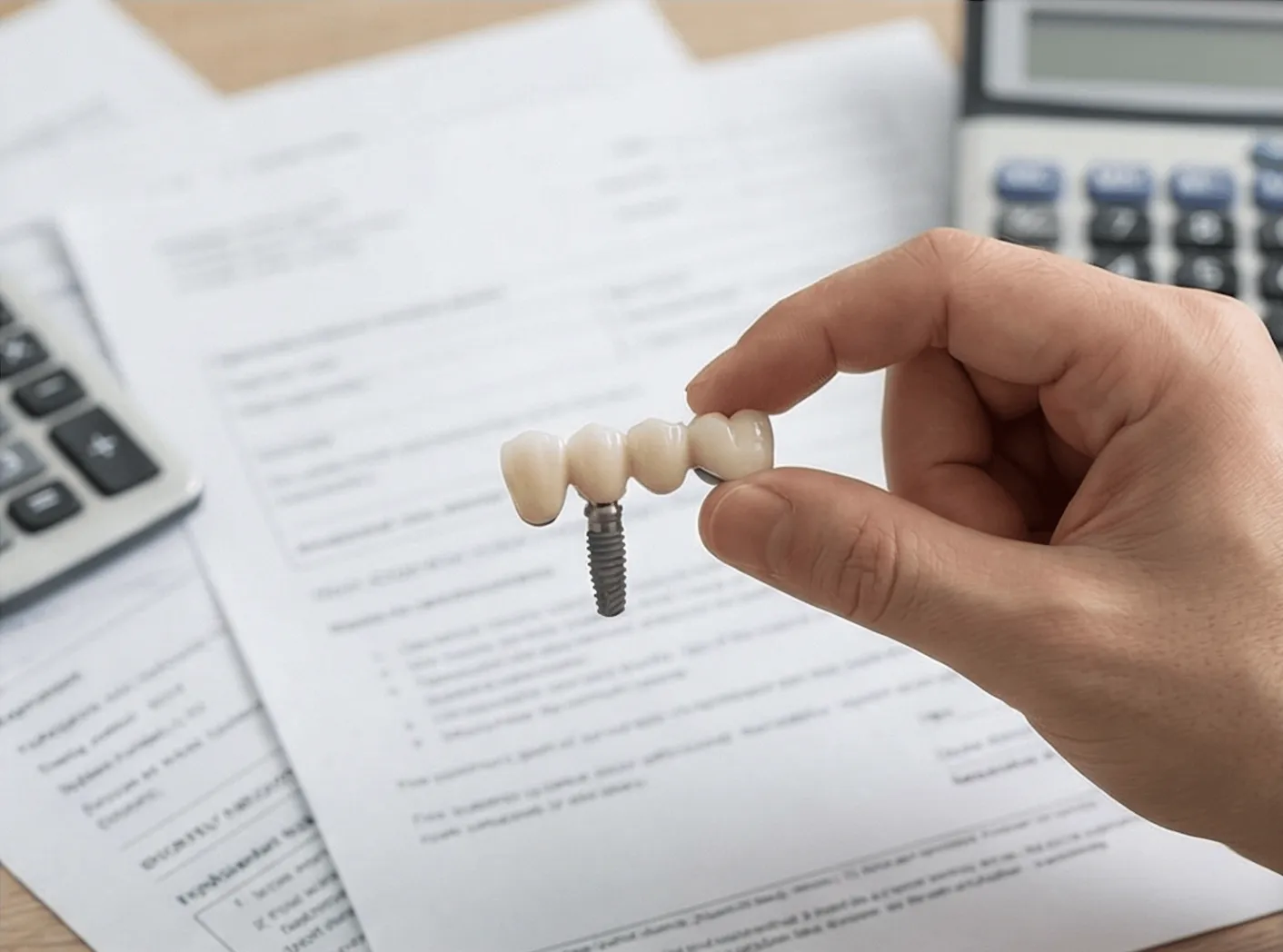
3-tooth bridge: costs and subsidy
• A 3-unit dental bridge fills a gap between two abutment teeth. • Costs arise from the material, laboratory work, clinical findings and preliminary treatment. • The fixed subsidy depends on the clinical findings and bonus booklet.
Über 350 Google-Bewertungen
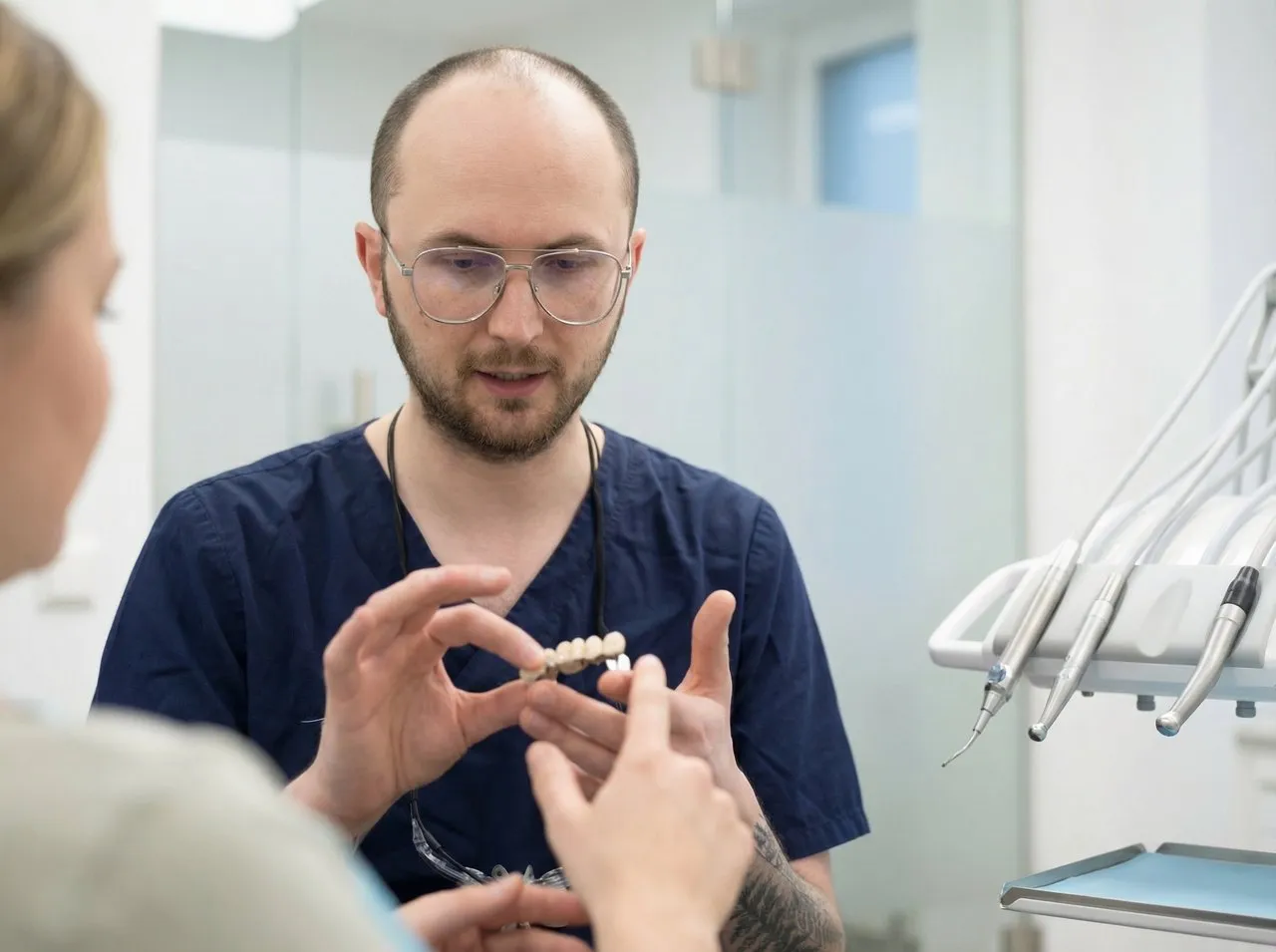
What does 3-unit treatment involve?
This usually refers to a fixed three-unit restoration. It consists of two crowns and a pontic. The crowns sit on the abutment teeth next to the gap. The pontic replaces the missing tooth.
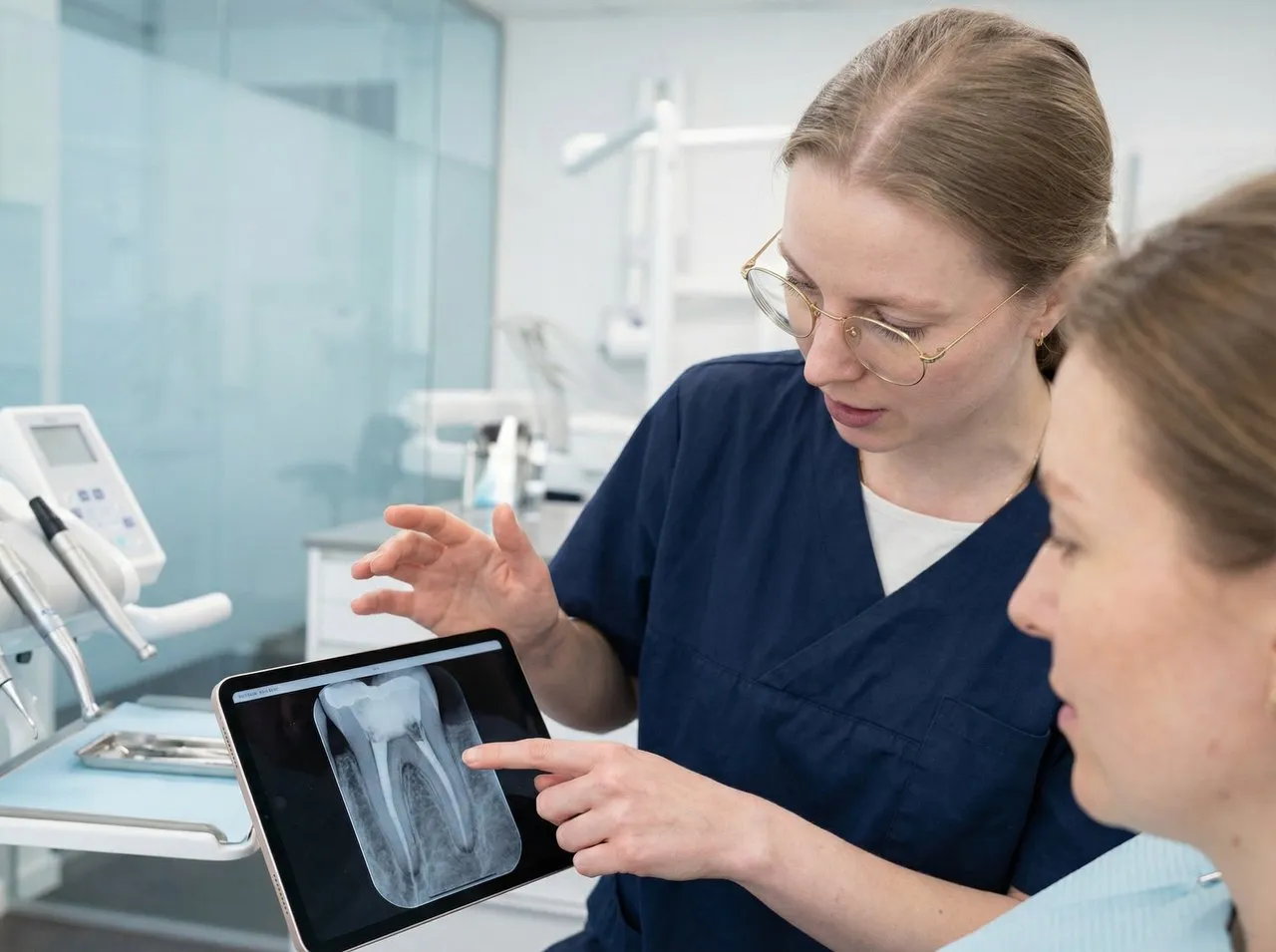
Who is this solution suitable for?
It is suitable for a single tooth gap. The stability of the abutment teeth is crucial. Tooth decay and periodontitis must be treated beforehand. The bite is also checked.
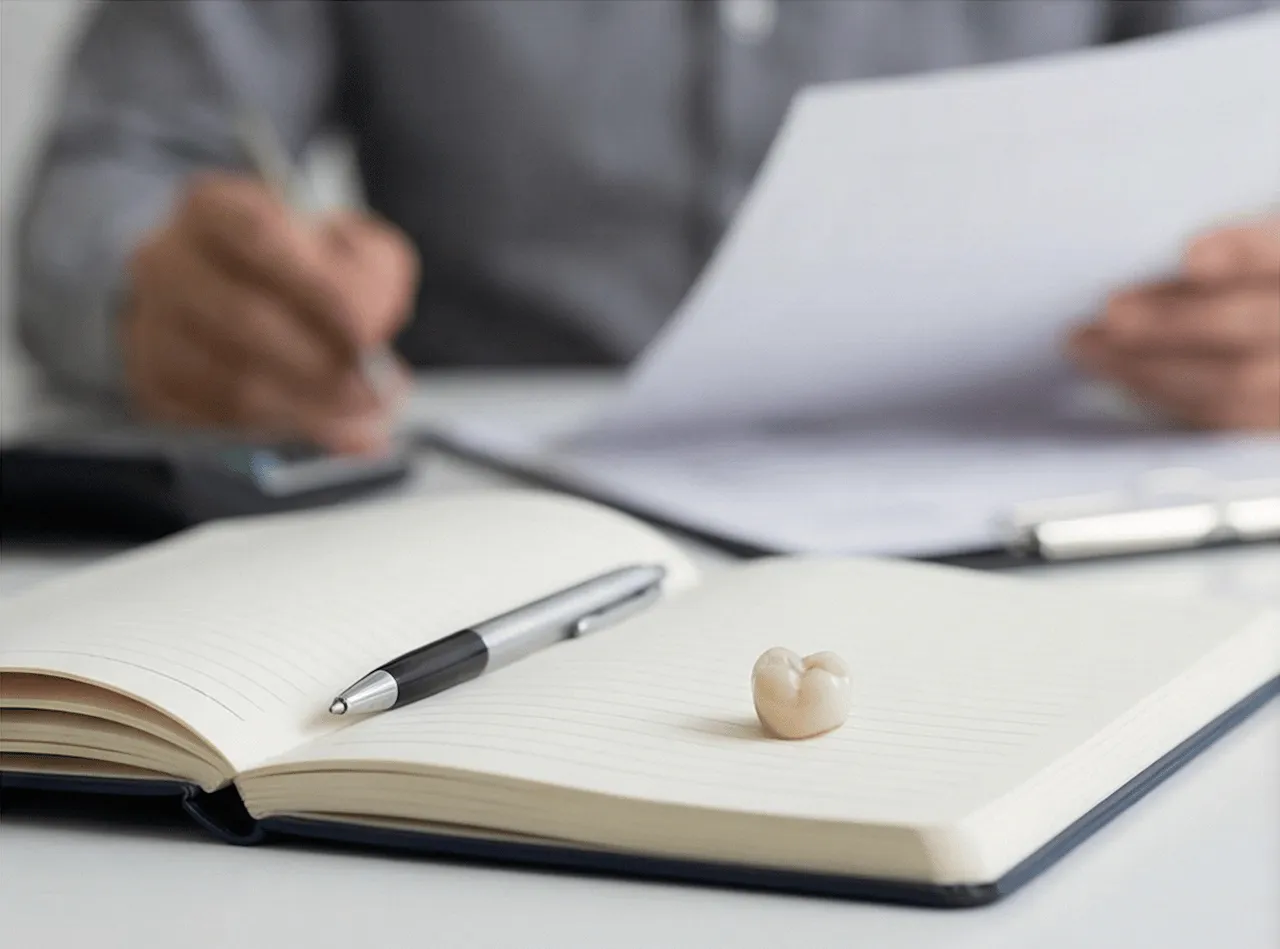
Choice of material: what options are available?
The material affects appearance and price. Metal-ceramic is frequently used. All-ceramic looks particularly natural. Zirconium oxide is a common framework material for this. Metal is often sufficient in the back teeth. Ceramic is preferred for the front teeth.

3-tooth bridge costs: what determines the amount?
The total costs consist of professional fees and laboratory costs. Material and manufacturing costs are added to these. A temporary restoration is usually included. Preliminary treatments increase the work involved. Typical examples are fillings or root canal treatment. Sometimes a post and core build-up is required. The method of fixation also affects the price. Ceramic is often adhesively bonded. Metal-ceramic is frequently cemented. The decision depends on the clinical findings and loading.

Guide prices: how much does a three-unit solution cost?
There is a considerable range. Metal restorations are often less expensive. Metal-ceramic is usually in the middle range. All-ceramic is often more expensive. You should expect costs from €2,000. The exact amount varies from person to person.
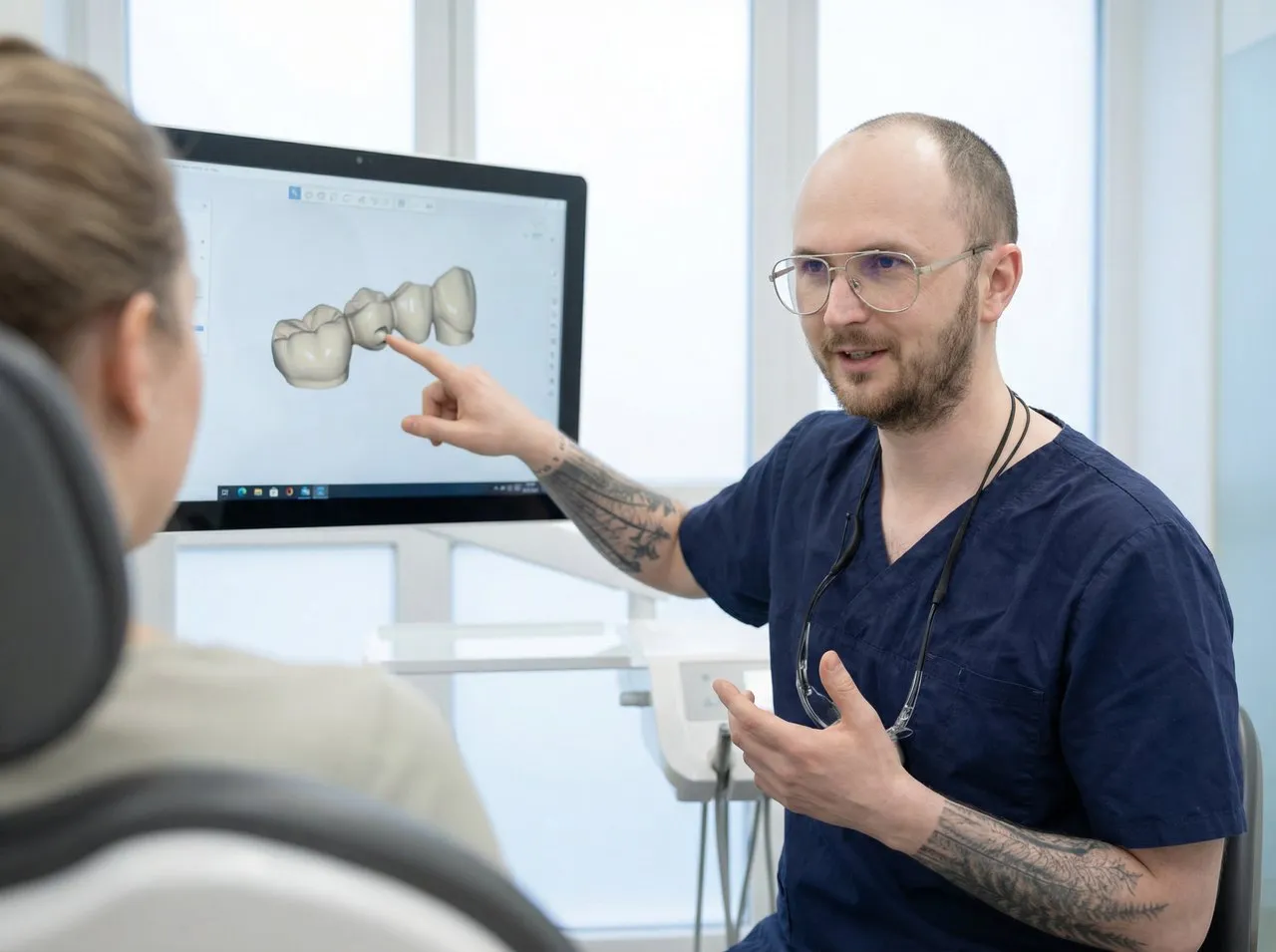
Common additional costs and preliminary treatments
Some clinical findings require periodontal treatment. Endodontic treatment may also be necessary. Core build-up fillings are advisable for large defects. This stabilises the abutment tooth in the long term. Functional diagnostics can help if symptoms occur. This allows premature contacts to be identified early.
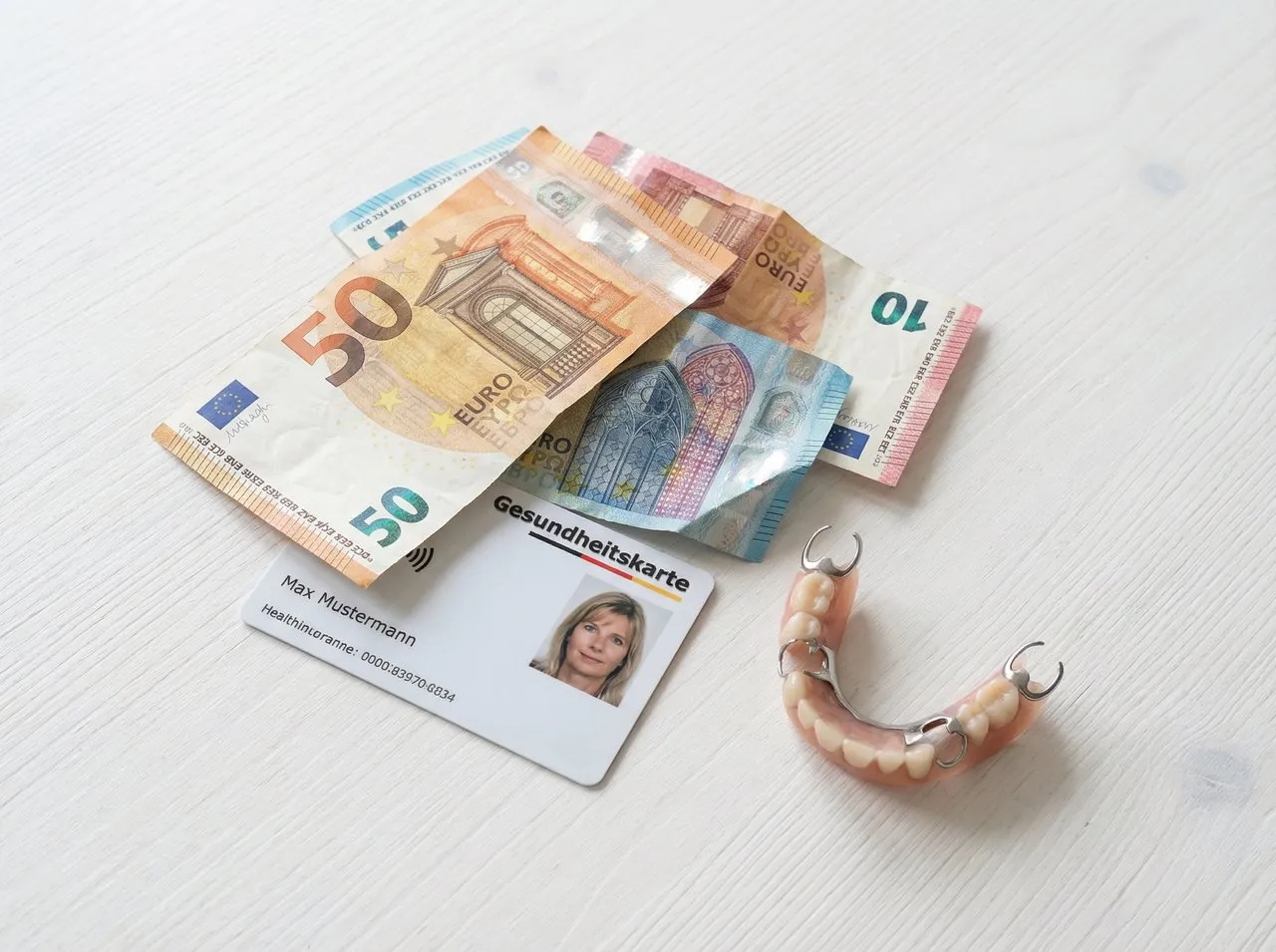
What does statutory health insurance cover?
Statutory health insurance (GKV) pays a fixed subsidy based on the clinical findings. This is based on standard care. The subsidy does not depend on the material. It remains the same for higher-quality restorations. The subsidy increases with a bonus booklet. This usually reduces the amount you pay yourself.
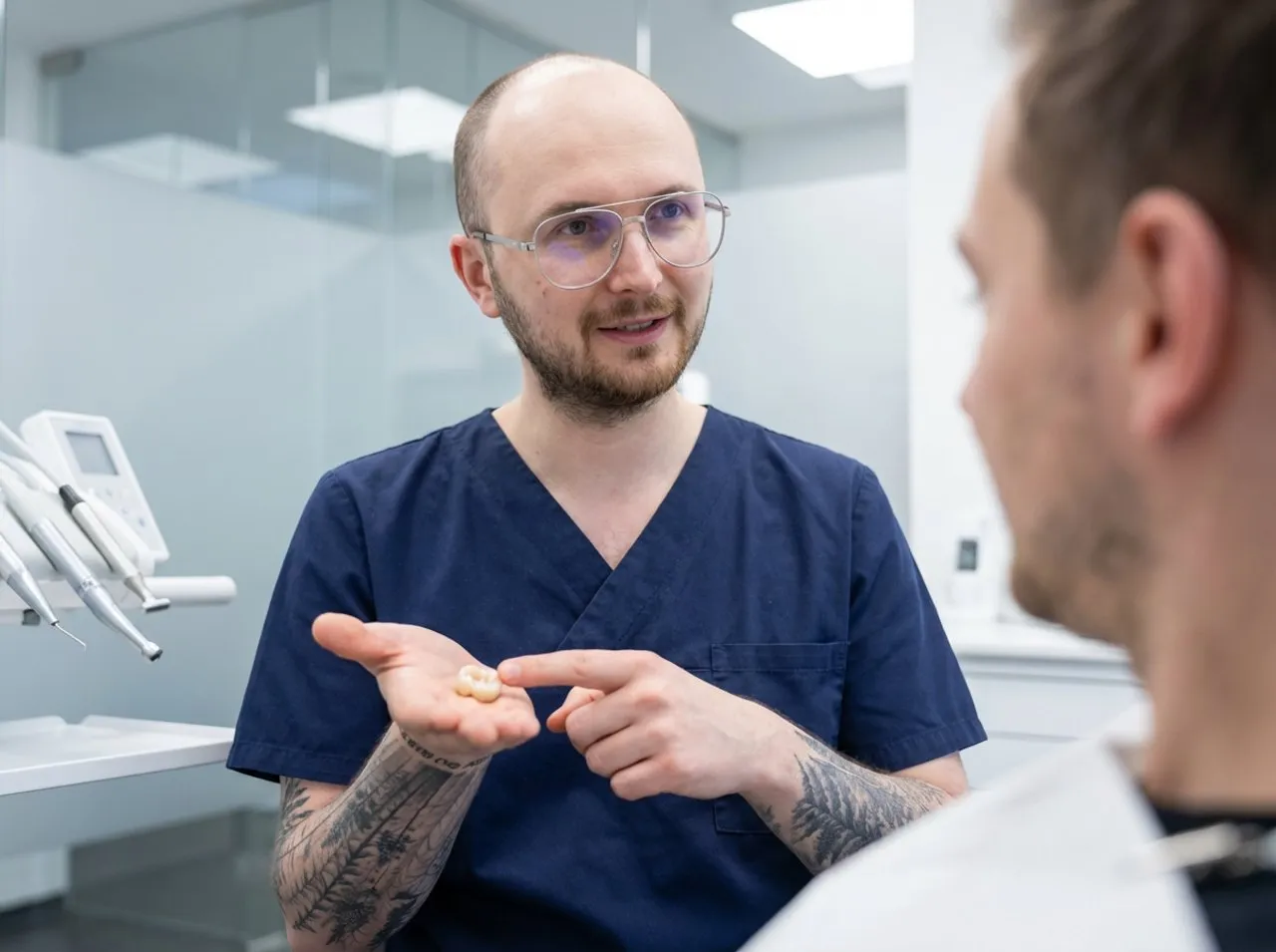
Treatment and cost plan: how to achieve planning certainty
Before treatment begins, we draw up a treatment and cost plan. It describes the clinical findings and treatment approach. You submit the plan to your health insurance fund. You then receive a written decision. This allows you to compare your own contributions reliably. Material alternatives are also made transparent.
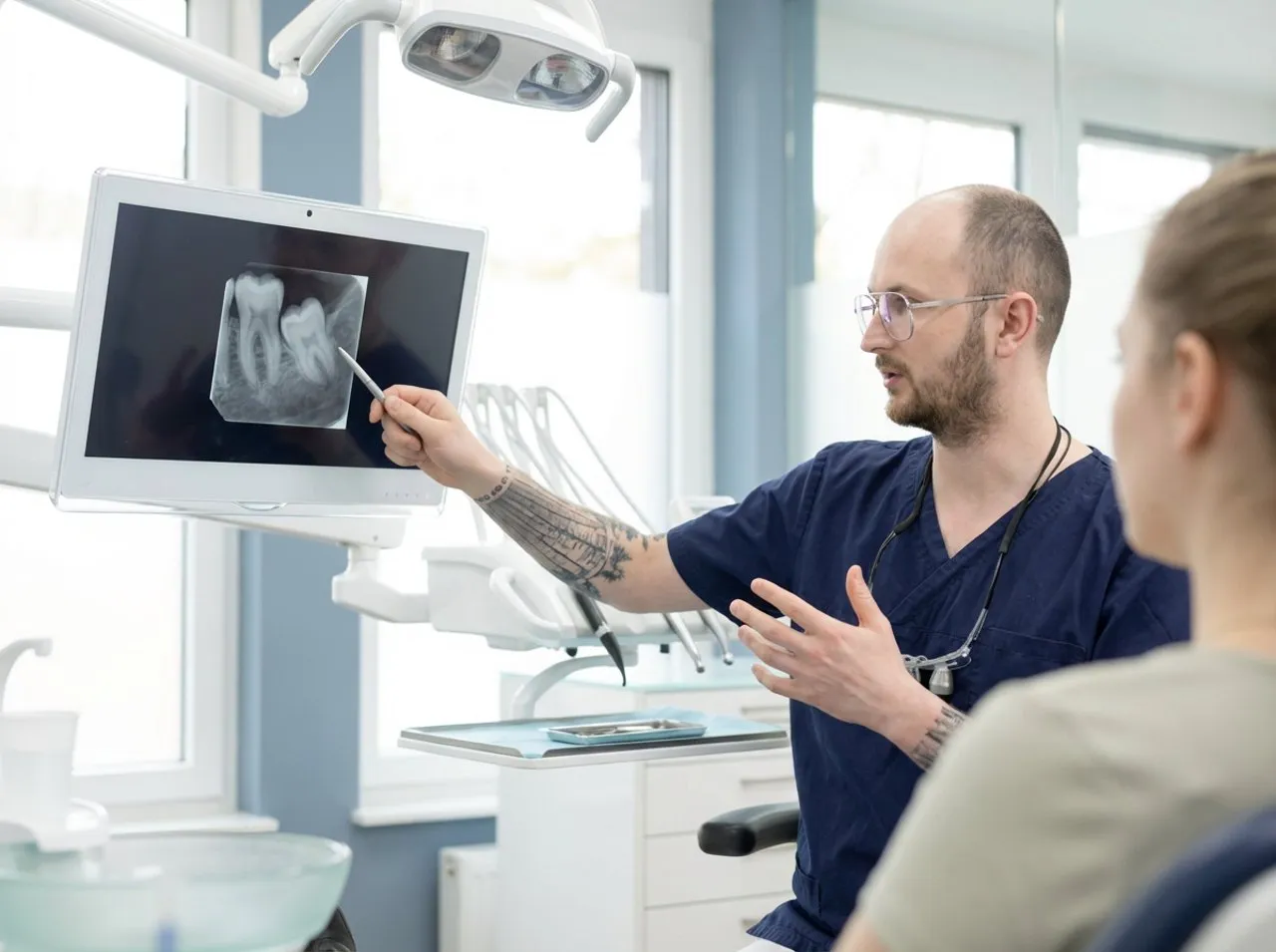
The treatment process step by step
First, an examination and diagnostics are carried out. X-rays are taken if needed. The abutment teeth are then prepared. This is followed by an impression or intraoral scan. You will usually receive a temporary restoration. This protects the teeth until the bridge is fitted. The laboratory manufactures the structure for a precise fit. Contact points and bite height are taken into account. At the follow-up appointment, we check the fit and marginal seal. The bridge is then cemented or bonded. Finally, we check your occlusion. Minor adjustments improve comfort.
Limitations, risks and typical complications
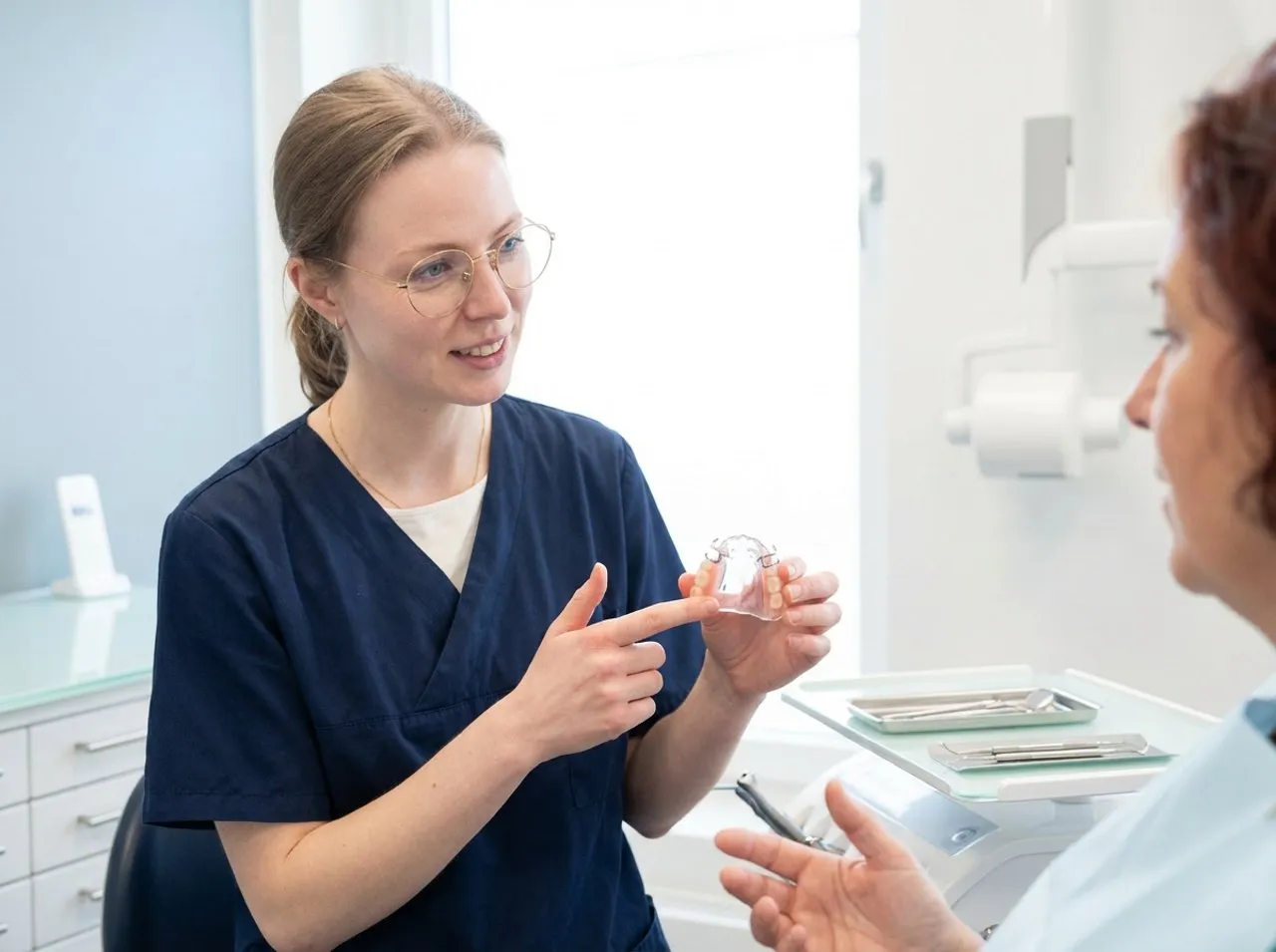
The abutment teeth need to be ground down. This results in the loss of healthy tooth substance. Some teeth are sensitive afterwards. In rare cases, root canal treatment may be required later. Overloading can cause chipping. This can often be repaired. There is no root loading beneath the pontic. The bone there can gradually deteriorate. We therefore carefully consider alternatives. An implant may be a better option if needed.
Durability and everyday care
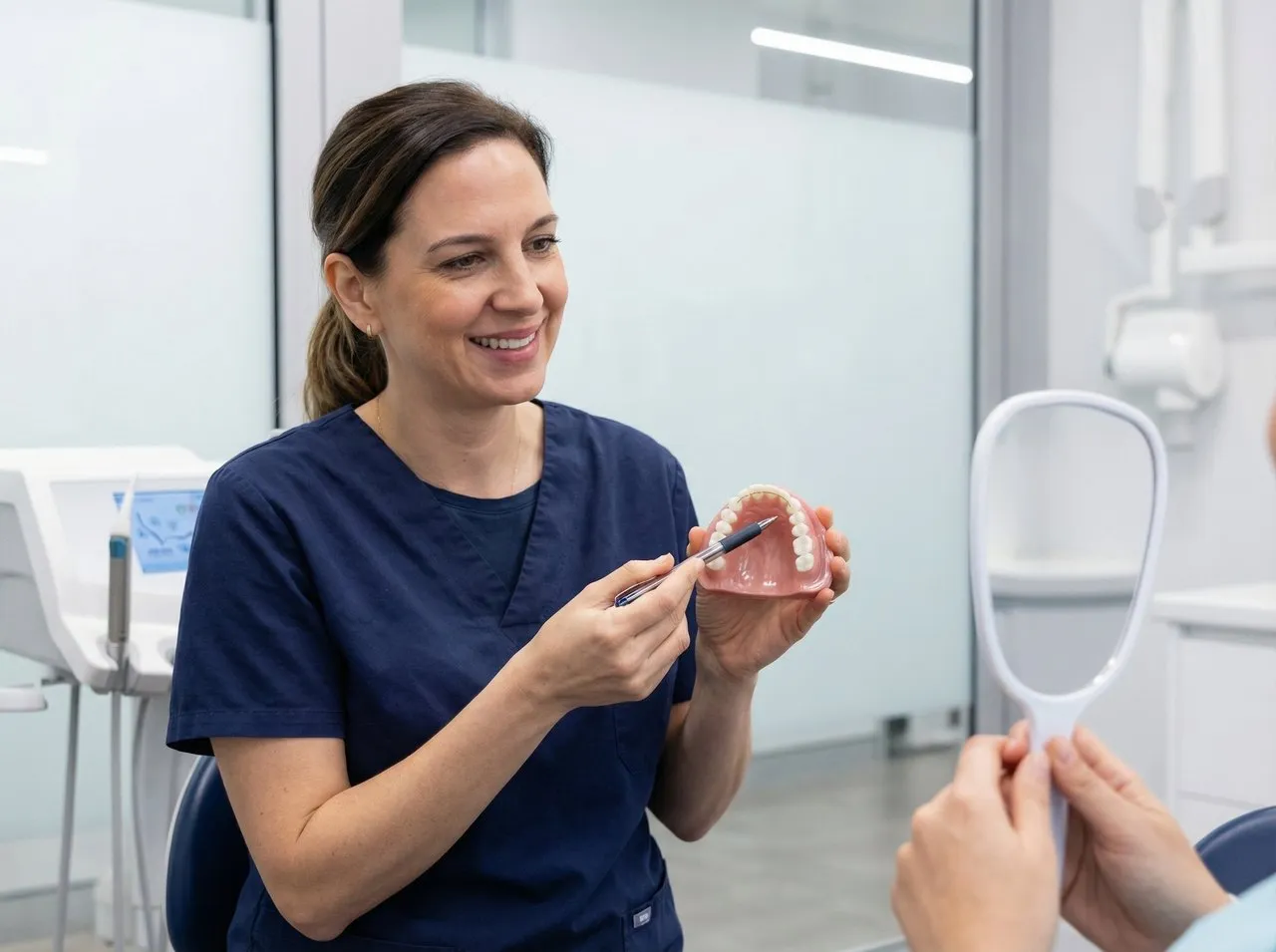
A three-unit restoration can last for many years. The marginal seal is crucial. Clean carefully along the gumline. Also clean beneath the pontic. Interdental brushes and Superfloss are helpful. Check-ups reduce secondary tooth decay. A splint is advisable if you grind your teeth. It protects the ceramic and abutment teeth.
Alternatives to conventional treatment
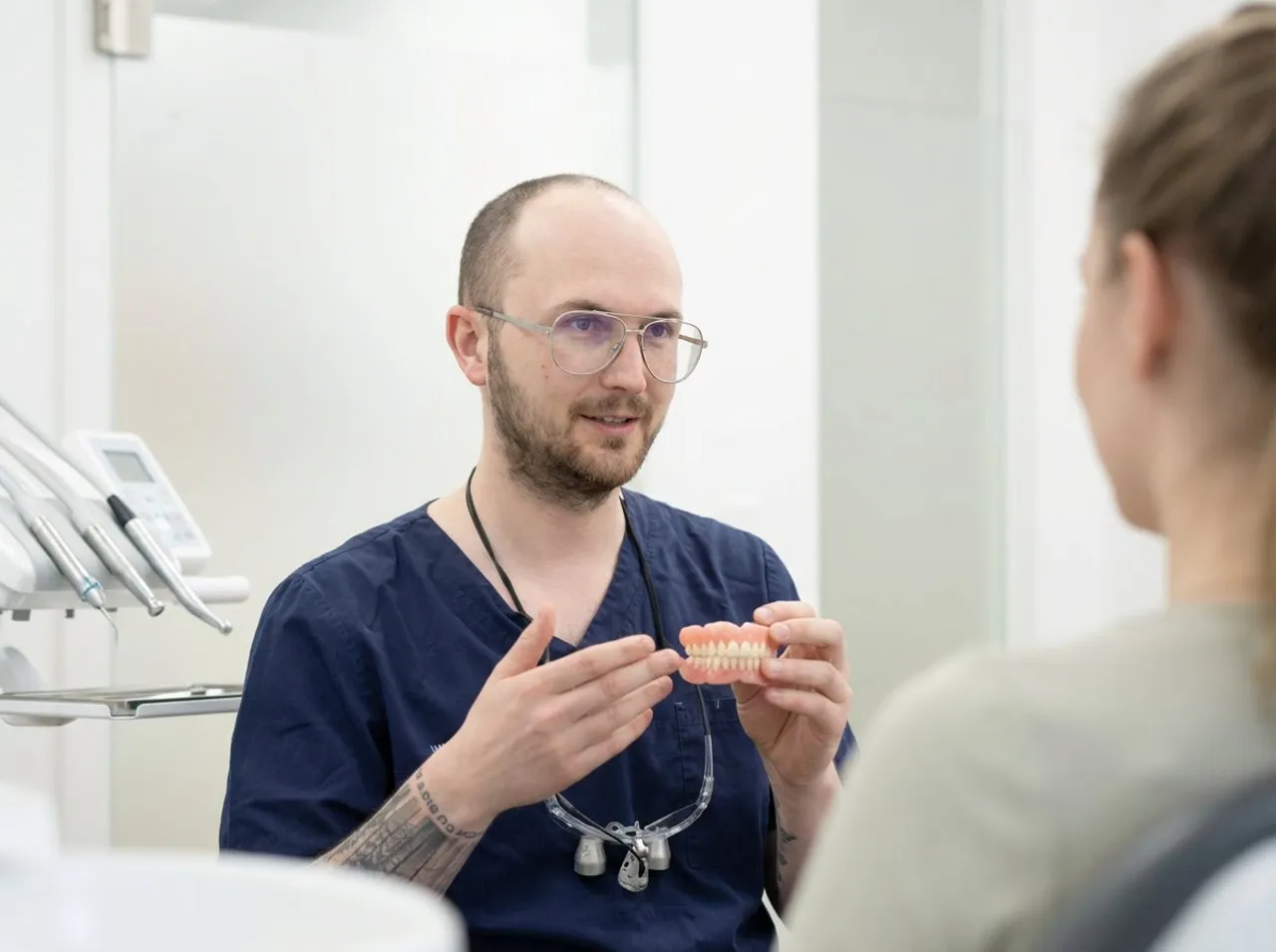
An implant with a crown preserves the neighbouring teeth. The available bone and healing time are important for this. An adhesive bridge is another option. It is more suitable for the front teeth. For larger gaps, removable dentures may be necessary. The choice depends on the clinical findings.
Consultation at Wunschlachen Berlin
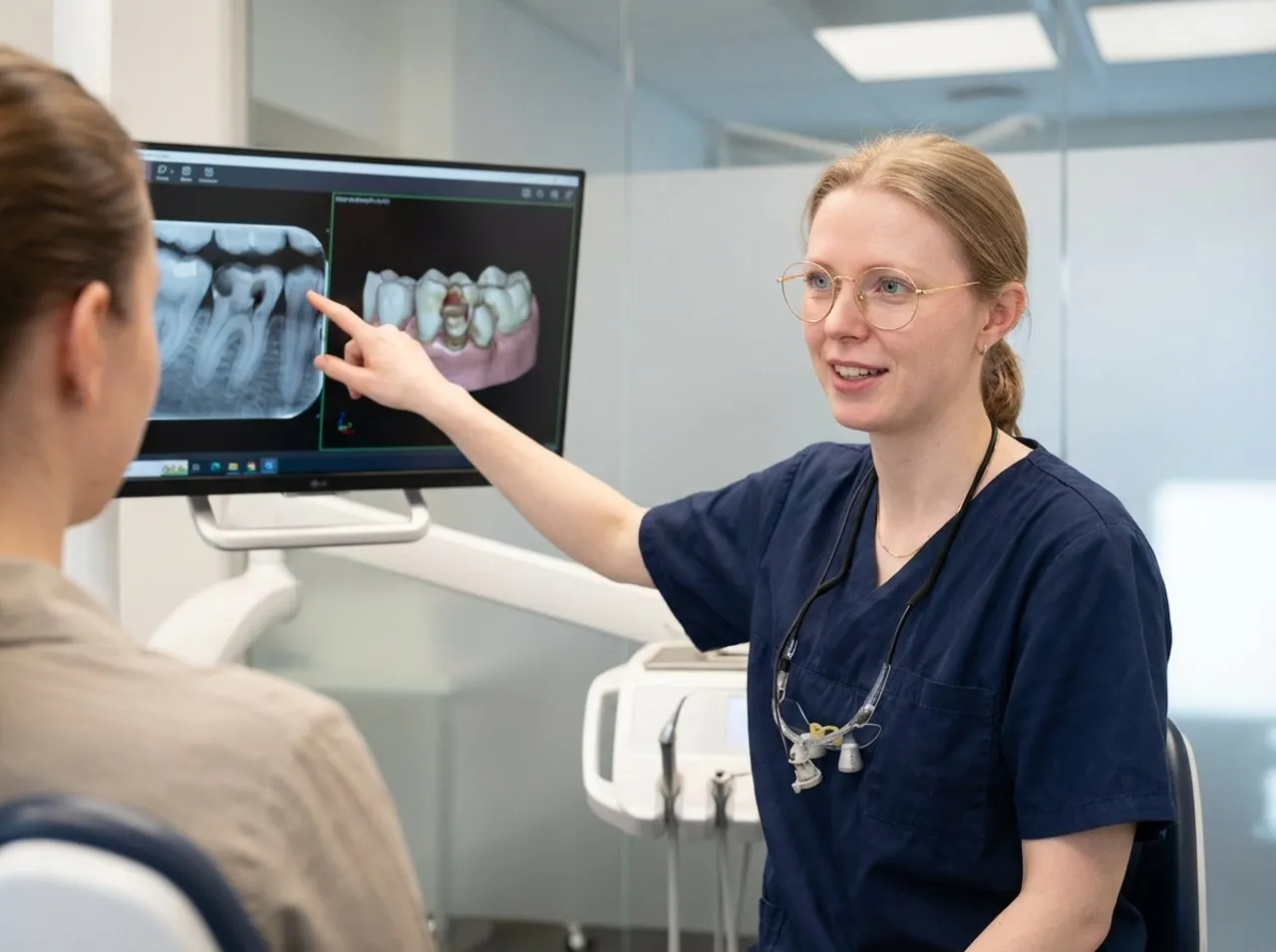
We clarify your goals, function and aesthetics. We then discuss suitable treatment approaches. You will receive a clear cost overview. We explain the subsidy, process and care. This allows you to plan your dental restoration with confidence. The decision remains transparent at all times.
FAQ: 3-tooth bridge costs
It consists of two crowns and a pontic. The crowns support the replacement tooth. The restoration is fixed in place. It fills a single tooth gap.
Materials and laboratory work vary. The clinical findings also affect planning. Preliminary treatments increase the overall work involved. This changes the final amount.
Yes, a fixed subsidy is available. It depends on the clinical findings. It is based on standard care. The subsidy remains the same for additional services.
A complete bonus booklet increases the subsidy. This often reduces the amount you pay yourself. Regular check-ups are important. These must be documented.
Aesthetics are the priority here. All-ceramic is often suitable. Zirconium oxide is a common framework material. The colour is matched in the laboratory.
Yes, with the conventional solution. The abutment teeth are prepared for crowns. This is a key difference from an implant. With an implant, neighbouring teeth are left untouched.
Two to three appointments are often needed. Laboratory time is usually one to two weeks. It takes longer if preliminary treatments are required. This depends on the clinical findings.
Gentle rinses with lukewarm salt water are often sufficient. Vigorous rinsing should be avoided.
The entire structure is then affected. Early diagnosis is crucial. Tooth decay and inflammation must be treated immediately. Check-ups are therefore important.
The treatment and cost plan provides the basis. It is based on examination and planning. We explain every item transparently. This allows you to make a confident decision.
Book your appointment now
We would be happy to advise you in person at our practice.