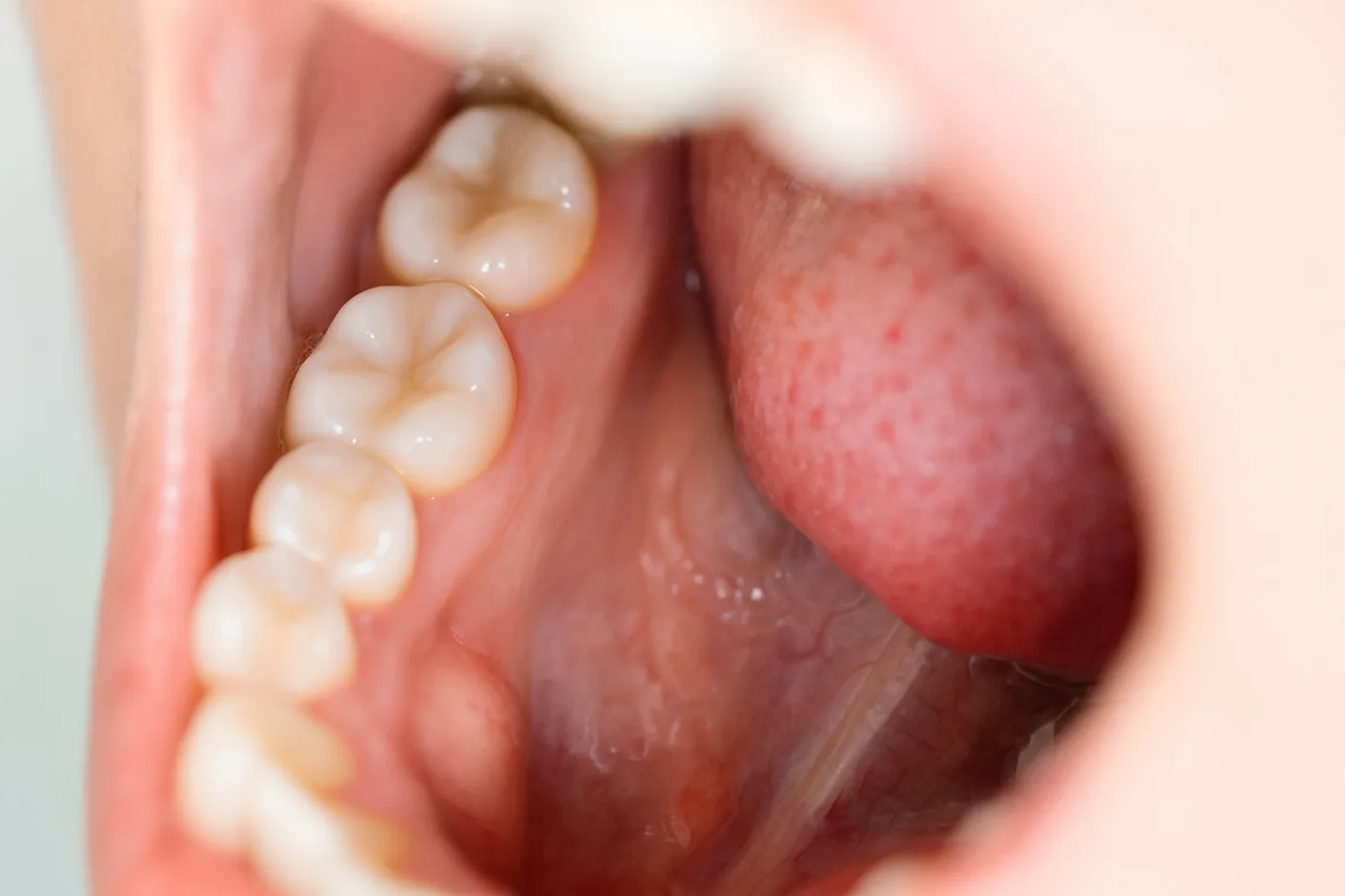
Fissures – an important structure for dental health
The surface of our molars is not smooth, but covered with fine grooves and depressions. These are known as fissures and play a crucial role in the function and maintenance of healthy teeth. A fissure is a natural part of the tooth surface. It...
Über 350 Google-Bewertungen
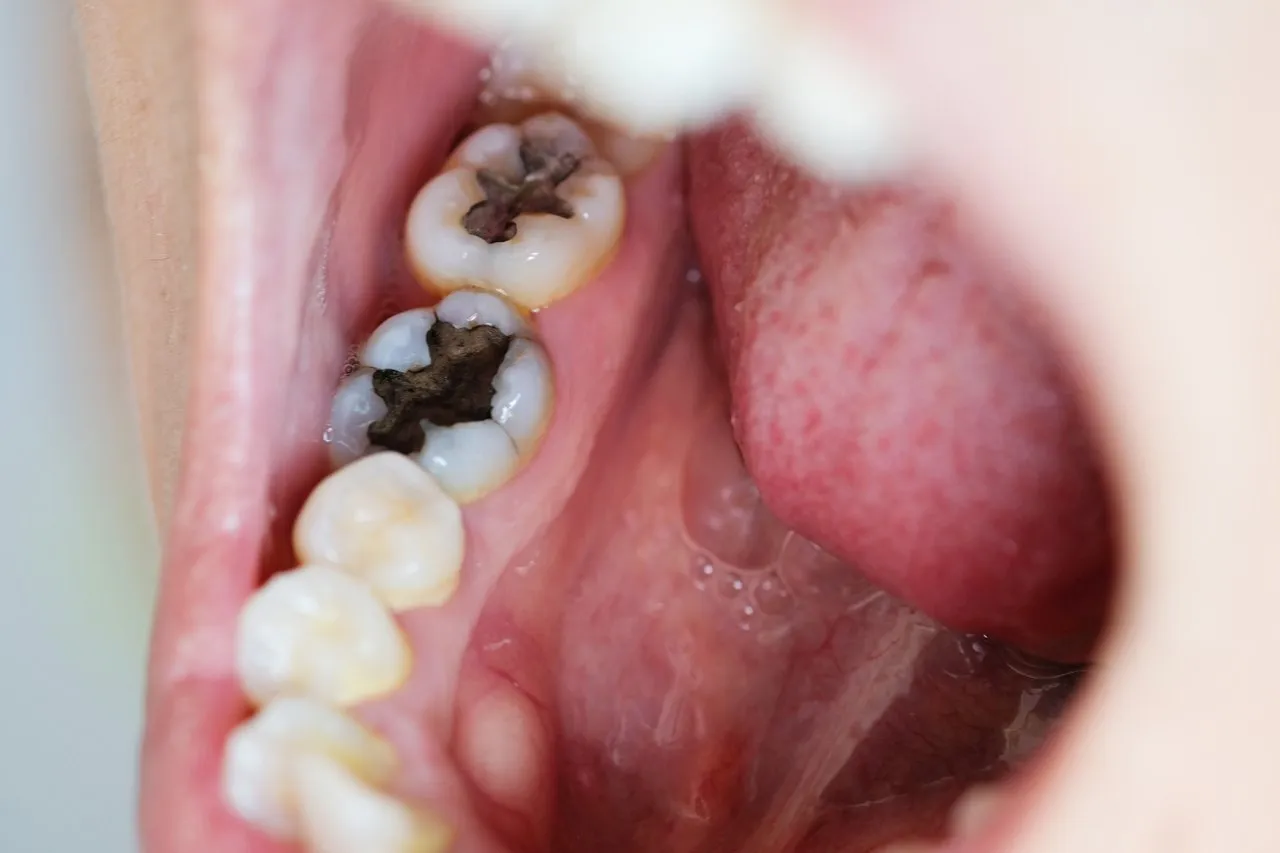
Increased risk of tooth decay
Tooth fissures are found mainly on the chewing surfaces of molars and premolars. These depressions can vary in depth and narrowness. In some people, tooth fissures are very fine and easy to clean. In others, however, they are deep and narrow, making it difficult for even toothbrush bristles to reach into them. This increases the risk of food particles and bacteria becoming trapped. The combination of hard-to-reach areas and bacterial colonisation can lead to tooth decay over time. The term ‘tooth fissure’ is commonly used in English-speaking countries and refers precisely to these depressions on the tooth surface. The German term ‘Fissur Zahn’ is also frequently used to describe this anatomical structure. Thorough dental care and regular check-ups are essential for detecting and treating problems early.

Why fissures need particular protection
The depressions are usually particularly vulnerable immediately after the permanent molars erupt. During this time, the tooth enamel has not yet fully matured and is therefore more susceptible to acid attacks. If oral hygiene is not carefully maintained during this phase, tooth decay can develop very quickly. In addition, the shape of the depressions varies from person to person. Some depressions are V-shaped and relatively wide, which makes them easier to clean. Others, however, are I- or U-shaped and very deep. Such deep grooves act like small ravines in which plaque and food particles stubbornly remain.
Even thorough brushing may not remove these deposits. For this reason, it is important for a dentist to check regularly whether special treatment is needed.
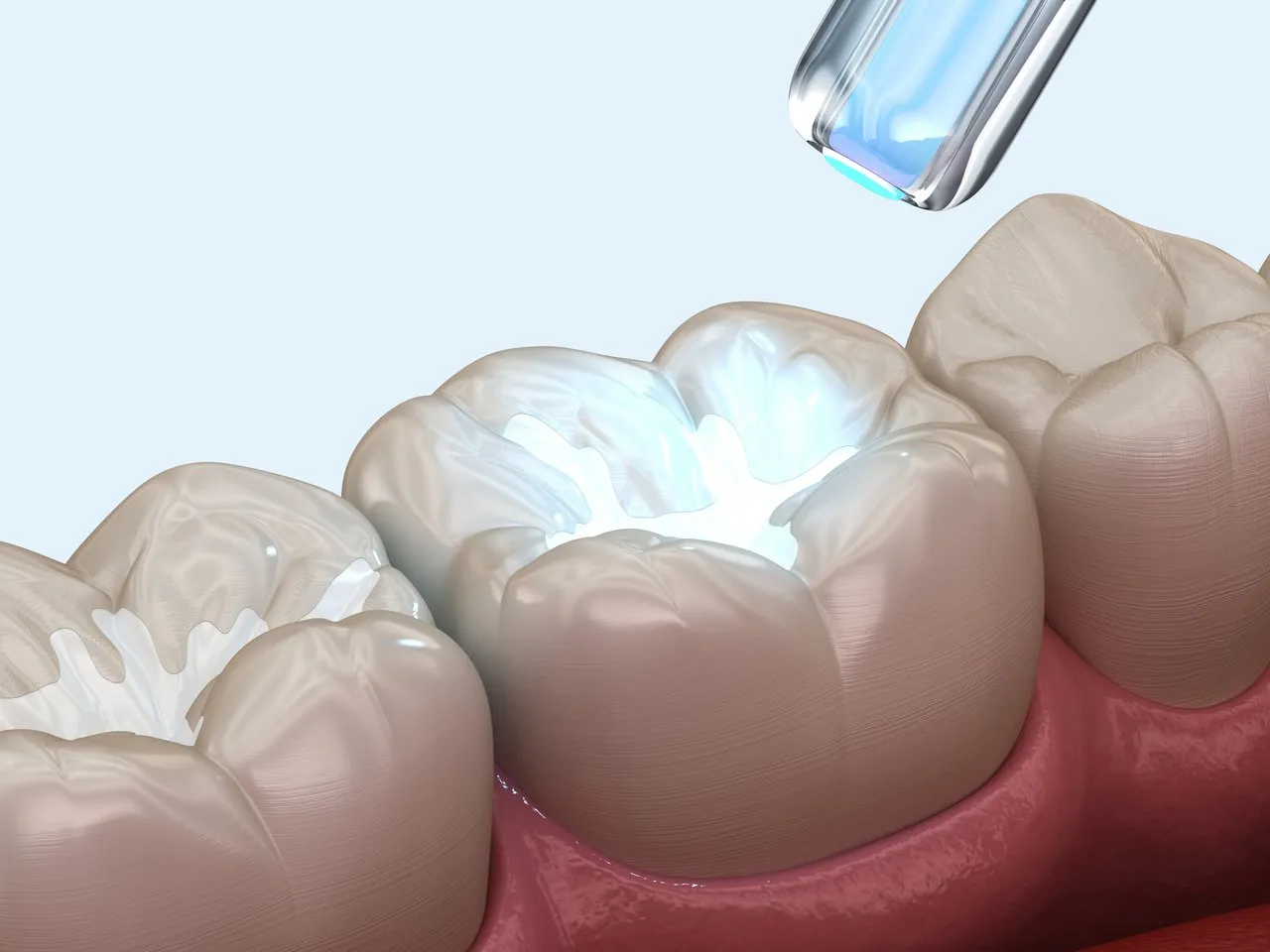
Fissure sealant – protection against tooth decay
One tried-and-tested method is known as fissure sealing. After cleaning, the fissure is filled and sealed with a plastic material. This thin protective layer prevents bacteria and food particles from entering the depressions. Fissure sealant is particularly beneficial for children and adolescents, but can also be used in adults. The treatment causes little pain, is minimally invasive and can be completed in a single session.
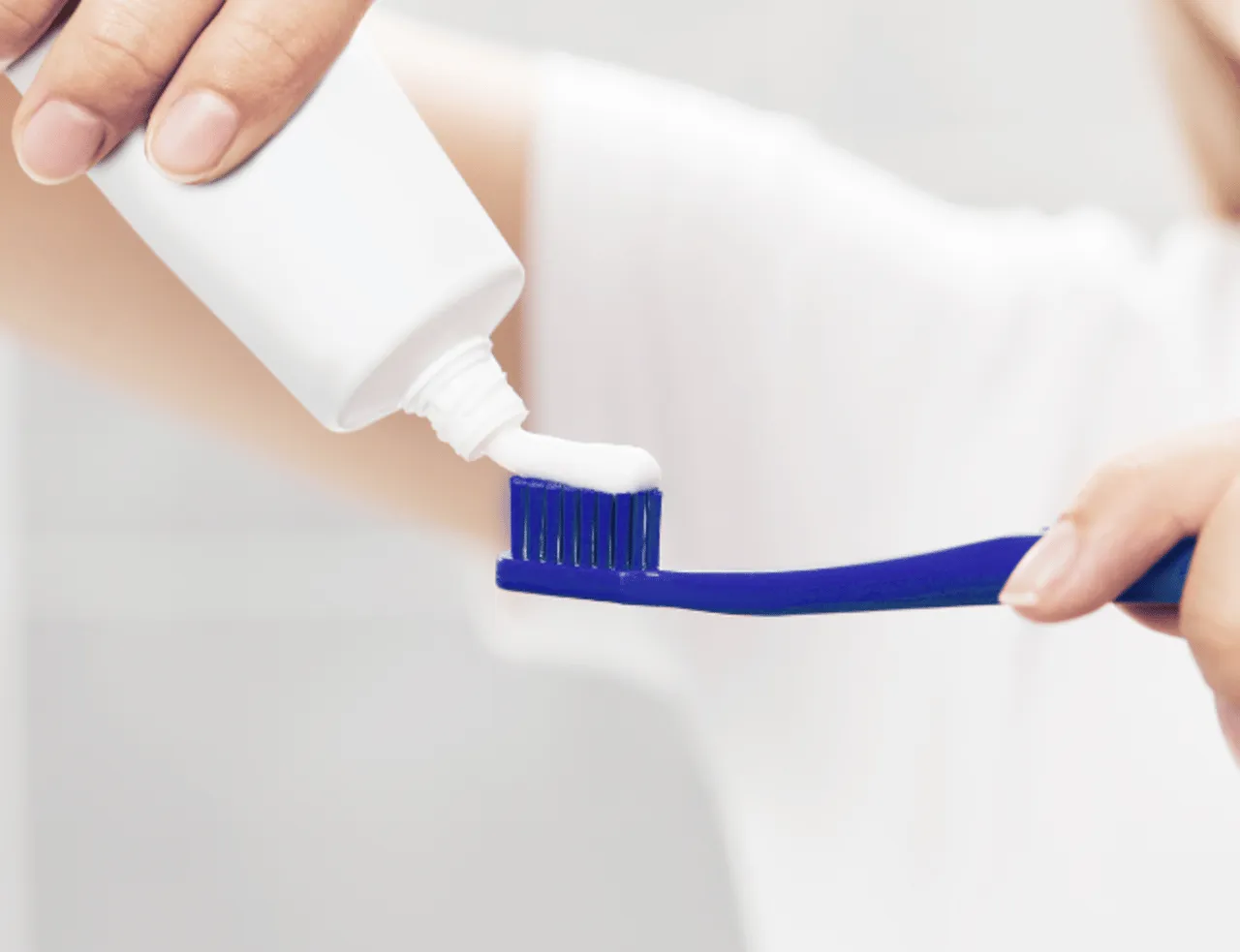
Caring for fissures every day
Dental care should not be neglected even if sealant has been applied. Regular brushing with fluoride toothpaste and professional dental cleaning (PZR) help keep fissures healthy. Good oral hygiene protects not only the chewing surfaces, but also the spaces between the teeth and the gums. People with very deep tooth fissures should use a toothbrush with fine, flexible bristles. This also makes it possible to clean hard-to-reach areas. Special toothpastes or gels with a higher fluoride content can also be used to strengthen the tooth enamel.
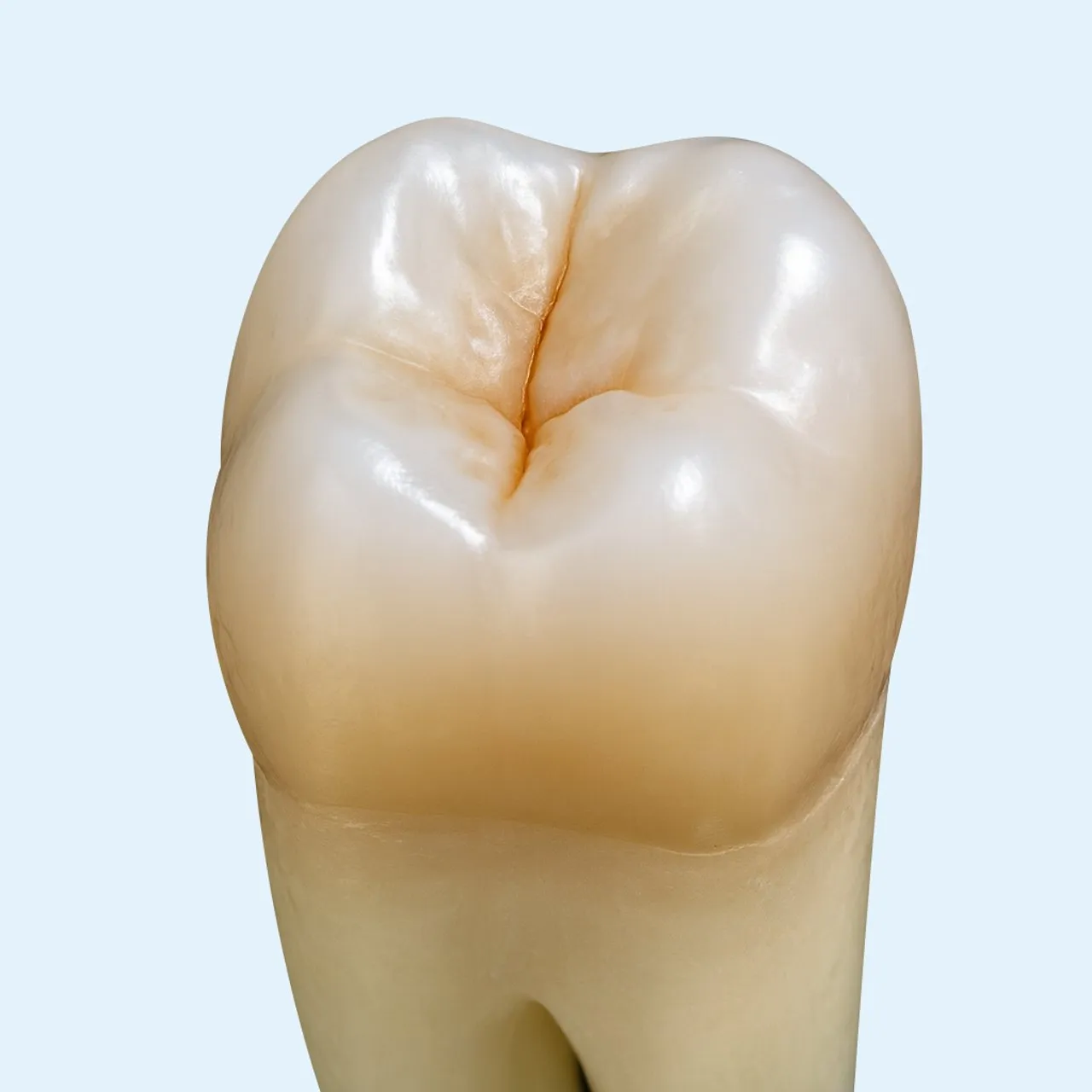
Fissures and their importance in dentistry
In dentistry, tooth fissures are considered particularly critical when it comes to the early detection of tooth decay. Even the smallest changes in a tooth fissure can indicate the onset of dental damage. It is therefore important for the dentist to inspect the chewing surfaces closely at every check-up. Modern diagnostic techniques such as laser fluorescence or special magnifying loupes can reveal even fine changes. If tooth decay is detected early, minimally invasive treatment is often enough to preserve the tooth fissure.

When fissure treatment is needed
Not every groove automatically needs to be sealed or treated. For shallow, easily accessible depressions, thorough dental care at home may be sufficient. Deep, narrow or already discoloured tooth fissures, however, are considerably more susceptible and should be examined more closely. If the dentist finds that bacteria have become deeply embedded, targeted cleaning or sealing may be necessary. The decision for or against treatment depends on several factors. Regular check-ups at Wunschlachen are therefore the best way to safeguard the long-term health of your teeth.
FAQs about fissures
A natural groove or depression on the chewing surface of a tooth, usually on a molar.
Because they are often very narrow and deep, making it difficult for toothbrush bristles to reach into them and allowing bacteria to become trapped.
This is the English term for a tooth fissure and describes the same anatomical structure.
Teeth with pronounced depressions on the chewing surface, particularly molars and premolars.
Yes, but only to a limited extent, as deep grooves are difficult to reach.
A protective layer of plastic applied to the depression to prevent tooth decay.
Children and adolescents in particular, but also adults with deep grooves in their teeth.
No, it is completely painless and can be carried out quickly.
Usually several years, and often considerably longer with good care.
No, only deep or hard-to-clean grooves with an increased risk of tooth decay.
Book your appointment now
We would be happy to advise you in person at our practice.