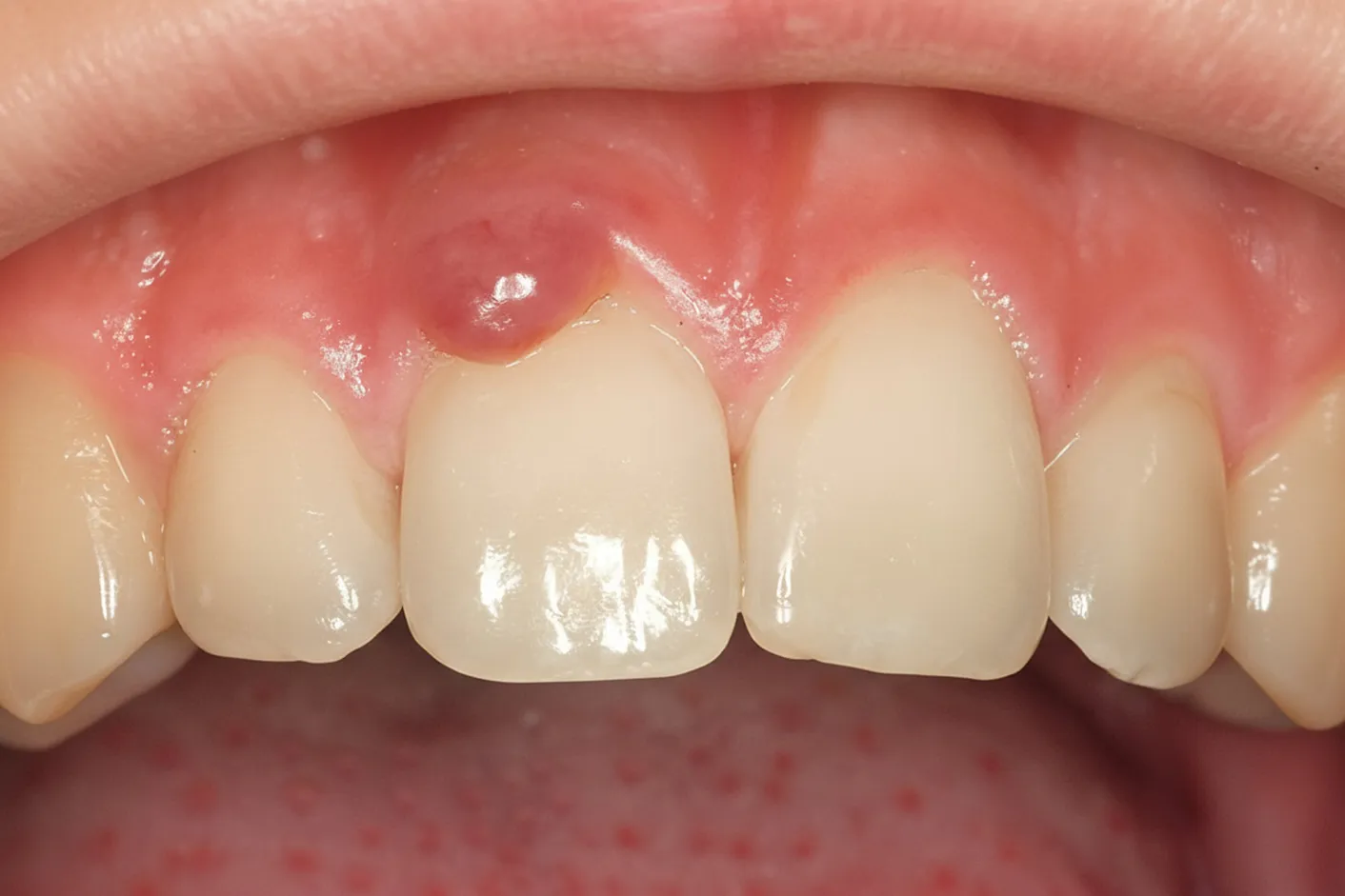
Gum granuloma – causes and treatment
Many patients hear the term granuloma for the first time when they visit the dentist. They are confronted with inflammation in the mouth. But what exactly is it? And why can it develop on both the teeth and the gums? In this article, you will learn everything...
Über 350 Google-Bewertungen
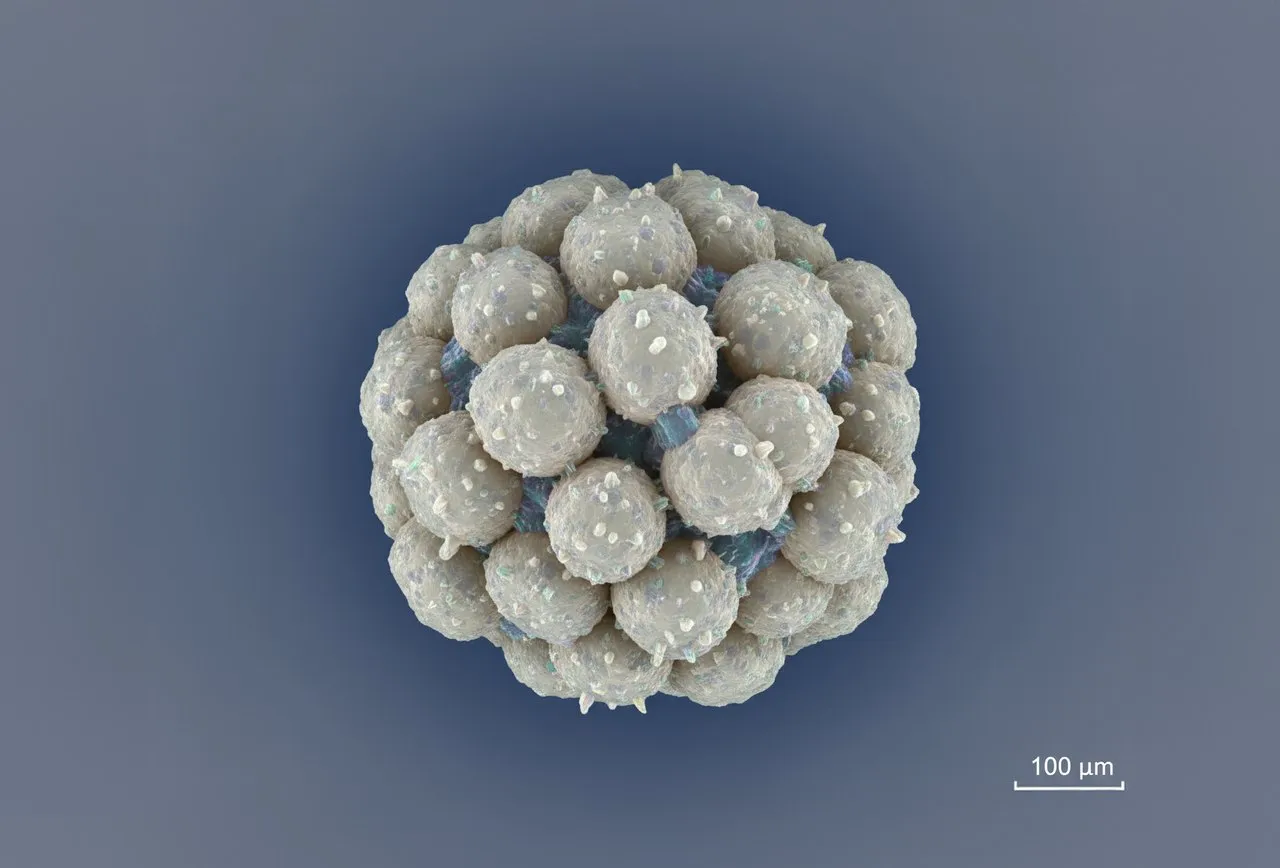
What is a granuloma?
A granuloma is chronic inflammation caused by the body's immune response. It is not an acute infection, but an accumulation of immune cells. These form in the tissue. The body's aim is to encapsulate bacteria, foreign bodies or dead tissue. Inflammation on a tooth or the gums often arises from prolonged irritation or inflammation that has not healed completely. It can go unnoticed for a long time and only be detected during check-ups.
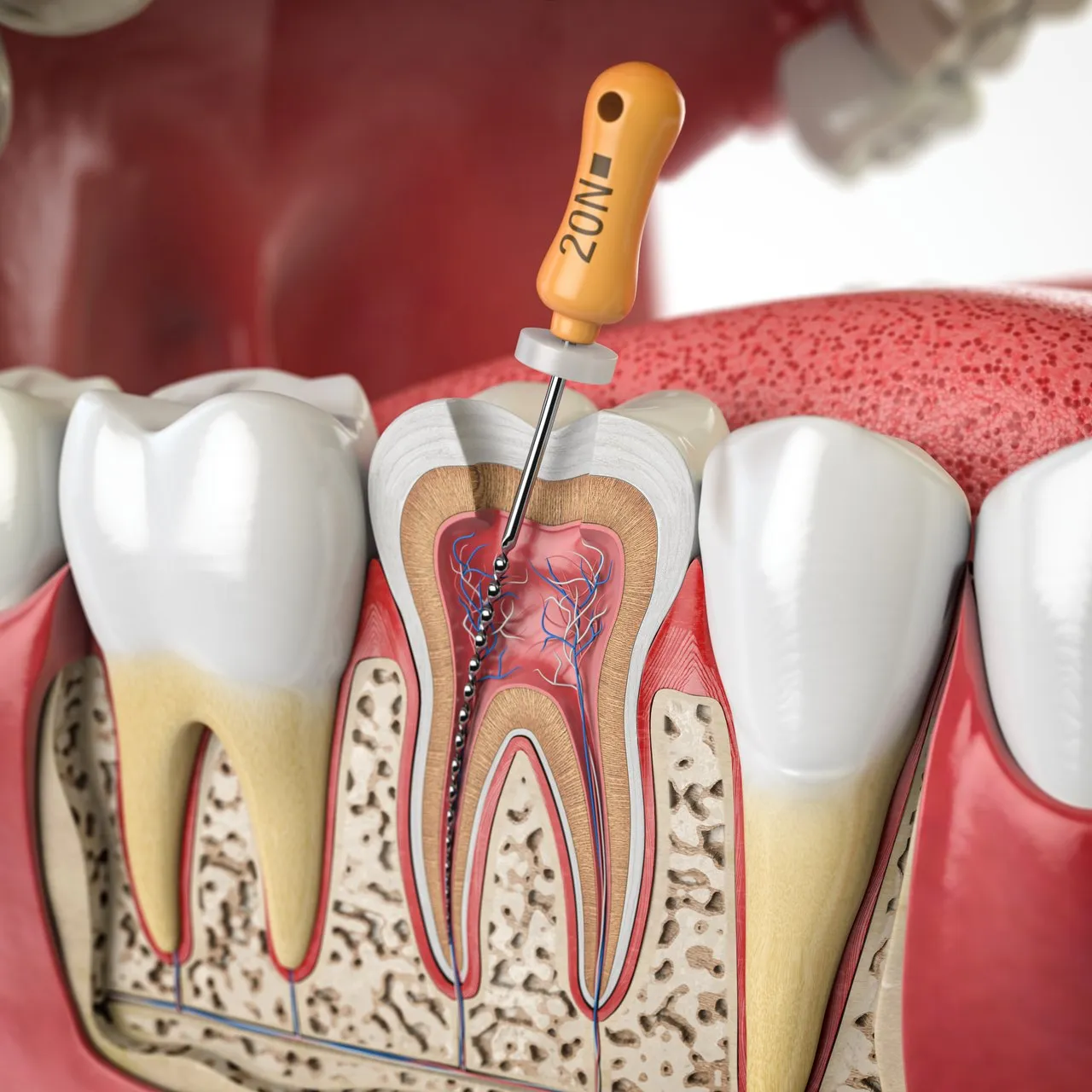
Internal granuloma on a tooth – a special form
One special form is internal inflammation in a tooth. This is inflammation inside the tooth that originates in the dental pulp. The cause is usually deep tooth decay or trauma that has damaged the nerve. Internal inflammation often leads to the slow destruction of the dental hard tissue from the inside out. Without treatment, the tooth can be completely destroyed.

Causes of granulomas
The inflammation can have various triggers. The most common include: • Untreated tooth decay – bacteria penetrate the tooth and cause chronic inflammation. • Dead dental nerves – following deep inflammation or injury. • Incompletely treated root canals – bacteria remaining in the root canal can trigger inflammation. • Gum irritation – for example, from tartar, ill-fitting dentures or fillings. • Foreign bodies – such as small particles that have entered the tissue.

Symptoms of granulomas
The inflammation can remain symptom-free for a long time. However, common symptoms include: • Sensitivity to pressure or pain in the tooth • Swelling of the gums • Fistula formation with discharge of pus • Loosening of the affected tooth • Discolouration in a tooth with internal inflammation • General signs of inflammation, such as slight swelling or redness As the symptoms are not always clear-cut, a dental examination is important.
Granuloma treatment – what options are available?
The treatment depends on the type, size and location: 1. Root canal treatment With this type of inflammation in a tooth, root canal treatment is often carried out to remove the bacteria. The aim is to preserve the tooth. 2. Apicectomy If root canal treatment is not sufficient, the inflamed root tip can be surgically removed. 3. Removal of gum tissue If the inflammation is in the soft tissue, it is surgically removed. 4. Tooth extraction If the tooth is severely damaged, it must be extracted. It is later replaced with an implant or a bridge. Important: the earlier the inflammation is detected, the greater the chances of preserving the tooth.
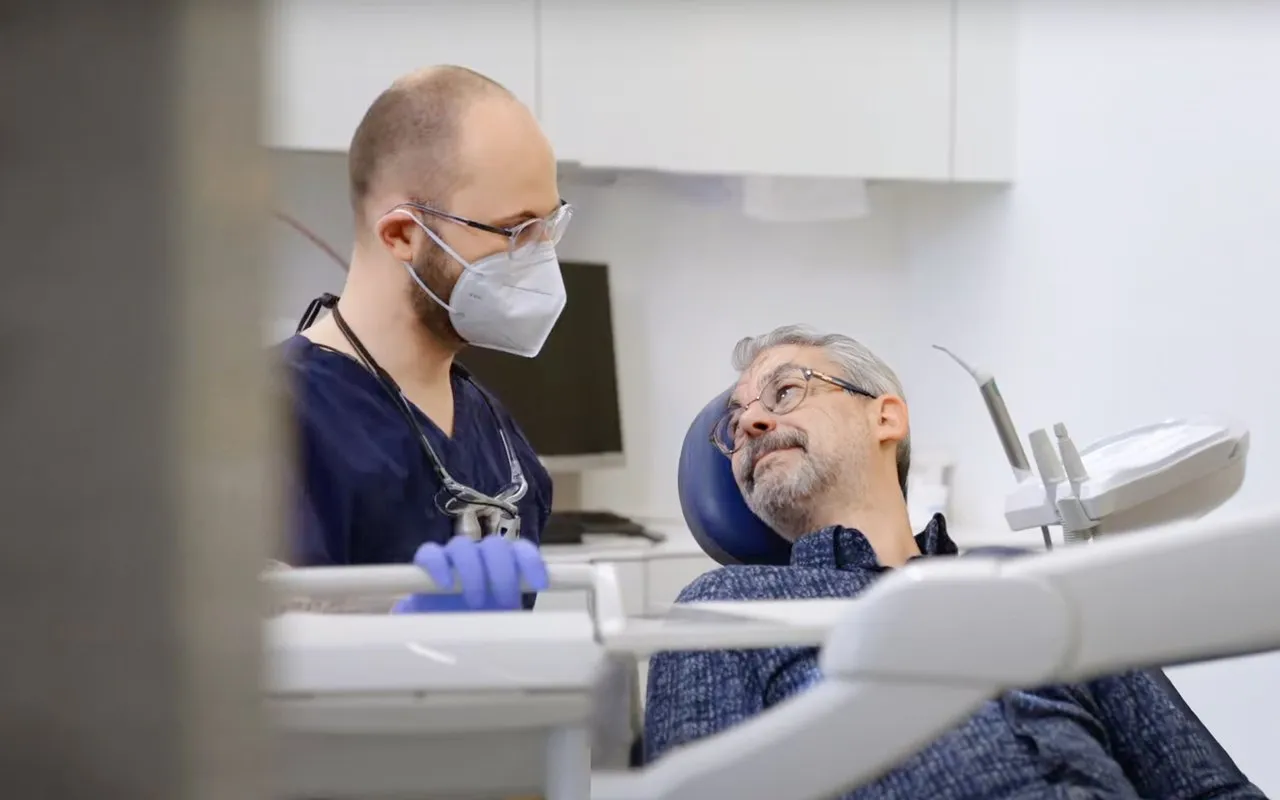
Preventing granulomas
The best prevention is good oral hygiene and regular dental check-ups. If tooth decay or minor inflammation is detected in good time, the development of such inflammation can be prevented.

Conclusion
Granulomas are chronic inflammations that can occur in both the tooth and the gums. Internal inflammation in a tooth is particularly insidious. It can remain undetected for a long time and destroy the tooth from the inside out. Timely diagnosis and targeted treatment are crucial to preserving teeth and stopping inflammation. Attending regular dental appointments and maintaining thorough dental care significantly reduces the risk.
FAQ – frequently asked questions about granulomas
They are chronic inflammations formed by the body to encapsulate bacteria or foreign bodies.
An inflammatory change in the tissue around the gums, often caused by irritation or infection.
A granuloma inside the tooth that can destroy the tooth from the inside out.
Swelling, pain on pressure, fistula formation or loosening of the tooth. Sometimes there are no symptoms.
Depending on the situation, with root canal treatment, an apicectomy, surgical removal or tooth extraction.
If left untreated, they can destroy teeth and encourage infections in the body.
No, such inflammation does not heal on its own and must be treated by a dentist.
The costs vary depending on the method: root canal treatment, surgery or tooth replacement.
Through good dental care, professional teeth cleaning and regular check-ups.
As early as possible, as it can otherwise lead to tooth loss or further inflammation.
Book your appointment now
We would be happy to advise you in person at our practice.