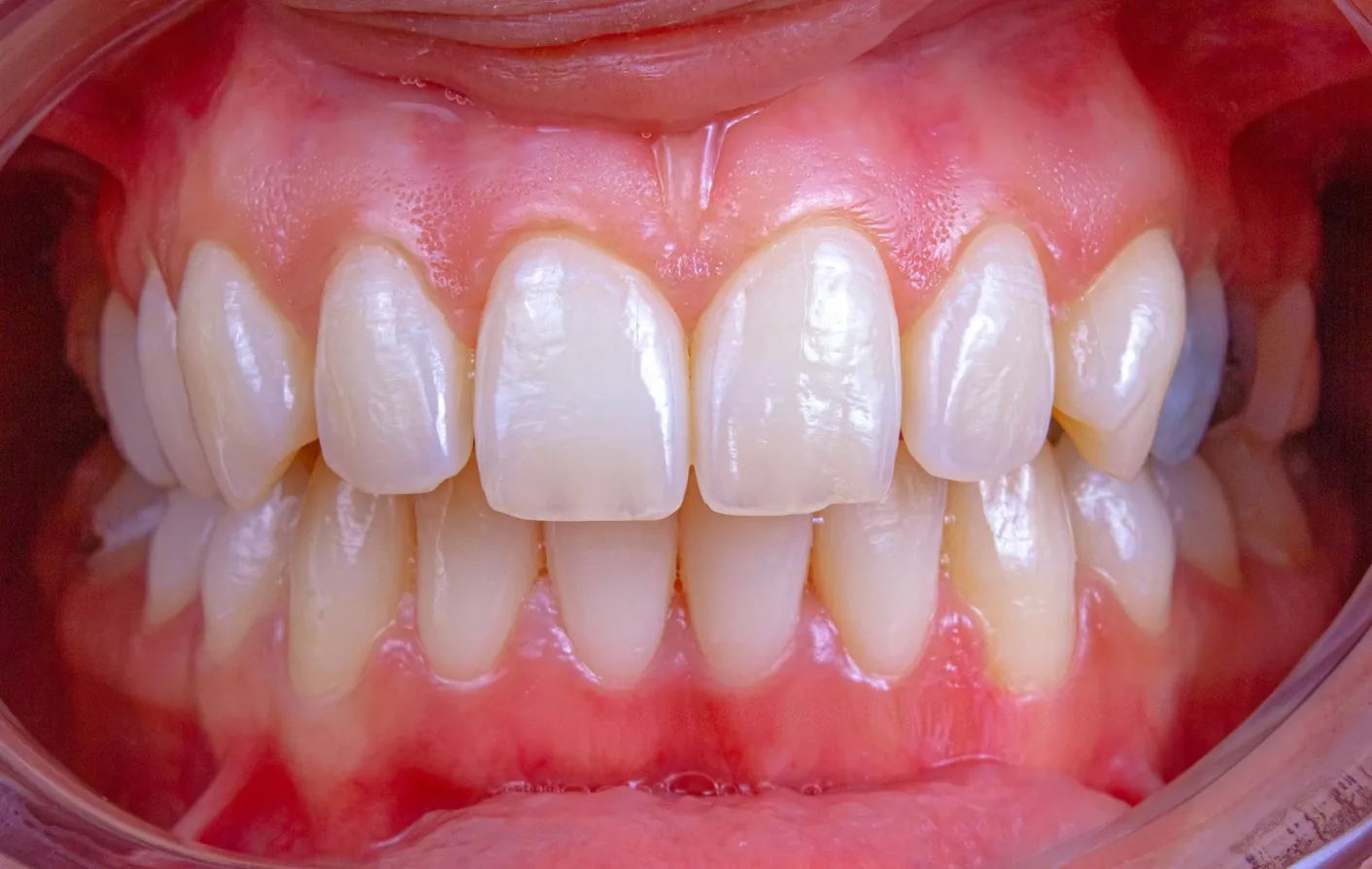
Tooth structure: everything about the anatomy of teeth
Teeth are an essential part of our dentition. They play an important role in eating and in the health of the entire body. Dental anatomy is complex and fascinating. In this article, you will learn everything about tooth structure, their functions and the...
Über 350 Google-Bewertungen
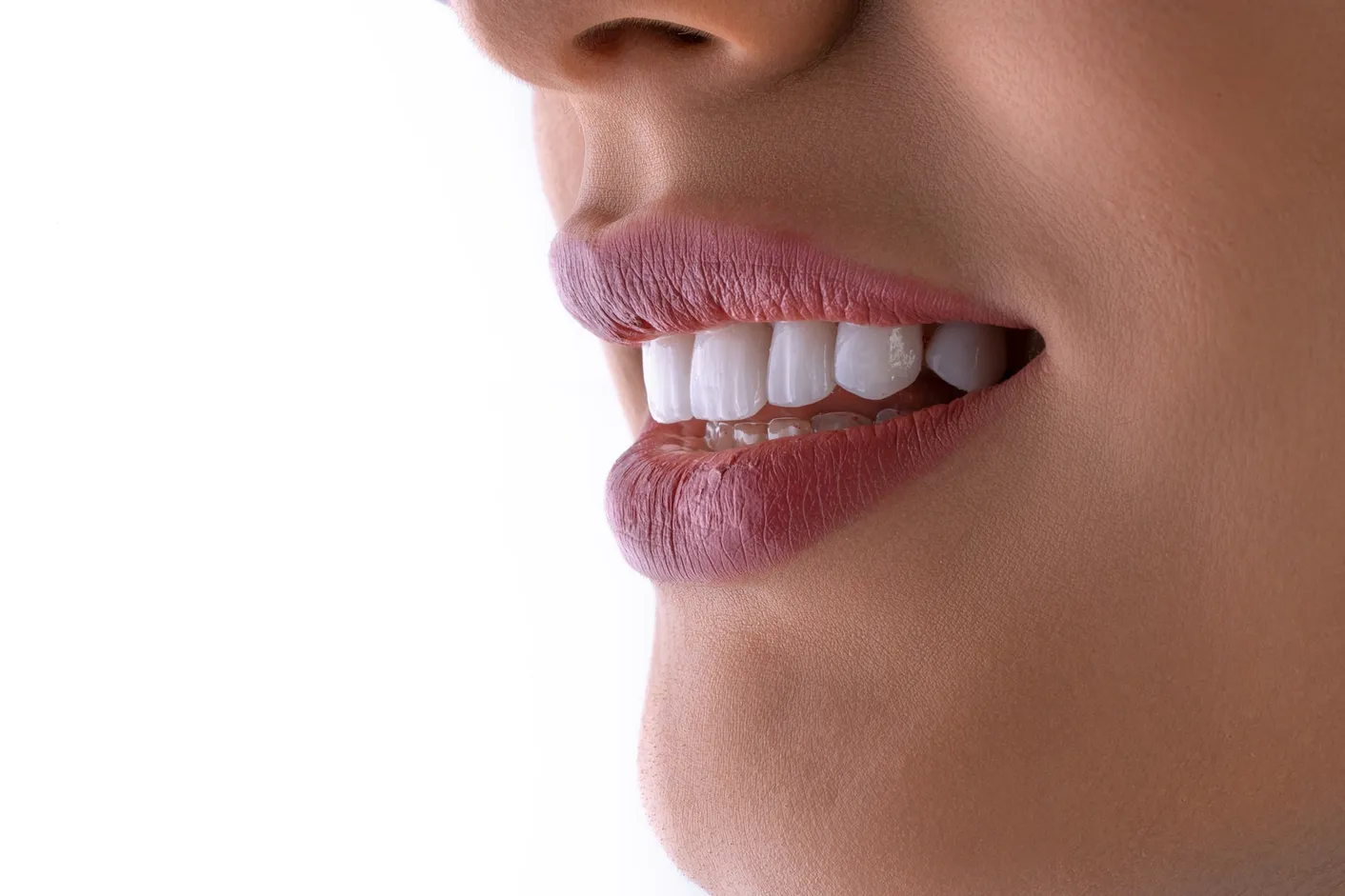
What are teeth and how are they structured?
Teeth are an indispensable part of the human body and help break down food. They consist of several layers that together ensure stability and functionality. Teeth are not bones, although they have similar properties. They consist mainly of tooth enamel, dentine, dental pulp and cementum. Tooth enamel is the hard outer layer of the tooth, protecting it from wear. It is the hardest substance in the human body. It protects the inner layers from external influences such as acids and bacteria. Dentine is the second layer and makes up the largest part. It is less hard than tooth enamel, but still very stable and forms the foundation. The dental pulp is located inside and contains nerves and blood vessels that supply the tooth with nutrients. Finally, cementum is found around the root and firmly anchors the tooth in the jawbone.
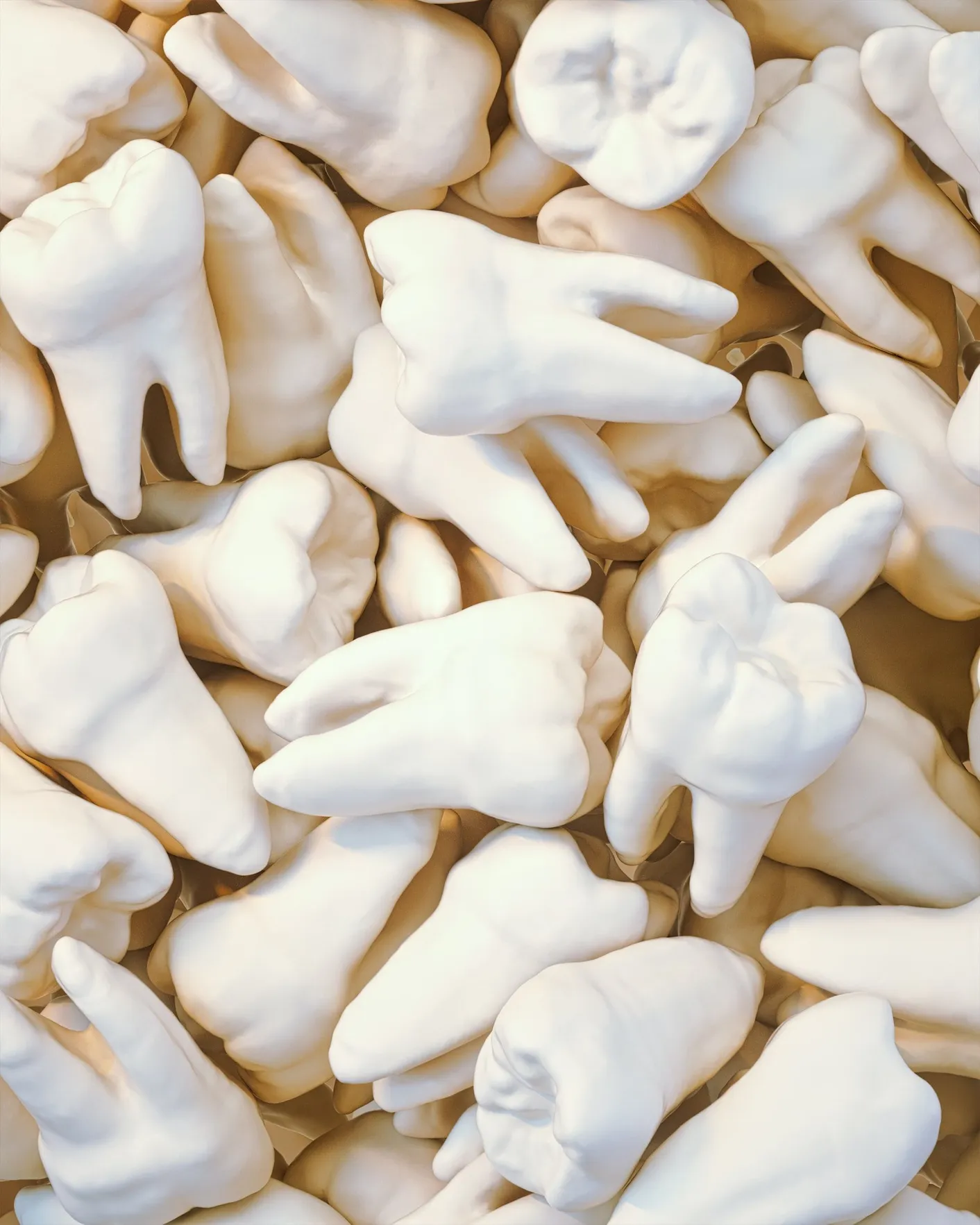
What types of teeth are there and what are they called?
The human dentition consists of different types of teeth, each with a specific function. The main types are: • Incisors: located at the front of the mouth and sharp, for biting and cutting food. They are generally flat and have a sharp edge. There are upper incisors (in the upper jaw) and • lower incisors (in the lower jaw). • Canines: pointed and used to tear food. They are located directly next to the incisors. • Molars: they are flat and have several projections (cusps) that help grind food. The structure of a molar consists of several cusps and a stable root layer.

The functions of teeth
Teeth in the dentition perform various functions. Their most important function is breaking down and chewing food. This aids digestion and ensures that nutrients from food can be absorbed efficiently. They also play an important role in the pronunciation of words and in speech generally. Their functions range from breaking down food to supporting the muscles and facial aesthetics.
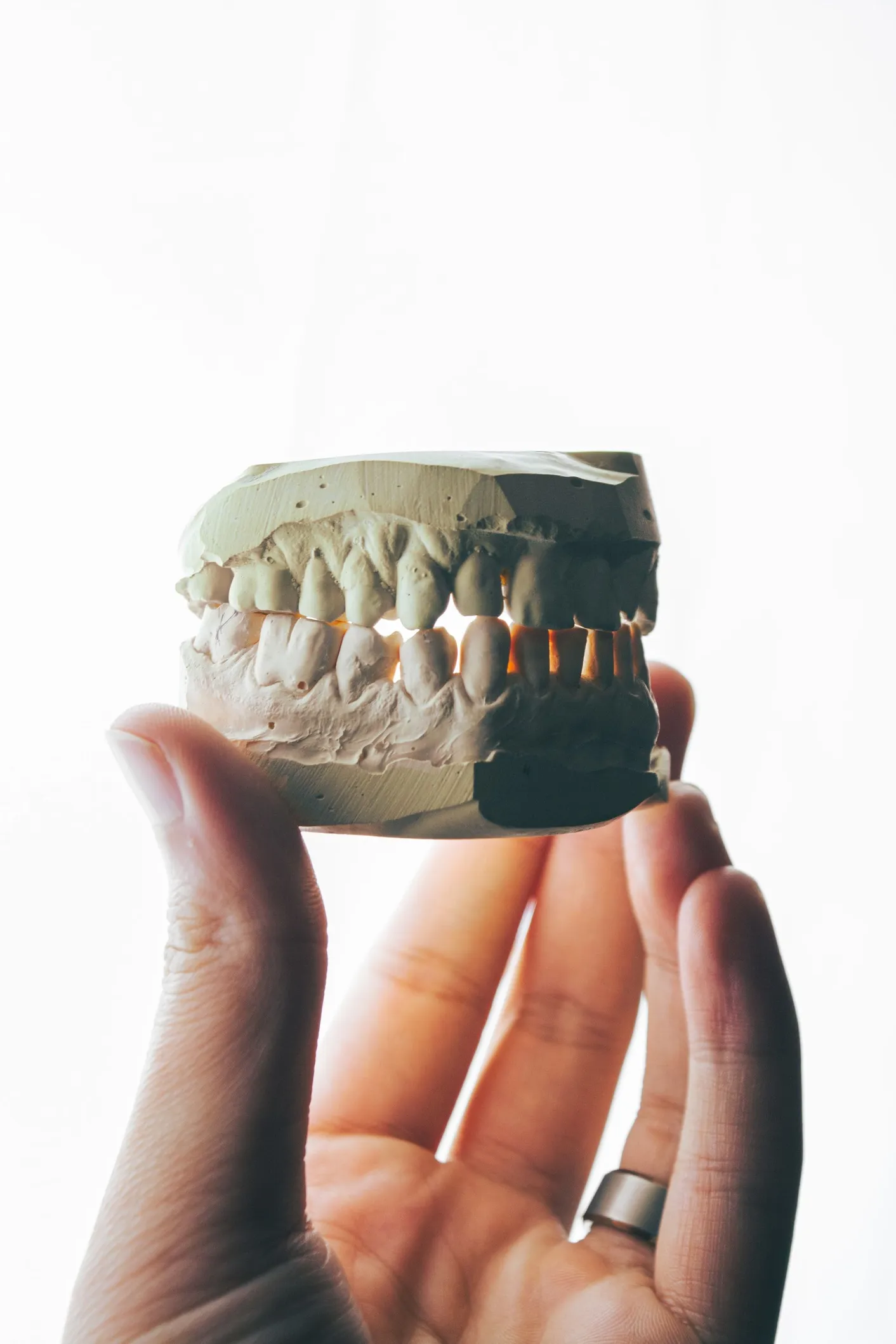
What are teeth made of?
Teeth are made of several materials that together give them their hardness and resilience. Tooth enamel, which forms the outermost layer, consists mainly of hydroxyapatite. This mineral protects the tooth against mechanical stress. Dentine consists mainly of collagen fibres and minerals, which give it a degree of flexibility. Dental pulp contains nerve cells and blood vessels that transport nutrients. Cementum is a bone-like substance that connects the tooth roots to the jawbone.
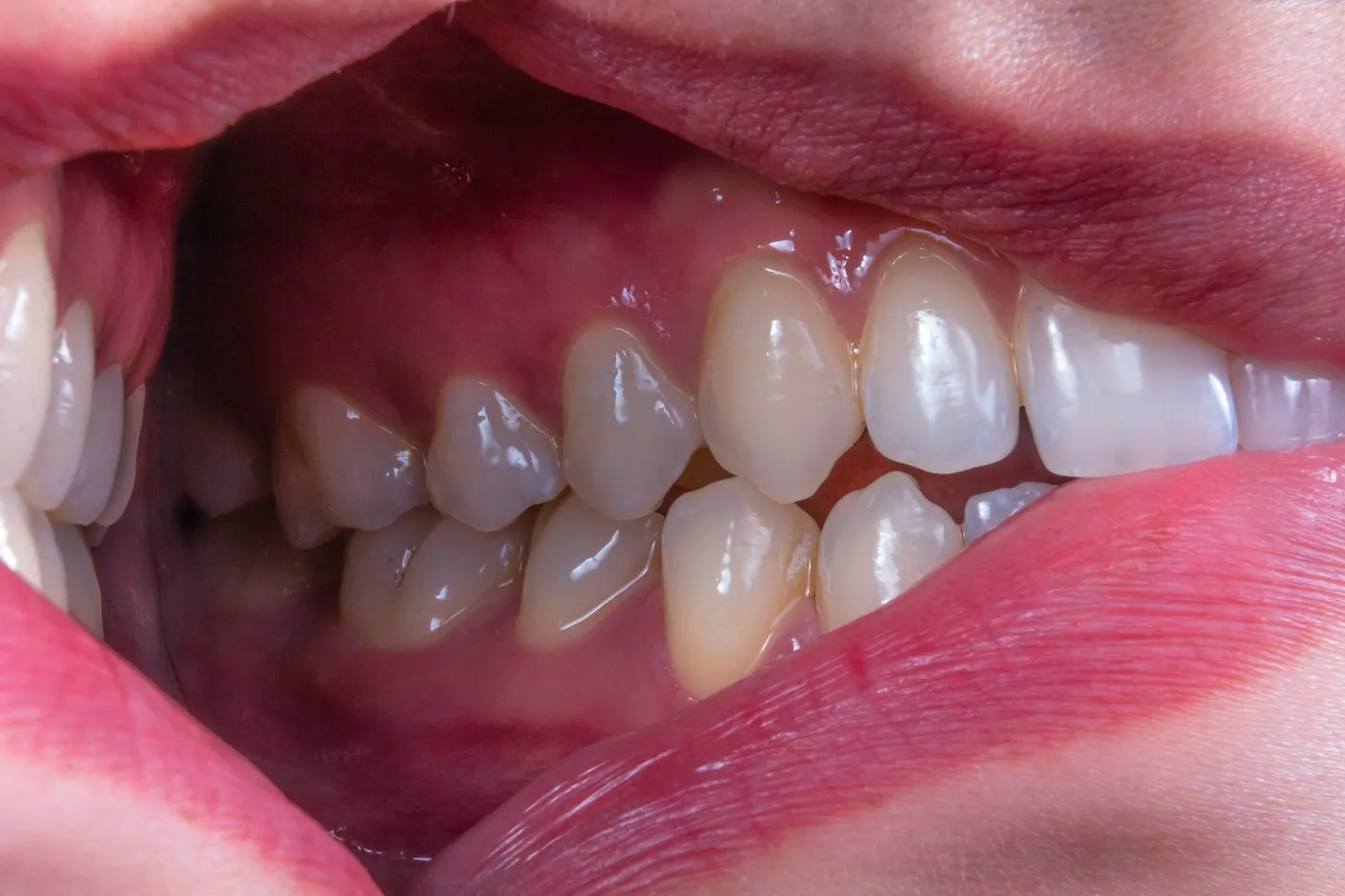
Tooth surfaces explained simply
A tooth has several surfaces, each responsible for different functions. The main tooth surfaces are: • Occlusal surface: the chewing surface used to grind food. • Buccal surface: the surface facing the cheek. • Lingual surface: the surface facing the tongue. • Mesial surface: the surface facing the midline of the face. • Distal surface: the surface facing away from the midline.

How is a tooth structured?
The structure of a tooth is designed to provide maximum functionality with minimal wear. The outer layer of tooth enamel protects against abrasion and external pressure. The underlying dentine provides structure and stability. The dental pulp supplies nutrients, while the cementum ensures secure anchoring in the jaw.

Relevant dental terms
Dentistry has many technical terms relating to different aspects of a tooth. The term dentistry refers to the science and practice of dental medicine. It deals with the diagnosis, treatment and prevention of dental diseases. Dental anatomy encompasses the detailed study of the structure and various parts of a tooth.
FAQs about tooth structure
Tooth enamel is the outermost and hardest layer. This layer protects against wear.
The components are tooth enamel, dentine, dental pulp and cementum.
No. However, they are made of mineral materials similar to those in bones.
Incisors are sharp and are used to cut food. Molars are flat and are used to grind food.
They break down food, making it easier for the stomach to digest.
The tooth surfaces are the occlusal, buccal, lingual, mesial and distal surfaces.
To provide a stable base for chewing and biting.
An adult normally has 32 teeth, including wisdom teeth.
They help with eating and are important for general oral health. The loss of one or more teeth can lead to problems.